






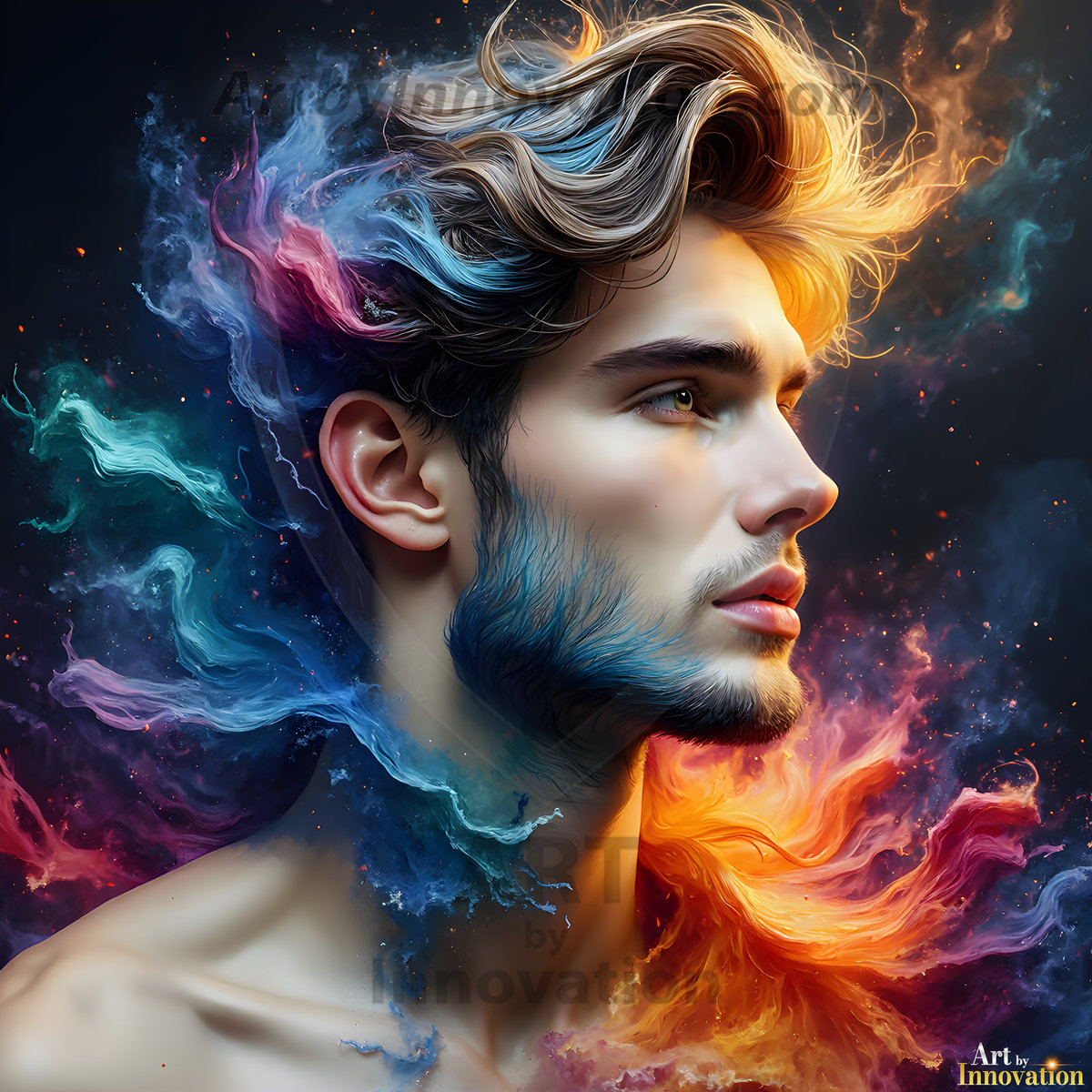
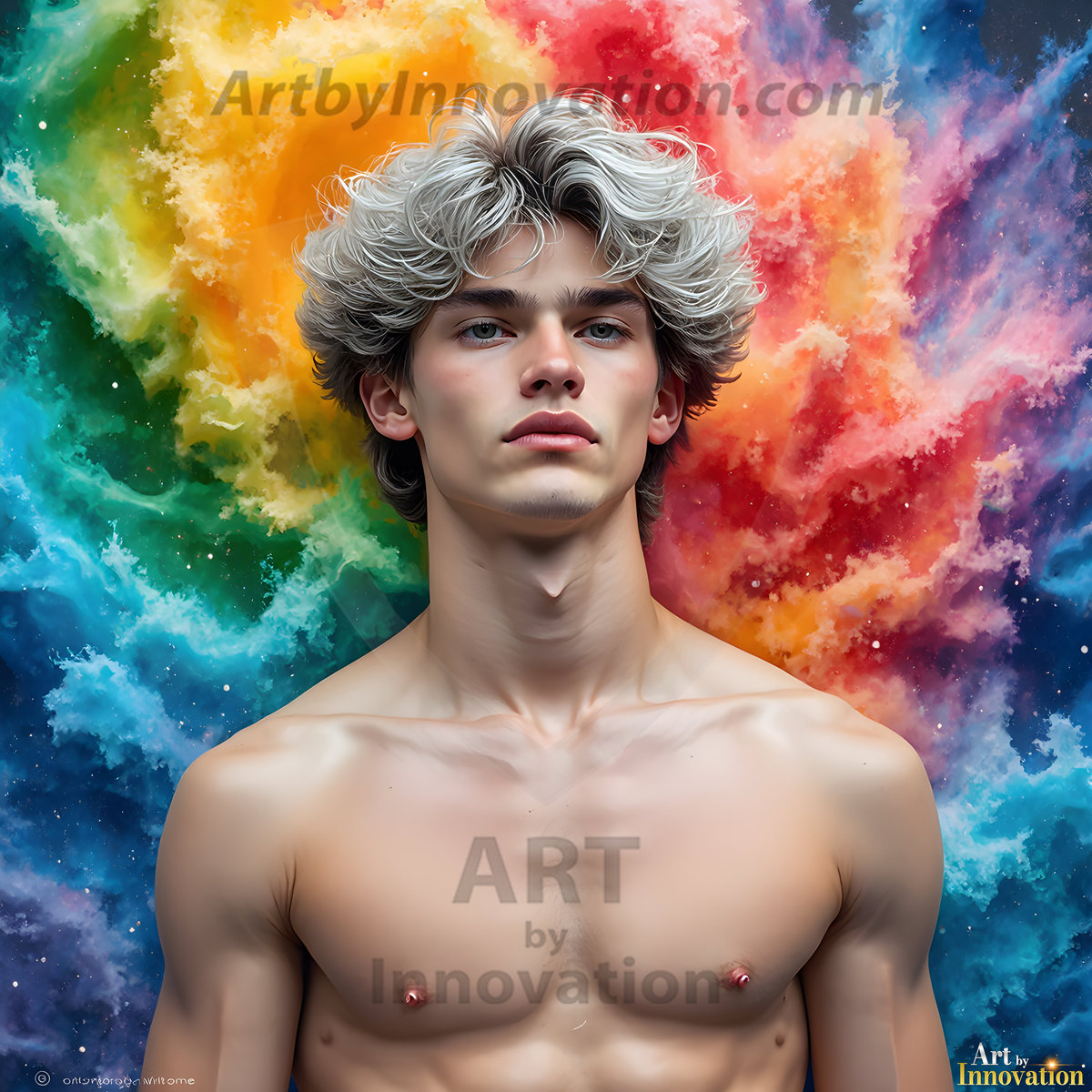
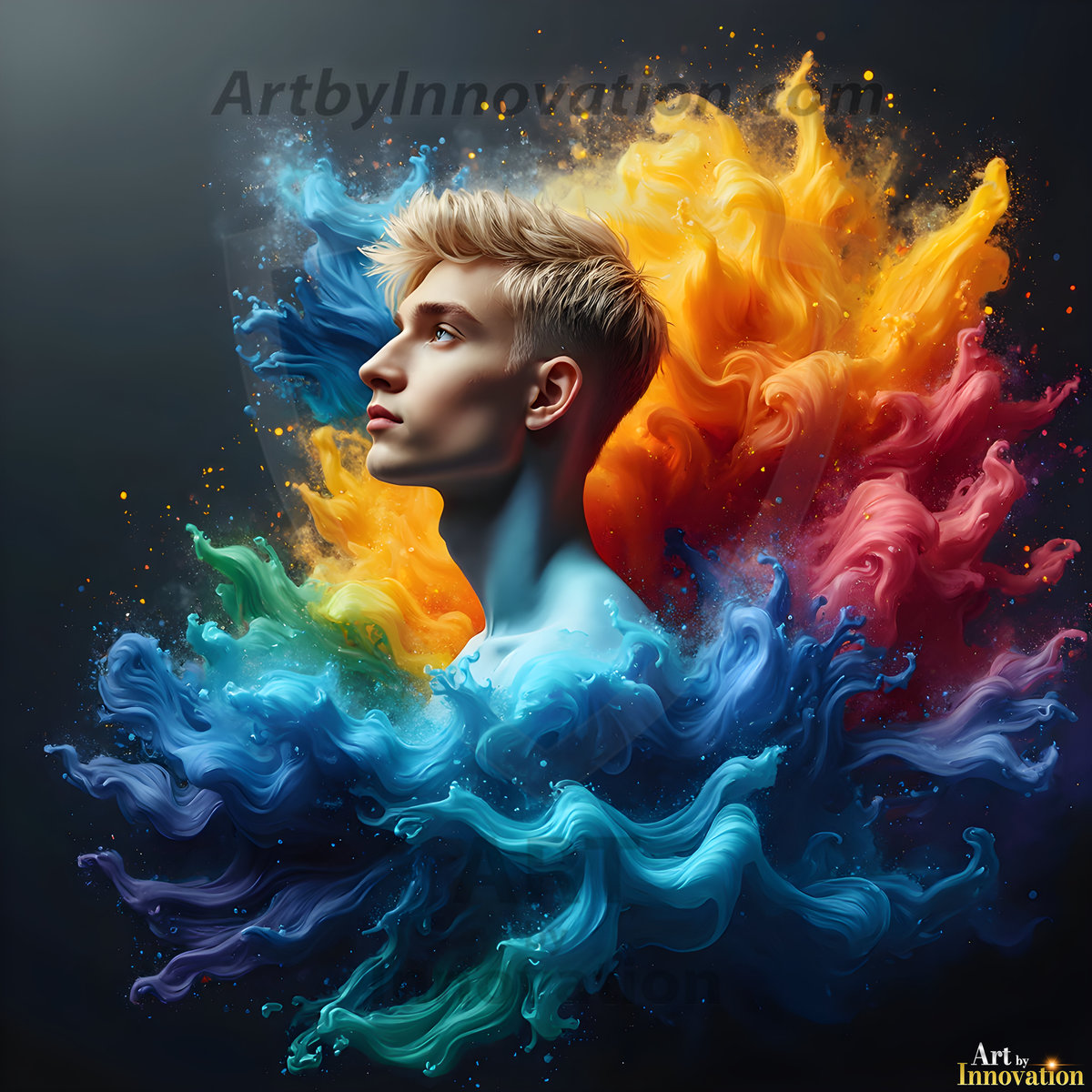
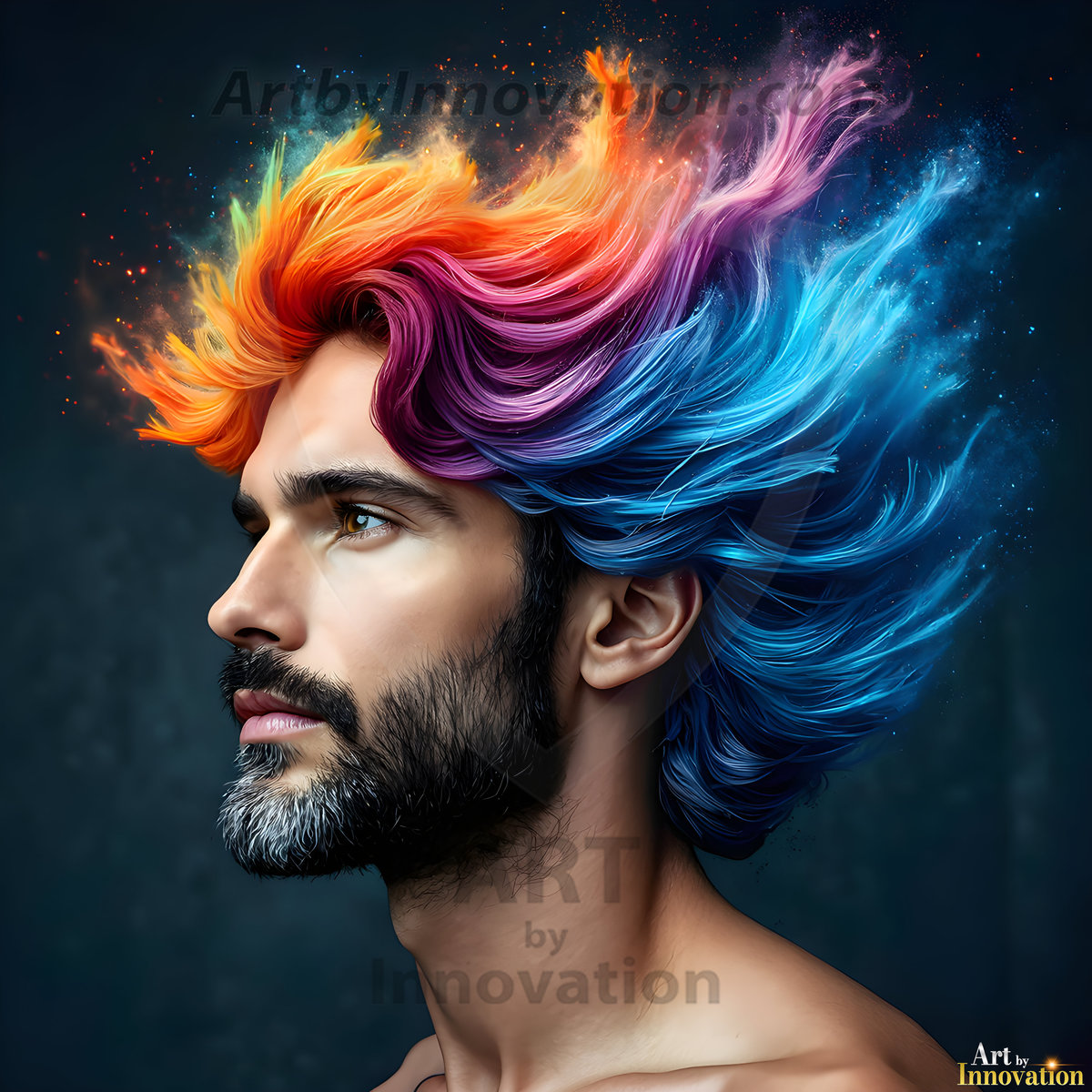
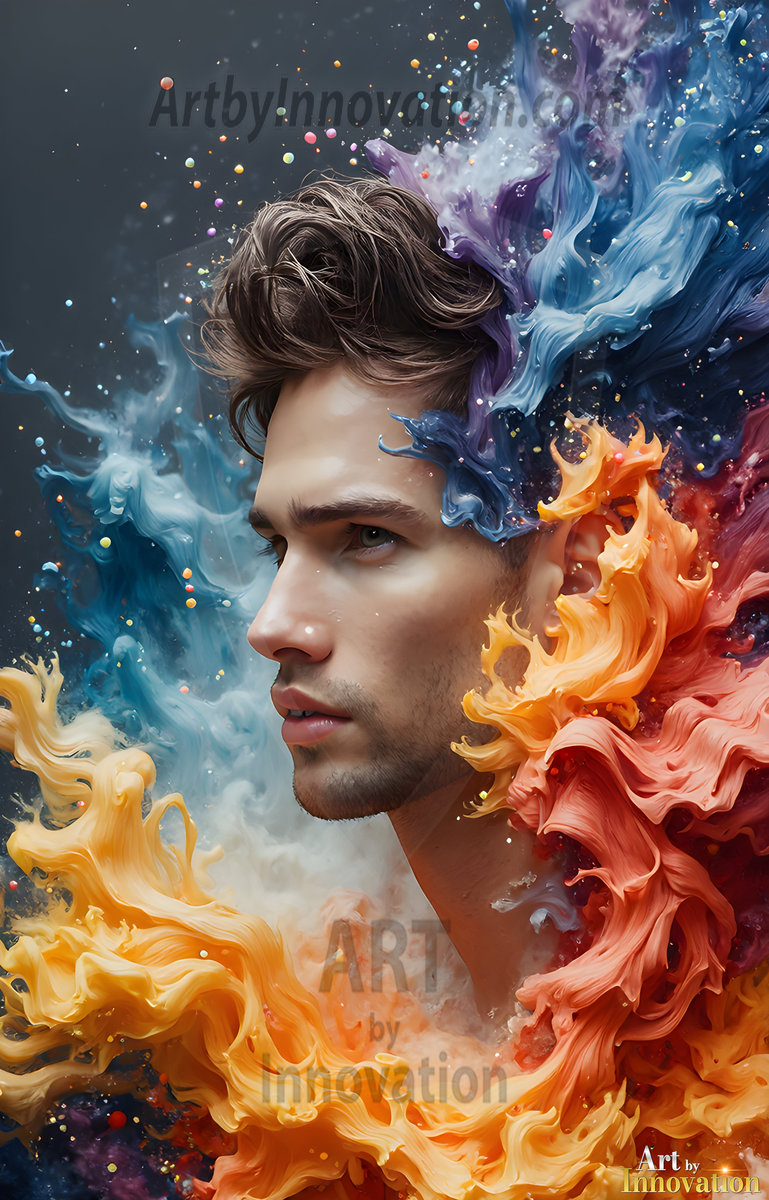
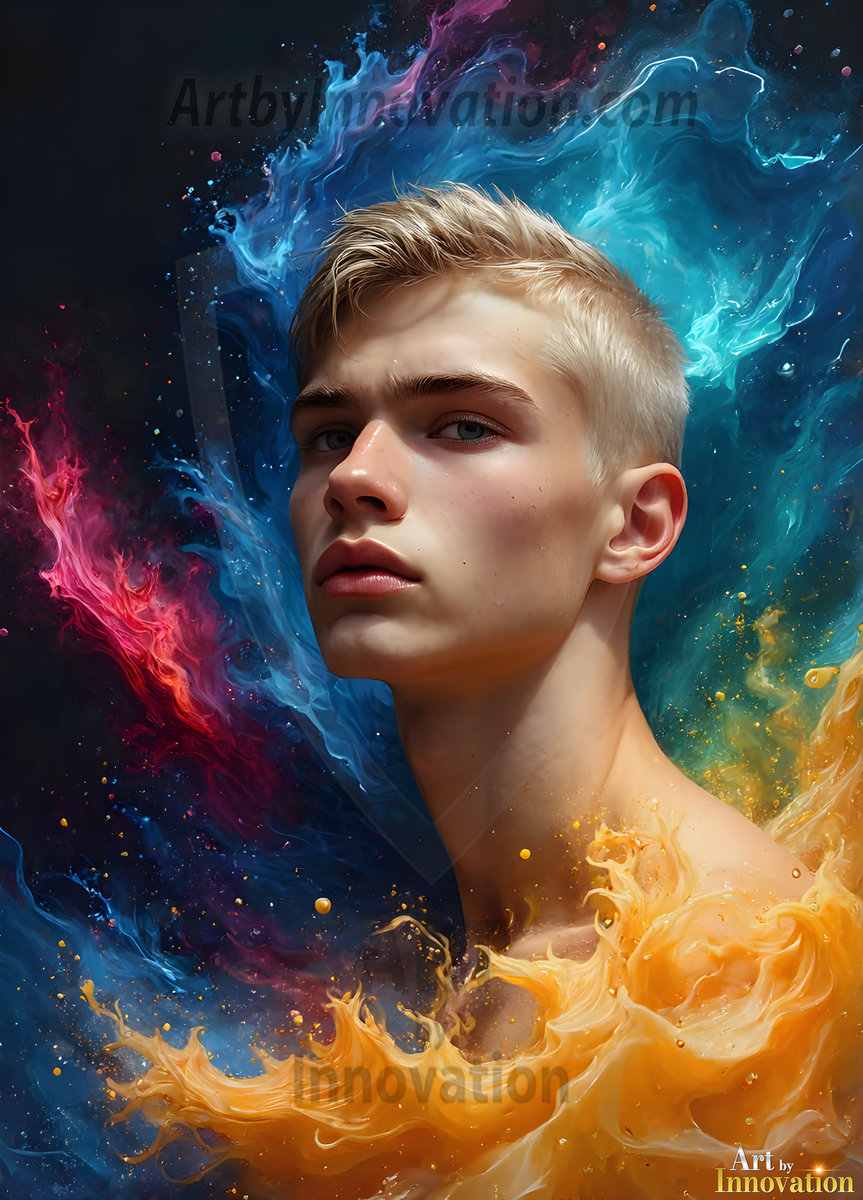
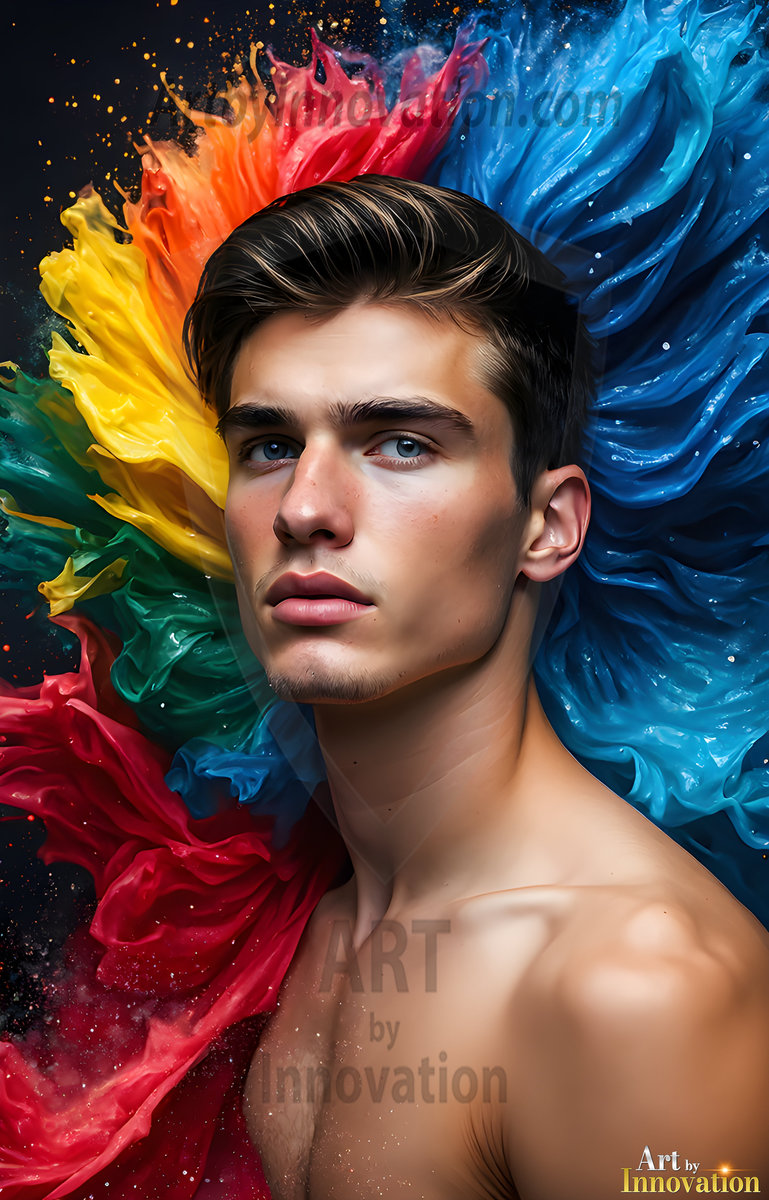
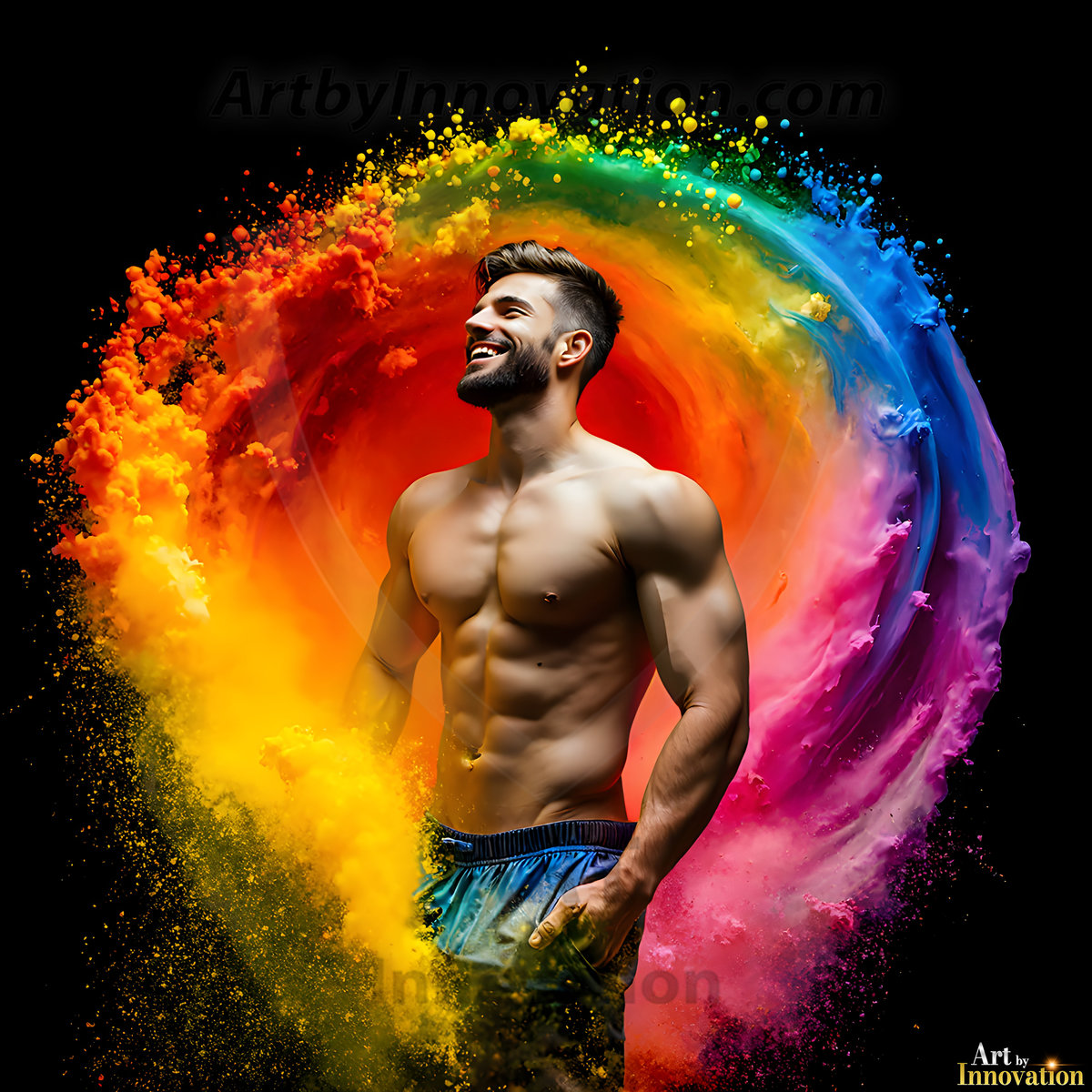
Every color tells a story. This AI-generated collection celebrates the vibrant colors of LGBTQ+ Pride — featuring beautiful, handsome men embellished with the full rainbow palette of the gay pride flag. Red for life, orange for healing, yellow for sunlight, green for nature, blue for serenity, and violet for spirit. Over 500 stunning images celebrating diversity, identity, and community. Created using Flux.1 and ComfyUI by © Jeff Dupler | Art by Innovation | https://www.artbyinnovation.com
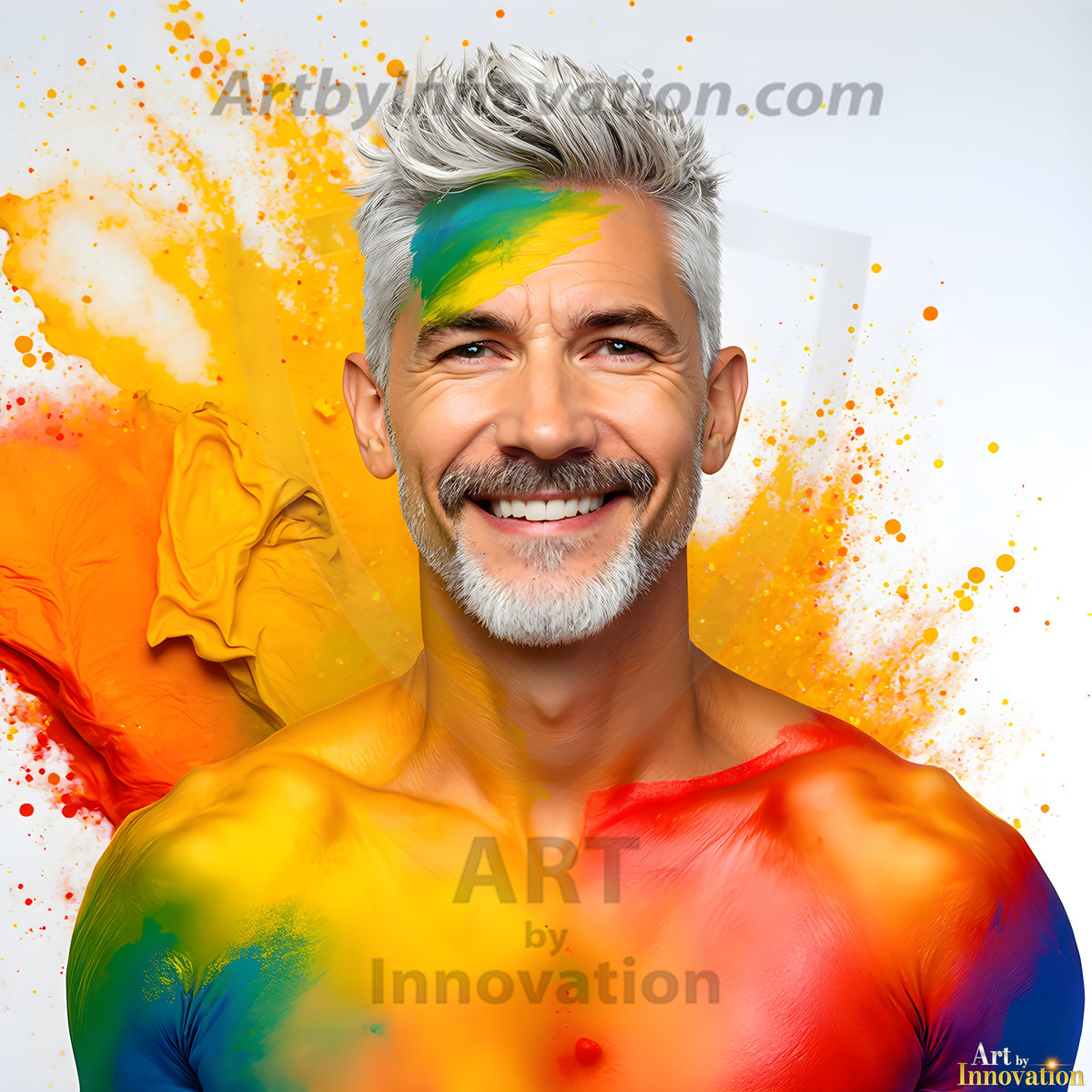
The colors of the LGBTQ+ Pride flags are designed to celebrate the diversity of human experience, visibility, and hope, with each shade representing a specific value that honors the LGBTQ+ community. Created in 1978 by artist Gilbert Baker, the rainbow flag has evolved to include more inclusive colors, showcasing how variety in identity makes individuals uniquely themselves. Meanings Behind the Colors, Red (Life): Represents the vitality and passion of LGBTQ+ people. Orange (Healing): Symbolizes the healing power within the community, often in the face of adversity. Yellow (Sunlight): Signifies the brightness and joy of being true to oneself. Green (Nature): Represents a connection to nature, the environment, and prosperity. Blue/Indigo (Serenity/Harmony): Symbolizes serenity, calm, and inner strength found in living one's truth. Violet/Purple (Spirit): Represents the spirit, strength, and resilience of the community.
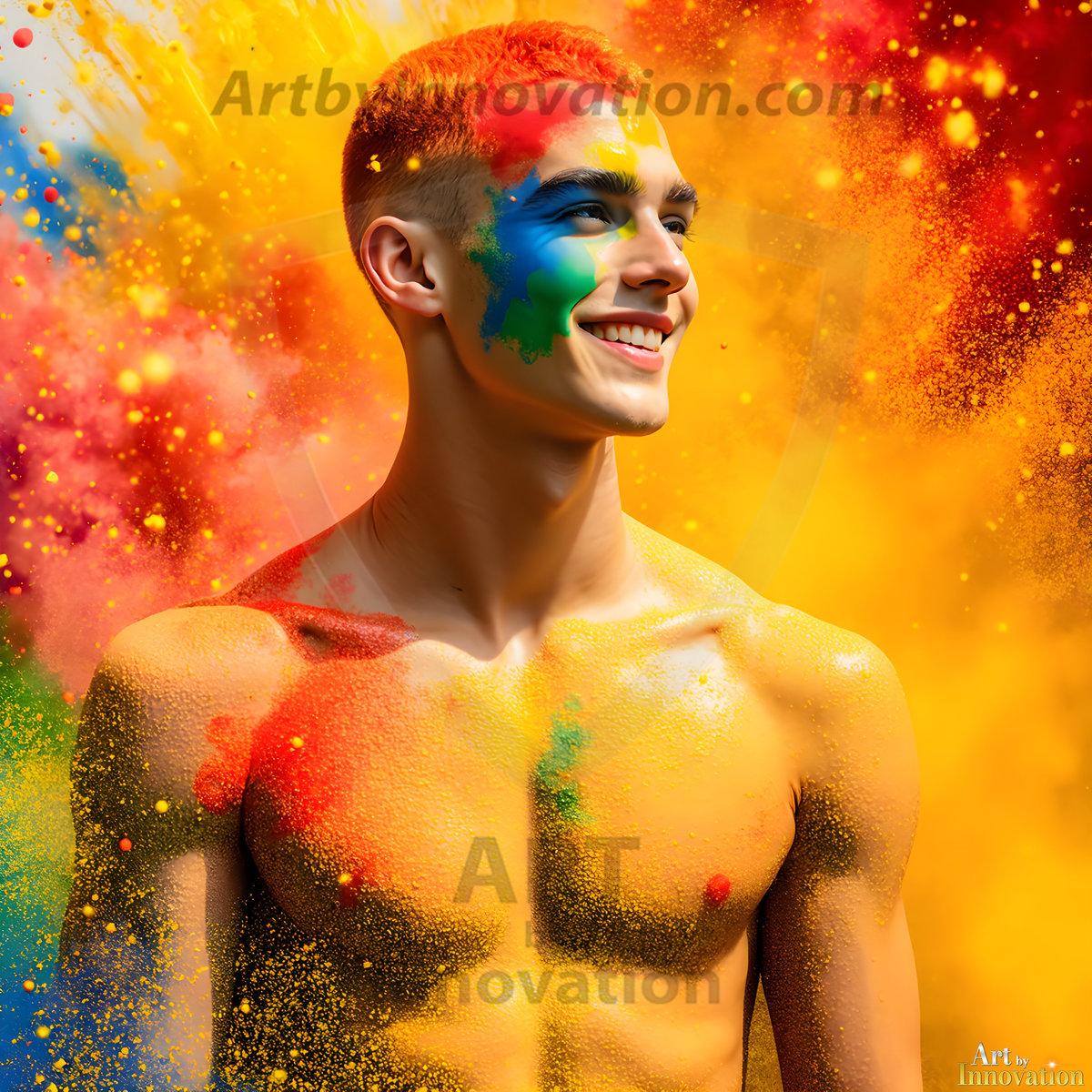
The colors of the LGBTQ+ Pride flags are designed to celebrate the diversity of human experience, visibility, and hope, with each shade representing a specific value that honors the LGBTQ+ community. Created in 1978 by artist Gilbert Baker, the rainbow flag has evolved to include more inclusive colors, showcasing how variety in identity makes individuals uniquely themselves. Meanings Behind the Colors, Red (Life): Represents the vitality and passion of LGBTQ+ people. Orange (Healing): Symbolizes the healing power within the community, often in the face of adversity. Yellow (Sunlight): Signifies the brightness and joy of being true to oneself. Green (Nature): Represents a connection to nature, the environment, and prosperity. Blue/Indigo (Serenity/Harmony): Symbolizes serenity, calm, and inner strength found in living one's truth. Violet/Purple (Spirit): Represents the spirit, strength, and resilience of the community.
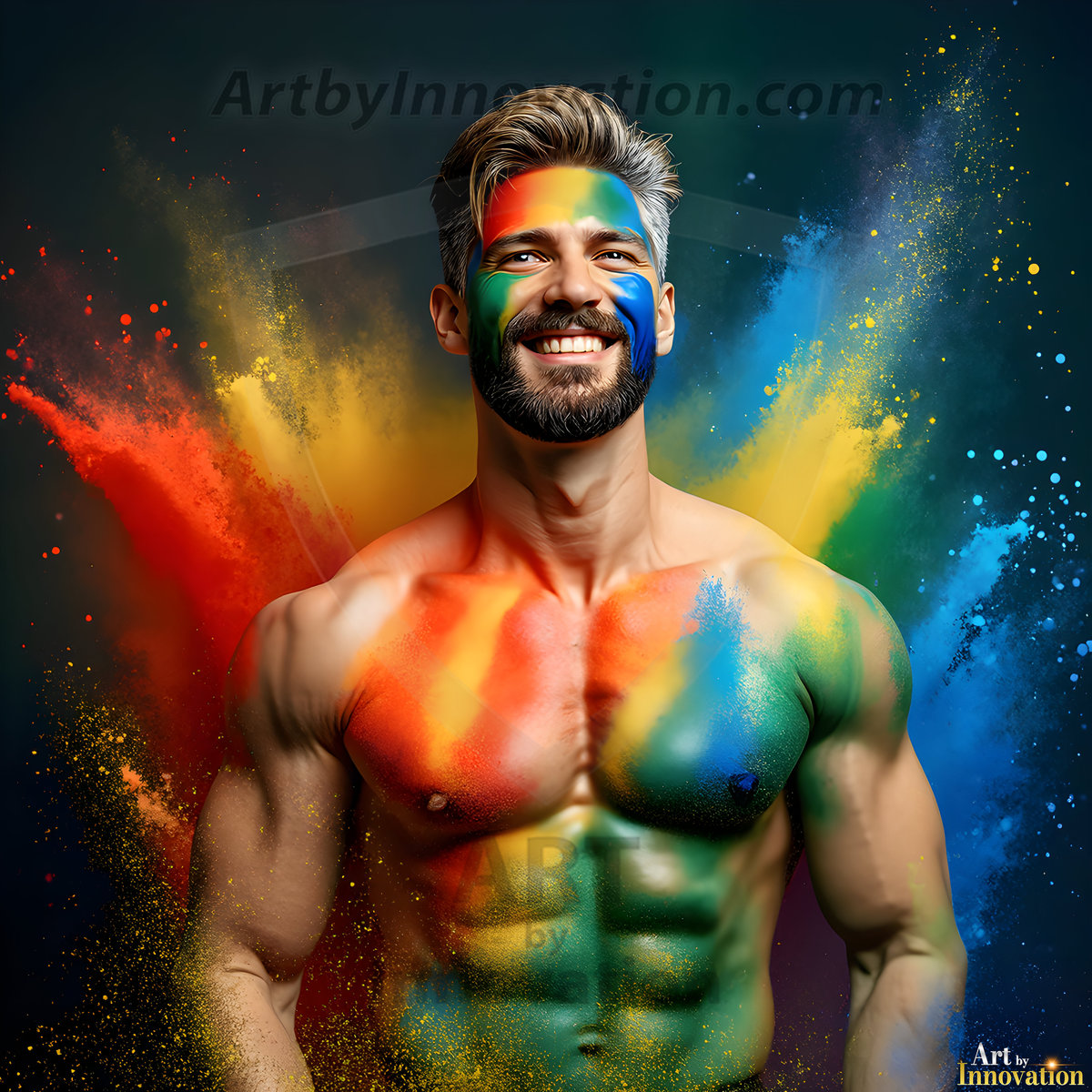
The colors of the LGBTQ+ Pride flags are designed to celebrate the diversity of human experience, visibility, and hope, with each shade representing a specific value that honors the LGBTQ+ community. Created in 1978 by artist Gilbert Baker, the rainbow flag has evolved to include more inclusive colors, showcasing how variety in identity makes individuals uniquely themselves. Meanings Behind the Colors, Red (Life): Represents the vitality and passion of LGBTQ+ people. Orange (Healing): Symbolizes the healing power within the community, often in the face of adversity. Yellow (Sunlight): Signifies the brightness and joy of being true to oneself. Green (Nature): Represents a connection to nature, the environment, and prosperity. Blue/Indigo (Serenity/Harmony): Symbolizes serenity, calm, and inner strength found in living one's truth. Violet/Purple (Spirit): Represents the spirit, strength, and resilience of the community.
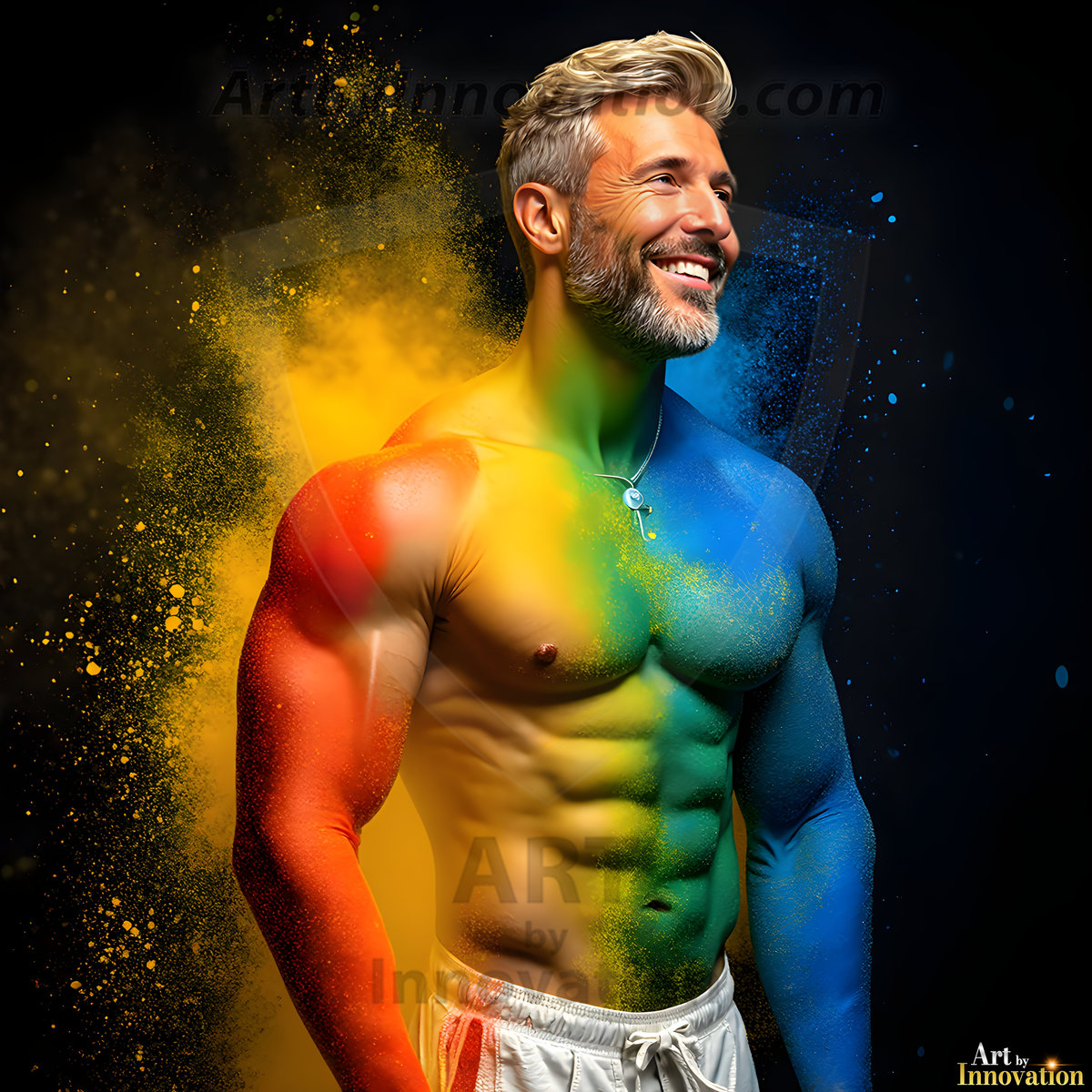
The colors of the LGBTQ+ Pride flags are designed to celebrate the diversity of human experience, visibility, and hope, with each shade representing a specific value that honors the LGBTQ+ community. Created in 1978 by artist Gilbert Baker, the rainbow flag has evolved to include more inclusive colors, showcasing how variety in identity makes individuals uniquely themselves. Meanings Behind the Colors, Red (Life): Represents the vitality and passion of LGBTQ+ people. Orange (Healing): Symbolizes the healing power within the community, often in the face of adversity. Yellow (Sunlight): Signifies the brightness and joy of being true to oneself. Green (Nature): Represents a connection to nature, the environment, and prosperity. Blue/Indigo (Serenity/Harmony): Symbolizes serenity, calm, and inner strength found in living one's truth. Violet/Purple (Spirit): Represents the spirit, strength, and resilience of the community.
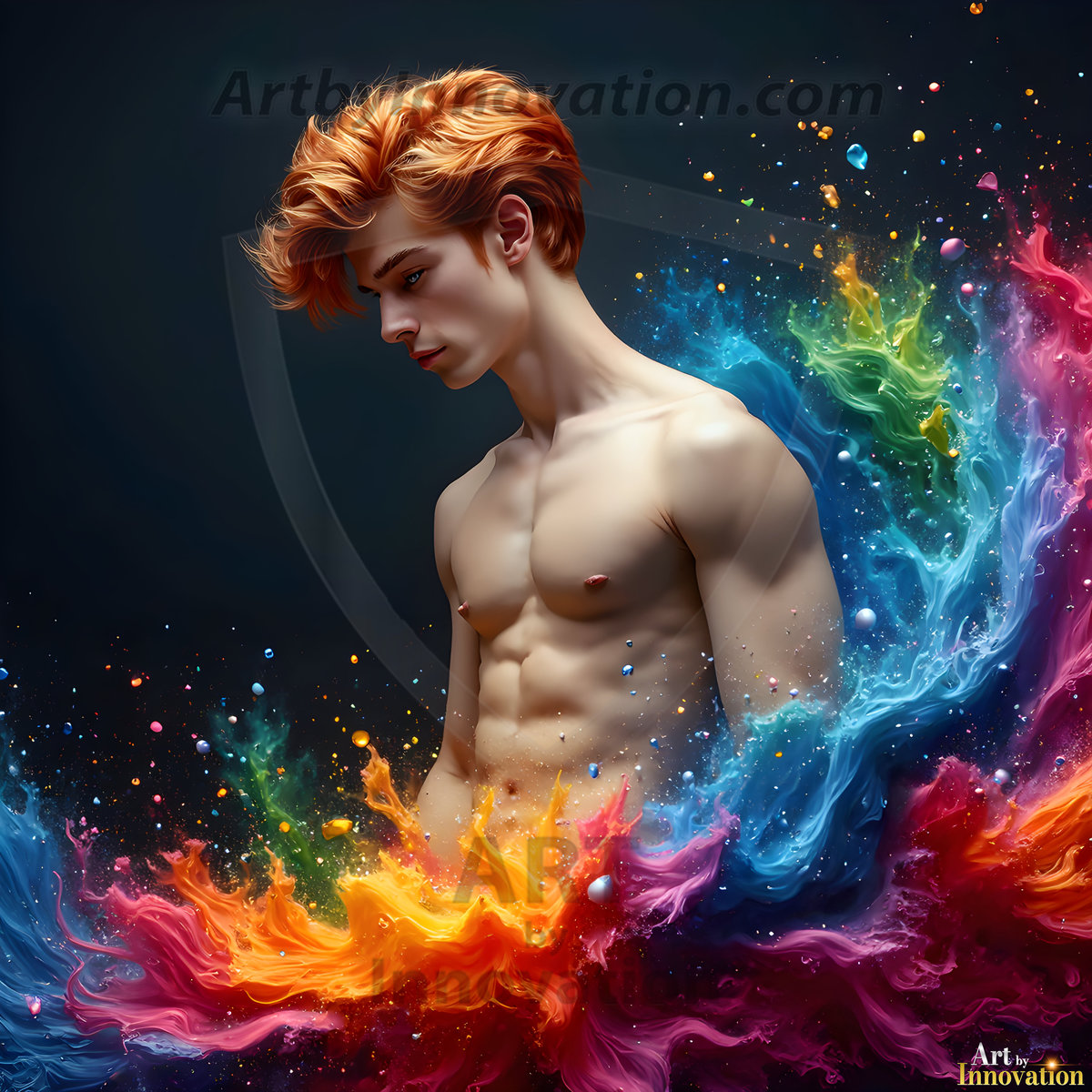
The colors of the LGBTQ+ Pride flags are designed to celebrate the diversity of human experience, visibility, and hope, with each shade representing a specific value that honors the LGBTQ+ community. Created in 1978 by artist Gilbert Baker, the rainbow flag has evolved to include more inclusive colors, showcasing how variety in identity makes individuals uniquely themselves. Meanings Behind the Colors, Red (Life): Represents the vitality and passion of LGBTQ+ people. Orange (Healing): Symbolizes the healing power within the community, often in the face of adversity. Yellow (Sunlight): Signifies the brightness and joy of being true to oneself. Green (Nature): Represents a connection to nature, the environment, and prosperity. Blue/Indigo (Serenity/Harmony): Symbolizes serenity, calm, and inner strength found in living one's truth. Violet/Purple (Spirit): Represents the spirit, strength, and resilience of the community.

The colors of the LGBTQ+ Pride flags are designed to celebrate the diversity of human experience, visibility, and hope, with each shade representing a specific value that honors the LGBTQ+ community. Created in 1978 by artist Gilbert Baker, the rainbow flag has evolved to include more inclusive colors, showcasing how variety in identity makes individuals uniquely themselves. Meanings Behind the Colors, Red (Life): Represents the vitality and passion of LGBTQ+ people. Orange (Healing): Symbolizes the healing power within the community, often in the face of adversity. Yellow (Sunlight): Signifies the brightness and joy of being true to oneself. Green (Nature): Represents a connection to nature, the environment, and prosperity. Blue/Indigo (Serenity/Harmony): Symbolizes serenity, calm, and inner strength found in living one's truth. Violet/Purple (Spirit): Represents the spirit, strength, and resilience of the community.
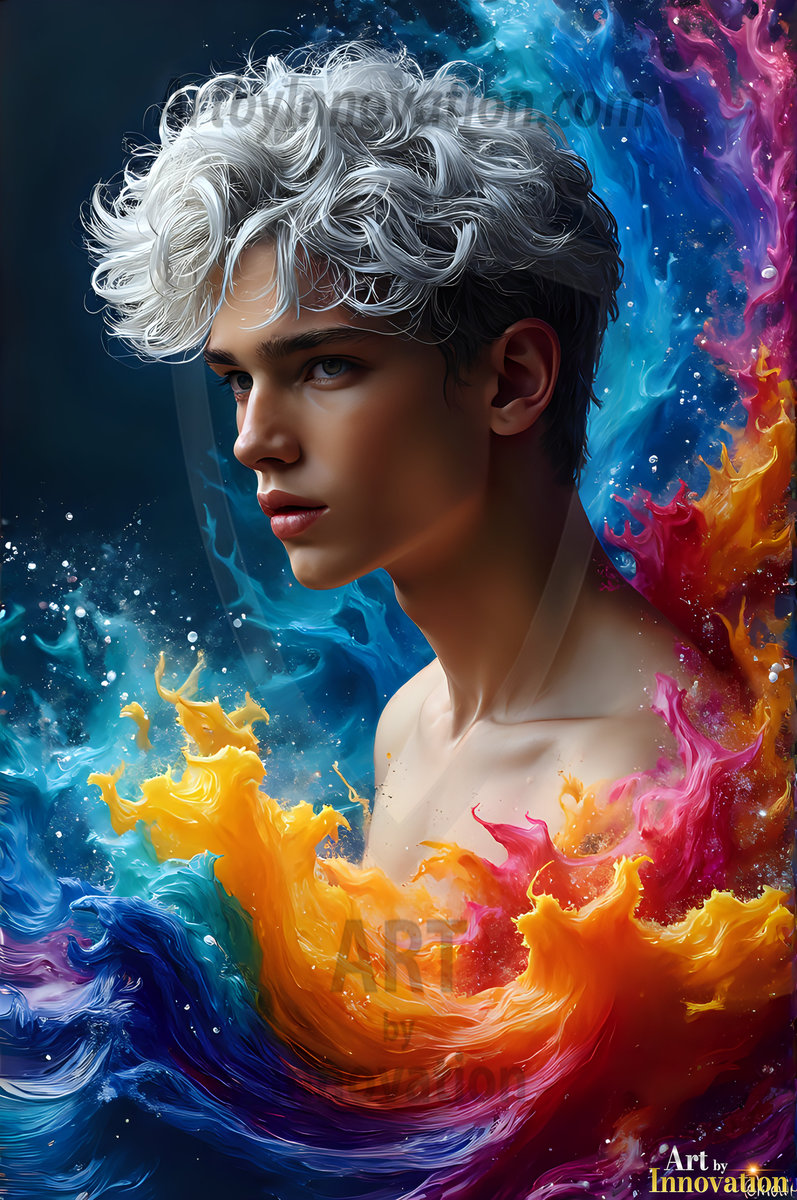
The colors of the LGBTQ+ Pride flags are designed to celebrate the diversity of human experience, visibility, and hope, with each shade representing a specific value that honors the LGBTQ+ community. Created in 1978 by artist Gilbert Baker, the rainbow flag has evolved to include more inclusive colors, showcasing how variety in identity makes individuals uniquely themselves. Meanings Behind the Colors, Red (Life): Represents the vitality and passion of LGBTQ+ people. Orange (Healing): Symbolizes the healing power within the community, often in the face of adversity. Yellow (Sunlight): Signifies the brightness and joy of being true to oneself. Green (Nature): Represents a connection to nature, the environment, and prosperity. Blue/Indigo (Serenity/Harmony): Symbolizes serenity, calm, and inner strength found in living one's truth. Violet/Purple (Spirit): Represents the spirit, strength, and resilience of the community.
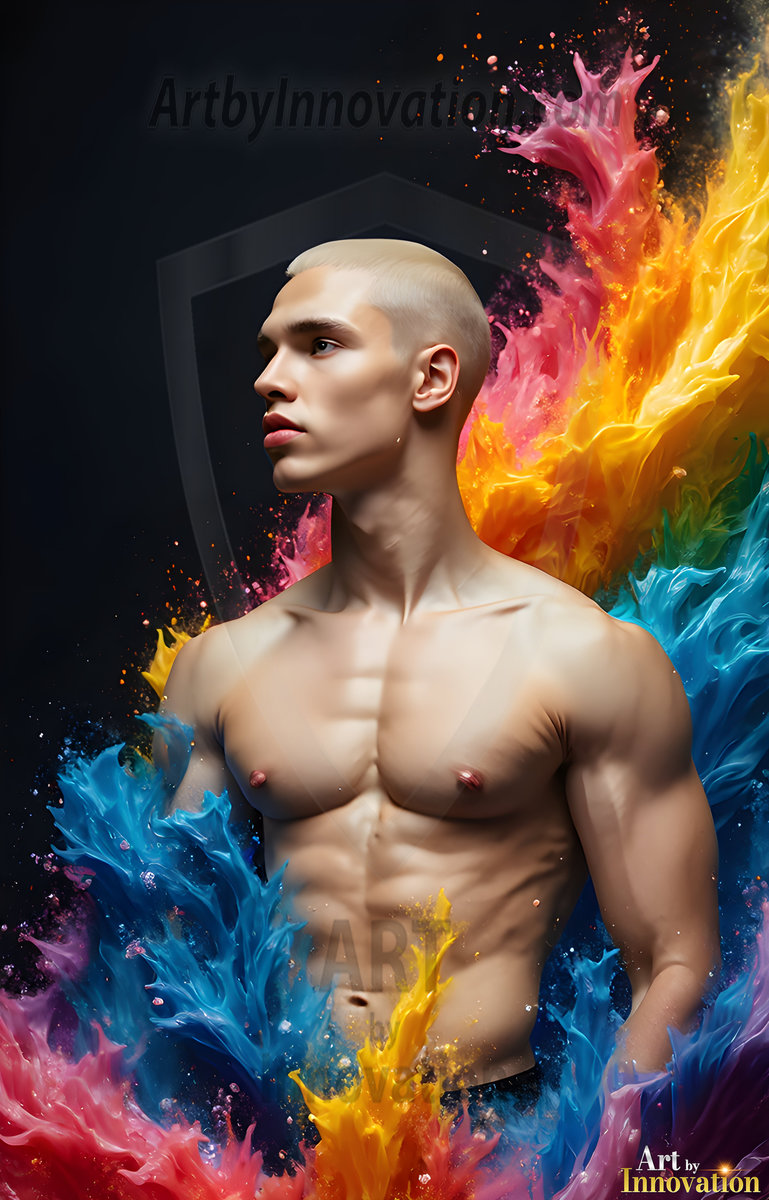
The colors of the LGBTQ+ Pride flags are designed to celebrate the diversity of human experience, visibility, and hope, with each shade representing a specific value that honors the LGBTQ+ community. Created in 1978 by artist Gilbert Baker, the rainbow flag has evolved to include more inclusive colors, showcasing how variety in identity makes individuals uniquely themselves. Meanings Behind the Colors, Red (Life): Represents the vitality and passion of LGBTQ+ people. Orange (Healing): Symbolizes the healing power within the community, often in the face of adversity. Yellow (Sunlight): Signifies the brightness and joy of being true to oneself. Green (Nature): Represents a connection to nature, the environment, and prosperity. Blue/Indigo (Serenity/Harmony): Symbolizes serenity, calm, and inner strength found in living one's truth. Violet/Purple (Spirit): Represents the spirit, strength, and resilience of the community.
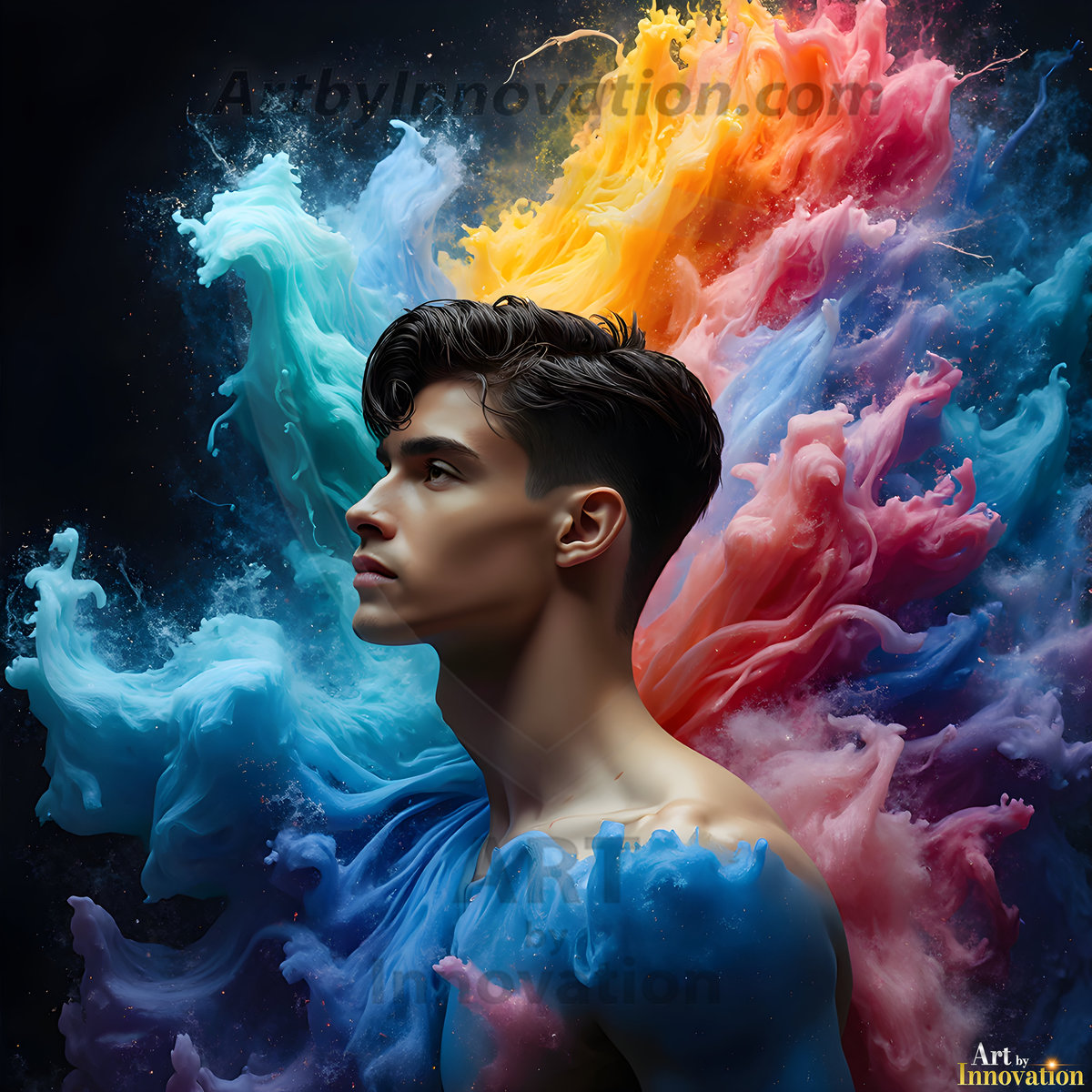
The colors of the LGBTQ+ Pride flags are designed to celebrate the diversity of human experience, visibility, and hope, with each shade representing a specific value that honors the LGBTQ+ community. Created in 1978 by artist Gilbert Baker, the rainbow flag has evolved to include more inclusive colors, showcasing how variety in identity makes individuals uniquely themselves. Meanings Behind the Colors, Red (Life): Represents the vitality and passion of LGBTQ+ people. Orange (Healing): Symbolizes the healing power within the community, often in the face of adversity. Yellow (Sunlight): Signifies the brightness and joy of being true to oneself. Green (Nature): Represents a connection to nature, the environment, and prosperity. Blue/Indigo (Serenity/Harmony): Symbolizes serenity, calm, and inner strength found in living one's truth. Violet/Purple (Spirit): Represents the spirit, strength, and resilience of the community.
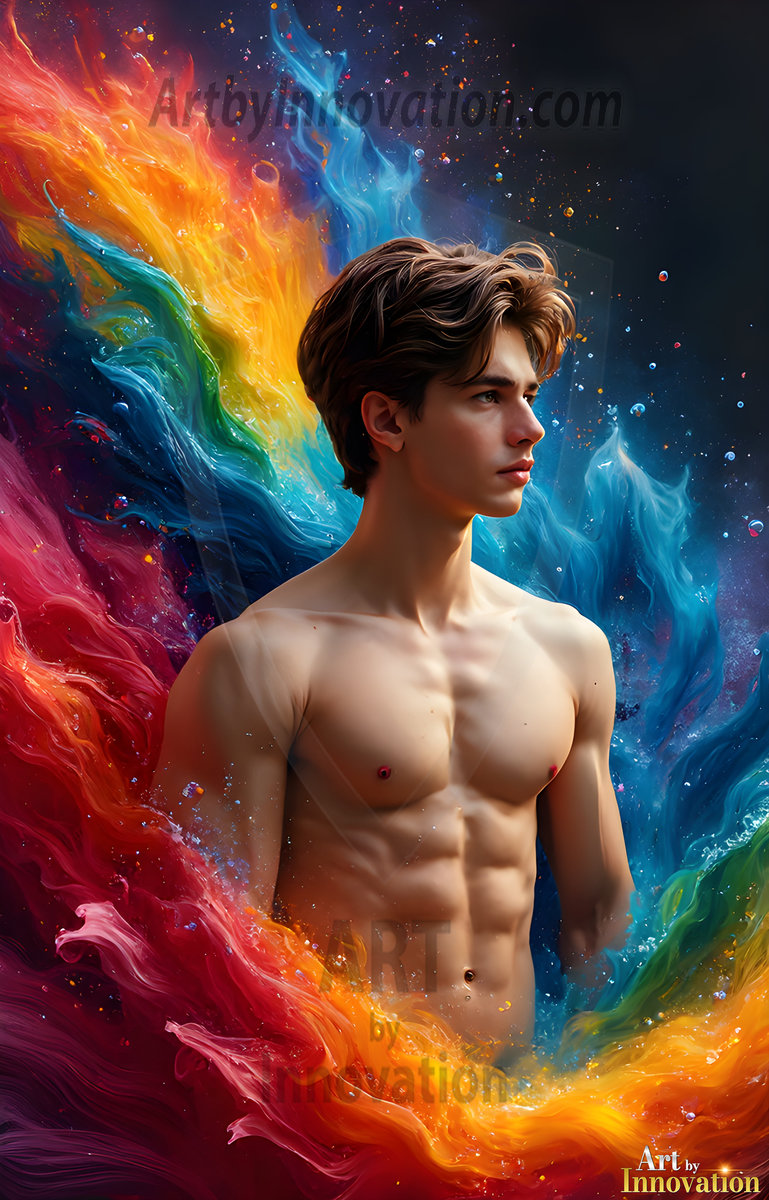
The colors of the LGBTQ+ Pride flags are designed to celebrate the diversity of human experience, visibility, and hope, with each shade representing a specific value that honors the LGBTQ+ community. Created in 1978 by artist Gilbert Baker, the rainbow flag has evolved to include more inclusive colors, showcasing how variety in identity makes individuals uniquely themselves. Meanings Behind the Colors, Red (Life): Represents the vitality and passion of LGBTQ+ people. Orange (Healing): Symbolizes the healing power within the community, often in the face of adversity. Yellow (Sunlight): Signifies the brightness and joy of being true to oneself. Green (Nature): Represents a connection to nature, the environment, and prosperity. Blue/Indigo (Serenity/Harmony): Symbolizes serenity, calm, and inner strength found in living one's truth. Violet/Purple (Spirit): Represents the spirit, strength, and resilience of the community.
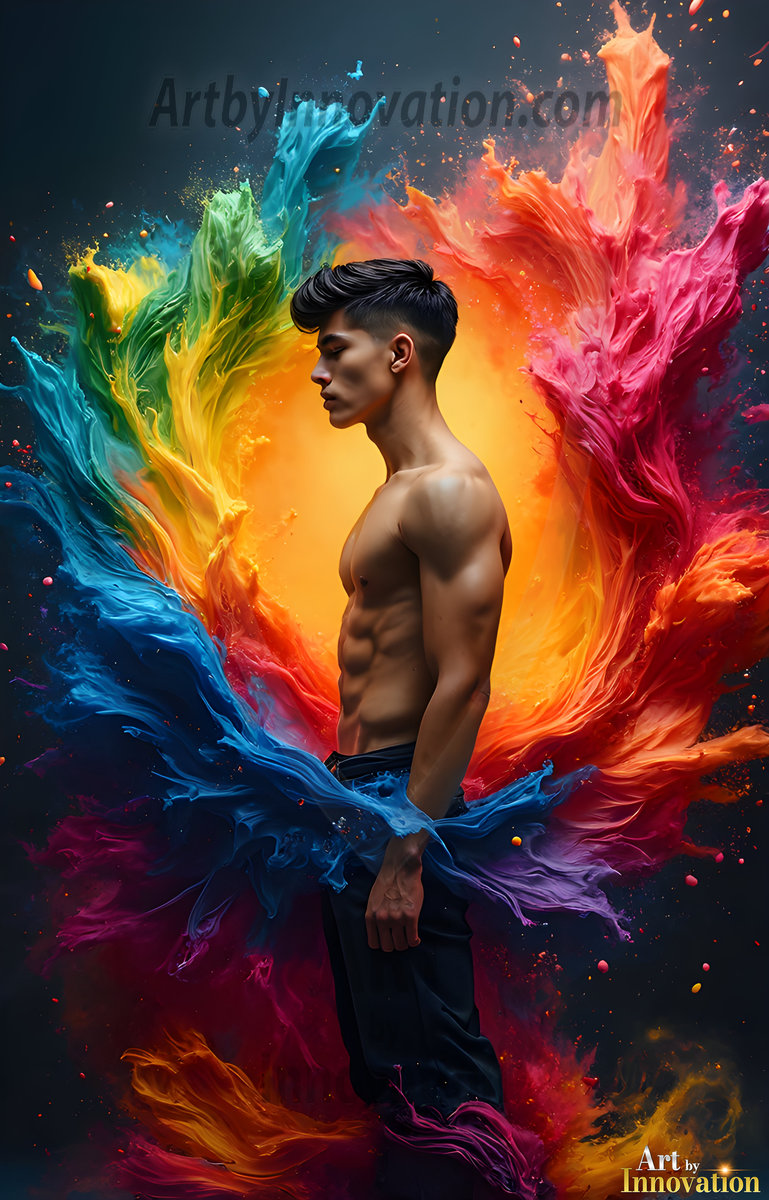
The colors of the LGBTQ+ Pride flags are designed to celebrate the diversity of human experience, visibility, and hope, with each shade representing a specific value that honors the LGBTQ+ community. Created in 1978 by artist Gilbert Baker, the rainbow flag has evolved to include more inclusive colors, showcasing how variety in identity makes individuals uniquely themselves. Meanings Behind the Colors, Red (Life): Represents the vitality and passion of LGBTQ+ people. Orange (Healing): Symbolizes the healing power within the community, often in the face of adversity. Yellow (Sunlight): Signifies the brightness and joy of being true to oneself. Green (Nature): Represents a connection to nature, the environment, and prosperity. Blue/Indigo (Serenity/Harmony): Symbolizes serenity, calm, and inner strength found in living one's truth. Violet/Purple (Spirit): Represents the spirit, strength, and resilience of the community.
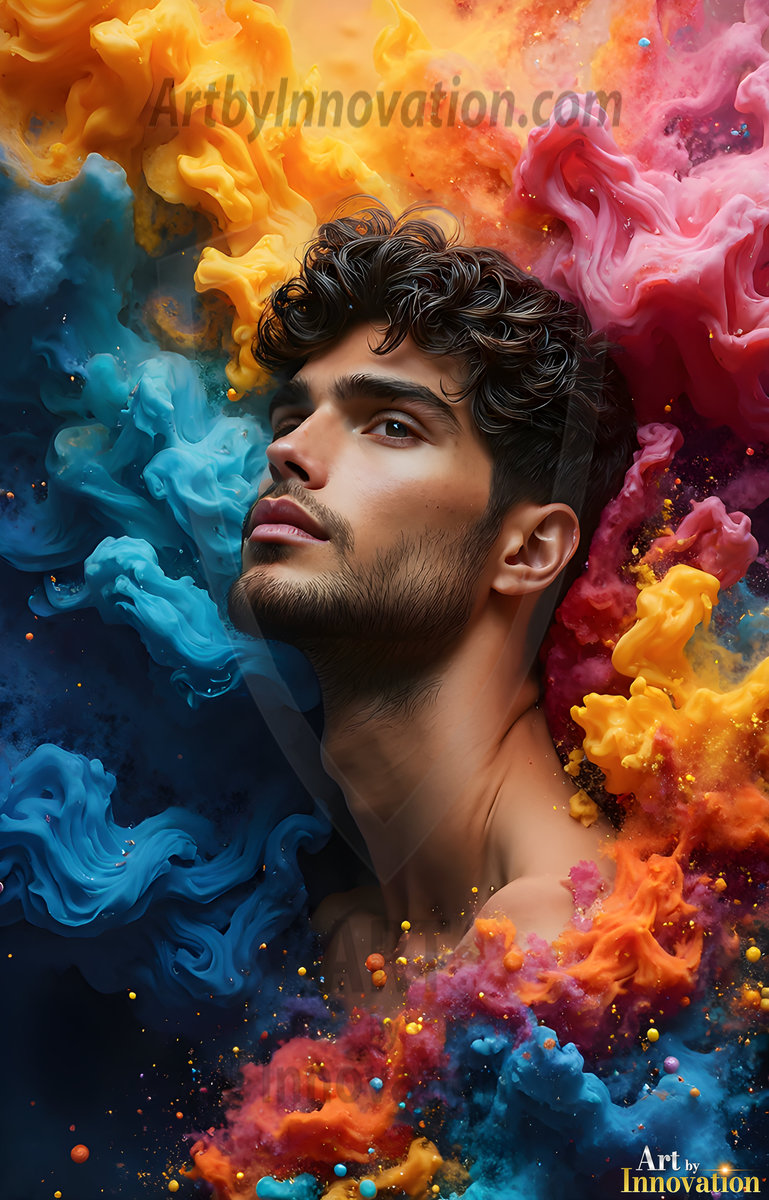
The colors of the LGBTQ+ Pride flags are designed to celebrate the diversity of human experience, visibility, and hope, with each shade representing a specific value that honors the LGBTQ+ community. Created in 1978 by artist Gilbert Baker, the rainbow flag has evolved to include more inclusive colors, showcasing how variety in identity makes individuals uniquely themselves. Meanings Behind the Colors, Red (Life): Represents the vitality and passion of LGBTQ+ people. Orange (Healing): Symbolizes the healing power within the community, often in the face of adversity. Yellow (Sunlight): Signifies the brightness and joy of being true to oneself. Green (Nature): Represents a connection to nature, the environment, and prosperity. Blue/Indigo (Serenity/Harmony): Symbolizes serenity, calm, and inner strength found in living one's truth. Violet/Purple (Spirit): Represents the spirit, strength, and resilience of the community.

The colors of the LGBTQ+ Pride flags are designed to celebrate the diversity of human experience, visibility, and hope, with each shade representing a specific value that honors the LGBTQ+ community. Created in 1978 by artist Gilbert Baker, the rainbow flag has evolved to include more inclusive colors, showcasing how variety in identity makes individuals uniquely themselves. Meanings Behind the Colors, Red (Life): Represents the vitality and passion of LGBTQ+ people. Orange (Healing): Symbolizes the healing power within the community, often in the face of adversity. Yellow (Sunlight): Signifies the brightness and joy of being true to oneself. Green (Nature): Represents a connection to nature, the environment, and prosperity. Blue/Indigo (Serenity/Harmony): Symbolizes serenity, calm, and inner strength found in living one's truth. Violet/Purple (Spirit): Represents the spirit, strength, and resilience of the community.

The colors of the LGBTQ+ Pride flags are designed to celebrate the diversity of human experience, visibility, and hope, with each shade representing a specific value that honors the LGBTQ+ community. Created in 1978 by artist Gilbert Baker, the rainbow flag has evolved to include more inclusive colors, showcasing how variety in identity makes individuals uniquely themselves. Meanings Behind the Colors, Red (Life): Represents the vitality and passion of LGBTQ+ people. Orange (Healing): Symbolizes the healing power within the community, often in the face of adversity. Yellow (Sunlight): Signifies the brightness and joy of being true to oneself. Green (Nature): Represents a connection to nature, the environment, and prosperity. Blue/Indigo (Serenity/Harmony): Symbolizes serenity, calm, and inner strength found in living one's truth. Violet/Purple (Spirit): Represents the spirit, strength, and resilience of the community.
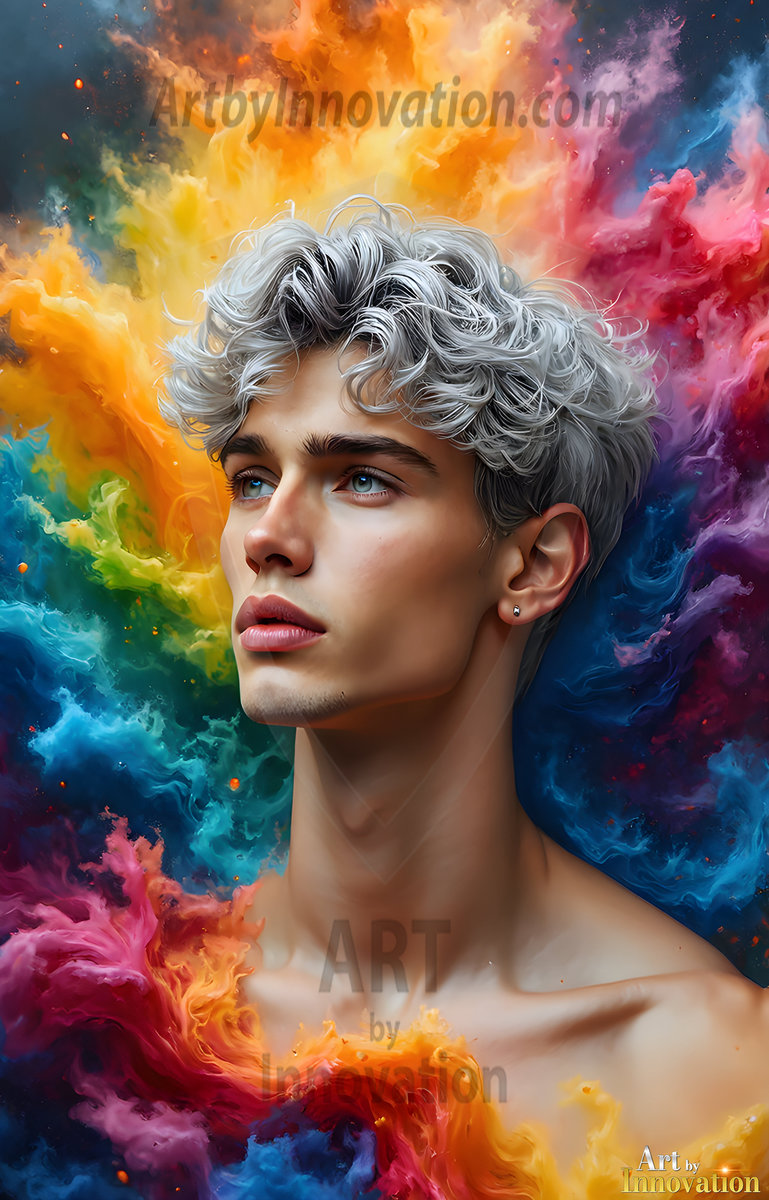
The colors of the LGBTQ+ Pride flags are designed to celebrate the diversity of human experience, visibility, and hope, with each shade representing a specific value that honors the LGBTQ+ community. Created in 1978 by artist Gilbert Baker, the rainbow flag has evolved to include more inclusive colors, showcasing how variety in identity makes individuals uniquely themselves. Meanings Behind the Colors, Red (Life): Represents the vitality and passion of LGBTQ+ people. Orange (Healing): Symbolizes the healing power within the community, often in the face of adversity. Yellow (Sunlight): Signifies the brightness and joy of being true to oneself. Green (Nature): Represents a connection to nature, the environment, and prosperity. Blue/Indigo (Serenity/Harmony): Symbolizes serenity, calm, and inner strength found in living one's truth. Violet/Purple (Spirit): Represents the spirit, strength, and resilience of the community.

The colors of the LGBTQ+ Pride flags are designed to celebrate the diversity of human experience, visibility, and hope, with each shade representing a specific value that honors the LGBTQ+ community. Created in 1978 by artist Gilbert Baker, the rainbow flag has evolved to include more inclusive colors, showcasing how variety in identity makes individuals uniquely themselves. Meanings Behind the Colors, Red (Life): Represents the vitality and passion of LGBTQ+ people. Orange (Healing): Symbolizes the healing power within the community, often in the face of adversity. Yellow (Sunlight): Signifies the brightness and joy of being true to oneself. Green (Nature): Represents a connection to nature, the environment, and prosperity. Blue/Indigo (Serenity/Harmony): Symbolizes serenity, calm, and inner strength found in living one's truth. Violet/Purple (Spirit): Represents the spirit, strength, and resilience of the community.
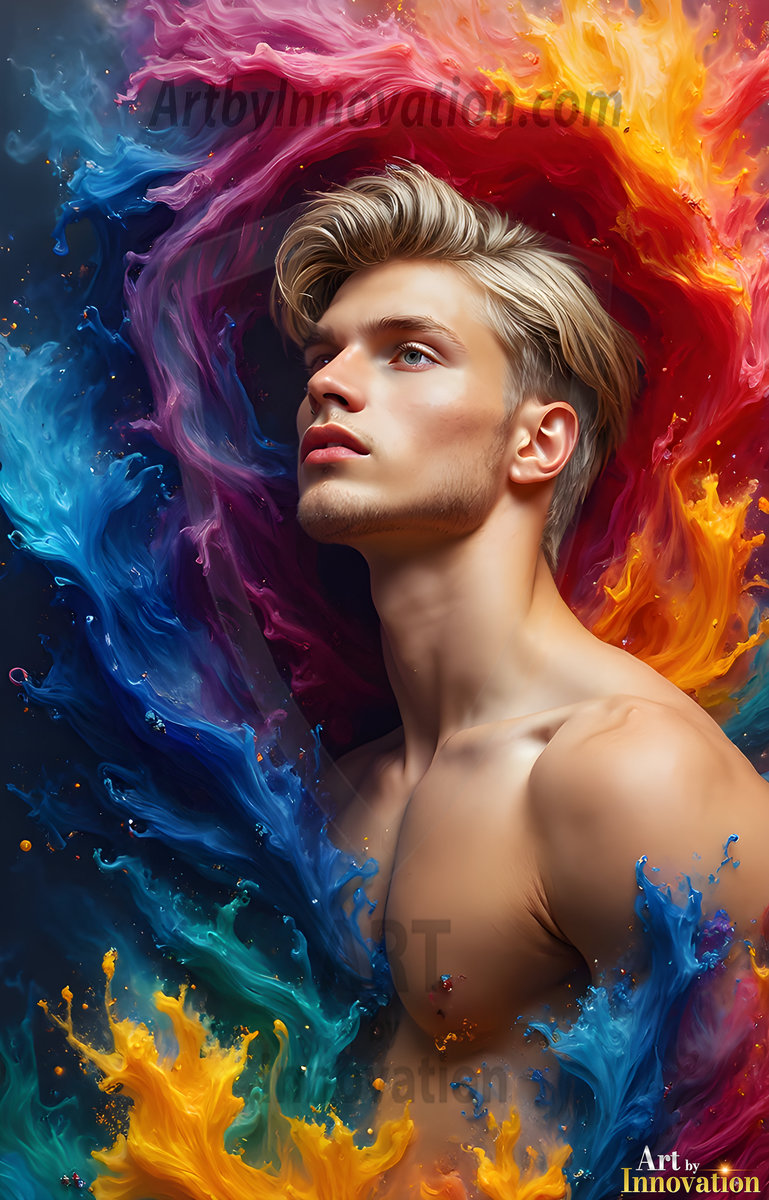
The colors of the LGBTQ+ Pride flags are designed to celebrate the diversity of human experience, visibility, and hope, with each shade representing a specific value that honors the LGBTQ+ community. Created in 1978 by artist Gilbert Baker, the rainbow flag has evolved to include more inclusive colors, showcasing how variety in identity makes individuals uniquely themselves. Meanings Behind the Colors, Red (Life): Represents the vitality and passion of LGBTQ+ people. Orange (Healing): Symbolizes the healing power within the community, often in the face of adversity. Yellow (Sunlight): Signifies the brightness and joy of being true to oneself. Green (Nature): Represents a connection to nature, the environment, and prosperity. Blue/Indigo (Serenity/Harmony): Symbolizes serenity, calm, and inner strength found in living one's truth. Violet/Purple (Spirit): Represents the spirit, strength, and resilience of the community.
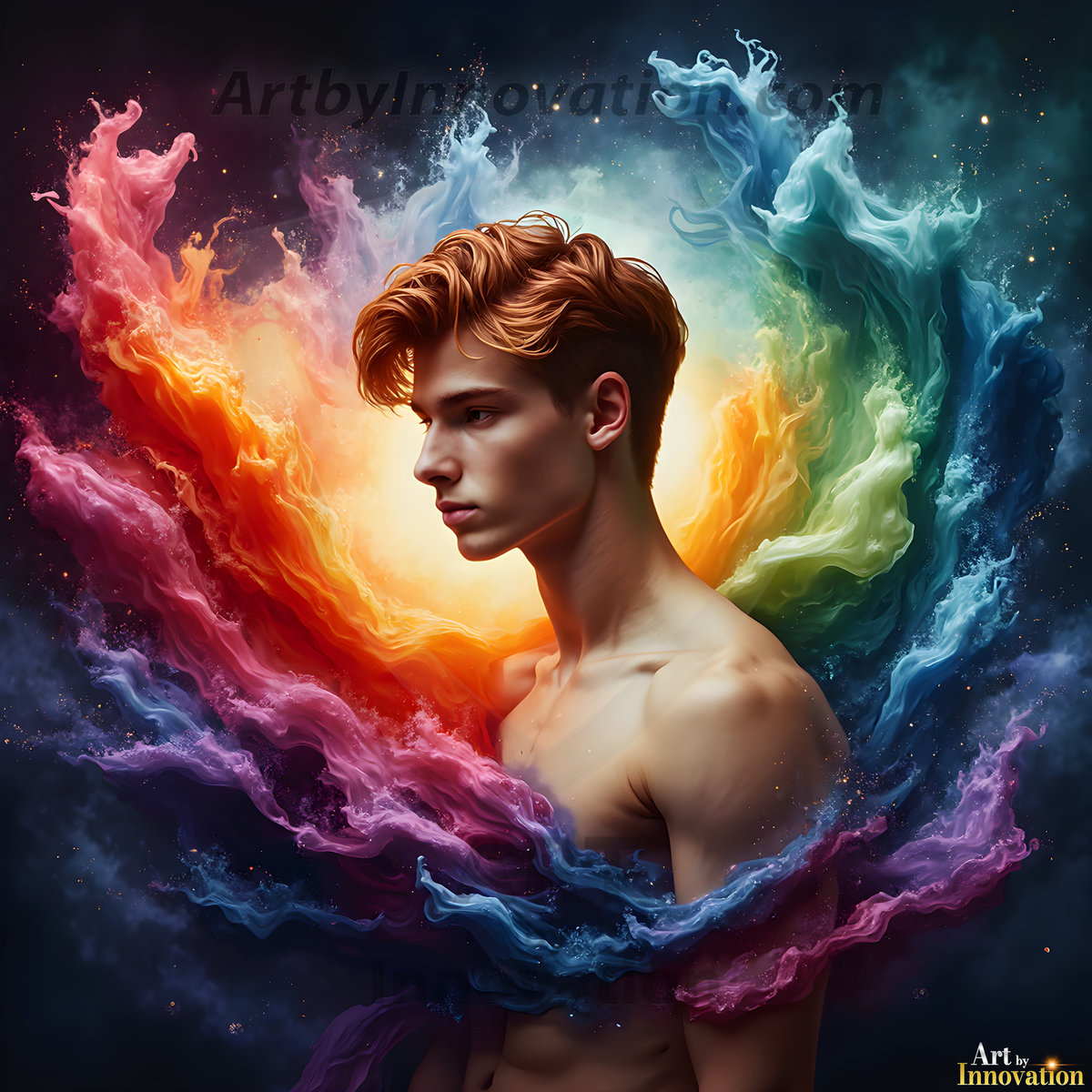
The colors of the LGBTQ+ Pride flags are designed to celebrate the diversity of human experience, visibility, and hope, with each shade representing a specific value that honors the LGBTQ+ community. Created in 1978 by artist Gilbert Baker, the rainbow flag has evolved to include more inclusive colors, showcasing how variety in identity makes individuals uniquely themselves. Meanings Behind the Colors, Red (Life): Represents the vitality and passion of LGBTQ+ people. Orange (Healing): Symbolizes the healing power within the community, often in the face of adversity. Yellow (Sunlight): Signifies the brightness and joy of being true to oneself. Green (Nature): Represents a connection to nature, the environment, and prosperity. Blue/Indigo (Serenity/Harmony): Symbolizes serenity, calm, and inner strength found in living one's truth. Violet/Purple (Spirit): Represents the spirit, strength, and resilience of the community.
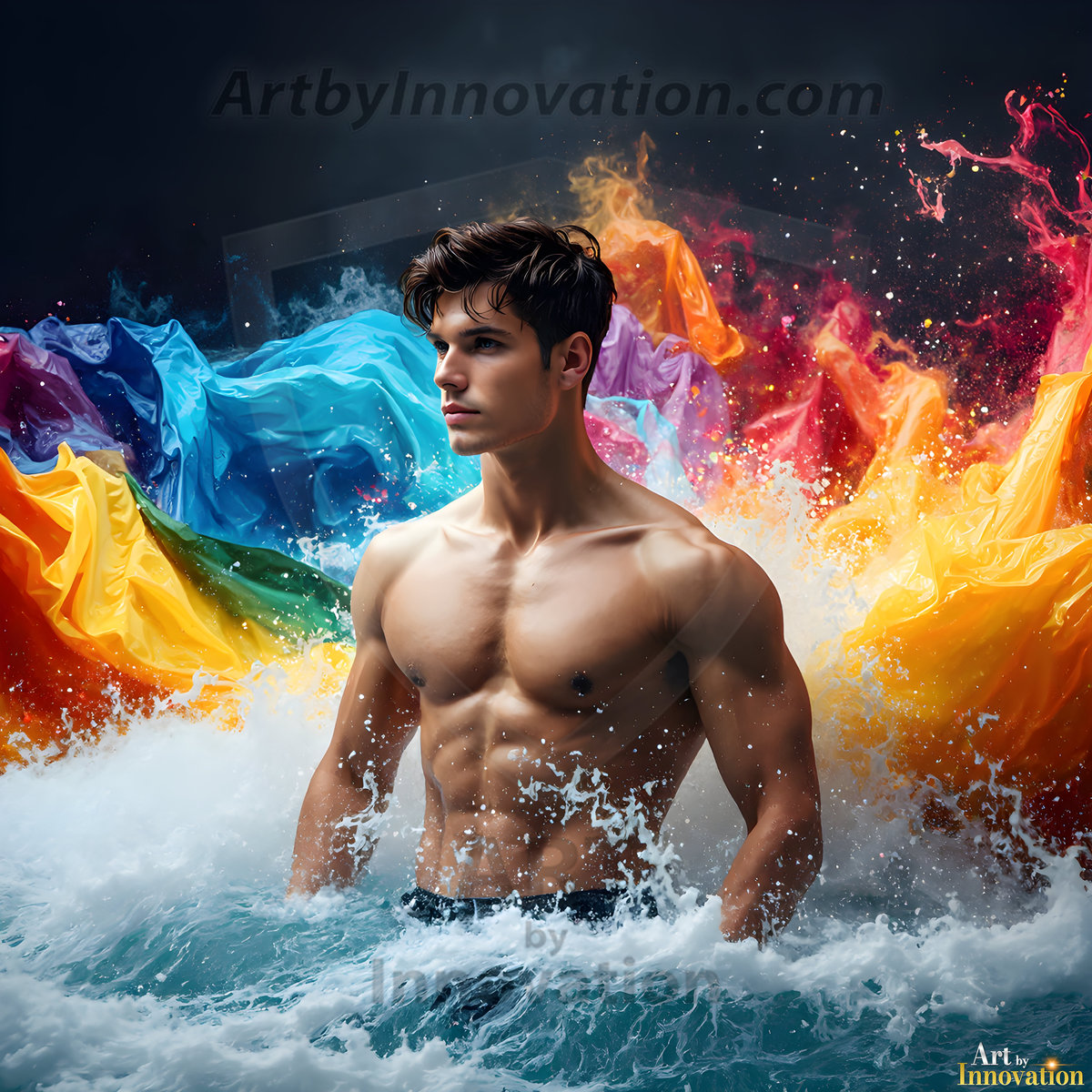
The colors of the LGBTQ+ Pride flags are designed to celebrate the diversity of human experience, visibility, and hope, with each shade representing a specific value that honors the LGBTQ+ community. Created in 1978 by artist Gilbert Baker, the rainbow flag has evolved to include more inclusive colors, showcasing how variety in identity makes individuals uniquely themselves. Meanings Behind the Colors, Red (Life): Represents the vitality and passion of LGBTQ+ people. Orange (Healing): Symbolizes the healing power within the community, often in the face of adversity. Yellow (Sunlight): Signifies the brightness and joy of being true to oneself. Green (Nature): Represents a connection to nature, the environment, and prosperity. Blue/Indigo (Serenity/Harmony): Symbolizes serenity, calm, and inner strength found in living one's truth. Violet/Purple (Spirit): Represents the spirit, strength, and resilience of the community.
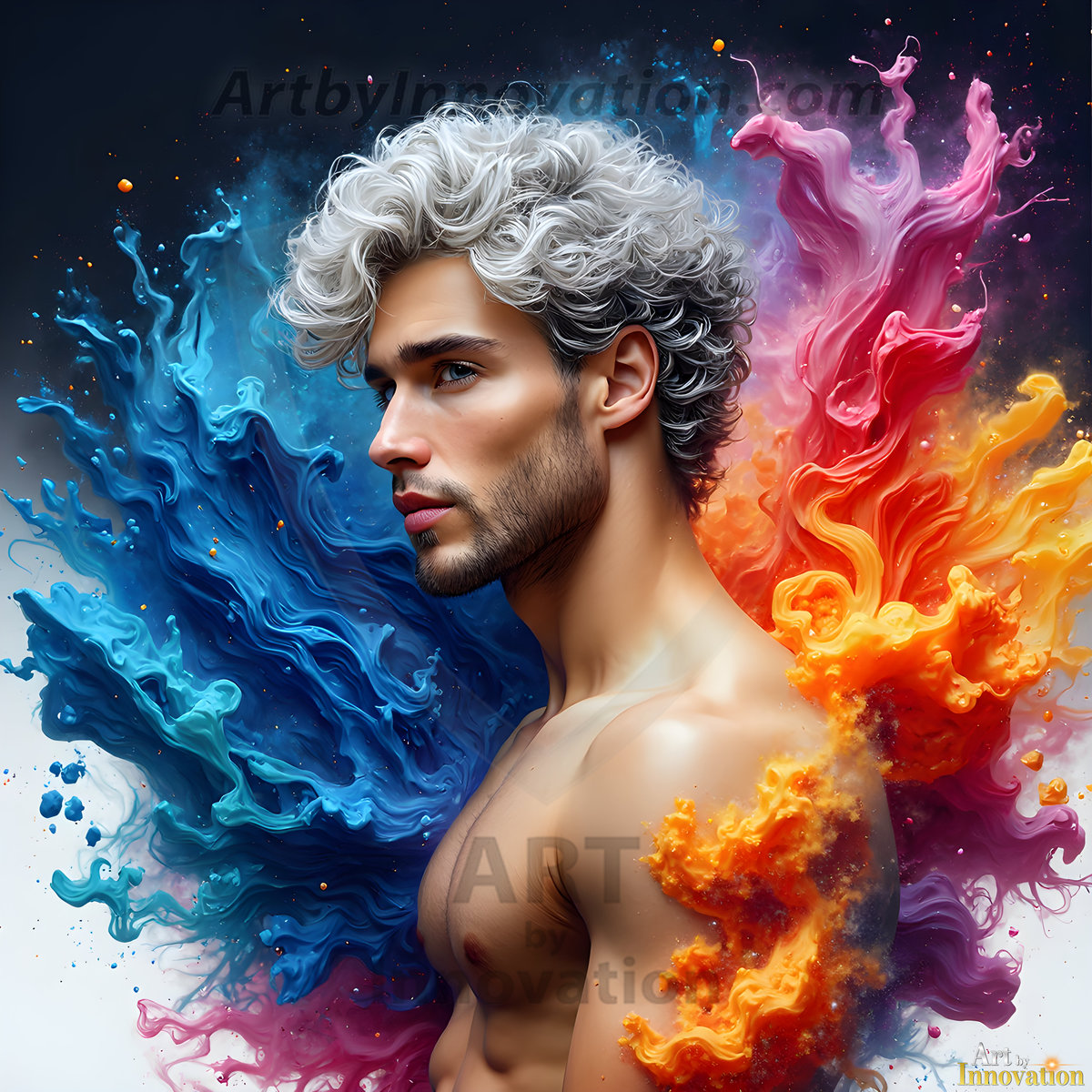
The colors of the LGBTQ+ Pride flags are designed to celebrate the diversity of human experience, visibility, and hope, with each shade representing a specific value that honors the LGBTQ+ community. Created in 1978 by artist Gilbert Baker, the rainbow flag has evolved to include more inclusive colors, showcasing how variety in identity makes individuals uniquely themselves. Meanings Behind the Colors, Red (Life): Represents the vitality and passion of LGBTQ+ people. Orange (Healing): Symbolizes the healing power within the community, often in the face of adversity. Yellow (Sunlight): Signifies the brightness and joy of being true to oneself. Green (Nature): Represents a connection to nature, the environment, and prosperity. Blue/Indigo (Serenity/Harmony): Symbolizes serenity, calm, and inner strength found in living one's truth. Violet/Purple (Spirit): Represents the spirit, strength, and resilience of the community.
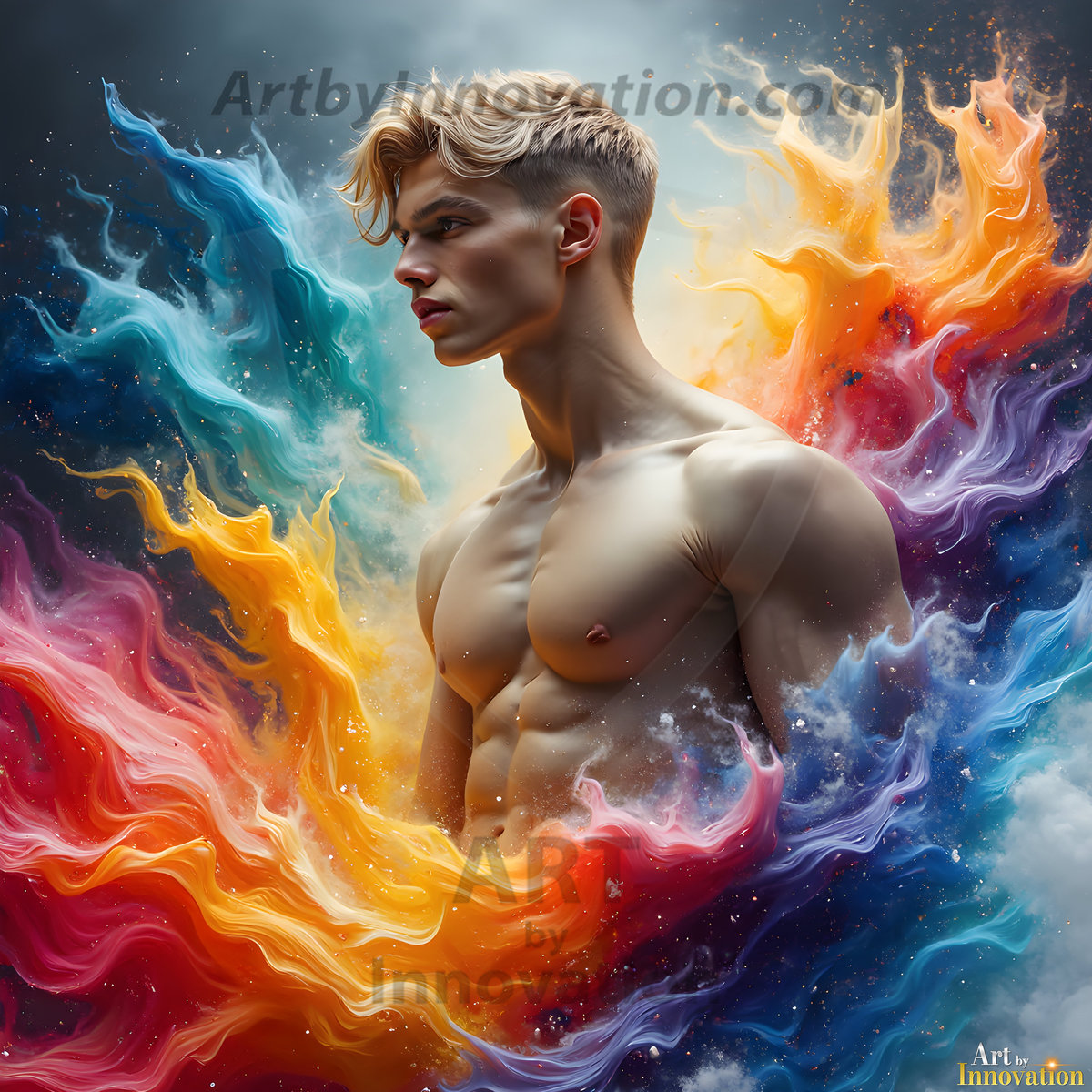
The colors of the LGBTQ+ Pride flags are designed to celebrate the diversity of human experience, visibility, and hope, with each shade representing a specific value that honors the LGBTQ+ community. Created in 1978 by artist Gilbert Baker, the rainbow flag has evolved to include more inclusive colors, showcasing how variety in identity makes individuals uniquely themselves. Meanings Behind the Colors, Red (Life): Represents the vitality and passion of LGBTQ+ people. Orange (Healing): Symbolizes the healing power within the community, often in the face of adversity. Yellow (Sunlight): Signifies the brightness and joy of being true to oneself. Green (Nature): Represents a connection to nature, the environment, and prosperity. Blue/Indigo (Serenity/Harmony): Symbolizes serenity, calm, and inner strength found in living one's truth. Violet/Purple (Spirit): Represents the spirit, strength, and resilience of the community.
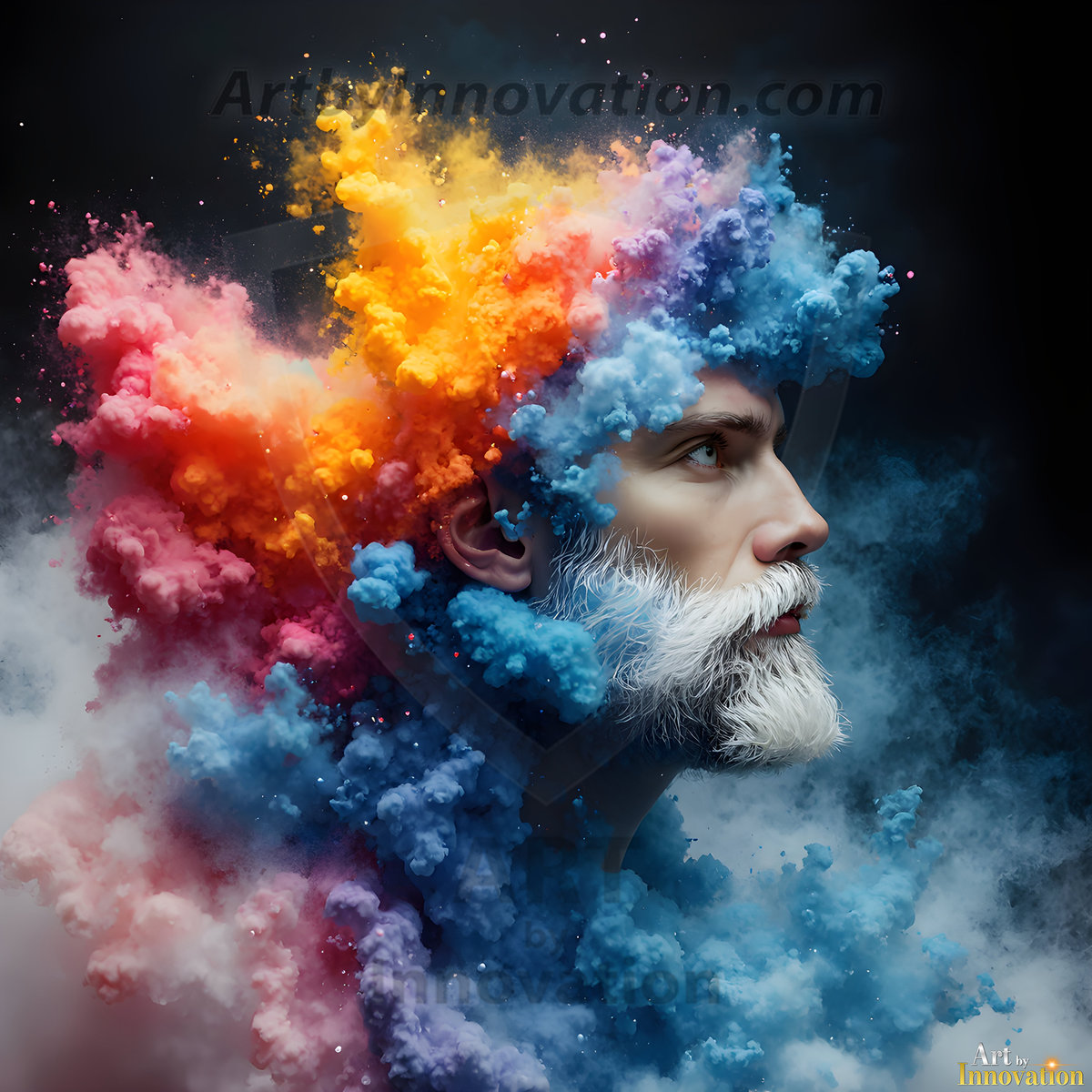
The colors of the LGBTQ+ Pride flags are designed to celebrate the diversity of human experience, visibility, and hope, with each shade representing a specific value that honors the LGBTQ+ community. Created in 1978 by artist Gilbert Baker, the rainbow flag has evolved to include more inclusive colors, showcasing how variety in identity makes individuals uniquely themselves. Meanings Behind the Colors, Red (Life): Represents the vitality and passion of LGBTQ+ people. Orange (Healing): Symbolizes the healing power within the community, often in the face of adversity. Yellow (Sunlight): Signifies the brightness and joy of being true to oneself. Green (Nature): Represents a connection to nature, the environment, and prosperity. Blue/Indigo (Serenity/Harmony): Symbolizes serenity, calm, and inner strength found in living one's truth. Violet/Purple (Spirit): Represents the spirit, strength, and resilience of the community.
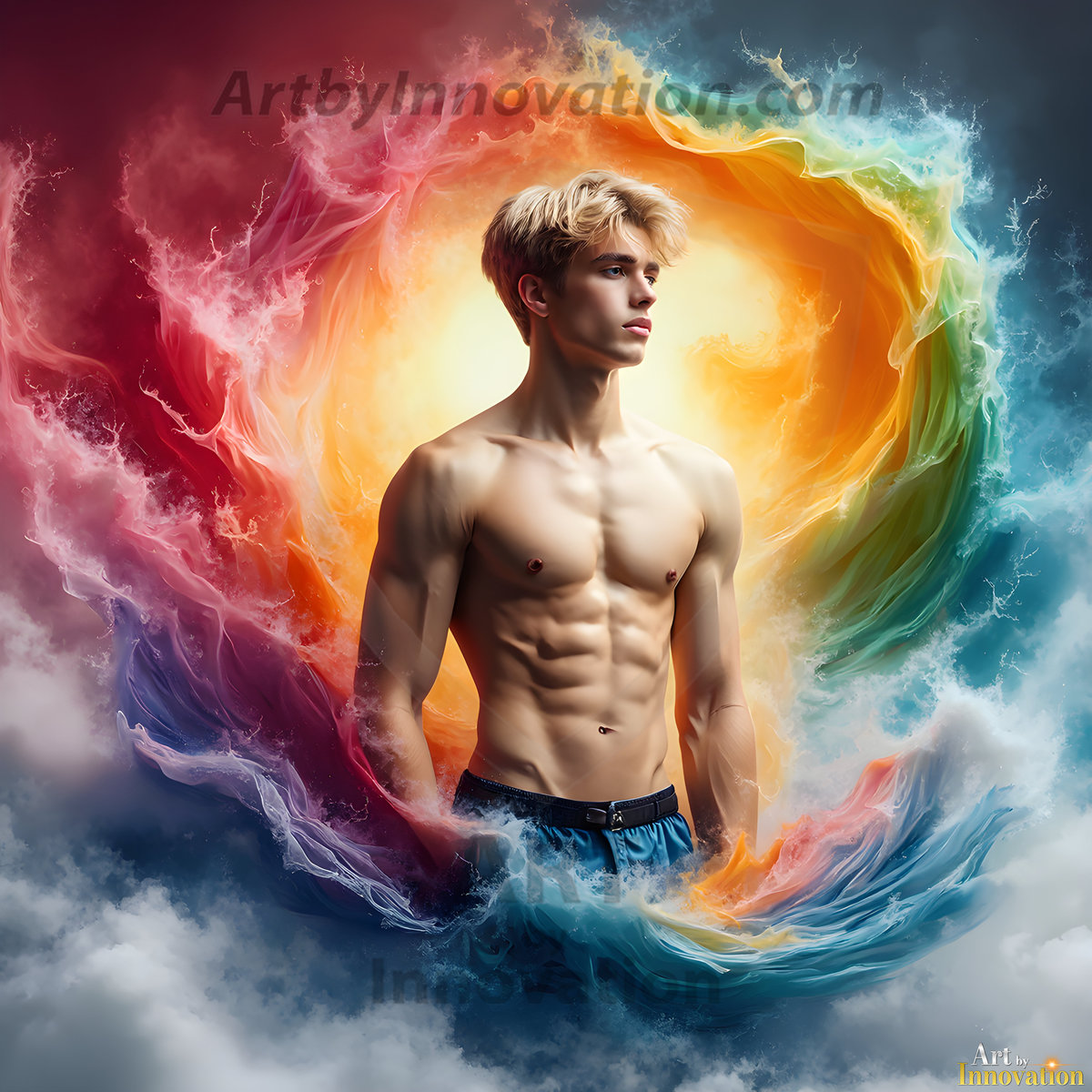
The colors of the LGBTQ+ Pride flags are designed to celebrate the diversity of human experience, visibility, and hope, with each shade representing a specific value that honors the LGBTQ+ community. Created in 1978 by artist Gilbert Baker, the rainbow flag has evolved to include more inclusive colors, showcasing how variety in identity makes individuals uniquely themselves. Meanings Behind the Colors, Red (Life): Represents the vitality and passion of LGBTQ+ people. Orange (Healing): Symbolizes the healing power within the community, often in the face of adversity. Yellow (Sunlight): Signifies the brightness and joy of being true to oneself. Green (Nature): Represents a connection to nature, the environment, and prosperity. Blue/Indigo (Serenity/Harmony): Symbolizes serenity, calm, and inner strength found in living one's truth. Violet/Purple (Spirit): Represents the spirit, strength, and resilience of the community.

The colors of the LGBTQ+ Pride flags are designed to celebrate the diversity of human experience, visibility, and hope, with each shade representing a specific value that honors the LGBTQ+ community. Created in 1978 by artist Gilbert Baker, the rainbow flag has evolved to include more inclusive colors, showcasing how variety in identity makes individuals uniquely themselves. Meanings Behind the Colors, Red (Life): Represents the vitality and passion of LGBTQ+ people. Orange (Healing): Symbolizes the healing power within the community, often in the face of adversity. Yellow (Sunlight): Signifies the brightness and joy of being true to oneself. Green (Nature): Represents a connection to nature, the environment, and prosperity. Blue/Indigo (Serenity/Harmony): Symbolizes serenity, calm, and inner strength found in living one's truth. Violet/Purple (Spirit): Represents the spirit, strength, and resilience of the community.
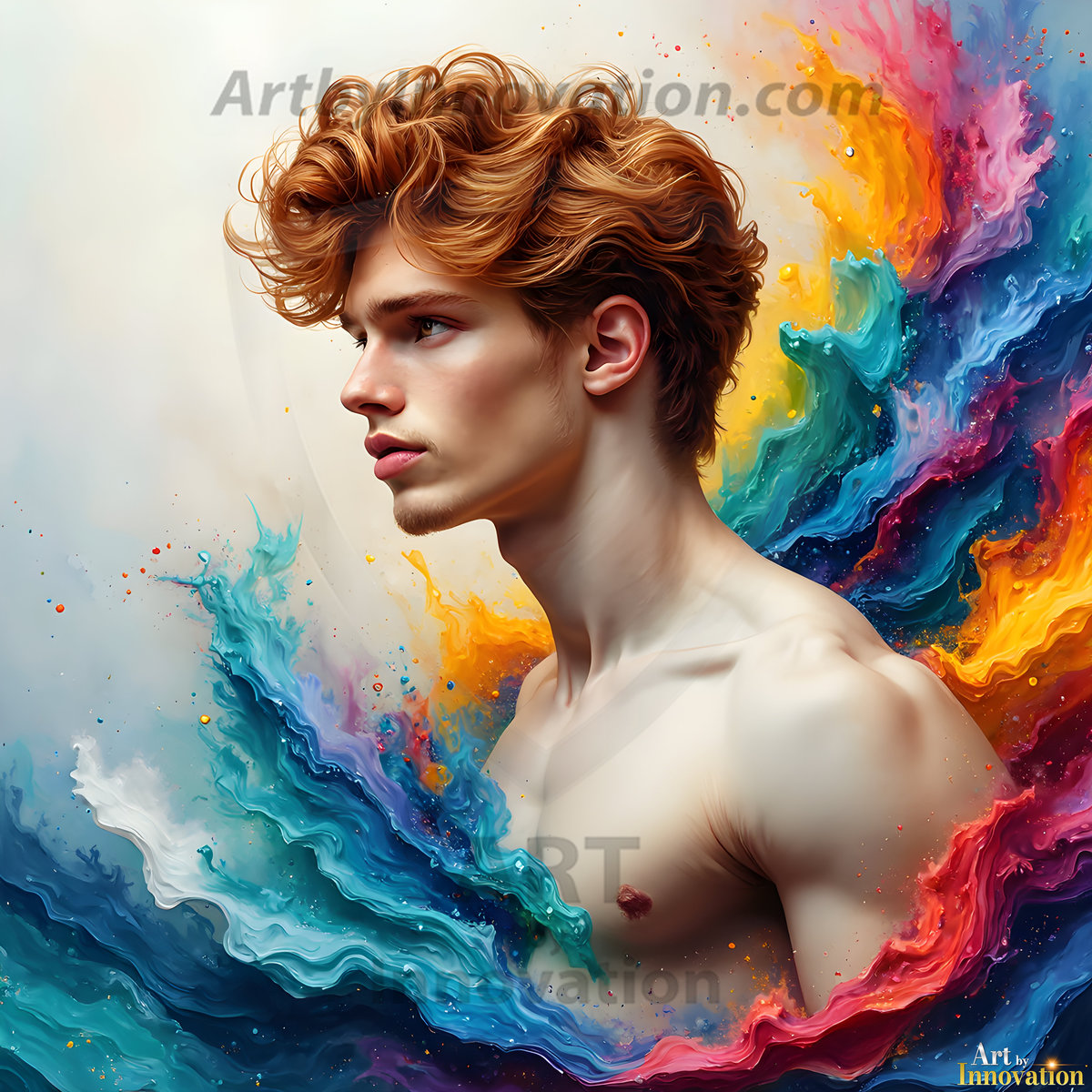
The colors of the LGBTQ+ Pride flags are designed to celebrate the diversity of human experience, visibility, and hope, with each shade representing a specific value that honors the LGBTQ+ community. Created in 1978 by artist Gilbert Baker, the rainbow flag has evolved to include more inclusive colors, showcasing how variety in identity makes individuals uniquely themselves. Meanings Behind the Colors, Red (Life): Represents the vitality and passion of LGBTQ+ people. Orange (Healing): Symbolizes the healing power within the community, often in the face of adversity. Yellow (Sunlight): Signifies the brightness and joy of being true to oneself. Green (Nature): Represents a connection to nature, the environment, and prosperity. Blue/Indigo (Serenity/Harmony): Symbolizes serenity, calm, and inner strength found in living one's truth. Violet/Purple (Spirit): Represents the spirit, strength, and resilience of the community.
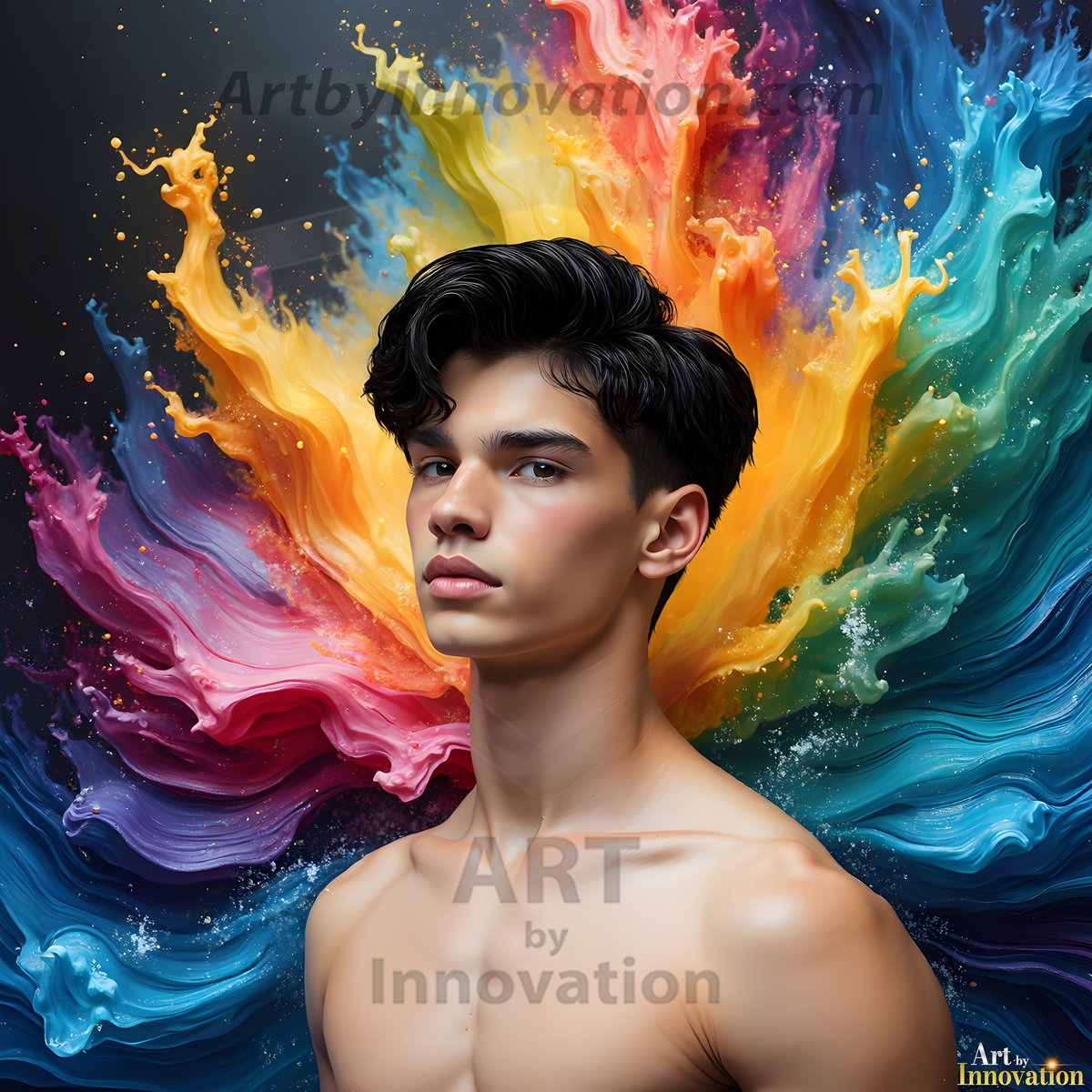
The colors of the LGBTQ+ Pride flags are designed to celebrate the diversity of human experience, visibility, and hope, with each shade representing a specific value that honors the LGBTQ+ community. Created in 1978 by artist Gilbert Baker, the rainbow flag has evolved to include more inclusive colors, showcasing how variety in identity makes individuals uniquely themselves. Meanings Behind the Colors, Red (Life): Represents the vitality and passion of LGBTQ+ people. Orange (Healing): Symbolizes the healing power within the community, often in the face of adversity. Yellow (Sunlight): Signifies the brightness and joy of being true to oneself. Green (Nature): Represents a connection to nature, the environment, and prosperity. Blue/Indigo (Serenity/Harmony): Symbolizes serenity, calm, and inner strength found in living one's truth. Violet/Purple (Spirit): Represents the spirit, strength, and resilience of the community.
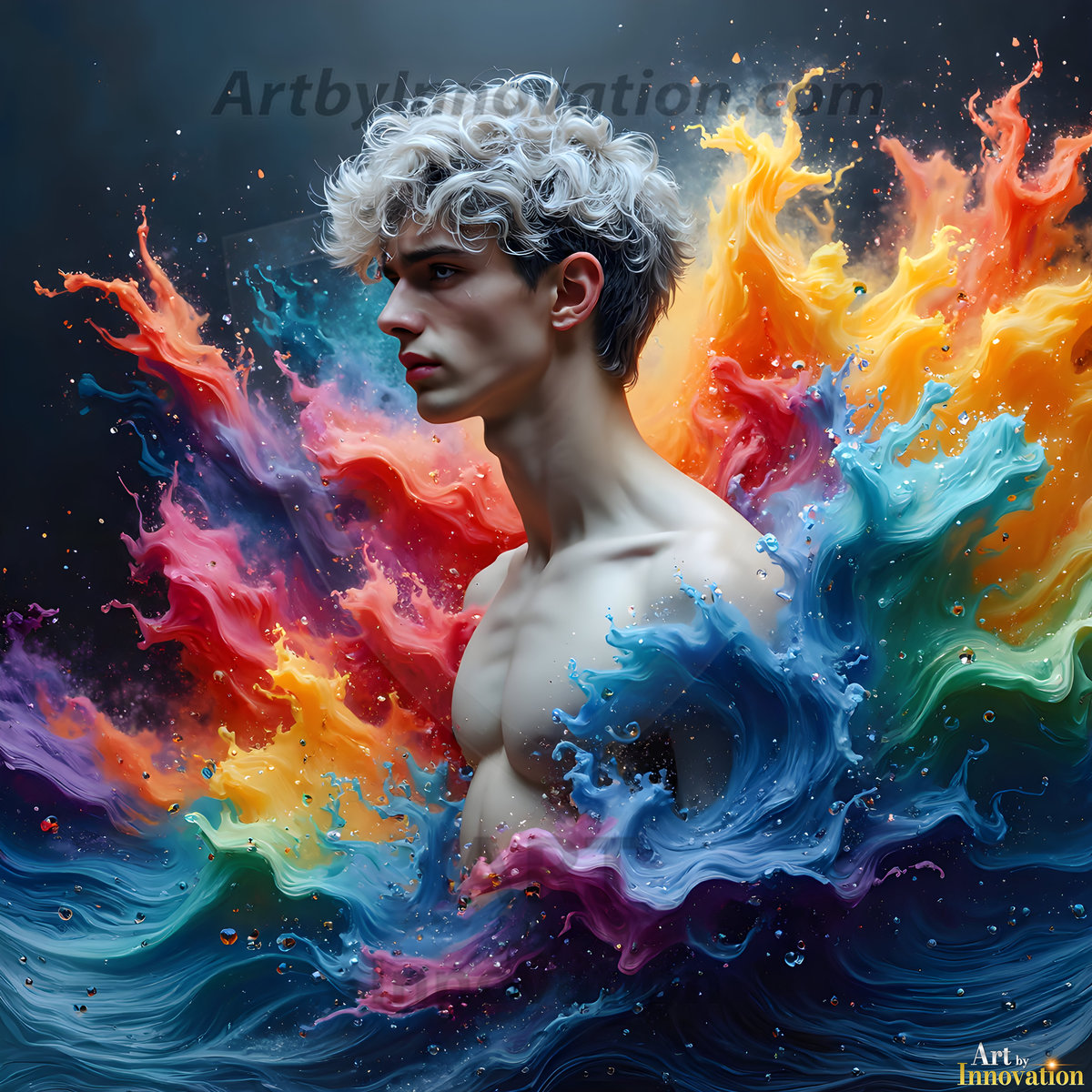
The colors of the LGBTQ+ Pride flags are designed to celebrate the diversity of human experience, visibility, and hope, with each shade representing a specific value that honors the LGBTQ+ community. Created in 1978 by artist Gilbert Baker, the rainbow flag has evolved to include more inclusive colors, showcasing how variety in identity makes individuals uniquely themselves. Meanings Behind the Colors, Red (Life): Represents the vitality and passion of LGBTQ+ people. Orange (Healing): Symbolizes the healing power within the community, often in the face of adversity. Yellow (Sunlight): Signifies the brightness and joy of being true to oneself. Green (Nature): Represents a connection to nature, the environment, and prosperity. Blue/Indigo (Serenity/Harmony): Symbolizes serenity, calm, and inner strength found in living one's truth. Violet/Purple (Spirit): Represents the spirit, strength, and resilience of the community.
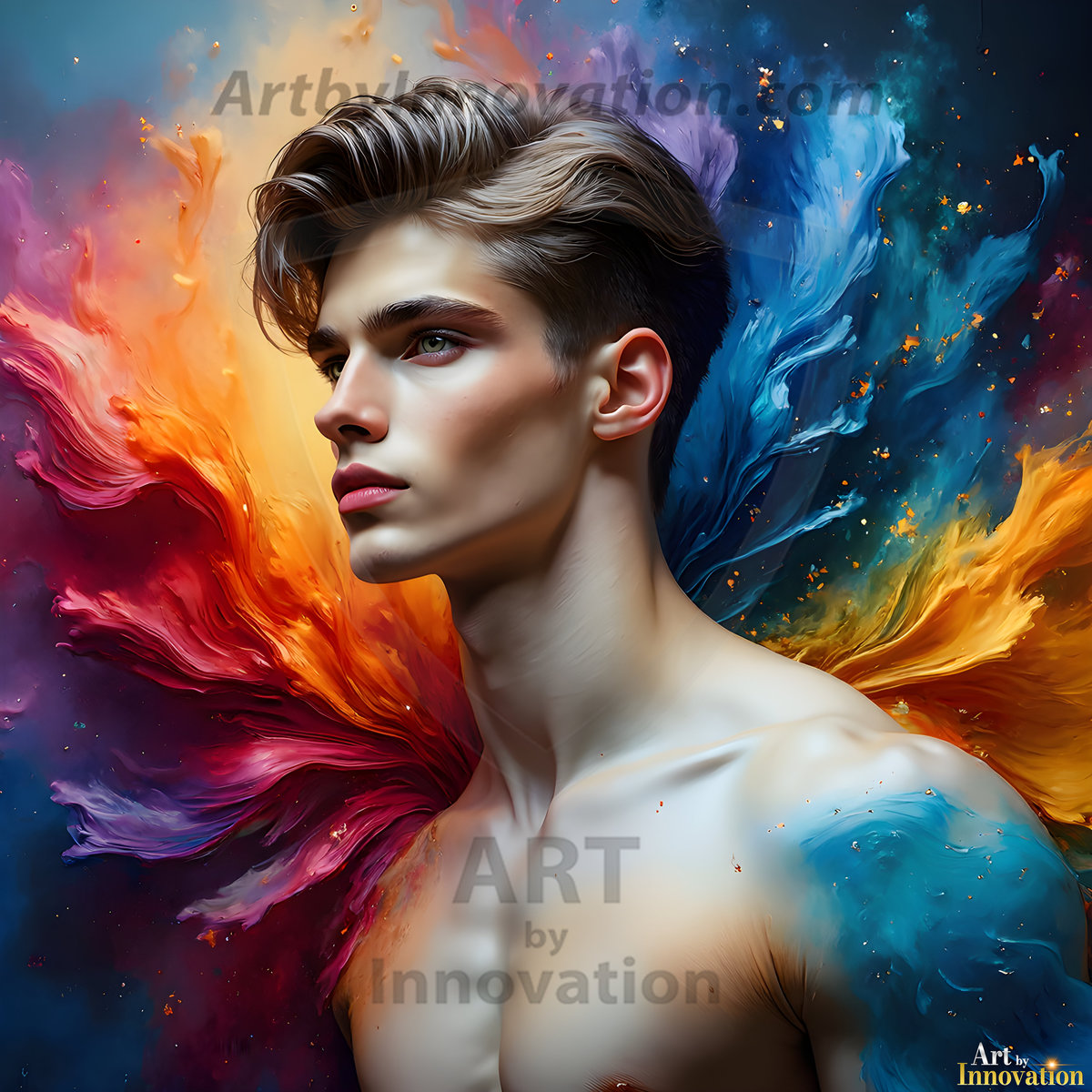
The colors of the LGBTQ+ Pride flags are designed to celebrate the diversity of human experience, visibility, and hope, with each shade representing a specific value that honors the LGBTQ+ community. Created in 1978 by artist Gilbert Baker, the rainbow flag has evolved to include more inclusive colors, showcasing how variety in identity makes individuals uniquely themselves. Meanings Behind the Colors, Red (Life): Represents the vitality and passion of LGBTQ+ people. Orange (Healing): Symbolizes the healing power within the community, often in the face of adversity. Yellow (Sunlight): Signifies the brightness and joy of being true to oneself. Green (Nature): Represents a connection to nature, the environment, and prosperity. Blue/Indigo (Serenity/Harmony): Symbolizes serenity, calm, and inner strength found in living one's truth. Violet/Purple (Spirit): Represents the spirit, strength, and resilience of the community.
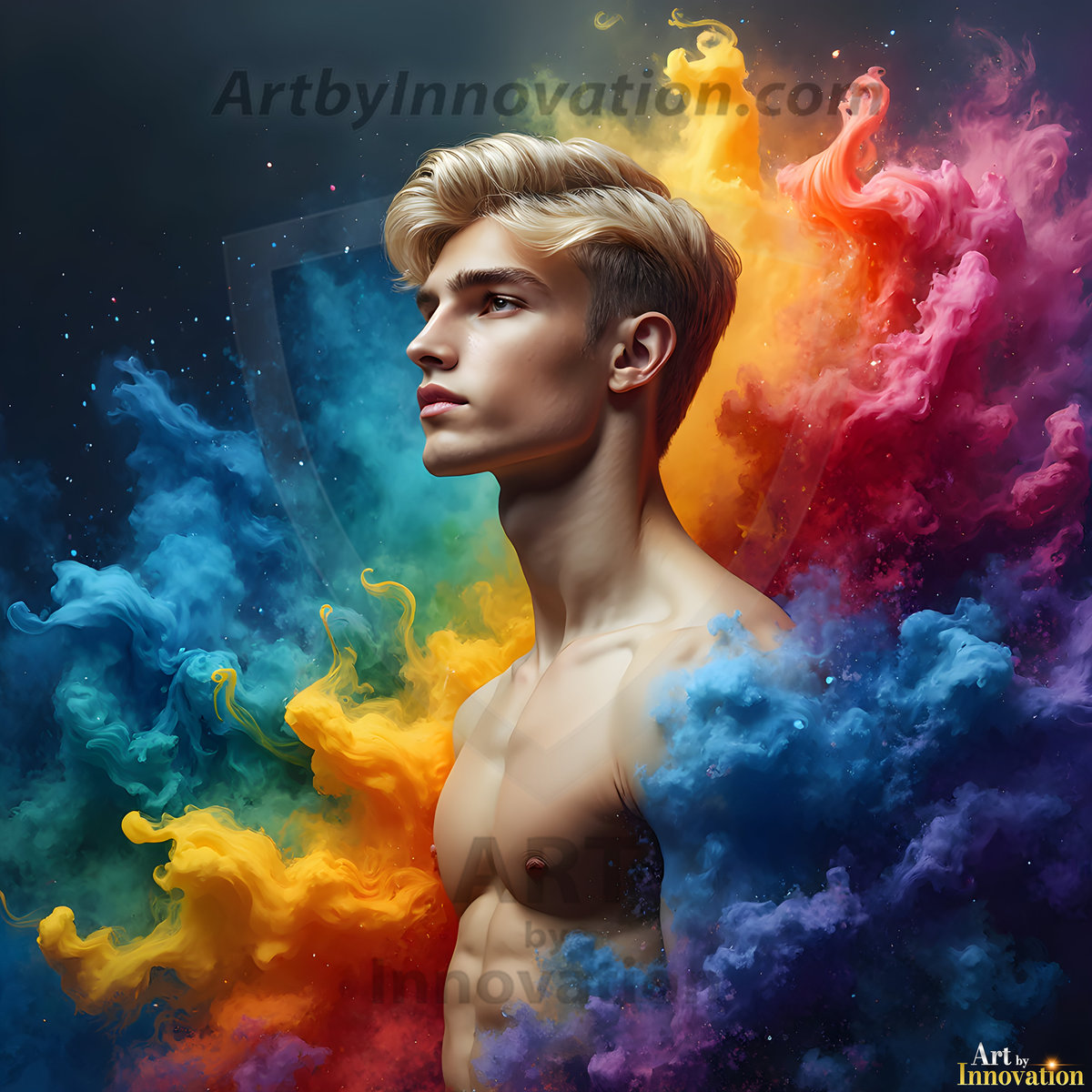
The colors of the LGBTQ+ Pride flags are designed to celebrate the diversity of human experience, visibility, and hope, with each shade representing a specific value that honors the LGBTQ+ community. Created in 1978 by artist Gilbert Baker, the rainbow flag has evolved to include more inclusive colors, showcasing how variety in identity makes individuals uniquely themselves. Meanings Behind the Colors, Red (Life): Represents the vitality and passion of LGBTQ+ people. Orange (Healing): Symbolizes the healing power within the community, often in the face of adversity. Yellow (Sunlight): Signifies the brightness and joy of being true to oneself. Green (Nature): Represents a connection to nature, the environment, and prosperity. Blue/Indigo (Serenity/Harmony): Symbolizes serenity, calm, and inner strength found in living one's truth. Violet/Purple (Spirit): Represents the spirit, strength, and resilience of the community.
The colors of the LGBTQ+ Pride flags are designed to celebrate the diversity of human experience, visibility, and hope, with each shade representing a specific value that honors the LGBTQ+ community. Created in 1978 by artist Gilbert Baker, the rainbow flag has evolved to include more inclusive colors, showcasing how variety in identity makes individuals uniquely themselves. Meanings Behind the Colors, Red (Life): Represents the vitality and passion of LGBTQ+ people. Orange (Healing): Symbolizes the healing power within the community, often in the face of adversity. Yellow (Sunlight): Signifies the brightness and joy of being true to oneself. Green (Nature): Represents a connection to nature, the environment, and prosperity. Blue/Indigo (Serenity/Harmony): Symbolizes serenity, calm, and inner strength found in living one's truth. Violet/Purple (Spirit): Represents the spirit, strength, and resilience of the community.

The colors of the LGBTQ+ Pride flags are designed to celebrate the diversity of human experience, visibility, and hope, with each shade representing a specific value that honors the LGBTQ+ community. Created in 1978 by artist Gilbert Baker, the rainbow flag has evolved to include more inclusive colors, showcasing how variety in identity makes individuals uniquely themselves. Meanings Behind the Colors, Red (Life): Represents the vitality and passion of LGBTQ+ people. Orange (Healing): Symbolizes the healing power within the community, often in the face of adversity. Yellow (Sunlight): Signifies the brightness and joy of being true to oneself. Green (Nature): Represents a connection to nature, the environment, and prosperity. Blue/Indigo (Serenity/Harmony): Symbolizes serenity, calm, and inner strength found in living one's truth. Violet/Purple (Spirit): Represents the spirit, strength, and resilience of the community.
The colors of the LGBTQ+ Pride flags are designed to celebrate the diversity of human experience, visibility, and hope, with each shade representing a specific value that honors the LGBTQ+ community. Created in 1978 by artist Gilbert Baker, the rainbow flag has evolved to include more inclusive colors, showcasing how variety in identity makes individuals uniquely themselves. Meanings Behind the Colors, Red (Life): Represents the vitality and passion of LGBTQ+ people. Orange (Healing): Symbolizes the healing power within the community, often in the face of adversity. Yellow (Sunlight): Signifies the brightness and joy of being true to oneself. Green (Nature): Represents a connection to nature, the environment, and prosperity. Blue/Indigo (Serenity/Harmony): Symbolizes serenity, calm, and inner strength found in living one's truth. Violet/Purple (Spirit): Represents the spirit, strength, and resilience of the community.

The colors of the LGBTQ+ Pride flags are designed to celebrate the diversity of human experience, visibility, and hope, with each shade representing a specific value that honors the LGBTQ+ community. Created in 1978 by artist Gilbert Baker, the rainbow flag has evolved to include more inclusive colors, showcasing how variety in identity makes individuals uniquely themselves. Meanings Behind the Colors, Red (Life): Represents the vitality and passion of LGBTQ+ people. Orange (Healing): Symbolizes the healing power within the community, often in the face of adversity. Yellow (Sunlight): Signifies the brightness and joy of being true to oneself. Green (Nature): Represents a connection to nature, the environment, and prosperity. Blue/Indigo (Serenity/Harmony): Symbolizes serenity, calm, and inner strength found in living one's truth. Violet/Purple (Spirit): Represents the spirit, strength, and resilience of the community.

The colors of the LGBTQ+ Pride flags are designed to celebrate the diversity of human experience, visibility, and hope, with each shade representing a specific value that honors the LGBTQ+ community. Created in 1978 by artist Gilbert Baker, the rainbow flag has evolved to include more inclusive colors, showcasing how variety in identity makes individuals uniquely themselves. Meanings Behind the Colors, Red (Life): Represents the vitality and passion of LGBTQ+ people. Orange (Healing): Symbolizes the healing power within the community, often in the face of adversity. Yellow (Sunlight): Signifies the brightness and joy of being true to oneself. Green (Nature): Represents a connection to nature, the environment, and prosperity. Blue/Indigo (Serenity/Harmony): Symbolizes serenity, calm, and inner strength found in living one's truth. Violet/Purple (Spirit): Represents the spirit, strength, and resilience of the community.
The colors of the LGBTQ+ Pride flags are designed to celebrate the diversity of human experience, visibility, and hope, with each shade representing a specific value that honors the LGBTQ+ community. Created in 1978 by artist Gilbert Baker, the rainbow flag has evolved to include more inclusive colors, showcasing how variety in identity makes individuals uniquely themselves. Meanings Behind the Colors, Red (Life): Represents the vitality and passion of LGBTQ+ people. Orange (Healing): Symbolizes the healing power within the community, often in the face of adversity. Yellow (Sunlight): Signifies the brightness and joy of being true to oneself. Green (Nature): Represents a connection to nature, the environment, and prosperity. Blue/Indigo (Serenity/Harmony): Symbolizes serenity, calm, and inner strength found in living one's truth. Violet/Purple (Spirit): Represents the spirit, strength, and resilience of the community.
The colors of the LGBTQ+ Pride flags are designed to celebrate the diversity of human experience, visibility, and hope, with each shade representing a specific value that honors the LGBTQ+ community. Created in 1978 by artist Gilbert Baker, the rainbow flag has evolved to include more inclusive colors, showcasing how variety in identity makes individuals uniquely themselves. Meanings Behind the Colors, Red (Life): Represents the vitality and passion of LGBTQ+ people. Orange (Healing): Symbolizes the healing power within the community, often in the face of adversity. Yellow (Sunlight): Signifies the brightness and joy of being true to oneself. Green (Nature): Represents a connection to nature, the environment, and prosperity. Blue/Indigo (Serenity/Harmony): Symbolizes serenity, calm, and inner strength found in living one's truth. Violet/Purple (Spirit): Represents the spirit, strength, and resilience of the community.
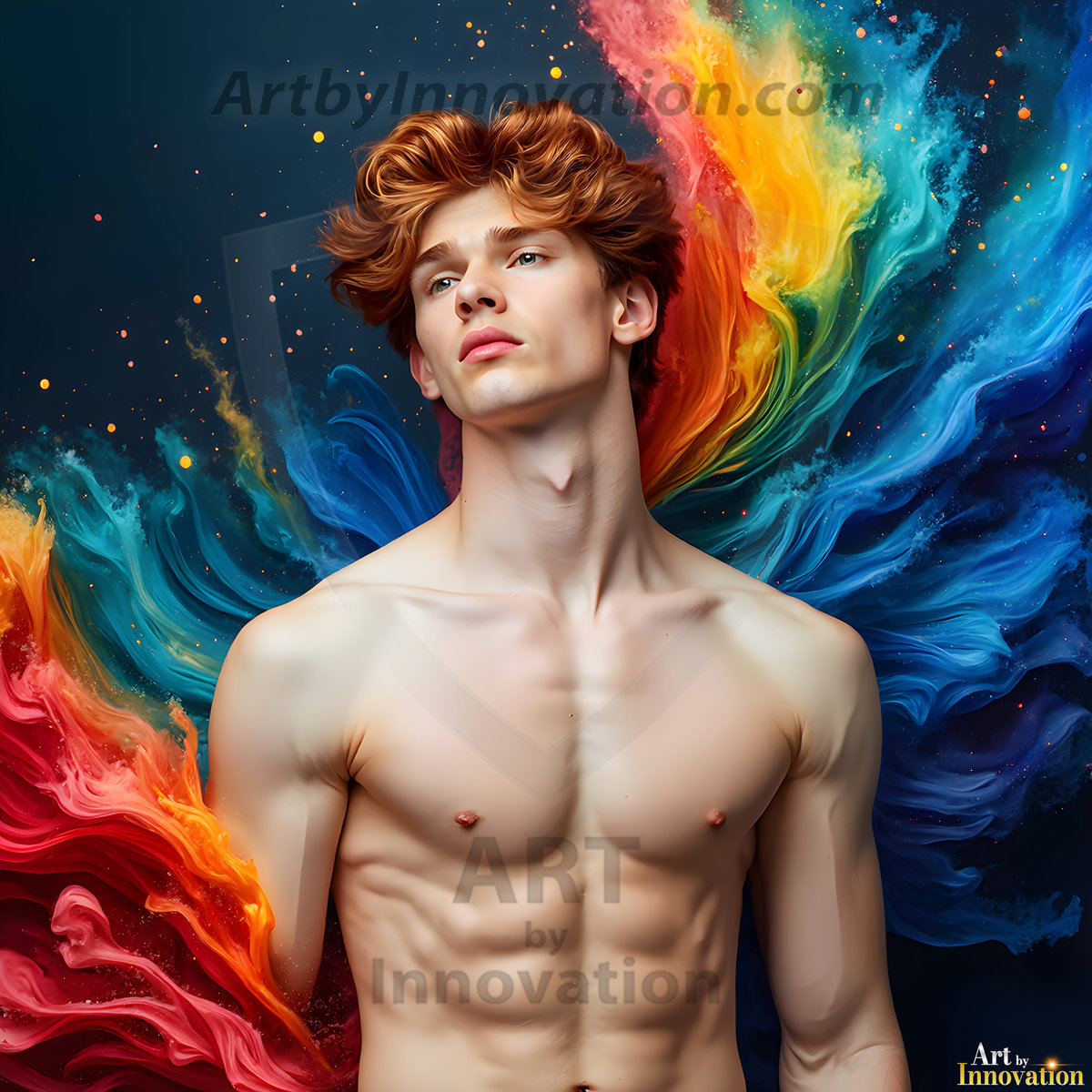
The colors of the LGBTQ+ Pride flags are designed to celebrate the diversity of human experience, visibility, and hope, with each shade representing a specific value that honors the LGBTQ+ community. Created in 1978 by artist Gilbert Baker, the rainbow flag has evolved to include more inclusive colors, showcasing how variety in identity makes individuals uniquely themselves. Meanings Behind the Colors, Red (Life): Represents the vitality and passion of LGBTQ+ people. Orange (Healing): Symbolizes the healing power within the community, often in the face of adversity. Yellow (Sunlight): Signifies the brightness and joy of being true to oneself. Green (Nature): Represents a connection to nature, the environment, and prosperity. Blue/Indigo (Serenity/Harmony): Symbolizes serenity, calm, and inner strength found in living one's truth. Violet/Purple (Spirit): Represents the spirit, strength, and resilience of the community.
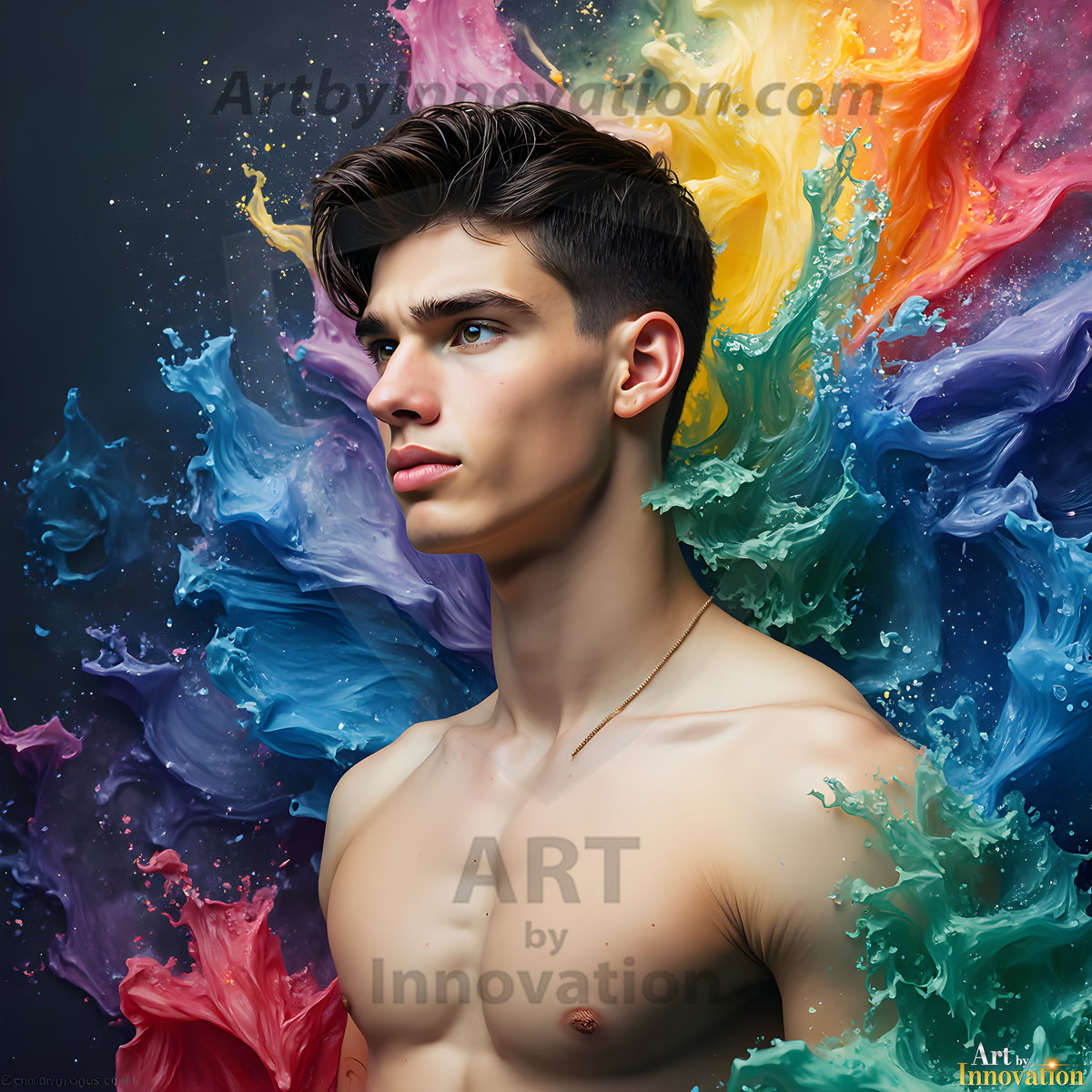
The colors of the LGBTQ+ Pride flags are designed to celebrate the diversity of human experience, visibility, and hope, with each shade representing a specific value that honors the LGBTQ+ community. Created in 1978 by artist Gilbert Baker, the rainbow flag has evolved to include more inclusive colors, showcasing how variety in identity makes individuals uniquely themselves. Meanings Behind the Colors, Red (Life): Represents the vitality and passion of LGBTQ+ people. Orange (Healing): Symbolizes the healing power within the community, often in the face of adversity. Yellow (Sunlight): Signifies the brightness and joy of being true to oneself. Green (Nature): Represents a connection to nature, the environment, and prosperity. Blue/Indigo (Serenity/Harmony): Symbolizes serenity, calm, and inner strength found in living one's truth. Violet/Purple (Spirit): Represents the spirit, strength, and resilience of the community.
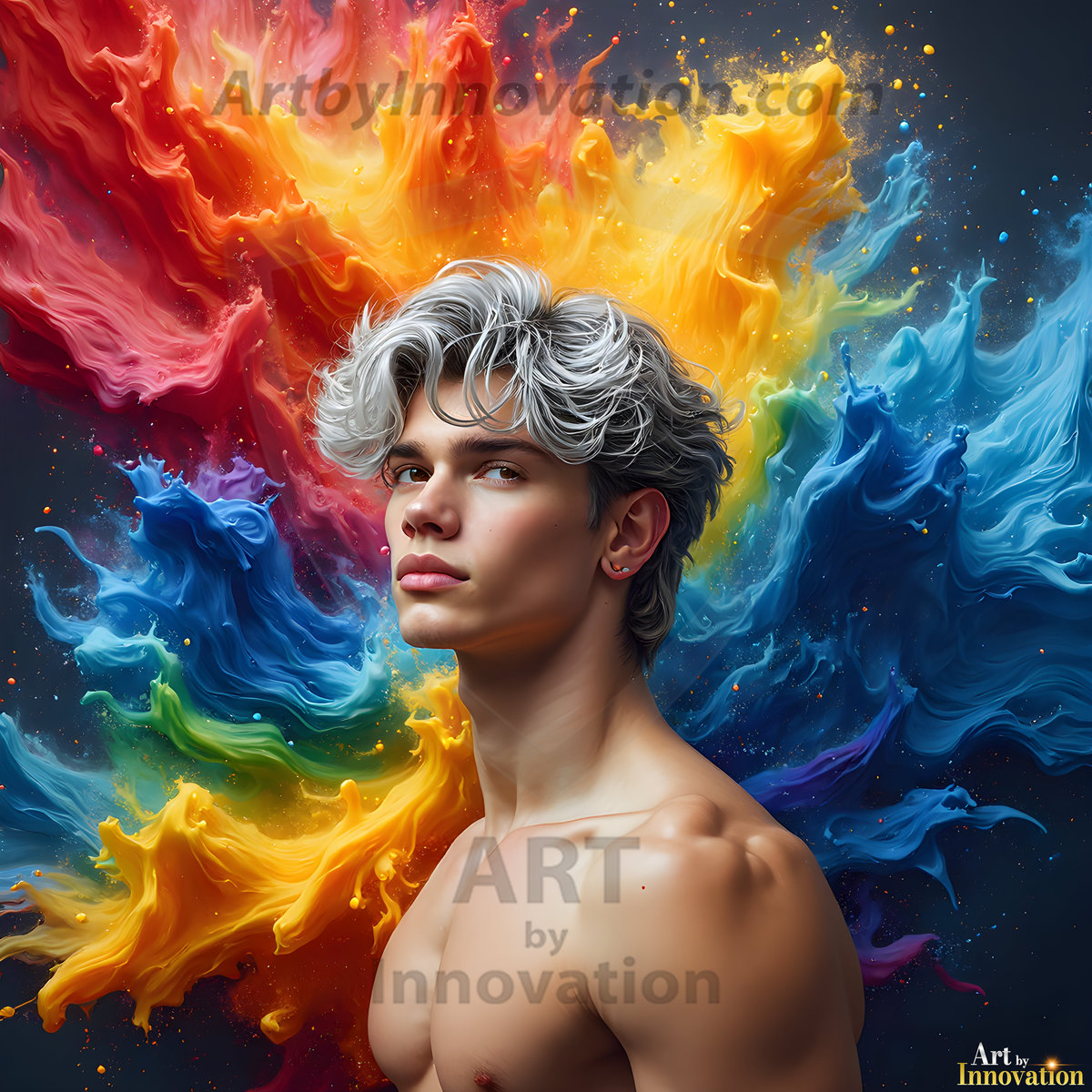
The colors of the LGBTQ+ Pride flags are designed to celebrate the diversity of human experience, visibility, and hope, with each shade representing a specific value that honors the LGBTQ+ community. Created in 1978 by artist Gilbert Baker, the rainbow flag has evolved to include more inclusive colors, showcasing how variety in identity makes individuals uniquely themselves. Meanings Behind the Colors, Red (Life): Represents the vitality and passion of LGBTQ+ people. Orange (Healing): Symbolizes the healing power within the community, often in the face of adversity. Yellow (Sunlight): Signifies the brightness and joy of being true to oneself. Green (Nature): Represents a connection to nature, the environment, and prosperity. Blue/Indigo (Serenity/Harmony): Symbolizes serenity, calm, and inner strength found in living one's truth. Violet/Purple (Spirit): Represents the spirit, strength, and resilience of the community.
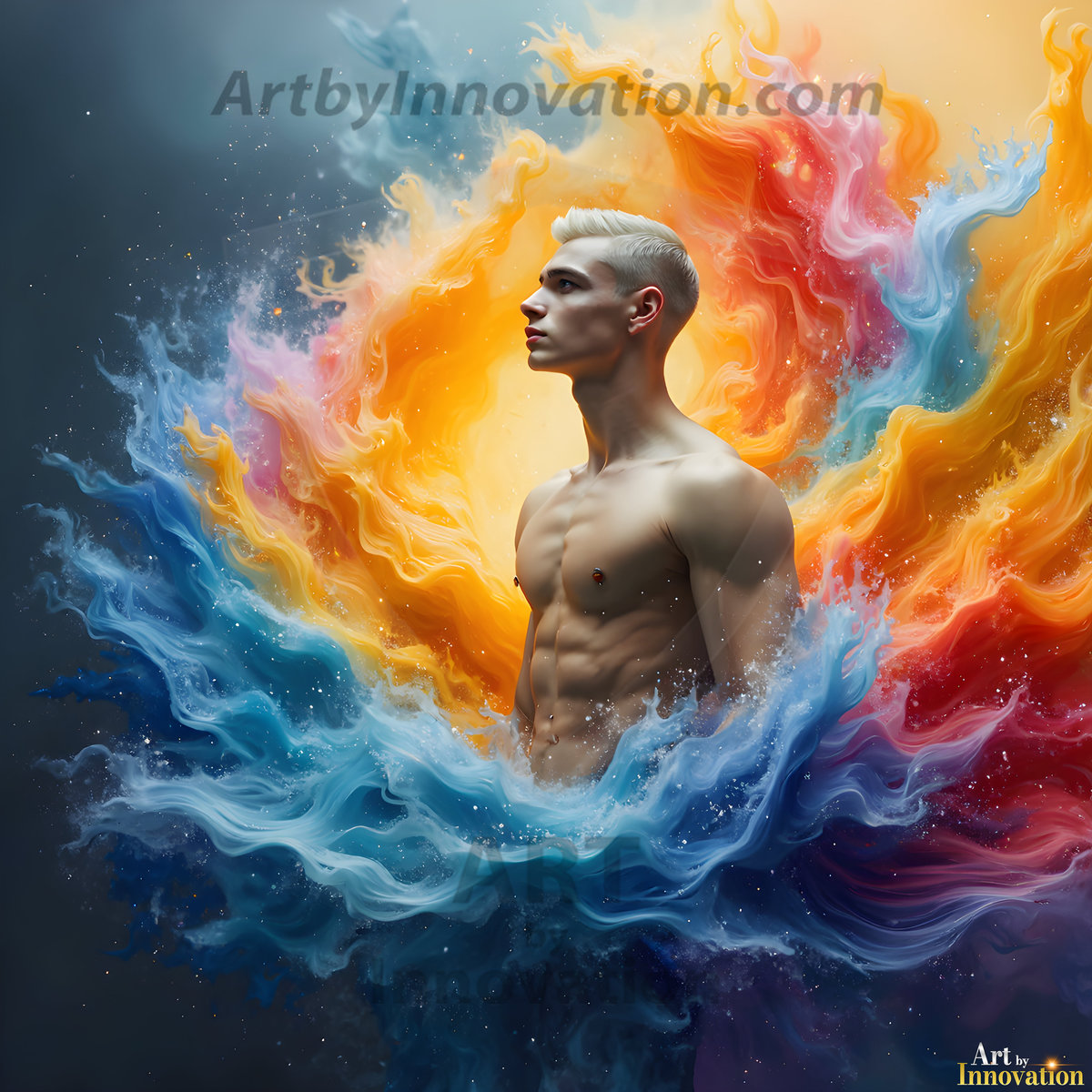
The colors of the LGBTQ+ Pride flags are designed to celebrate the diversity of human experience, visibility, and hope, with each shade representing a specific value that honors the LGBTQ+ community. Created in 1978 by artist Gilbert Baker, the rainbow flag has evolved to include more inclusive colors, showcasing how variety in identity makes individuals uniquely themselves. Meanings Behind the Colors, Red (Life): Represents the vitality and passion of LGBTQ+ people. Orange (Healing): Symbolizes the healing power within the community, often in the face of adversity. Yellow (Sunlight): Signifies the brightness and joy of being true to oneself. Green (Nature): Represents a connection to nature, the environment, and prosperity. Blue/Indigo (Serenity/Harmony): Symbolizes serenity, calm, and inner strength found in living one's truth. Violet/Purple (Spirit): Represents the spirit, strength, and resilience of the community.
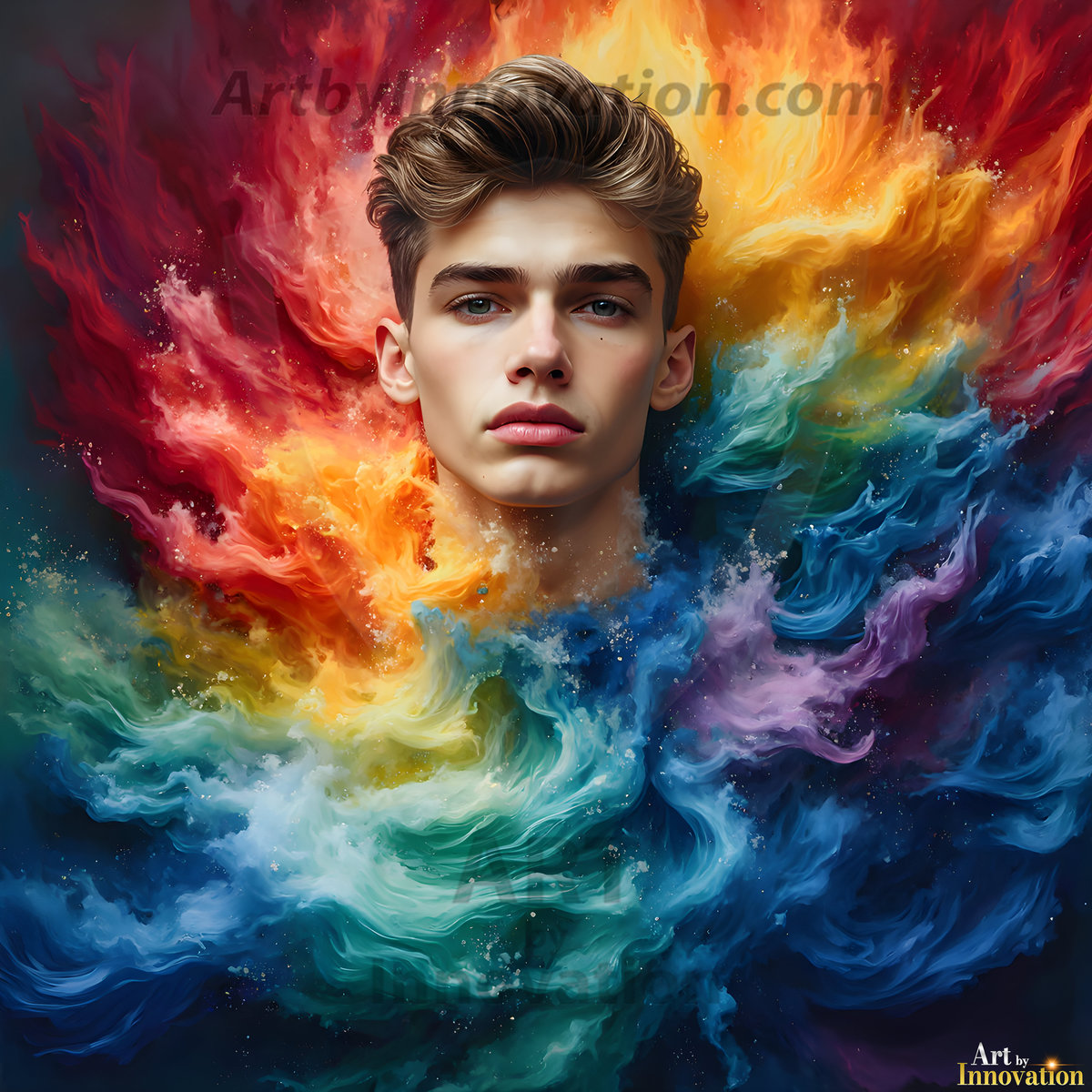
The colors of the LGBTQ+ Pride flags are designed to celebrate the diversity of human experience, visibility, and hope, with each shade representing a specific value that honors the LGBTQ+ community. Created in 1978 by artist Gilbert Baker, the rainbow flag has evolved to include more inclusive colors, showcasing how variety in identity makes individuals uniquely themselves. Meanings Behind the Colors, Red (Life): Represents the vitality and passion of LGBTQ+ people. Orange (Healing): Symbolizes the healing power within the community, often in the face of adversity. Yellow (Sunlight): Signifies the brightness and joy of being true to oneself. Green (Nature): Represents a connection to nature, the environment, and prosperity. Blue/Indigo (Serenity/Harmony): Symbolizes serenity, calm, and inner strength found in living one's truth. Violet/Purple (Spirit): Represents the spirit, strength, and resilience of the community.
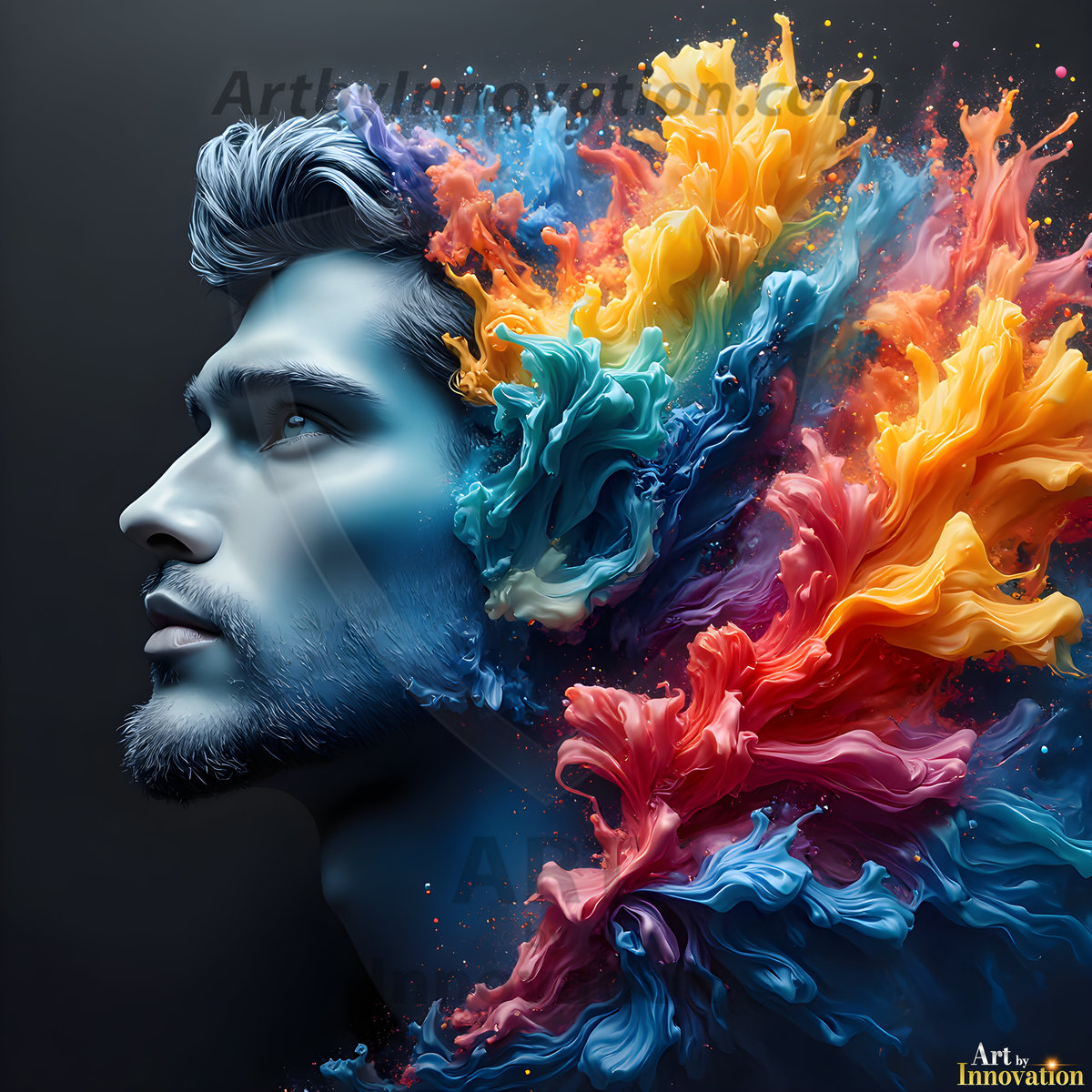
The colors of the LGBTQ+ Pride flags are designed to celebrate the diversity of human experience, visibility, and hope, with each shade representing a specific value that honors the LGBTQ+ community. Created in 1978 by artist Gilbert Baker, the rainbow flag has evolved to include more inclusive colors, showcasing how variety in identity makes individuals uniquely themselves. Meanings Behind the Colors, Red (Life): Represents the vitality and passion of LGBTQ+ people. Orange (Healing): Symbolizes the healing power within the community, often in the face of adversity. Yellow (Sunlight): Signifies the brightness and joy of being true to oneself. Green (Nature): Represents a connection to nature, the environment, and prosperity. Blue/Indigo (Serenity/Harmony): Symbolizes serenity, calm, and inner strength found in living one's truth. Violet/Purple (Spirit): Represents the spirit, strength, and resilience of the community.

The colors of the LGBTQ+ Pride flags are designed to celebrate the diversity of human experience, visibility, and hope, with each shade representing a specific value that honors the LGBTQ+ community. Created in 1978 by artist Gilbert Baker, the rainbow flag has evolved to include more inclusive colors, showcasing how variety in identity makes individuals uniquely themselves. Meanings Behind the Colors, Red (Life): Represents the vitality and passion of LGBTQ+ people. Orange (Healing): Symbolizes the healing power within the community, often in the face of adversity. Yellow (Sunlight): Signifies the brightness and joy of being true to oneself. Green (Nature): Represents a connection to nature, the environment, and prosperity. Blue/Indigo (Serenity/Harmony): Symbolizes serenity, calm, and inner strength found in living one's truth. Violet/Purple (Spirit): Represents the spirit, strength, and resilience of the community.
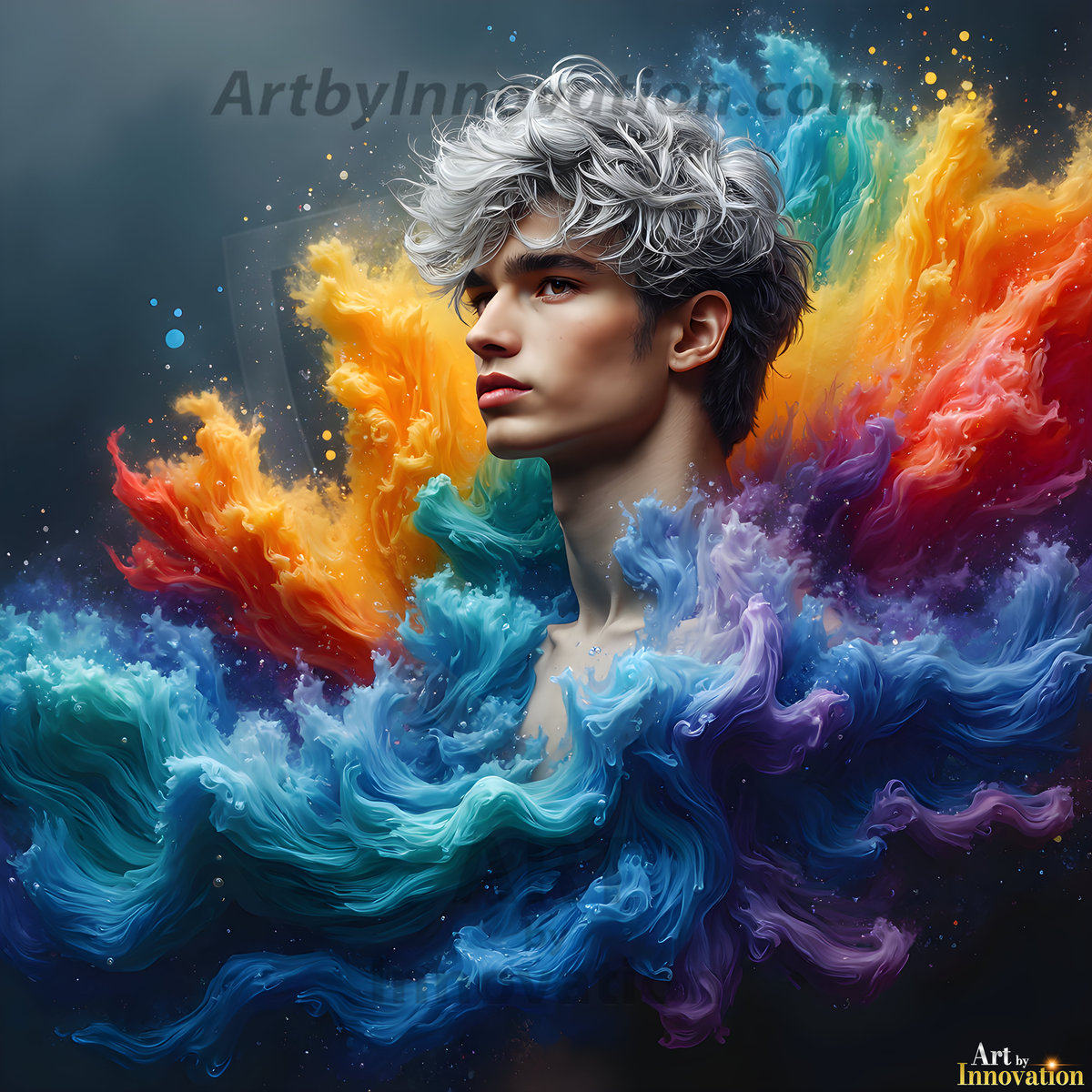
The colors of the LGBTQ+ Pride flags are designed to celebrate the diversity of human experience, visibility, and hope, with each shade representing a specific value that honors the LGBTQ+ community. Created in 1978 by artist Gilbert Baker, the rainbow flag has evolved to include more inclusive colors, showcasing how variety in identity makes individuals uniquely themselves. Meanings Behind the Colors, Red (Life): Represents the vitality and passion of LGBTQ+ people. Orange (Healing): Symbolizes the healing power within the community, often in the face of adversity. Yellow (Sunlight): Signifies the brightness and joy of being true to oneself. Green (Nature): Represents a connection to nature, the environment, and prosperity. Blue/Indigo (Serenity/Harmony): Symbolizes serenity, calm, and inner strength found in living one's truth. Violet/Purple (Spirit): Represents the spirit, strength, and resilience of the community.
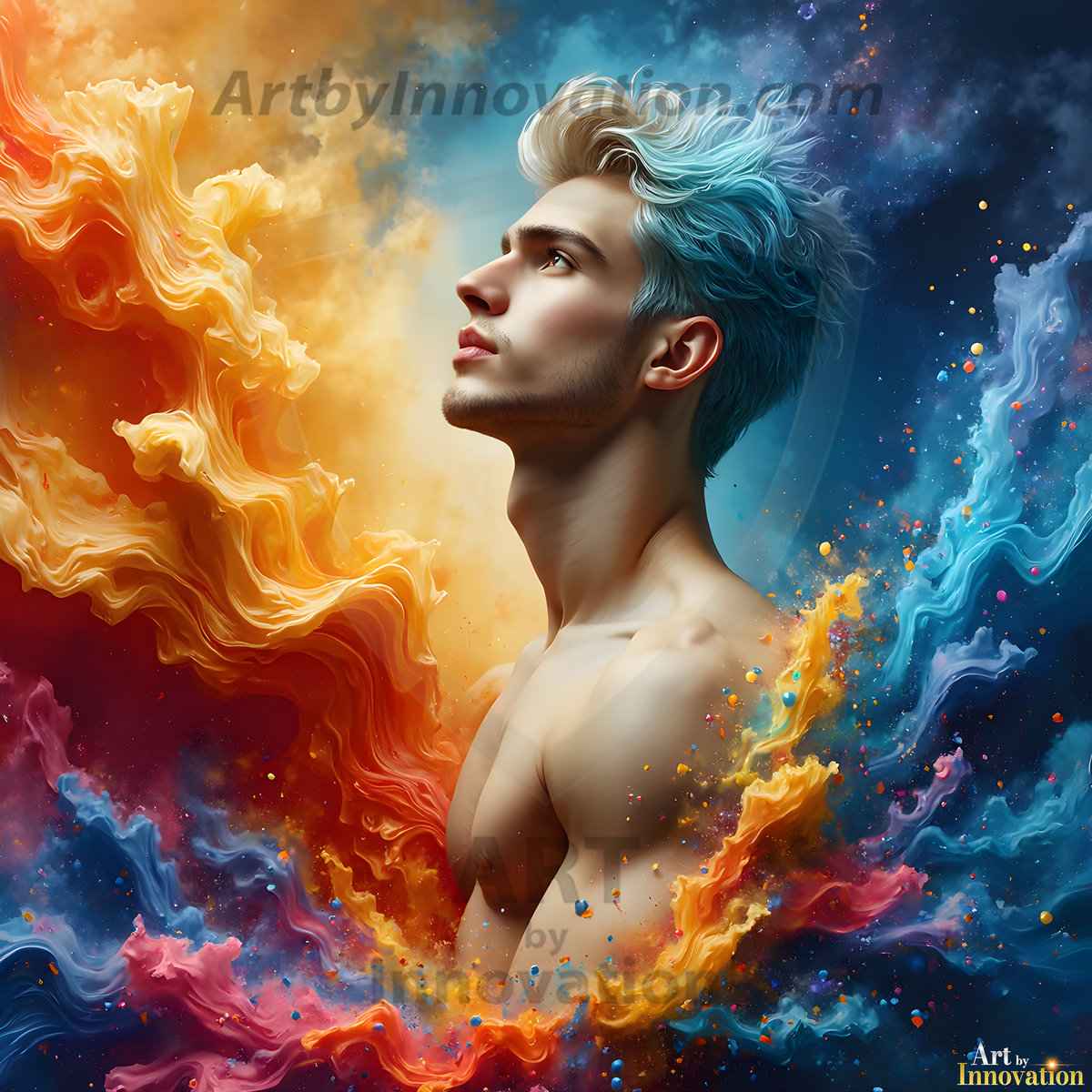
The colors of the LGBTQ+ Pride flags are designed to celebrate the diversity of human experience, visibility, and hope, with each shade representing a specific value that honors the LGBTQ+ community. Created in 1978 by artist Gilbert Baker, the rainbow flag has evolved to include more inclusive colors, showcasing how variety in identity makes individuals uniquely themselves. Meanings Behind the Colors, Red (Life): Represents the vitality and passion of LGBTQ+ people. Orange (Healing): Symbolizes the healing power within the community, often in the face of adversity. Yellow (Sunlight): Signifies the brightness and joy of being true to oneself. Green (Nature): Represents a connection to nature, the environment, and prosperity. Blue/Indigo (Serenity/Harmony): Symbolizes serenity, calm, and inner strength found in living one's truth. Violet/Purple (Spirit): Represents the spirit, strength, and resilience of the community.
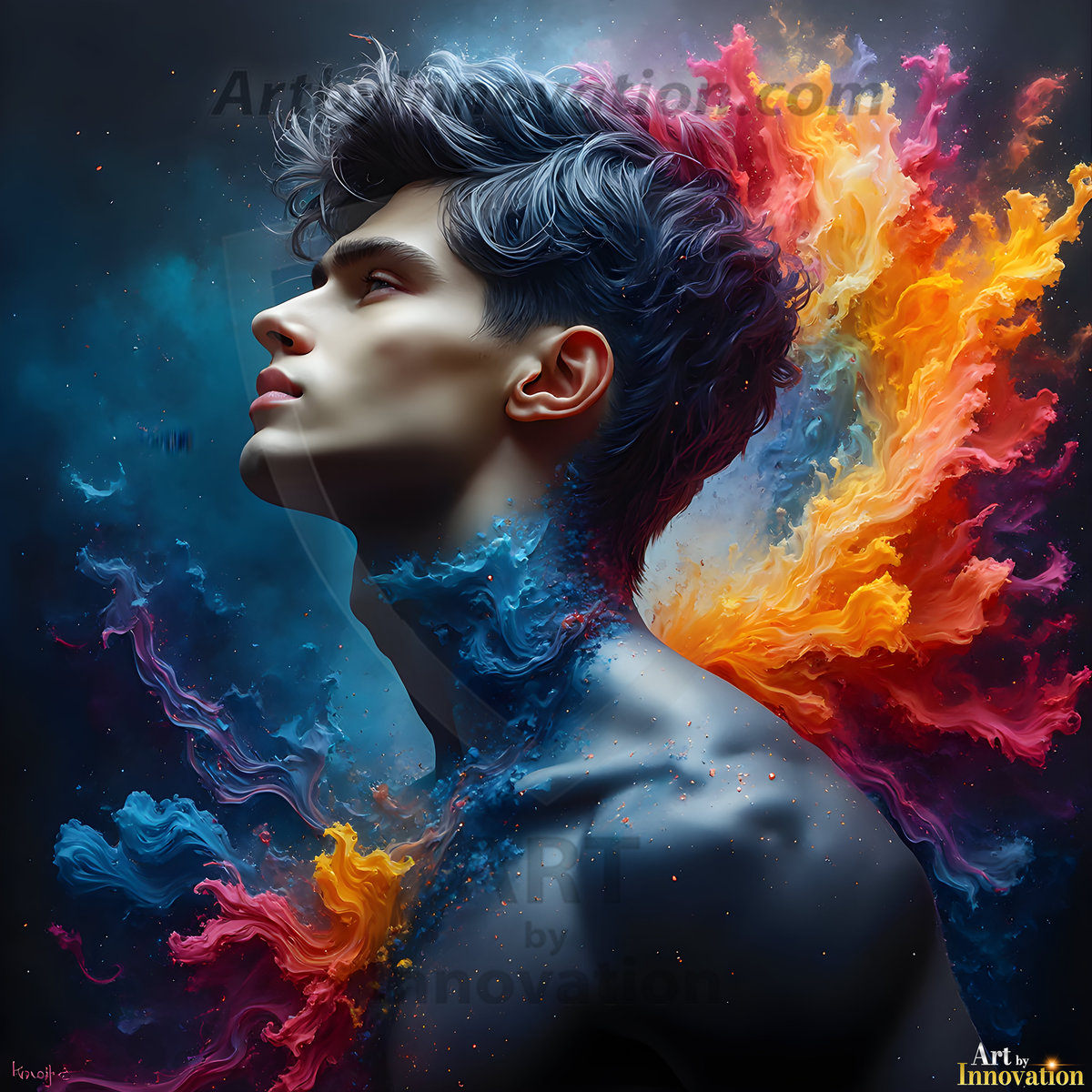
The colors of the LGBTQ+ Pride flags are designed to celebrate the diversity of human experience, visibility, and hope, with each shade representing a specific value that honors the LGBTQ+ community. Created in 1978 by artist Gilbert Baker, the rainbow flag has evolved to include more inclusive colors, showcasing how variety in identity makes individuals uniquely themselves. Meanings Behind the Colors, Red (Life): Represents the vitality and passion of LGBTQ+ people. Orange (Healing): Symbolizes the healing power within the community, often in the face of adversity. Yellow (Sunlight): Signifies the brightness and joy of being true to oneself. Green (Nature): Represents a connection to nature, the environment, and prosperity. Blue/Indigo (Serenity/Harmony): Symbolizes serenity, calm, and inner strength found in living one's truth. Violet/Purple (Spirit): Represents the spirit, strength, and resilience of the community.

The colors of the LGBTQ+ Pride flags are designed to celebrate the diversity of human experience, visibility, and hope, with each shade representing a specific value that honors the LGBTQ+ community. Created in 1978 by artist Gilbert Baker, the rainbow flag has evolved to include more inclusive colors, showcasing how variety in identity makes individuals uniquely themselves. Meanings Behind the Colors, Red (Life): Represents the vitality and passion of LGBTQ+ people. Orange (Healing): Symbolizes the healing power within the community, often in the face of adversity. Yellow (Sunlight): Signifies the brightness and joy of being true to oneself. Green (Nature): Represents a connection to nature, the environment, and prosperity. Blue/Indigo (Serenity/Harmony): Symbolizes serenity, calm, and inner strength found in living one's truth. Violet/Purple (Spirit): Represents the spirit, strength, and resilience of the community.
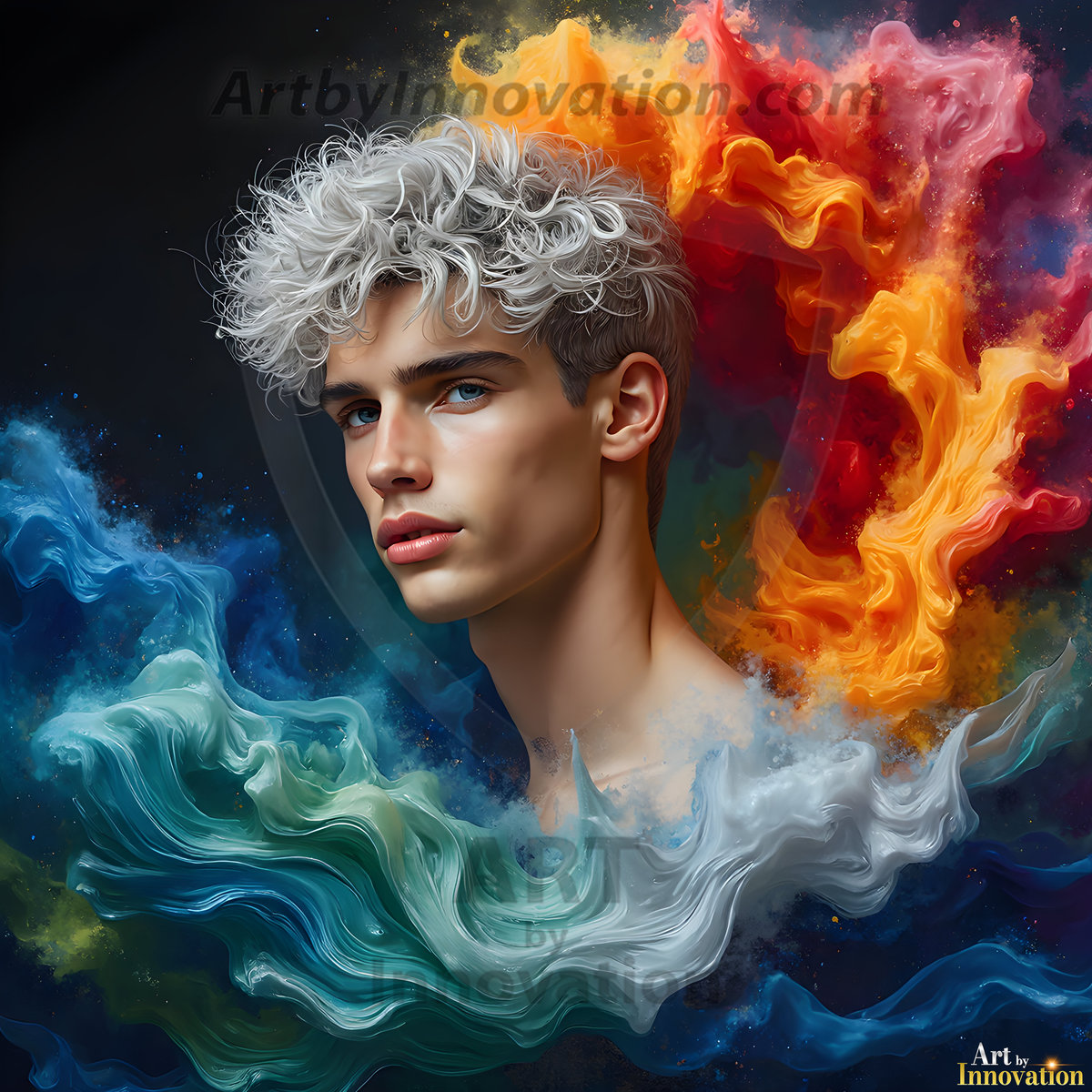
The colors of the LGBTQ+ Pride flags are designed to celebrate the diversity of human experience, visibility, and hope, with each shade representing a specific value that honors the LGBTQ+ community. Created in 1978 by artist Gilbert Baker, the rainbow flag has evolved to include more inclusive colors, showcasing how variety in identity makes individuals uniquely themselves. Meanings Behind the Colors, Red (Life): Represents the vitality and passion of LGBTQ+ people. Orange (Healing): Symbolizes the healing power within the community, often in the face of adversity. Yellow (Sunlight): Signifies the brightness and joy of being true to oneself. Green (Nature): Represents a connection to nature, the environment, and prosperity. Blue/Indigo (Serenity/Harmony): Symbolizes serenity, calm, and inner strength found in living one's truth. Violet/Purple (Spirit): Represents the spirit, strength, and resilience of the community.
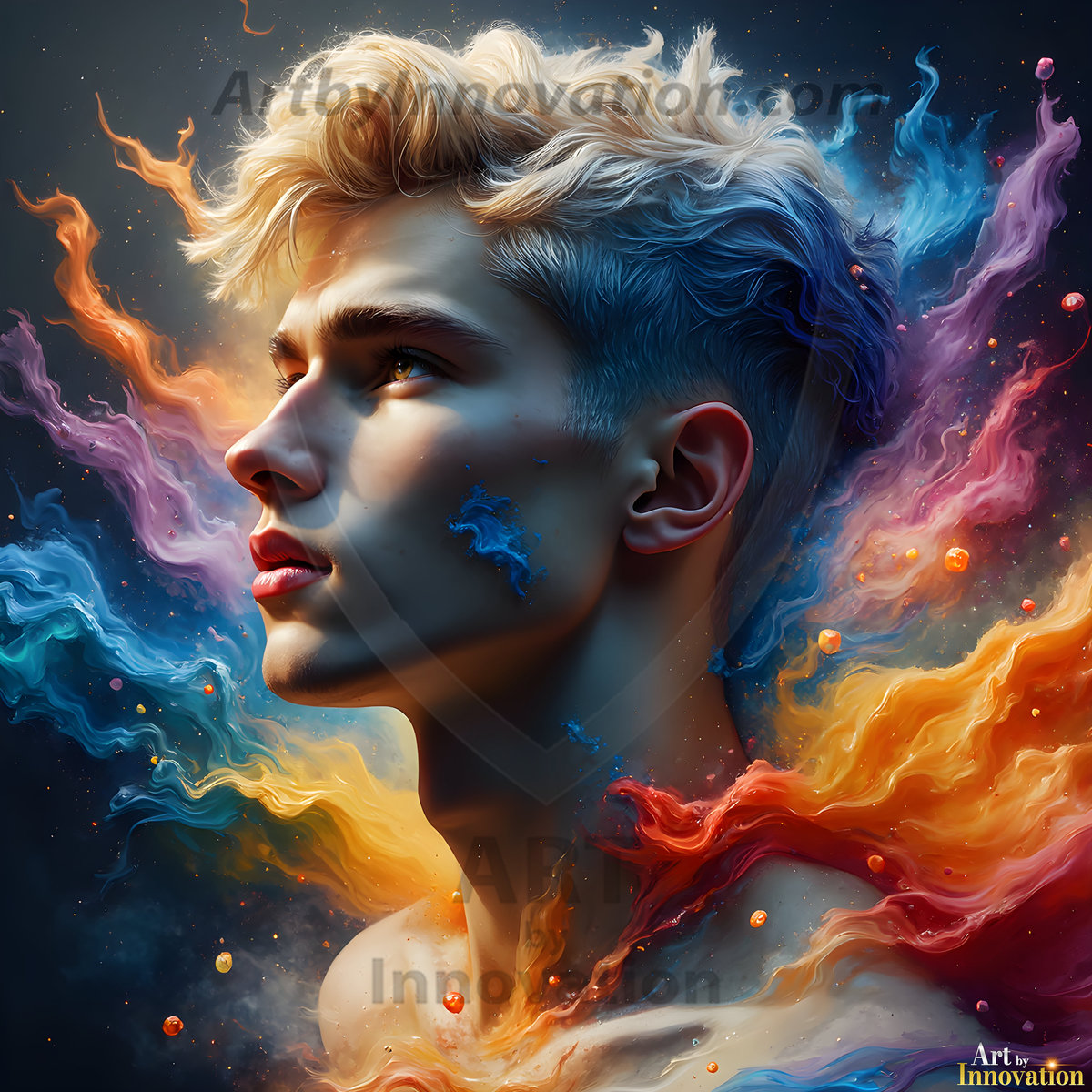
The colors of the LGBTQ+ Pride flags are designed to celebrate the diversity of human experience, visibility, and hope, with each shade representing a specific value that honors the LGBTQ+ community. Created in 1978 by artist Gilbert Baker, the rainbow flag has evolved to include more inclusive colors, showcasing how variety in identity makes individuals uniquely themselves. Meanings Behind the Colors, Red (Life): Represents the vitality and passion of LGBTQ+ people. Orange (Healing): Symbolizes the healing power within the community, often in the face of adversity. Yellow (Sunlight): Signifies the brightness and joy of being true to oneself. Green (Nature): Represents a connection to nature, the environment, and prosperity. Blue/Indigo (Serenity/Harmony): Symbolizes serenity, calm, and inner strength found in living one's truth. Violet/Purple (Spirit): Represents the spirit, strength, and resilience of the community.
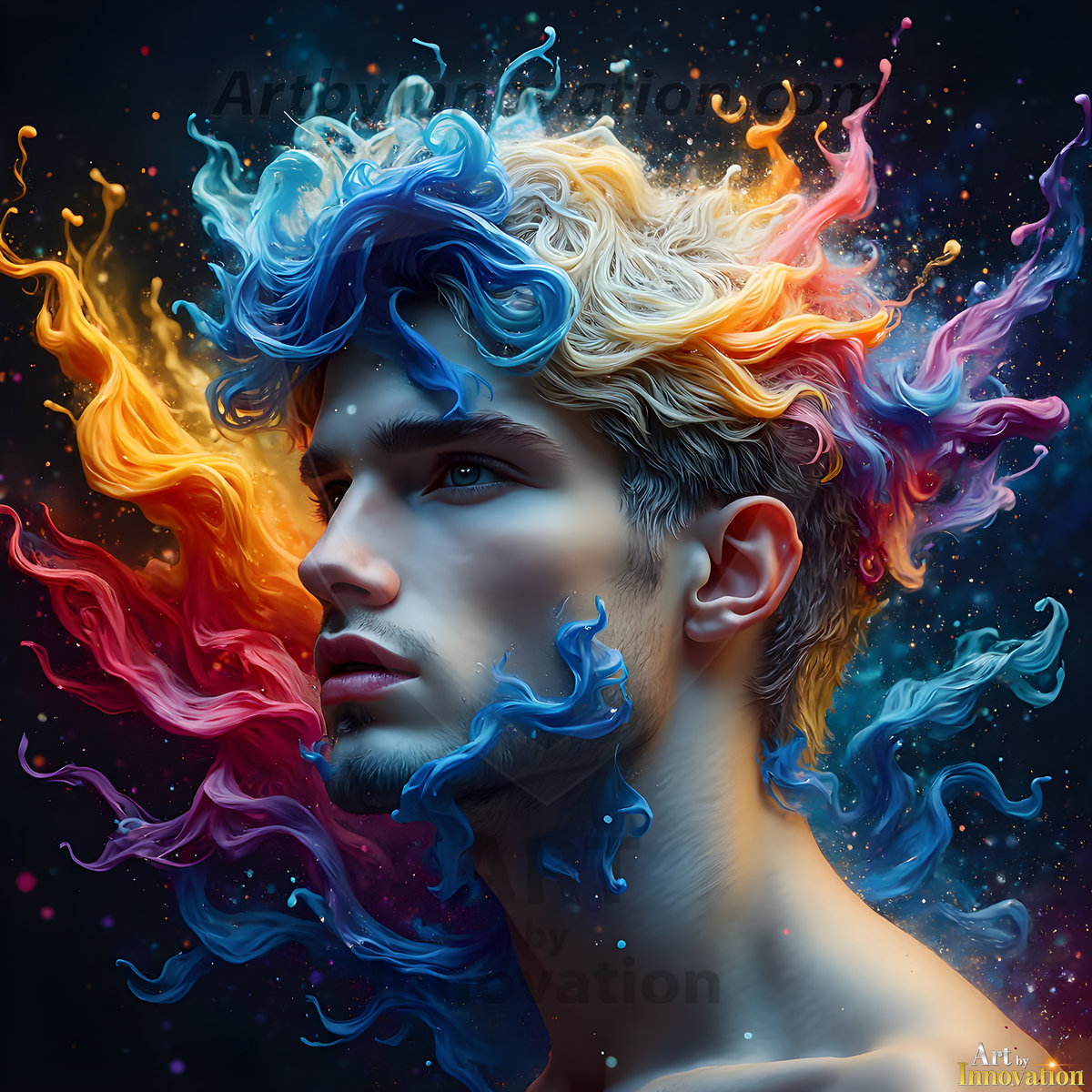
The colors of the LGBTQ+ Pride flags are designed to celebrate the diversity of human experience, visibility, and hope, with each shade representing a specific value that honors the LGBTQ+ community. Created in 1978 by artist Gilbert Baker, the rainbow flag has evolved to include more inclusive colors, showcasing how variety in identity makes individuals uniquely themselves. Meanings Behind the Colors, Red (Life): Represents the vitality and passion of LGBTQ+ people. Orange (Healing): Symbolizes the healing power within the community, often in the face of adversity. Yellow (Sunlight): Signifies the brightness and joy of being true to oneself. Green (Nature): Represents a connection to nature, the environment, and prosperity. Blue/Indigo (Serenity/Harmony): Symbolizes serenity, calm, and inner strength found in living one's truth. Violet/Purple (Spirit): Represents the spirit, strength, and resilience of the community.
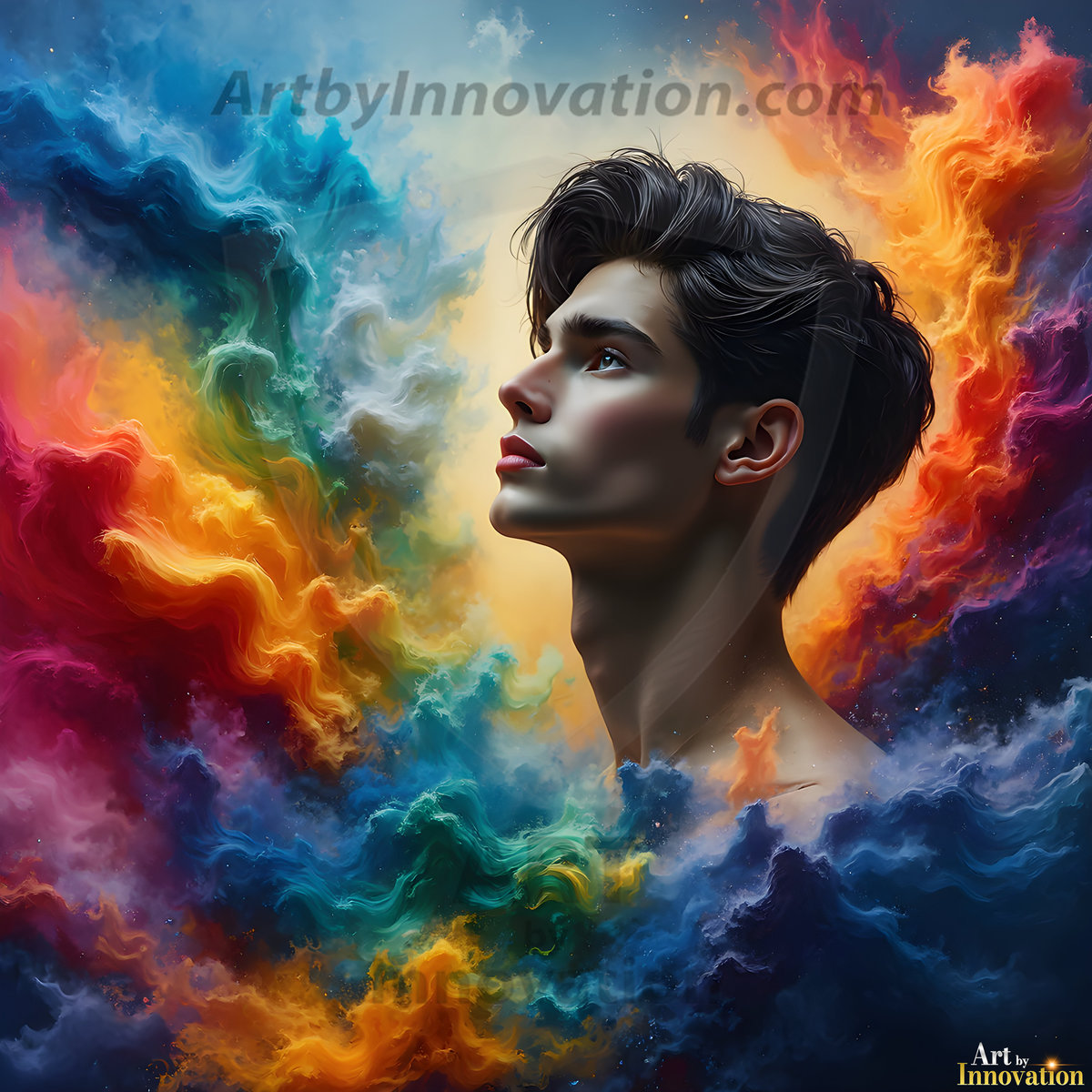
The colors of the LGBTQ+ Pride flags are designed to celebrate the diversity of human experience, visibility, and hope, with each shade representing a specific value that honors the LGBTQ+ community. Created in 1978 by artist Gilbert Baker, the rainbow flag has evolved to include more inclusive colors, showcasing how variety in identity makes individuals uniquely themselves. Meanings Behind the Colors, Red (Life): Represents the vitality and passion of LGBTQ+ people. Orange (Healing): Symbolizes the healing power within the community, often in the face of adversity. Yellow (Sunlight): Signifies the brightness and joy of being true to oneself. Green (Nature): Represents a connection to nature, the environment, and prosperity. Blue/Indigo (Serenity/Harmony): Symbolizes serenity, calm, and inner strength found in living one's truth. Violet/Purple (Spirit): Represents the spirit, strength, and resilience of the community.
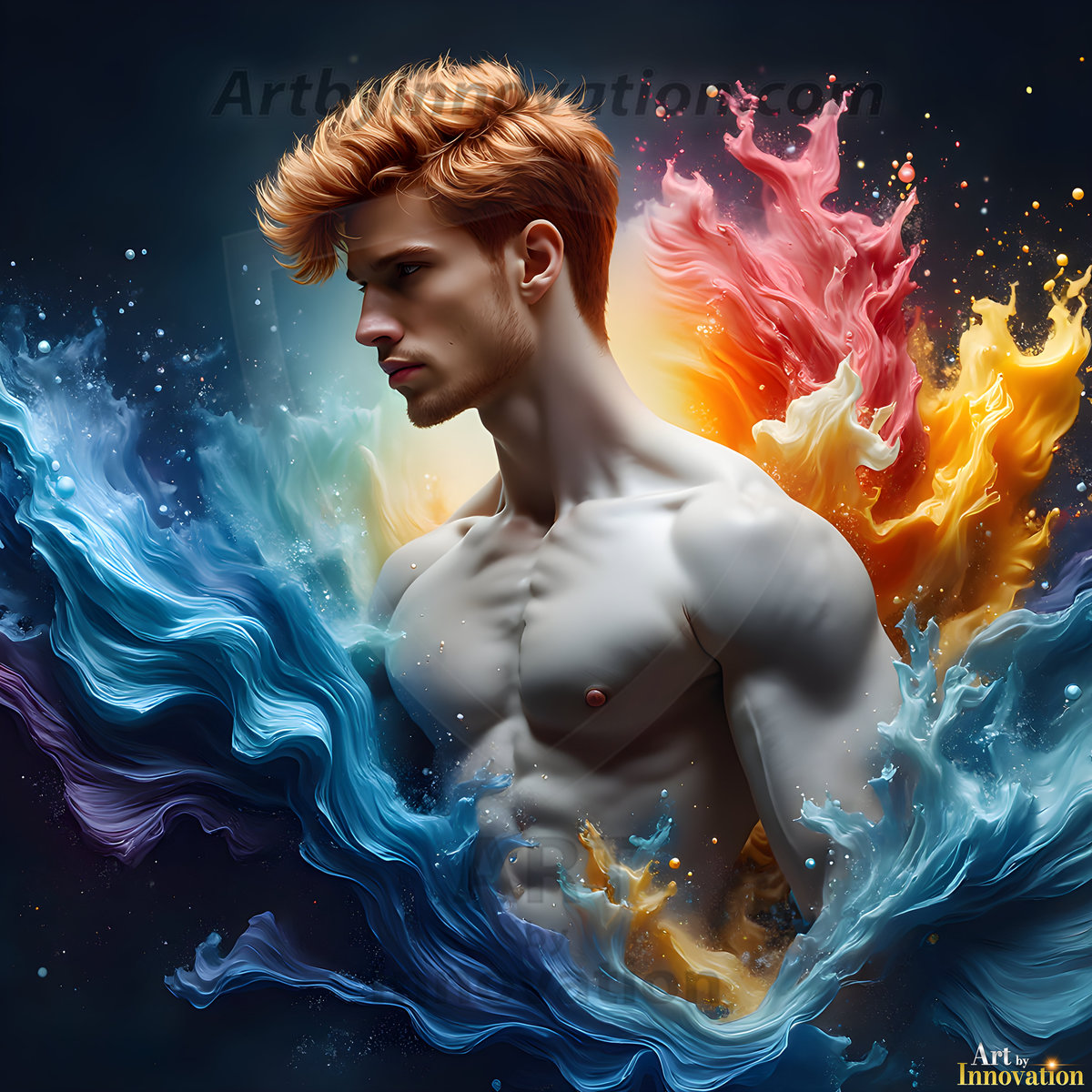
The colors of the LGBTQ+ Pride flags are designed to celebrate the diversity of human experience, visibility, and hope, with each shade representing a specific value that honors the LGBTQ+ community. Created in 1978 by artist Gilbert Baker, the rainbow flag has evolved to include more inclusive colors, showcasing how variety in identity makes individuals uniquely themselves. Meanings Behind the Colors, Red (Life): Represents the vitality and passion of LGBTQ+ people. Orange (Healing): Symbolizes the healing power within the community, often in the face of adversity. Yellow (Sunlight): Signifies the brightness and joy of being true to oneself. Green (Nature): Represents a connection to nature, the environment, and prosperity. Blue/Indigo (Serenity/Harmony): Symbolizes serenity, calm, and inner strength found in living one's truth. Violet/Purple (Spirit): Represents the spirit, strength, and resilience of the community.
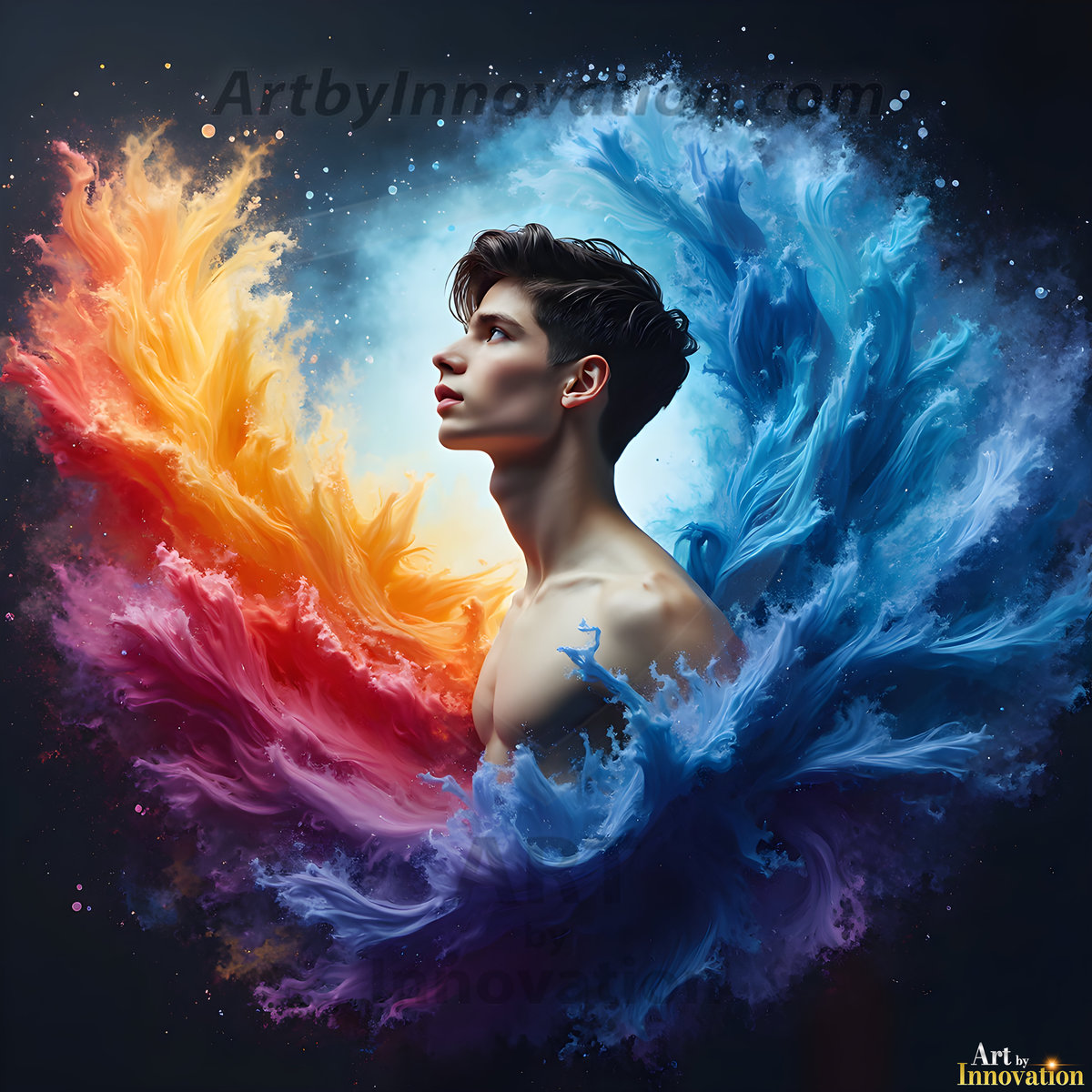
The colors of the LGBTQ+ Pride flags are designed to celebrate the diversity of human experience, visibility, and hope, with each shade representing a specific value that honors the LGBTQ+ community. Created in 1978 by artist Gilbert Baker, the rainbow flag has evolved to include more inclusive colors, showcasing how variety in identity makes individuals uniquely themselves. Meanings Behind the Colors, Red (Life): Represents the vitality and passion of LGBTQ+ people. Orange (Healing): Symbolizes the healing power within the community, often in the face of adversity. Yellow (Sunlight): Signifies the brightness and joy of being true to oneself. Green (Nature): Represents a connection to nature, the environment, and prosperity. Blue/Indigo (Serenity/Harmony): Symbolizes serenity, calm, and inner strength found in living one's truth. Violet/Purple (Spirit): Represents the spirit, strength, and resilience of the community.
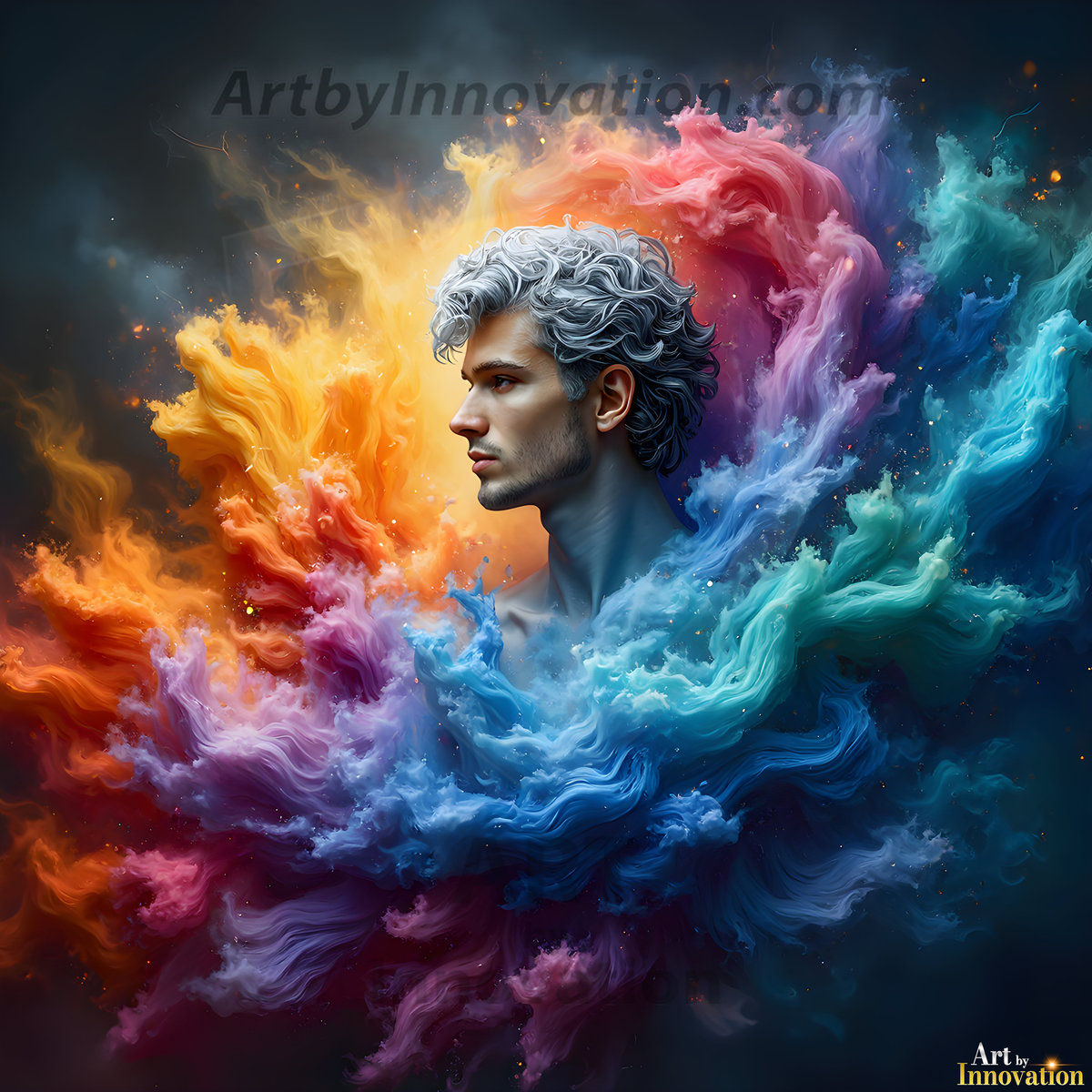
The colors of the LGBTQ+ Pride flags are designed to celebrate the diversity of human experience, visibility, and hope, with each shade representing a specific value that honors the LGBTQ+ community. Created in 1978 by artist Gilbert Baker, the rainbow flag has evolved to include more inclusive colors, showcasing how variety in identity makes individuals uniquely themselves. Meanings Behind the Colors, Red (Life): Represents the vitality and passion of LGBTQ+ people. Orange (Healing): Symbolizes the healing power within the community, often in the face of adversity. Yellow (Sunlight): Signifies the brightness and joy of being true to oneself. Green (Nature): Represents a connection to nature, the environment, and prosperity. Blue/Indigo (Serenity/Harmony): Symbolizes serenity, calm, and inner strength found in living one's truth. Violet/Purple (Spirit): Represents the spirit, strength, and resilience of the community.
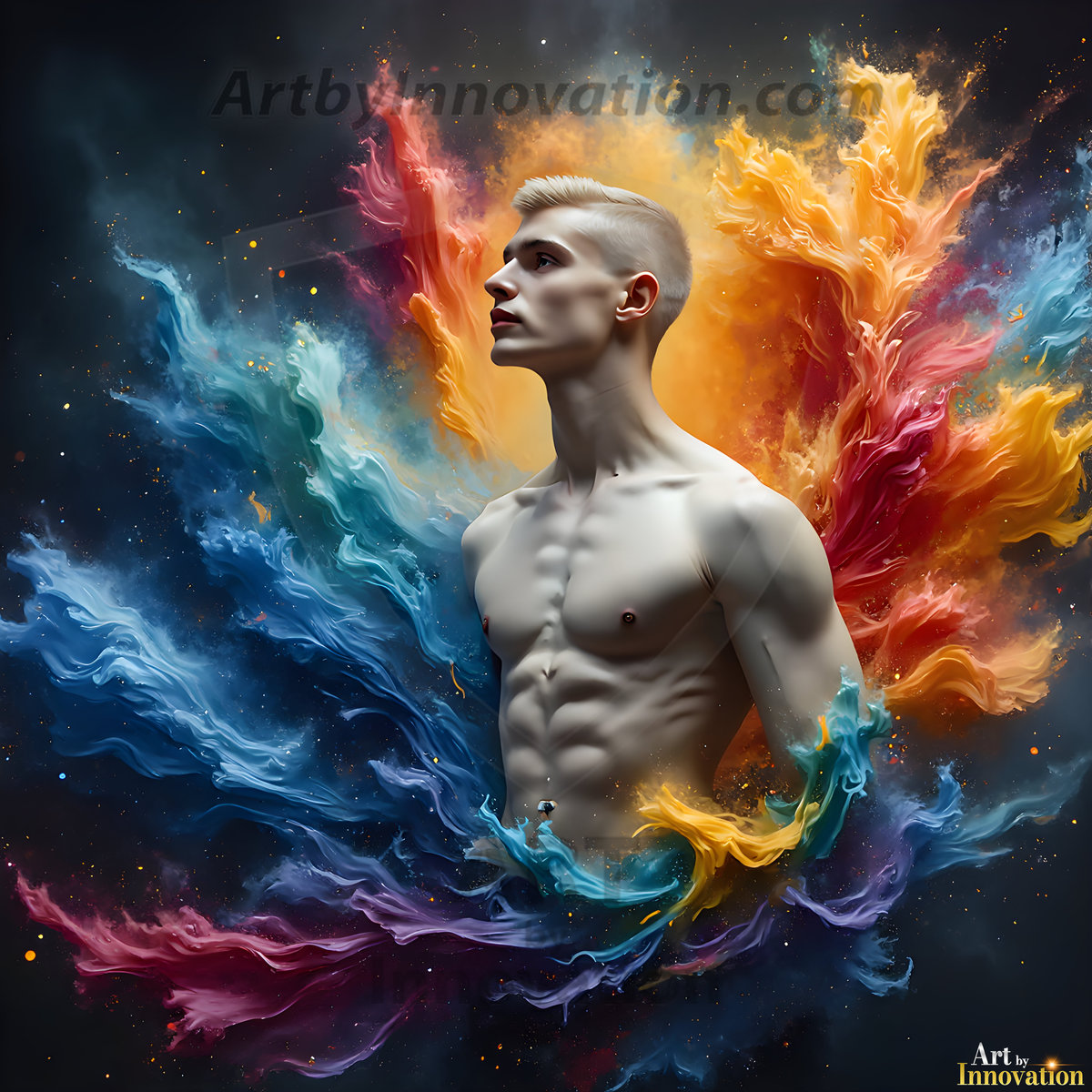
The colors of the LGBTQ+ Pride flags are designed to celebrate the diversity of human experience, visibility, and hope, with each shade representing a specific value that honors the LGBTQ+ community. Created in 1978 by artist Gilbert Baker, the rainbow flag has evolved to include more inclusive colors, showcasing how variety in identity makes individuals uniquely themselves. Meanings Behind the Colors, Red (Life): Represents the vitality and passion of LGBTQ+ people. Orange (Healing): Symbolizes the healing power within the community, often in the face of adversity. Yellow (Sunlight): Signifies the brightness and joy of being true to oneself. Green (Nature): Represents a connection to nature, the environment, and prosperity. Blue/Indigo (Serenity/Harmony): Symbolizes serenity, calm, and inner strength found in living one's truth. Violet/Purple (Spirit): Represents the spirit, strength, and resilience of the community.
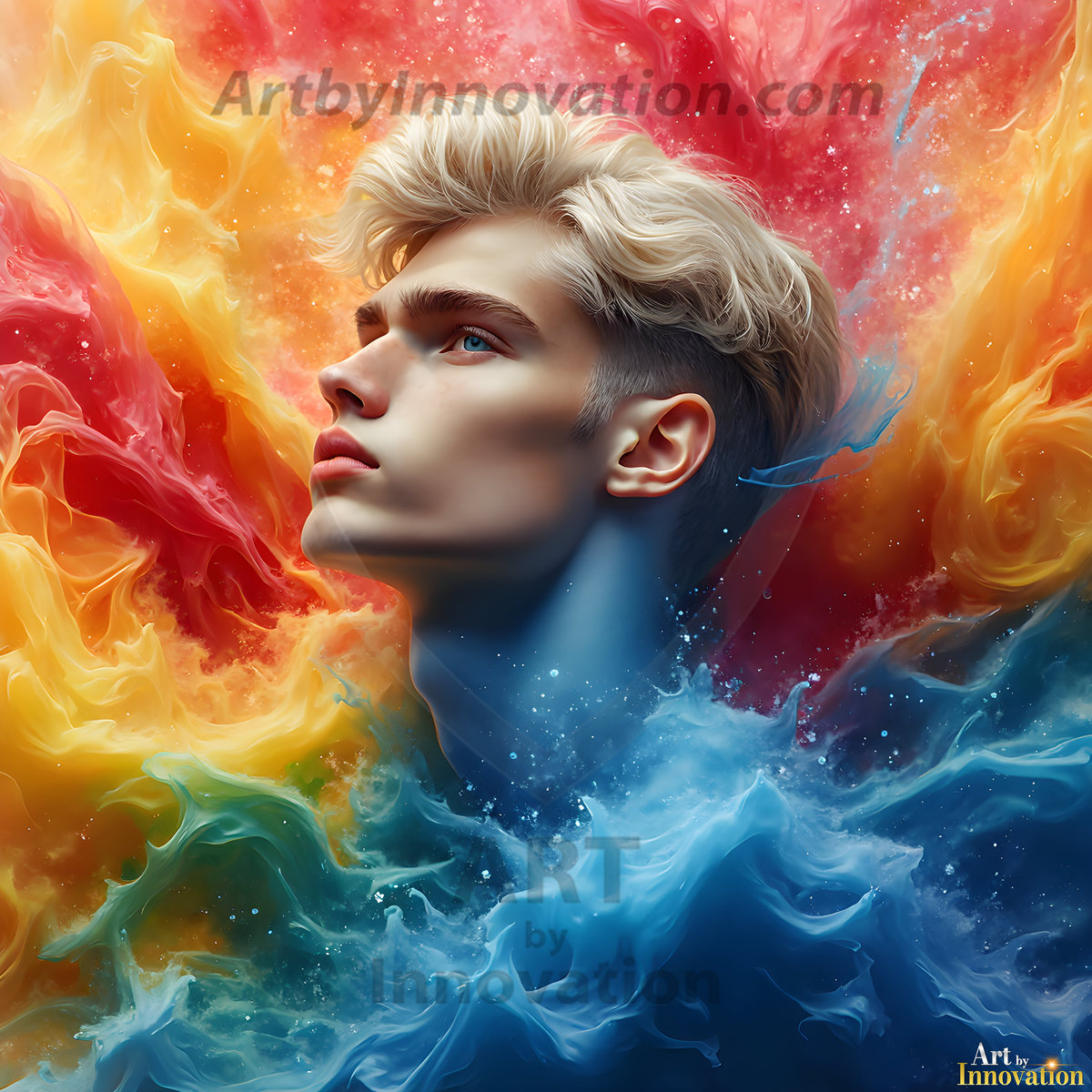
The colors of the LGBTQ+ Pride flags are designed to celebrate the diversity of human experience, visibility, and hope, with each shade representing a specific value that honors the LGBTQ+ community. Created in 1978 by artist Gilbert Baker, the rainbow flag has evolved to include more inclusive colors, showcasing how variety in identity makes individuals uniquely themselves. Meanings Behind the Colors, Red (Life): Represents the vitality and passion of LGBTQ+ people. Orange (Healing): Symbolizes the healing power within the community, often in the face of adversity. Yellow (Sunlight): Signifies the brightness and joy of being true to oneself. Green (Nature): Represents a connection to nature, the environment, and prosperity. Blue/Indigo (Serenity/Harmony): Symbolizes serenity, calm, and inner strength found in living one's truth. Violet/Purple (Spirit): Represents the spirit, strength, and resilience of the community.
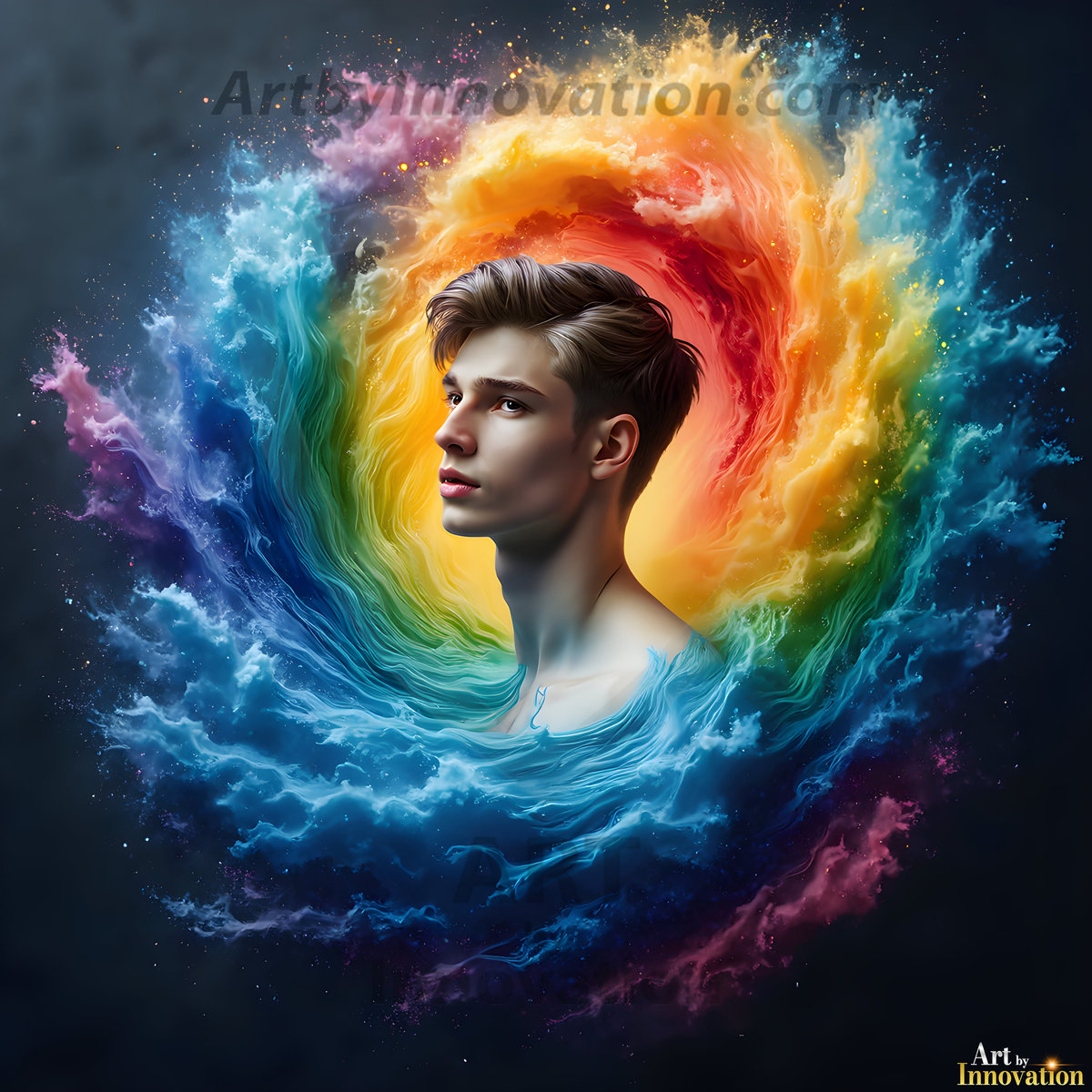
The colors of the LGBTQ+ Pride flags are designed to celebrate the diversity of human experience, visibility, and hope, with each shade representing a specific value that honors the LGBTQ+ community. Created in 1978 by artist Gilbert Baker, the rainbow flag has evolved to include more inclusive colors, showcasing how variety in identity makes individuals uniquely themselves. Meanings Behind the Colors, Red (Life): Represents the vitality and passion of LGBTQ+ people. Orange (Healing): Symbolizes the healing power within the community, often in the face of adversity. Yellow (Sunlight): Signifies the brightness and joy of being true to oneself. Green (Nature): Represents a connection to nature, the environment, and prosperity. Blue/Indigo (Serenity/Harmony): Symbolizes serenity, calm, and inner strength found in living one's truth. Violet/Purple (Spirit): Represents the spirit, strength, and resilience of the community.
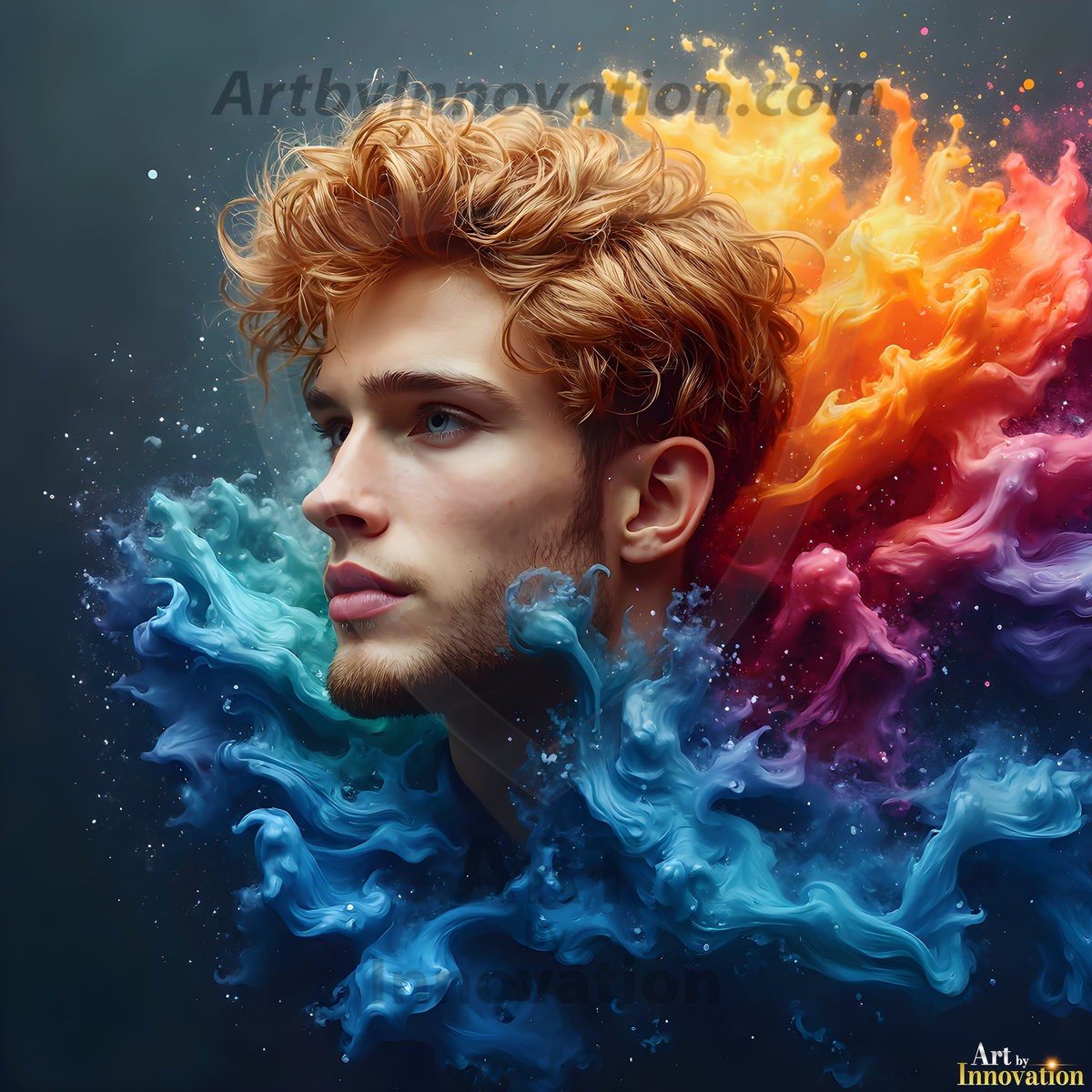
The colors of the LGBTQ+ Pride flags are designed to celebrate the diversity of human experience, visibility, and hope, with each shade representing a specific value that honors the LGBTQ+ community. Created in 1978 by artist Gilbert Baker, the rainbow flag has evolved to include more inclusive colors, showcasing how variety in identity makes individuals uniquely themselves. Meanings Behind the Colors, Red (Life): Represents the vitality and passion of LGBTQ+ people. Orange (Healing): Symbolizes the healing power within the community, often in the face of adversity. Yellow (Sunlight): Signifies the brightness and joy of being true to oneself. Green (Nature): Represents a connection to nature, the environment, and prosperity. Blue/Indigo (Serenity/Harmony): Symbolizes serenity, calm, and inner strength found in living one's truth. Violet/Purple (Spirit): Represents the spirit, strength, and resilience of the community.

The colors of the LGBTQ+ Pride flags are designed to celebrate the diversity of human experience, visibility, and hope, with each shade representing a specific value that honors the LGBTQ+ community. Created in 1978 by artist Gilbert Baker, the rainbow flag has evolved to include more inclusive colors, showcasing how variety in identity makes individuals uniquely themselves. Meanings Behind the Colors, Red (Life): Represents the vitality and passion of LGBTQ+ people. Orange (Healing): Symbolizes the healing power within the community, often in the face of adversity. Yellow (Sunlight): Signifies the brightness and joy of being true to oneself. Green (Nature): Represents a connection to nature, the environment, and prosperity. Blue/Indigo (Serenity/Harmony): Symbolizes serenity, calm, and inner strength found in living one's truth. Violet/Purple (Spirit): Represents the spirit, strength, and resilience of the community.

The colors of the LGBTQ+ Pride flags are designed to celebrate the diversity of human experience, visibility, and hope, with each shade representing a specific value that honors the LGBTQ+ community. Created in 1978 by artist Gilbert Baker, the rainbow flag has evolved to include more inclusive colors, showcasing how variety in identity makes individuals uniquely themselves. Meanings Behind the Colors, Red (Life): Represents the vitality and passion of LGBTQ+ people. Orange (Healing): Symbolizes the healing power within the community, often in the face of adversity. Yellow (Sunlight): Signifies the brightness and joy of being true to oneself. Green (Nature): Represents a connection to nature, the environment, and prosperity. Blue/Indigo (Serenity/Harmony): Symbolizes serenity, calm, and inner strength found in living one's truth. Violet/Purple (Spirit): Represents the spirit, strength, and resilience of the community.
The colors of the LGBTQ+ Pride flags are designed to celebrate the diversity of human experience, visibility, and hope, with each shade representing a specific value that honors the LGBTQ+ community. Created in 1978 by artist Gilbert Baker, the rainbow flag has evolved to include more inclusive colors, showcasing how variety in identity makes individuals uniquely themselves. Meanings Behind the Colors, Red (Life): Represents the vitality and passion of LGBTQ+ people. Orange (Healing): Symbolizes the healing power within the community, often in the face of adversity. Yellow (Sunlight): Signifies the brightness and joy of being true to oneself. Green (Nature): Represents a connection to nature, the environment, and prosperity. Blue/Indigo (Serenity/Harmony): Symbolizes serenity, calm, and inner strength found in living one's truth. Violet/Purple (Spirit): Represents the spirit, strength, and resilience of the community.

The colors of the LGBTQ+ Pride flags are designed to celebrate the diversity of human experience, visibility, and hope, with each shade representing a specific value that honors the LGBTQ+ community. Created in 1978 by artist Gilbert Baker, the rainbow flag has evolved to include more inclusive colors, showcasing how variety in identity makes individuals uniquely themselves. Meanings Behind the Colors, Red (Life): Represents the vitality and passion of LGBTQ+ people. Orange (Healing): Symbolizes the healing power within the community, often in the face of adversity. Yellow (Sunlight): Signifies the brightness and joy of being true to oneself. Green (Nature): Represents a connection to nature, the environment, and prosperity. Blue/Indigo (Serenity/Harmony): Symbolizes serenity, calm, and inner strength found in living one's truth. Violet/Purple (Spirit): Represents the spirit, strength, and resilience of the community.

The colors of the LGBTQ+ Pride flags are designed to celebrate the diversity of human experience, visibility, and hope, with each shade representing a specific value that honors the LGBTQ+ community. Created in 1978 by artist Gilbert Baker, the rainbow flag has evolved to include more inclusive colors, showcasing how variety in identity makes individuals uniquely themselves. Meanings Behind the Colors, Red (Life): Represents the vitality and passion of LGBTQ+ people. Orange (Healing): Symbolizes the healing power within the community, often in the face of adversity. Yellow (Sunlight): Signifies the brightness and joy of being true to oneself. Green (Nature): Represents a connection to nature, the environment, and prosperity. Blue/Indigo (Serenity/Harmony): Symbolizes serenity, calm, and inner strength found in living one's truth. Violet/Purple (Spirit): Represents the spirit, strength, and resilience of the community.

The colors of the LGBTQ+ Pride flags are designed to celebrate the diversity of human experience, visibility, and hope, with each shade representing a specific value that honors the LGBTQ+ community. Created in 1978 by artist Gilbert Baker, the rainbow flag has evolved to include more inclusive colors, showcasing how variety in identity makes individuals uniquely themselves. Meanings Behind the Colors, Red (Life): Represents the vitality and passion of LGBTQ+ people. Orange (Healing): Symbolizes the healing power within the community, often in the face of adversity. Yellow (Sunlight): Signifies the brightness and joy of being true to oneself. Green (Nature): Represents a connection to nature, the environment, and prosperity. Blue/Indigo (Serenity/Harmony): Symbolizes serenity, calm, and inner strength found in living one's truth. Violet/Purple (Spirit): Represents the spirit, strength, and resilience of the community.

The colors of the LGBTQ+ Pride flags are designed to celebrate the diversity of human experience, visibility, and hope, with each shade representing a specific value that honors the LGBTQ+ community. Created in 1978 by artist Gilbert Baker, the rainbow flag has evolved to include more inclusive colors, showcasing how variety in identity makes individuals uniquely themselves. Meanings Behind the Colors, Red (Life): Represents the vitality and passion of LGBTQ+ people. Orange (Healing): Symbolizes the healing power within the community, often in the face of adversity. Yellow (Sunlight): Signifies the brightness and joy of being true to oneself. Green (Nature): Represents a connection to nature, the environment, and prosperity. Blue/Indigo (Serenity/Harmony): Symbolizes serenity, calm, and inner strength found in living one's truth. Violet/Purple (Spirit): Represents the spirit, strength, and resilience of the community.

The colors of the LGBTQ+ Pride flags are designed to celebrate the diversity of human experience, visibility, and hope, with each shade representing a specific value that honors the LGBTQ+ community. Created in 1978 by artist Gilbert Baker, the rainbow flag has evolved to include more inclusive colors, showcasing how variety in identity makes individuals uniquely themselves. Meanings Behind the Colors, Red (Life): Represents the vitality and passion of LGBTQ+ people. Orange (Healing): Symbolizes the healing power within the community, often in the face of adversity. Yellow (Sunlight): Signifies the brightness and joy of being true to oneself. Green (Nature): Represents a connection to nature, the environment, and prosperity. Blue/Indigo (Serenity/Harmony): Symbolizes serenity, calm, and inner strength found in living one's truth. Violet/Purple (Spirit): Represents the spirit, strength, and resilience of the community.
The colors of the LGBTQ+ Pride flags are designed to celebrate the diversity of human experience, visibility, and hope, with each shade representing a specific value that honors the LGBTQ+ community. Created in 1978 by artist Gilbert Baker, the rainbow flag has evolved to include more inclusive colors, showcasing how variety in identity makes individuals uniquely themselves. Meanings Behind the Colors, Red (Life): Represents the vitality and passion of LGBTQ+ people. Orange (Healing): Symbolizes the healing power within the community, often in the face of adversity. Yellow (Sunlight): Signifies the brightness and joy of being true to oneself. Green (Nature): Represents a connection to nature, the environment, and prosperity. Blue/Indigo (Serenity/Harmony): Symbolizes serenity, calm, and inner strength found in living one's truth. Violet/Purple (Spirit): Represents the spirit, strength, and resilience of the community.

The colors of the LGBTQ+ Pride flags are designed to celebrate the diversity of human experience, visibility, and hope, with each shade representing a specific value that honors the LGBTQ+ community. Created in 1978 by artist Gilbert Baker, the rainbow flag has evolved to include more inclusive colors, showcasing how variety in identity makes individuals uniquely themselves. Meanings Behind the Colors, Red (Life): Represents the vitality and passion of LGBTQ+ people. Orange (Healing): Symbolizes the healing power within the community, often in the face of adversity. Yellow (Sunlight): Signifies the brightness and joy of being true to oneself. Green (Nature): Represents a connection to nature, the environment, and prosperity. Blue/Indigo (Serenity/Harmony): Symbolizes serenity, calm, and inner strength found in living one's truth. Violet/Purple (Spirit): Represents the spirit, strength, and resilience of the community.
The colors of the LGBTQ+ Pride flags are designed to celebrate the diversity of human experience, visibility, and hope, with each shade representing a specific value that honors the LGBTQ+ community. Created in 1978 by artist Gilbert Baker, the rainbow flag has evolved to include more inclusive colors, showcasing how variety in identity makes individuals uniquely themselves. Meanings Behind the Colors, Red (Life): Represents the vitality and passion of LGBTQ+ people. Orange (Healing): Symbolizes the healing power within the community, often in the face of adversity. Yellow (Sunlight): Signifies the brightness and joy of being true to oneself. Green (Nature): Represents a connection to nature, the environment, and prosperity. Blue/Indigo (Serenity/Harmony): Symbolizes serenity, calm, and inner strength found in living one's truth. Violet/Purple (Spirit): Represents the spirit, strength, and resilience of the community.

The colors of the LGBTQ+ Pride flags are designed to celebrate the diversity of human experience, visibility, and hope, with each shade representing a specific value that honors the LGBTQ+ community. Created in 1978 by artist Gilbert Baker, the rainbow flag has evolved to include more inclusive colors, showcasing how variety in identity makes individuals uniquely themselves. Meanings Behind the Colors, Red (Life): Represents the vitality and passion of LGBTQ+ people. Orange (Healing): Symbolizes the healing power within the community, often in the face of adversity. Yellow (Sunlight): Signifies the brightness and joy of being true to oneself. Green (Nature): Represents a connection to nature, the environment, and prosperity. Blue/Indigo (Serenity/Harmony): Symbolizes serenity, calm, and inner strength found in living one's truth. Violet/Purple (Spirit): Represents the spirit, strength, and resilience of the community.

The colors of the LGBTQ+ Pride flags are designed to celebrate the diversity of human experience, visibility, and hope, with each shade representing a specific value that honors the LGBTQ+ community. Created in 1978 by artist Gilbert Baker, the rainbow flag has evolved to include more inclusive colors, showcasing how variety in identity makes individuals uniquely themselves. Meanings Behind the Colors, Red (Life): Represents the vitality and passion of LGBTQ+ people. Orange (Healing): Symbolizes the healing power within the community, often in the face of adversity. Yellow (Sunlight): Signifies the brightness and joy of being true to oneself. Green (Nature): Represents a connection to nature, the environment, and prosperity. Blue/Indigo (Serenity/Harmony): Symbolizes serenity, calm, and inner strength found in living one's truth. Violet/Purple (Spirit): Represents the spirit, strength, and resilience of the community.

The colors of the LGBTQ+ Pride flags are designed to celebrate the diversity of human experience, visibility, and hope, with each shade representing a specific value that honors the LGBTQ+ community. Created in 1978 by artist Gilbert Baker, the rainbow flag has evolved to include more inclusive colors, showcasing how variety in identity makes individuals uniquely themselves. Meanings Behind the Colors, Red (Life): Represents the vitality and passion of LGBTQ+ people. Orange (Healing): Symbolizes the healing power within the community, often in the face of adversity. Yellow (Sunlight): Signifies the brightness and joy of being true to oneself. Green (Nature): Represents a connection to nature, the environment, and prosperity. Blue/Indigo (Serenity/Harmony): Symbolizes serenity, calm, and inner strength found in living one's truth. Violet/Purple (Spirit): Represents the spirit, strength, and resilience of the community.
The colors of the LGBTQ+ Pride flags are designed to celebrate the diversity of human experience, visibility, and hope, with each shade representing a specific value that honors the LGBTQ+ community. Created in 1978 by artist Gilbert Baker, the rainbow flag has evolved to include more inclusive colors, showcasing how variety in identity makes individuals uniquely themselves. Meanings Behind the Colors, Red (Life): Represents the vitality and passion of LGBTQ+ people. Orange (Healing): Symbolizes the healing power within the community, often in the face of adversity. Yellow (Sunlight): Signifies the brightness and joy of being true to oneself. Green (Nature): Represents a connection to nature, the environment, and prosperity. Blue/Indigo (Serenity/Harmony): Symbolizes serenity, calm, and inner strength found in living one's truth. Violet/Purple (Spirit): Represents the spirit, strength, and resilience of the community.
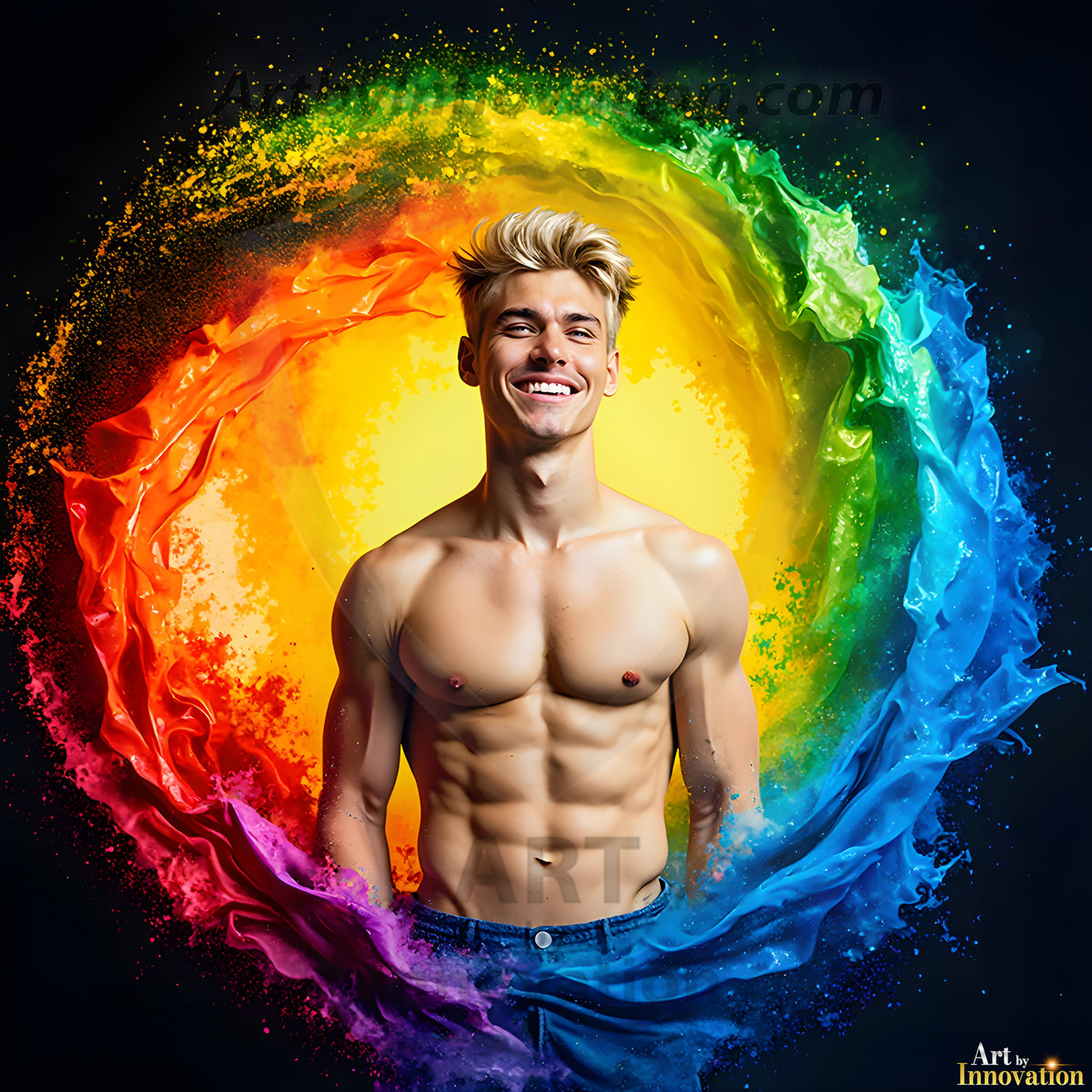
The colors of the LGBTQ+ Pride flags are designed to celebrate the diversity of human experience, visibility, and hope, with each shade representing a specific value that honors the LGBTQ+ community. Created in 1978 by artist Gilbert Baker, the rainbow flag has evolved to include more inclusive colors, showcasing how variety in identity makes individuals uniquely themselves. Meanings Behind the Colors, Red (Life): Represents the vitality and passion of LGBTQ+ people. Orange (Healing): Symbolizes the healing power within the community, often in the face of adversity. Yellow (Sunlight): Signifies the brightness and joy of being true to oneself. Green (Nature): Represents a connection to nature, the environment, and prosperity. Blue/Indigo (Serenity/Harmony): Symbolizes serenity, calm, and inner strength found in living one's truth. Violet/Purple (Spirit): Represents the spirit, strength, and resilience of the community.
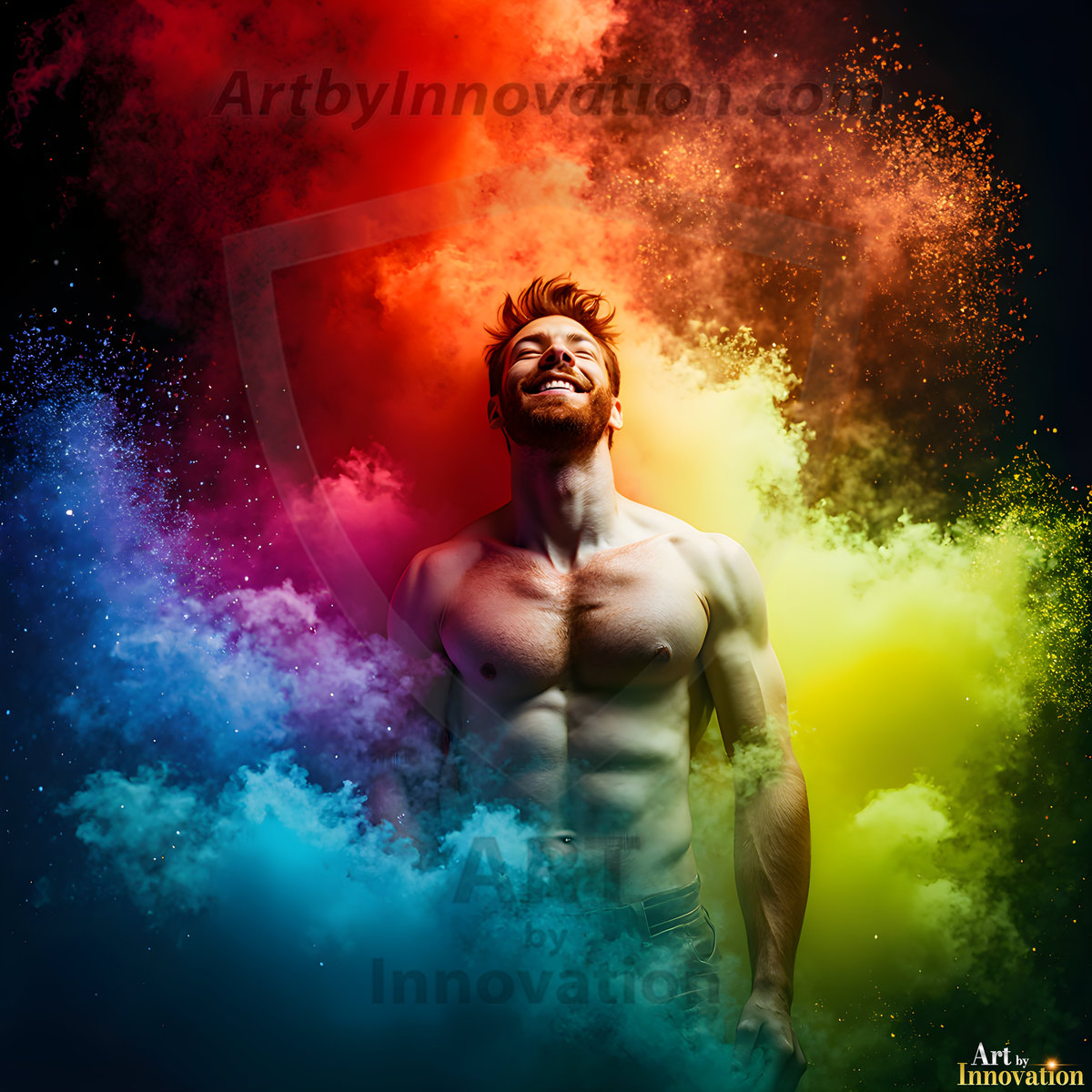
The colors of the LGBTQ+ Pride flags are designed to celebrate the diversity of human experience, visibility, and hope, with each shade representing a specific value that honors the LGBTQ+ community. Created in 1978 by artist Gilbert Baker, the rainbow flag has evolved to include more inclusive colors, showcasing how variety in identity makes individuals uniquely themselves. Meanings Behind the Colors, Red (Life): Represents the vitality and passion of LGBTQ+ people. Orange (Healing): Symbolizes the healing power within the community, often in the face of adversity. Yellow (Sunlight): Signifies the brightness and joy of being true to oneself. Green (Nature): Represents a connection to nature, the environment, and prosperity. Blue/Indigo (Serenity/Harmony): Symbolizes serenity, calm, and inner strength found in living one's truth. Violet/Purple (Spirit): Represents the spirit, strength, and resilience of the community.
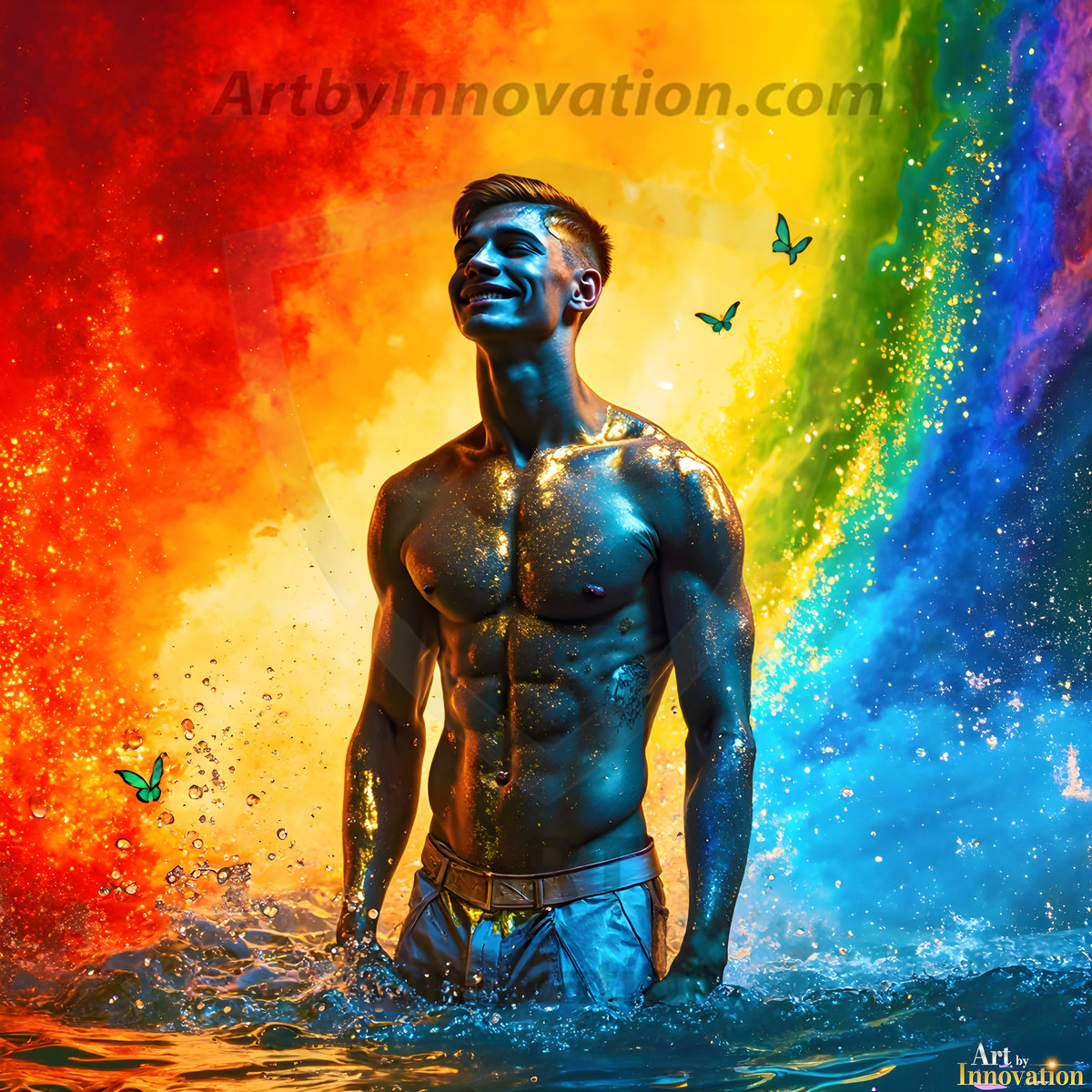
The colors of the LGBTQ+ Pride flags are designed to celebrate the diversity of human experience, visibility, and hope, with each shade representing a specific value that honors the LGBTQ+ community. Created in 1978 by artist Gilbert Baker, the rainbow flag has evolved to include more inclusive colors, showcasing how variety in identity makes individuals uniquely themselves. Meanings Behind the Colors, Red (Life): Represents the vitality and passion of LGBTQ+ people. Orange (Healing): Symbolizes the healing power within the community, often in the face of adversity. Yellow (Sunlight): Signifies the brightness and joy of being true to oneself. Green (Nature): Represents a connection to nature, the environment, and prosperity. Blue/Indigo (Serenity/Harmony): Symbolizes serenity, calm, and inner strength found in living one's truth. Violet/Purple (Spirit): Represents the spirit, strength, and resilience of the community.
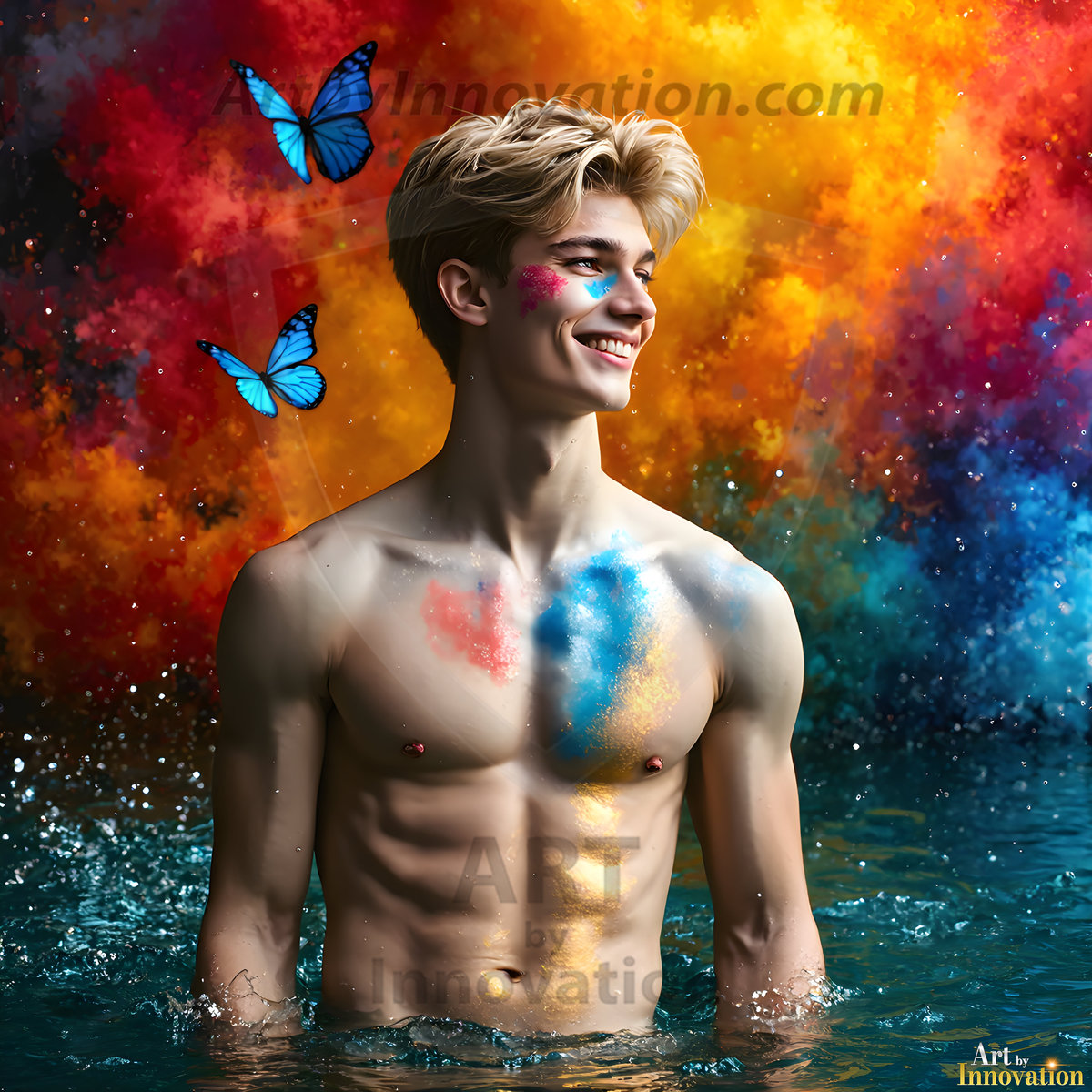
The colors of the LGBTQ+ Pride flags are designed to celebrate the diversity of human experience, visibility, and hope, with each shade representing a specific value that honors the LGBTQ+ community. Created in 1978 by artist Gilbert Baker, the rainbow flag has evolved to include more inclusive colors, showcasing how variety in identity makes individuals uniquely themselves. Meanings Behind the Colors, Red (Life): Represents the vitality and passion of LGBTQ+ people. Orange (Healing): Symbolizes the healing power within the community, often in the face of adversity. Yellow (Sunlight): Signifies the brightness and joy of being true to oneself. Green (Nature): Represents a connection to nature, the environment, and prosperity. Blue/Indigo (Serenity/Harmony): Symbolizes serenity, calm, and inner strength found in living one's truth. Violet/Purple (Spirit): Represents the spirit, strength, and resilience of the community.
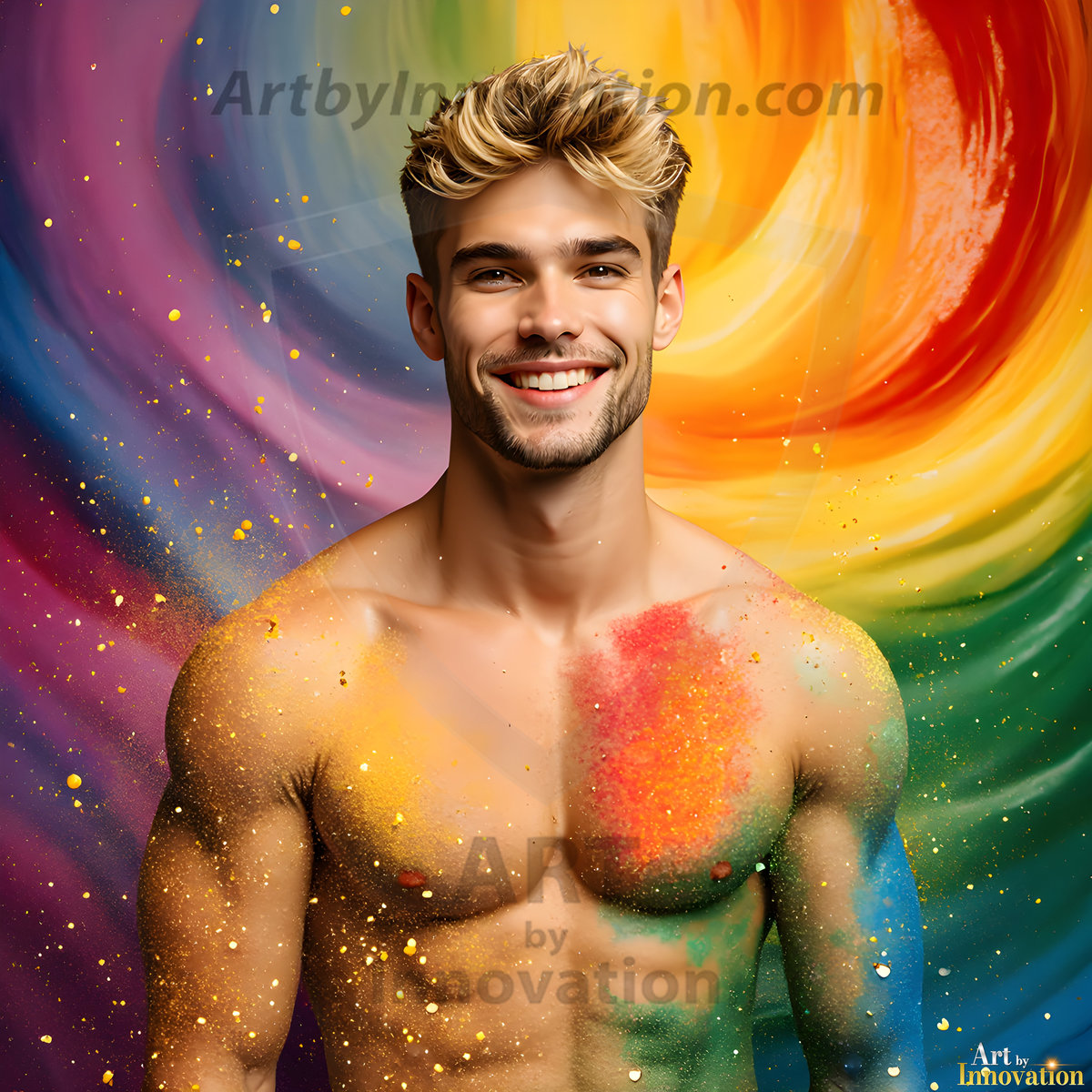
The colors of the LGBTQ+ Pride flags are designed to celebrate the diversity of human experience, visibility, and hope, with each shade representing a specific value that honors the LGBTQ+ community. Created in 1978 by artist Gilbert Baker, the rainbow flag has evolved to include more inclusive colors, showcasing how variety in identity makes individuals uniquely themselves. Meanings Behind the Colors, Red (Life): Represents the vitality and passion of LGBTQ+ people. Orange (Healing): Symbolizes the healing power within the community, often in the face of adversity. Yellow (Sunlight): Signifies the brightness and joy of being true to oneself. Green (Nature): Represents a connection to nature, the environment, and prosperity. Blue/Indigo (Serenity/Harmony): Symbolizes serenity, calm, and inner strength found in living one's truth. Violet/Purple (Spirit): Represents the spirit, strength, and resilience of the community.
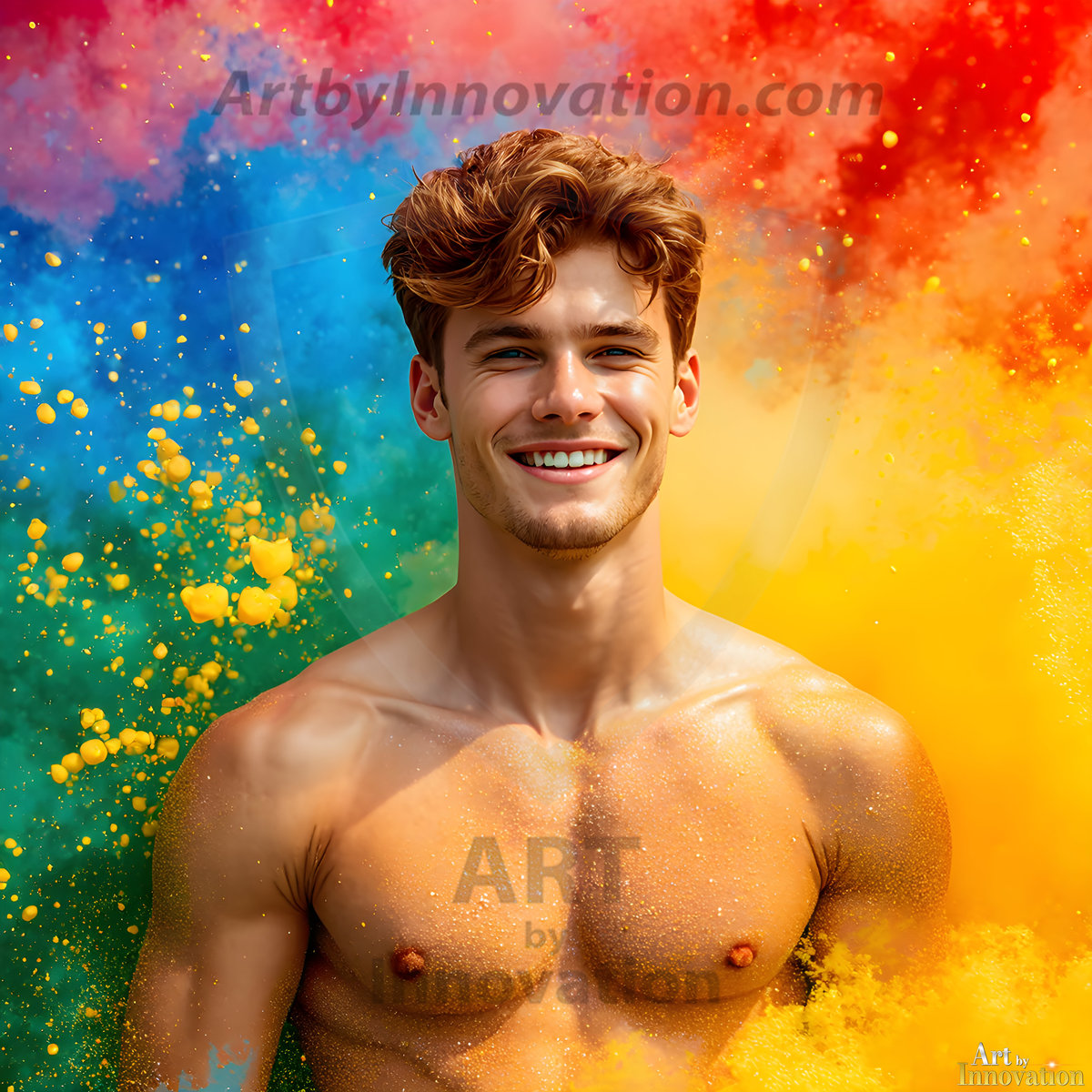
The colors of the LGBTQ+ Pride flags are designed to celebrate the diversity of human experience, visibility, and hope, with each shade representing a specific value that honors the LGBTQ+ community. Created in 1978 by artist Gilbert Baker, the rainbow flag has evolved to include more inclusive colors, showcasing how variety in identity makes individuals uniquely themselves. Meanings Behind the Colors, Red (Life): Represents the vitality and passion of LGBTQ+ people. Orange (Healing): Symbolizes the healing power within the community, often in the face of adversity. Yellow (Sunlight): Signifies the brightness and joy of being true to oneself. Green (Nature): Represents a connection to nature, the environment, and prosperity. Blue/Indigo (Serenity/Harmony): Symbolizes serenity, calm, and inner strength found in living one's truth. Violet/Purple (Spirit): Represents the spirit, strength, and resilience of the community.

The colors of the LGBTQ+ Pride flags are designed to celebrate the diversity of human experience, visibility, and hope, with each shade representing a specific value that honors the LGBTQ+ community. Created in 1978 by artist Gilbert Baker, the rainbow flag has evolved to include more inclusive colors, showcasing how variety in identity makes individuals uniquely themselves. Meanings Behind the Colors, Red (Life): Represents the vitality and passion of LGBTQ+ people. Orange (Healing): Symbolizes the healing power within the community, often in the face of adversity. Yellow (Sunlight): Signifies the brightness and joy of being true to oneself. Green (Nature): Represents a connection to nature, the environment, and prosperity. Blue/Indigo (Serenity/Harmony): Symbolizes serenity, calm, and inner strength found in living one's truth. Violet/Purple (Spirit): Represents the spirit, strength, and resilience of the community.
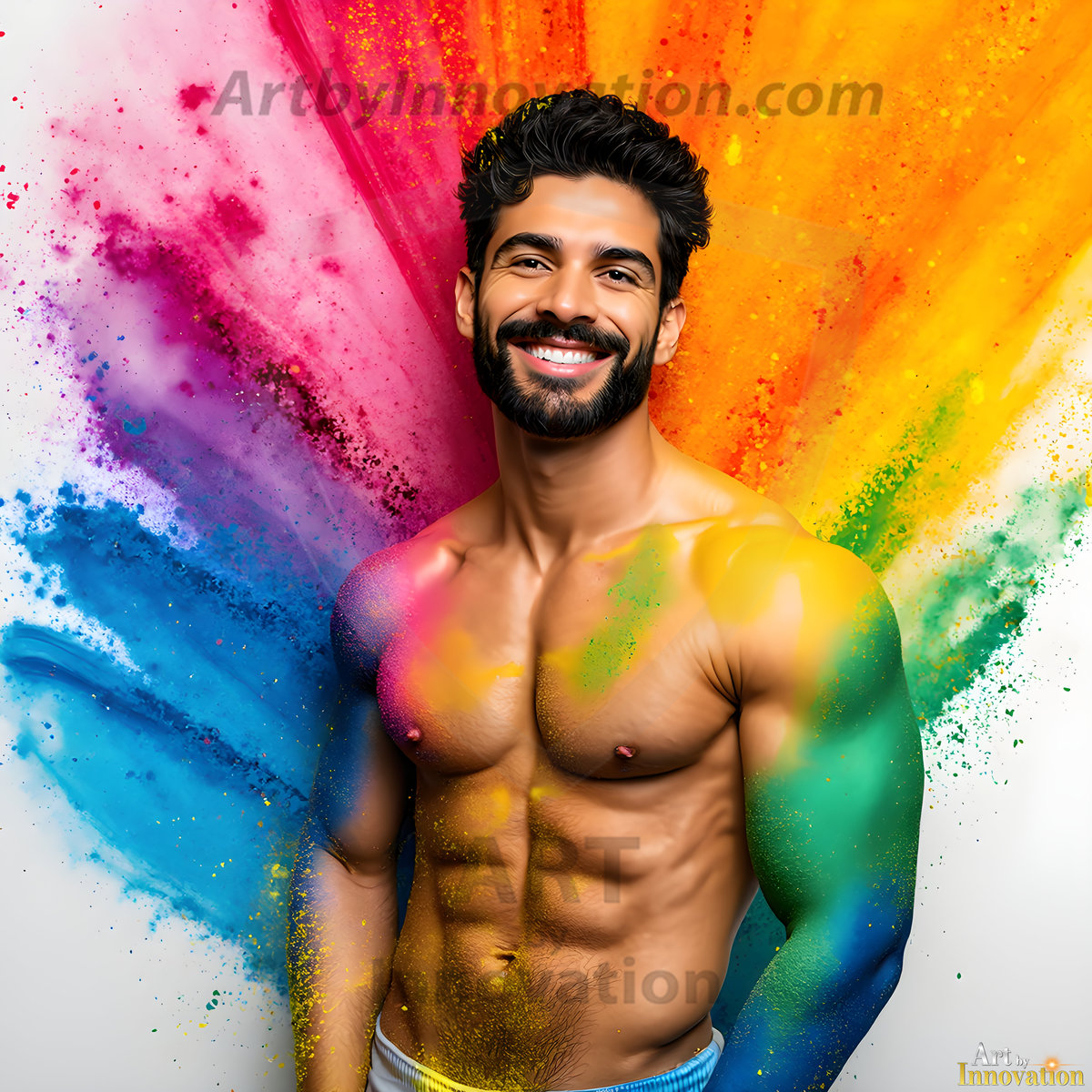
The colors of the LGBTQ+ Pride flags are designed to celebrate the diversity of human experience, visibility, and hope, with each shade representing a specific value that honors the LGBTQ+ community. Created in 1978 by artist Gilbert Baker, the rainbow flag has evolved to include more inclusive colors, showcasing how variety in identity makes individuals uniquely themselves. Meanings Behind the Colors, Red (Life): Represents the vitality and passion of LGBTQ+ people. Orange (Healing): Symbolizes the healing power within the community, often in the face of adversity. Yellow (Sunlight): Signifies the brightness and joy of being true to oneself. Green (Nature): Represents a connection to nature, the environment, and prosperity. Blue/Indigo (Serenity/Harmony): Symbolizes serenity, calm, and inner strength found in living one's truth. Violet/Purple (Spirit): Represents the spirit, strength, and resilience of the community.

The colors of the LGBTQ+ Pride flags are designed to celebrate the diversity of human experience, visibility, and hope, with each shade representing a specific value that honors the LGBTQ+ community. Created in 1978 by artist Gilbert Baker, the rainbow flag has evolved to include more inclusive colors, showcasing how variety in identity makes individuals uniquely themselves. Meanings Behind the Colors, Red (Life): Represents the vitality and passion of LGBTQ+ people. Orange (Healing): Symbolizes the healing power within the community, often in the face of adversity. Yellow (Sunlight): Signifies the brightness and joy of being true to oneself. Green (Nature): Represents a connection to nature, the environment, and prosperity. Blue/Indigo (Serenity/Harmony): Symbolizes serenity, calm, and inner strength found in living one's truth. Violet/Purple (Spirit): Represents the spirit, strength, and resilience of the community.
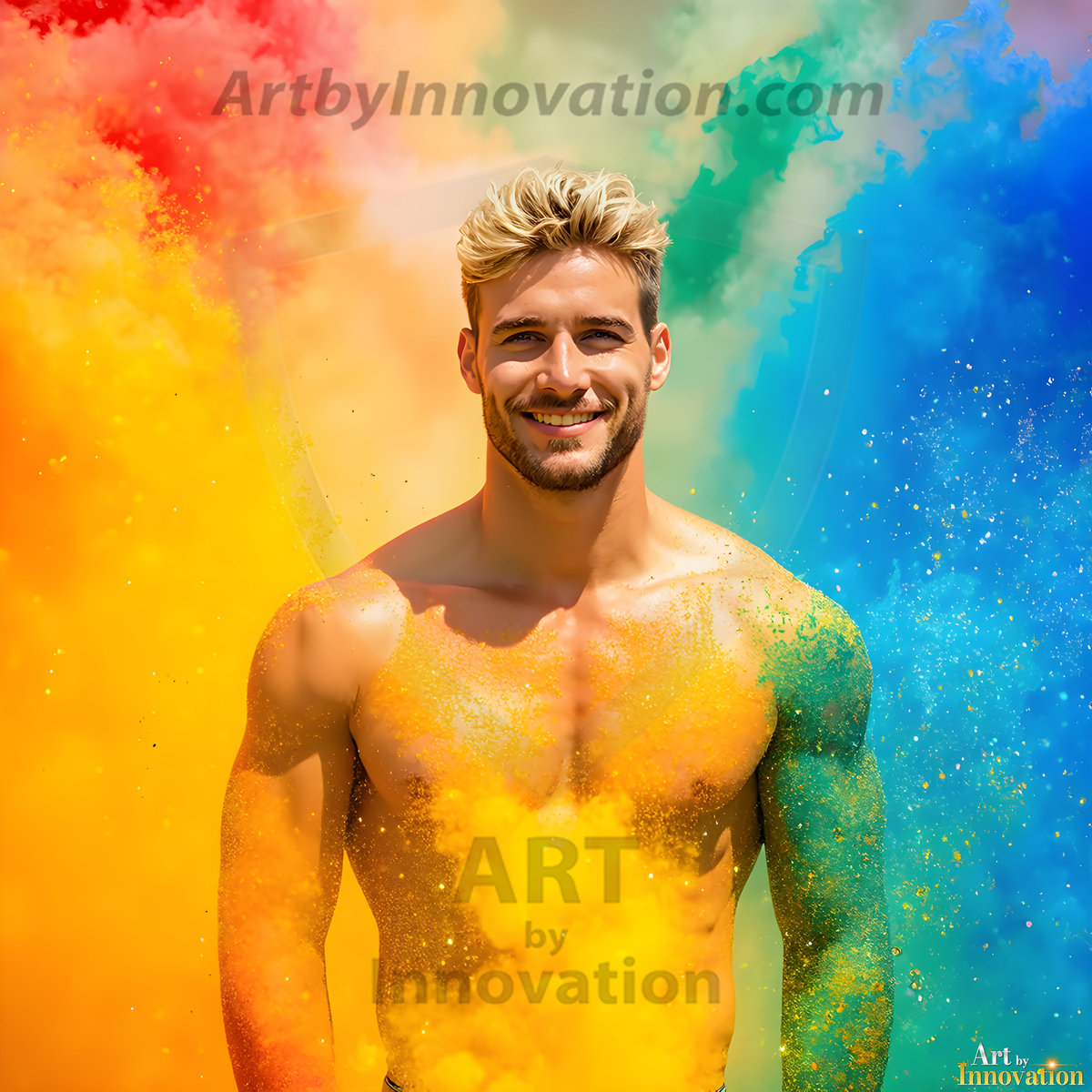
The colors of the LGBTQ+ Pride flags are designed to celebrate the diversity of human experience, visibility, and hope, with each shade representing a specific value that honors the LGBTQ+ community. Created in 1978 by artist Gilbert Baker, the rainbow flag has evolved to include more inclusive colors, showcasing how variety in identity makes individuals uniquely themselves. Meanings Behind the Colors, Red (Life): Represents the vitality and passion of LGBTQ+ people. Orange (Healing): Symbolizes the healing power within the community, often in the face of adversity. Yellow (Sunlight): Signifies the brightness and joy of being true to oneself. Green (Nature): Represents a connection to nature, the environment, and prosperity. Blue/Indigo (Serenity/Harmony): Symbolizes serenity, calm, and inner strength found in living one's truth. Violet/Purple (Spirit): Represents the spirit, strength, and resilience of the community.
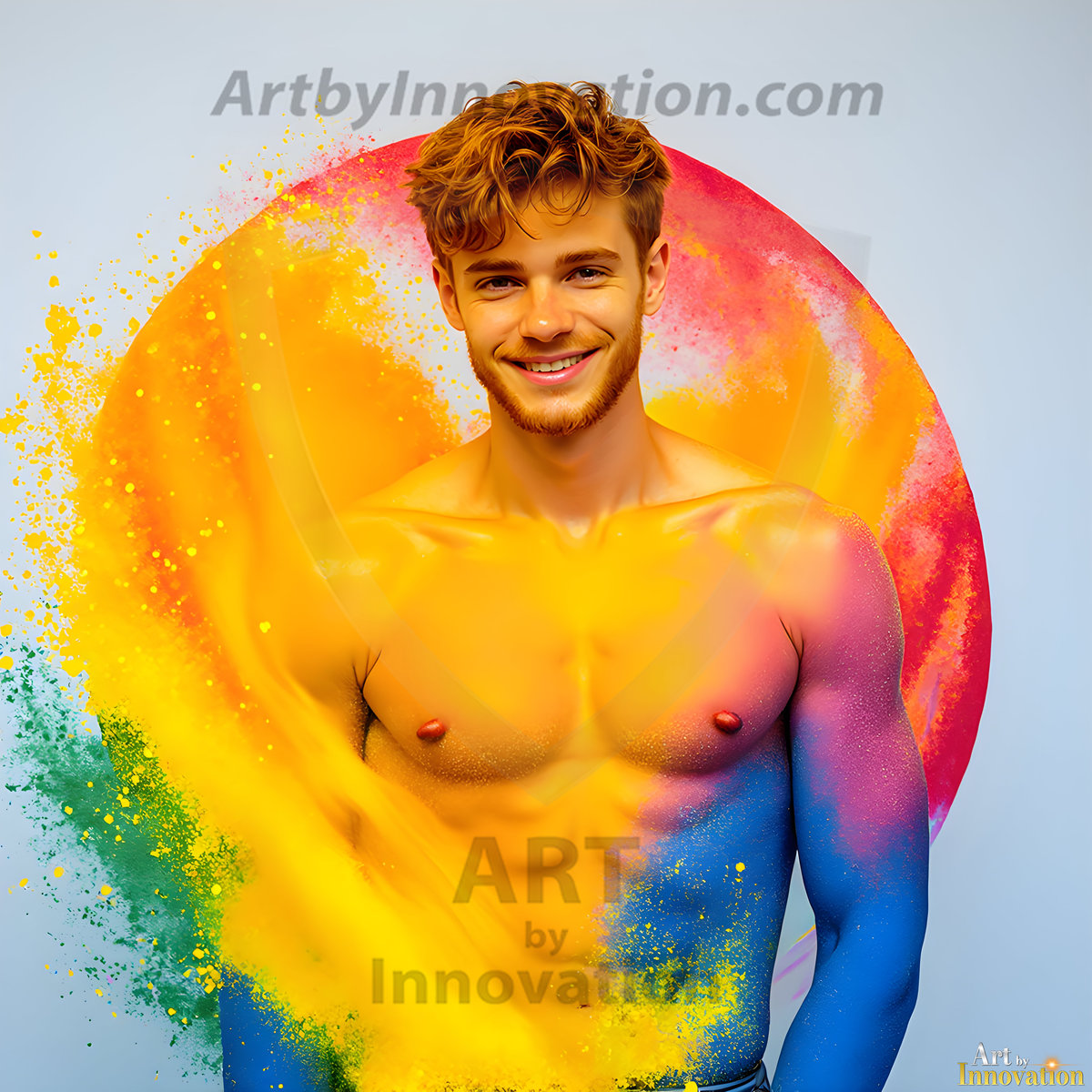
The colors of the LGBTQ+ Pride flags are designed to celebrate the diversity of human experience, visibility, and hope, with each shade representing a specific value that honors the LGBTQ+ community. Created in 1978 by artist Gilbert Baker, the rainbow flag has evolved to include more inclusive colors, showcasing how variety in identity makes individuals uniquely themselves. Meanings Behind the Colors, Red (Life): Represents the vitality and passion of LGBTQ+ people. Orange (Healing): Symbolizes the healing power within the community, often in the face of adversity. Yellow (Sunlight): Signifies the brightness and joy of being true to oneself. Green (Nature): Represents a connection to nature, the environment, and prosperity. Blue/Indigo (Serenity/Harmony): Symbolizes serenity, calm, and inner strength found in living one's truth. Violet/Purple (Spirit): Represents the spirit, strength, and resilience of the community.

The colors of the LGBTQ+ Pride flags are designed to celebrate the diversity of human experience, visibility, and hope, with each shade representing a specific value that honors the LGBTQ+ community. Created in 1978 by artist Gilbert Baker, the rainbow flag has evolved to include more inclusive colors, showcasing how variety in identity makes individuals uniquely themselves. Meanings Behind the Colors, Red (Life): Represents the vitality and passion of LGBTQ+ people. Orange (Healing): Symbolizes the healing power within the community, often in the face of adversity. Yellow (Sunlight): Signifies the brightness and joy of being true to oneself. Green (Nature): Represents a connection to nature, the environment, and prosperity. Blue/Indigo (Serenity/Harmony): Symbolizes serenity, calm, and inner strength found in living one's truth. Violet/Purple (Spirit): Represents the spirit, strength, and resilience of the community.
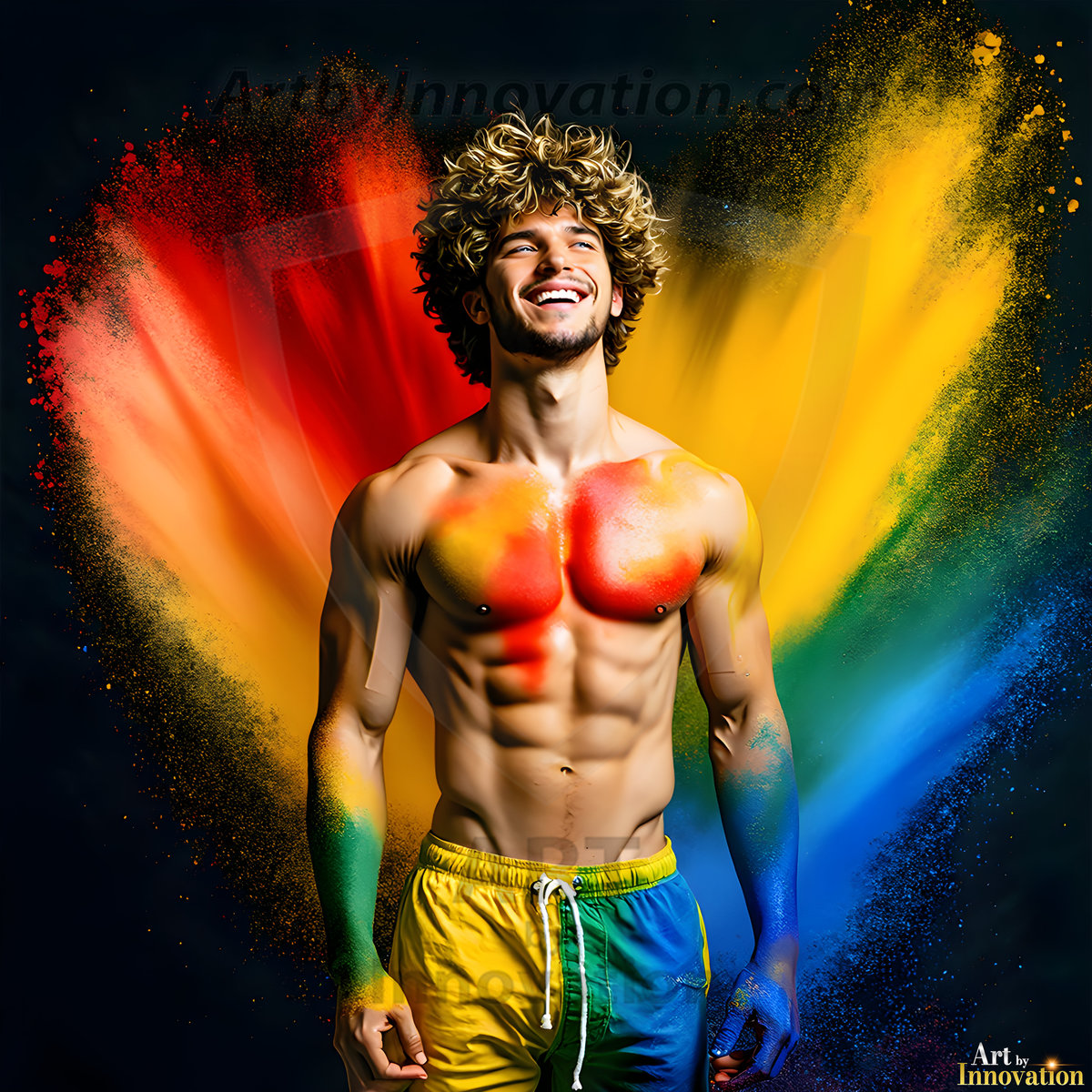
The colors of the LGBTQ+ Pride flags are designed to celebrate the diversity of human experience, visibility, and hope, with each shade representing a specific value that honors the LGBTQ+ community. Created in 1978 by artist Gilbert Baker, the rainbow flag has evolved to include more inclusive colors, showcasing how variety in identity makes individuals uniquely themselves. Meanings Behind the Colors, Red (Life): Represents the vitality and passion of LGBTQ+ people. Orange (Healing): Symbolizes the healing power within the community, often in the face of adversity. Yellow (Sunlight): Signifies the brightness and joy of being true to oneself. Green (Nature): Represents a connection to nature, the environment, and prosperity. Blue/Indigo (Serenity/Harmony): Symbolizes serenity, calm, and inner strength found in living one's truth. Violet/Purple (Spirit): Represents the spirit, strength, and resilience of the community.
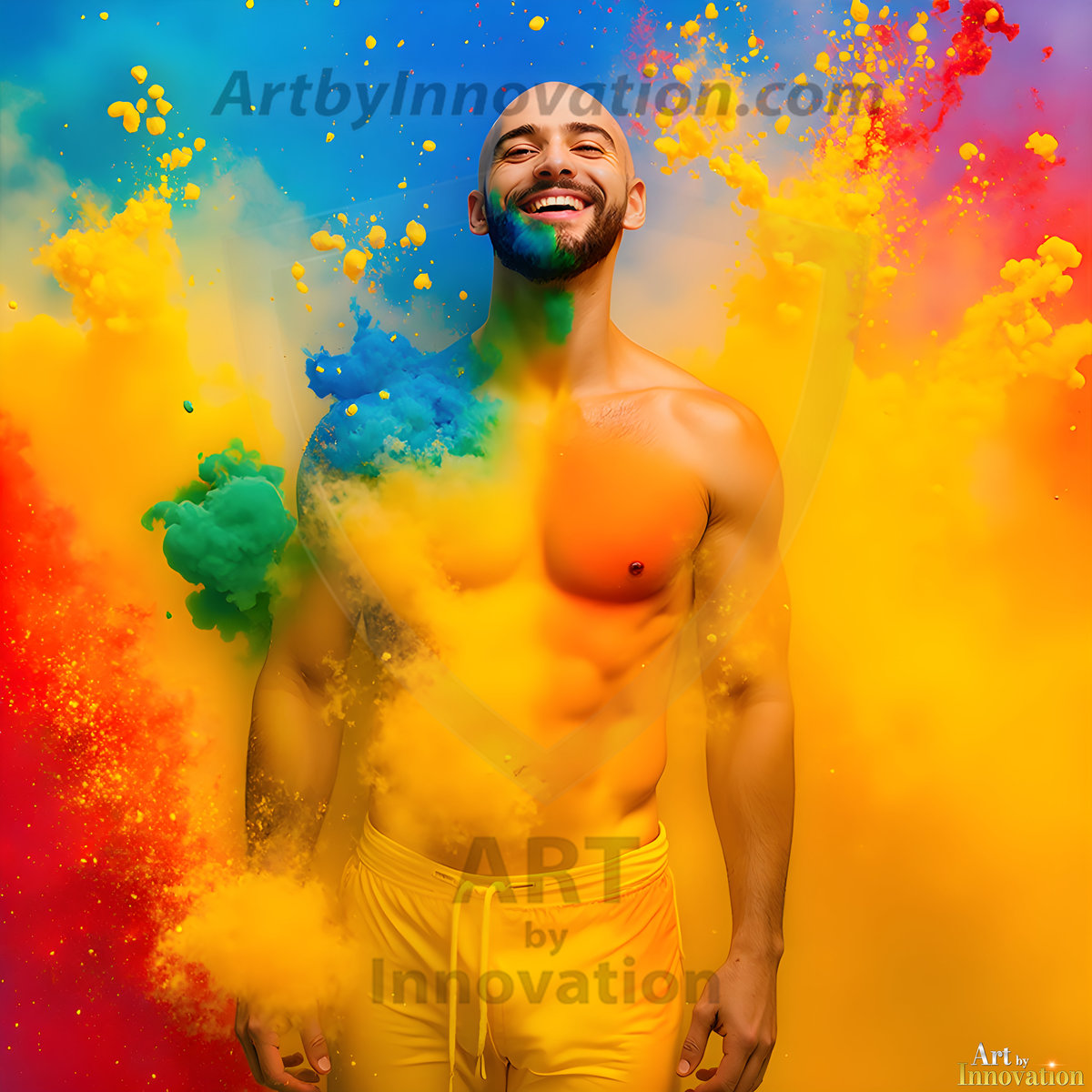
The colors of the LGBTQ+ Pride flags are designed to celebrate the diversity of human experience, visibility, and hope, with each shade representing a specific value that honors the LGBTQ+ community. Created in 1978 by artist Gilbert Baker, the rainbow flag has evolved to include more inclusive colors, showcasing how variety in identity makes individuals uniquely themselves. Meanings Behind the Colors, Red (Life): Represents the vitality and passion of LGBTQ+ people. Orange (Healing): Symbolizes the healing power within the community, often in the face of adversity. Yellow (Sunlight): Signifies the brightness and joy of being true to oneself. Green (Nature): Represents a connection to nature, the environment, and prosperity. Blue/Indigo (Serenity/Harmony): Symbolizes serenity, calm, and inner strength found in living one's truth. Violet/Purple (Spirit): Represents the spirit, strength, and resilience of the community.

The colors of the LGBTQ+ Pride flags are designed to celebrate the diversity of human experience, visibility, and hope, with each shade representing a specific value that honors the LGBTQ+ community. Created in 1978 by artist Gilbert Baker, the rainbow flag has evolved to include more inclusive colors, showcasing how variety in identity makes individuals uniquely themselves. Meanings Behind the Colors, Red (Life): Represents the vitality and passion of LGBTQ+ people. Orange (Healing): Symbolizes the healing power within the community, often in the face of adversity. Yellow (Sunlight): Signifies the brightness and joy of being true to oneself. Green (Nature): Represents a connection to nature, the environment, and prosperity. Blue/Indigo (Serenity/Harmony): Symbolizes serenity, calm, and inner strength found in living one's truth. Violet/Purple (Spirit): Represents the spirit, strength, and resilience of the community.
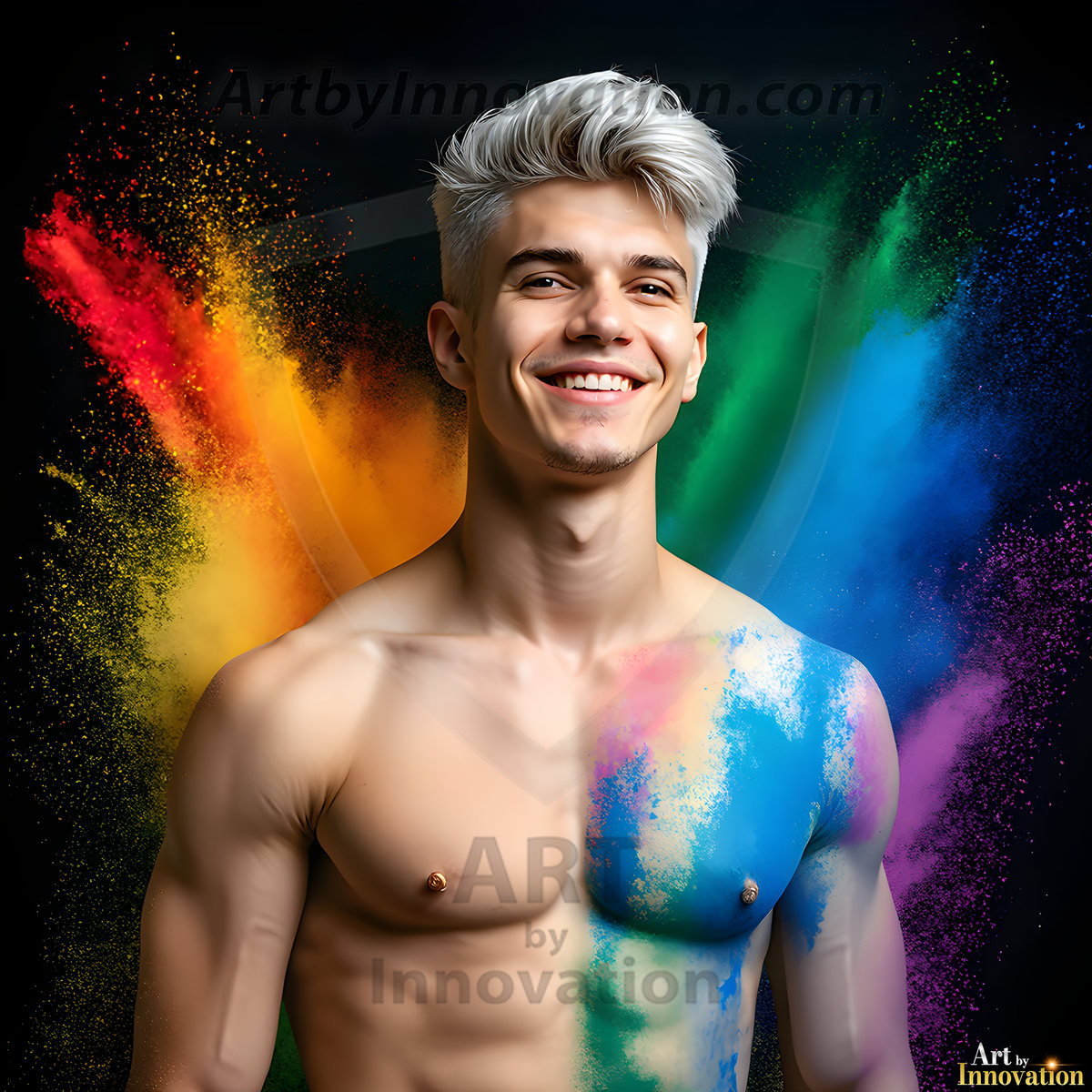
The colors of the LGBTQ+ Pride flags are designed to celebrate the diversity of human experience, visibility, and hope, with each shade representing a specific value that honors the LGBTQ+ community. Created in 1978 by artist Gilbert Baker, the rainbow flag has evolved to include more inclusive colors, showcasing how variety in identity makes individuals uniquely themselves. Meanings Behind the Colors, Red (Life): Represents the vitality and passion of LGBTQ+ people. Orange (Healing): Symbolizes the healing power within the community, often in the face of adversity. Yellow (Sunlight): Signifies the brightness and joy of being true to oneself. Green (Nature): Represents a connection to nature, the environment, and prosperity. Blue/Indigo (Serenity/Harmony): Symbolizes serenity, calm, and inner strength found in living one's truth. Violet/Purple (Spirit): Represents the spirit, strength, and resilience of the community.
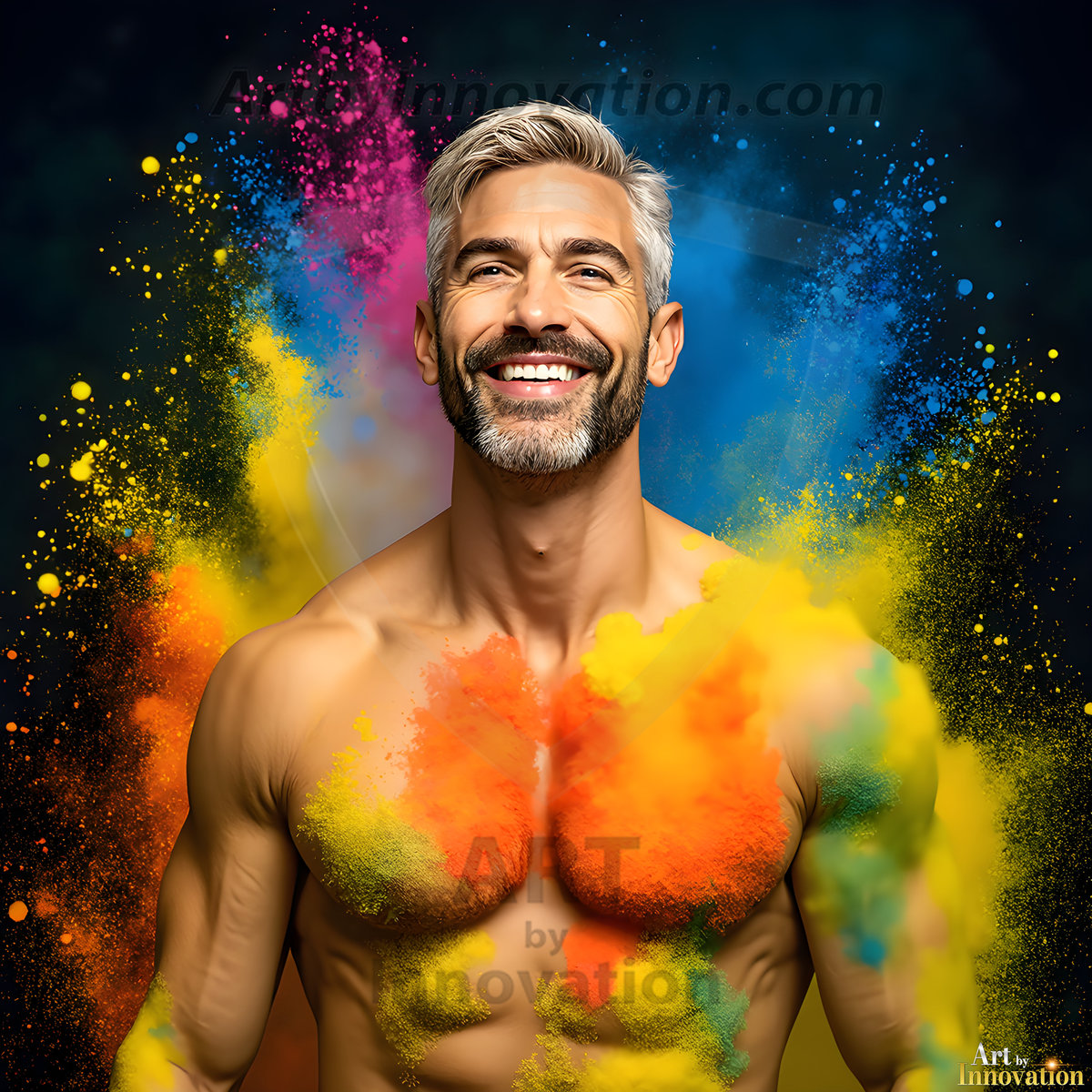
The colors of the LGBTQ+ Pride flags are designed to celebrate the diversity of human experience, visibility, and hope, with each shade representing a specific value that honors the LGBTQ+ community. Created in 1978 by artist Gilbert Baker, the rainbow flag has evolved to include more inclusive colors, showcasing how variety in identity makes individuals uniquely themselves. Meanings Behind the Colors, Red (Life): Represents the vitality and passion of LGBTQ+ people. Orange (Healing): Symbolizes the healing power within the community, often in the face of adversity. Yellow (Sunlight): Signifies the brightness and joy of being true to oneself. Green (Nature): Represents a connection to nature, the environment, and prosperity. Blue/Indigo (Serenity/Harmony): Symbolizes serenity, calm, and inner strength found in living one's truth. Violet/Purple (Spirit): Represents the spirit, strength, and resilience of the community.
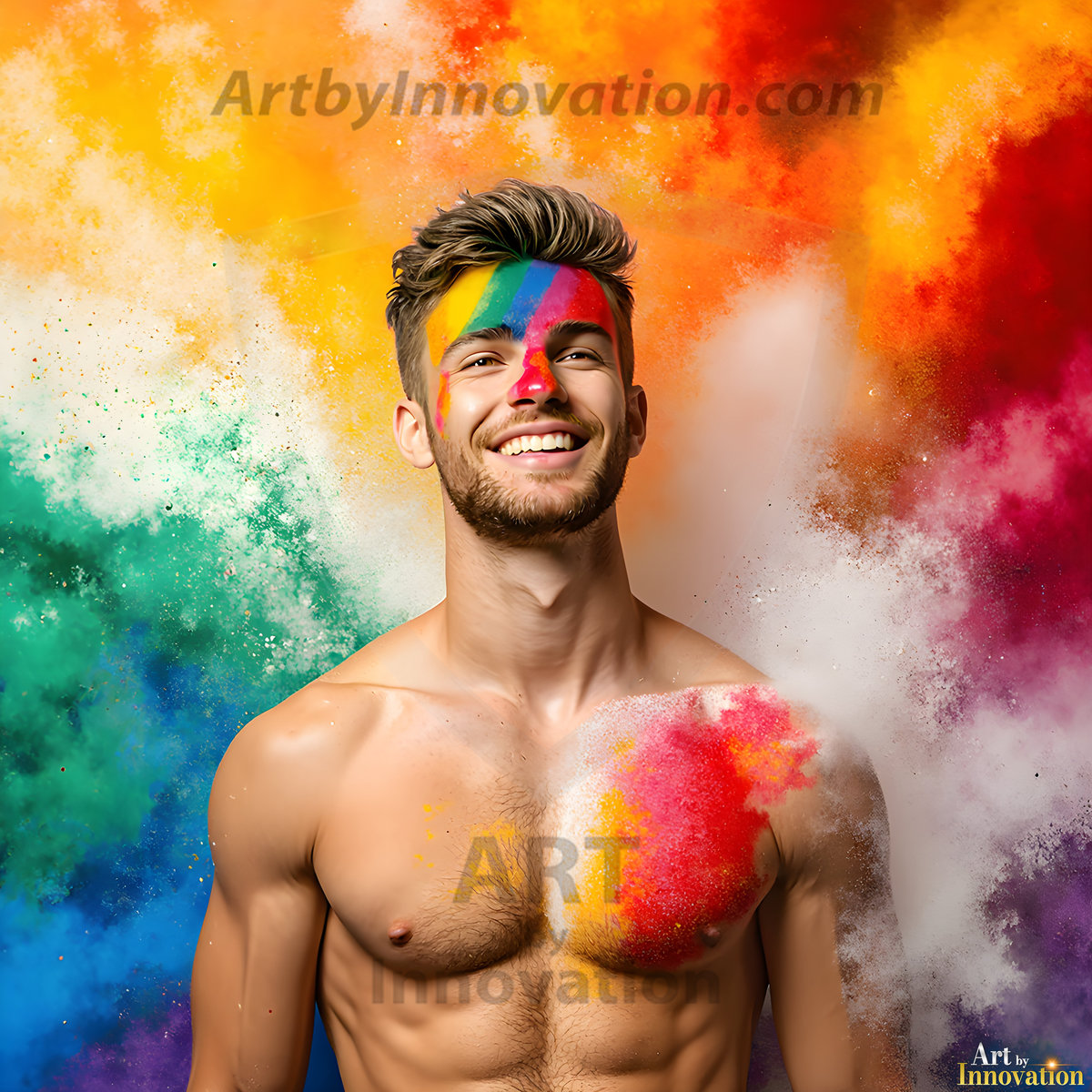
The colors of the LGBTQ+ Pride flags are designed to celebrate the diversity of human experience, visibility, and hope, with each shade representing a specific value that honors the LGBTQ+ community. Created in 1978 by artist Gilbert Baker, the rainbow flag has evolved to include more inclusive colors, showcasing how variety in identity makes individuals uniquely themselves. Meanings Behind the Colors, Red (Life): Represents the vitality and passion of LGBTQ+ people. Orange (Healing): Symbolizes the healing power within the community, often in the face of adversity. Yellow (Sunlight): Signifies the brightness and joy of being true to oneself. Green (Nature): Represents a connection to nature, the environment, and prosperity. Blue/Indigo (Serenity/Harmony): Symbolizes serenity, calm, and inner strength found in living one's truth. Violet/Purple (Spirit): Represents the spirit, strength, and resilience of the community.
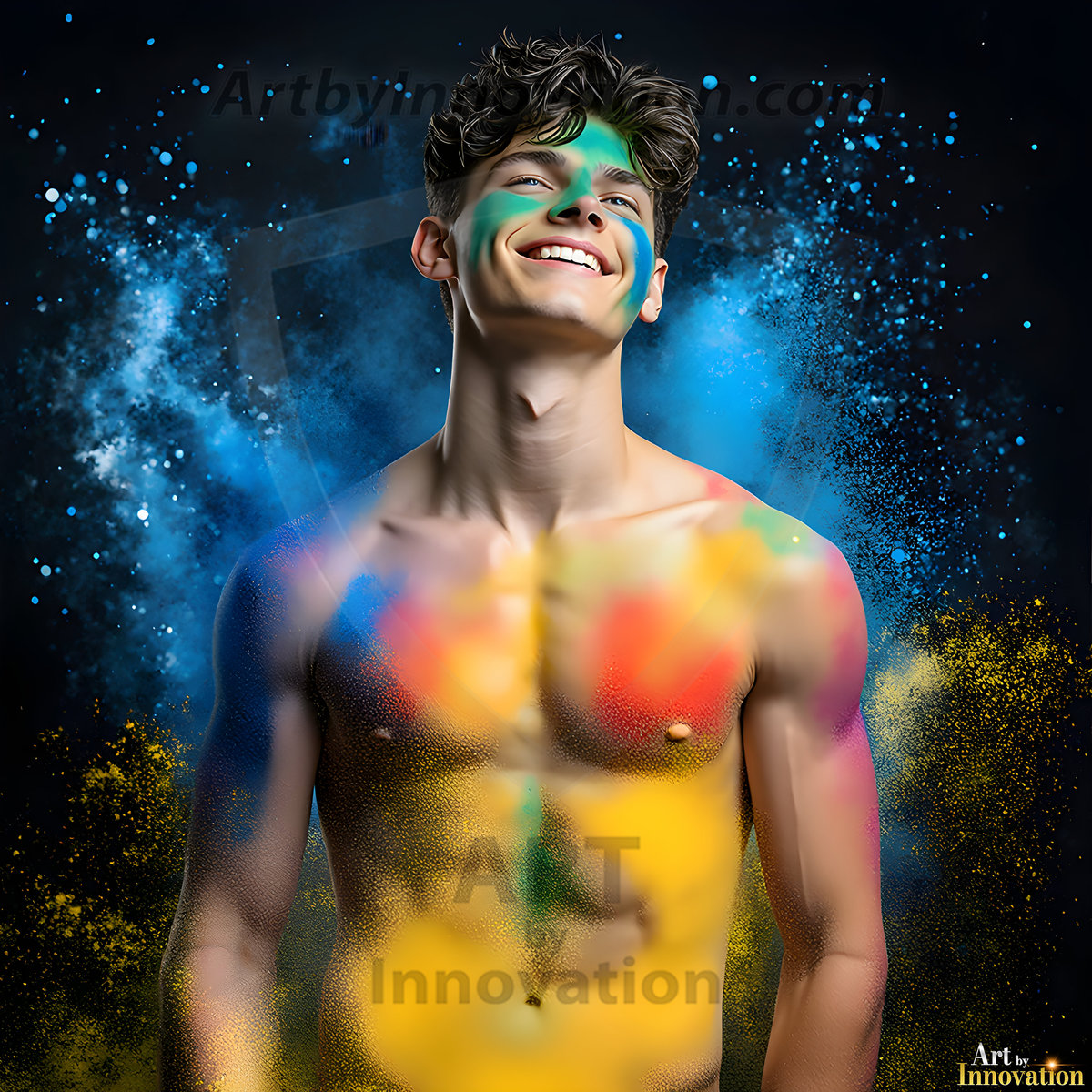
The colors of the LGBTQ+ Pride flags are designed to celebrate the diversity of human experience, visibility, and hope, with each shade representing a specific value that honors the LGBTQ+ community. Created in 1978 by artist Gilbert Baker, the rainbow flag has evolved to include more inclusive colors, showcasing how variety in identity makes individuals uniquely themselves. Meanings Behind the Colors, Red (Life): Represents the vitality and passion of LGBTQ+ people. Orange (Healing): Symbolizes the healing power within the community, often in the face of adversity. Yellow (Sunlight): Signifies the brightness and joy of being true to oneself. Green (Nature): Represents a connection to nature, the environment, and prosperity. Blue/Indigo (Serenity/Harmony): Symbolizes serenity, calm, and inner strength found in living one's truth. Violet/Purple (Spirit): Represents the spirit, strength, and resilience of the community.
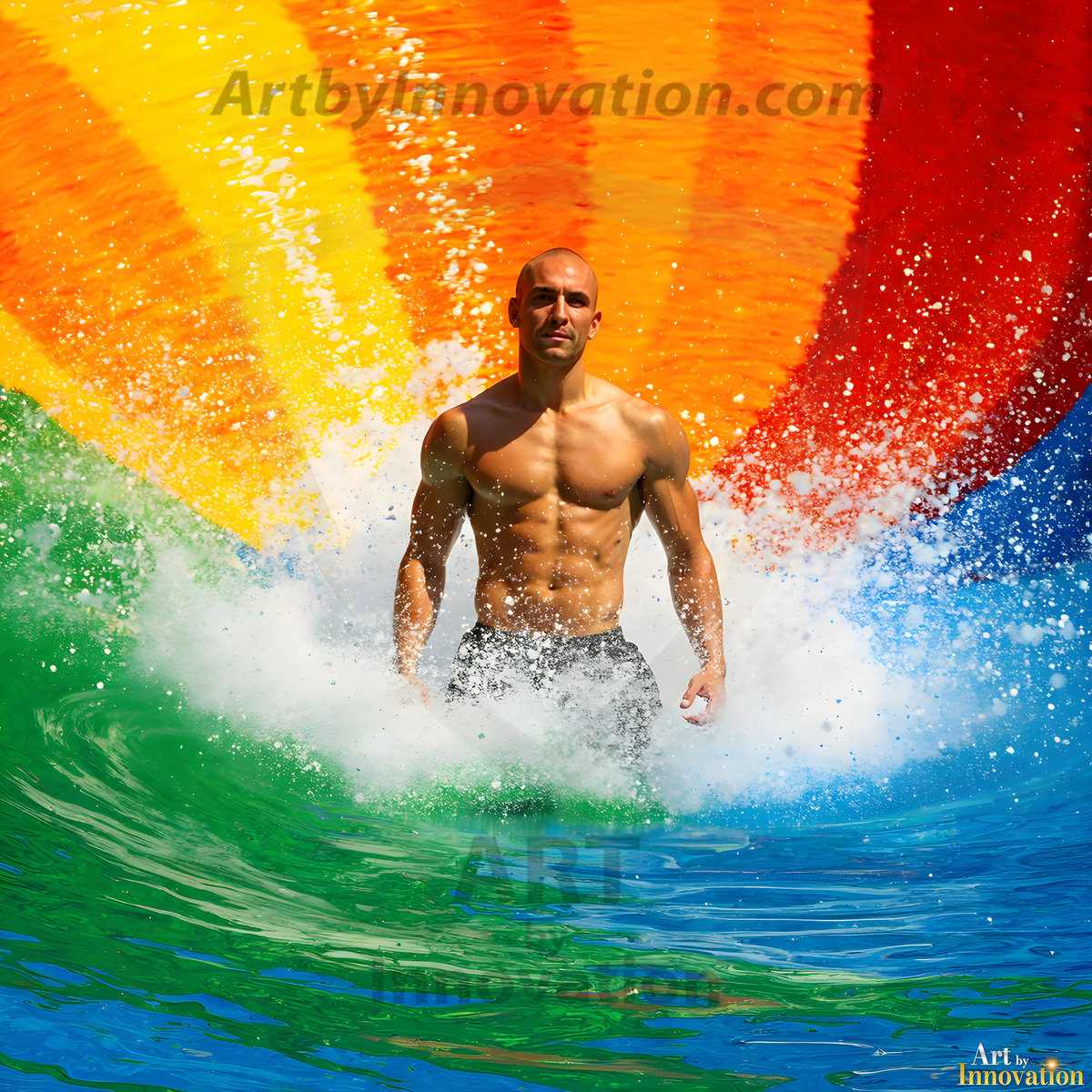
The colors of the LGBTQ+ Pride flags are designed to celebrate the diversity of human experience, visibility, and hope, with each shade representing a specific value that honors the LGBTQ+ community. Created in 1978 by artist Gilbert Baker, the rainbow flag has evolved to include more inclusive colors, showcasing how variety in identity makes individuals uniquely themselves. Meanings Behind the Colors, Red (Life): Represents the vitality and passion of LGBTQ+ people. Orange (Healing): Symbolizes the healing power within the community, often in the face of adversity. Yellow (Sunlight): Signifies the brightness and joy of being true to oneself. Green (Nature): Represents a connection to nature, the environment, and prosperity. Blue/Indigo (Serenity/Harmony): Symbolizes serenity, calm, and inner strength found in living one's truth. Violet/Purple (Spirit): Represents the spirit, strength, and resilience of the community.
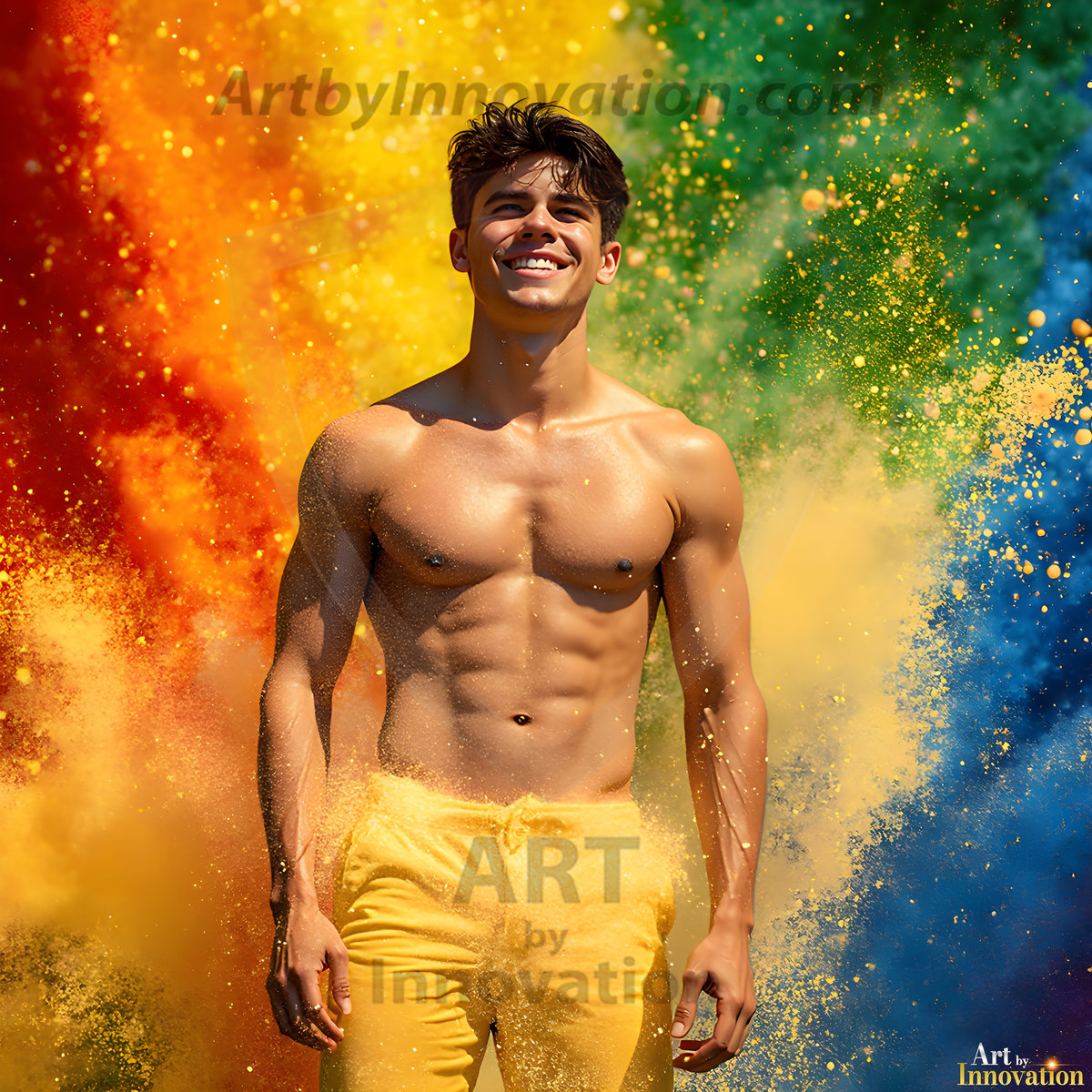
The colors of the LGBTQ+ Pride flags are designed to celebrate the diversity of human experience, visibility, and hope, with each shade representing a specific value that honors the LGBTQ+ community. Created in 1978 by artist Gilbert Baker, the rainbow flag has evolved to include more inclusive colors, showcasing how variety in identity makes individuals uniquely themselves. Meanings Behind the Colors, Red (Life): Represents the vitality and passion of LGBTQ+ people. Orange (Healing): Symbolizes the healing power within the community, often in the face of adversity. Yellow (Sunlight): Signifies the brightness and joy of being true to oneself. Green (Nature): Represents a connection to nature, the environment, and prosperity. Blue/Indigo (Serenity/Harmony): Symbolizes serenity, calm, and inner strength found in living one's truth. Violet/Purple (Spirit): Represents the spirit, strength, and resilience of the community.
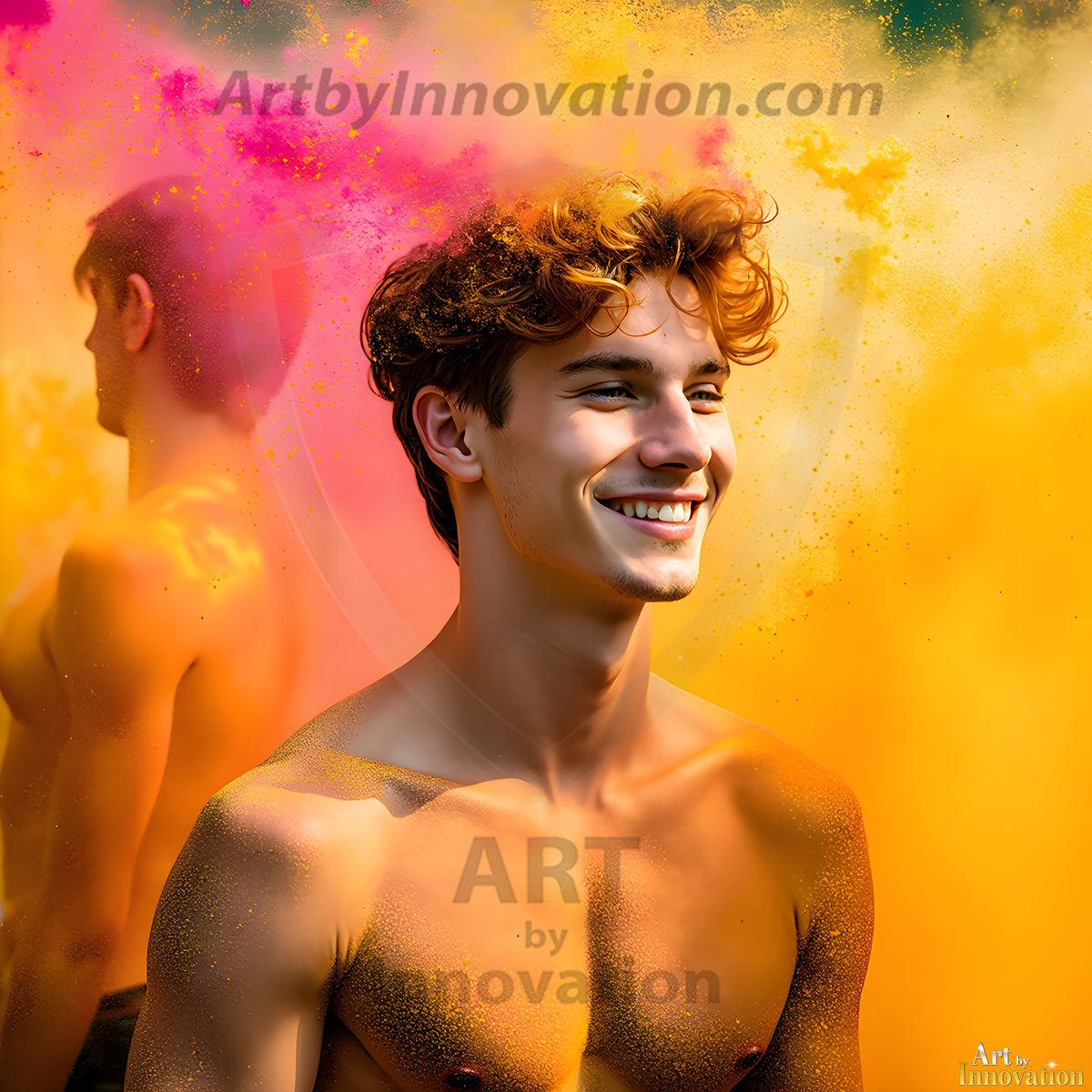
The colors of the LGBTQ+ Pride flags are designed to celebrate the diversity of human experience, visibility, and hope, with each shade representing a specific value that honors the LGBTQ+ community. Created in 1978 by artist Gilbert Baker, the rainbow flag has evolved to include more inclusive colors, showcasing how variety in identity makes individuals uniquely themselves. Meanings Behind the Colors, Red (Life): Represents the vitality and passion of LGBTQ+ people. Orange (Healing): Symbolizes the healing power within the community, often in the face of adversity. Yellow (Sunlight): Signifies the brightness and joy of being true to oneself. Green (Nature): Represents a connection to nature, the environment, and prosperity. Blue/Indigo (Serenity/Harmony): Symbolizes serenity, calm, and inner strength found in living one's truth. Violet/Purple (Spirit): Represents the spirit, strength, and resilience of the community.
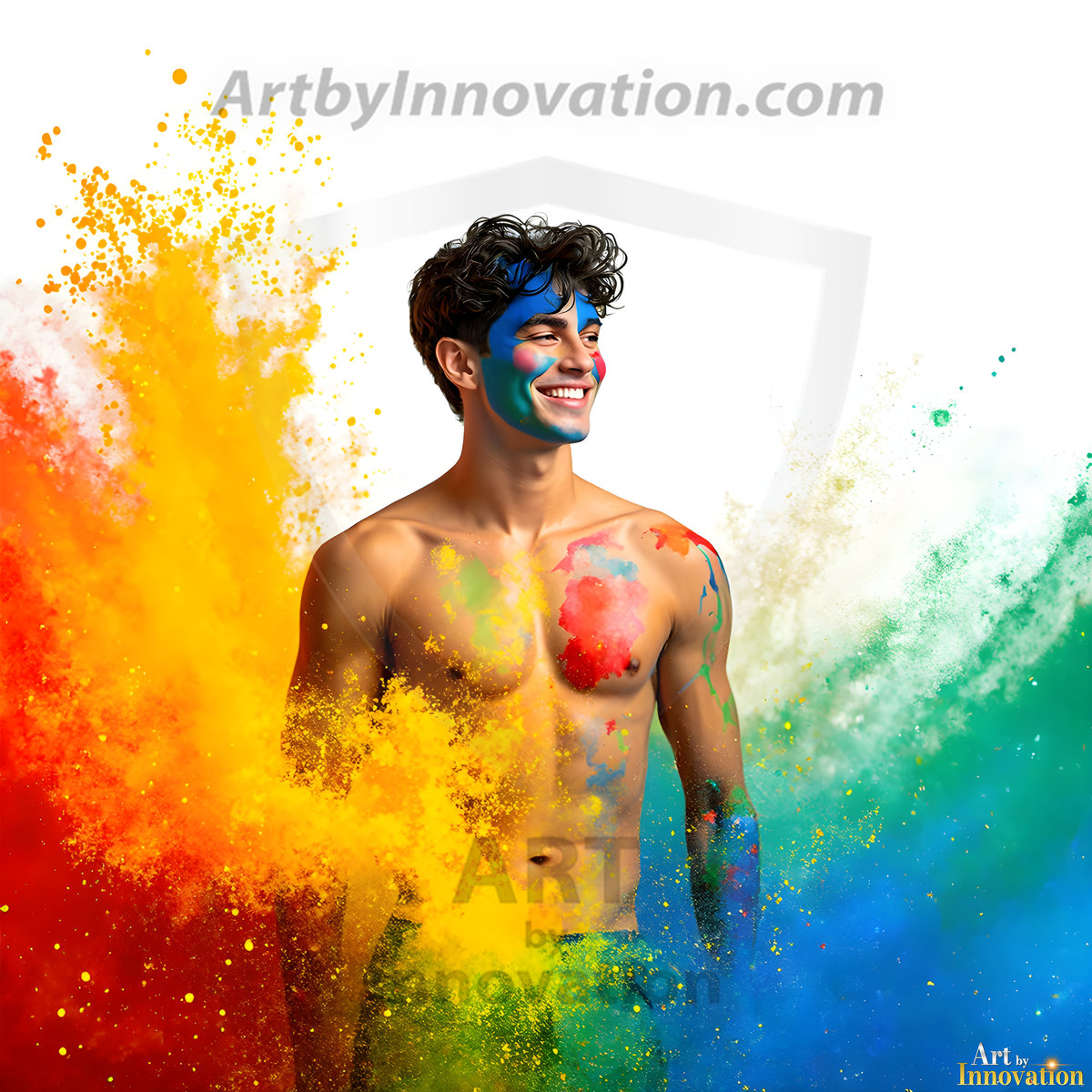
The colors of the LGBTQ+ Pride flags are designed to celebrate the diversity of human experience, visibility, and hope, with each shade representing a specific value that honors the LGBTQ+ community. Created in 1978 by artist Gilbert Baker, the rainbow flag has evolved to include more inclusive colors, showcasing how variety in identity makes individuals uniquely themselves. Meanings Behind the Colors, Red (Life): Represents the vitality and passion of LGBTQ+ people. Orange (Healing): Symbolizes the healing power within the community, often in the face of adversity. Yellow (Sunlight): Signifies the brightness and joy of being true to oneself. Green (Nature): Represents a connection to nature, the environment, and prosperity. Blue/Indigo (Serenity/Harmony): Symbolizes serenity, calm, and inner strength found in living one's truth. Violet/Purple (Spirit): Represents the spirit, strength, and resilience of the community.
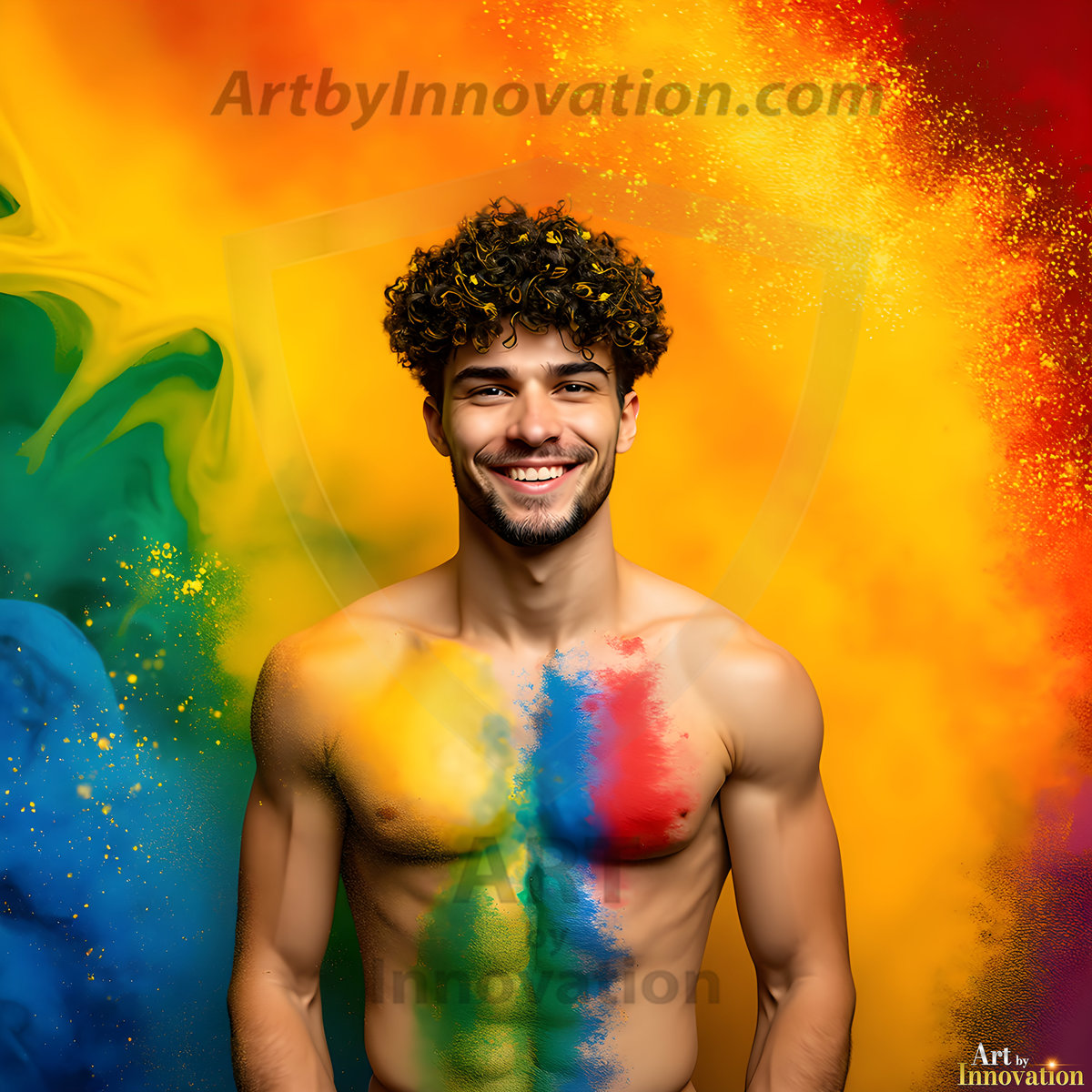
The colors of the LGBTQ+ Pride flags are designed to celebrate the diversity of human experience, visibility, and hope, with each shade representing a specific value that honors the LGBTQ+ community. Created in 1978 by artist Gilbert Baker, the rainbow flag has evolved to include more inclusive colors, showcasing how variety in identity makes individuals uniquely themselves. Meanings Behind the Colors, Red (Life): Represents the vitality and passion of LGBTQ+ people. Orange (Healing): Symbolizes the healing power within the community, often in the face of adversity. Yellow (Sunlight): Signifies the brightness and joy of being true to oneself. Green (Nature): Represents a connection to nature, the environment, and prosperity. Blue/Indigo (Serenity/Harmony): Symbolizes serenity, calm, and inner strength found in living one's truth. Violet/Purple (Spirit): Represents the spirit, strength, and resilience of the community.
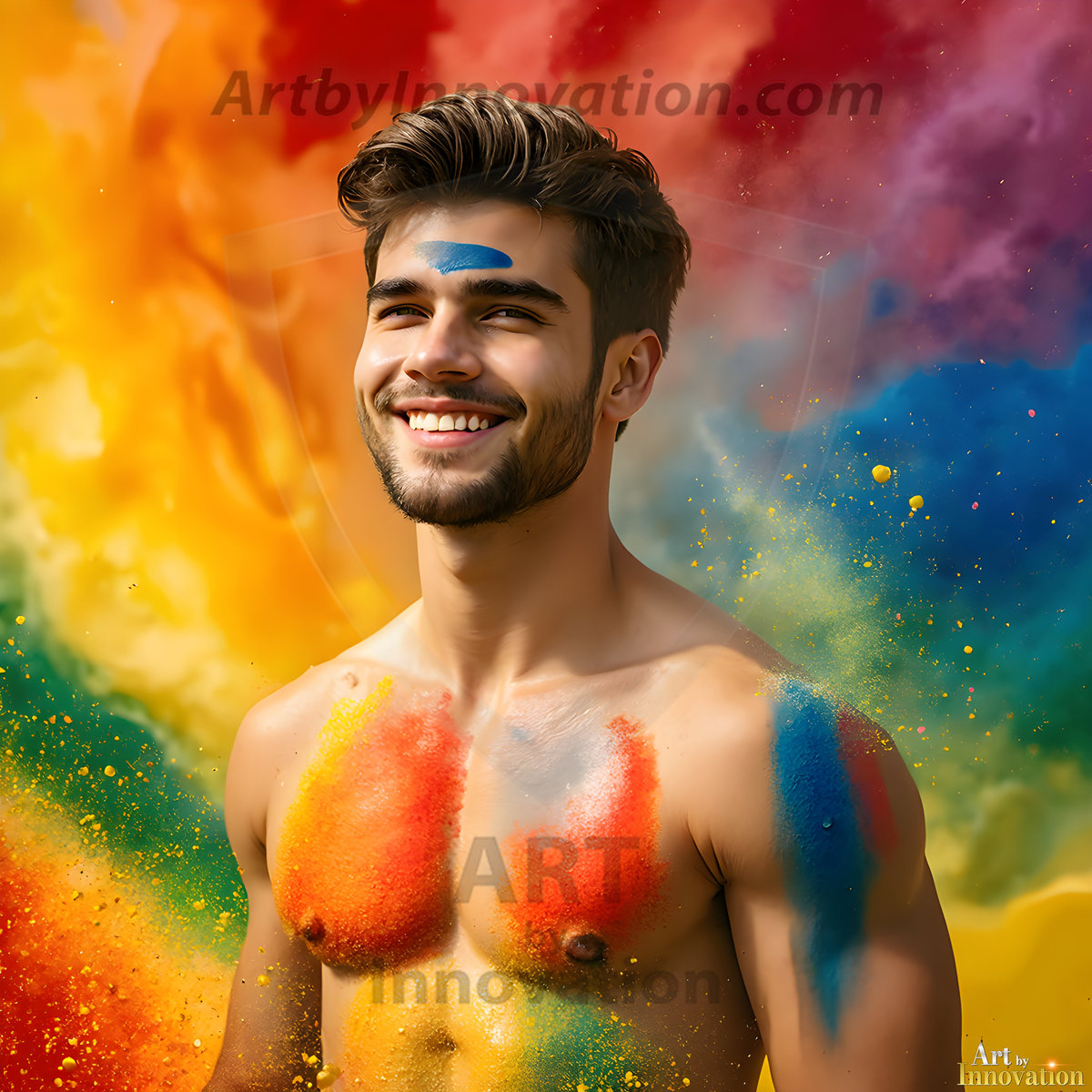
The colors of the LGBTQ+ Pride flags are designed to celebrate the diversity of human experience, visibility, and hope, with each shade representing a specific value that honors the LGBTQ+ community. Created in 1978 by artist Gilbert Baker, the rainbow flag has evolved to include more inclusive colors, showcasing how variety in identity makes individuals uniquely themselves. Meanings Behind the Colors, Red (Life): Represents the vitality and passion of LGBTQ+ people. Orange (Healing): Symbolizes the healing power within the community, often in the face of adversity. Yellow (Sunlight): Signifies the brightness and joy of being true to oneself. Green (Nature): Represents a connection to nature, the environment, and prosperity. Blue/Indigo (Serenity/Harmony): Symbolizes serenity, calm, and inner strength found in living one's truth. Violet/Purple (Spirit): Represents the spirit, strength, and resilience of the community.
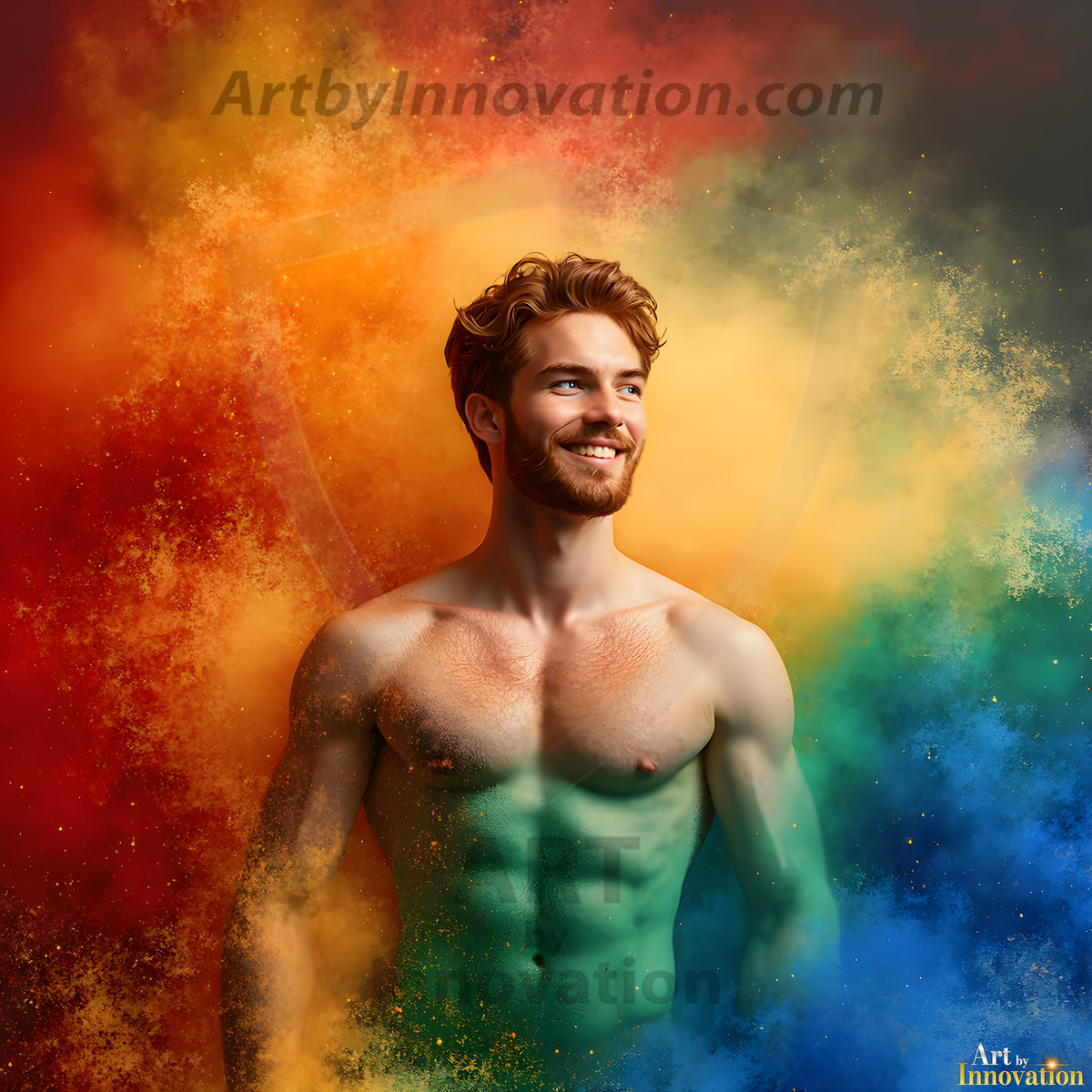
The colors of the LGBTQ+ Pride flags are designed to celebrate the diversity of human experience, visibility, and hope, with each shade representing a specific value that honors the LGBTQ+ community. Created in 1978 by artist Gilbert Baker, the rainbow flag has evolved to include more inclusive colors, showcasing how variety in identity makes individuals uniquely themselves. Meanings Behind the Colors, Red (Life): Represents the vitality and passion of LGBTQ+ people. Orange (Healing): Symbolizes the healing power within the community, often in the face of adversity. Yellow (Sunlight): Signifies the brightness and joy of being true to oneself. Green (Nature): Represents a connection to nature, the environment, and prosperity. Blue/Indigo (Serenity/Harmony): Symbolizes serenity, calm, and inner strength found in living one's truth. Violet/Purple (Spirit): Represents the spirit, strength, and resilience of the community.
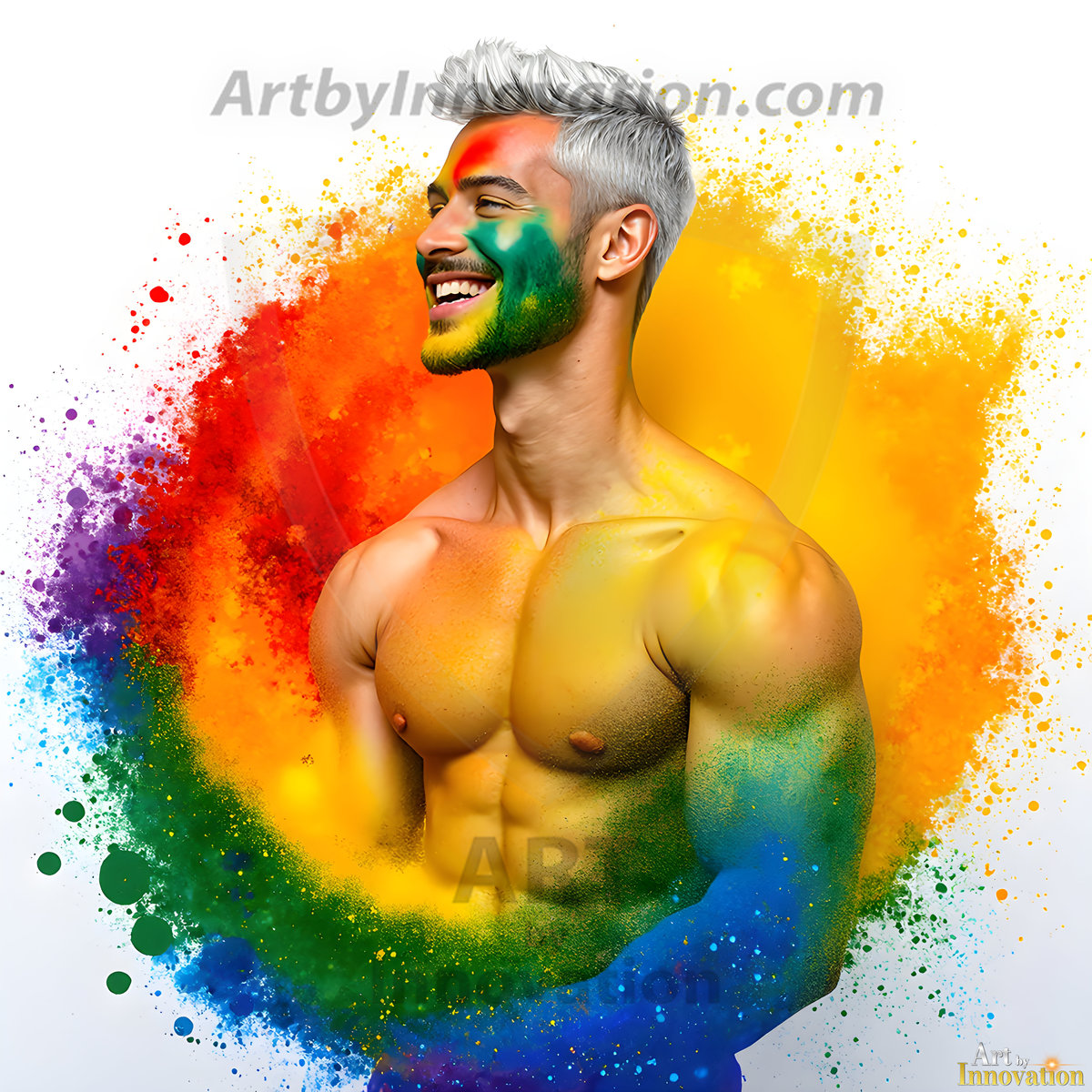
The colors of the LGBTQ+ Pride flags are designed to celebrate the diversity of human experience, visibility, and hope, with each shade representing a specific value that honors the LGBTQ+ community. Created in 1978 by artist Gilbert Baker, the rainbow flag has evolved to include more inclusive colors, showcasing how variety in identity makes individuals uniquely themselves. Meanings Behind the Colors, Red (Life): Represents the vitality and passion of LGBTQ+ people. Orange (Healing): Symbolizes the healing power within the community, often in the face of adversity. Yellow (Sunlight): Signifies the brightness and joy of being true to oneself. Green (Nature): Represents a connection to nature, the environment, and prosperity. Blue/Indigo (Serenity/Harmony): Symbolizes serenity, calm, and inner strength found in living one's truth. Violet/Purple (Spirit): Represents the spirit, strength, and resilience of the community.
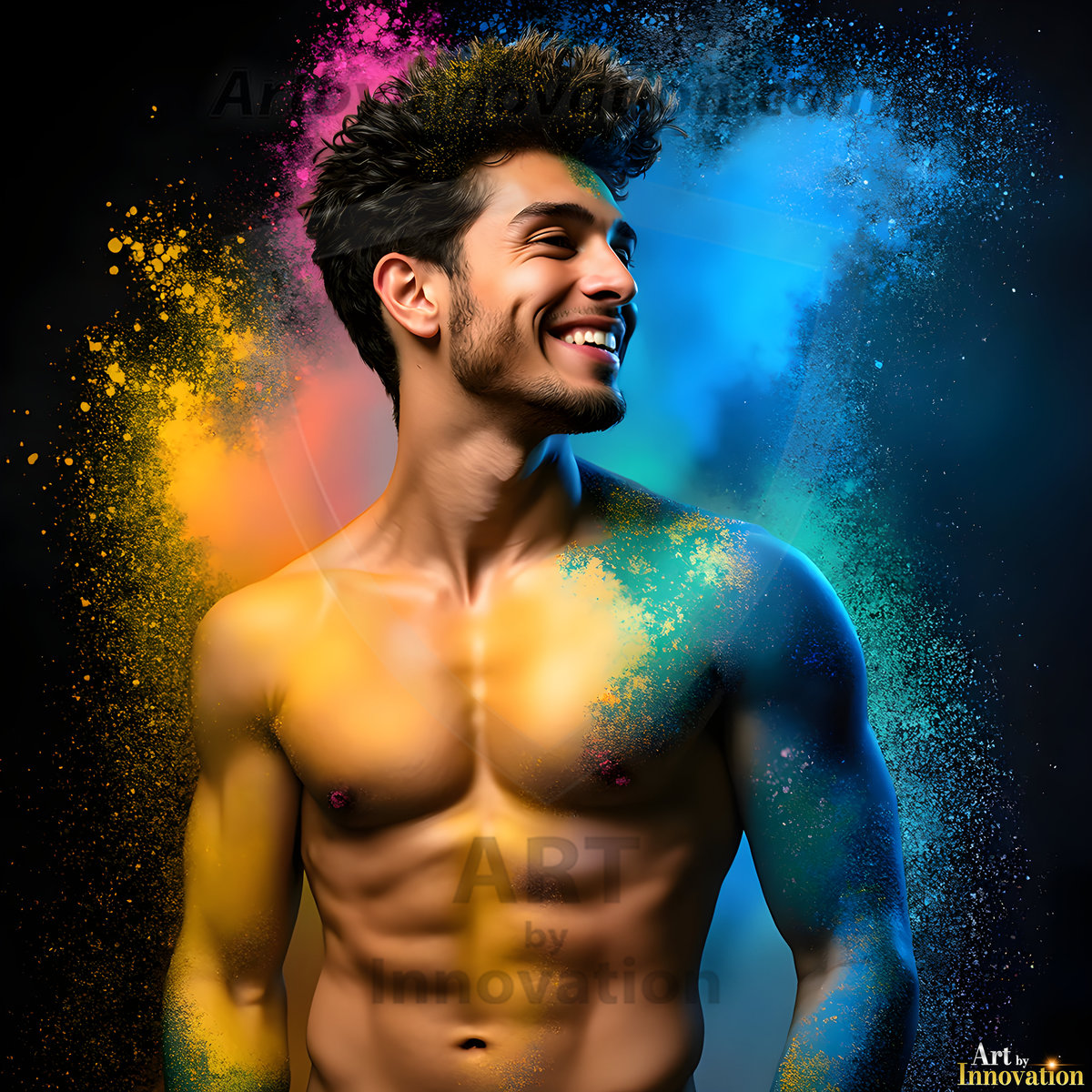
The colors of the LGBTQ+ Pride flags are designed to celebrate the diversity of human experience, visibility, and hope, with each shade representing a specific value that honors the LGBTQ+ community. Created in 1978 by artist Gilbert Baker, the rainbow flag has evolved to include more inclusive colors, showcasing how variety in identity makes individuals uniquely themselves. Meanings Behind the Colors, Red (Life): Represents the vitality and passion of LGBTQ+ people. Orange (Healing): Symbolizes the healing power within the community, often in the face of adversity. Yellow (Sunlight): Signifies the brightness and joy of being true to oneself. Green (Nature): Represents a connection to nature, the environment, and prosperity. Blue/Indigo (Serenity/Harmony): Symbolizes serenity, calm, and inner strength found in living one's truth. Violet/Purple (Spirit): Represents the spirit, strength, and resilience of the community.
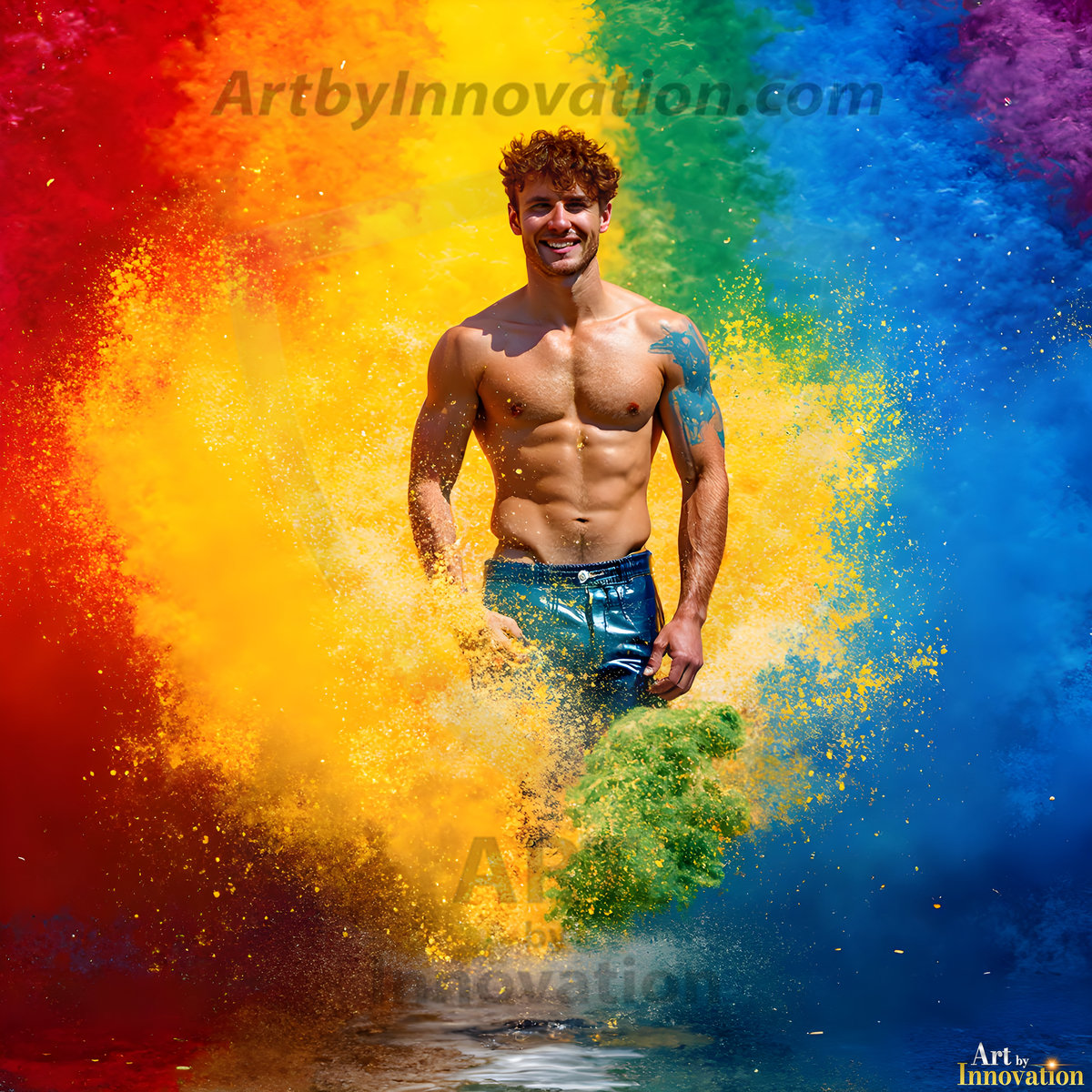
The colors of the LGBTQ+ Pride flags are designed to celebrate the diversity of human experience, visibility, and hope, with each shade representing a specific value that honors the LGBTQ+ community. Created in 1978 by artist Gilbert Baker, the rainbow flag has evolved to include more inclusive colors, showcasing how variety in identity makes individuals uniquely themselves. Meanings Behind the Colors, Red (Life): Represents the vitality and passion of LGBTQ+ people. Orange (Healing): Symbolizes the healing power within the community, often in the face of adversity. Yellow (Sunlight): Signifies the brightness and joy of being true to oneself. Green (Nature): Represents a connection to nature, the environment, and prosperity. Blue/Indigo (Serenity/Harmony): Symbolizes serenity, calm, and inner strength found in living one's truth. Violet/Purple (Spirit): Represents the spirit, strength, and resilience of the community.

The colors of the LGBTQ+ Pride flags are designed to celebrate the diversity of human experience, visibility, and hope, with each shade representing a specific value that honors the LGBTQ+ community. Created in 1978 by artist Gilbert Baker, the rainbow flag has evolved to include more inclusive colors, showcasing how variety in identity makes individuals uniquely themselves. Meanings Behind the Colors, Red (Life): Represents the vitality and passion of LGBTQ+ people. Orange (Healing): Symbolizes the healing power within the community, often in the face of adversity. Yellow (Sunlight): Signifies the brightness and joy of being true to oneself. Green (Nature): Represents a connection to nature, the environment, and prosperity. Blue/Indigo (Serenity/Harmony): Symbolizes serenity, calm, and inner strength found in living one's truth. Violet/Purple (Spirit): Represents the spirit, strength, and resilience of the community.

The colors of the LGBTQ+ Pride flags are designed to celebrate the diversity of human experience, visibility, and hope, with each shade representing a specific value that honors the LGBTQ+ community. Created in 1978 by artist Gilbert Baker, the rainbow flag has evolved to include more inclusive colors, showcasing how variety in identity makes individuals uniquely themselves. Meanings Behind the Colors, Red (Life): Represents the vitality and passion of LGBTQ+ people. Orange (Healing): Symbolizes the healing power within the community, often in the face of adversity. Yellow (Sunlight): Signifies the brightness and joy of being true to oneself. Green (Nature): Represents a connection to nature, the environment, and prosperity. Blue/Indigo (Serenity/Harmony): Symbolizes serenity, calm, and inner strength found in living one's truth. Violet/Purple (Spirit): Represents the spirit, strength, and resilience of the community.

The colors of the LGBTQ+ Pride flags are designed to celebrate the diversity of human experience, visibility, and hope, with each shade representing a specific value that honors the LGBTQ+ community. Created in 1978 by artist Gilbert Baker, the rainbow flag has evolved to include more inclusive colors, showcasing how variety in identity makes individuals uniquely themselves. Meanings Behind the Colors, Red (Life): Represents the vitality and passion of LGBTQ+ people. Orange (Healing): Symbolizes the healing power within the community, often in the face of adversity. Yellow (Sunlight): Signifies the brightness and joy of being true to oneself. Green (Nature): Represents a connection to nature, the environment, and prosperity. Blue/Indigo (Serenity/Harmony): Symbolizes serenity, calm, and inner strength found in living one's truth. Violet/Purple (Spirit): Represents the spirit, strength, and resilience of the community.
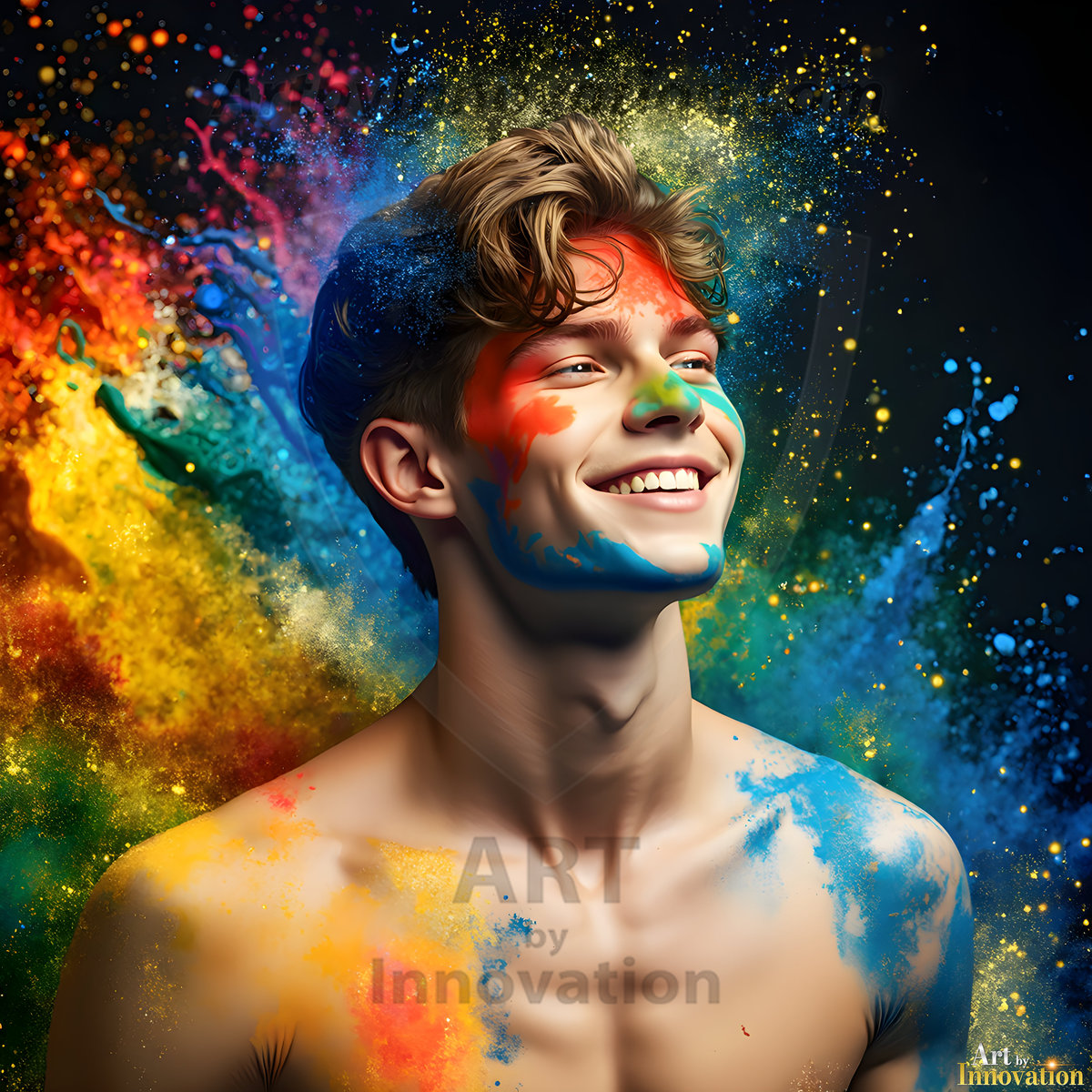
The colors of the LGBTQ+ Pride flags are designed to celebrate the diversity of human experience, visibility, and hope, with each shade representing a specific value that honors the LGBTQ+ community. Created in 1978 by artist Gilbert Baker, the rainbow flag has evolved to include more inclusive colors, showcasing how variety in identity makes individuals uniquely themselves. Meanings Behind the Colors, Red (Life): Represents the vitality and passion of LGBTQ+ people. Orange (Healing): Symbolizes the healing power within the community, often in the face of adversity. Yellow (Sunlight): Signifies the brightness and joy of being true to oneself. Green (Nature): Represents a connection to nature, the environment, and prosperity. Blue/Indigo (Serenity/Harmony): Symbolizes serenity, calm, and inner strength found in living one's truth. Violet/Purple (Spirit): Represents the spirit, strength, and resilience of the community.
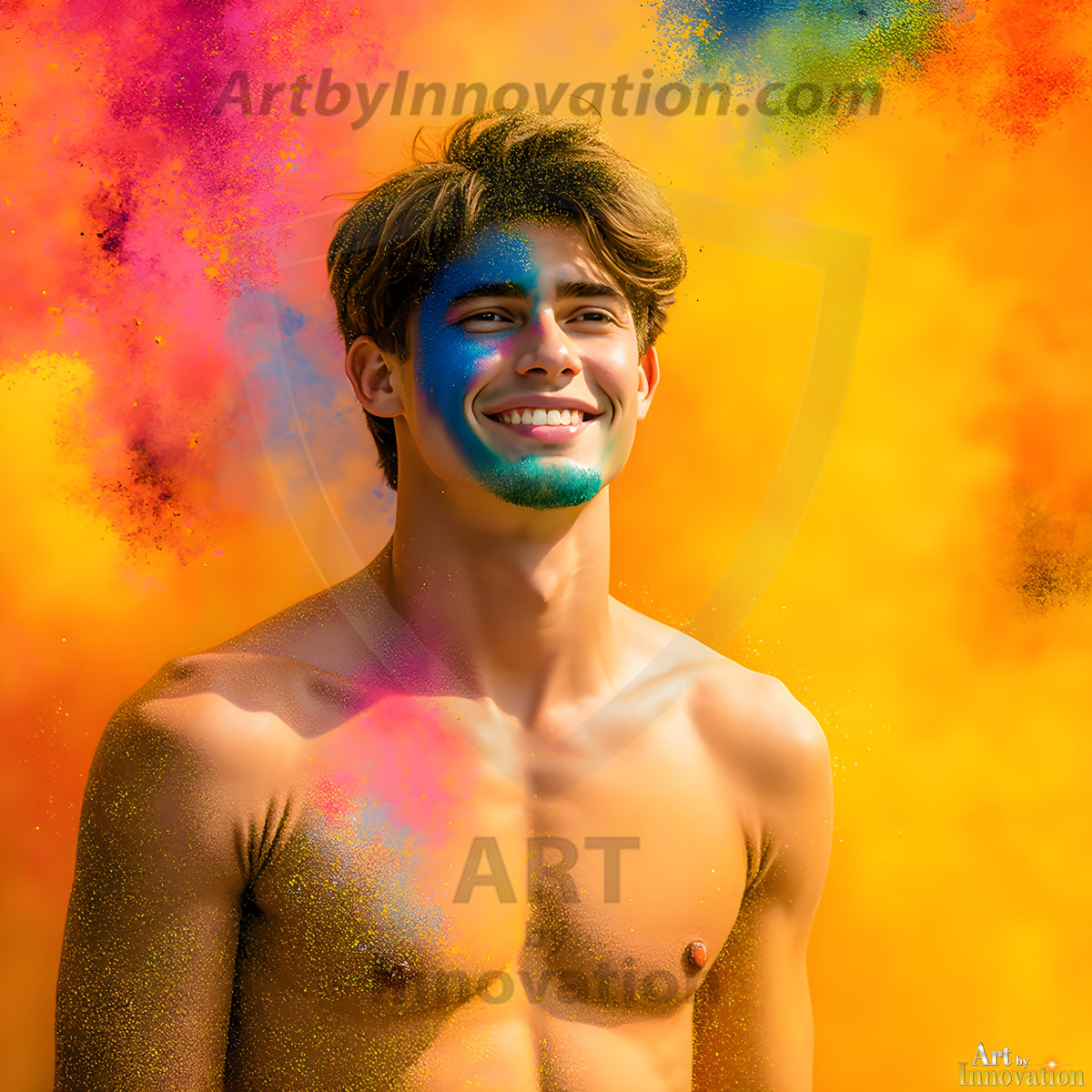
The colors of the LGBTQ+ Pride flags are designed to celebrate the diversity of human experience, visibility, and hope, with each shade representing a specific value that honors the LGBTQ+ community. Created in 1978 by artist Gilbert Baker, the rainbow flag has evolved to include more inclusive colors, showcasing how variety in identity makes individuals uniquely themselves. Meanings Behind the Colors, Red (Life): Represents the vitality and passion of LGBTQ+ people. Orange (Healing): Symbolizes the healing power within the community, often in the face of adversity. Yellow (Sunlight): Signifies the brightness and joy of being true to oneself. Green (Nature): Represents a connection to nature, the environment, and prosperity. Blue/Indigo (Serenity/Harmony): Symbolizes serenity, calm, and inner strength found in living one's truth. Violet/Purple (Spirit): Represents the spirit, strength, and resilience of the community.
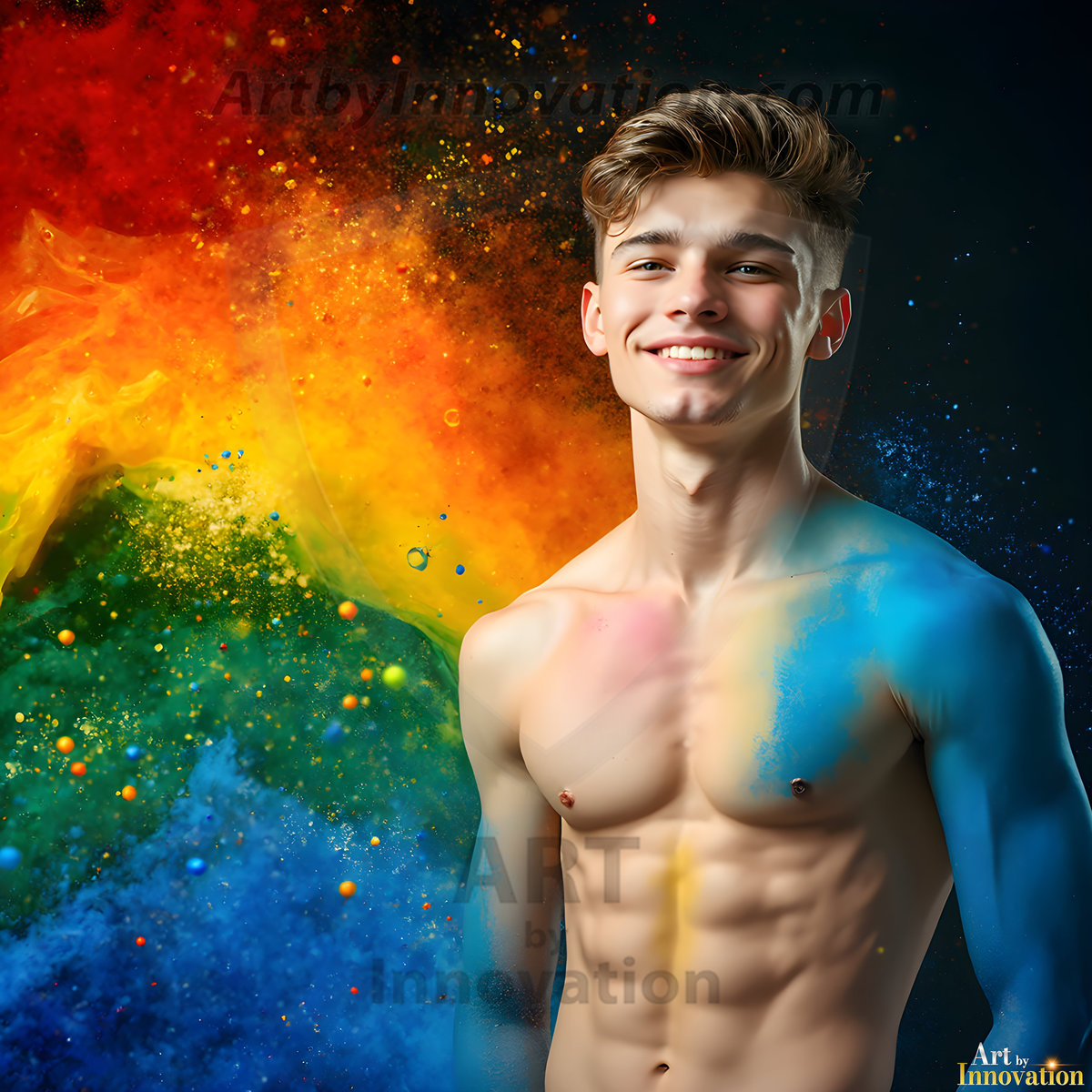
The colors of the LGBTQ+ Pride flags are designed to celebrate the diversity of human experience, visibility, and hope, with each shade representing a specific value that honors the LGBTQ+ community. Created in 1978 by artist Gilbert Baker, the rainbow flag has evolved to include more inclusive colors, showcasing how variety in identity makes individuals uniquely themselves. Meanings Behind the Colors, Red (Life): Represents the vitality and passion of LGBTQ+ people. Orange (Healing): Symbolizes the healing power within the community, often in the face of adversity. Yellow (Sunlight): Signifies the brightness and joy of being true to oneself. Green (Nature): Represents a connection to nature, the environment, and prosperity. Blue/Indigo (Serenity/Harmony): Symbolizes serenity, calm, and inner strength found in living one's truth. Violet/Purple (Spirit): Represents the spirit, strength, and resilience of the community.
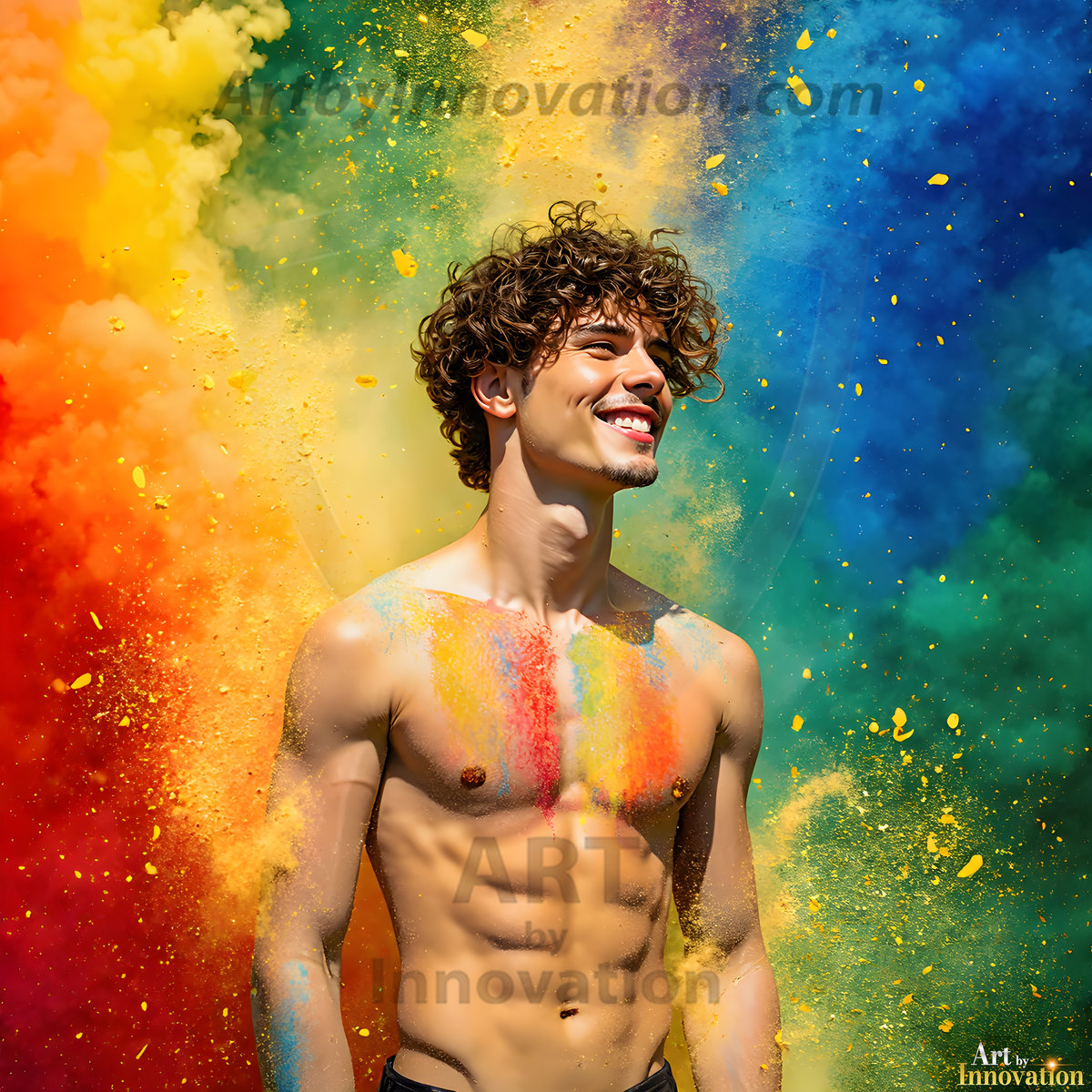
The colors of the LGBTQ+ Pride flags are designed to celebrate the diversity of human experience, visibility, and hope, with each shade representing a specific value that honors the LGBTQ+ community. Created in 1978 by artist Gilbert Baker, the rainbow flag has evolved to include more inclusive colors, showcasing how variety in identity makes individuals uniquely themselves. Meanings Behind the Colors, Red (Life): Represents the vitality and passion of LGBTQ+ people. Orange (Healing): Symbolizes the healing power within the community, often in the face of adversity. Yellow (Sunlight): Signifies the brightness and joy of being true to oneself. Green (Nature): Represents a connection to nature, the environment, and prosperity. Blue/Indigo (Serenity/Harmony): Symbolizes serenity, calm, and inner strength found in living one's truth. Violet/Purple (Spirit): Represents the spirit, strength, and resilience of the community.
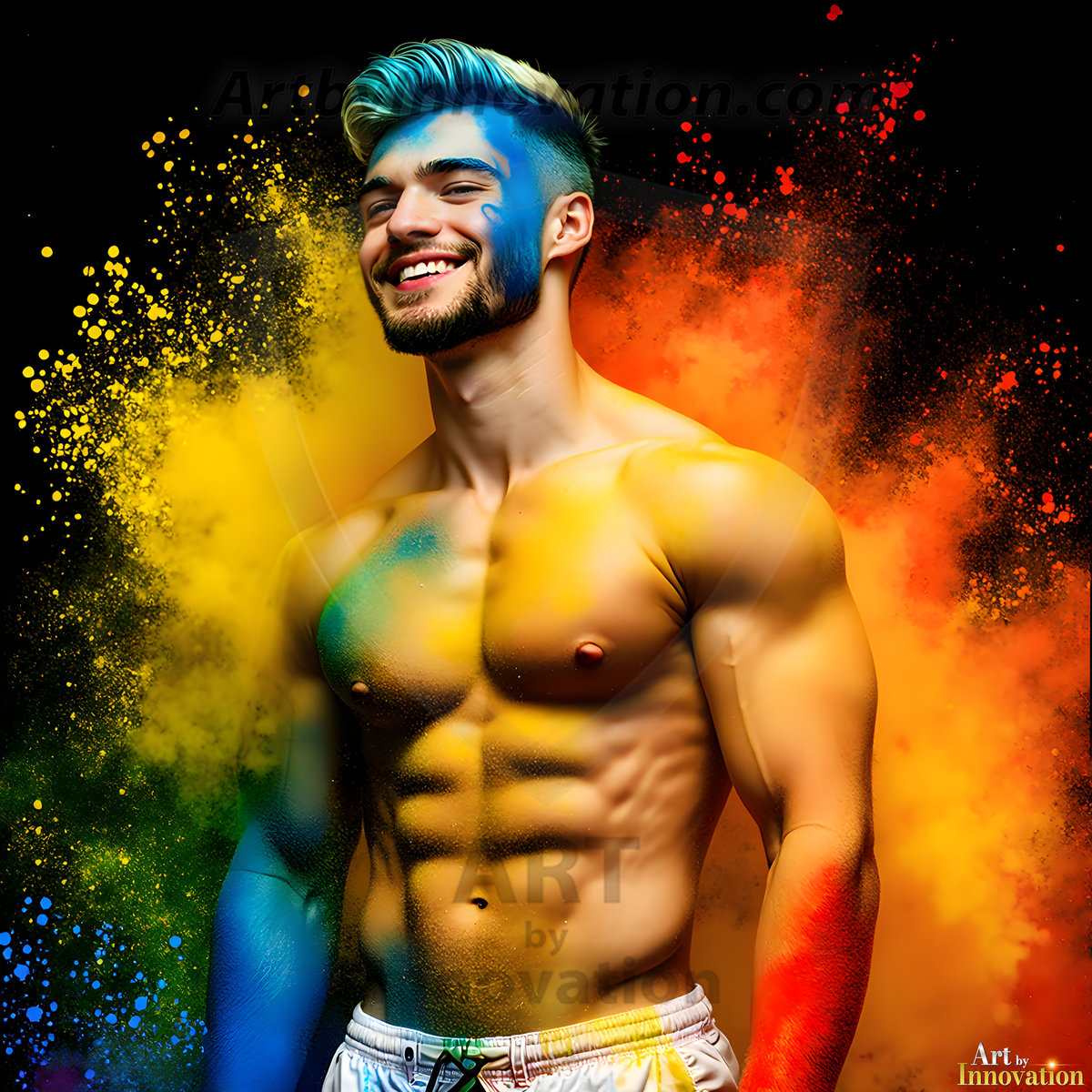
The colors of the LGBTQ+ Pride flags are designed to celebrate the diversity of human experience, visibility, and hope, with each shade representing a specific value that honors the LGBTQ+ community. Created in 1978 by artist Gilbert Baker, the rainbow flag has evolved to include more inclusive colors, showcasing how variety in identity makes individuals uniquely themselves. Meanings Behind the Colors, Red (Life): Represents the vitality and passion of LGBTQ+ people. Orange (Healing): Symbolizes the healing power within the community, often in the face of adversity. Yellow (Sunlight): Signifies the brightness and joy of being true to oneself. Green (Nature): Represents a connection to nature, the environment, and prosperity. Blue/Indigo (Serenity/Harmony): Symbolizes serenity, calm, and inner strength found in living one's truth. Violet/Purple (Spirit): Represents the spirit, strength, and resilience of the community.
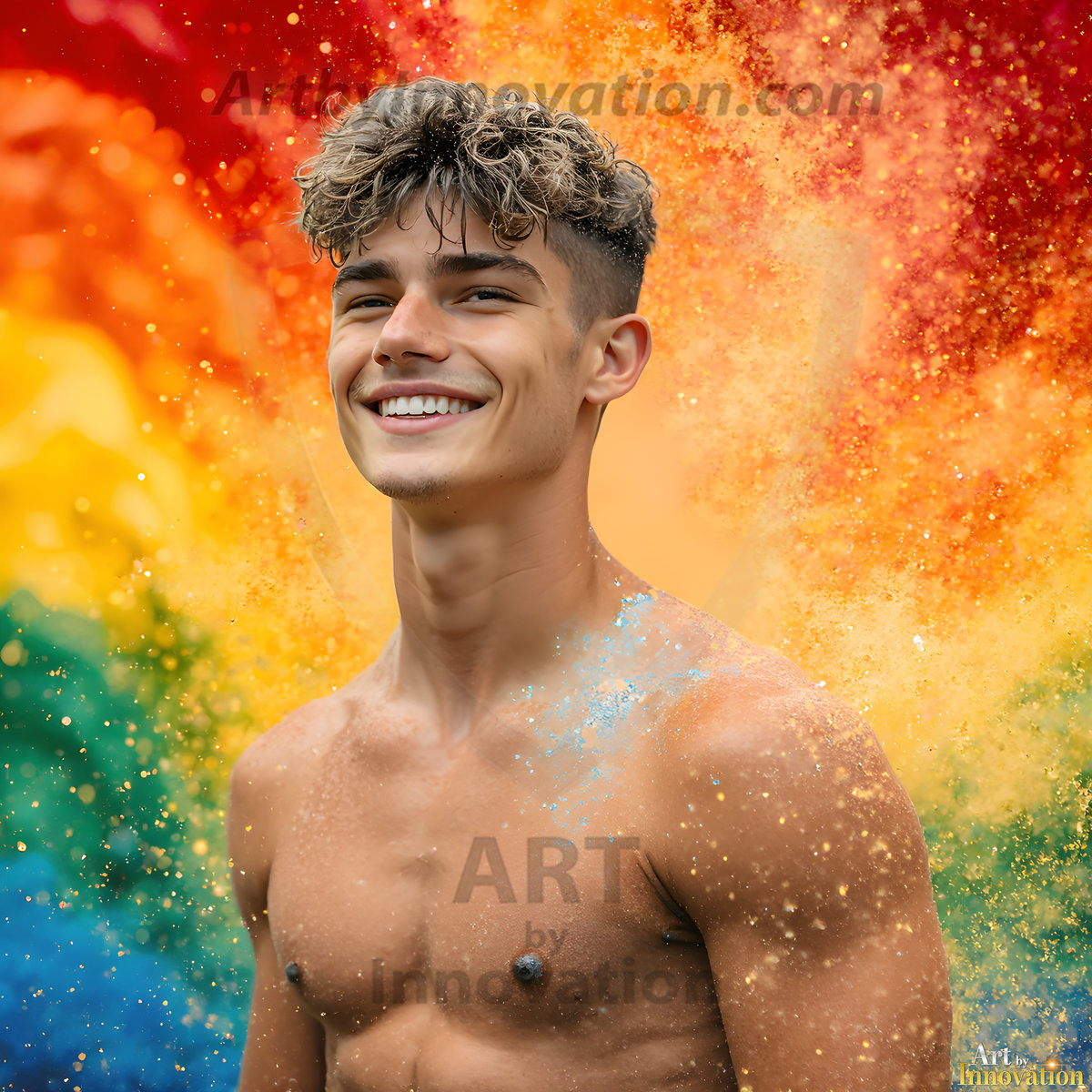
The colors of the LGBTQ+ Pride flags are designed to celebrate the diversity of human experience, visibility, and hope, with each shade representing a specific value that honors the LGBTQ+ community. Created in 1978 by artist Gilbert Baker, the rainbow flag has evolved to include more inclusive colors, showcasing how variety in identity makes individuals uniquely themselves. Meanings Behind the Colors, Red (Life): Represents the vitality and passion of LGBTQ+ people. Orange (Healing): Symbolizes the healing power within the community, often in the face of adversity. Yellow (Sunlight): Signifies the brightness and joy of being true to oneself. Green (Nature): Represents a connection to nature, the environment, and prosperity. Blue/Indigo (Serenity/Harmony): Symbolizes serenity, calm, and inner strength found in living one's truth. Violet/Purple (Spirit): Represents the spirit, strength, and resilience of the community.
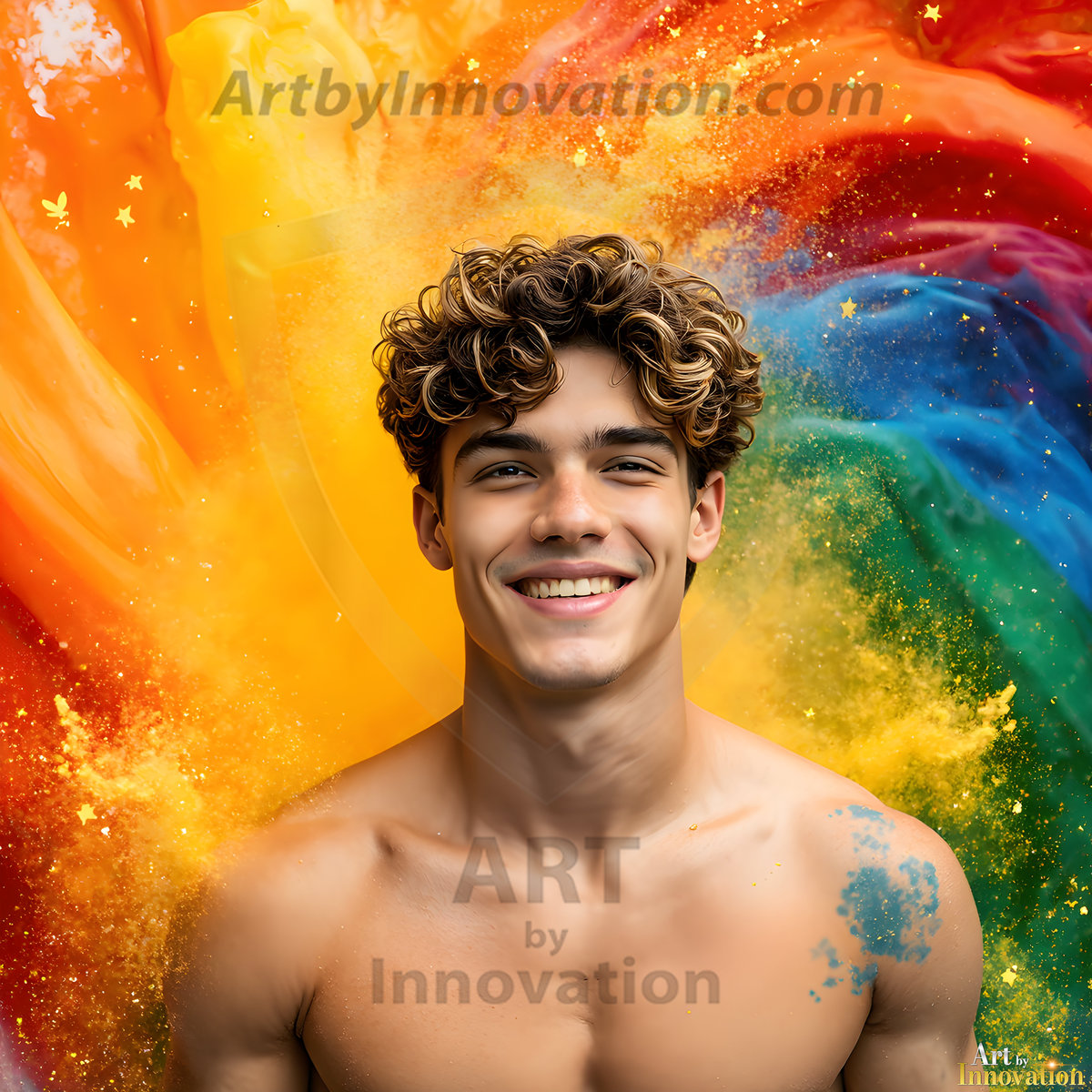
The colors of the LGBTQ+ Pride flags are designed to celebrate the diversity of human experience, visibility, and hope, with each shade representing a specific value that honors the LGBTQ+ community. Created in 1978 by artist Gilbert Baker, the rainbow flag has evolved to include more inclusive colors, showcasing how variety in identity makes individuals uniquely themselves. Meanings Behind the Colors, Red (Life): Represents the vitality and passion of LGBTQ+ people. Orange (Healing): Symbolizes the healing power within the community, often in the face of adversity. Yellow (Sunlight): Signifies the brightness and joy of being true to oneself. Green (Nature): Represents a connection to nature, the environment, and prosperity. Blue/Indigo (Serenity/Harmony): Symbolizes serenity, calm, and inner strength found in living one's truth. Violet/Purple (Spirit): Represents the spirit, strength, and resilience of the community.
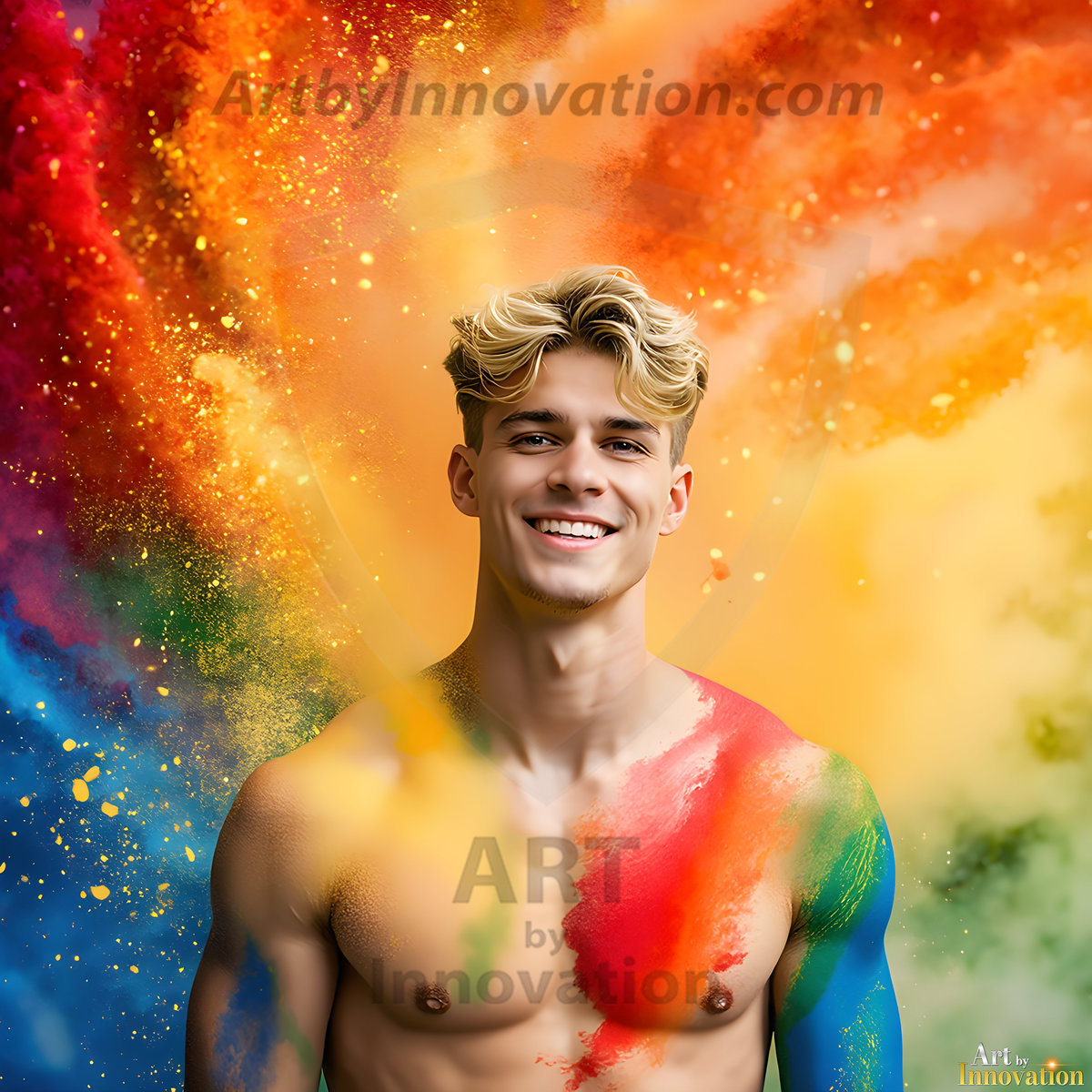
The colors of the LGBTQ+ Pride flags are designed to celebrate the diversity of human experience, visibility, and hope, with each shade representing a specific value that honors the LGBTQ+ community. Created in 1978 by artist Gilbert Baker, the rainbow flag has evolved to include more inclusive colors, showcasing how variety in identity makes individuals uniquely themselves. Meanings Behind the Colors, Red (Life): Represents the vitality and passion of LGBTQ+ people. Orange (Healing): Symbolizes the healing power within the community, often in the face of adversity. Yellow (Sunlight): Signifies the brightness and joy of being true to oneself. Green (Nature): Represents a connection to nature, the environment, and prosperity. Blue/Indigo (Serenity/Harmony): Symbolizes serenity, calm, and inner strength found in living one's truth. Violet/Purple (Spirit): Represents the spirit, strength, and resilience of the community.
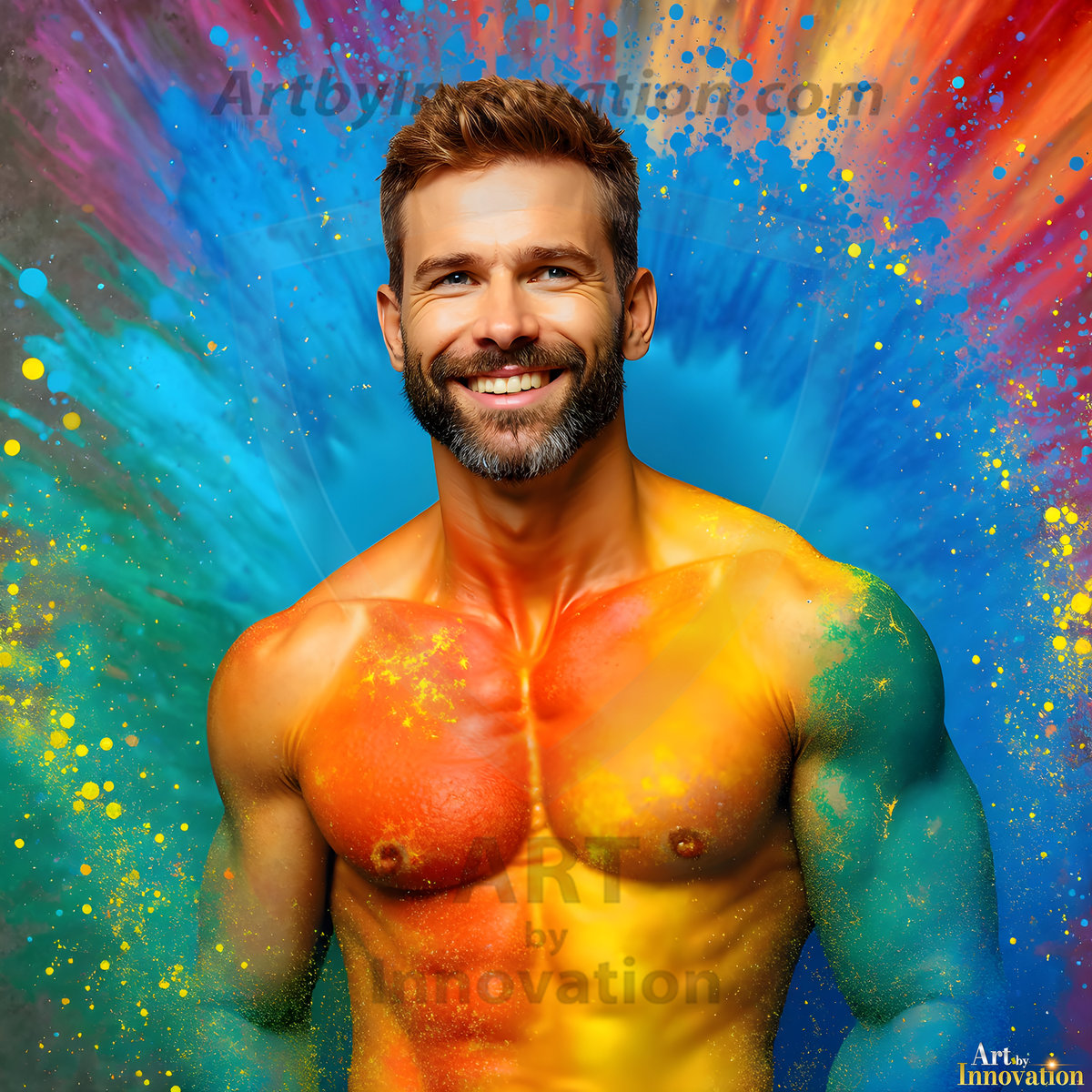
The colors of the LGBTQ+ Pride flags are designed to celebrate the diversity of human experience, visibility, and hope, with each shade representing a specific value that honors the LGBTQ+ community. Created in 1978 by artist Gilbert Baker, the rainbow flag has evolved to include more inclusive colors, showcasing how variety in identity makes individuals uniquely themselves. Meanings Behind the Colors, Red (Life): Represents the vitality and passion of LGBTQ+ people. Orange (Healing): Symbolizes the healing power within the community, often in the face of adversity. Yellow (Sunlight): Signifies the brightness and joy of being true to oneself. Green (Nature): Represents a connection to nature, the environment, and prosperity. Blue/Indigo (Serenity/Harmony): Symbolizes serenity, calm, and inner strength found in living one's truth. Violet/Purple (Spirit): Represents the spirit, strength, and resilience of the community.
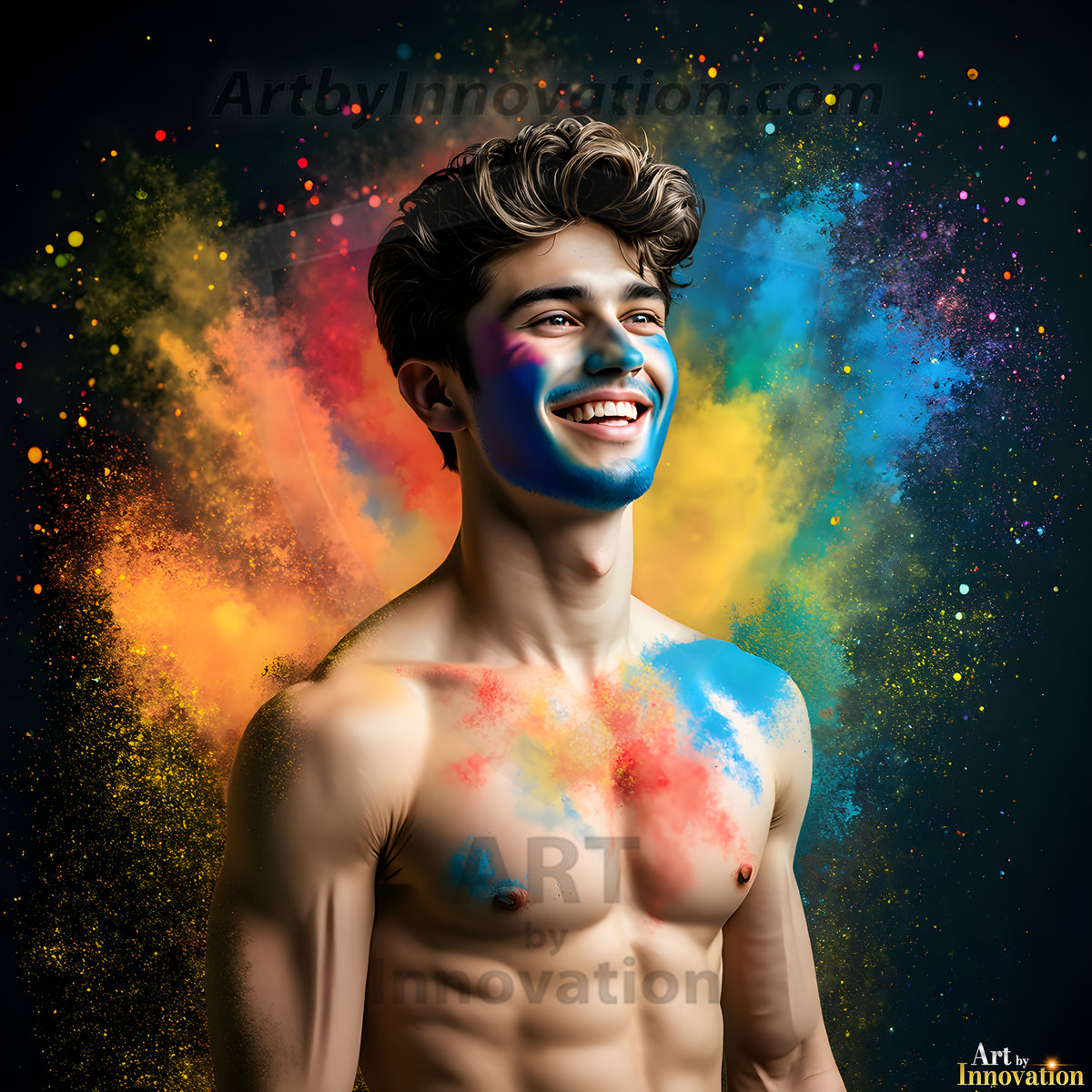
The colors of the LGBTQ+ Pride flags are designed to celebrate the diversity of human experience, visibility, and hope, with each shade representing a specific value that honors the LGBTQ+ community. Created in 1978 by artist Gilbert Baker, the rainbow flag has evolved to include more inclusive colors, showcasing how variety in identity makes individuals uniquely themselves. Meanings Behind the Colors, Red (Life): Represents the vitality and passion of LGBTQ+ people. Orange (Healing): Symbolizes the healing power within the community, often in the face of adversity. Yellow (Sunlight): Signifies the brightness and joy of being true to oneself. Green (Nature): Represents a connection to nature, the environment, and prosperity. Blue/Indigo (Serenity/Harmony): Symbolizes serenity, calm, and inner strength found in living one's truth. Violet/Purple (Spirit): Represents the spirit, strength, and resilience of the community.
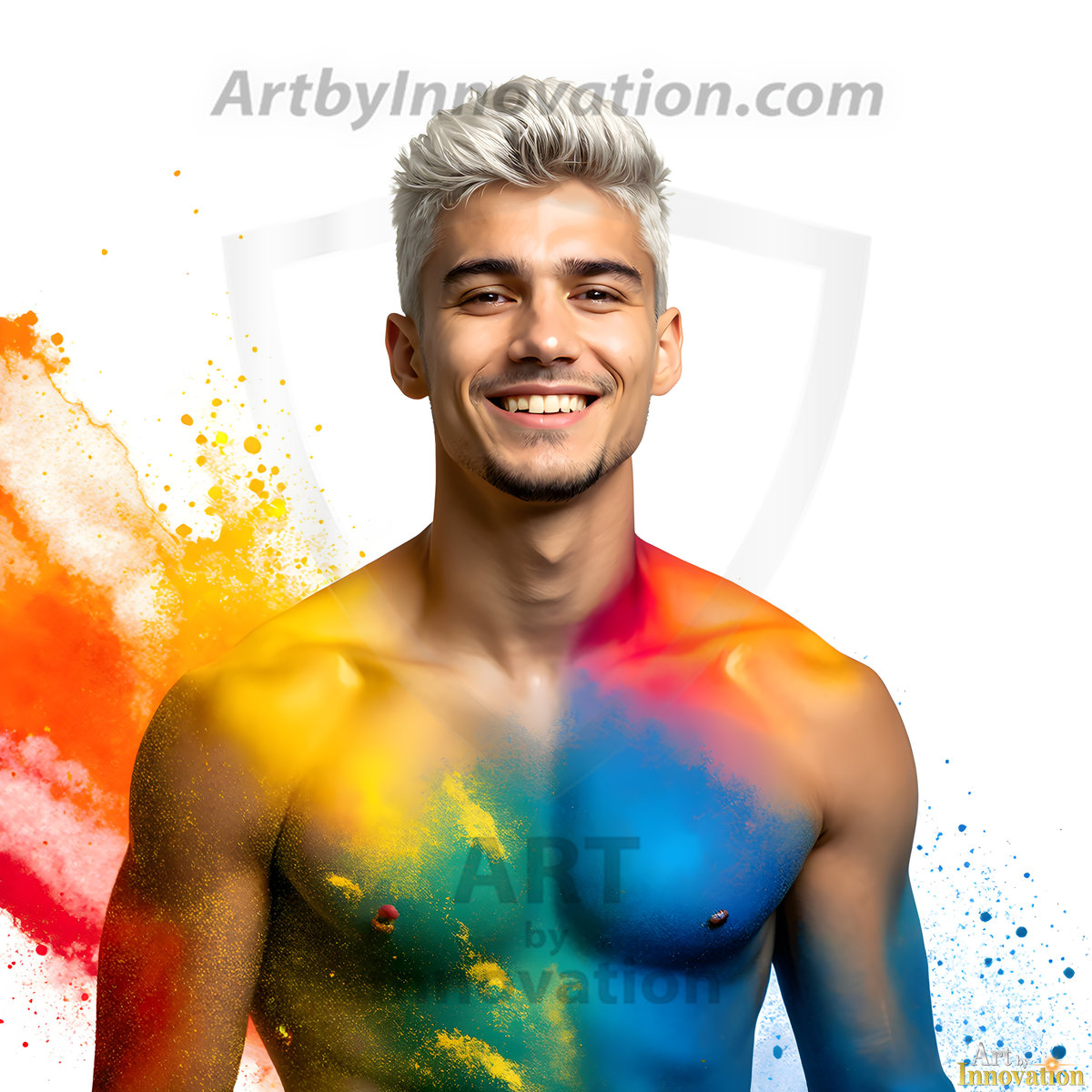
The colors of the LGBTQ+ Pride flags are designed to celebrate the diversity of human experience, visibility, and hope, with each shade representing a specific value that honors the LGBTQ+ community. Created in 1978 by artist Gilbert Baker, the rainbow flag has evolved to include more inclusive colors, showcasing how variety in identity makes individuals uniquely themselves. Meanings Behind the Colors, Red (Life): Represents the vitality and passion of LGBTQ+ people. Orange (Healing): Symbolizes the healing power within the community, often in the face of adversity. Yellow (Sunlight): Signifies the brightness and joy of being true to oneself. Green (Nature): Represents a connection to nature, the environment, and prosperity. Blue/Indigo (Serenity/Harmony): Symbolizes serenity, calm, and inner strength found in living one's truth. Violet/Purple (Spirit): Represents the spirit, strength, and resilience of the community.

The colors of the LGBTQ+ Pride flags are designed to celebrate the diversity of human experience, visibility, and hope, with each shade representing a specific value that honors the LGBTQ+ community. Created in 1978 by artist Gilbert Baker, the rainbow flag has evolved to include more inclusive colors, showcasing how variety in identity makes individuals uniquely themselves. Meanings Behind the Colors, Red (Life): Represents the vitality and passion of LGBTQ+ people. Orange (Healing): Symbolizes the healing power within the community, often in the face of adversity. Yellow (Sunlight): Signifies the brightness and joy of being true to oneself. Green (Nature): Represents a connection to nature, the environment, and prosperity. Blue/Indigo (Serenity/Harmony): Symbolizes serenity, calm, and inner strength found in living one's truth. Violet/Purple (Spirit): Represents the spirit, strength, and resilience of the community.
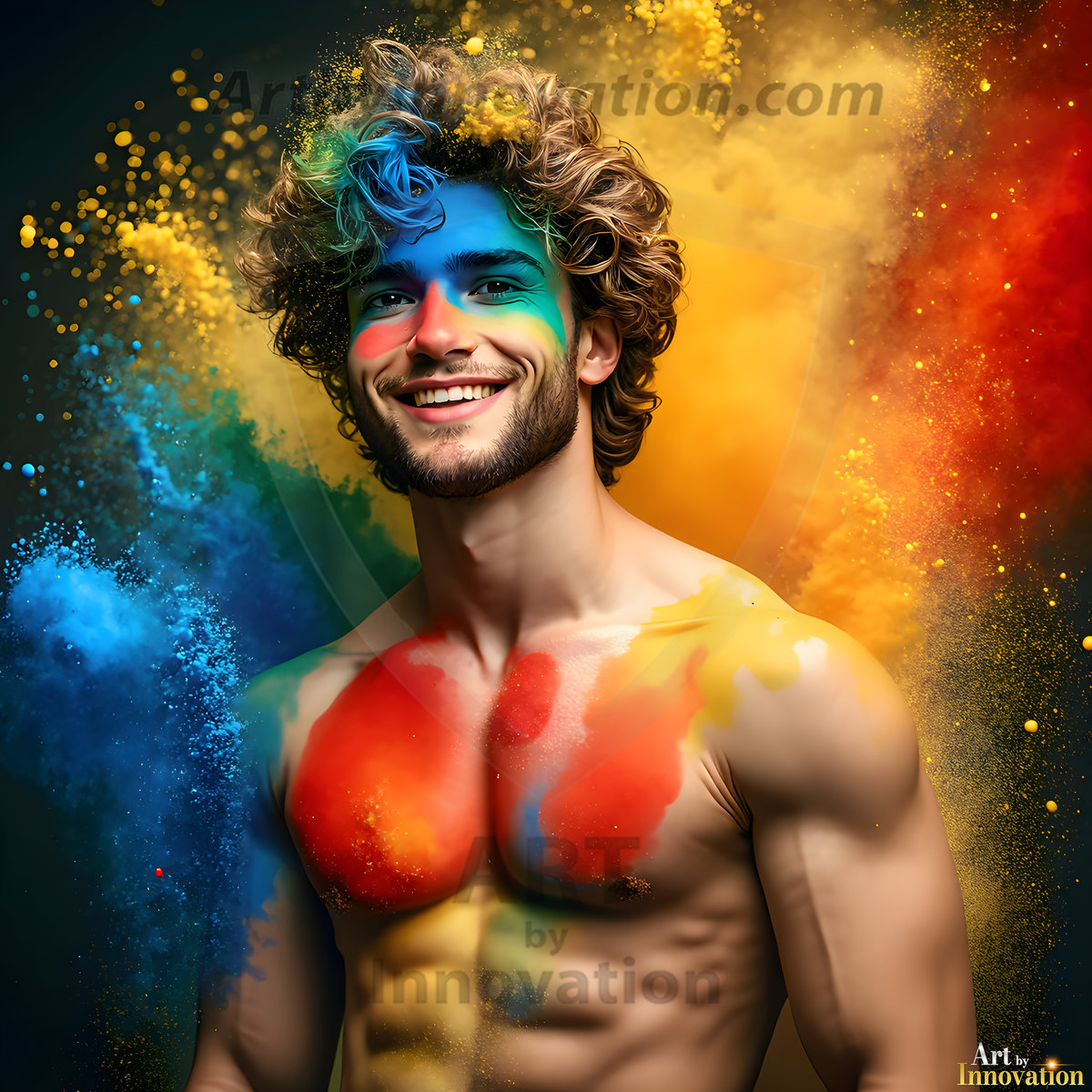
The colors of the LGBTQ+ Pride flags are designed to celebrate the diversity of human experience, visibility, and hope, with each shade representing a specific value that honors the LGBTQ+ community. Created in 1978 by artist Gilbert Baker, the rainbow flag has evolved to include more inclusive colors, showcasing how variety in identity makes individuals uniquely themselves. Meanings Behind the Colors, Red (Life): Represents the vitality and passion of LGBTQ+ people. Orange (Healing): Symbolizes the healing power within the community, often in the face of adversity. Yellow (Sunlight): Signifies the brightness and joy of being true to oneself. Green (Nature): Represents a connection to nature, the environment, and prosperity. Blue/Indigo (Serenity/Harmony): Symbolizes serenity, calm, and inner strength found in living one's truth. Violet/Purple (Spirit): Represents the spirit, strength, and resilience of the community.
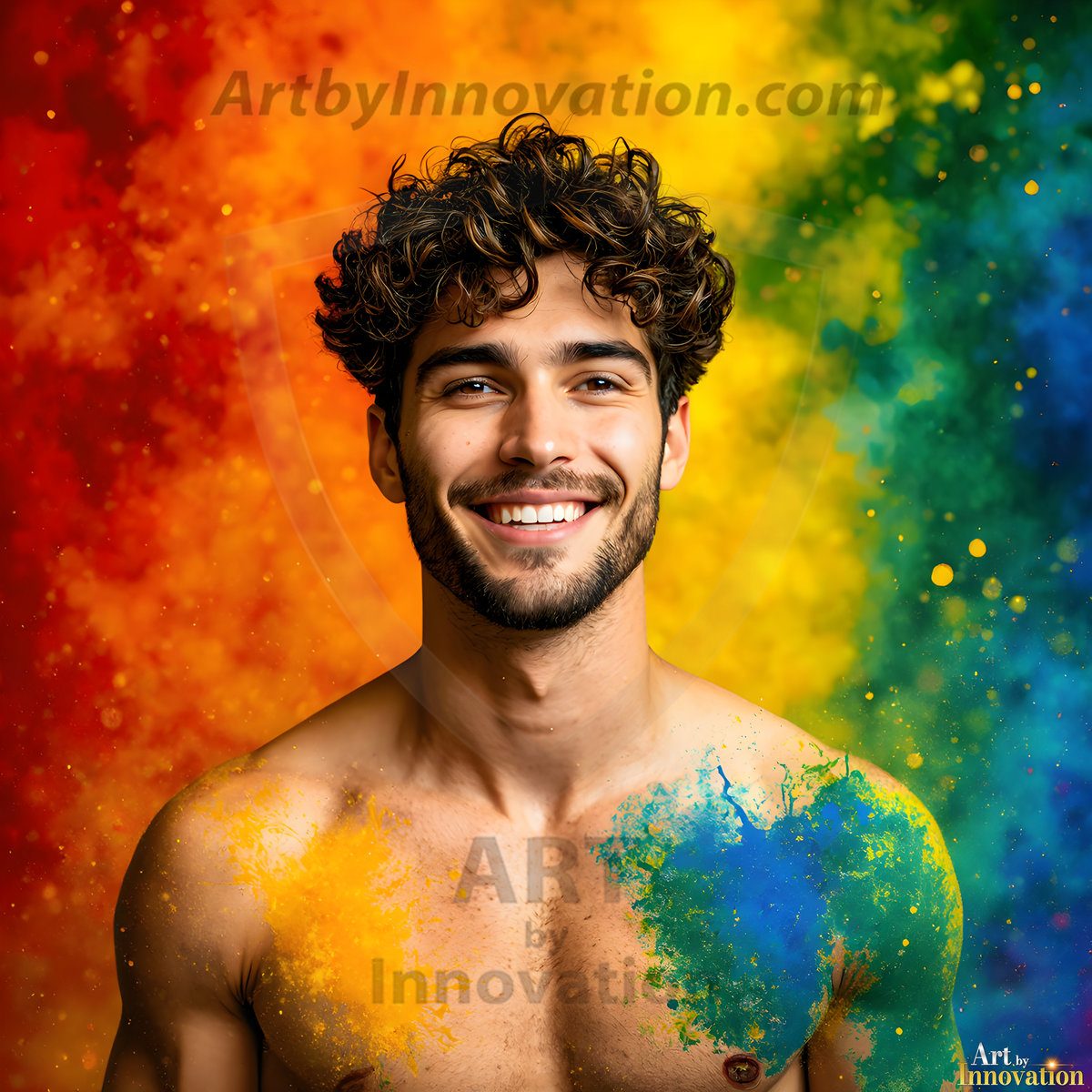
The colors of the LGBTQ+ Pride flags are designed to celebrate the diversity of human experience, visibility, and hope, with each shade representing a specific value that honors the LGBTQ+ community. Created in 1978 by artist Gilbert Baker, the rainbow flag has evolved to include more inclusive colors, showcasing how variety in identity makes individuals uniquely themselves. Meanings Behind the Colors, Red (Life): Represents the vitality and passion of LGBTQ+ people. Orange (Healing): Symbolizes the healing power within the community, often in the face of adversity. Yellow (Sunlight): Signifies the brightness and joy of being true to oneself. Green (Nature): Represents a connection to nature, the environment, and prosperity. Blue/Indigo (Serenity/Harmony): Symbolizes serenity, calm, and inner strength found in living one's truth. Violet/Purple (Spirit): Represents the spirit, strength, and resilience of the community.
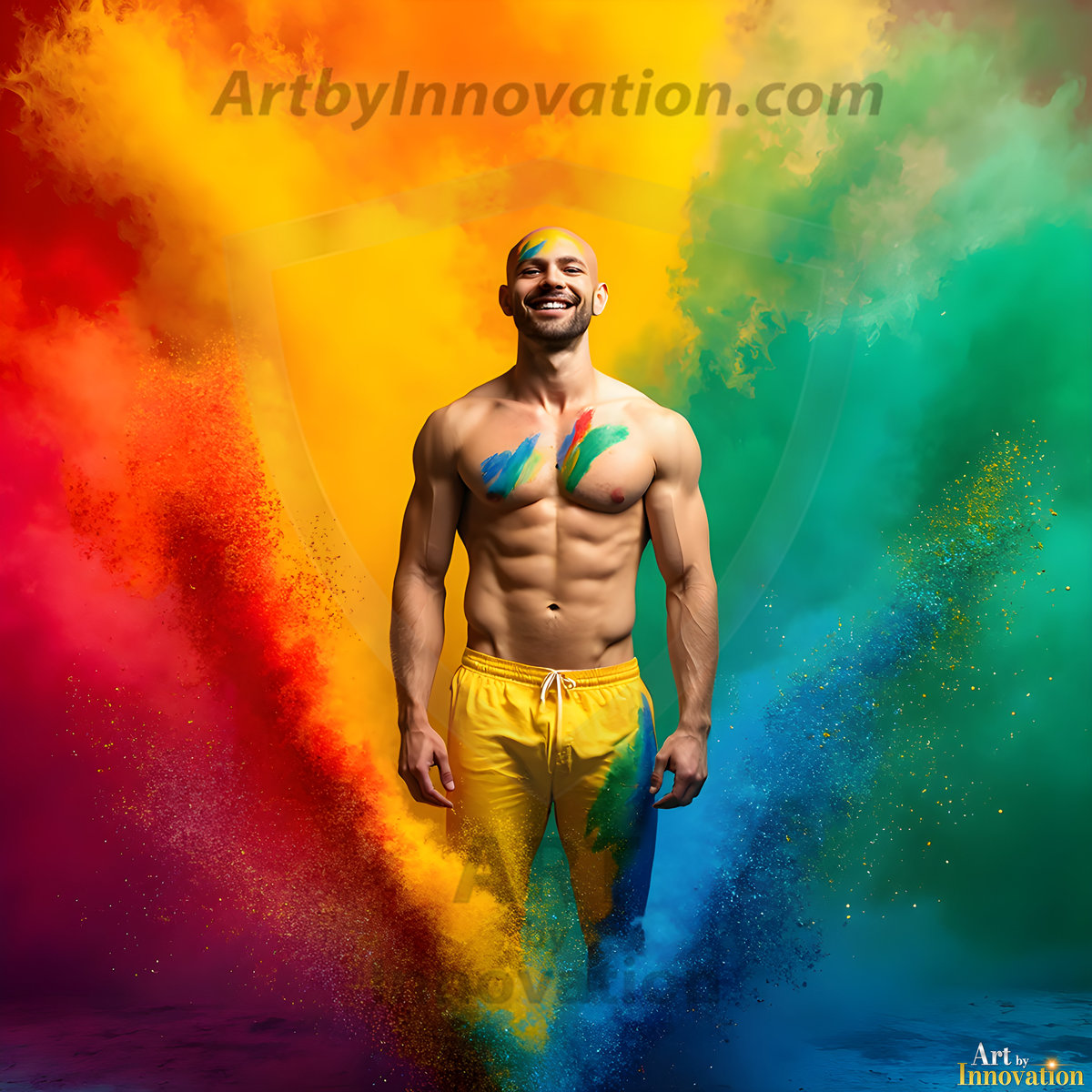
The colors of the LGBTQ+ Pride flags are designed to celebrate the diversity of human experience, visibility, and hope, with each shade representing a specific value that honors the LGBTQ+ community. Created in 1978 by artist Gilbert Baker, the rainbow flag has evolved to include more inclusive colors, showcasing how variety in identity makes individuals uniquely themselves. Meanings Behind the Colors, Red (Life): Represents the vitality and passion of LGBTQ+ people. Orange (Healing): Symbolizes the healing power within the community, often in the face of adversity. Yellow (Sunlight): Signifies the brightness and joy of being true to oneself. Green (Nature): Represents a connection to nature, the environment, and prosperity. Blue/Indigo (Serenity/Harmony): Symbolizes serenity, calm, and inner strength found in living one's truth. Violet/Purple (Spirit): Represents the spirit, strength, and resilience of the community.
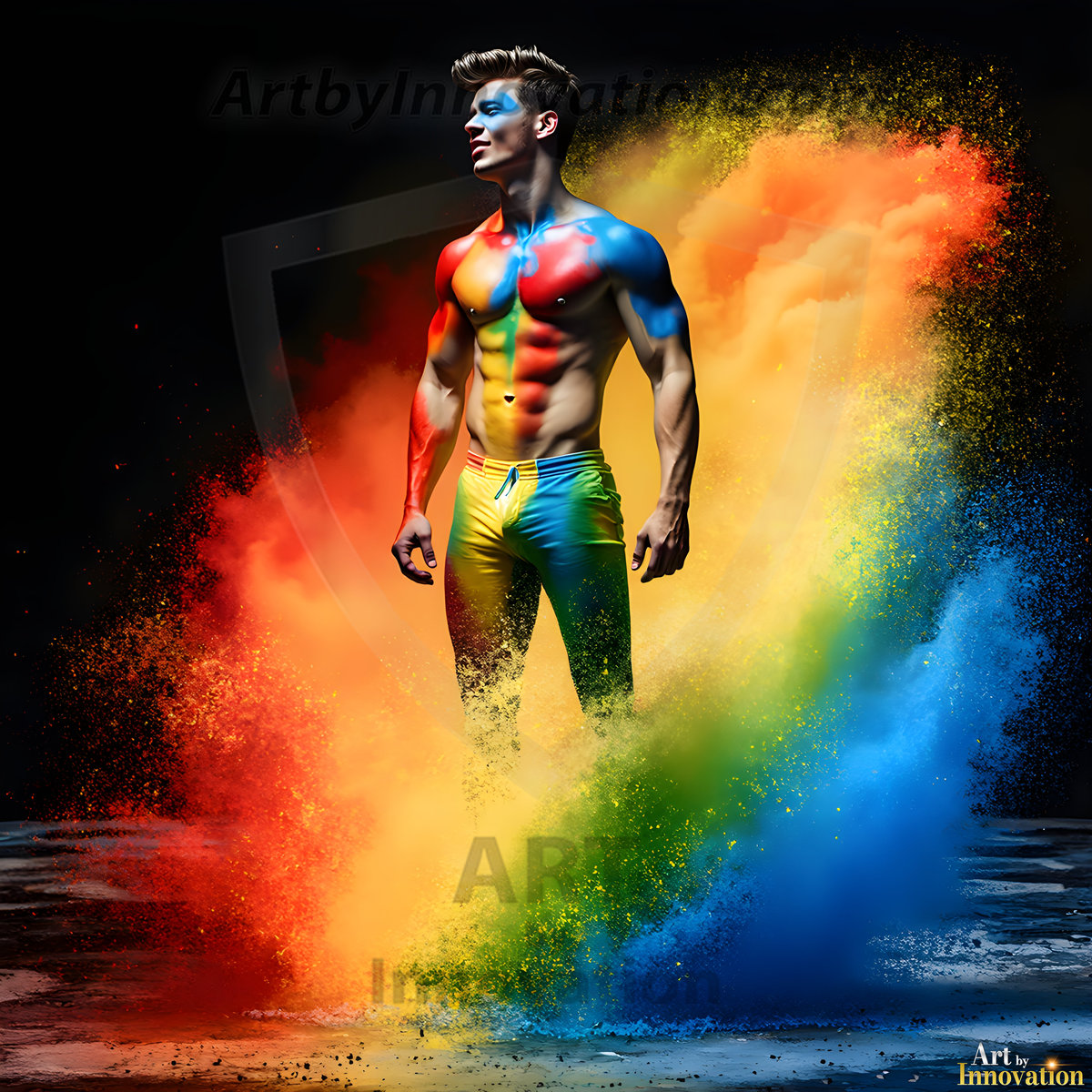
The colors of the LGBTQ+ Pride flags are designed to celebrate the diversity of human experience, visibility, and hope, with each shade representing a specific value that honors the LGBTQ+ community. Created in 1978 by artist Gilbert Baker, the rainbow flag has evolved to include more inclusive colors, showcasing how variety in identity makes individuals uniquely themselves. Meanings Behind the Colors, Red (Life): Represents the vitality and passion of LGBTQ+ people. Orange (Healing): Symbolizes the healing power within the community, often in the face of adversity. Yellow (Sunlight): Signifies the brightness and joy of being true to oneself. Green (Nature): Represents a connection to nature, the environment, and prosperity. Blue/Indigo (Serenity/Harmony): Symbolizes serenity, calm, and inner strength found in living one's truth. Violet/Purple (Spirit): Represents the spirit, strength, and resilience of the community.
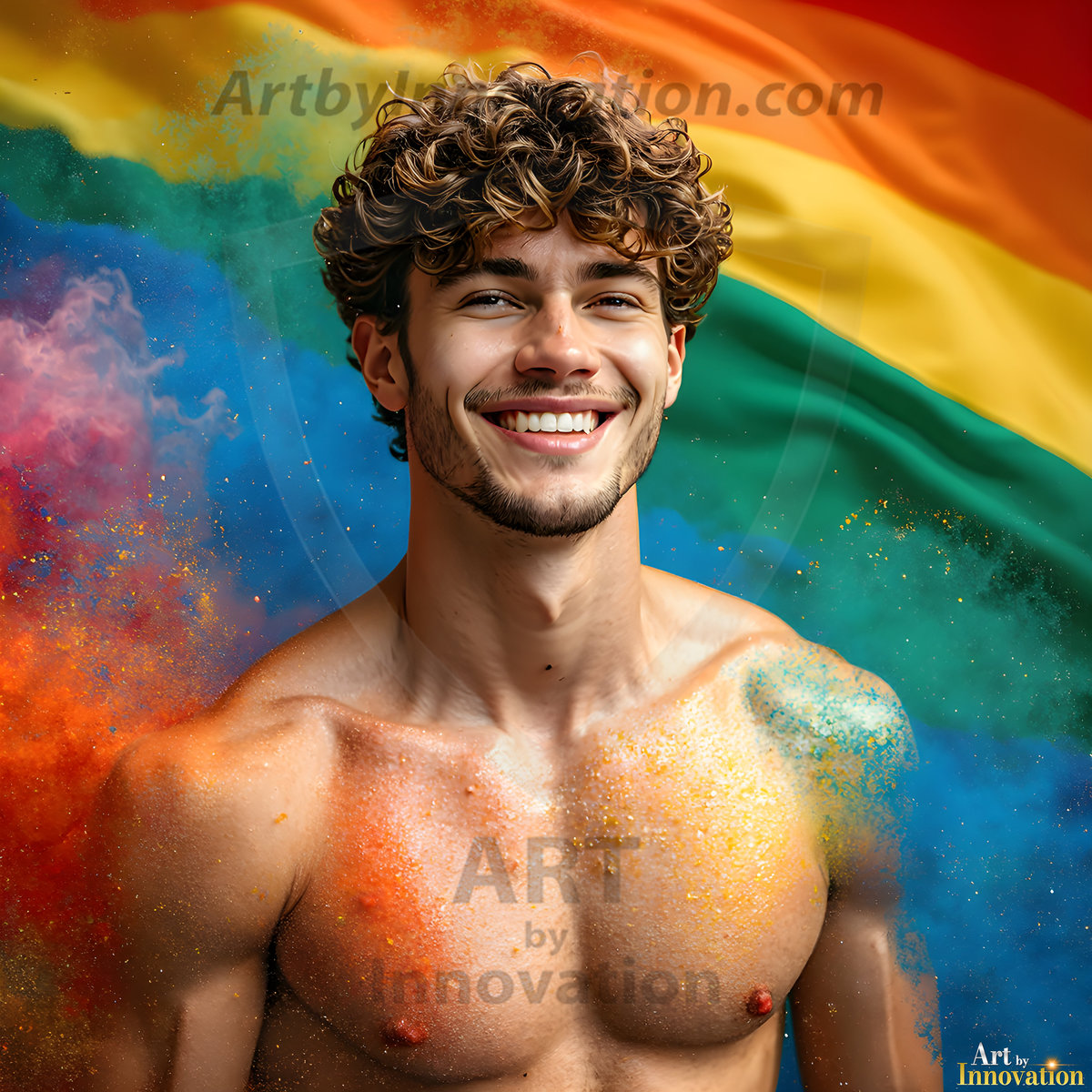
The colors of the LGBTQ+ Pride flags are designed to celebrate the diversity of human experience, visibility, and hope, with each shade representing a specific value that honors the LGBTQ+ community. Created in 1978 by artist Gilbert Baker, the rainbow flag has evolved to include more inclusive colors, showcasing how variety in identity makes individuals uniquely themselves. Meanings Behind the Colors, Red (Life): Represents the vitality and passion of LGBTQ+ people. Orange (Healing): Symbolizes the healing power within the community, often in the face of adversity. Yellow (Sunlight): Signifies the brightness and joy of being true to oneself. Green (Nature): Represents a connection to nature, the environment, and prosperity. Blue/Indigo (Serenity/Harmony): Symbolizes serenity, calm, and inner strength found in living one's truth. Violet/Purple (Spirit): Represents the spirit, strength, and resilience of the community.
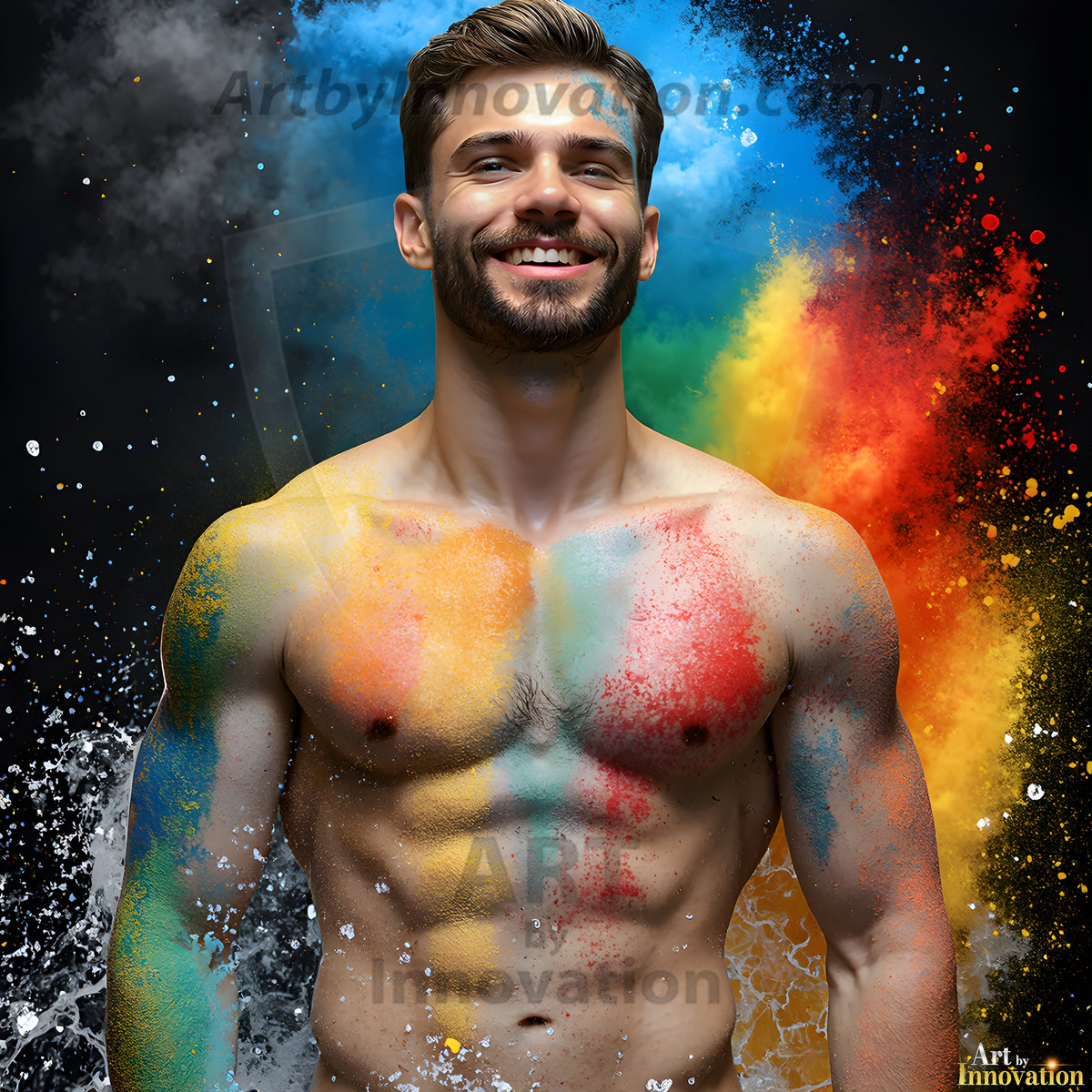
The colors of the LGBTQ+ Pride flags are designed to celebrate the diversity of human experience, visibility, and hope, with each shade representing a specific value that honors the LGBTQ+ community. Created in 1978 by artist Gilbert Baker, the rainbow flag has evolved to include more inclusive colors, showcasing how variety in identity makes individuals uniquely themselves. Meanings Behind the Colors, Red (Life): Represents the vitality and passion of LGBTQ+ people. Orange (Healing): Symbolizes the healing power within the community, often in the face of adversity. Yellow (Sunlight): Signifies the brightness and joy of being true to oneself. Green (Nature): Represents a connection to nature, the environment, and prosperity. Blue/Indigo (Serenity/Harmony): Symbolizes serenity, calm, and inner strength found in living one's truth. Violet/Purple (Spirit): Represents the spirit, strength, and resilience of the community.
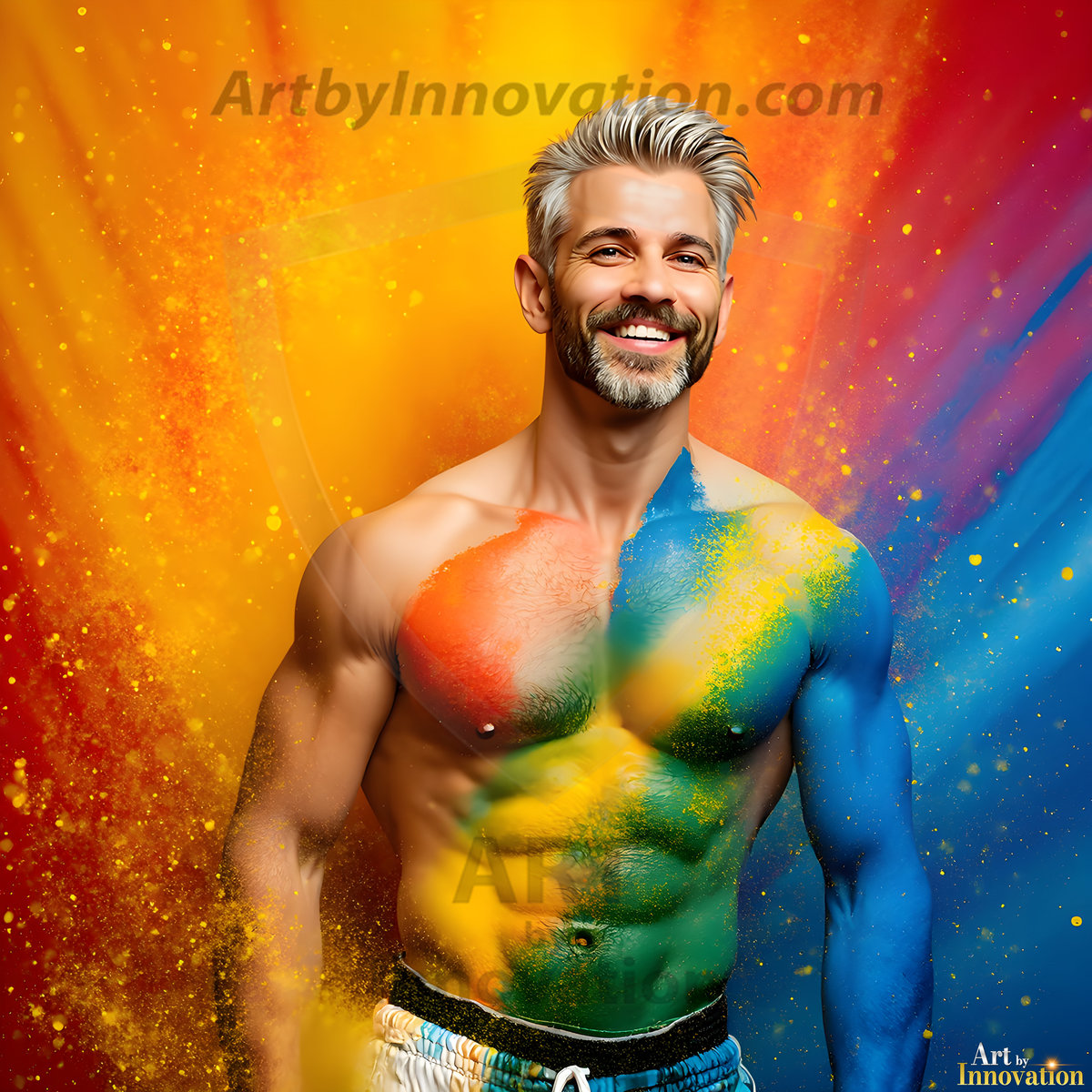
The colors of the LGBTQ+ Pride flags are designed to celebrate the diversity of human experience, visibility, and hope, with each shade representing a specific value that honors the LGBTQ+ community. Created in 1978 by artist Gilbert Baker, the rainbow flag has evolved to include more inclusive colors, showcasing how variety in identity makes individuals uniquely themselves. Meanings Behind the Colors, Red (Life): Represents the vitality and passion of LGBTQ+ people. Orange (Healing): Symbolizes the healing power within the community, often in the face of adversity. Yellow (Sunlight): Signifies the brightness and joy of being true to oneself. Green (Nature): Represents a connection to nature, the environment, and prosperity. Blue/Indigo (Serenity/Harmony): Symbolizes serenity, calm, and inner strength found in living one's truth. Violet/Purple (Spirit): Represents the spirit, strength, and resilience of the community.
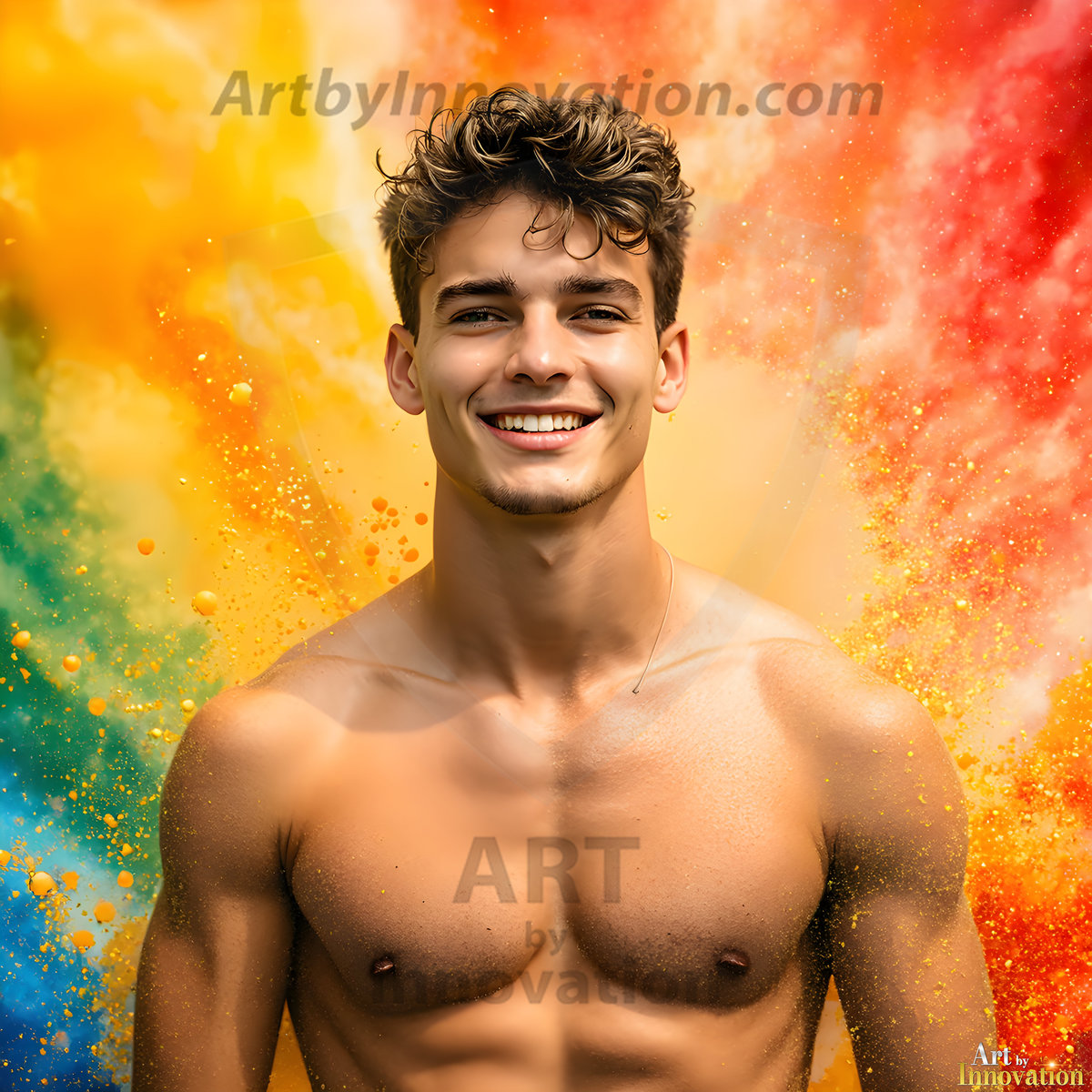
The colors of the LGBTQ+ Pride flags are designed to celebrate the diversity of human experience, visibility, and hope, with each shade representing a specific value that honors the LGBTQ+ community. Created in 1978 by artist Gilbert Baker, the rainbow flag has evolved to include more inclusive colors, showcasing how variety in identity makes individuals uniquely themselves. Meanings Behind the Colors, Red (Life): Represents the vitality and passion of LGBTQ+ people. Orange (Healing): Symbolizes the healing power within the community, often in the face of adversity. Yellow (Sunlight): Signifies the brightness and joy of being true to oneself. Green (Nature): Represents a connection to nature, the environment, and prosperity. Blue/Indigo (Serenity/Harmony): Symbolizes serenity, calm, and inner strength found in living one's truth. Violet/Purple (Spirit): Represents the spirit, strength, and resilience of the community.
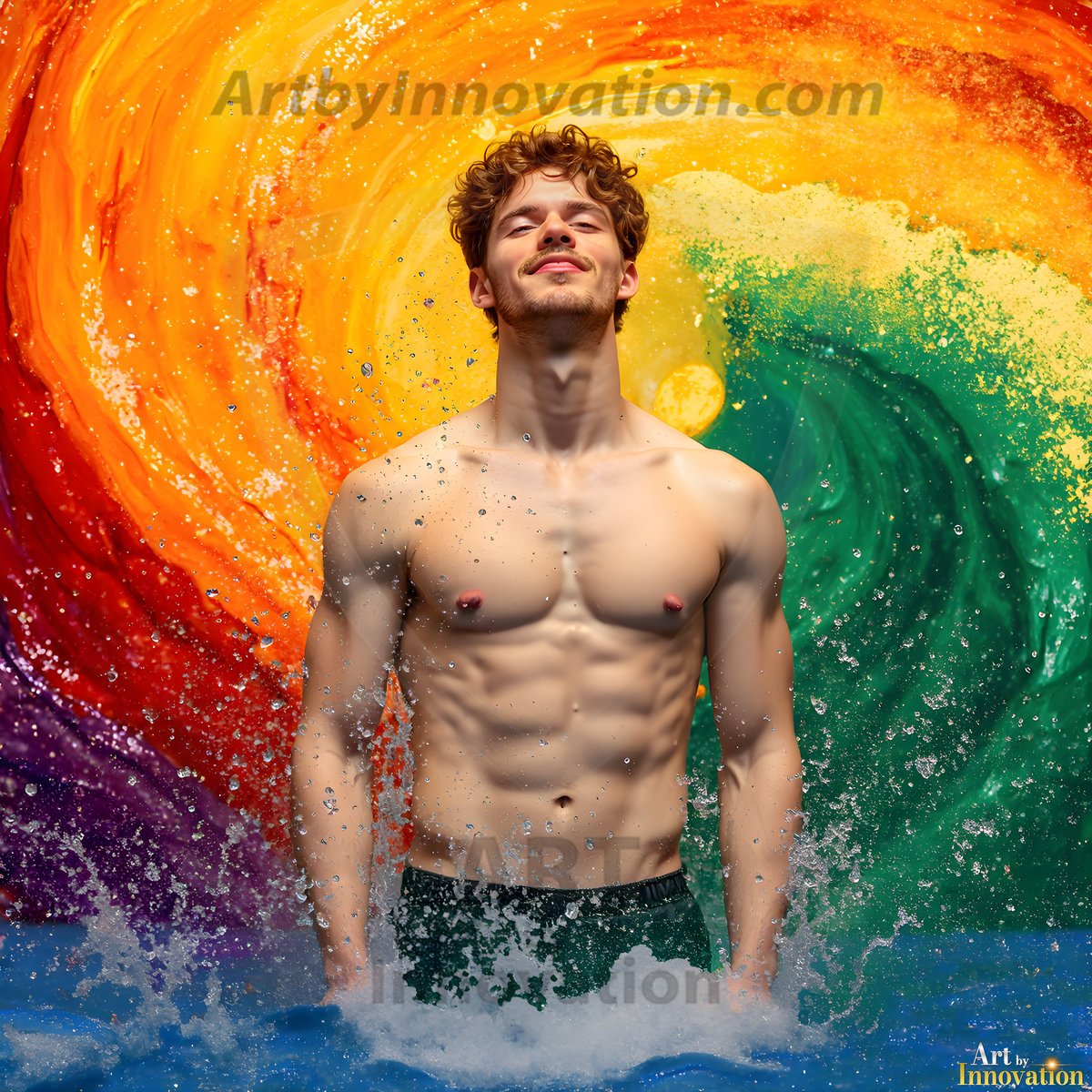
The colors of the LGBTQ+ Pride flags are designed to celebrate the diversity of human experience, visibility, and hope, with each shade representing a specific value that honors the LGBTQ+ community. Created in 1978 by artist Gilbert Baker, the rainbow flag has evolved to include more inclusive colors, showcasing how variety in identity makes individuals uniquely themselves. Meanings Behind the Colors, Red (Life): Represents the vitality and passion of LGBTQ+ people. Orange (Healing): Symbolizes the healing power within the community, often in the face of adversity. Yellow (Sunlight): Signifies the brightness and joy of being true to oneself. Green (Nature): Represents a connection to nature, the environment, and prosperity. Blue/Indigo (Serenity/Harmony): Symbolizes serenity, calm, and inner strength found in living one's truth. Violet/Purple (Spirit): Represents the spirit, strength, and resilience of the community.
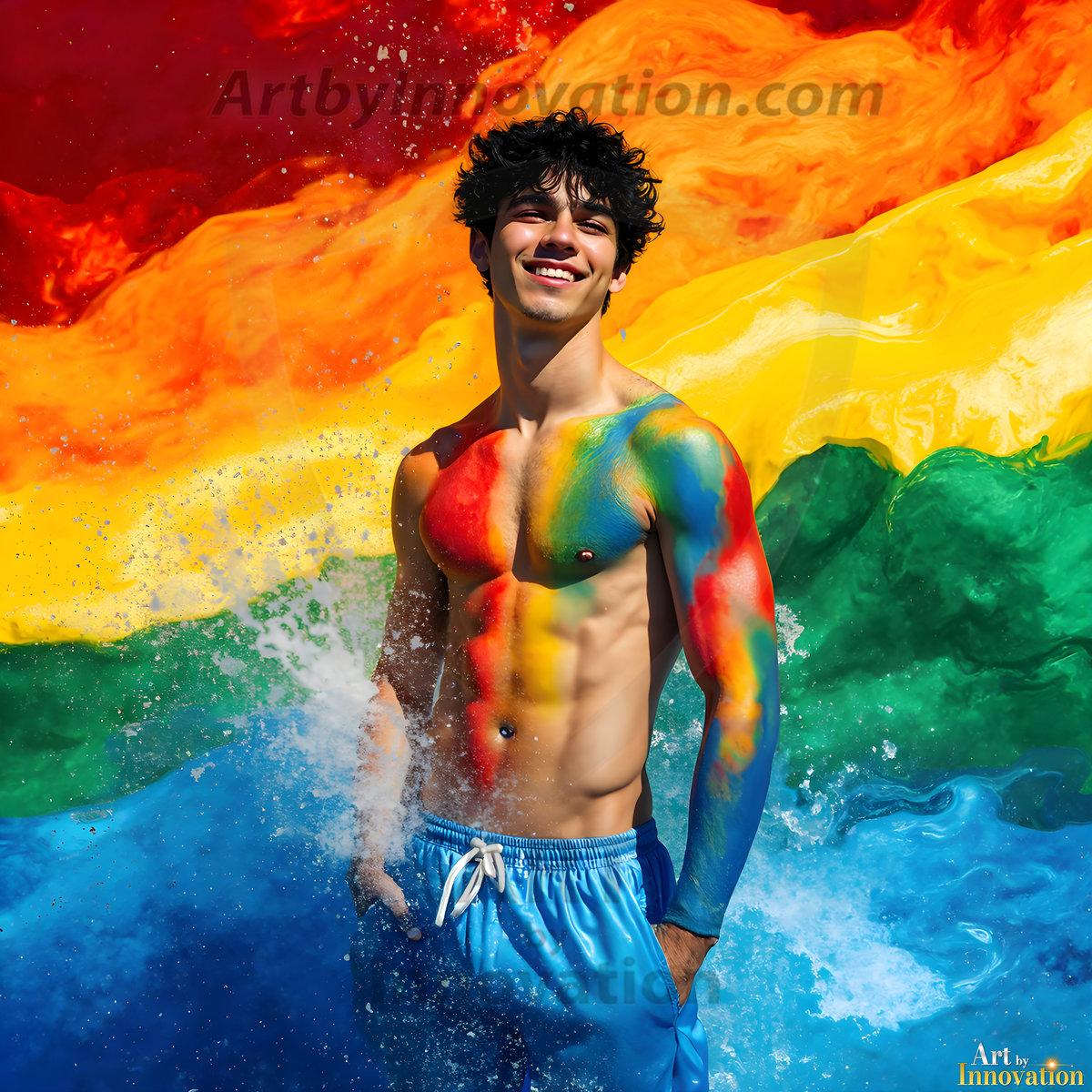
The colors of the LGBTQ+ Pride flags are designed to celebrate the diversity of human experience, visibility, and hope, with each shade representing a specific value that honors the LGBTQ+ community. Created in 1978 by artist Gilbert Baker, the rainbow flag has evolved to include more inclusive colors, showcasing how variety in identity makes individuals uniquely themselves. Meanings Behind the Colors, Red (Life): Represents the vitality and passion of LGBTQ+ people. Orange (Healing): Symbolizes the healing power within the community, often in the face of adversity. Yellow (Sunlight): Signifies the brightness and joy of being true to oneself. Green (Nature): Represents a connection to nature, the environment, and prosperity. Blue/Indigo (Serenity/Harmony): Symbolizes serenity, calm, and inner strength found in living one's truth. Violet/Purple (Spirit): Represents the spirit, strength, and resilience of the community.
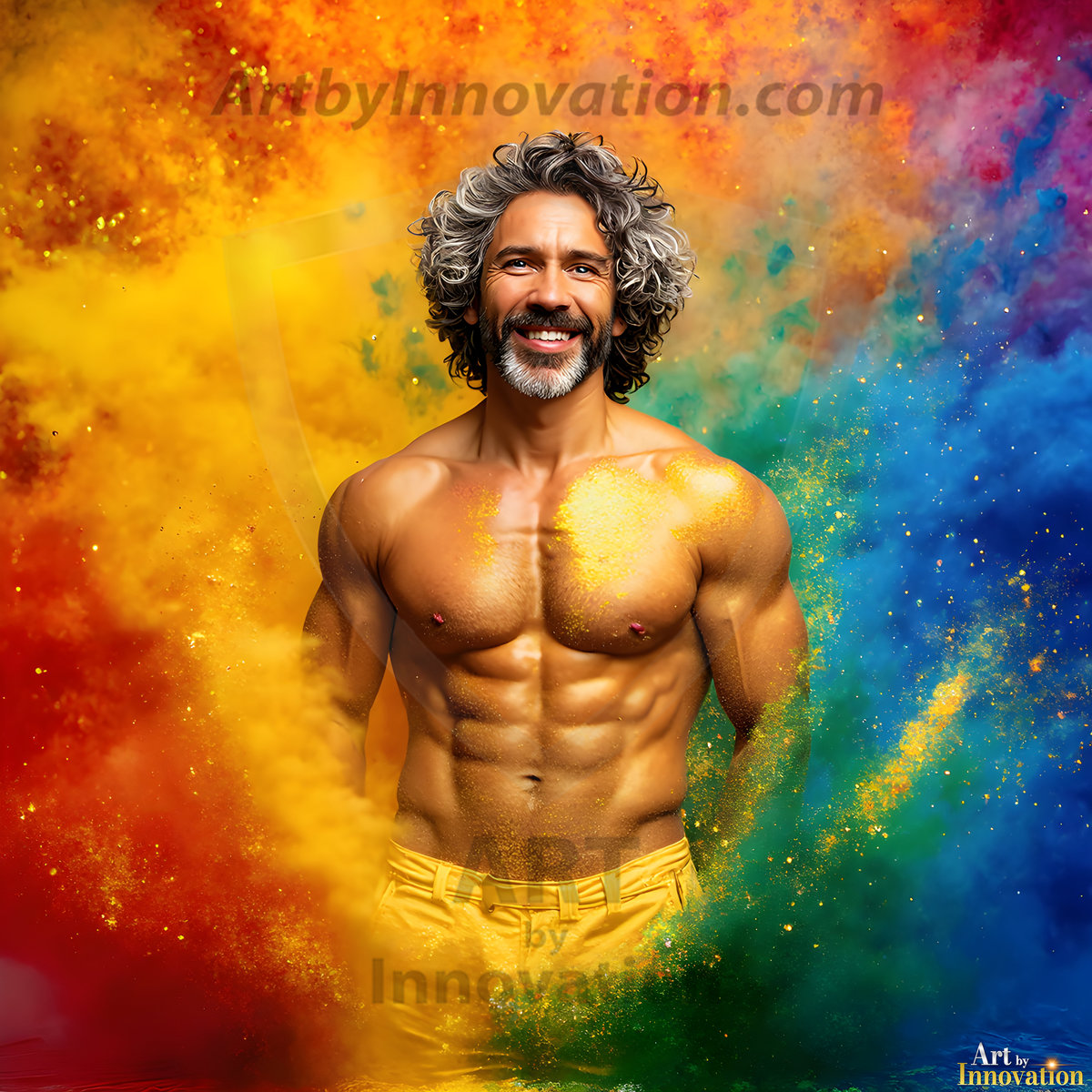
The colors of the LGBTQ+ Pride flags are designed to celebrate the diversity of human experience, visibility, and hope, with each shade representing a specific value that honors the LGBTQ+ community. Created in 1978 by artist Gilbert Baker, the rainbow flag has evolved to include more inclusive colors, showcasing how variety in identity makes individuals uniquely themselves. Meanings Behind the Colors, Red (Life): Represents the vitality and passion of LGBTQ+ people. Orange (Healing): Symbolizes the healing power within the community, often in the face of adversity. Yellow (Sunlight): Signifies the brightness and joy of being true to oneself. Green (Nature): Represents a connection to nature, the environment, and prosperity. Blue/Indigo (Serenity/Harmony): Symbolizes serenity, calm, and inner strength found in living one's truth. Violet/Purple (Spirit): Represents the spirit, strength, and resilience of the community.
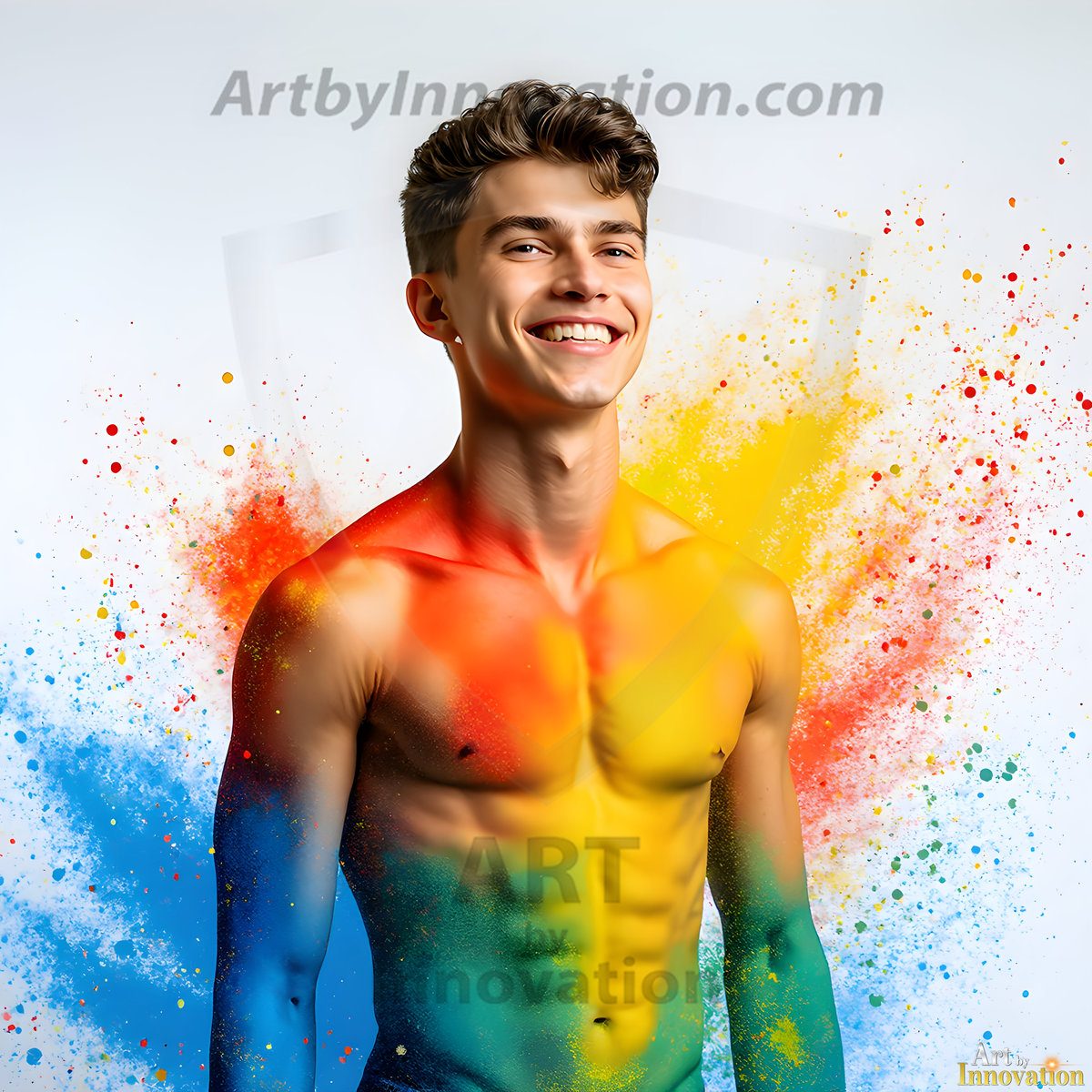
The colors of the LGBTQ+ Pride flags are designed to celebrate the diversity of human experience, visibility, and hope, with each shade representing a specific value that honors the LGBTQ+ community. Created in 1978 by artist Gilbert Baker, the rainbow flag has evolved to include more inclusive colors, showcasing how variety in identity makes individuals uniquely themselves. Meanings Behind the Colors, Red (Life): Represents the vitality and passion of LGBTQ+ people. Orange (Healing): Symbolizes the healing power within the community, often in the face of adversity. Yellow (Sunlight): Signifies the brightness and joy of being true to oneself. Green (Nature): Represents a connection to nature, the environment, and prosperity. Blue/Indigo (Serenity/Harmony): Symbolizes serenity, calm, and inner strength found in living one's truth. Violet/Purple (Spirit): Represents the spirit, strength, and resilience of the community.
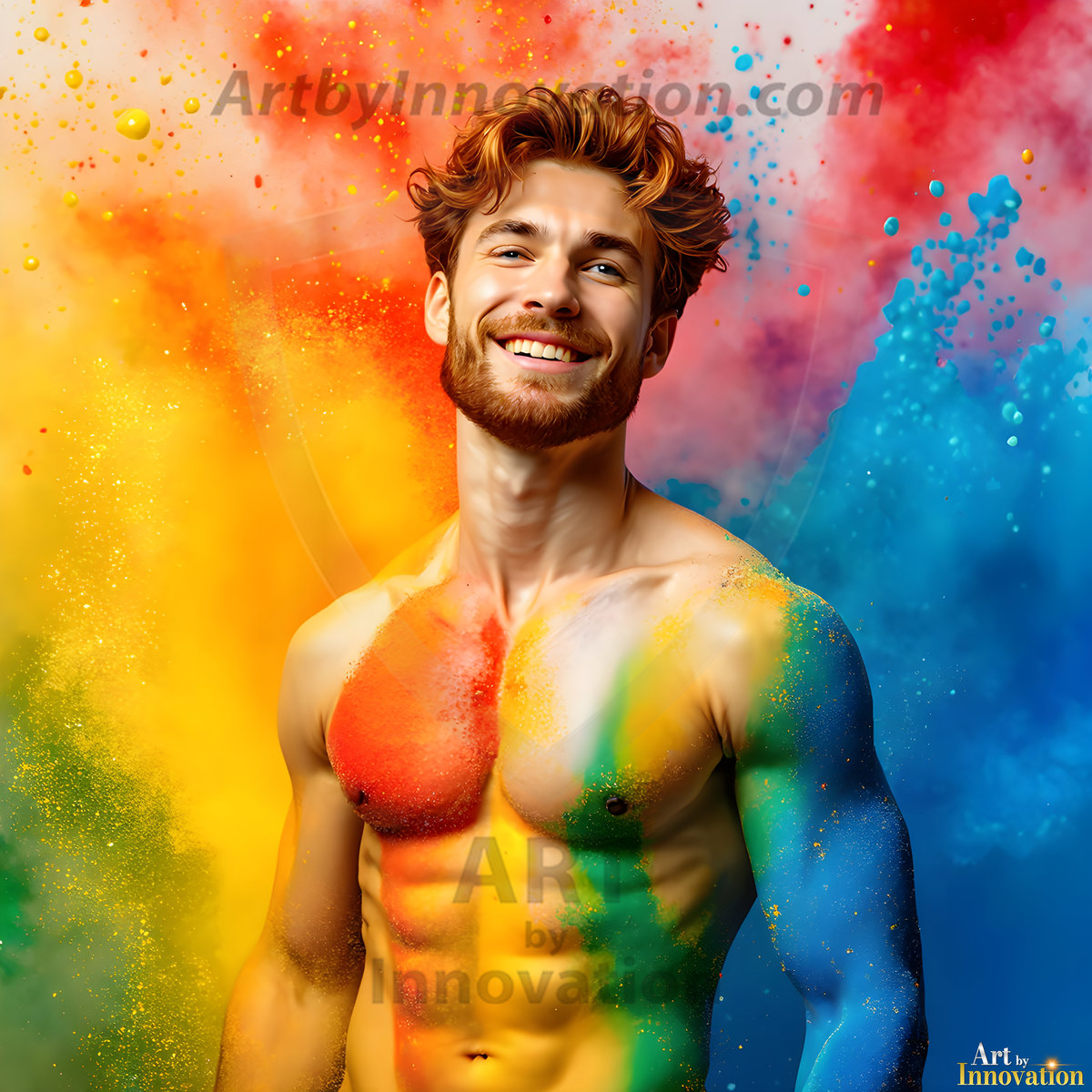
The colors of the LGBTQ+ Pride flags are designed to celebrate the diversity of human experience, visibility, and hope, with each shade representing a specific value that honors the LGBTQ+ community. Created in 1978 by artist Gilbert Baker, the rainbow flag has evolved to include more inclusive colors, showcasing how variety in identity makes individuals uniquely themselves. Meanings Behind the Colors, Red (Life): Represents the vitality and passion of LGBTQ+ people. Orange (Healing): Symbolizes the healing power within the community, often in the face of adversity. Yellow (Sunlight): Signifies the brightness and joy of being true to oneself. Green (Nature): Represents a connection to nature, the environment, and prosperity. Blue/Indigo (Serenity/Harmony): Symbolizes serenity, calm, and inner strength found in living one's truth. Violet/Purple (Spirit): Represents the spirit, strength, and resilience of the community.
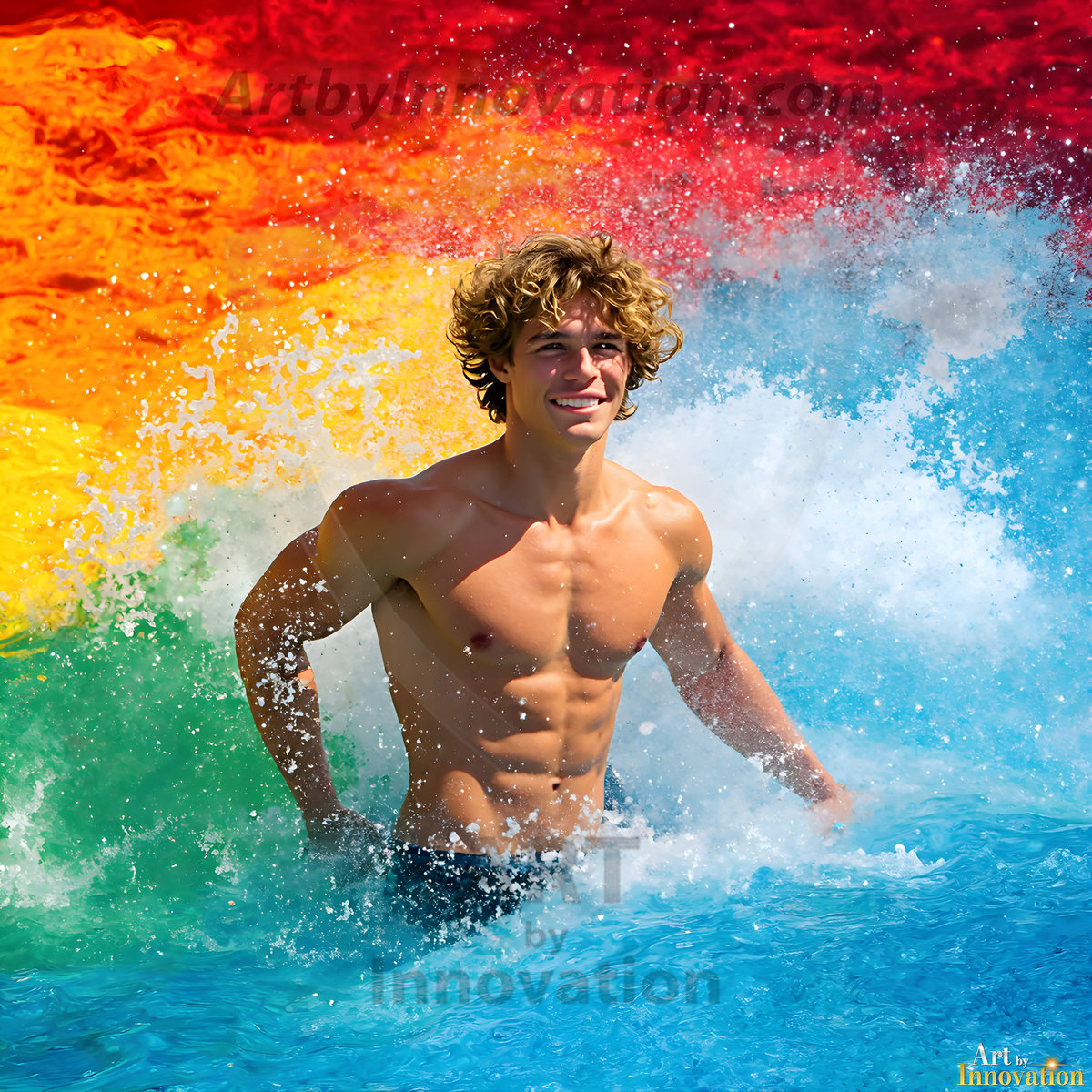
The colors of the LGBTQ+ Pride flags are designed to celebrate the diversity of human experience, visibility, and hope, with each shade representing a specific value that honors the LGBTQ+ community. Created in 1978 by artist Gilbert Baker, the rainbow flag has evolved to include more inclusive colors, showcasing how variety in identity makes individuals uniquely themselves. Meanings Behind the Colors, Red (Life): Represents the vitality and passion of LGBTQ+ people. Orange (Healing): Symbolizes the healing power within the community, often in the face of adversity. Yellow (Sunlight): Signifies the brightness and joy of being true to oneself. Green (Nature): Represents a connection to nature, the environment, and prosperity. Blue/Indigo (Serenity/Harmony): Symbolizes serenity, calm, and inner strength found in living one's truth. Violet/Purple (Spirit): Represents the spirit, strength, and resilience of the community.
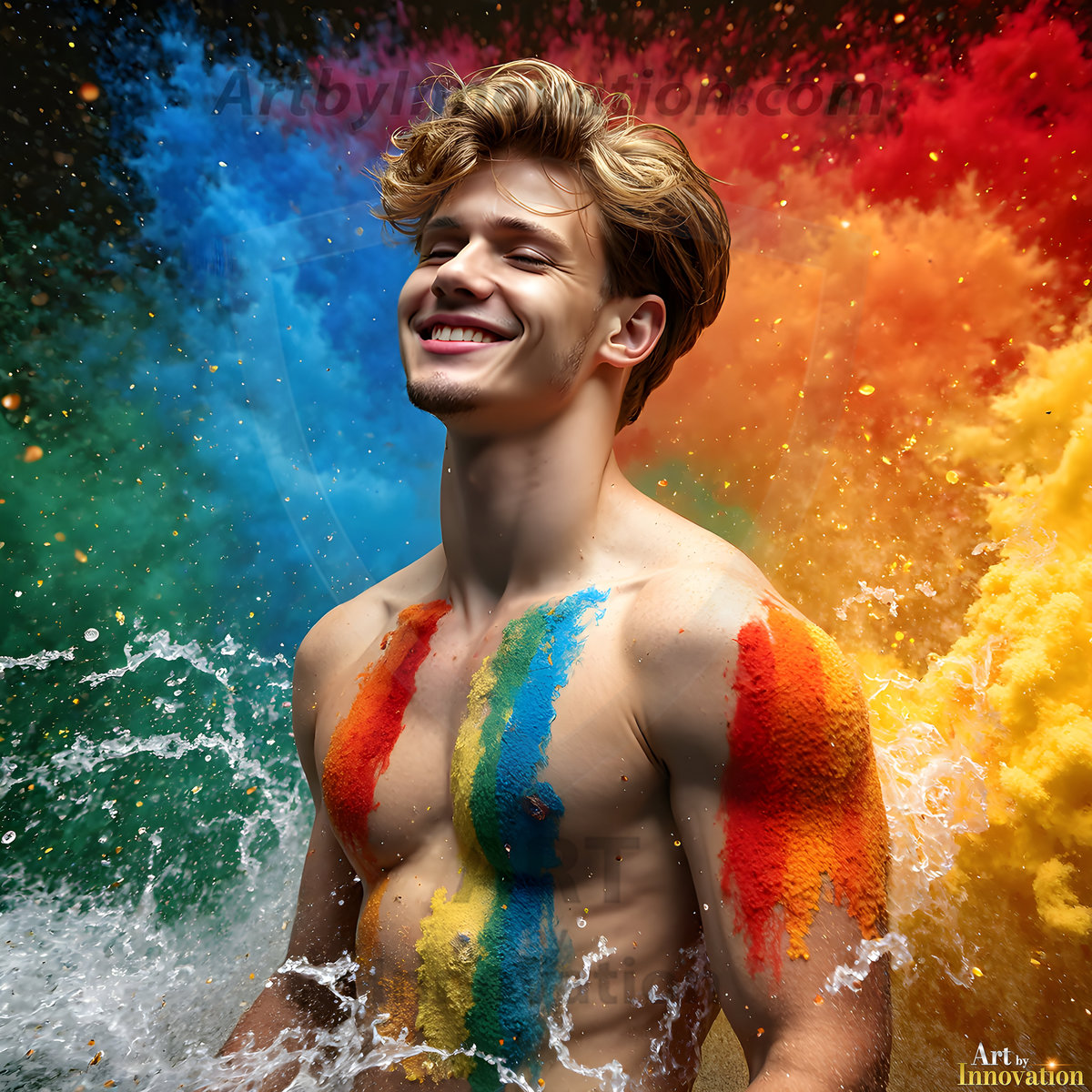
The colors of the LGBTQ+ Pride flags are designed to celebrate the diversity of human experience, visibility, and hope, with each shade representing a specific value that honors the LGBTQ+ community. Created in 1978 by artist Gilbert Baker, the rainbow flag has evolved to include more inclusive colors, showcasing how variety in identity makes individuals uniquely themselves. Meanings Behind the Colors, Red (Life): Represents the vitality and passion of LGBTQ+ people. Orange (Healing): Symbolizes the healing power within the community, often in the face of adversity. Yellow (Sunlight): Signifies the brightness and joy of being true to oneself. Green (Nature): Represents a connection to nature, the environment, and prosperity. Blue/Indigo (Serenity/Harmony): Symbolizes serenity, calm, and inner strength found in living one's truth. Violet/Purple (Spirit): Represents the spirit, strength, and resilience of the community.
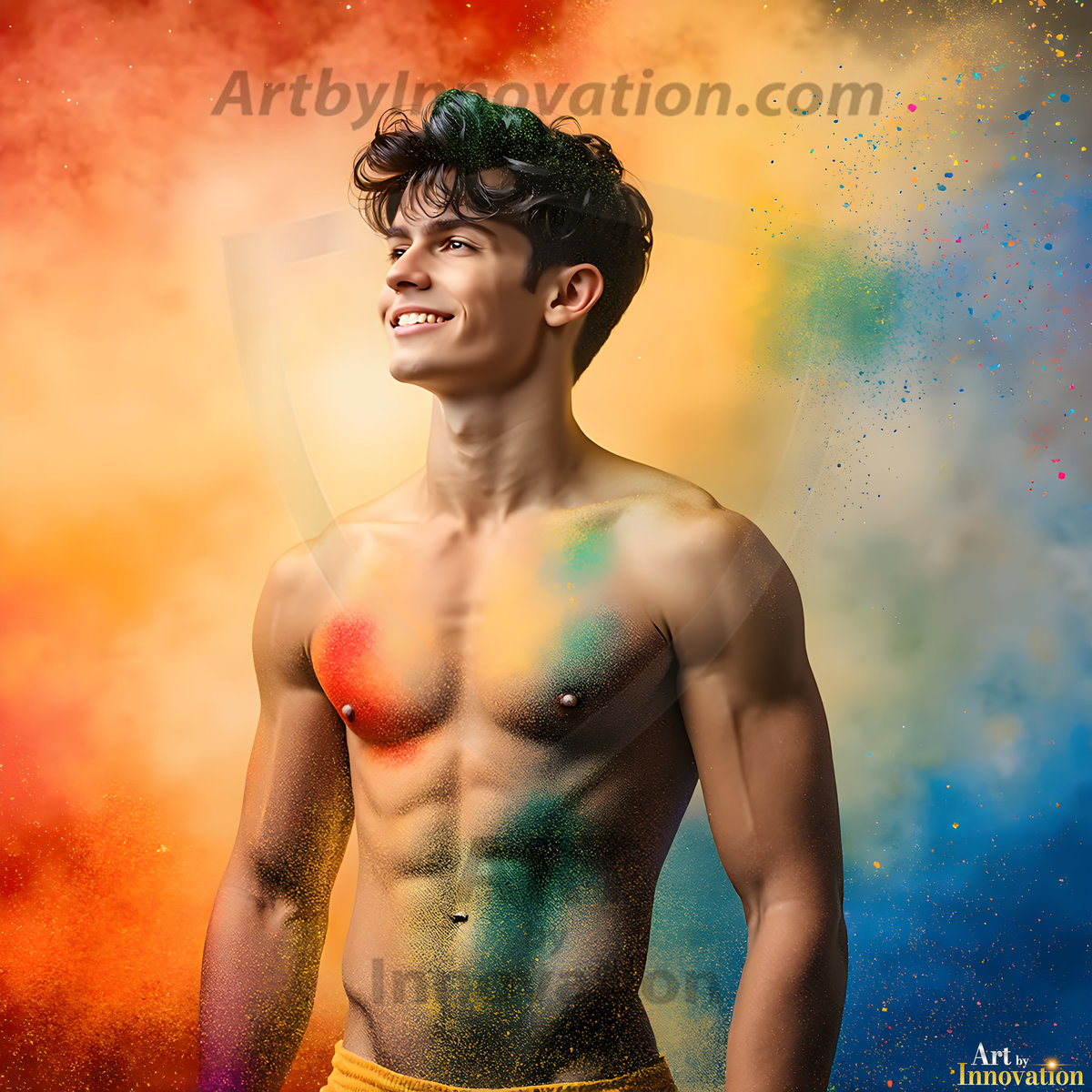
The colors of the LGBTQ+ Pride flags are designed to celebrate the diversity of human experience, visibility, and hope, with each shade representing a specific value that honors the LGBTQ+ community. Created in 1978 by artist Gilbert Baker, the rainbow flag has evolved to include more inclusive colors, showcasing how variety in identity makes individuals uniquely themselves. Meanings Behind the Colors, Red (Life): Represents the vitality and passion of LGBTQ+ people. Orange (Healing): Symbolizes the healing power within the community, often in the face of adversity. Yellow (Sunlight): Signifies the brightness and joy of being true to oneself. Green (Nature): Represents a connection to nature, the environment, and prosperity. Blue/Indigo (Serenity/Harmony): Symbolizes serenity, calm, and inner strength found in living one's truth. Violet/Purple (Spirit): Represents the spirit, strength, and resilience of the community.
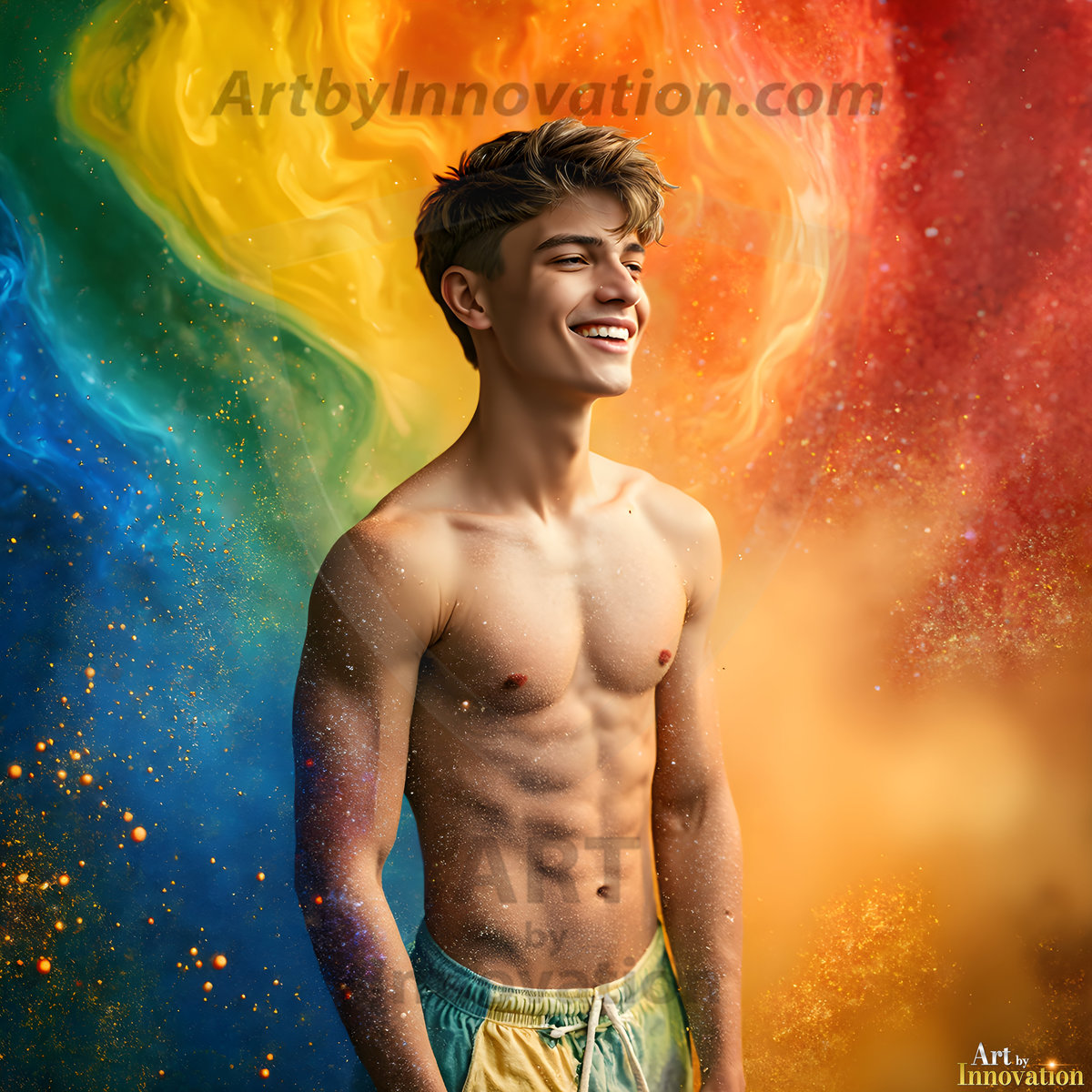
The colors of the LGBTQ+ Pride flags are designed to celebrate the diversity of human experience, visibility, and hope, with each shade representing a specific value that honors the LGBTQ+ community. Created in 1978 by artist Gilbert Baker, the rainbow flag has evolved to include more inclusive colors, showcasing how variety in identity makes individuals uniquely themselves. Meanings Behind the Colors, Red (Life): Represents the vitality and passion of LGBTQ+ people. Orange (Healing): Symbolizes the healing power within the community, often in the face of adversity. Yellow (Sunlight): Signifies the brightness and joy of being true to oneself. Green (Nature): Represents a connection to nature, the environment, and prosperity. Blue/Indigo (Serenity/Harmony): Symbolizes serenity, calm, and inner strength found in living one's truth. Violet/Purple (Spirit): Represents the spirit, strength, and resilience of the community.

The colors of the LGBTQ+ Pride flags are designed to celebrate the diversity of human experience, visibility, and hope, with each shade representing a specific value that honors the LGBTQ+ community. Created in 1978 by artist Gilbert Baker, the rainbow flag has evolved to include more inclusive colors, showcasing how variety in identity makes individuals uniquely themselves. Meanings Behind the Colors, Red (Life): Represents the vitality and passion of LGBTQ+ people. Orange (Healing): Symbolizes the healing power within the community, often in the face of adversity. Yellow (Sunlight): Signifies the brightness and joy of being true to oneself. Green (Nature): Represents a connection to nature, the environment, and prosperity. Blue/Indigo (Serenity/Harmony): Symbolizes serenity, calm, and inner strength found in living one's truth. Violet/Purple (Spirit): Represents the spirit, strength, and resilience of the community.

The colors of the LGBTQ+ Pride flags are designed to celebrate the diversity of human experience, visibility, and hope, with each shade representing a specific value that honors the LGBTQ+ community. Created in 1978 by artist Gilbert Baker, the rainbow flag has evolved to include more inclusive colors, showcasing how variety in identity makes individuals uniquely themselves. Meanings Behind the Colors, Red (Life): Represents the vitality and passion of LGBTQ+ people. Orange (Healing): Symbolizes the healing power within the community, often in the face of adversity. Yellow (Sunlight): Signifies the brightness and joy of being true to oneself. Green (Nature): Represents a connection to nature, the environment, and prosperity. Blue/Indigo (Serenity/Harmony): Symbolizes serenity, calm, and inner strength found in living one's truth. Violet/Purple (Spirit): Represents the spirit, strength, and resilience of the community.

The colors of the LGBTQ+ Pride flags are designed to celebrate the diversity of human experience, visibility, and hope, with each shade representing a specific value that honors the LGBTQ+ community. Created in 1978 by artist Gilbert Baker, the rainbow flag has evolved to include more inclusive colors, showcasing how variety in identity makes individuals uniquely themselves. Meanings Behind the Colors, Red (Life): Represents the vitality and passion of LGBTQ+ people. Orange (Healing): Symbolizes the healing power within the community, often in the face of adversity. Yellow (Sunlight): Signifies the brightness and joy of being true to oneself. Green (Nature): Represents a connection to nature, the environment, and prosperity. Blue/Indigo (Serenity/Harmony): Symbolizes serenity, calm, and inner strength found in living one's truth. Violet/Purple (Spirit): Represents the spirit, strength, and resilience of the community.
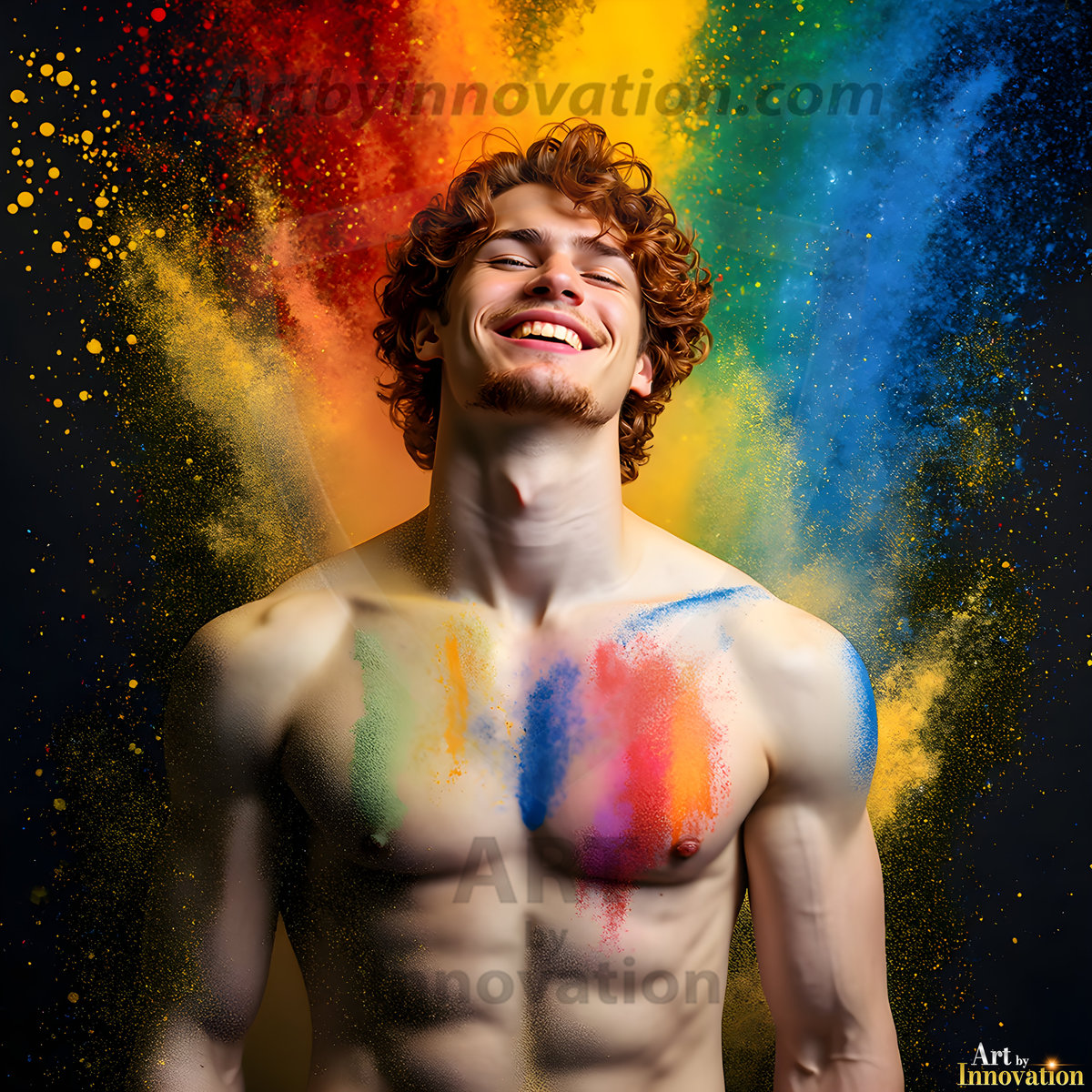
The colors of the LGBTQ+ Pride flags are designed to celebrate the diversity of human experience, visibility, and hope, with each shade representing a specific value that honors the LGBTQ+ community. Created in 1978 by artist Gilbert Baker, the rainbow flag has evolved to include more inclusive colors, showcasing how variety in identity makes individuals uniquely themselves. Meanings Behind the Colors, Red (Life): Represents the vitality and passion of LGBTQ+ people. Orange (Healing): Symbolizes the healing power within the community, often in the face of adversity. Yellow (Sunlight): Signifies the brightness and joy of being true to oneself. Green (Nature): Represents a connection to nature, the environment, and prosperity. Blue/Indigo (Serenity/Harmony): Symbolizes serenity, calm, and inner strength found in living one's truth. Violet/Purple (Spirit): Represents the spirit, strength, and resilience of the community.
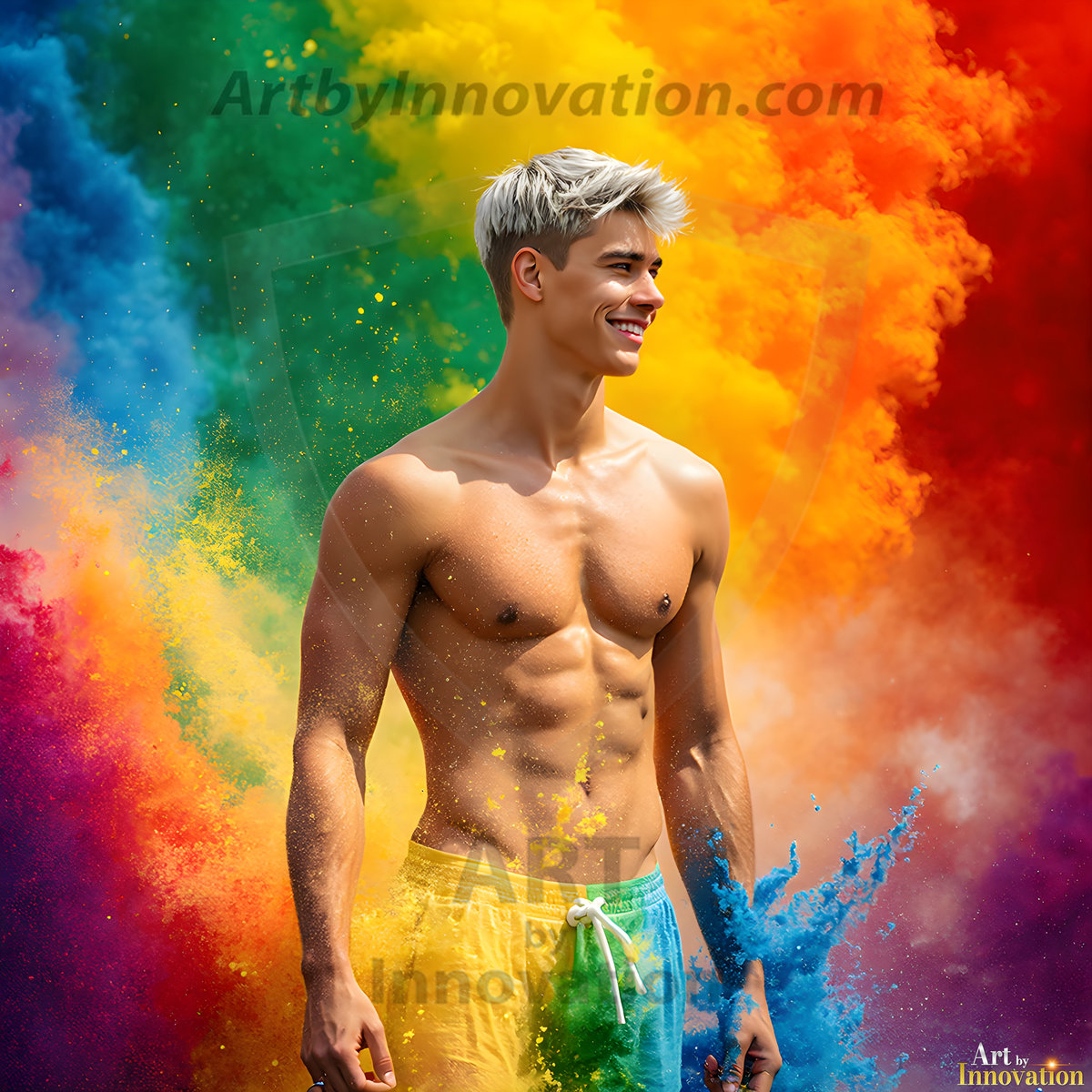
The colors of the LGBTQ+ Pride flags are designed to celebrate the diversity of human experience, visibility, and hope, with each shade representing a specific value that honors the LGBTQ+ community. Created in 1978 by artist Gilbert Baker, the rainbow flag has evolved to include more inclusive colors, showcasing how variety in identity makes individuals uniquely themselves. Meanings Behind the Colors, Red (Life): Represents the vitality and passion of LGBTQ+ people. Orange (Healing): Symbolizes the healing power within the community, often in the face of adversity. Yellow (Sunlight): Signifies the brightness and joy of being true to oneself. Green (Nature): Represents a connection to nature, the environment, and prosperity. Blue/Indigo (Serenity/Harmony): Symbolizes serenity, calm, and inner strength found in living one's truth. Violet/Purple (Spirit): Represents the spirit, strength, and resilience of the community.
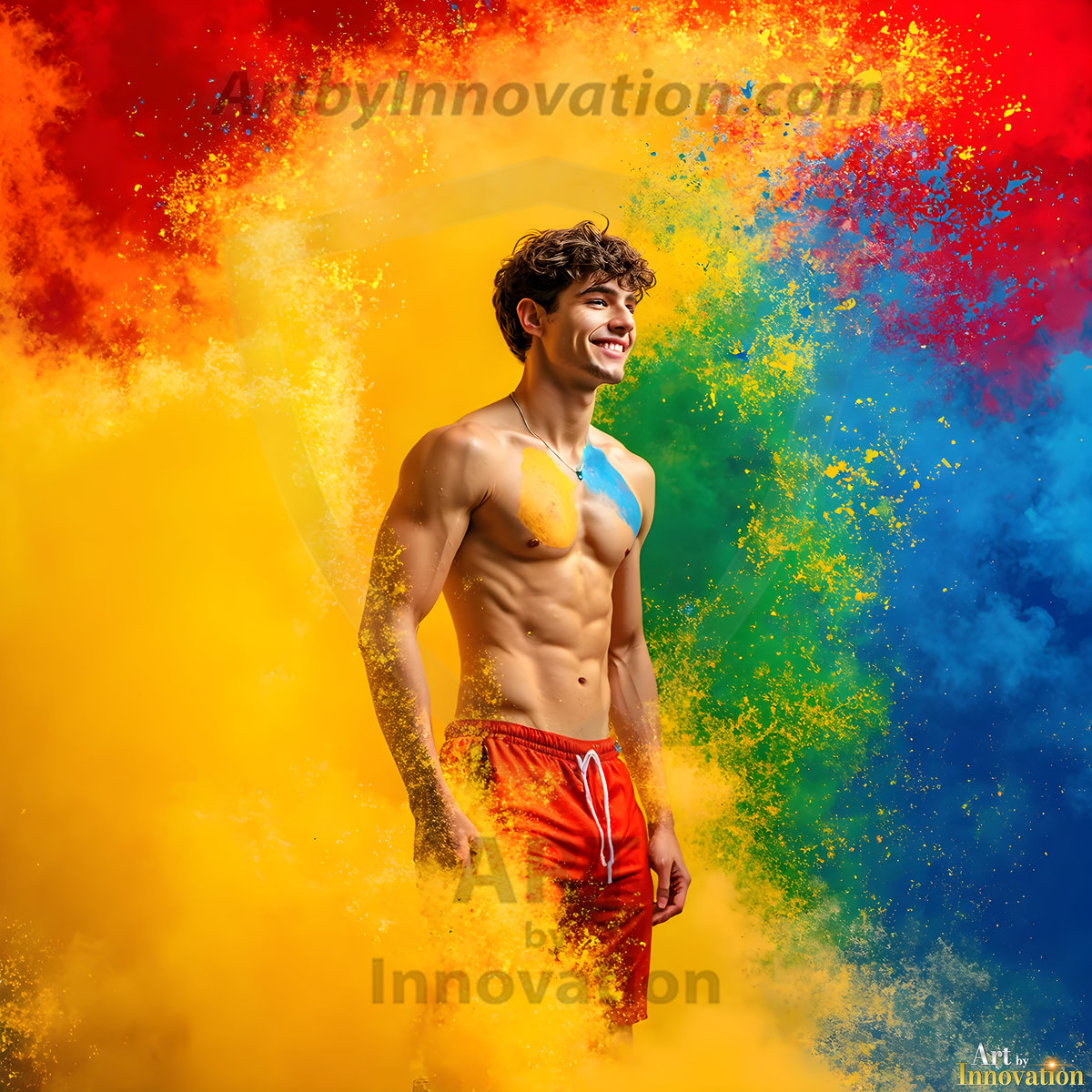
The colors of the LGBTQ+ Pride flags are designed to celebrate the diversity of human experience, visibility, and hope, with each shade representing a specific value that honors the LGBTQ+ community. Created in 1978 by artist Gilbert Baker, the rainbow flag has evolved to include more inclusive colors, showcasing how variety in identity makes individuals uniquely themselves. Meanings Behind the Colors, Red (Life): Represents the vitality and passion of LGBTQ+ people. Orange (Healing): Symbolizes the healing power within the community, often in the face of adversity. Yellow (Sunlight): Signifies the brightness and joy of being true to oneself. Green (Nature): Represents a connection to nature, the environment, and prosperity. Blue/Indigo (Serenity/Harmony): Symbolizes serenity, calm, and inner strength found in living one's truth. Violet/Purple (Spirit): Represents the spirit, strength, and resilience of the community.

The colors of the LGBTQ+ Pride flags are designed to celebrate the diversity of human experience, visibility, and hope, with each shade representing a specific value that honors the LGBTQ+ community. Created in 1978 by artist Gilbert Baker, the rainbow flag has evolved to include more inclusive colors, showcasing how variety in identity makes individuals uniquely themselves. Meanings Behind the Colors, Red (Life): Represents the vitality and passion of LGBTQ+ people. Orange (Healing): Symbolizes the healing power within the community, often in the face of adversity. Yellow (Sunlight): Signifies the brightness and joy of being true to oneself. Green (Nature): Represents a connection to nature, the environment, and prosperity. Blue/Indigo (Serenity/Harmony): Symbolizes serenity, calm, and inner strength found in living one's truth. Violet/Purple (Spirit): Represents the spirit, strength, and resilience of the community.
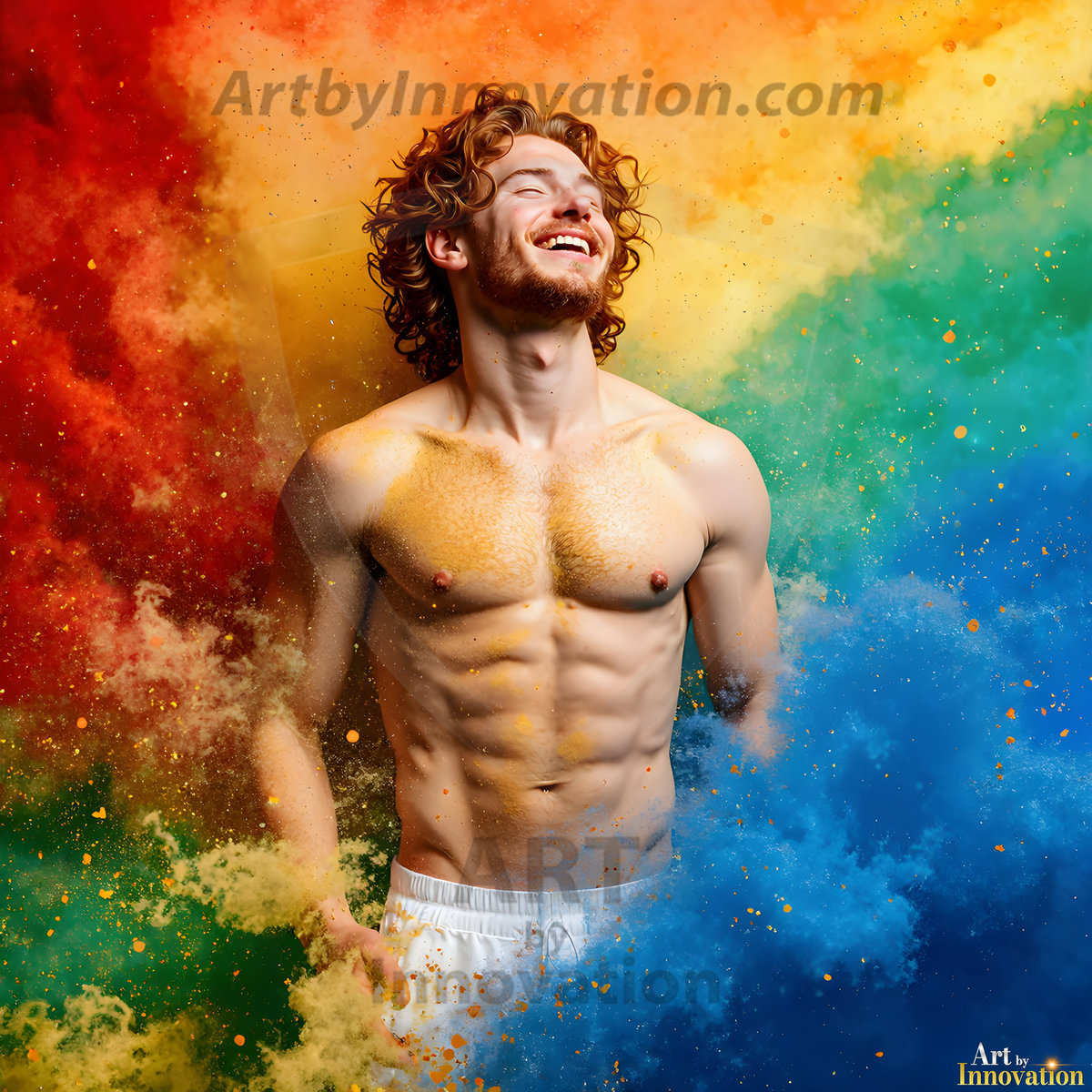
The colors of the LGBTQ+ Pride flags are designed to celebrate the diversity of human experience, visibility, and hope, with each shade representing a specific value that honors the LGBTQ+ community. Created in 1978 by artist Gilbert Baker, the rainbow flag has evolved to include more inclusive colors, showcasing how variety in identity makes individuals uniquely themselves. Meanings Behind the Colors, Red (Life): Represents the vitality and passion of LGBTQ+ people. Orange (Healing): Symbolizes the healing power within the community, often in the face of adversity. Yellow (Sunlight): Signifies the brightness and joy of being true to oneself. Green (Nature): Represents a connection to nature, the environment, and prosperity. Blue/Indigo (Serenity/Harmony): Symbolizes serenity, calm, and inner strength found in living one's truth. Violet/Purple (Spirit): Represents the spirit, strength, and resilience of the community.
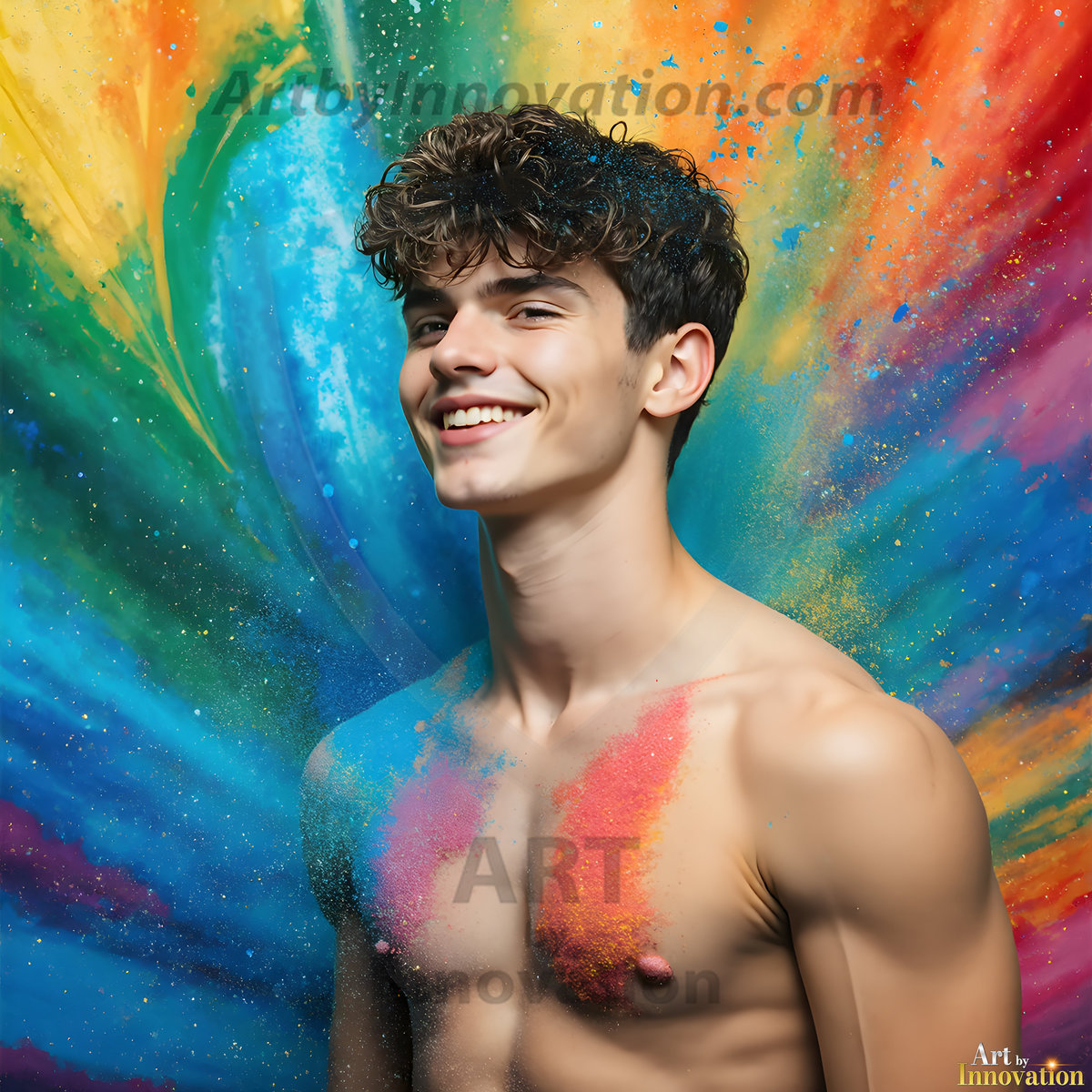
The colors of the LGBTQ+ Pride flags are designed to celebrate the diversity of human experience, visibility, and hope, with each shade representing a specific value that honors the LGBTQ+ community. Created in 1978 by artist Gilbert Baker, the rainbow flag has evolved to include more inclusive colors, showcasing how variety in identity makes individuals uniquely themselves. Meanings Behind the Colors, Red (Life): Represents the vitality and passion of LGBTQ+ people. Orange (Healing): Symbolizes the healing power within the community, often in the face of adversity. Yellow (Sunlight): Signifies the brightness and joy of being true to oneself. Green (Nature): Represents a connection to nature, the environment, and prosperity. Blue/Indigo (Serenity/Harmony): Symbolizes serenity, calm, and inner strength found in living one's truth. Violet/Purple (Spirit): Represents the spirit, strength, and resilience of the community.
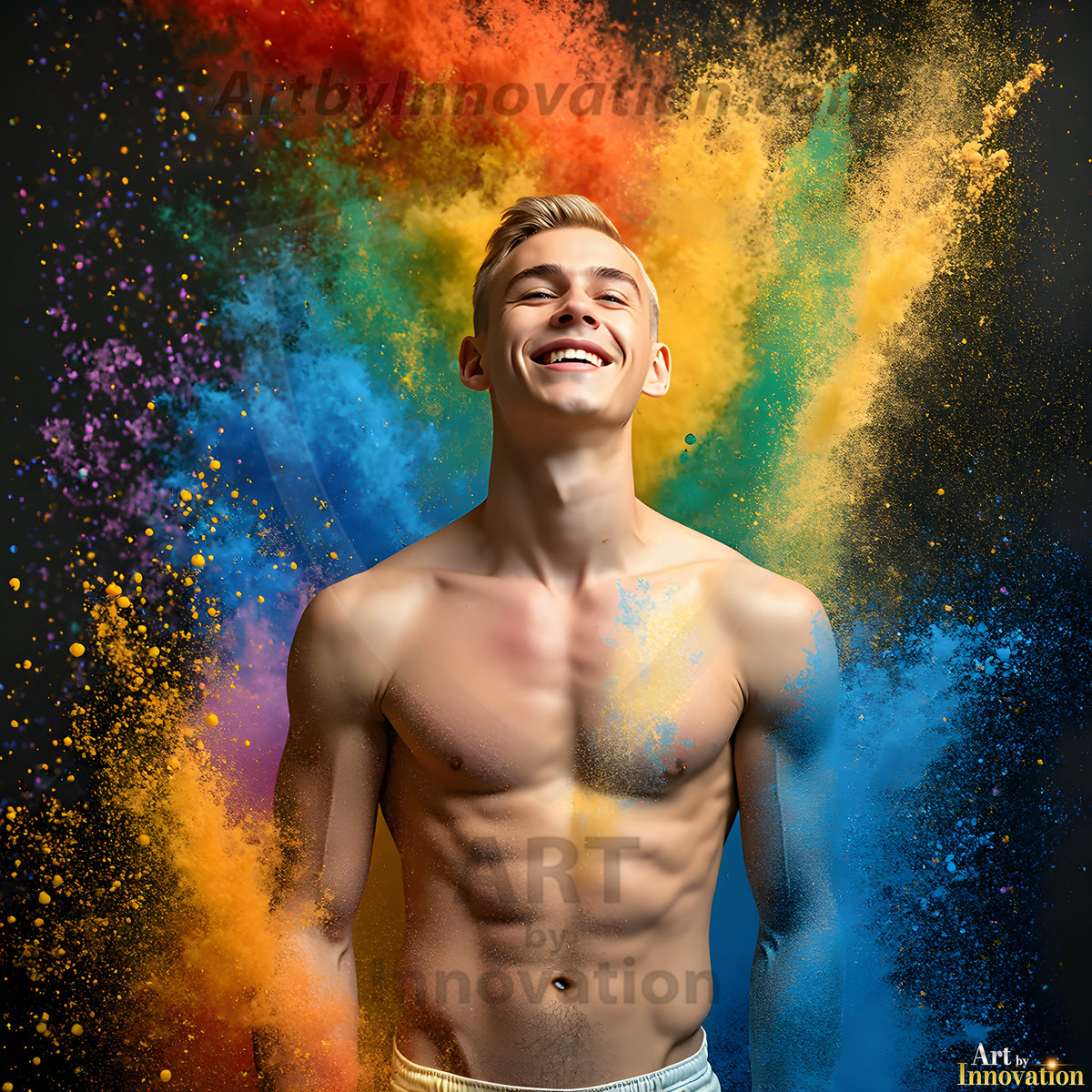
The colors of the LGBTQ+ Pride flags are designed to celebrate the diversity of human experience, visibility, and hope, with each shade representing a specific value that honors the LGBTQ+ community. Created in 1978 by artist Gilbert Baker, the rainbow flag has evolved to include more inclusive colors, showcasing how variety in identity makes individuals uniquely themselves. Meanings Behind the Colors, Red (Life): Represents the vitality and passion of LGBTQ+ people. Orange (Healing): Symbolizes the healing power within the community, often in the face of adversity. Yellow (Sunlight): Signifies the brightness and joy of being true to oneself. Green (Nature): Represents a connection to nature, the environment, and prosperity. Blue/Indigo (Serenity/Harmony): Symbolizes serenity, calm, and inner strength found in living one's truth. Violet/Purple (Spirit): Represents the spirit, strength, and resilience of the community.
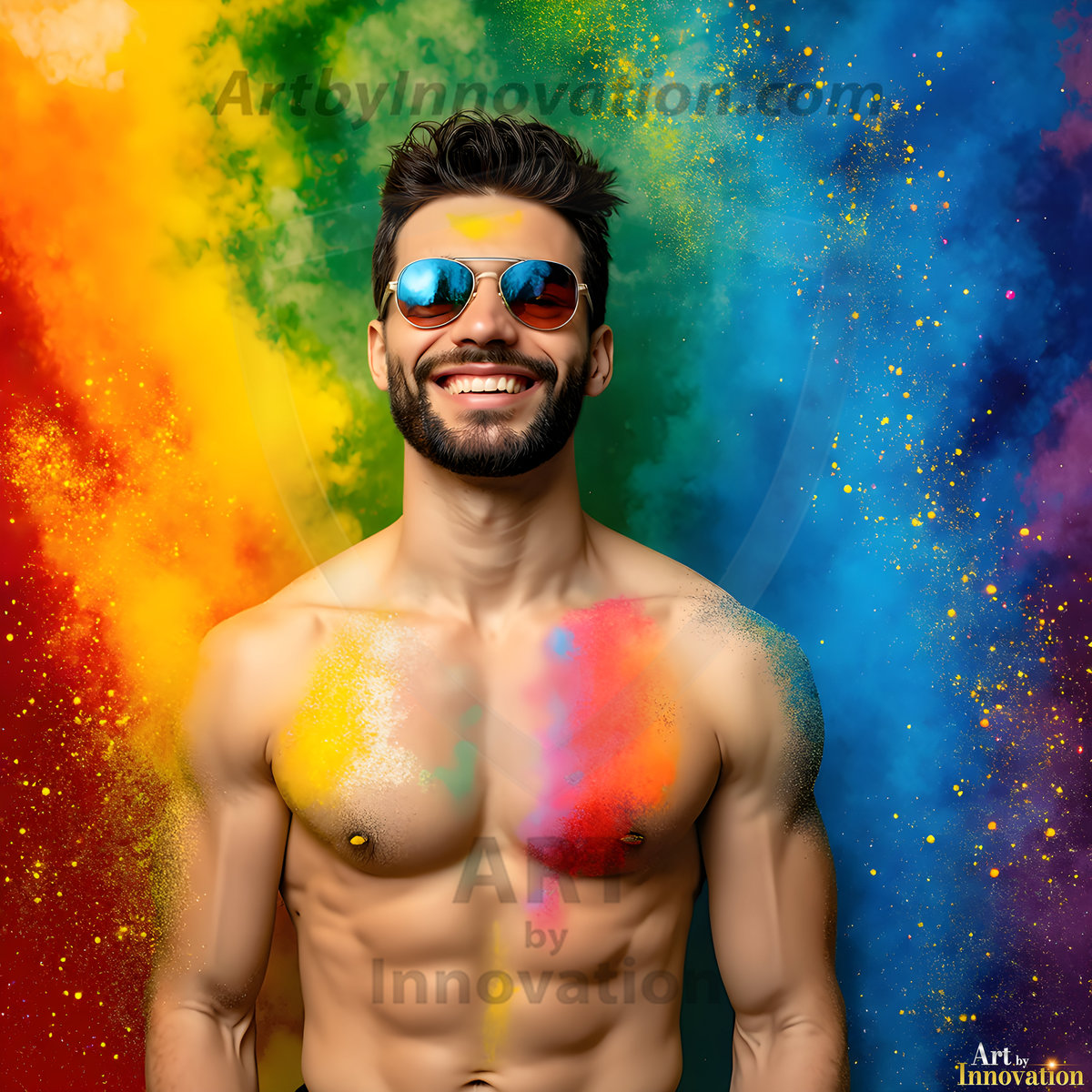
The colors of the LGBTQ+ Pride flags are designed to celebrate the diversity of human experience, visibility, and hope, with each shade representing a specific value that honors the LGBTQ+ community. Created in 1978 by artist Gilbert Baker, the rainbow flag has evolved to include more inclusive colors, showcasing how variety in identity makes individuals uniquely themselves. Meanings Behind the Colors, Red (Life): Represents the vitality and passion of LGBTQ+ people. Orange (Healing): Symbolizes the healing power within the community, often in the face of adversity. Yellow (Sunlight): Signifies the brightness and joy of being true to oneself. Green (Nature): Represents a connection to nature, the environment, and prosperity. Blue/Indigo (Serenity/Harmony): Symbolizes serenity, calm, and inner strength found in living one's truth. Violet/Purple (Spirit): Represents the spirit, strength, and resilience of the community.
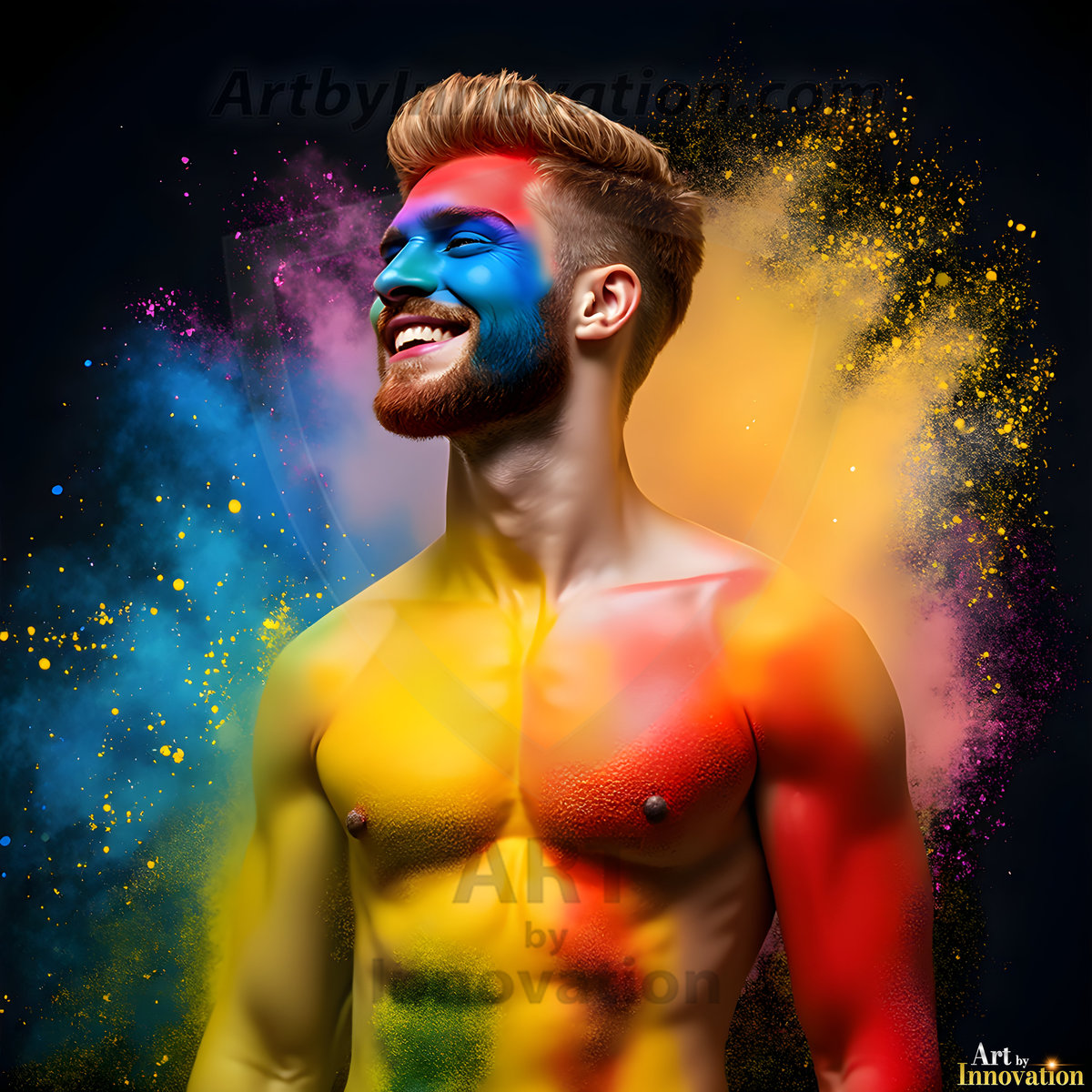
The colors of the LGBTQ+ Pride flags are designed to celebrate the diversity of human experience, visibility, and hope, with each shade representing a specific value that honors the LGBTQ+ community. Created in 1978 by artist Gilbert Baker, the rainbow flag has evolved to include more inclusive colors, showcasing how variety in identity makes individuals uniquely themselves. Meanings Behind the Colors, Red (Life): Represents the vitality and passion of LGBTQ+ people. Orange (Healing): Symbolizes the healing power within the community, often in the face of adversity. Yellow (Sunlight): Signifies the brightness and joy of being true to oneself. Green (Nature): Represents a connection to nature, the environment, and prosperity. Blue/Indigo (Serenity/Harmony): Symbolizes serenity, calm, and inner strength found in living one's truth. Violet/Purple (Spirit): Represents the spirit, strength, and resilience of the community.
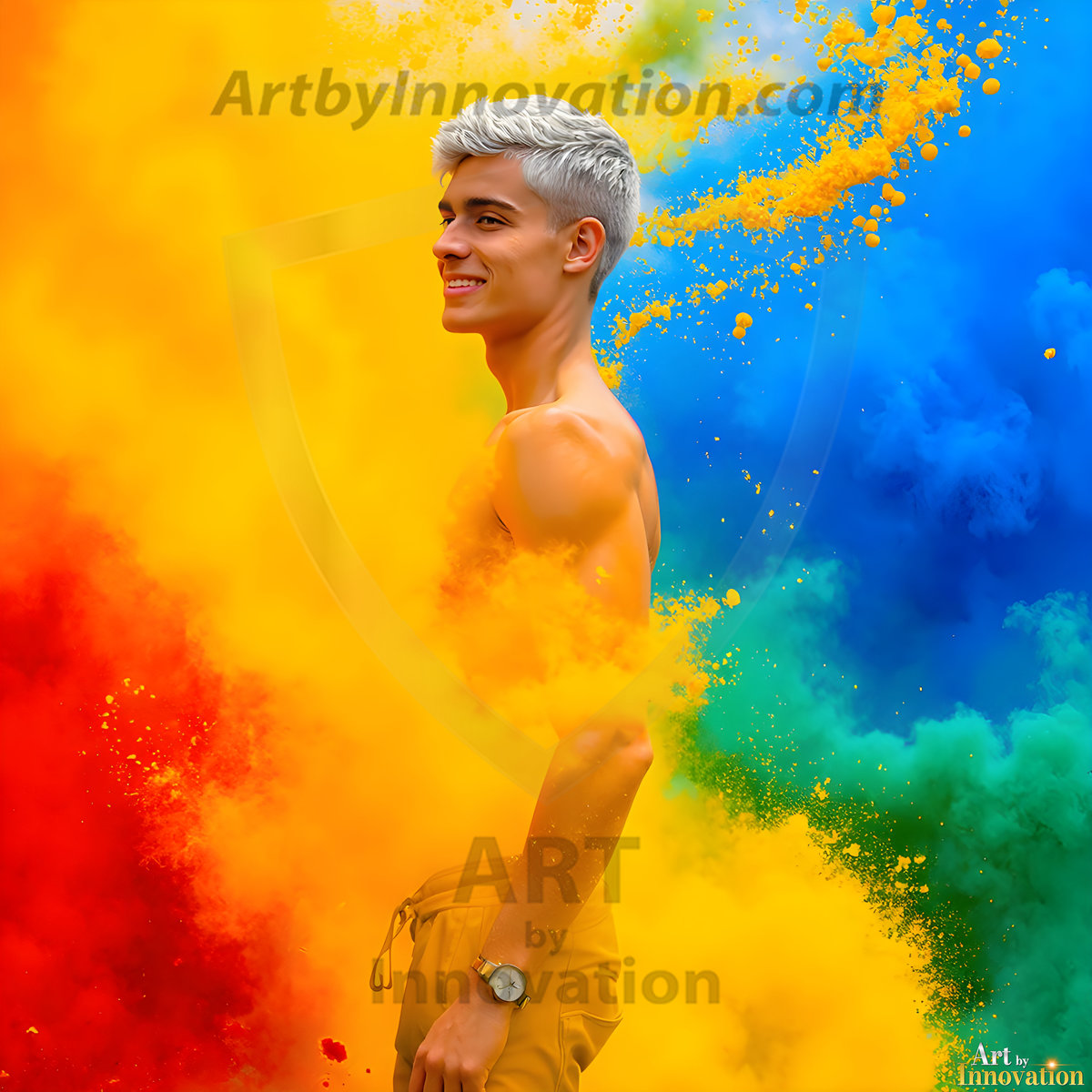
The colors of the LGBTQ+ Pride flags are designed to celebrate the diversity of human experience, visibility, and hope, with each shade representing a specific value that honors the LGBTQ+ community. Created in 1978 by artist Gilbert Baker, the rainbow flag has evolved to include more inclusive colors, showcasing how variety in identity makes individuals uniquely themselves. Meanings Behind the Colors, Red (Life): Represents the vitality and passion of LGBTQ+ people. Orange (Healing): Symbolizes the healing power within the community, often in the face of adversity. Yellow (Sunlight): Signifies the brightness and joy of being true to oneself. Green (Nature): Represents a connection to nature, the environment, and prosperity. Blue/Indigo (Serenity/Harmony): Symbolizes serenity, calm, and inner strength found in living one's truth. Violet/Purple (Spirit): Represents the spirit, strength, and resilience of the community.
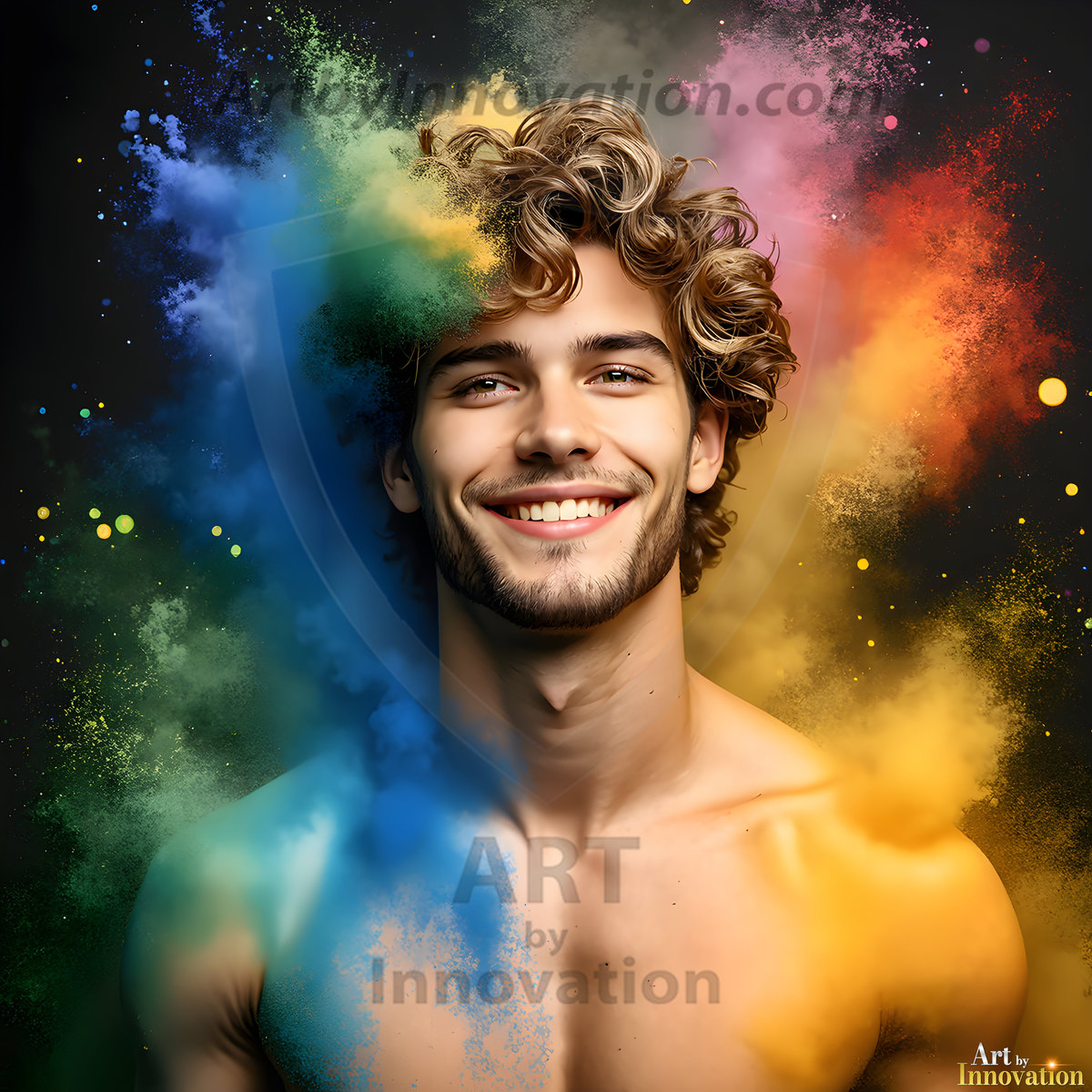
The colors of the LGBTQ+ Pride flags are designed to celebrate the diversity of human experience, visibility, and hope, with each shade representing a specific value that honors the LGBTQ+ community. Created in 1978 by artist Gilbert Baker, the rainbow flag has evolved to include more inclusive colors, showcasing how variety in identity makes individuals uniquely themselves. Meanings Behind the Colors, Red (Life): Represents the vitality and passion of LGBTQ+ people. Orange (Healing): Symbolizes the healing power within the community, often in the face of adversity. Yellow (Sunlight): Signifies the brightness and joy of being true to oneself. Green (Nature): Represents a connection to nature, the environment, and prosperity. Blue/Indigo (Serenity/Harmony): Symbolizes serenity, calm, and inner strength found in living one's truth. Violet/Purple (Spirit): Represents the spirit, strength, and resilience of the community.
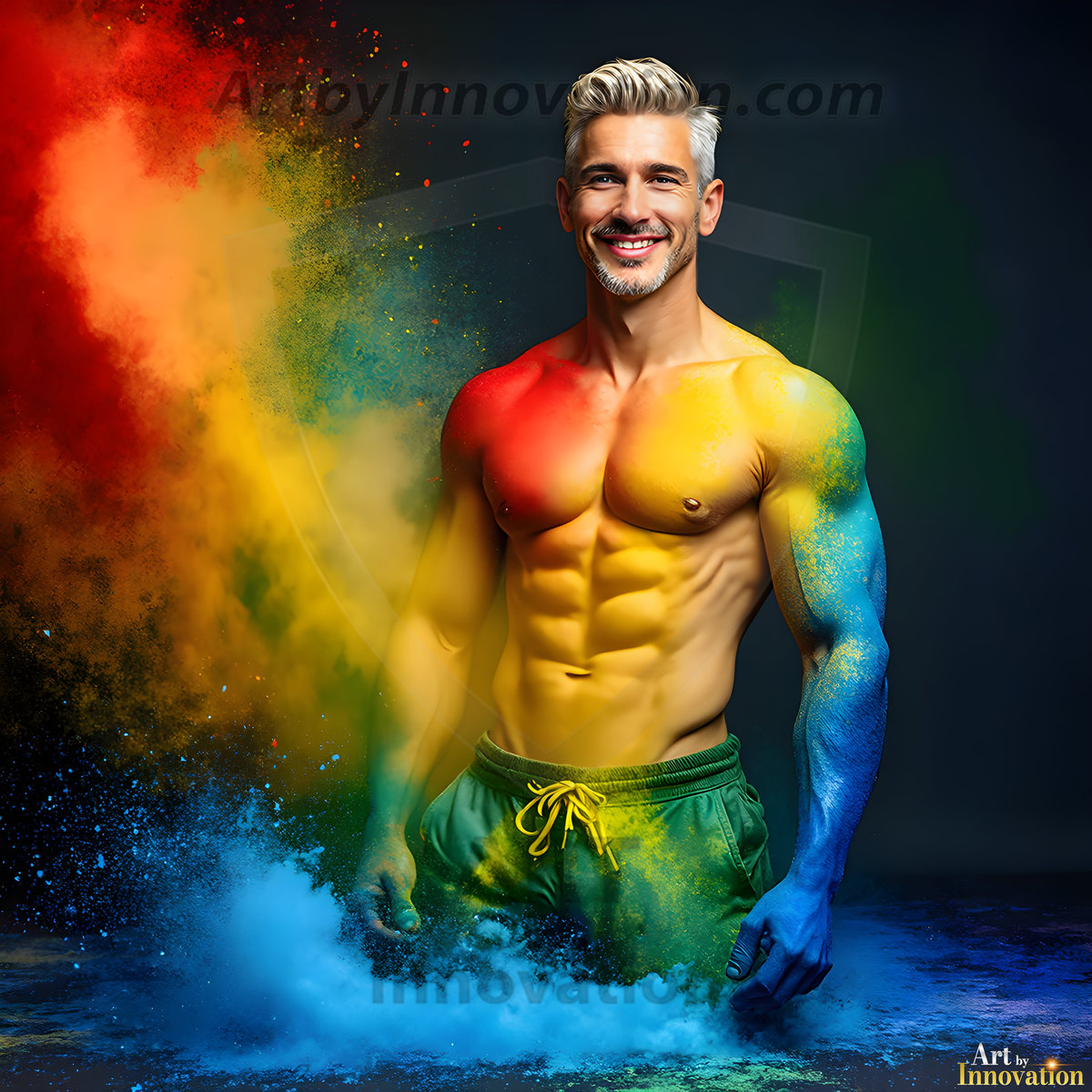
The colors of the LGBTQ+ Pride flags are designed to celebrate the diversity of human experience, visibility, and hope, with each shade representing a specific value that honors the LGBTQ+ community. Created in 1978 by artist Gilbert Baker, the rainbow flag has evolved to include more inclusive colors, showcasing how variety in identity makes individuals uniquely themselves. Meanings Behind the Colors, Red (Life): Represents the vitality and passion of LGBTQ+ people. Orange (Healing): Symbolizes the healing power within the community, often in the face of adversity. Yellow (Sunlight): Signifies the brightness and joy of being true to oneself. Green (Nature): Represents a connection to nature, the environment, and prosperity. Blue/Indigo (Serenity/Harmony): Symbolizes serenity, calm, and inner strength found in living one's truth. Violet/Purple (Spirit): Represents the spirit, strength, and resilience of the community.

The colors of the LGBTQ+ Pride flags are designed to celebrate the diversity of human experience, visibility, and hope, with each shade representing a specific value that honors the LGBTQ+ community. Created in 1978 by artist Gilbert Baker, the rainbow flag has evolved to include more inclusive colors, showcasing how variety in identity makes individuals uniquely themselves. Meanings Behind the Colors, Red (Life): Represents the vitality and passion of LGBTQ+ people. Orange (Healing): Symbolizes the healing power within the community, often in the face of adversity. Yellow (Sunlight): Signifies the brightness and joy of being true to oneself. Green (Nature): Represents a connection to nature, the environment, and prosperity. Blue/Indigo (Serenity/Harmony): Symbolizes serenity, calm, and inner strength found in living one's truth. Violet/Purple (Spirit): Represents the spirit, strength, and resilience of the community.
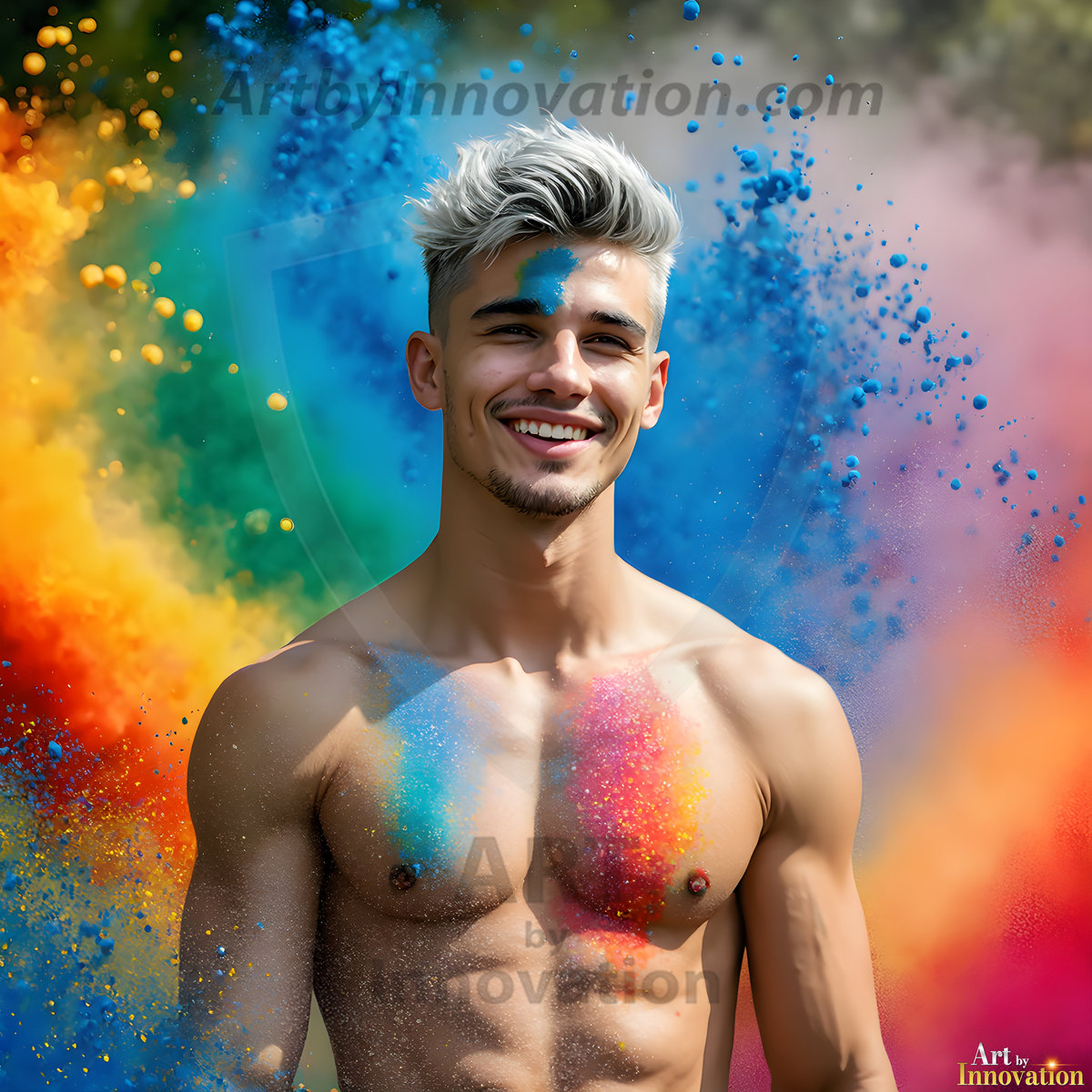
The colors of the LGBTQ+ Pride flags are designed to celebrate the diversity of human experience, visibility, and hope, with each shade representing a specific value that honors the LGBTQ+ community. Created in 1978 by artist Gilbert Baker, the rainbow flag has evolved to include more inclusive colors, showcasing how variety in identity makes individuals uniquely themselves. Meanings Behind the Colors, Red (Life): Represents the vitality and passion of LGBTQ+ people. Orange (Healing): Symbolizes the healing power within the community, often in the face of adversity. Yellow (Sunlight): Signifies the brightness and joy of being true to oneself. Green (Nature): Represents a connection to nature, the environment, and prosperity. Blue/Indigo (Serenity/Harmony): Symbolizes serenity, calm, and inner strength found in living one's truth. Violet/Purple (Spirit): Represents the spirit, strength, and resilience of the community.

The colors of the LGBTQ+ Pride flags are designed to celebrate the diversity of human experience, visibility, and hope, with each shade representing a specific value that honors the LGBTQ+ community. Created in 1978 by artist Gilbert Baker, the rainbow flag has evolved to include more inclusive colors, showcasing how variety in identity makes individuals uniquely themselves. Meanings Behind the Colors, Red (Life): Represents the vitality and passion of LGBTQ+ people. Orange (Healing): Symbolizes the healing power within the community, often in the face of adversity. Yellow (Sunlight): Signifies the brightness and joy of being true to oneself. Green (Nature): Represents a connection to nature, the environment, and prosperity. Blue/Indigo (Serenity/Harmony): Symbolizes serenity, calm, and inner strength found in living one's truth. Violet/Purple (Spirit): Represents the spirit, strength, and resilience of the community.
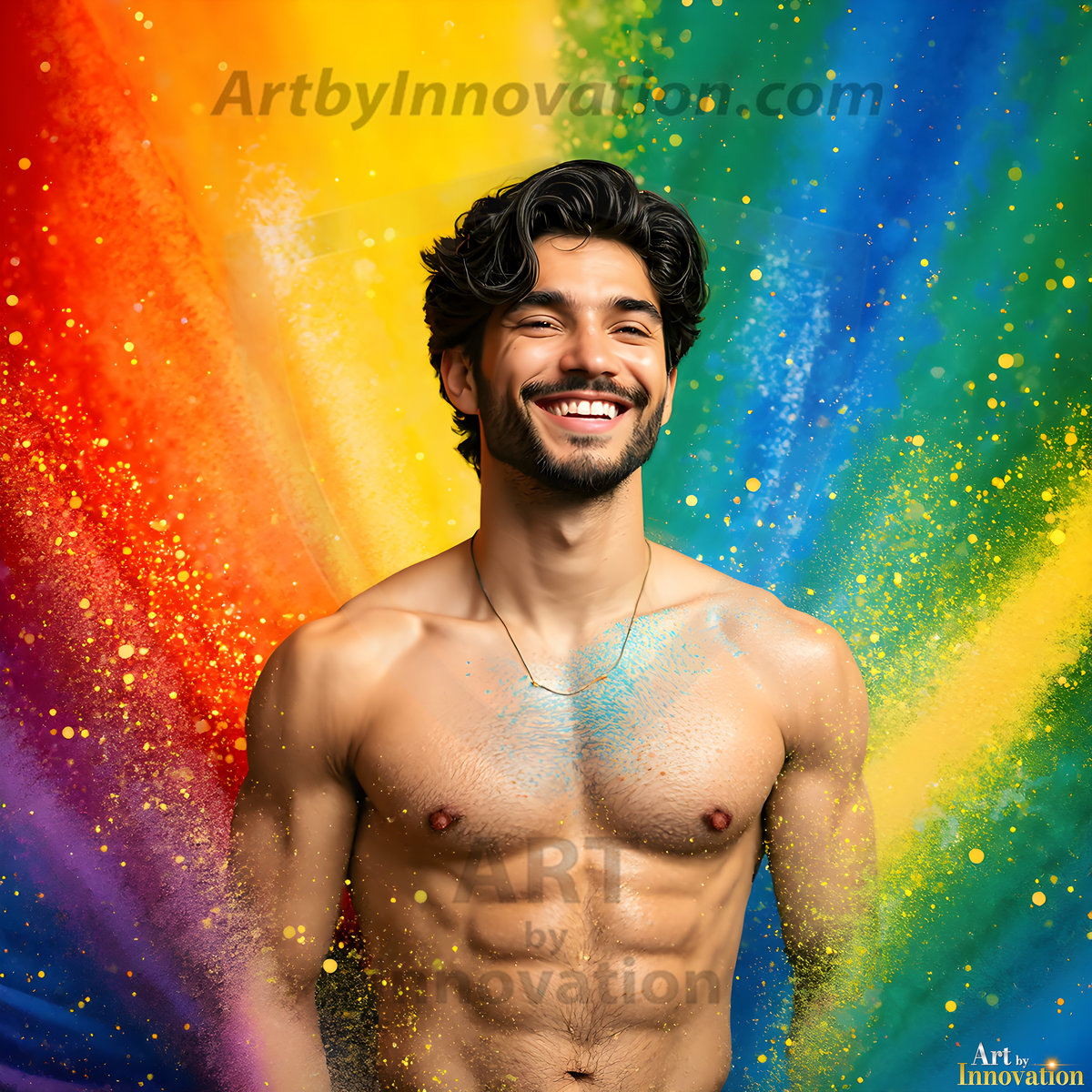
The colors of the LGBTQ+ Pride flags are designed to celebrate the diversity of human experience, visibility, and hope, with each shade representing a specific value that honors the LGBTQ+ community. Created in 1978 by artist Gilbert Baker, the rainbow flag has evolved to include more inclusive colors, showcasing how variety in identity makes individuals uniquely themselves. Meanings Behind the Colors, Red (Life): Represents the vitality and passion of LGBTQ+ people. Orange (Healing): Symbolizes the healing power within the community, often in the face of adversity. Yellow (Sunlight): Signifies the brightness and joy of being true to oneself. Green (Nature): Represents a connection to nature, the environment, and prosperity. Blue/Indigo (Serenity/Harmony): Symbolizes serenity, calm, and inner strength found in living one's truth. Violet/Purple (Spirit): Represents the spirit, strength, and resilience of the community.

The colors of the LGBTQ+ Pride flags are designed to celebrate the diversity of human experience, visibility, and hope, with each shade representing a specific value that honors the LGBTQ+ community. Created in 1978 by artist Gilbert Baker, the rainbow flag has evolved to include more inclusive colors, showcasing how variety in identity makes individuals uniquely themselves. Meanings Behind the Colors, Red (Life): Represents the vitality and passion of LGBTQ+ people. Orange (Healing): Symbolizes the healing power within the community, often in the face of adversity. Yellow (Sunlight): Signifies the brightness and joy of being true to oneself. Green (Nature): Represents a connection to nature, the environment, and prosperity. Blue/Indigo (Serenity/Harmony): Symbolizes serenity, calm, and inner strength found in living one's truth. Violet/Purple (Spirit): Represents the spirit, strength, and resilience of the community.
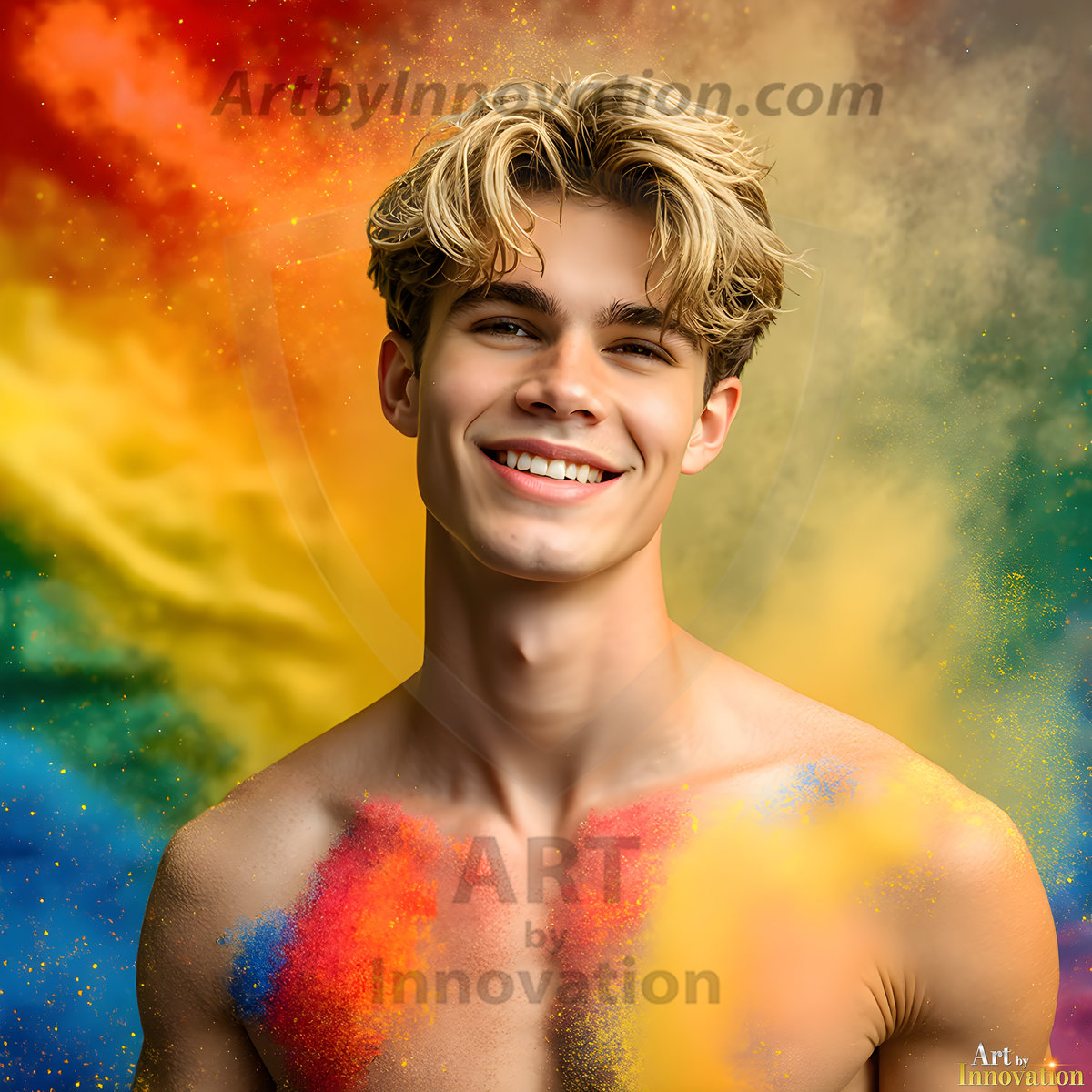
The colors of the LGBTQ+ Pride flags are designed to celebrate the diversity of human experience, visibility, and hope, with each shade representing a specific value that honors the LGBTQ+ community. Created in 1978 by artist Gilbert Baker, the rainbow flag has evolved to include more inclusive colors, showcasing how variety in identity makes individuals uniquely themselves. Meanings Behind the Colors, Red (Life): Represents the vitality and passion of LGBTQ+ people. Orange (Healing): Symbolizes the healing power within the community, often in the face of adversity. Yellow (Sunlight): Signifies the brightness and joy of being true to oneself. Green (Nature): Represents a connection to nature, the environment, and prosperity. Blue/Indigo (Serenity/Harmony): Symbolizes serenity, calm, and inner strength found in living one's truth. Violet/Purple (Spirit): Represents the spirit, strength, and resilience of the community.

The colors of the LGBTQ+ Pride flags are designed to celebrate the diversity of human experience, visibility, and hope, with each shade representing a specific value that honors the LGBTQ+ community. Created in 1978 by artist Gilbert Baker, the rainbow flag has evolved to include more inclusive colors, showcasing how variety in identity makes individuals uniquely themselves. Meanings Behind the Colors, Red (Life): Represents the vitality and passion of LGBTQ+ people. Orange (Healing): Symbolizes the healing power within the community, often in the face of adversity. Yellow (Sunlight): Signifies the brightness and joy of being true to oneself. Green (Nature): Represents a connection to nature, the environment, and prosperity. Blue/Indigo (Serenity/Harmony): Symbolizes serenity, calm, and inner strength found in living one's truth. Violet/Purple (Spirit): Represents the spirit, strength, and resilience of the community.
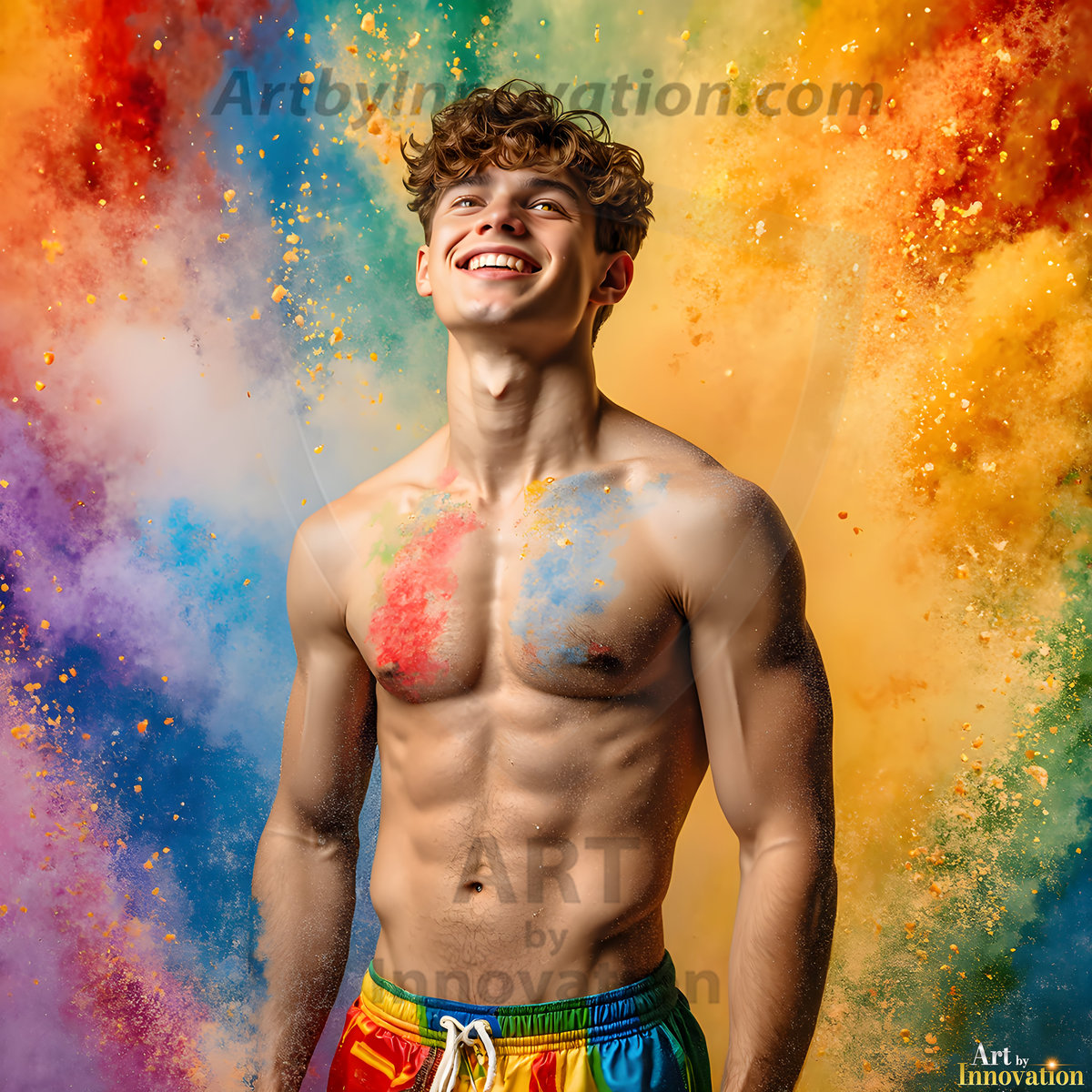
The colors of the LGBTQ+ Pride flags are designed to celebrate the diversity of human experience, visibility, and hope, with each shade representing a specific value that honors the LGBTQ+ community. Created in 1978 by artist Gilbert Baker, the rainbow flag has evolved to include more inclusive colors, showcasing how variety in identity makes individuals uniquely themselves. Meanings Behind the Colors, Red (Life): Represents the vitality and passion of LGBTQ+ people. Orange (Healing): Symbolizes the healing power within the community, often in the face of adversity. Yellow (Sunlight): Signifies the brightness and joy of being true to oneself. Green (Nature): Represents a connection to nature, the environment, and prosperity. Blue/Indigo (Serenity/Harmony): Symbolizes serenity, calm, and inner strength found in living one's truth. Violet/Purple (Spirit): Represents the spirit, strength, and resilience of the community.
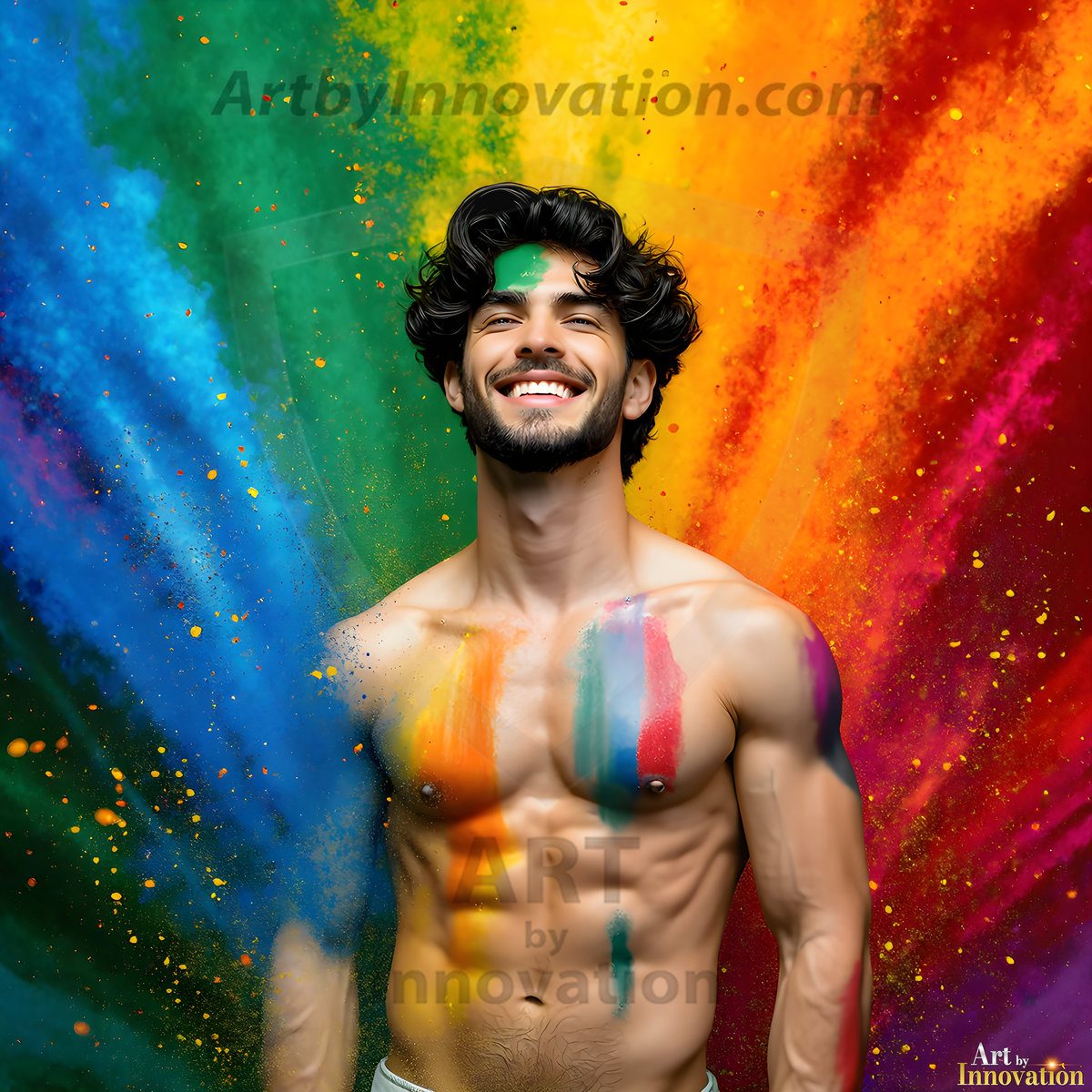
The colors of the LGBTQ+ Pride flags are designed to celebrate the diversity of human experience, visibility, and hope, with each shade representing a specific value that honors the LGBTQ+ community. Created in 1978 by artist Gilbert Baker, the rainbow flag has evolved to include more inclusive colors, showcasing how variety in identity makes individuals uniquely themselves. Meanings Behind the Colors, Red (Life): Represents the vitality and passion of LGBTQ+ people. Orange (Healing): Symbolizes the healing power within the community, often in the face of adversity. Yellow (Sunlight): Signifies the brightness and joy of being true to oneself. Green (Nature): Represents a connection to nature, the environment, and prosperity. Blue/Indigo (Serenity/Harmony): Symbolizes serenity, calm, and inner strength found in living one's truth. Violet/Purple (Spirit): Represents the spirit, strength, and resilience of the community.
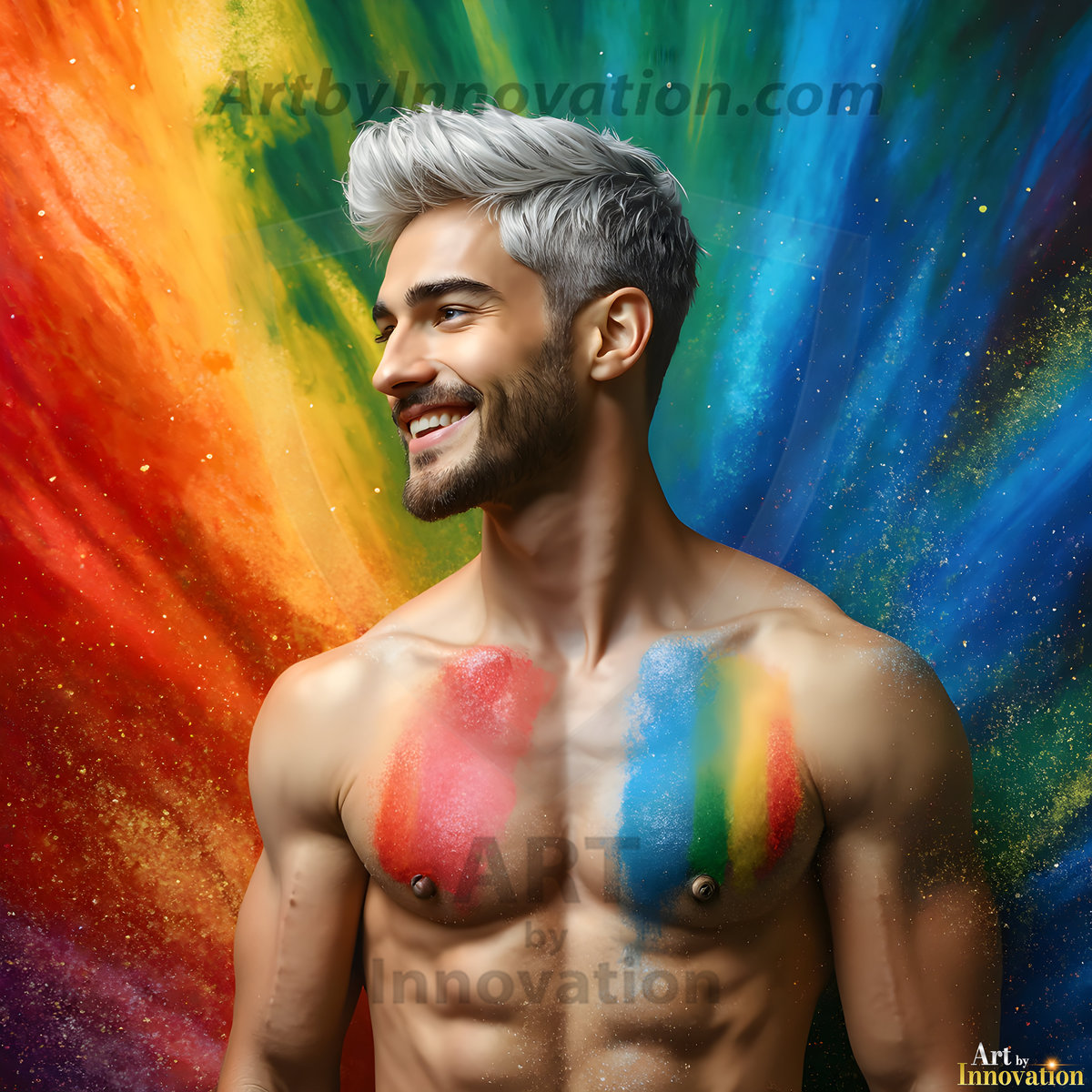
The colors of the LGBTQ+ Pride flags are designed to celebrate the diversity of human experience, visibility, and hope, with each shade representing a specific value that honors the LGBTQ+ community. Created in 1978 by artist Gilbert Baker, the rainbow flag has evolved to include more inclusive colors, showcasing how variety in identity makes individuals uniquely themselves. Meanings Behind the Colors, Red (Life): Represents the vitality and passion of LGBTQ+ people. Orange (Healing): Symbolizes the healing power within the community, often in the face of adversity. Yellow (Sunlight): Signifies the brightness and joy of being true to oneself. Green (Nature): Represents a connection to nature, the environment, and prosperity. Blue/Indigo (Serenity/Harmony): Symbolizes serenity, calm, and inner strength found in living one's truth. Violet/Purple (Spirit): Represents the spirit, strength, and resilience of the community.
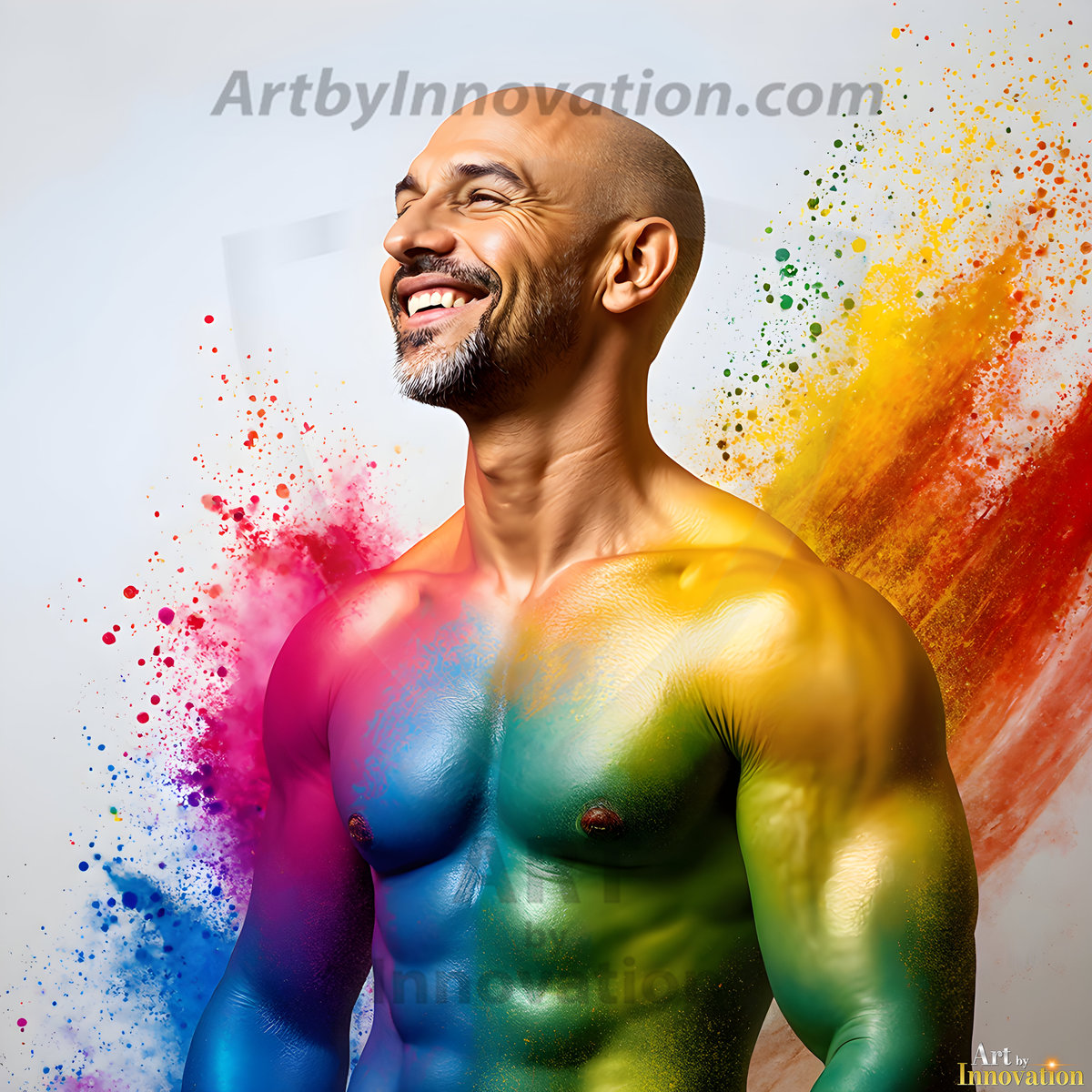
The colors of the LGBTQ+ Pride flags are designed to celebrate the diversity of human experience, visibility, and hope, with each shade representing a specific value that honors the LGBTQ+ community. Created in 1978 by artist Gilbert Baker, the rainbow flag has evolved to include more inclusive colors, showcasing how variety in identity makes individuals uniquely themselves. Meanings Behind the Colors, Red (Life): Represents the vitality and passion of LGBTQ+ people. Orange (Healing): Symbolizes the healing power within the community, often in the face of adversity. Yellow (Sunlight): Signifies the brightness and joy of being true to oneself. Green (Nature): Represents a connection to nature, the environment, and prosperity. Blue/Indigo (Serenity/Harmony): Symbolizes serenity, calm, and inner strength found in living one's truth. Violet/Purple (Spirit): Represents the spirit, strength, and resilience of the community.
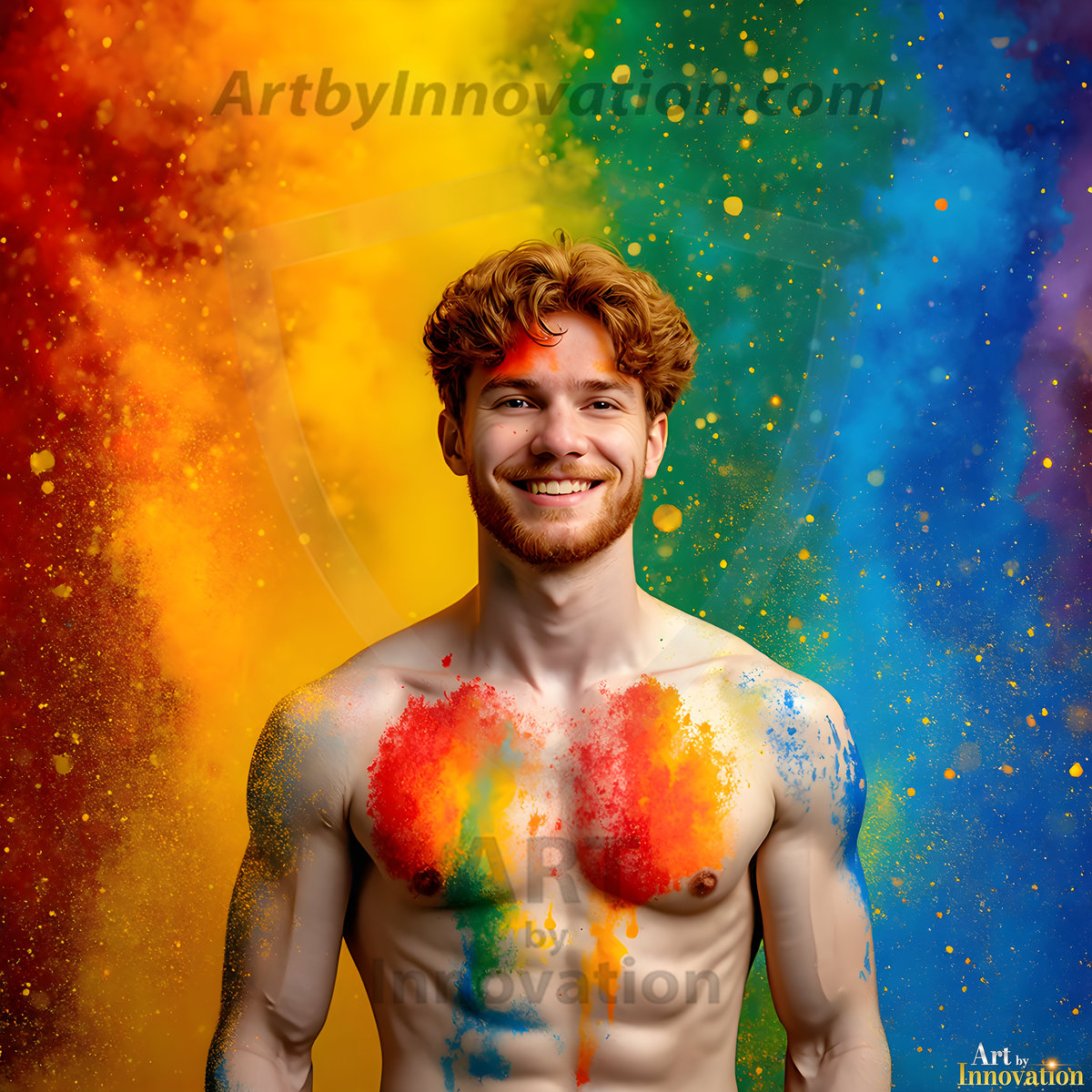
The colors of the LGBTQ+ Pride flags are designed to celebrate the diversity of human experience, visibility, and hope, with each shade representing a specific value that honors the LGBTQ+ community. Created in 1978 by artist Gilbert Baker, the rainbow flag has evolved to include more inclusive colors, showcasing how variety in identity makes individuals uniquely themselves. Meanings Behind the Colors, Red (Life): Represents the vitality and passion of LGBTQ+ people. Orange (Healing): Symbolizes the healing power within the community, often in the face of adversity. Yellow (Sunlight): Signifies the brightness and joy of being true to oneself. Green (Nature): Represents a connection to nature, the environment, and prosperity. Blue/Indigo (Serenity/Harmony): Symbolizes serenity, calm, and inner strength found in living one's truth. Violet/Purple (Spirit): Represents the spirit, strength, and resilience of the community.
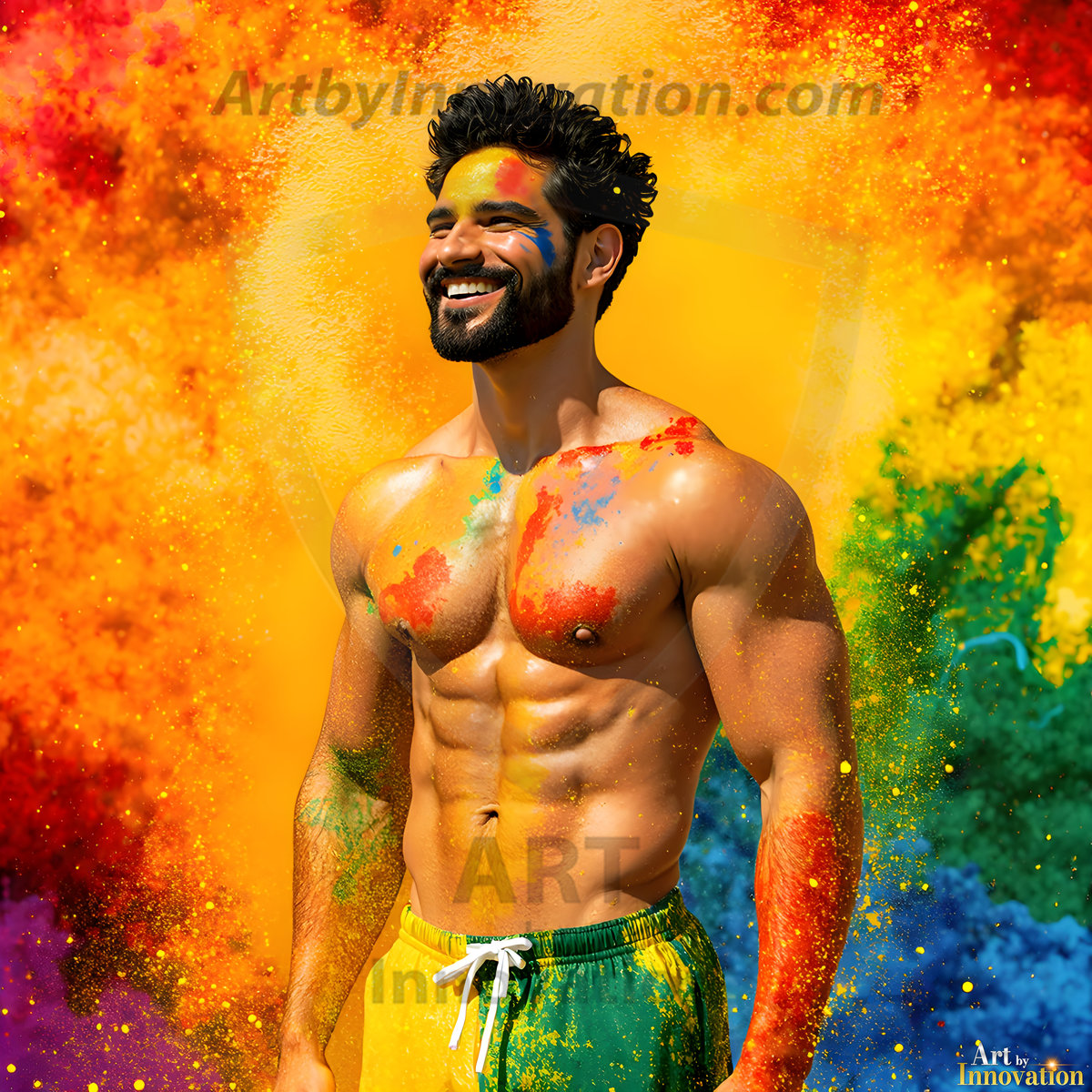
The colors of the LGBTQ+ Pride flags are designed to celebrate the diversity of human experience, visibility, and hope, with each shade representing a specific value that honors the LGBTQ+ community. Created in 1978 by artist Gilbert Baker, the rainbow flag has evolved to include more inclusive colors, showcasing how variety in identity makes individuals uniquely themselves. Meanings Behind the Colors, Red (Life): Represents the vitality and passion of LGBTQ+ people. Orange (Healing): Symbolizes the healing power within the community, often in the face of adversity. Yellow (Sunlight): Signifies the brightness and joy of being true to oneself. Green (Nature): Represents a connection to nature, the environment, and prosperity. Blue/Indigo (Serenity/Harmony): Symbolizes serenity, calm, and inner strength found in living one's truth. Violet/Purple (Spirit): Represents the spirit, strength, and resilience of the community.
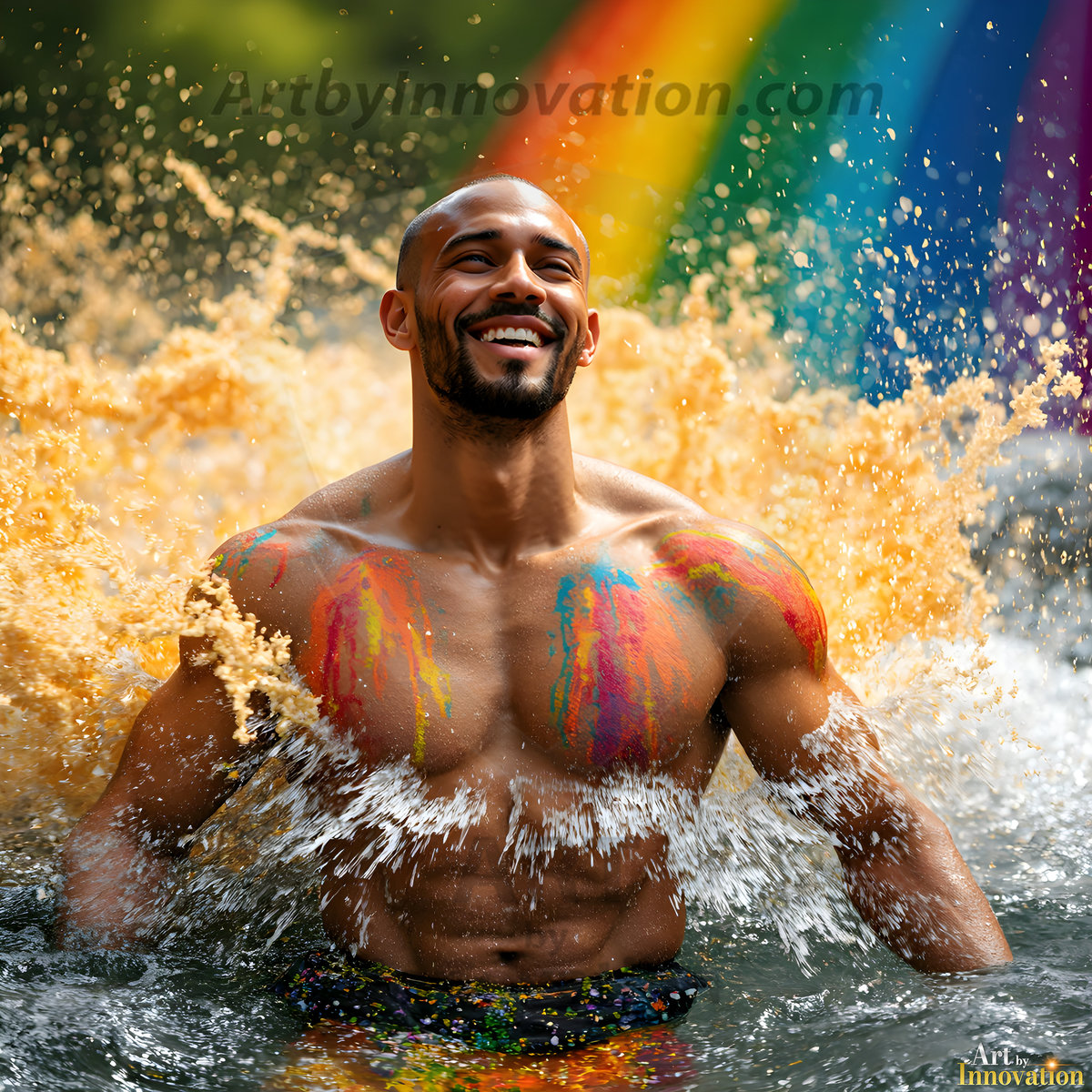
The colors of the LGBTQ+ Pride flags are designed to celebrate the diversity of human experience, visibility, and hope, with each shade representing a specific value that honors the LGBTQ+ community. Created in 1978 by artist Gilbert Baker, the rainbow flag has evolved to include more inclusive colors, showcasing how variety in identity makes individuals uniquely themselves. Meanings Behind the Colors, Red (Life): Represents the vitality and passion of LGBTQ+ people. Orange (Healing): Symbolizes the healing power within the community, often in the face of adversity. Yellow (Sunlight): Signifies the brightness and joy of being true to oneself. Green (Nature): Represents a connection to nature, the environment, and prosperity. Blue/Indigo (Serenity/Harmony): Symbolizes serenity, calm, and inner strength found in living one's truth. Violet/Purple (Spirit): Represents the spirit, strength, and resilience of the community.
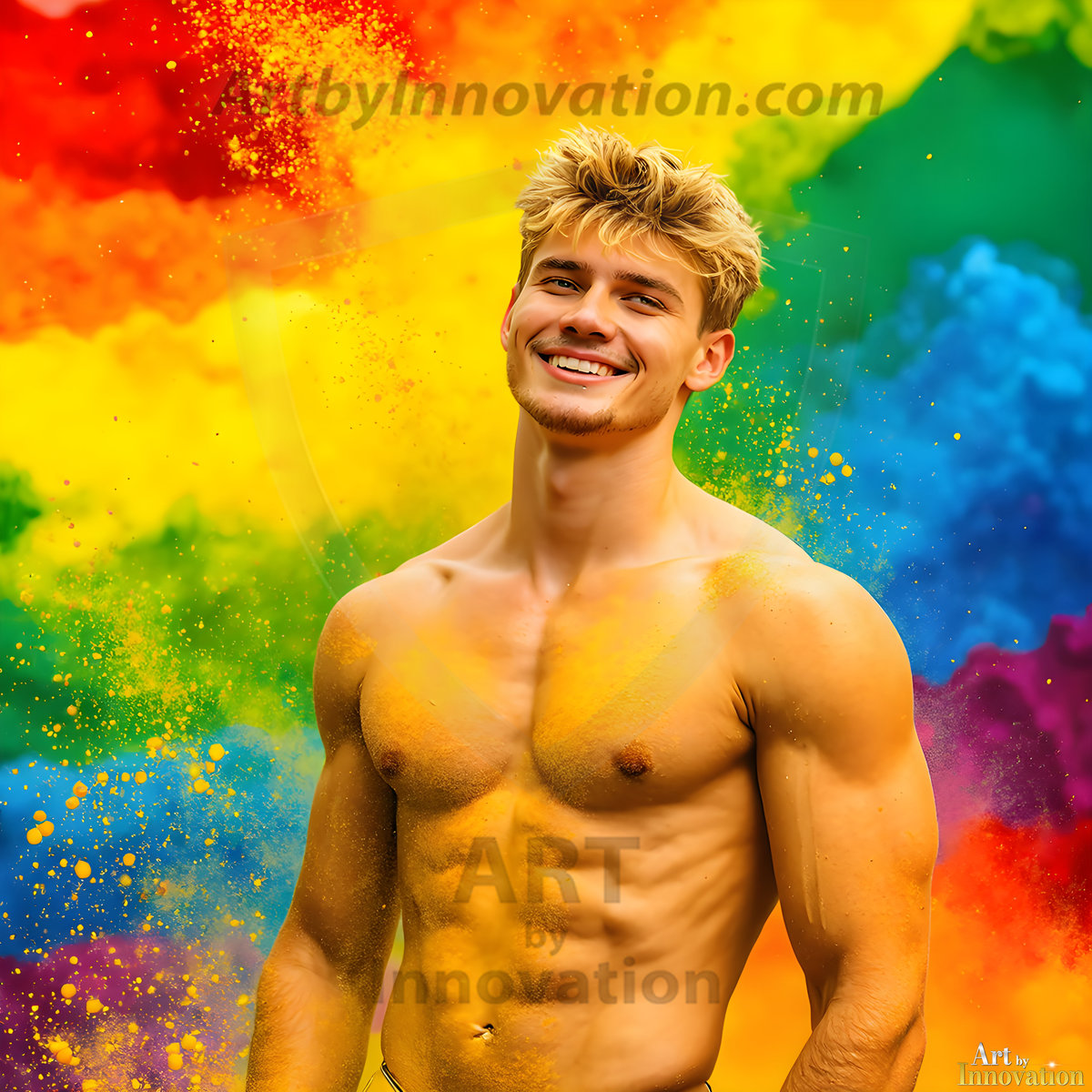
The colors of the LGBTQ+ Pride flags are designed to celebrate the diversity of human experience, visibility, and hope, with each shade representing a specific value that honors the LGBTQ+ community. Created in 1978 by artist Gilbert Baker, the rainbow flag has evolved to include more inclusive colors, showcasing how variety in identity makes individuals uniquely themselves. Meanings Behind the Colors, Red (Life): Represents the vitality and passion of LGBTQ+ people. Orange (Healing): Symbolizes the healing power within the community, often in the face of adversity. Yellow (Sunlight): Signifies the brightness and joy of being true to oneself. Green (Nature): Represents a connection to nature, the environment, and prosperity. Blue/Indigo (Serenity/Harmony): Symbolizes serenity, calm, and inner strength found in living one's truth. Violet/Purple (Spirit): Represents the spirit, strength, and resilience of the community.
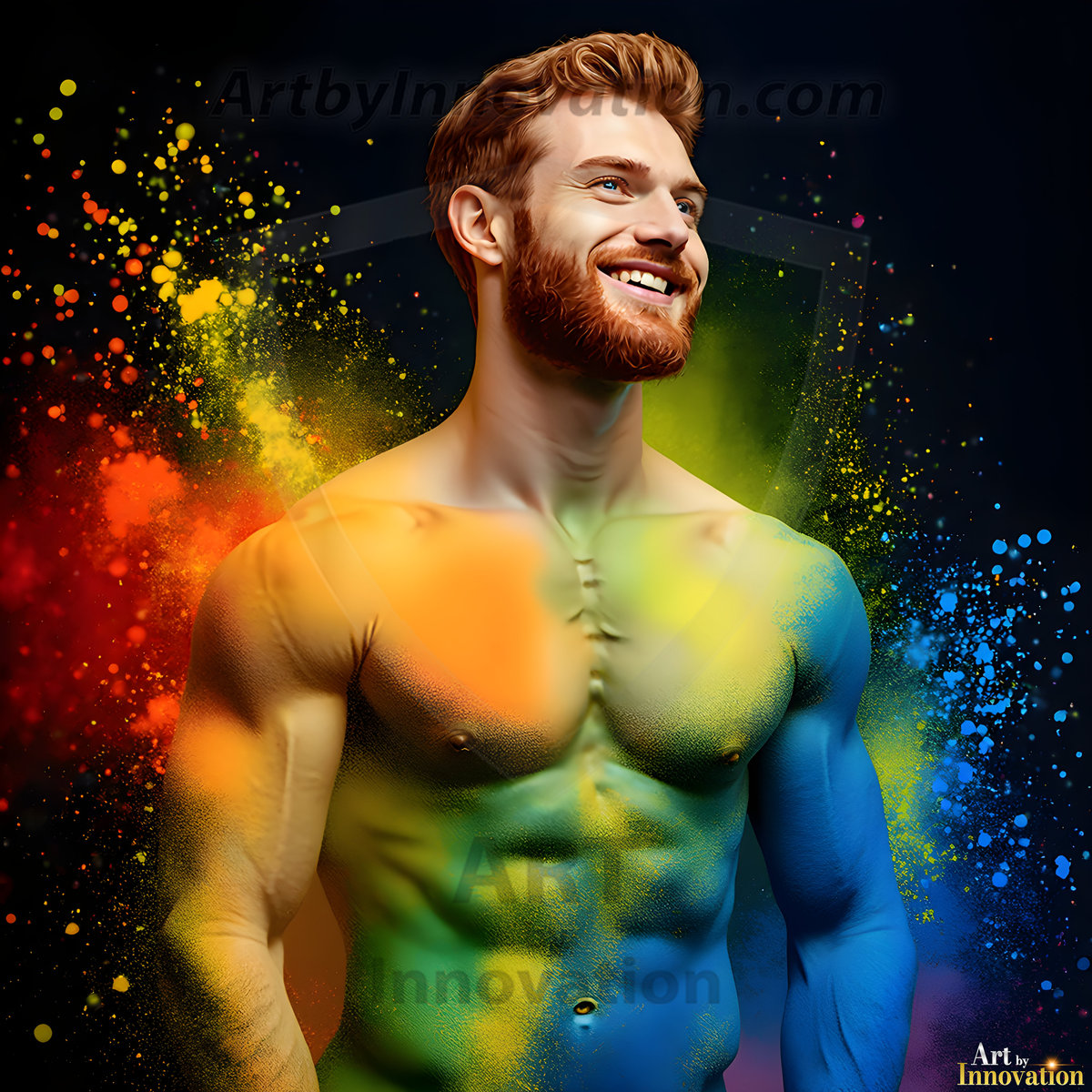
The colors of the LGBTQ+ Pride flags are designed to celebrate the diversity of human experience, visibility, and hope, with each shade representing a specific value that honors the LGBTQ+ community. Created in 1978 by artist Gilbert Baker, the rainbow flag has evolved to include more inclusive colors, showcasing how variety in identity makes individuals uniquely themselves. Meanings Behind the Colors, Red (Life): Represents the vitality and passion of LGBTQ+ people. Orange (Healing): Symbolizes the healing power within the community, often in the face of adversity. Yellow (Sunlight): Signifies the brightness and joy of being true to oneself. Green (Nature): Represents a connection to nature, the environment, and prosperity. Blue/Indigo (Serenity/Harmony): Symbolizes serenity, calm, and inner strength found in living one's truth. Violet/Purple (Spirit): Represents the spirit, strength, and resilience of the community.

The colors of the LGBTQ+ Pride flags are designed to celebrate the diversity of human experience, visibility, and hope, with each shade representing a specific value that honors the LGBTQ+ community. Created in 1978 by artist Gilbert Baker, the rainbow flag has evolved to include more inclusive colors, showcasing how variety in identity makes individuals uniquely themselves. Meanings Behind the Colors, Red (Life): Represents the vitality and passion of LGBTQ+ people. Orange (Healing): Symbolizes the healing power within the community, often in the face of adversity. Yellow (Sunlight): Signifies the brightness and joy of being true to oneself. Green (Nature): Represents a connection to nature, the environment, and prosperity. Blue/Indigo (Serenity/Harmony): Symbolizes serenity, calm, and inner strength found in living one's truth. Violet/Purple (Spirit): Represents the spirit, strength, and resilience of the community.
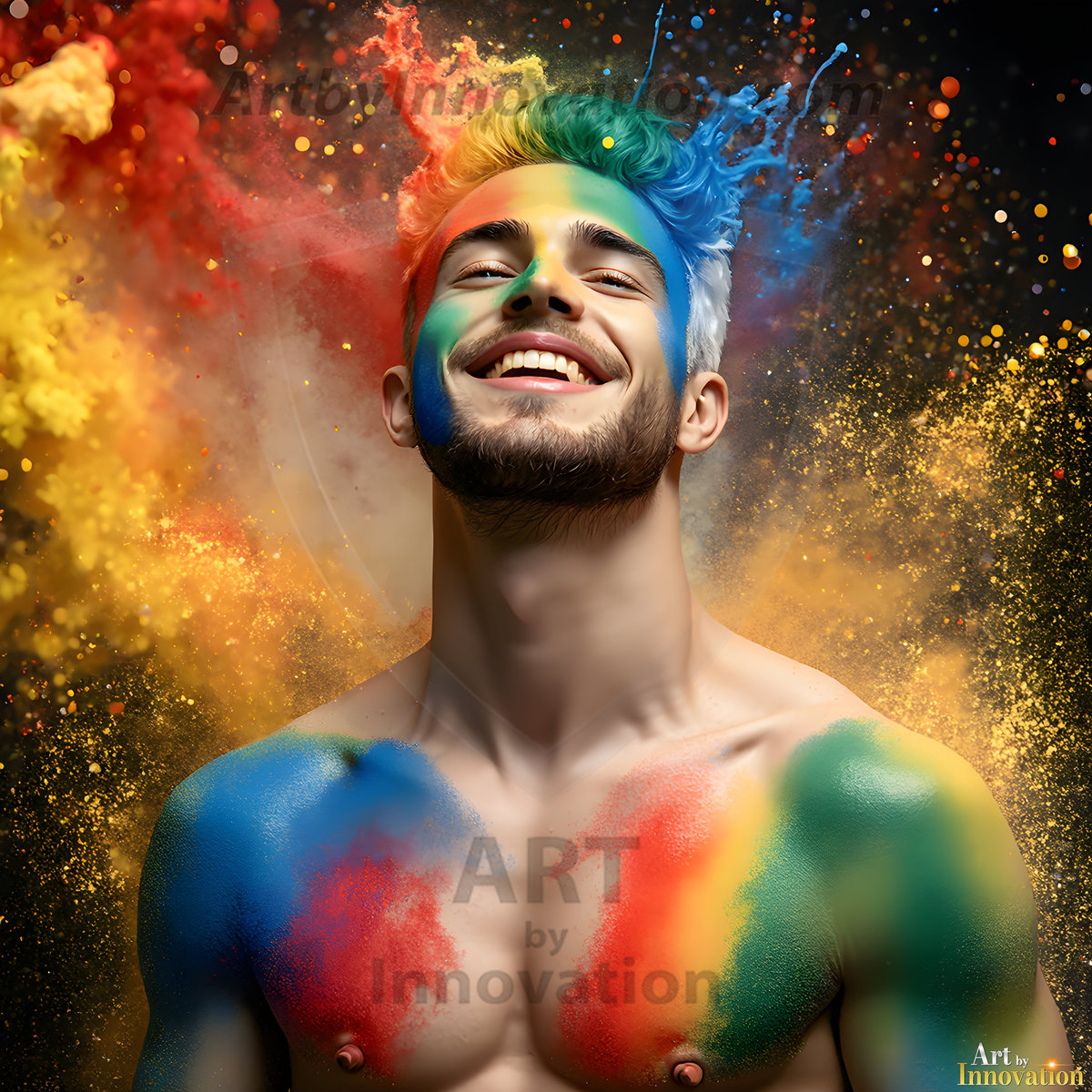
The colors of the LGBTQ+ Pride flags are designed to celebrate the diversity of human experience, visibility, and hope, with each shade representing a specific value that honors the LGBTQ+ community. Created in 1978 by artist Gilbert Baker, the rainbow flag has evolved to include more inclusive colors, showcasing how variety in identity makes individuals uniquely themselves. Meanings Behind the Colors, Red (Life): Represents the vitality and passion of LGBTQ+ people. Orange (Healing): Symbolizes the healing power within the community, often in the face of adversity. Yellow (Sunlight): Signifies the brightness and joy of being true to oneself. Green (Nature): Represents a connection to nature, the environment, and prosperity. Blue/Indigo (Serenity/Harmony): Symbolizes serenity, calm, and inner strength found in living one's truth. Violet/Purple (Spirit): Represents the spirit, strength, and resilience of the community.
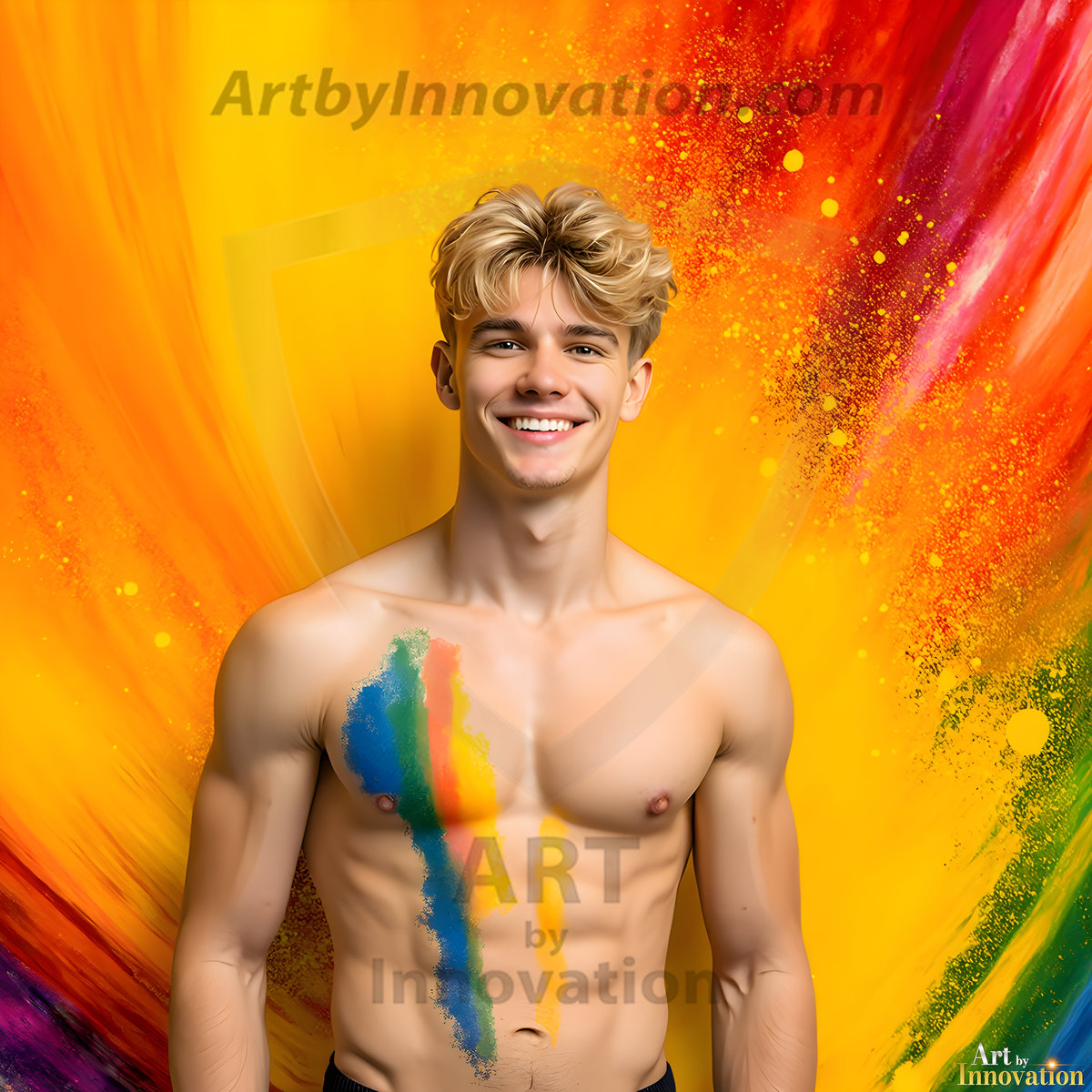
The colors of the LGBTQ+ Pride flags are designed to celebrate the diversity of human experience, visibility, and hope, with each shade representing a specific value that honors the LGBTQ+ community. Created in 1978 by artist Gilbert Baker, the rainbow flag has evolved to include more inclusive colors, showcasing how variety in identity makes individuals uniquely themselves. Meanings Behind the Colors, Red (Life): Represents the vitality and passion of LGBTQ+ people. Orange (Healing): Symbolizes the healing power within the community, often in the face of adversity. Yellow (Sunlight): Signifies the brightness and joy of being true to oneself. Green (Nature): Represents a connection to nature, the environment, and prosperity. Blue/Indigo (Serenity/Harmony): Symbolizes serenity, calm, and inner strength found in living one's truth. Violet/Purple (Spirit): Represents the spirit, strength, and resilience of the community.
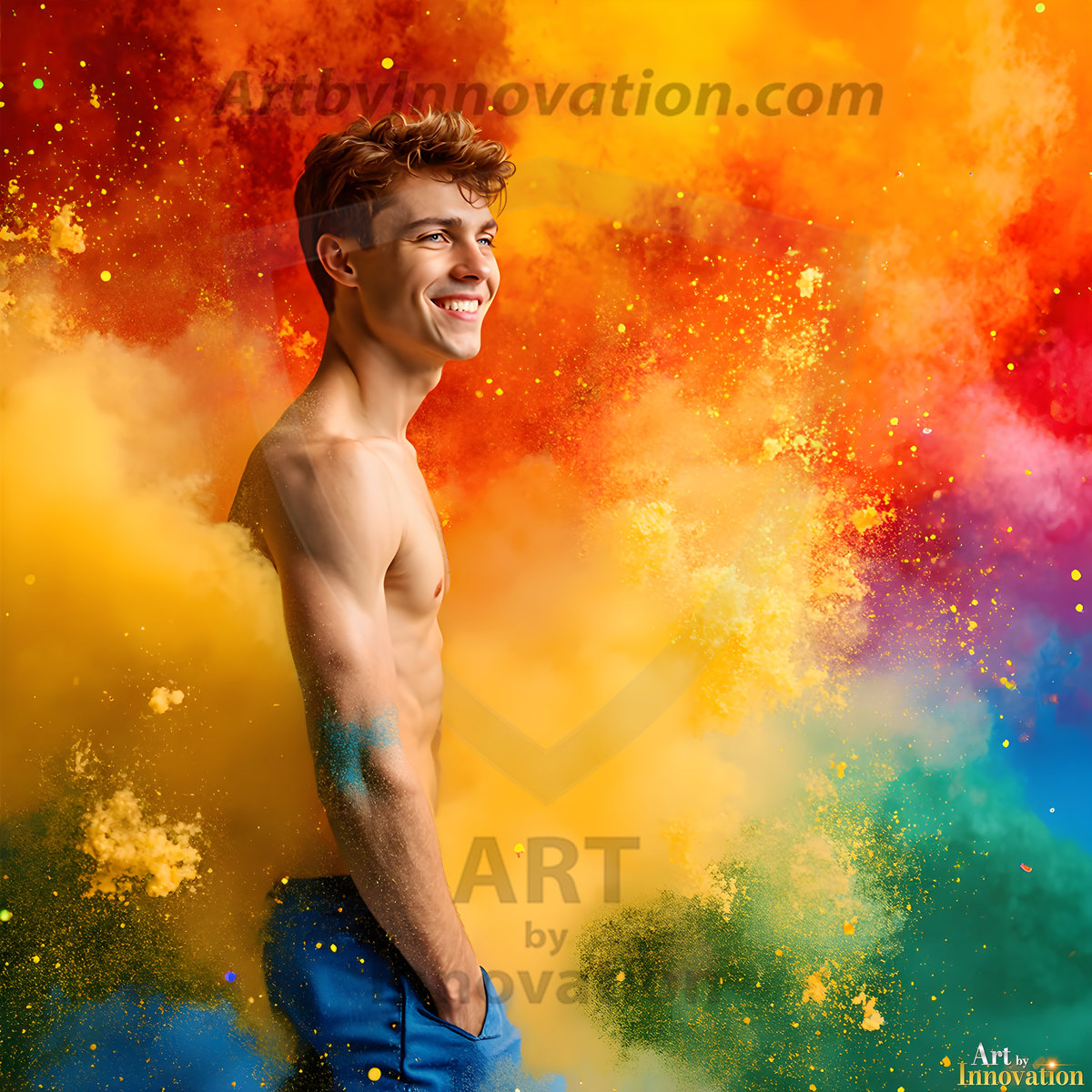
The colors of the LGBTQ+ Pride flags are designed to celebrate the diversity of human experience, visibility, and hope, with each shade representing a specific value that honors the LGBTQ+ community. Created in 1978 by artist Gilbert Baker, the rainbow flag has evolved to include more inclusive colors, showcasing how variety in identity makes individuals uniquely themselves. Meanings Behind the Colors, Red (Life): Represents the vitality and passion of LGBTQ+ people. Orange (Healing): Symbolizes the healing power within the community, often in the face of adversity. Yellow (Sunlight): Signifies the brightness and joy of being true to oneself. Green (Nature): Represents a connection to nature, the environment, and prosperity. Blue/Indigo (Serenity/Harmony): Symbolizes serenity, calm, and inner strength found in living one's truth. Violet/Purple (Spirit): Represents the spirit, strength, and resilience of the community.

The colors of the LGBTQ+ Pride flags are designed to celebrate the diversity of human experience, visibility, and hope, with each shade representing a specific value that honors the LGBTQ+ community. Created in 1978 by artist Gilbert Baker, the rainbow flag has evolved to include more inclusive colors, showcasing how variety in identity makes individuals uniquely themselves. Meanings Behind the Colors, Red (Life): Represents the vitality and passion of LGBTQ+ people. Orange (Healing): Symbolizes the healing power within the community, often in the face of adversity. Yellow (Sunlight): Signifies the brightness and joy of being true to oneself. Green (Nature): Represents a connection to nature, the environment, and prosperity. Blue/Indigo (Serenity/Harmony): Symbolizes serenity, calm, and inner strength found in living one's truth. Violet/Purple (Spirit): Represents the spirit, strength, and resilience of the community.

The colors of the LGBTQ+ Pride flags are designed to celebrate the diversity of human experience, visibility, and hope, with each shade representing a specific value that honors the LGBTQ+ community. Created in 1978 by artist Gilbert Baker, the rainbow flag has evolved to include more inclusive colors, showcasing how variety in identity makes individuals uniquely themselves. Meanings Behind the Colors, Red (Life): Represents the vitality and passion of LGBTQ+ people. Orange (Healing): Symbolizes the healing power within the community, often in the face of adversity. Yellow (Sunlight): Signifies the brightness and joy of being true to oneself. Green (Nature): Represents a connection to nature, the environment, and prosperity. Blue/Indigo (Serenity/Harmony): Symbolizes serenity, calm, and inner strength found in living one's truth. Violet/Purple (Spirit): Represents the spirit, strength, and resilience of the community.
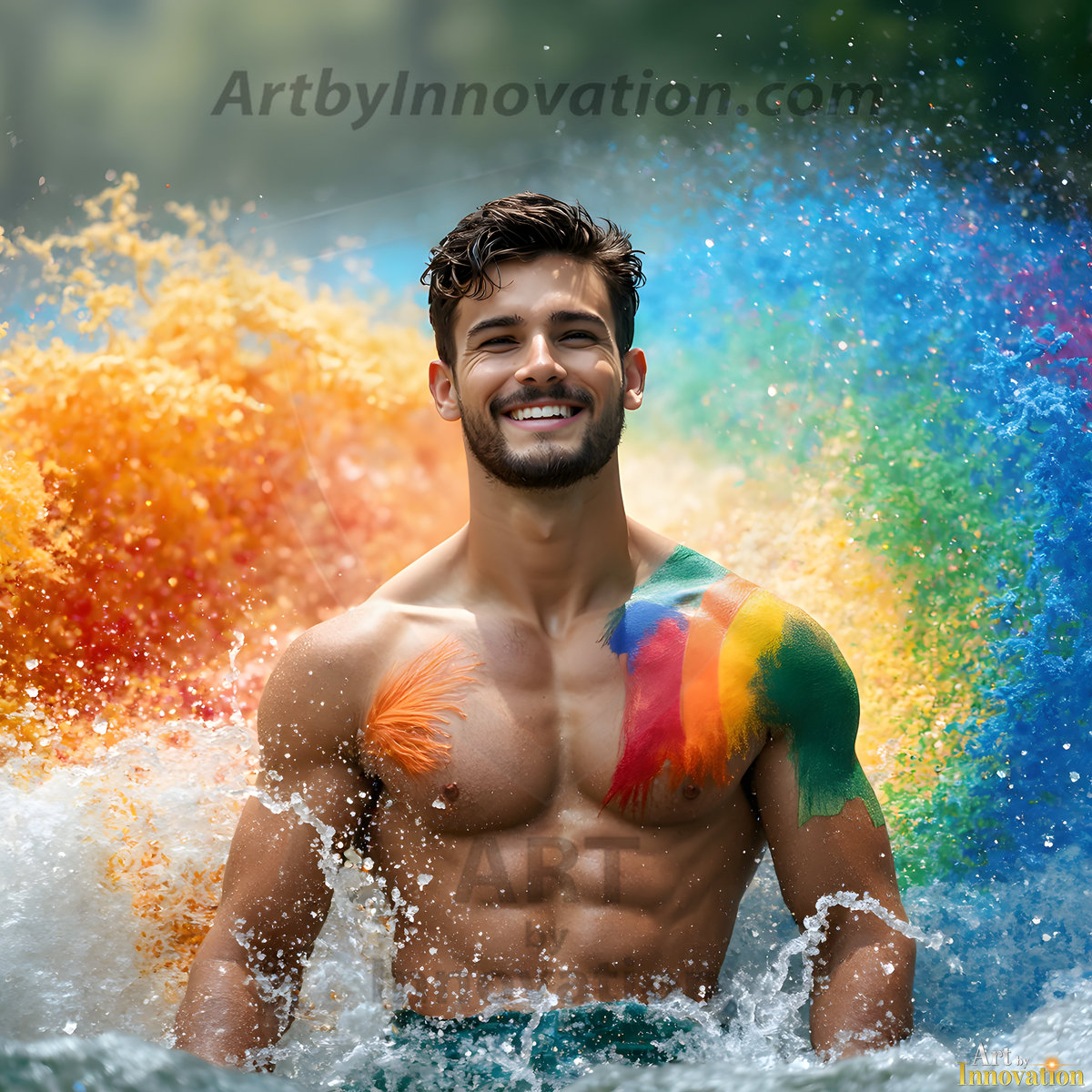
The colors of the LGBTQ+ Pride flags are designed to celebrate the diversity of human experience, visibility, and hope, with each shade representing a specific value that honors the LGBTQ+ community. Created in 1978 by artist Gilbert Baker, the rainbow flag has evolved to include more inclusive colors, showcasing how variety in identity makes individuals uniquely themselves. Meanings Behind the Colors, Red (Life): Represents the vitality and passion of LGBTQ+ people. Orange (Healing): Symbolizes the healing power within the community, often in the face of adversity. Yellow (Sunlight): Signifies the brightness and joy of being true to oneself. Green (Nature): Represents a connection to nature, the environment, and prosperity. Blue/Indigo (Serenity/Harmony): Symbolizes serenity, calm, and inner strength found in living one's truth. Violet/Purple (Spirit): Represents the spirit, strength, and resilience of the community.
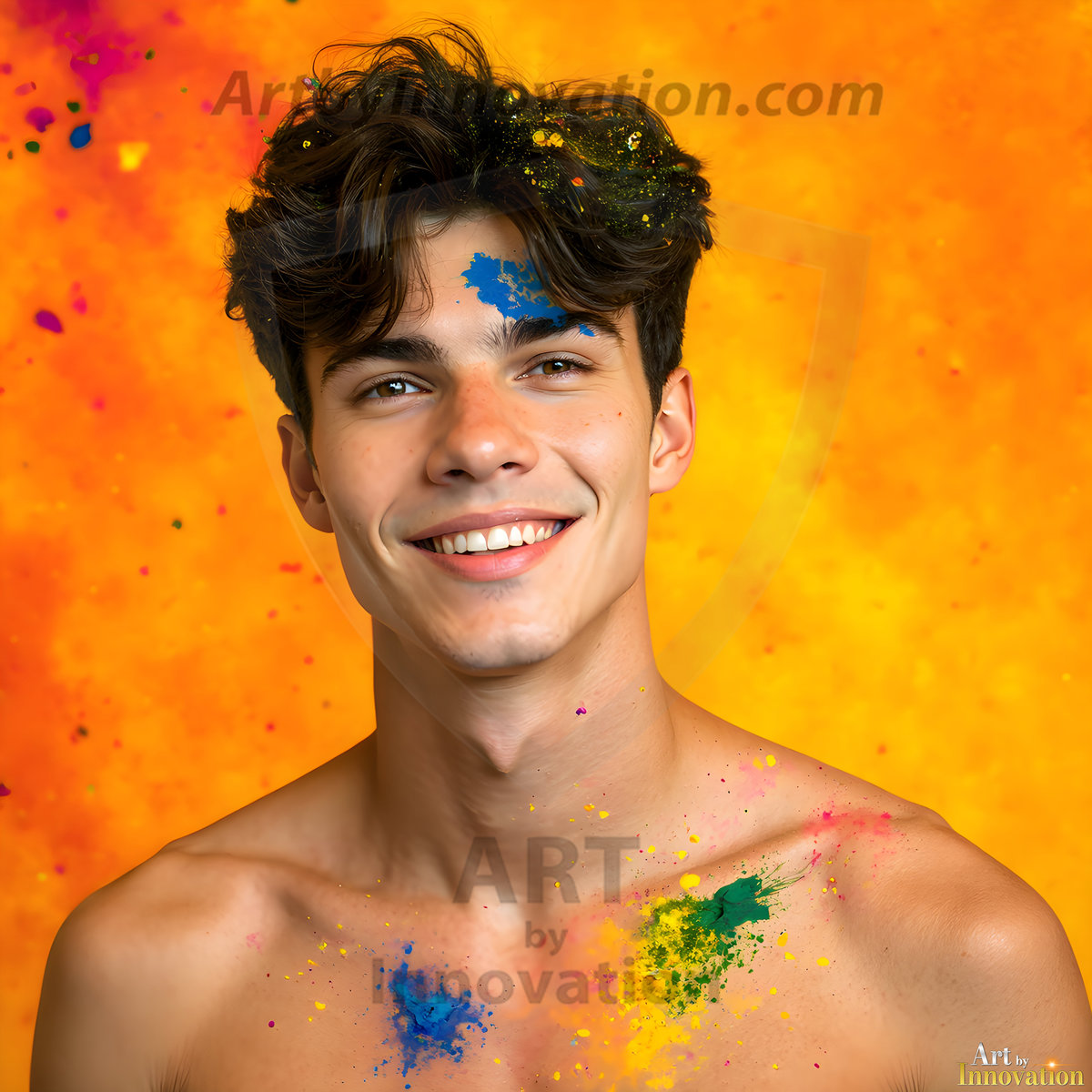
The colors of the LGBTQ+ Pride flags are designed to celebrate the diversity of human experience, visibility, and hope, with each shade representing a specific value that honors the LGBTQ+ community. Created in 1978 by artist Gilbert Baker, the rainbow flag has evolved to include more inclusive colors, showcasing how variety in identity makes individuals uniquely themselves. Meanings Behind the Colors, Red (Life): Represents the vitality and passion of LGBTQ+ people. Orange (Healing): Symbolizes the healing power within the community, often in the face of adversity. Yellow (Sunlight): Signifies the brightness and joy of being true to oneself. Green (Nature): Represents a connection to nature, the environment, and prosperity. Blue/Indigo (Serenity/Harmony): Symbolizes serenity, calm, and inner strength found in living one's truth. Violet/Purple (Spirit): Represents the spirit, strength, and resilience of the community.
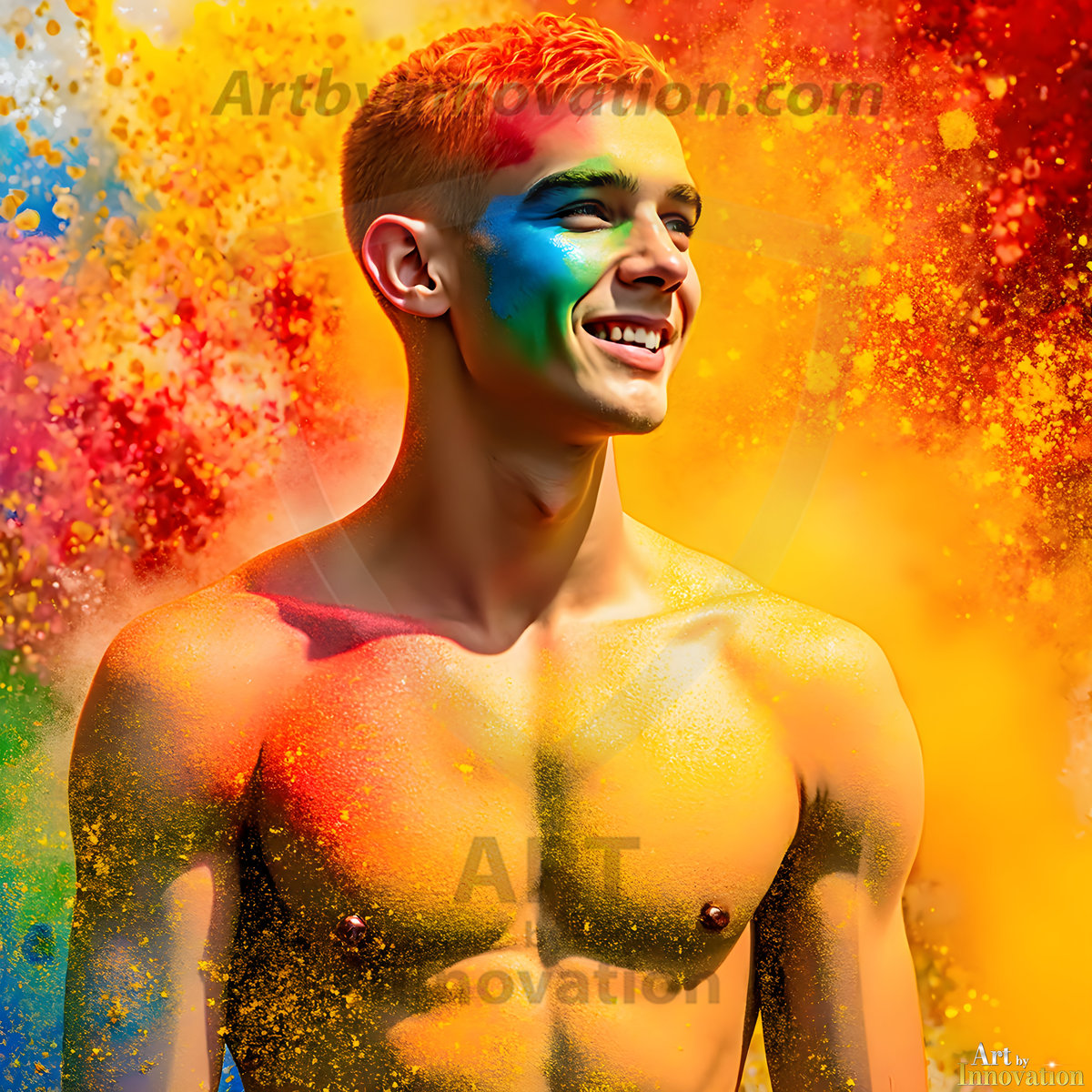
The colors of the LGBTQ+ Pride flags are designed to celebrate the diversity of human experience, visibility, and hope, with each shade representing a specific value that honors the LGBTQ+ community. Created in 1978 by artist Gilbert Baker, the rainbow flag has evolved to include more inclusive colors, showcasing how variety in identity makes individuals uniquely themselves. Meanings Behind the Colors, Red (Life): Represents the vitality and passion of LGBTQ+ people. Orange (Healing): Symbolizes the healing power within the community, often in the face of adversity. Yellow (Sunlight): Signifies the brightness and joy of being true to oneself. Green (Nature): Represents a connection to nature, the environment, and prosperity. Blue/Indigo (Serenity/Harmony): Symbolizes serenity, calm, and inner strength found in living one's truth. Violet/Purple (Spirit): Represents the spirit, strength, and resilience of the community.
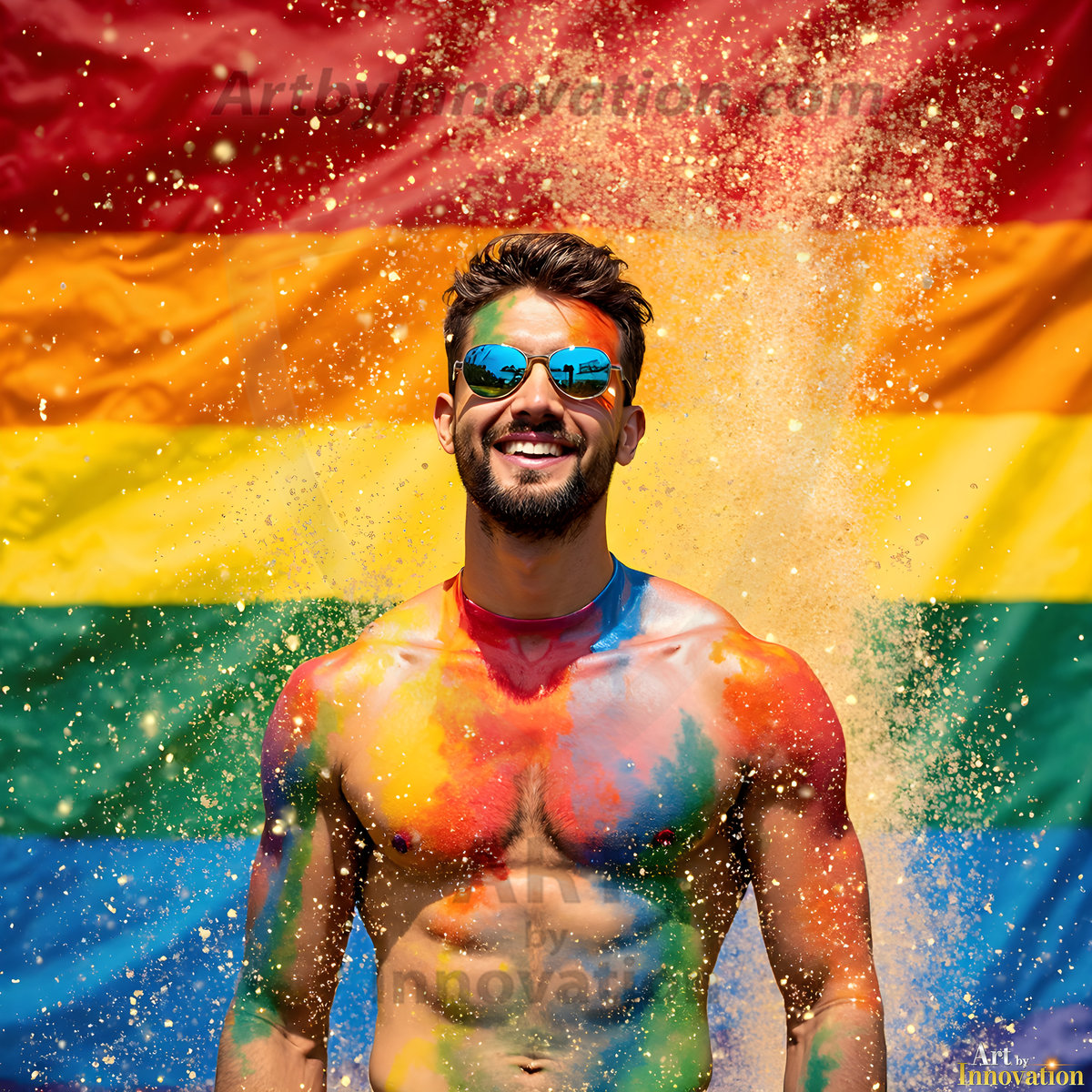
The colors of the LGBTQ+ Pride flags are designed to celebrate the diversity of human experience, visibility, and hope, with each shade representing a specific value that honors the LGBTQ+ community. Created in 1978 by artist Gilbert Baker, the rainbow flag has evolved to include more inclusive colors, showcasing how variety in identity makes individuals uniquely themselves. Meanings Behind the Colors, Red (Life): Represents the vitality and passion of LGBTQ+ people. Orange (Healing): Symbolizes the healing power within the community, often in the face of adversity. Yellow (Sunlight): Signifies the brightness and joy of being true to oneself. Green (Nature): Represents a connection to nature, the environment, and prosperity. Blue/Indigo (Serenity/Harmony): Symbolizes serenity, calm, and inner strength found in living one's truth. Violet/Purple (Spirit): Represents the spirit, strength, and resilience of the community.
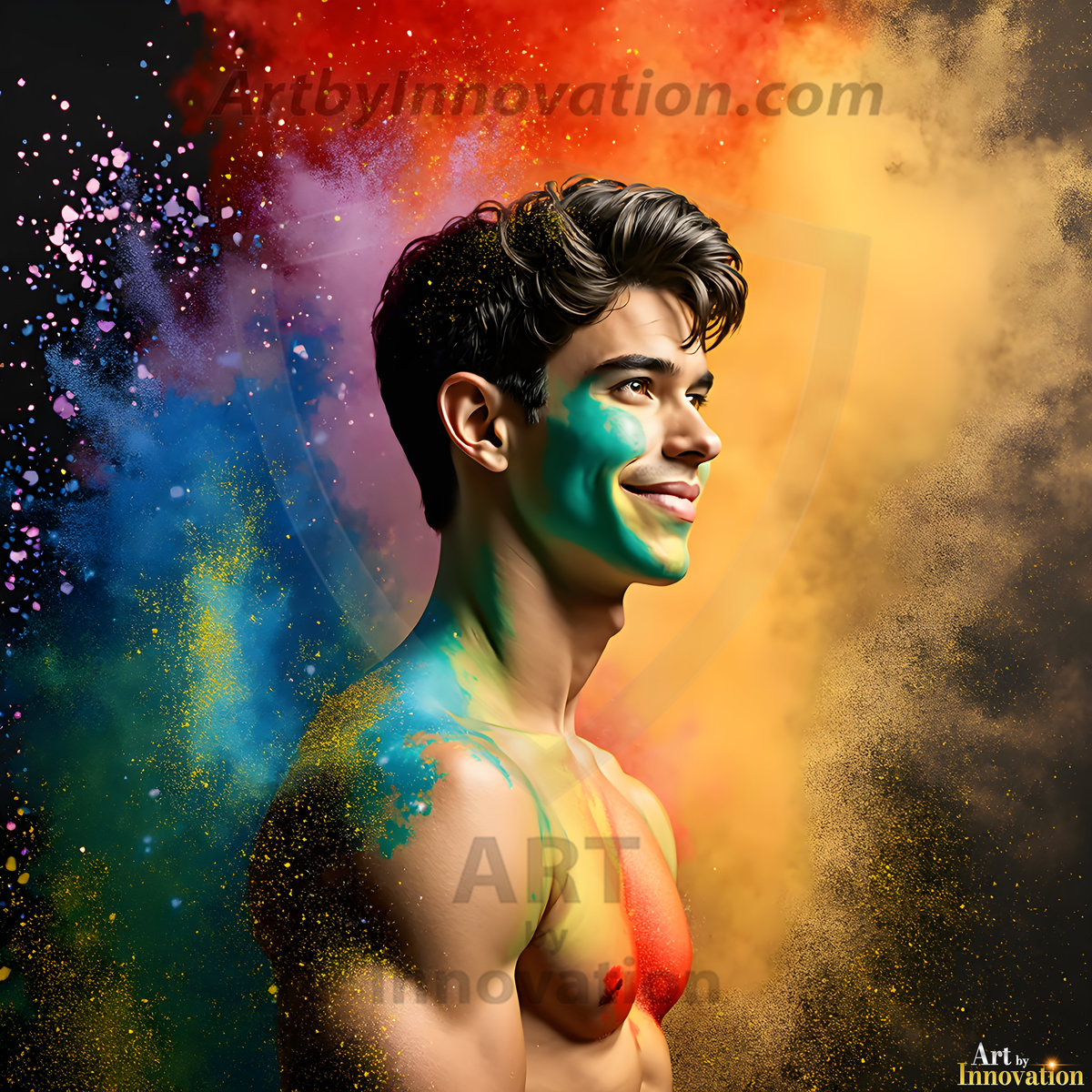
The colors of the LGBTQ+ Pride flags are designed to celebrate the diversity of human experience, visibility, and hope, with each shade representing a specific value that honors the LGBTQ+ community. Created in 1978 by artist Gilbert Baker, the rainbow flag has evolved to include more inclusive colors, showcasing how variety in identity makes individuals uniquely themselves. Meanings Behind the Colors, Red (Life): Represents the vitality and passion of LGBTQ+ people. Orange (Healing): Symbolizes the healing power within the community, often in the face of adversity. Yellow (Sunlight): Signifies the brightness and joy of being true to oneself. Green (Nature): Represents a connection to nature, the environment, and prosperity. Blue/Indigo (Serenity/Harmony): Symbolizes serenity, calm, and inner strength found in living one's truth. Violet/Purple (Spirit): Represents the spirit, strength, and resilience of the community.
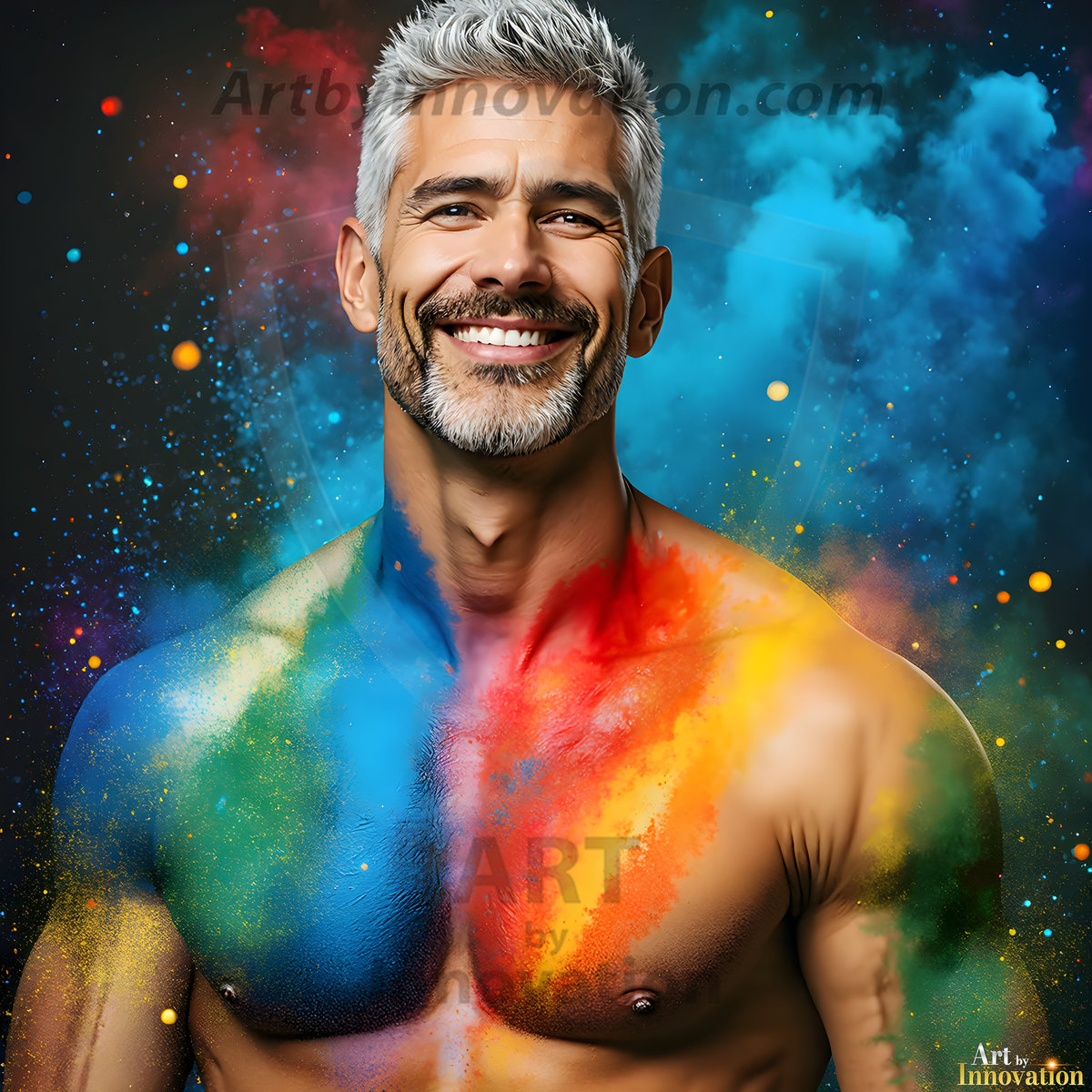
The colors of the LGBTQ+ Pride flags are designed to celebrate the diversity of human experience, visibility, and hope, with each shade representing a specific value that honors the LGBTQ+ community. Created in 1978 by artist Gilbert Baker, the rainbow flag has evolved to include more inclusive colors, showcasing how variety in identity makes individuals uniquely themselves. Meanings Behind the Colors, Red (Life): Represents the vitality and passion of LGBTQ+ people. Orange (Healing): Symbolizes the healing power within the community, often in the face of adversity. Yellow (Sunlight): Signifies the brightness and joy of being true to oneself. Green (Nature): Represents a connection to nature, the environment, and prosperity. Blue/Indigo (Serenity/Harmony): Symbolizes serenity, calm, and inner strength found in living one's truth. Violet/Purple (Spirit): Represents the spirit, strength, and resilience of the community.
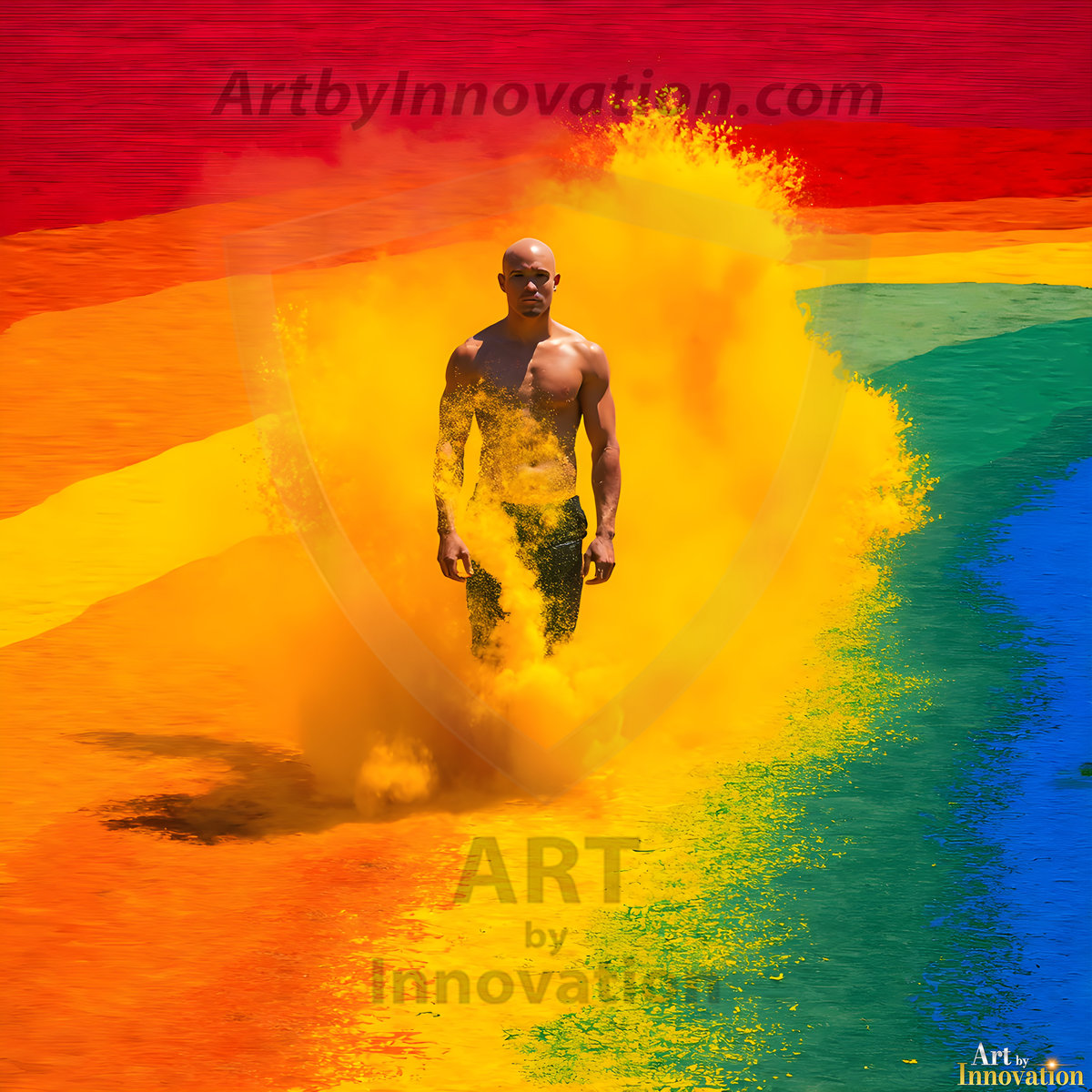
The colors of the LGBTQ+ Pride flags are designed to celebrate the diversity of human experience, visibility, and hope, with each shade representing a specific value that honors the LGBTQ+ community. Created in 1978 by artist Gilbert Baker, the rainbow flag has evolved to include more inclusive colors, showcasing how variety in identity makes individuals uniquely themselves. Meanings Behind the Colors, Red (Life): Represents the vitality and passion of LGBTQ+ people. Orange (Healing): Symbolizes the healing power within the community, often in the face of adversity. Yellow (Sunlight): Signifies the brightness and joy of being true to oneself. Green (Nature): Represents a connection to nature, the environment, and prosperity. Blue/Indigo (Serenity/Harmony): Symbolizes serenity, calm, and inner strength found in living one's truth. Violet/Purple (Spirit): Represents the spirit, strength, and resilience of the community.
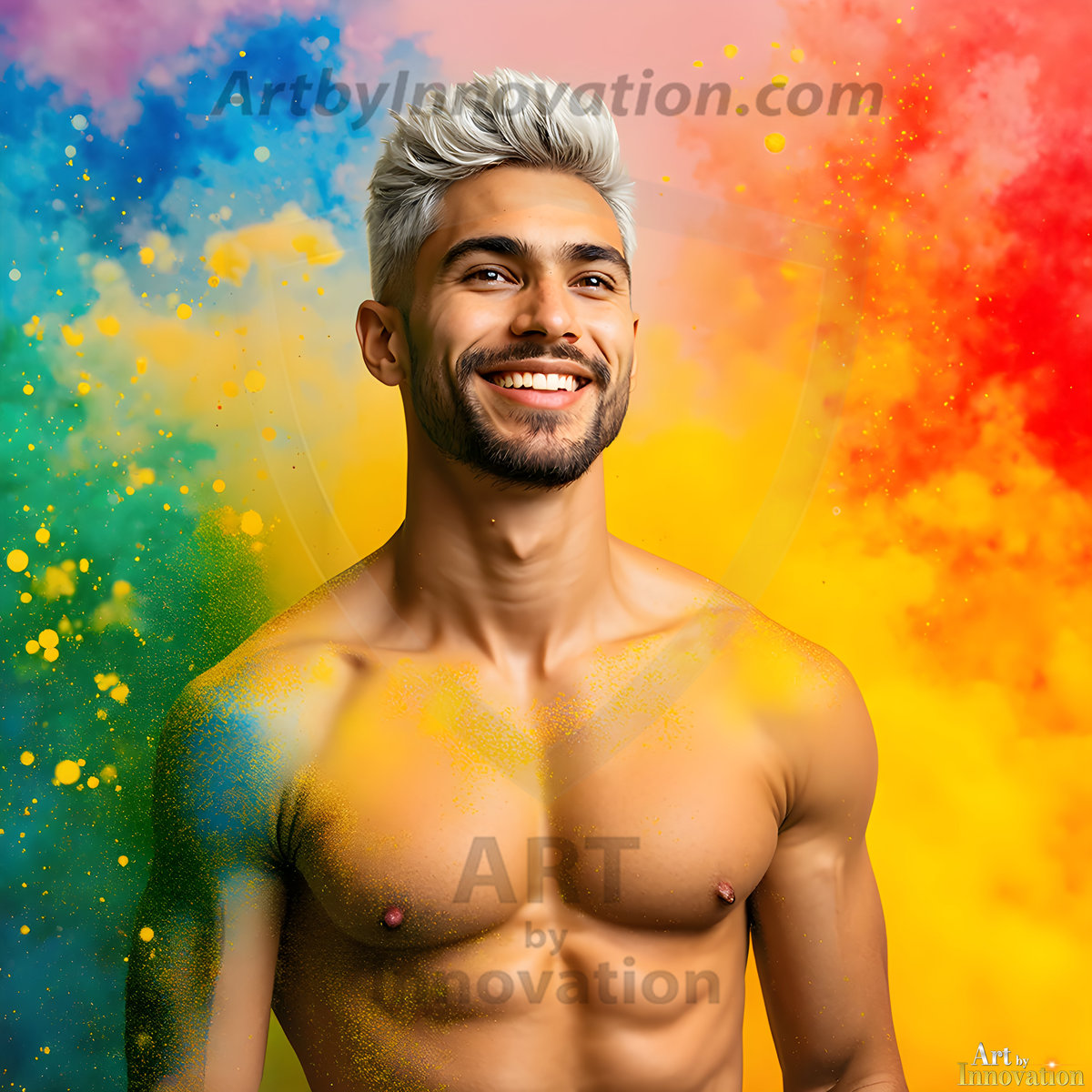
The colors of the LGBTQ+ Pride flags are designed to celebrate the diversity of human experience, visibility, and hope, with each shade representing a specific value that honors the LGBTQ+ community. Created in 1978 by artist Gilbert Baker, the rainbow flag has evolved to include more inclusive colors, showcasing how variety in identity makes individuals uniquely themselves. Meanings Behind the Colors, Red (Life): Represents the vitality and passion of LGBTQ+ people. Orange (Healing): Symbolizes the healing power within the community, often in the face of adversity. Yellow (Sunlight): Signifies the brightness and joy of being true to oneself. Green (Nature): Represents a connection to nature, the environment, and prosperity. Blue/Indigo (Serenity/Harmony): Symbolizes serenity, calm, and inner strength found in living one's truth. Violet/Purple (Spirit): Represents the spirit, strength, and resilience of the community.
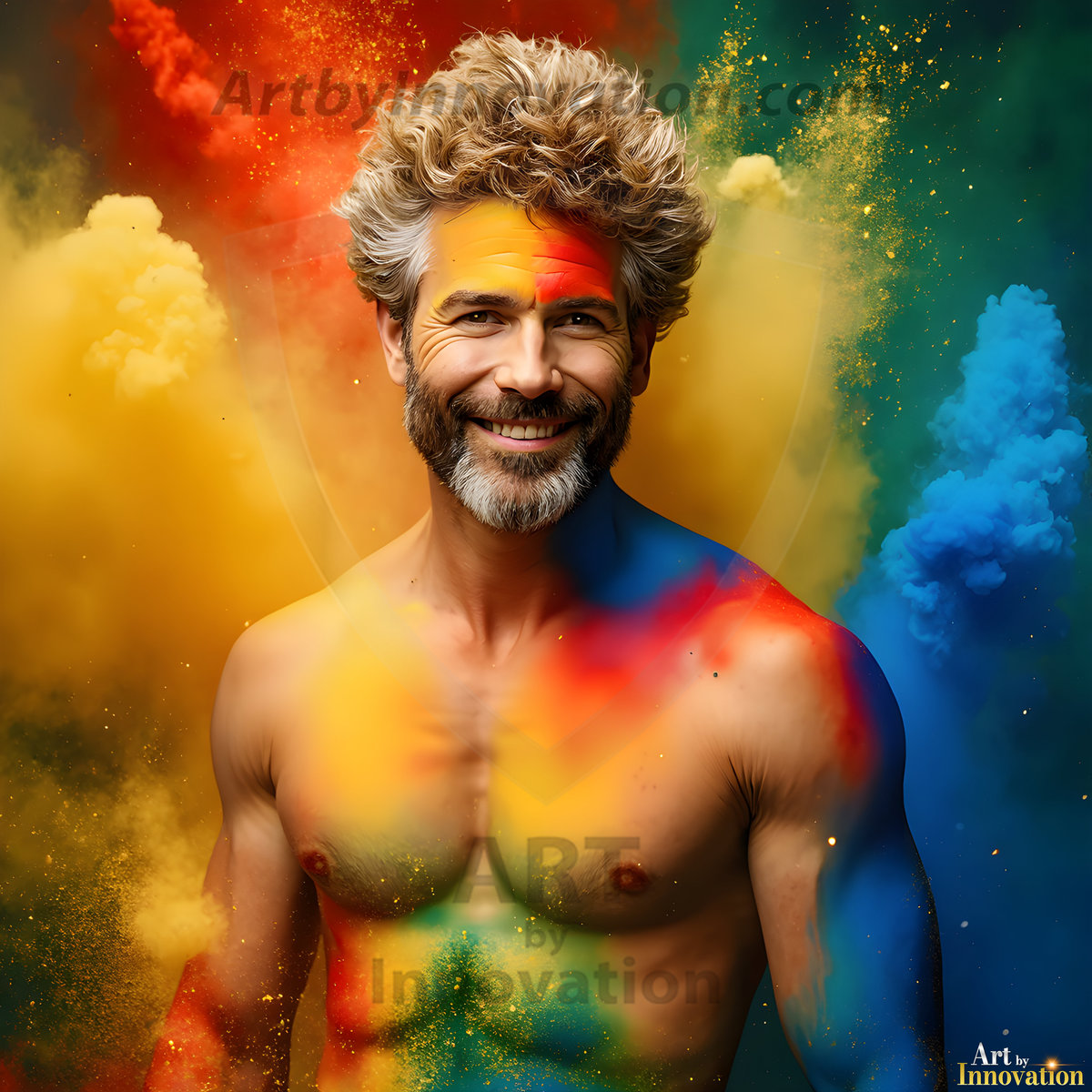
The colors of the LGBTQ+ Pride flags are designed to celebrate the diversity of human experience, visibility, and hope, with each shade representing a specific value that honors the LGBTQ+ community. Created in 1978 by artist Gilbert Baker, the rainbow flag has evolved to include more inclusive colors, showcasing how variety in identity makes individuals uniquely themselves. Meanings Behind the Colors, Red (Life): Represents the vitality and passion of LGBTQ+ people. Orange (Healing): Symbolizes the healing power within the community, often in the face of adversity. Yellow (Sunlight): Signifies the brightness and joy of being true to oneself. Green (Nature): Represents a connection to nature, the environment, and prosperity. Blue/Indigo (Serenity/Harmony): Symbolizes serenity, calm, and inner strength found in living one's truth. Violet/Purple (Spirit): Represents the spirit, strength, and resilience of the community.
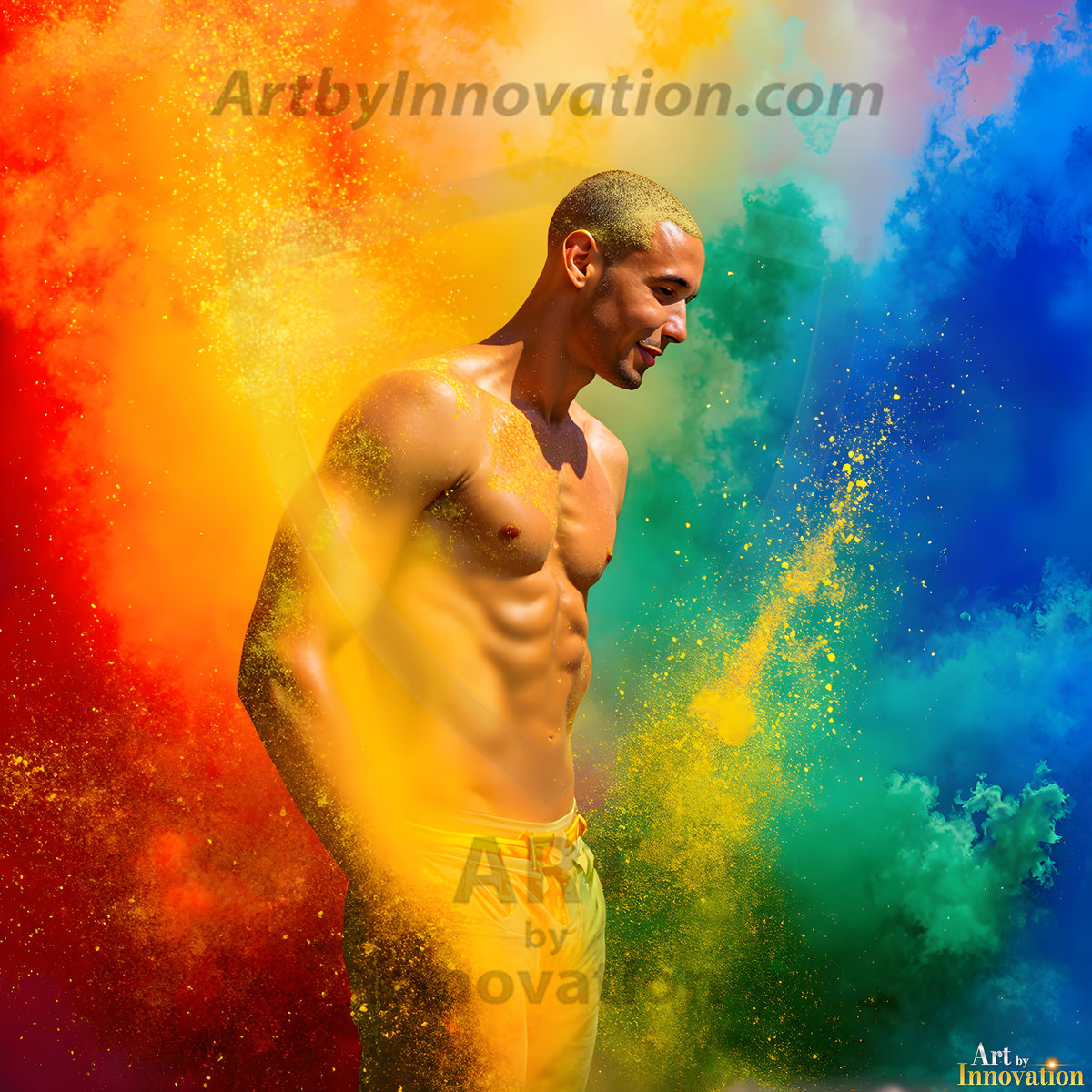
The colors of the LGBTQ+ Pride flags are designed to celebrate the diversity of human experience, visibility, and hope, with each shade representing a specific value that honors the LGBTQ+ community. Created in 1978 by artist Gilbert Baker, the rainbow flag has evolved to include more inclusive colors, showcasing how variety in identity makes individuals uniquely themselves. Meanings Behind the Colors, Red (Life): Represents the vitality and passion of LGBTQ+ people. Orange (Healing): Symbolizes the healing power within the community, often in the face of adversity. Yellow (Sunlight): Signifies the brightness and joy of being true to oneself. Green (Nature): Represents a connection to nature, the environment, and prosperity. Blue/Indigo (Serenity/Harmony): Symbolizes serenity, calm, and inner strength found in living one's truth. Violet/Purple (Spirit): Represents the spirit, strength, and resilience of the community.
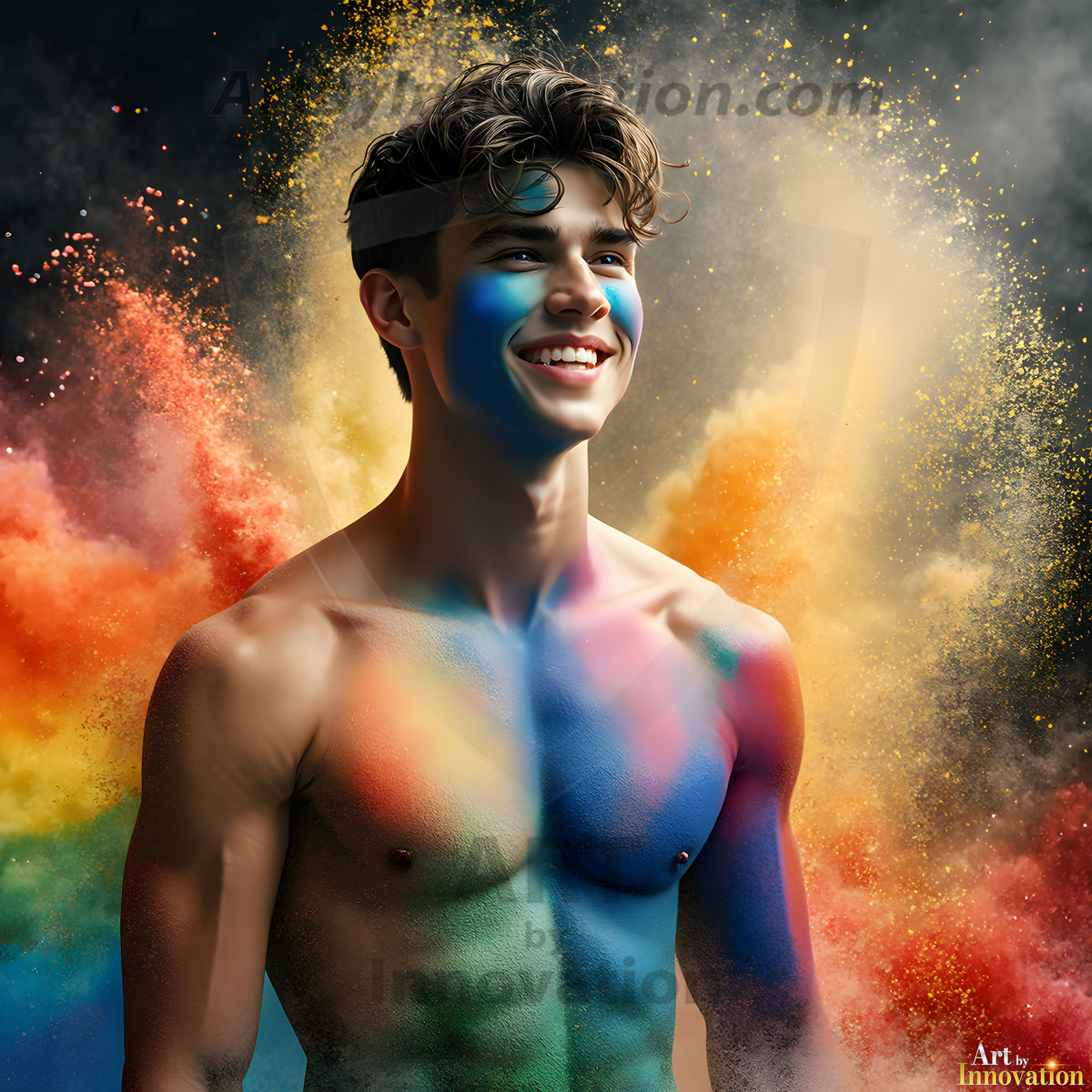
The colors of the LGBTQ+ Pride flags are designed to celebrate the diversity of human experience, visibility, and hope, with each shade representing a specific value that honors the LGBTQ+ community. Created in 1978 by artist Gilbert Baker, the rainbow flag has evolved to include more inclusive colors, showcasing how variety in identity makes individuals uniquely themselves. Meanings Behind the Colors, Red (Life): Represents the vitality and passion of LGBTQ+ people. Orange (Healing): Symbolizes the healing power within the community, often in the face of adversity. Yellow (Sunlight): Signifies the brightness and joy of being true to oneself. Green (Nature): Represents a connection to nature, the environment, and prosperity. Blue/Indigo (Serenity/Harmony): Symbolizes serenity, calm, and inner strength found in living one's truth. Violet/Purple (Spirit): Represents the spirit, strength, and resilience of the community.
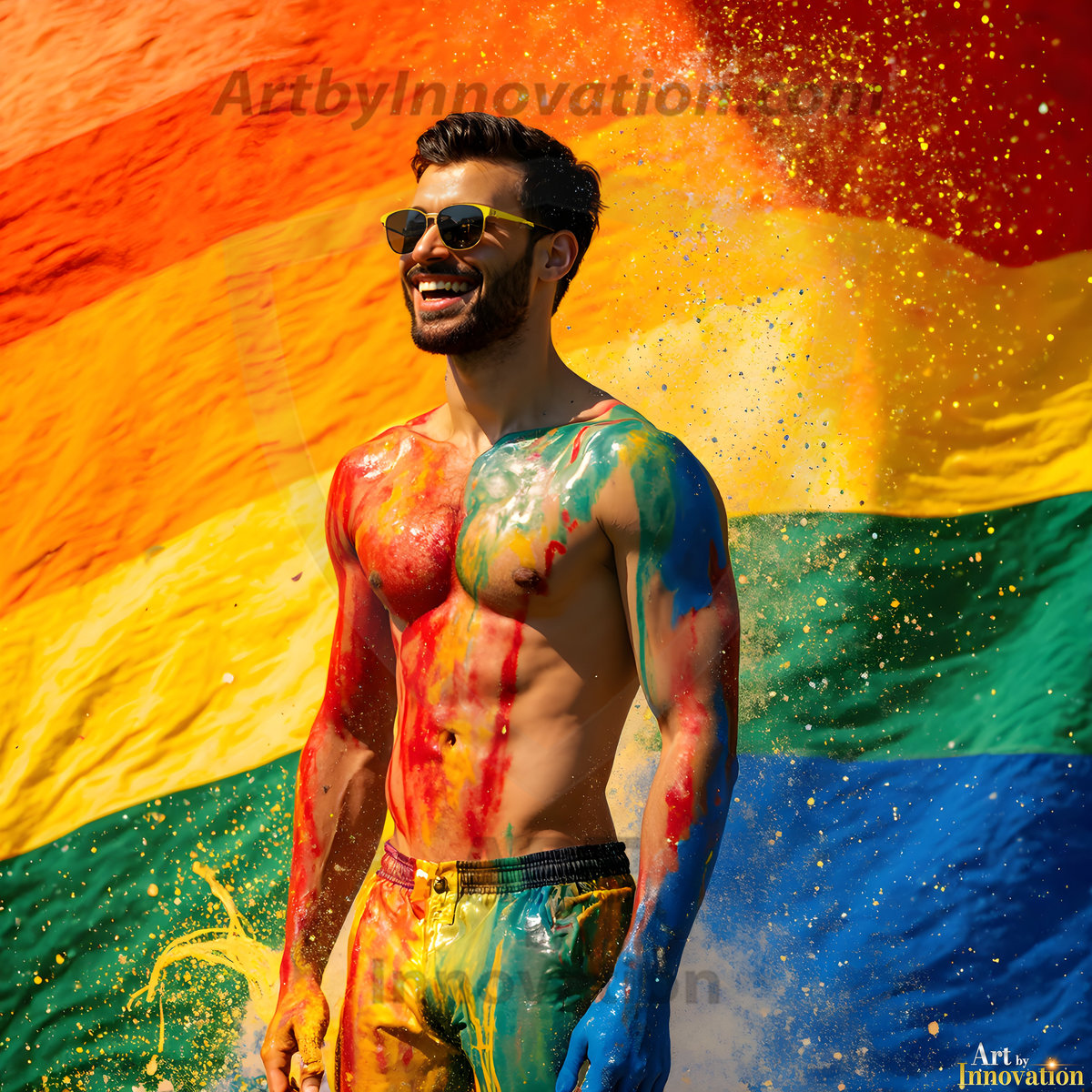
The colors of the LGBTQ+ Pride flags are designed to celebrate the diversity of human experience, visibility, and hope, with each shade representing a specific value that honors the LGBTQ+ community. Created in 1978 by artist Gilbert Baker, the rainbow flag has evolved to include more inclusive colors, showcasing how variety in identity makes individuals uniquely themselves. Meanings Behind the Colors, Red (Life): Represents the vitality and passion of LGBTQ+ people. Orange (Healing): Symbolizes the healing power within the community, often in the face of adversity. Yellow (Sunlight): Signifies the brightness and joy of being true to oneself. Green (Nature): Represents a connection to nature, the environment, and prosperity. Blue/Indigo (Serenity/Harmony): Symbolizes serenity, calm, and inner strength found in living one's truth. Violet/Purple (Spirit): Represents the spirit, strength, and resilience of the community.
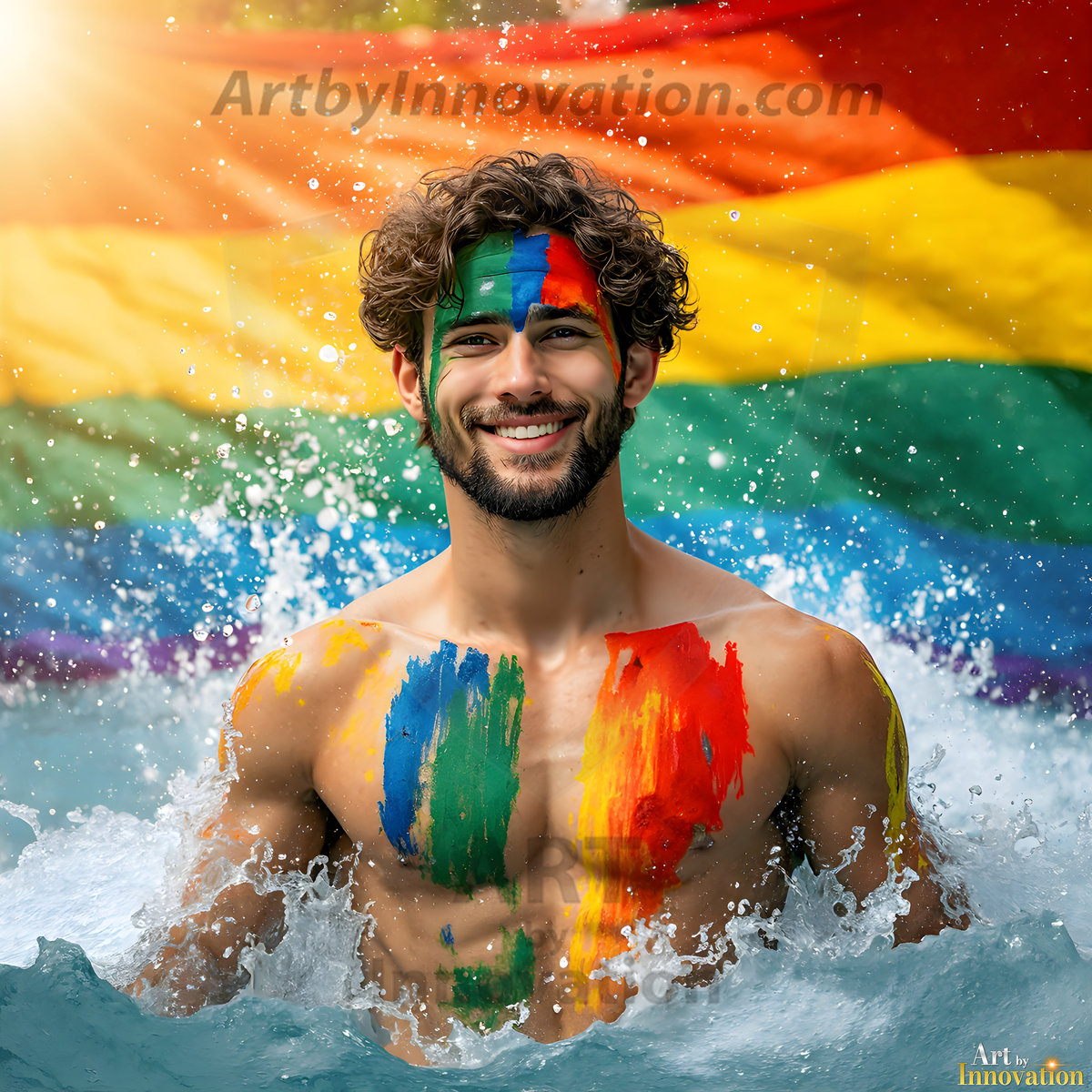
The colors of the LGBTQ+ Pride flags are designed to celebrate the diversity of human experience, visibility, and hope, with each shade representing a specific value that honors the LGBTQ+ community. Created in 1978 by artist Gilbert Baker, the rainbow flag has evolved to include more inclusive colors, showcasing how variety in identity makes individuals uniquely themselves. Meanings Behind the Colors, Red (Life): Represents the vitality and passion of LGBTQ+ people. Orange (Healing): Symbolizes the healing power within the community, often in the face of adversity. Yellow (Sunlight): Signifies the brightness and joy of being true to oneself. Green (Nature): Represents a connection to nature, the environment, and prosperity. Blue/Indigo (Serenity/Harmony): Symbolizes serenity, calm, and inner strength found in living one's truth. Violet/Purple (Spirit): Represents the spirit, strength, and resilience of the community.
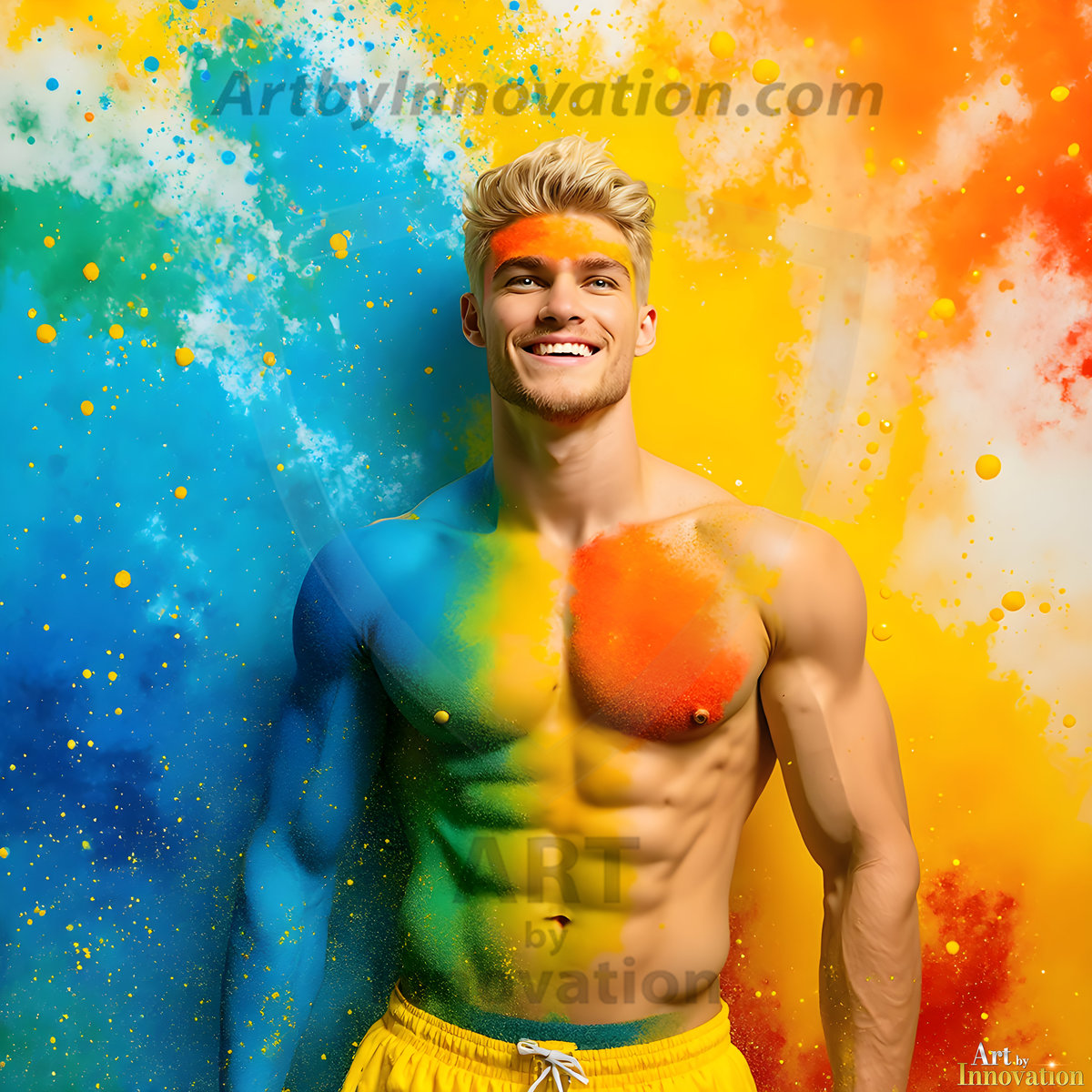
The colors of the LGBTQ+ Pride flags are designed to celebrate the diversity of human experience, visibility, and hope, with each shade representing a specific value that honors the LGBTQ+ community. Created in 1978 by artist Gilbert Baker, the rainbow flag has evolved to include more inclusive colors, showcasing how variety in identity makes individuals uniquely themselves. Meanings Behind the Colors, Red (Life): Represents the vitality and passion of LGBTQ+ people. Orange (Healing): Symbolizes the healing power within the community, often in the face of adversity. Yellow (Sunlight): Signifies the brightness and joy of being true to oneself. Green (Nature): Represents a connection to nature, the environment, and prosperity. Blue/Indigo (Serenity/Harmony): Symbolizes serenity, calm, and inner strength found in living one's truth. Violet/Purple (Spirit): Represents the spirit, strength, and resilience of the community.
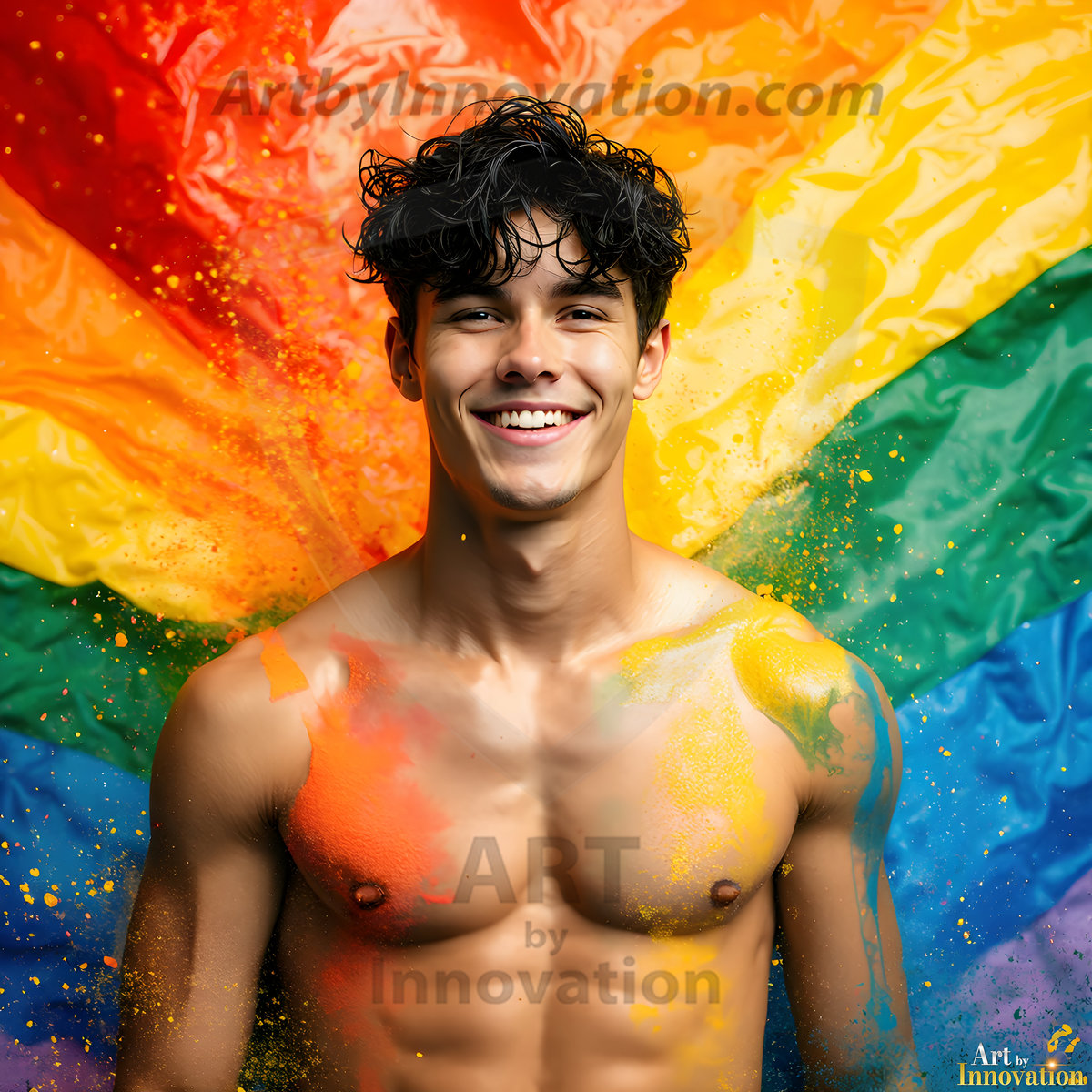
The colors of the LGBTQ+ Pride flags are designed to celebrate the diversity of human experience, visibility, and hope, with each shade representing a specific value that honors the LGBTQ+ community. Created in 1978 by artist Gilbert Baker, the rainbow flag has evolved to include more inclusive colors, showcasing how variety in identity makes individuals uniquely themselves. Meanings Behind the Colors, Red (Life): Represents the vitality and passion of LGBTQ+ people. Orange (Healing): Symbolizes the healing power within the community, often in the face of adversity. Yellow (Sunlight): Signifies the brightness and joy of being true to oneself. Green (Nature): Represents a connection to nature, the environment, and prosperity. Blue/Indigo (Serenity/Harmony): Symbolizes serenity, calm, and inner strength found in living one's truth. Violet/Purple (Spirit): Represents the spirit, strength, and resilience of the community.
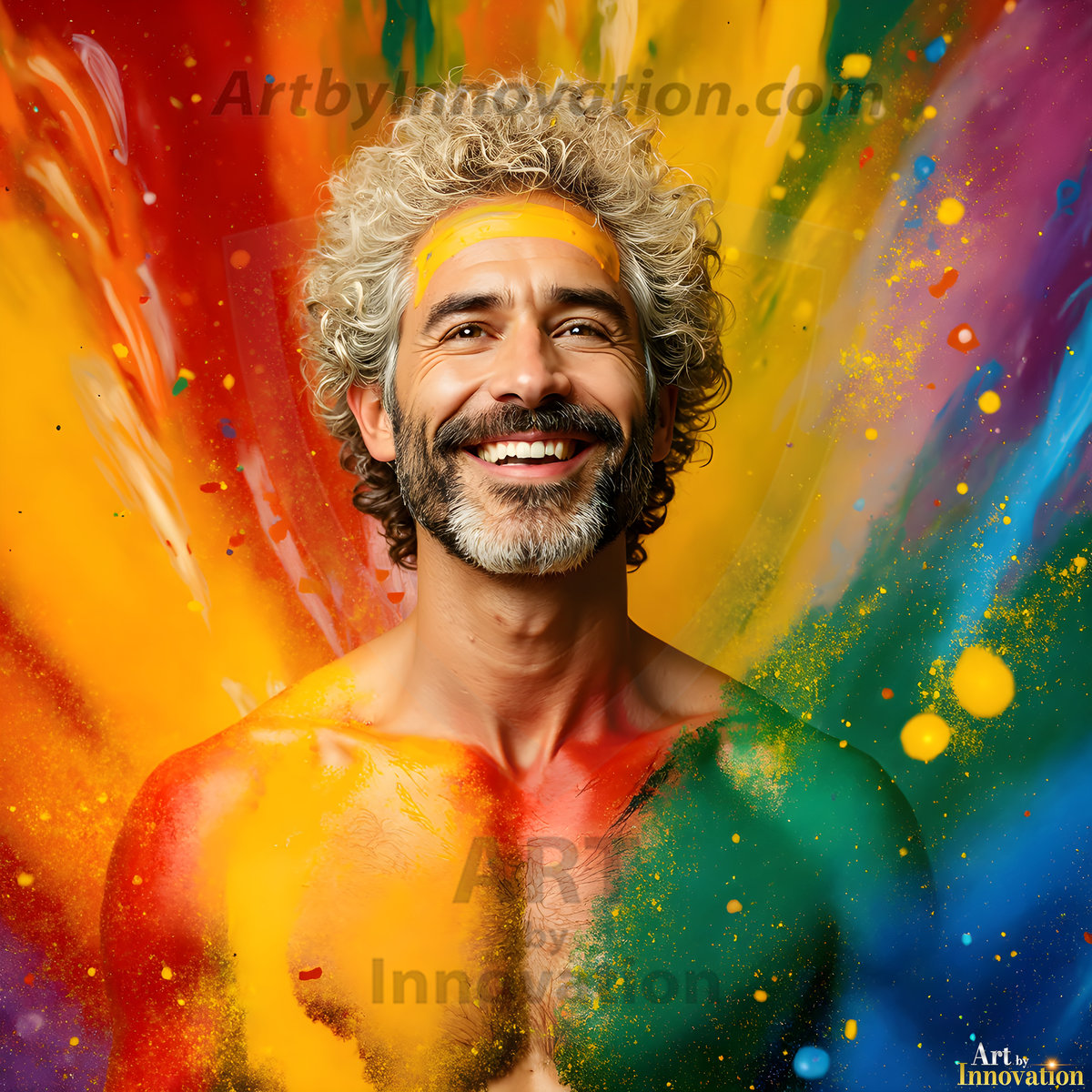
The colors of the LGBTQ+ Pride flags are designed to celebrate the diversity of human experience, visibility, and hope, with each shade representing a specific value that honors the LGBTQ+ community. Created in 1978 by artist Gilbert Baker, the rainbow flag has evolved to include more inclusive colors, showcasing how variety in identity makes individuals uniquely themselves. Meanings Behind the Colors, Red (Life): Represents the vitality and passion of LGBTQ+ people. Orange (Healing): Symbolizes the healing power within the community, often in the face of adversity. Yellow (Sunlight): Signifies the brightness and joy of being true to oneself. Green (Nature): Represents a connection to nature, the environment, and prosperity. Blue/Indigo (Serenity/Harmony): Symbolizes serenity, calm, and inner strength found in living one's truth. Violet/Purple (Spirit): Represents the spirit, strength, and resilience of the community.
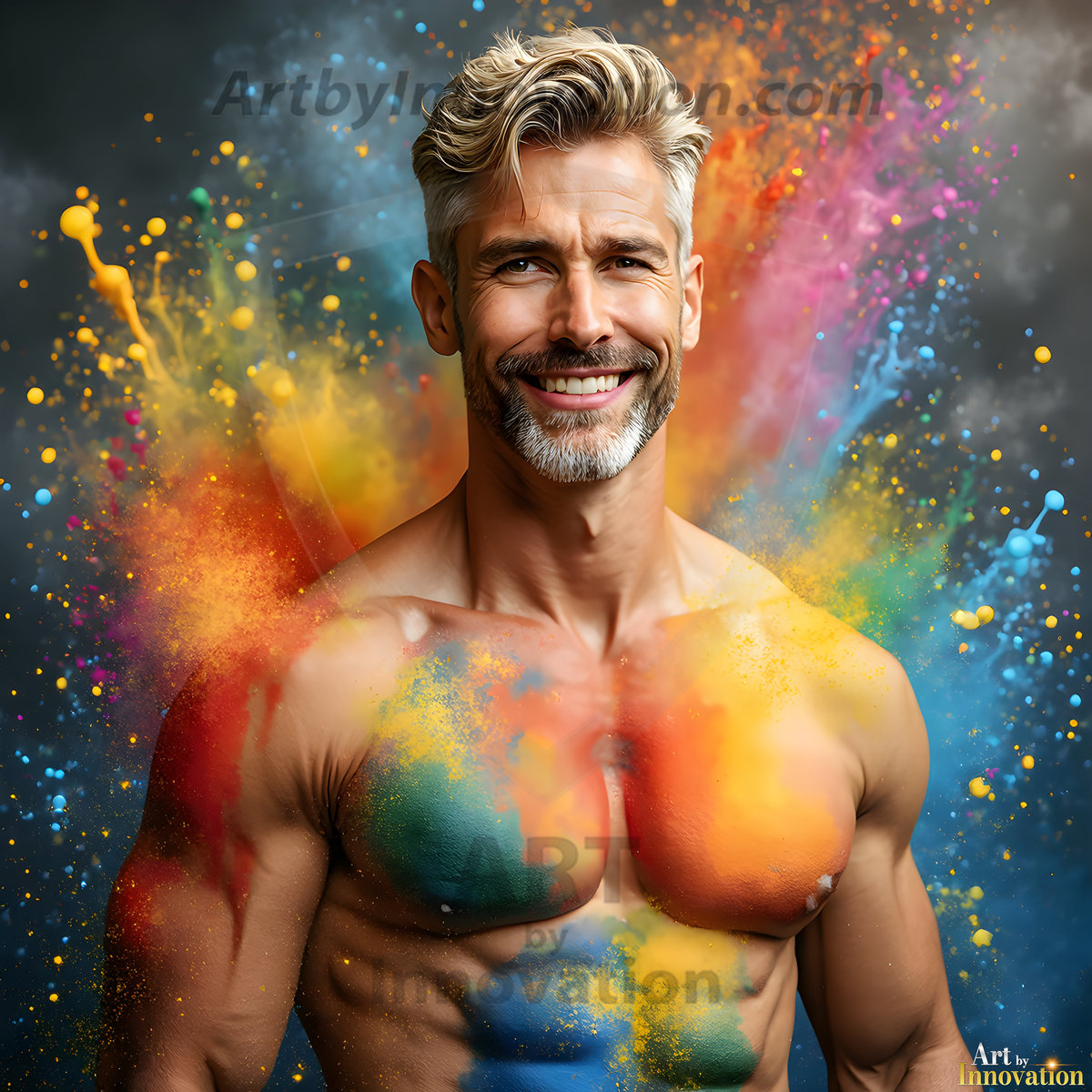
The colors of the LGBTQ+ Pride flags are designed to celebrate the diversity of human experience, visibility, and hope, with each shade representing a specific value that honors the LGBTQ+ community. Created in 1978 by artist Gilbert Baker, the rainbow flag has evolved to include more inclusive colors, showcasing how variety in identity makes individuals uniquely themselves. Meanings Behind the Colors, Red (Life): Represents the vitality and passion of LGBTQ+ people. Orange (Healing): Symbolizes the healing power within the community, often in the face of adversity. Yellow (Sunlight): Signifies the brightness and joy of being true to oneself. Green (Nature): Represents a connection to nature, the environment, and prosperity. Blue/Indigo (Serenity/Harmony): Symbolizes serenity, calm, and inner strength found in living one's truth. Violet/Purple (Spirit): Represents the spirit, strength, and resilience of the community.
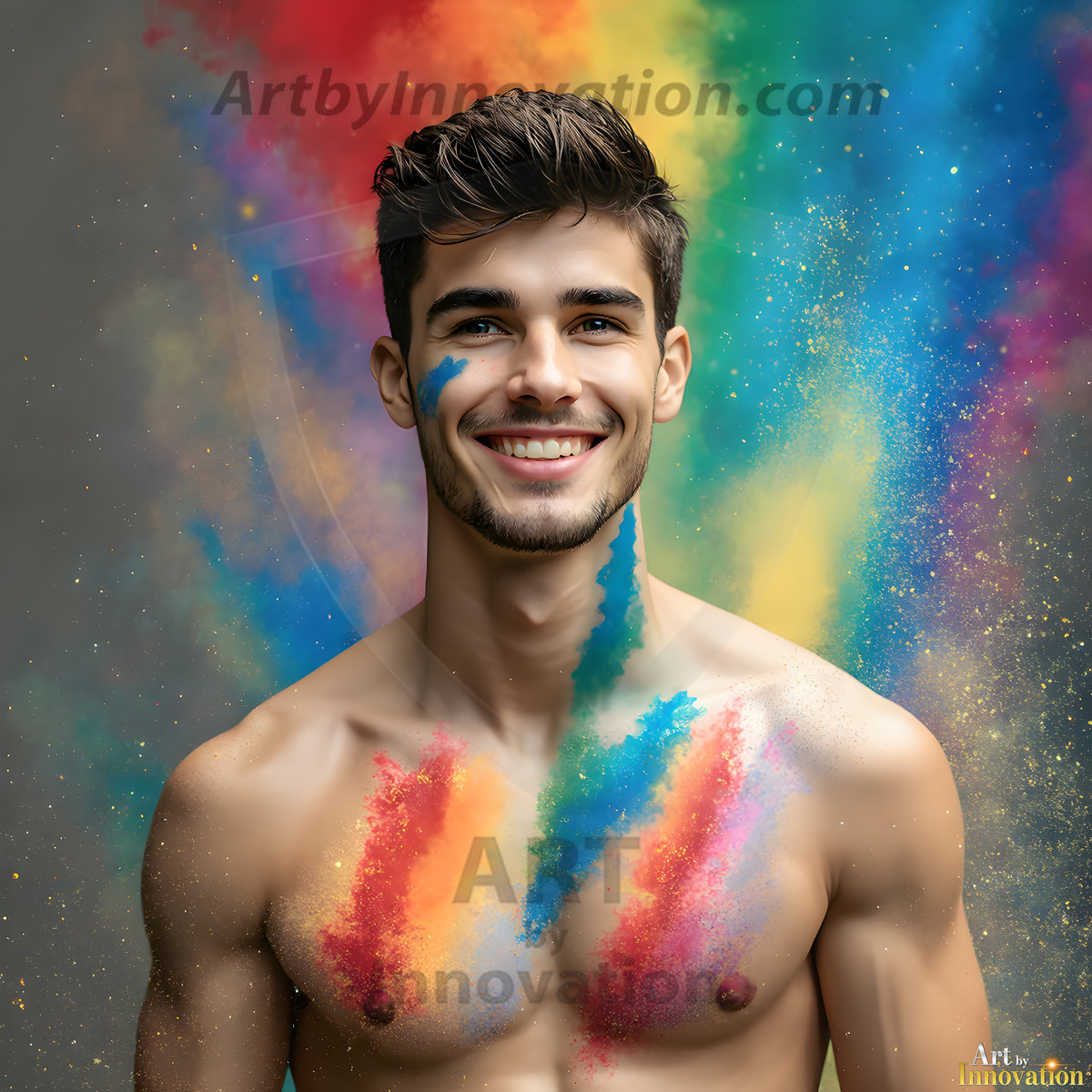
The colors of the LGBTQ+ Pride flags are designed to celebrate the diversity of human experience, visibility, and hope, with each shade representing a specific value that honors the LGBTQ+ community. Created in 1978 by artist Gilbert Baker, the rainbow flag has evolved to include more inclusive colors, showcasing how variety in identity makes individuals uniquely themselves. Meanings Behind the Colors, Red (Life): Represents the vitality and passion of LGBTQ+ people. Orange (Healing): Symbolizes the healing power within the community, often in the face of adversity. Yellow (Sunlight): Signifies the brightness and joy of being true to oneself. Green (Nature): Represents a connection to nature, the environment, and prosperity. Blue/Indigo (Serenity/Harmony): Symbolizes serenity, calm, and inner strength found in living one's truth. Violet/Purple (Spirit): Represents the spirit, strength, and resilience of the community.

The colors of the LGBTQ+ Pride flags are designed to celebrate the diversity of human experience, visibility, and hope, with each shade representing a specific value that honors the LGBTQ+ community. Created in 1978 by artist Gilbert Baker, the rainbow flag has evolved to include more inclusive colors, showcasing how variety in identity makes individuals uniquely themselves. Meanings Behind the Colors, Red (Life): Represents the vitality and passion of LGBTQ+ people. Orange (Healing): Symbolizes the healing power within the community, often in the face of adversity. Yellow (Sunlight): Signifies the brightness and joy of being true to oneself. Green (Nature): Represents a connection to nature, the environment, and prosperity. Blue/Indigo (Serenity/Harmony): Symbolizes serenity, calm, and inner strength found in living one's truth. Violet/Purple (Spirit): Represents the spirit, strength, and resilience of the community.
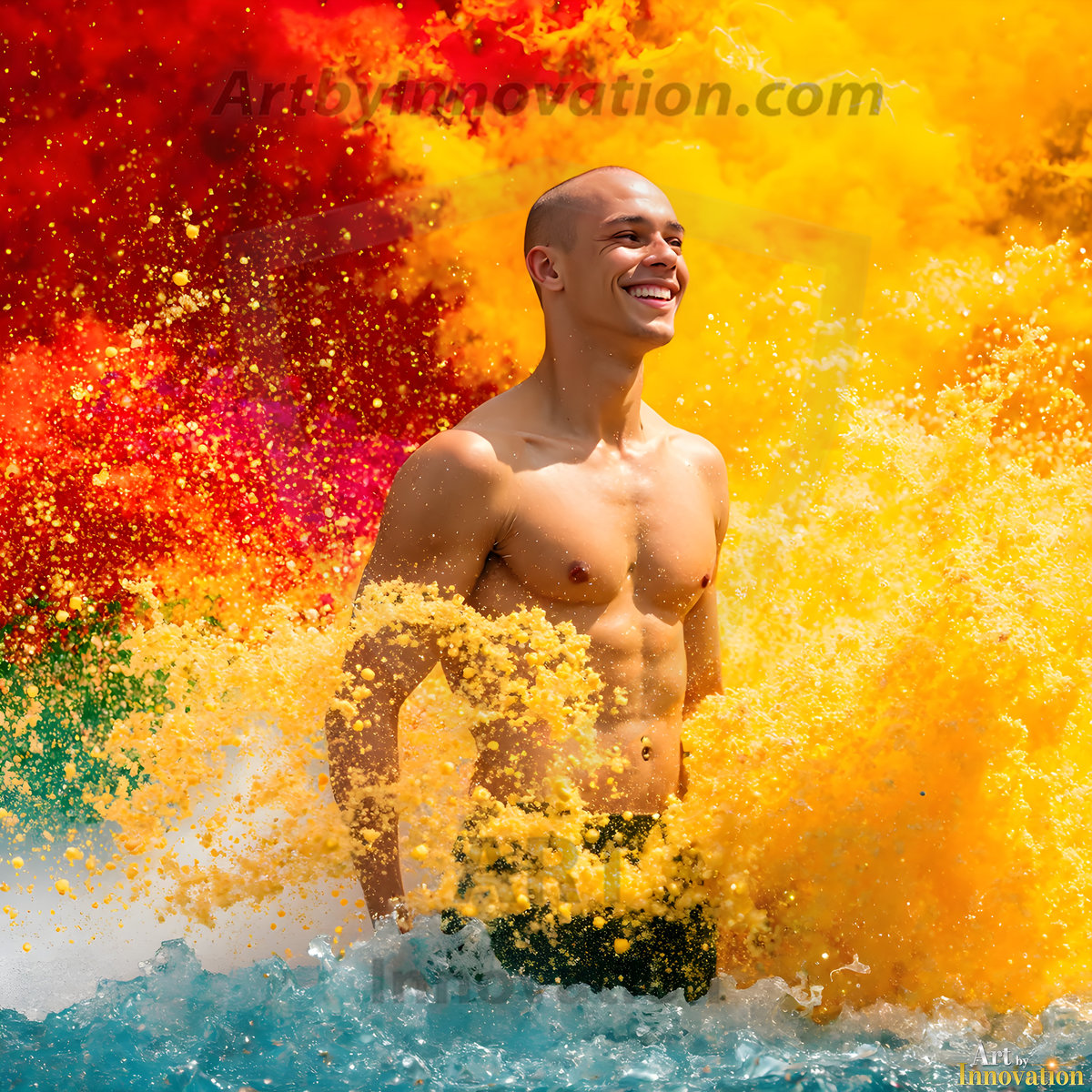
The colors of the LGBTQ+ Pride flags are designed to celebrate the diversity of human experience, visibility, and hope, with each shade representing a specific value that honors the LGBTQ+ community. Created in 1978 by artist Gilbert Baker, the rainbow flag has evolved to include more inclusive colors, showcasing how variety in identity makes individuals uniquely themselves. Meanings Behind the Colors, Red (Life): Represents the vitality and passion of LGBTQ+ people. Orange (Healing): Symbolizes the healing power within the community, often in the face of adversity. Yellow (Sunlight): Signifies the brightness and joy of being true to oneself. Green (Nature): Represents a connection to nature, the environment, and prosperity. Blue/Indigo (Serenity/Harmony): Symbolizes serenity, calm, and inner strength found in living one's truth. Violet/Purple (Spirit): Represents the spirit, strength, and resilience of the community.
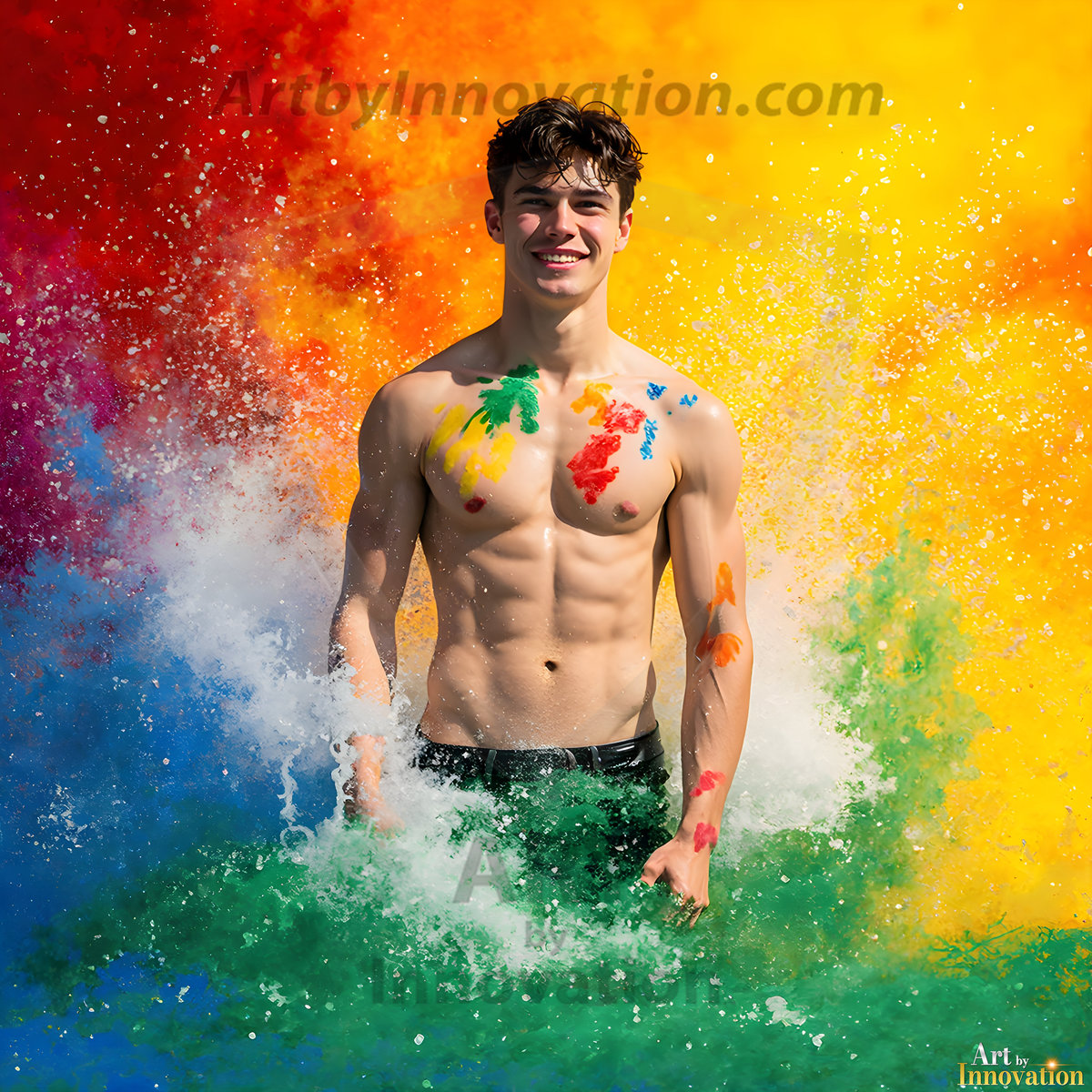
The colors of the LGBTQ+ Pride flags are designed to celebrate the diversity of human experience, visibility, and hope, with each shade representing a specific value that honors the LGBTQ+ community. Created in 1978 by artist Gilbert Baker, the rainbow flag has evolved to include more inclusive colors, showcasing how variety in identity makes individuals uniquely themselves. Meanings Behind the Colors, Red (Life): Represents the vitality and passion of LGBTQ+ people. Orange (Healing): Symbolizes the healing power within the community, often in the face of adversity. Yellow (Sunlight): Signifies the brightness and joy of being true to oneself. Green (Nature): Represents a connection to nature, the environment, and prosperity. Blue/Indigo (Serenity/Harmony): Symbolizes serenity, calm, and inner strength found in living one's truth. Violet/Purple (Spirit): Represents the spirit, strength, and resilience of the community.
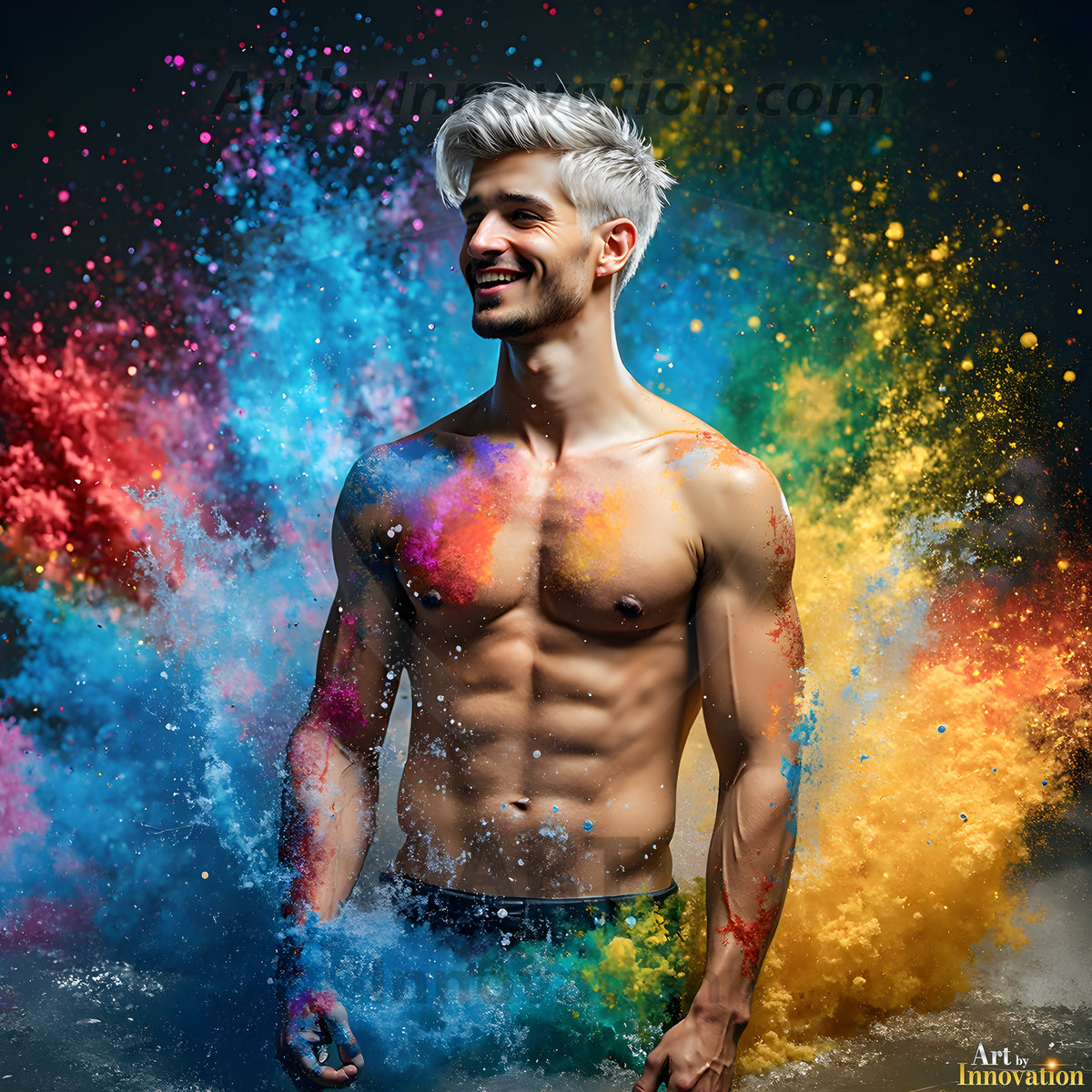
The colors of the LGBTQ+ Pride flags are designed to celebrate the diversity of human experience, visibility, and hope, with each shade representing a specific value that honors the LGBTQ+ community. Created in 1978 by artist Gilbert Baker, the rainbow flag has evolved to include more inclusive colors, showcasing how variety in identity makes individuals uniquely themselves. Meanings Behind the Colors, Red (Life): Represents the vitality and passion of LGBTQ+ people. Orange (Healing): Symbolizes the healing power within the community, often in the face of adversity. Yellow (Sunlight): Signifies the brightness and joy of being true to oneself. Green (Nature): Represents a connection to nature, the environment, and prosperity. Blue/Indigo (Serenity/Harmony): Symbolizes serenity, calm, and inner strength found in living one's truth. Violet/Purple (Spirit): Represents the spirit, strength, and resilience of the community.
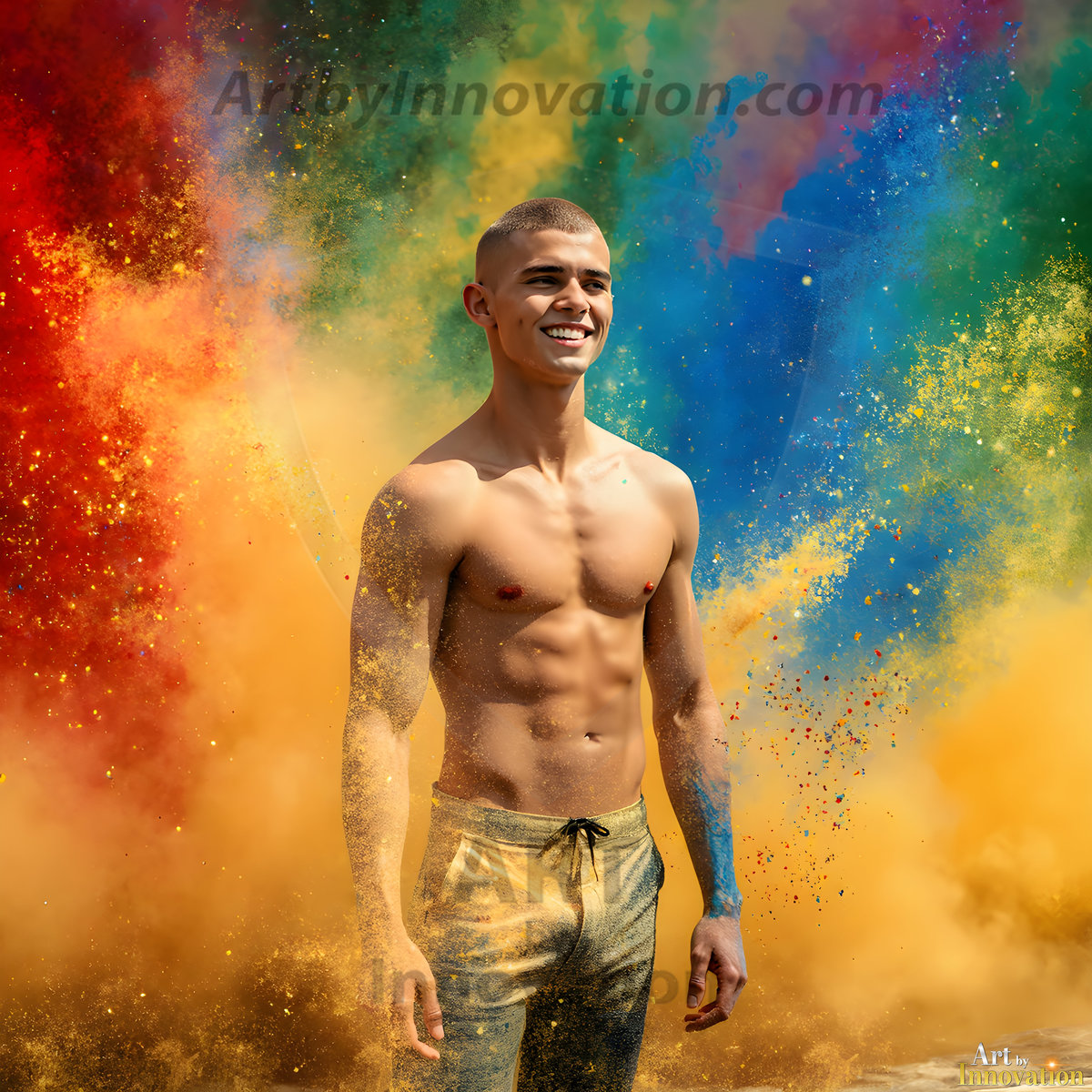
The colors of the LGBTQ+ Pride flags are designed to celebrate the diversity of human experience, visibility, and hope, with each shade representing a specific value that honors the LGBTQ+ community. Created in 1978 by artist Gilbert Baker, the rainbow flag has evolved to include more inclusive colors, showcasing how variety in identity makes individuals uniquely themselves. Meanings Behind the Colors, Red (Life): Represents the vitality and passion of LGBTQ+ people. Orange (Healing): Symbolizes the healing power within the community, often in the face of adversity. Yellow (Sunlight): Signifies the brightness and joy of being true to oneself. Green (Nature): Represents a connection to nature, the environment, and prosperity. Blue/Indigo (Serenity/Harmony): Symbolizes serenity, calm, and inner strength found in living one's truth. Violet/Purple (Spirit): Represents the spirit, strength, and resilience of the community.

The colors of the LGBTQ+ Pride flags are designed to celebrate the diversity of human experience, visibility, and hope, with each shade representing a specific value that honors the LGBTQ+ community. Created in 1978 by artist Gilbert Baker, the rainbow flag has evolved to include more inclusive colors, showcasing how variety in identity makes individuals uniquely themselves. Meanings Behind the Colors, Red (Life): Represents the vitality and passion of LGBTQ+ people. Orange (Healing): Symbolizes the healing power within the community, often in the face of adversity. Yellow (Sunlight): Signifies the brightness and joy of being true to oneself. Green (Nature): Represents a connection to nature, the environment, and prosperity. Blue/Indigo (Serenity/Harmony): Symbolizes serenity, calm, and inner strength found in living one's truth. Violet/Purple (Spirit): Represents the spirit, strength, and resilience of the community.
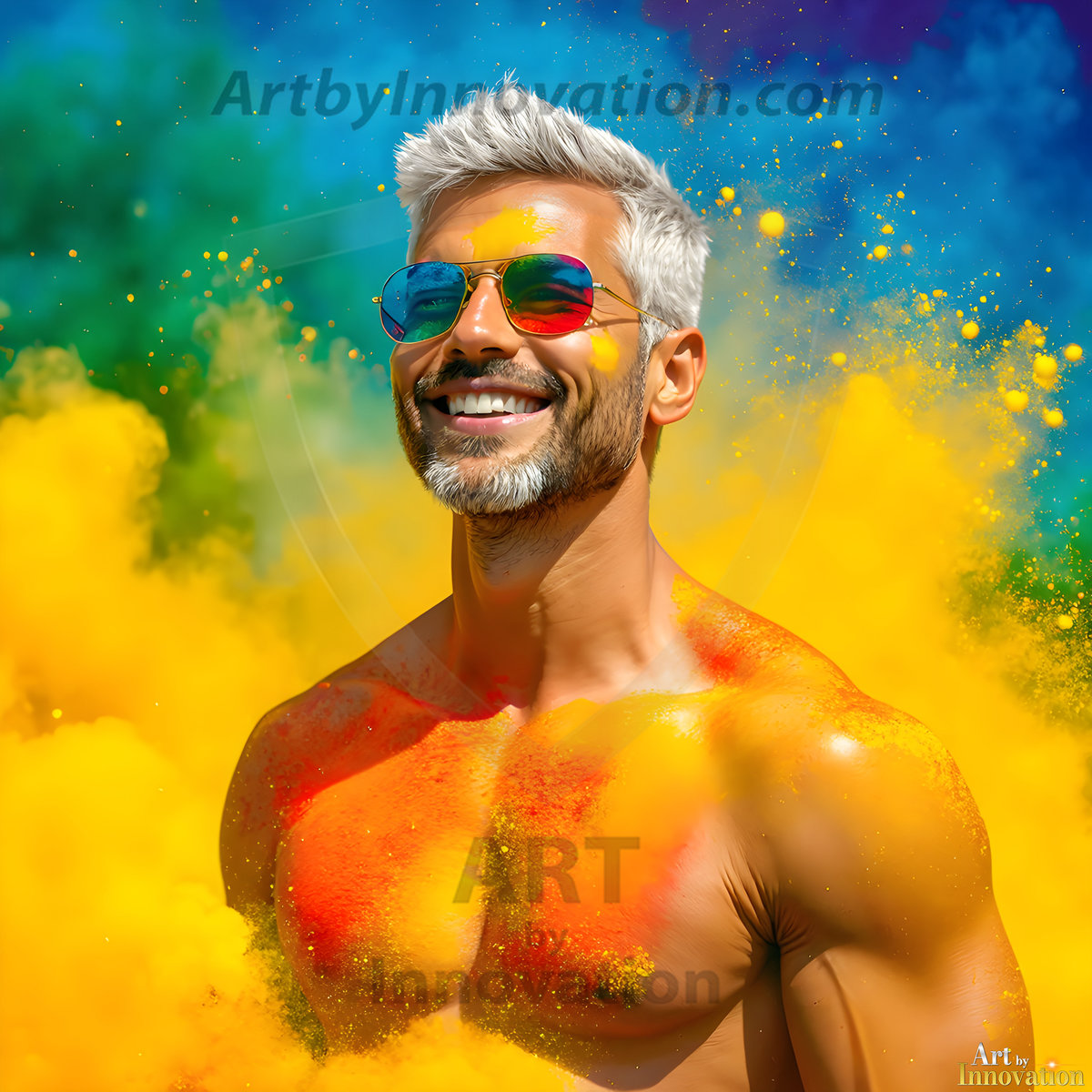
The colors of the LGBTQ+ Pride flags are designed to celebrate the diversity of human experience, visibility, and hope, with each shade representing a specific value that honors the LGBTQ+ community. Created in 1978 by artist Gilbert Baker, the rainbow flag has evolved to include more inclusive colors, showcasing how variety in identity makes individuals uniquely themselves. Meanings Behind the Colors, Red (Life): Represents the vitality and passion of LGBTQ+ people. Orange (Healing): Symbolizes the healing power within the community, often in the face of adversity. Yellow (Sunlight): Signifies the brightness and joy of being true to oneself. Green (Nature): Represents a connection to nature, the environment, and prosperity. Blue/Indigo (Serenity/Harmony): Symbolizes serenity, calm, and inner strength found in living one's truth. Violet/Purple (Spirit): Represents the spirit, strength, and resilience of the community.
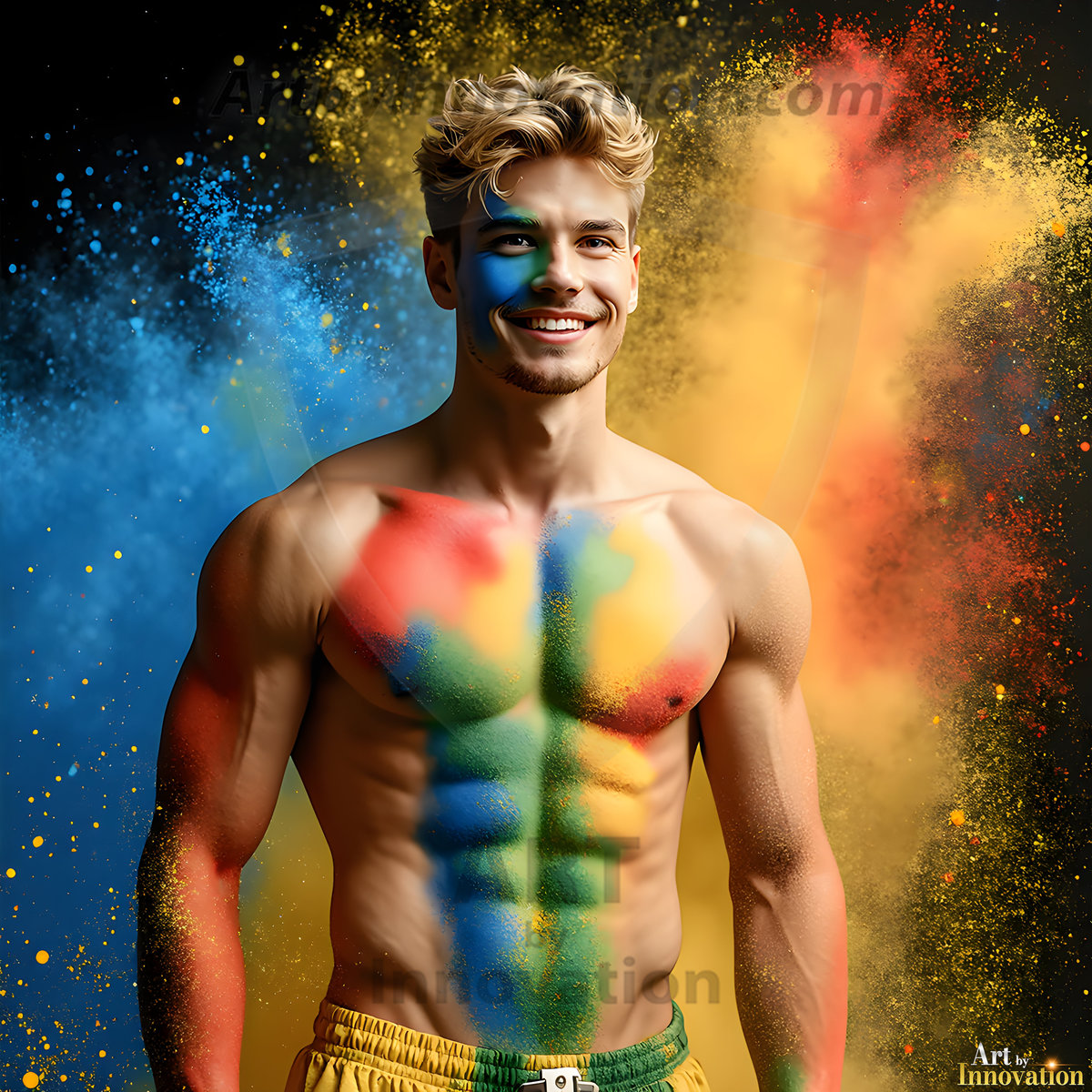
The colors of the LGBTQ+ Pride flags are designed to celebrate the diversity of human experience, visibility, and hope, with each shade representing a specific value that honors the LGBTQ+ community. Created in 1978 by artist Gilbert Baker, the rainbow flag has evolved to include more inclusive colors, showcasing how variety in identity makes individuals uniquely themselves. Meanings Behind the Colors, Red (Life): Represents the vitality and passion of LGBTQ+ people. Orange (Healing): Symbolizes the healing power within the community, often in the face of adversity. Yellow (Sunlight): Signifies the brightness and joy of being true to oneself. Green (Nature): Represents a connection to nature, the environment, and prosperity. Blue/Indigo (Serenity/Harmony): Symbolizes serenity, calm, and inner strength found in living one's truth. Violet/Purple (Spirit): Represents the spirit, strength, and resilience of the community.
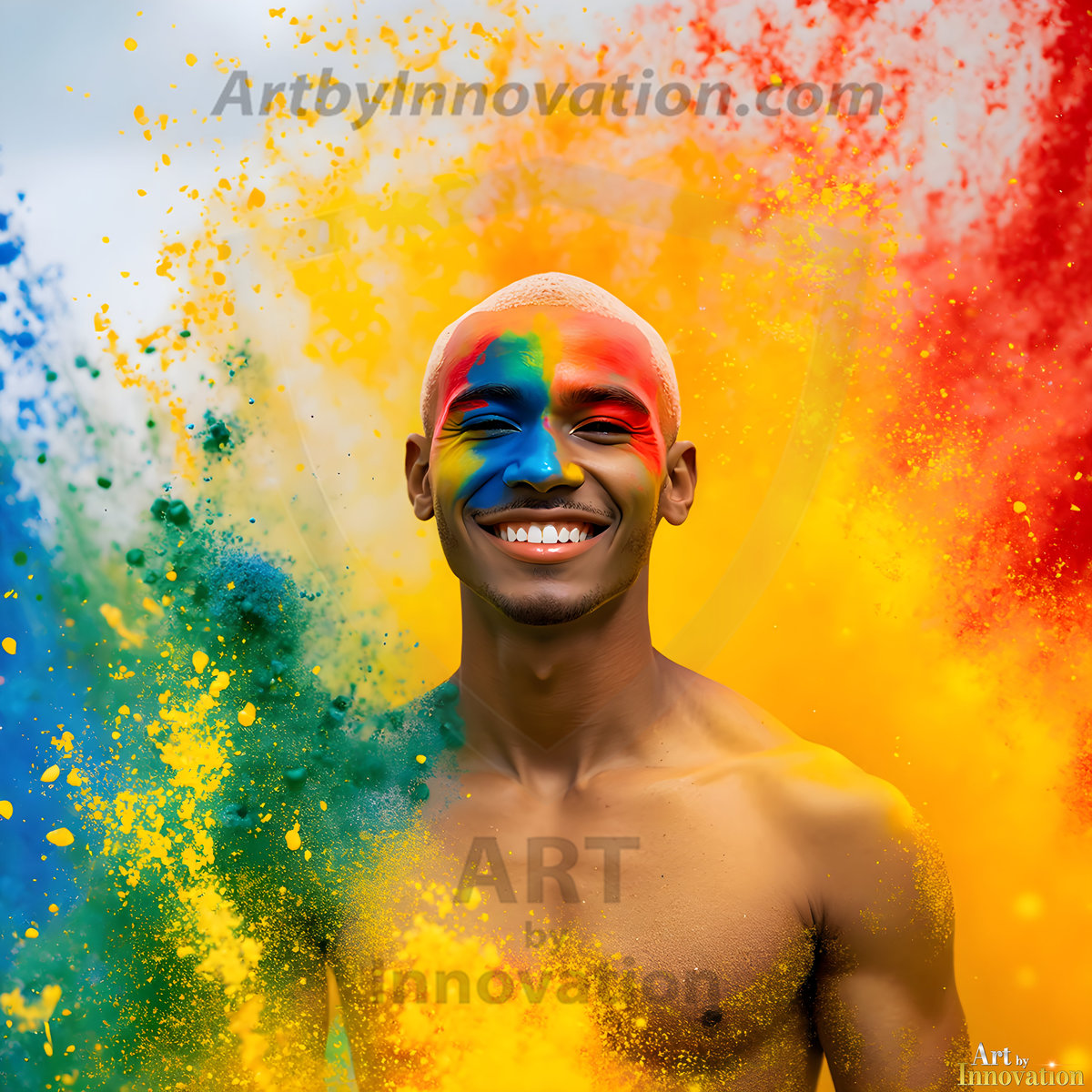
The colors of the LGBTQ+ Pride flags are designed to celebrate the diversity of human experience, visibility, and hope, with each shade representing a specific value that honors the LGBTQ+ community. Created in 1978 by artist Gilbert Baker, the rainbow flag has evolved to include more inclusive colors, showcasing how variety in identity makes individuals uniquely themselves. Meanings Behind the Colors, Red (Life): Represents the vitality and passion of LGBTQ+ people. Orange (Healing): Symbolizes the healing power within the community, often in the face of adversity. Yellow (Sunlight): Signifies the brightness and joy of being true to oneself. Green (Nature): Represents a connection to nature, the environment, and prosperity. Blue/Indigo (Serenity/Harmony): Symbolizes serenity, calm, and inner strength found in living one's truth. Violet/Purple (Spirit): Represents the spirit, strength, and resilience of the community.

The colors of the LGBTQ+ Pride flags are designed to celebrate the diversity of human experience, visibility, and hope, with each shade representing a specific value that honors the LGBTQ+ community. Created in 1978 by artist Gilbert Baker, the rainbow flag has evolved to include more inclusive colors, showcasing how variety in identity makes individuals uniquely themselves. Meanings Behind the Colors, Red (Life): Represents the vitality and passion of LGBTQ+ people. Orange (Healing): Symbolizes the healing power within the community, often in the face of adversity. Yellow (Sunlight): Signifies the brightness and joy of being true to oneself. Green (Nature): Represents a connection to nature, the environment, and prosperity. Blue/Indigo (Serenity/Harmony): Symbolizes serenity, calm, and inner strength found in living one's truth. Violet/Purple (Spirit): Represents the spirit, strength, and resilience of the community.
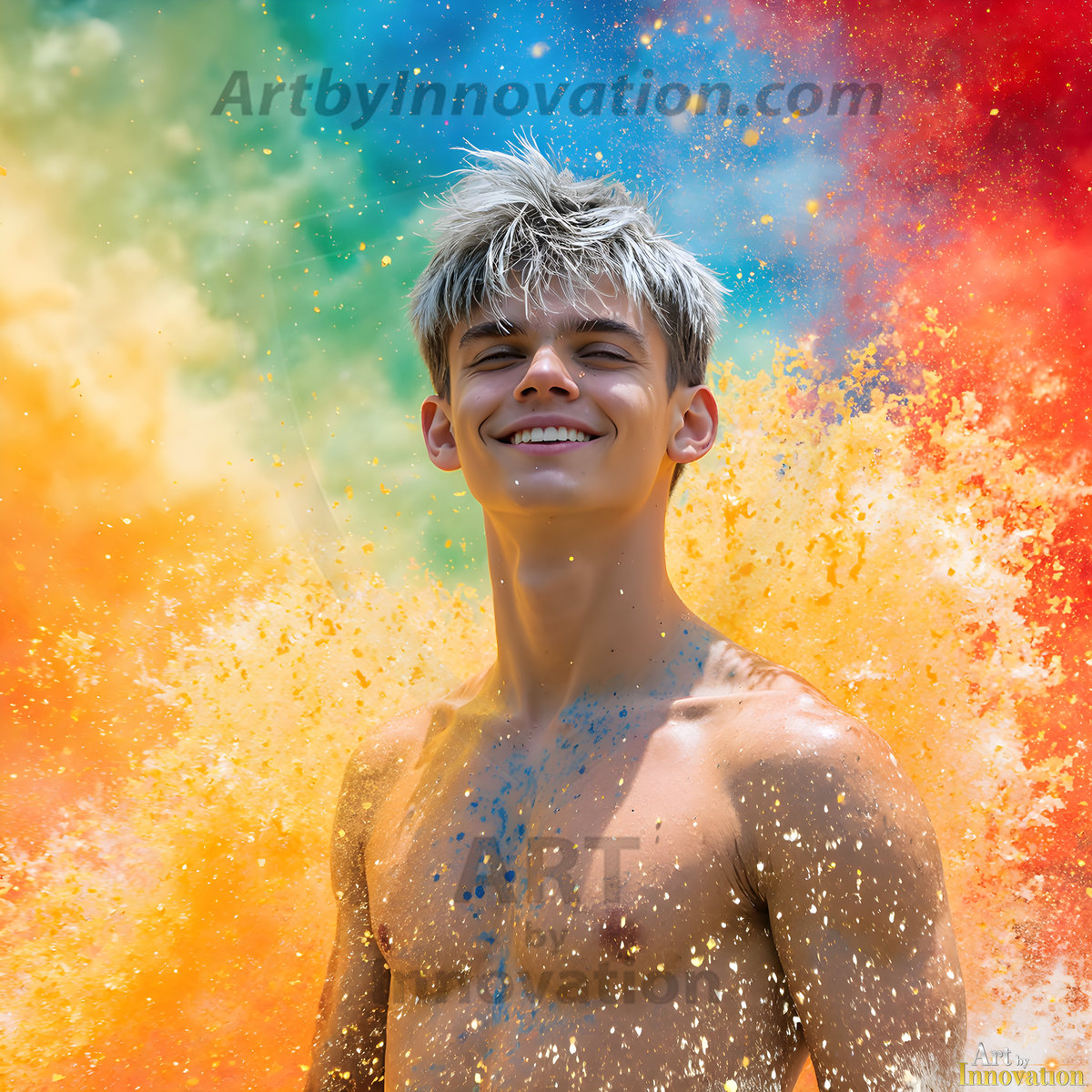
The colors of the LGBTQ+ Pride flags are designed to celebrate the diversity of human experience, visibility, and hope, with each shade representing a specific value that honors the LGBTQ+ community. Created in 1978 by artist Gilbert Baker, the rainbow flag has evolved to include more inclusive colors, showcasing how variety in identity makes individuals uniquely themselves. Meanings Behind the Colors, Red (Life): Represents the vitality and passion of LGBTQ+ people. Orange (Healing): Symbolizes the healing power within the community, often in the face of adversity. Yellow (Sunlight): Signifies the brightness and joy of being true to oneself. Green (Nature): Represents a connection to nature, the environment, and prosperity. Blue/Indigo (Serenity/Harmony): Symbolizes serenity, calm, and inner strength found in living one's truth. Violet/Purple (Spirit): Represents the spirit, strength, and resilience of the community.
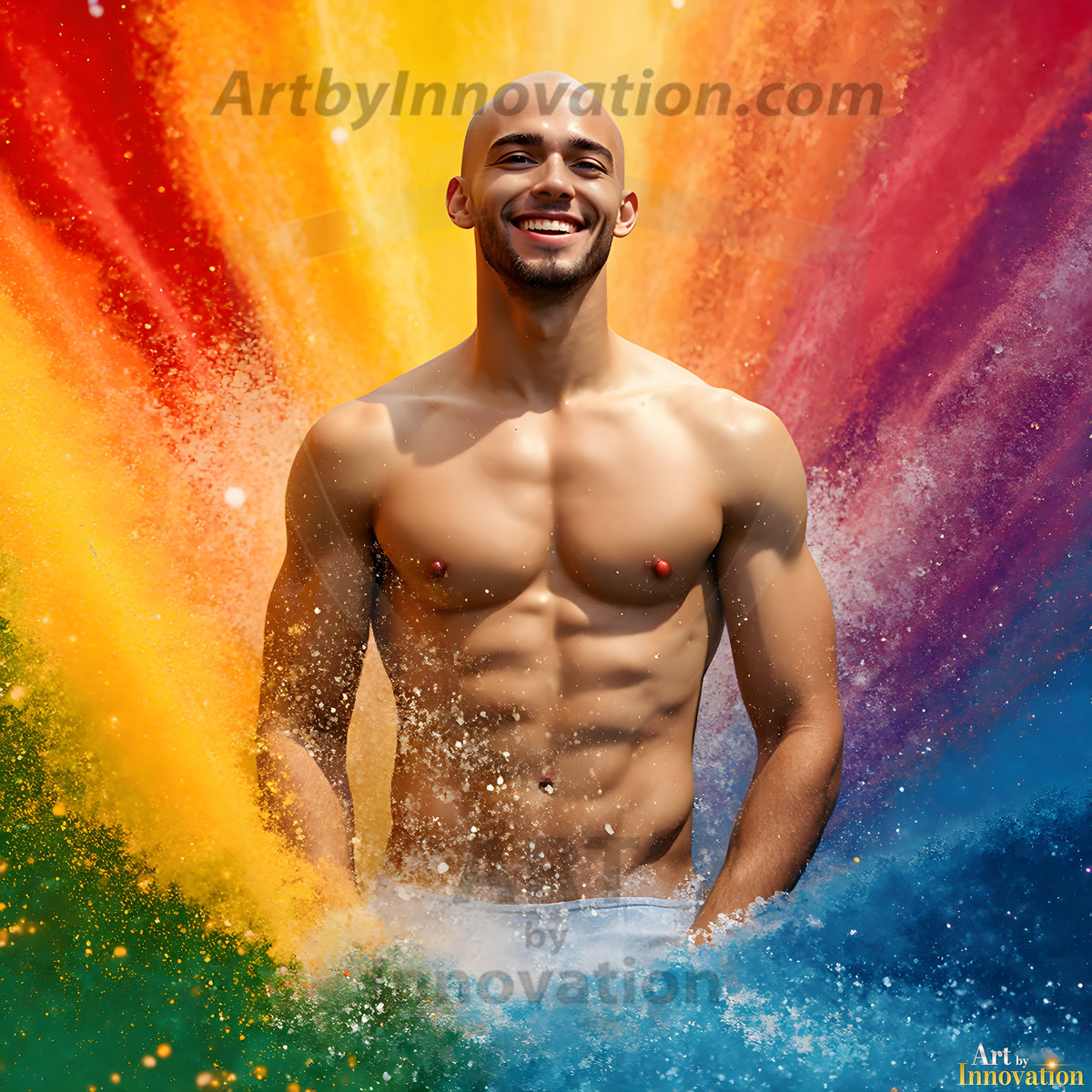
The colors of the LGBTQ+ Pride flags are designed to celebrate the diversity of human experience, visibility, and hope, with each shade representing a specific value that honors the LGBTQ+ community. Created in 1978 by artist Gilbert Baker, the rainbow flag has evolved to include more inclusive colors, showcasing how variety in identity makes individuals uniquely themselves. Meanings Behind the Colors, Red (Life): Represents the vitality and passion of LGBTQ+ people. Orange (Healing): Symbolizes the healing power within the community, often in the face of adversity. Yellow (Sunlight): Signifies the brightness and joy of being true to oneself. Green (Nature): Represents a connection to nature, the environment, and prosperity. Blue/Indigo (Serenity/Harmony): Symbolizes serenity, calm, and inner strength found in living one's truth. Violet/Purple (Spirit): Represents the spirit, strength, and resilience of the community.
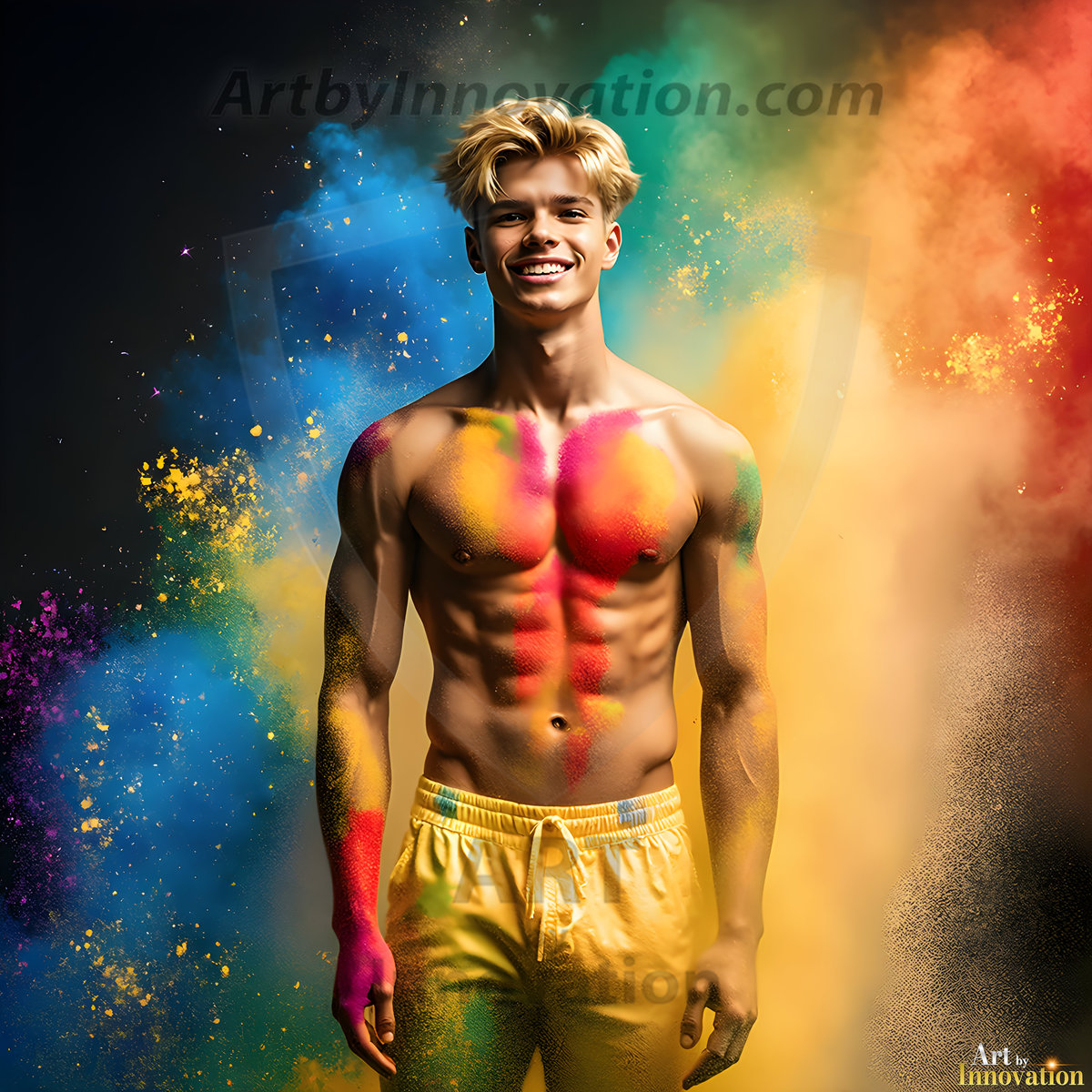
The colors of the LGBTQ+ Pride flags are designed to celebrate the diversity of human experience, visibility, and hope, with each shade representing a specific value that honors the LGBTQ+ community. Created in 1978 by artist Gilbert Baker, the rainbow flag has evolved to include more inclusive colors, showcasing how variety in identity makes individuals uniquely themselves. Meanings Behind the Colors, Red (Life): Represents the vitality and passion of LGBTQ+ people. Orange (Healing): Symbolizes the healing power within the community, often in the face of adversity. Yellow (Sunlight): Signifies the brightness and joy of being true to oneself. Green (Nature): Represents a connection to nature, the environment, and prosperity. Blue/Indigo (Serenity/Harmony): Symbolizes serenity, calm, and inner strength found in living one's truth. Violet/Purple (Spirit): Represents the spirit, strength, and resilience of the community.
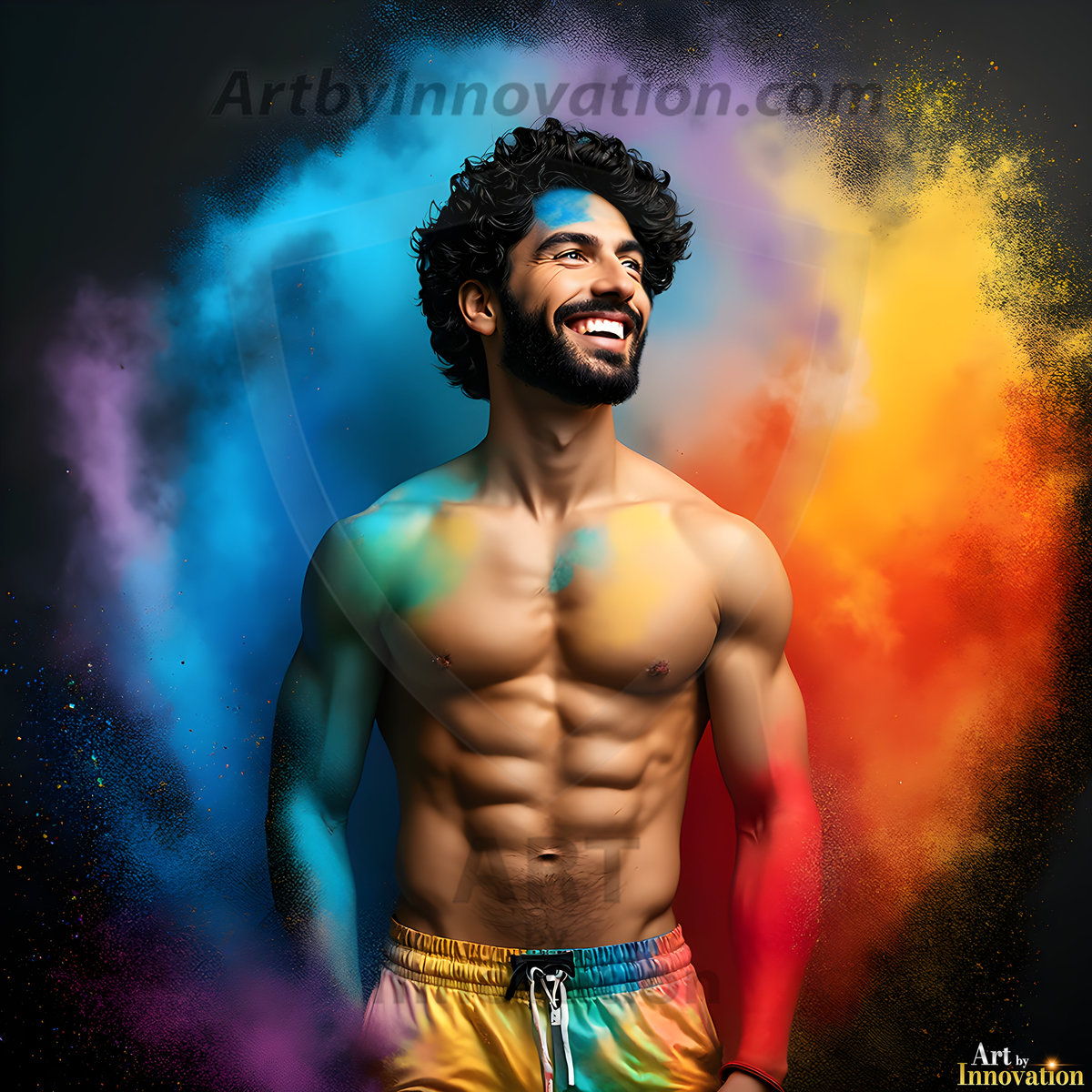
The colors of the LGBTQ+ Pride flags are designed to celebrate the diversity of human experience, visibility, and hope, with each shade representing a specific value that honors the LGBTQ+ community. Created in 1978 by artist Gilbert Baker, the rainbow flag has evolved to include more inclusive colors, showcasing how variety in identity makes individuals uniquely themselves. Meanings Behind the Colors, Red (Life): Represents the vitality and passion of LGBTQ+ people. Orange (Healing): Symbolizes the healing power within the community, often in the face of adversity. Yellow (Sunlight): Signifies the brightness and joy of being true to oneself. Green (Nature): Represents a connection to nature, the environment, and prosperity. Blue/Indigo (Serenity/Harmony): Symbolizes serenity, calm, and inner strength found in living one's truth. Violet/Purple (Spirit): Represents the spirit, strength, and resilience of the community.
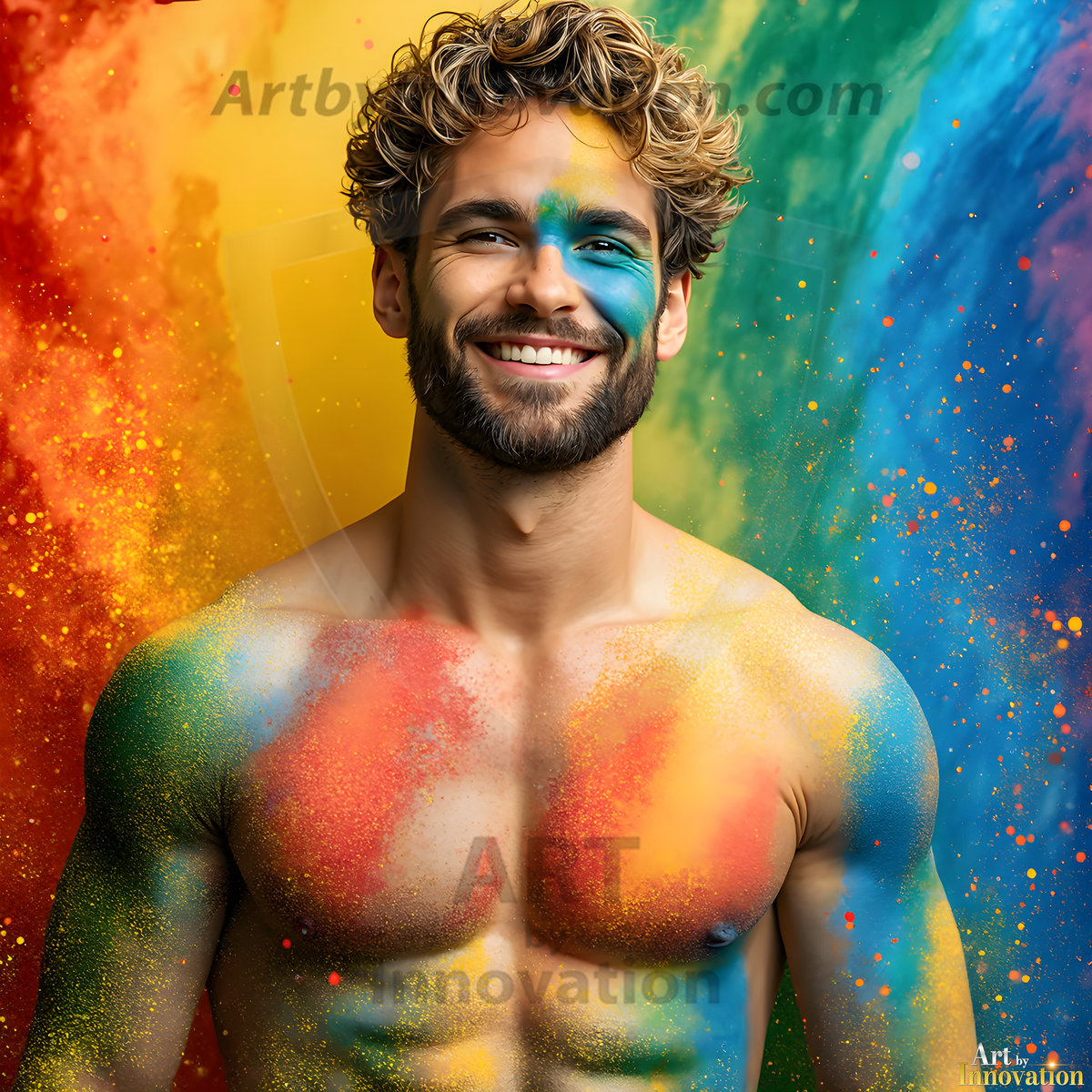
The colors of the LGBTQ+ Pride flags are designed to celebrate the diversity of human experience, visibility, and hope, with each shade representing a specific value that honors the LGBTQ+ community. Created in 1978 by artist Gilbert Baker, the rainbow flag has evolved to include more inclusive colors, showcasing how variety in identity makes individuals uniquely themselves. Meanings Behind the Colors, Red (Life): Represents the vitality and passion of LGBTQ+ people. Orange (Healing): Symbolizes the healing power within the community, often in the face of adversity. Yellow (Sunlight): Signifies the brightness and joy of being true to oneself. Green (Nature): Represents a connection to nature, the environment, and prosperity. Blue/Indigo (Serenity/Harmony): Symbolizes serenity, calm, and inner strength found in living one's truth. Violet/Purple (Spirit): Represents the spirit, strength, and resilience of the community.
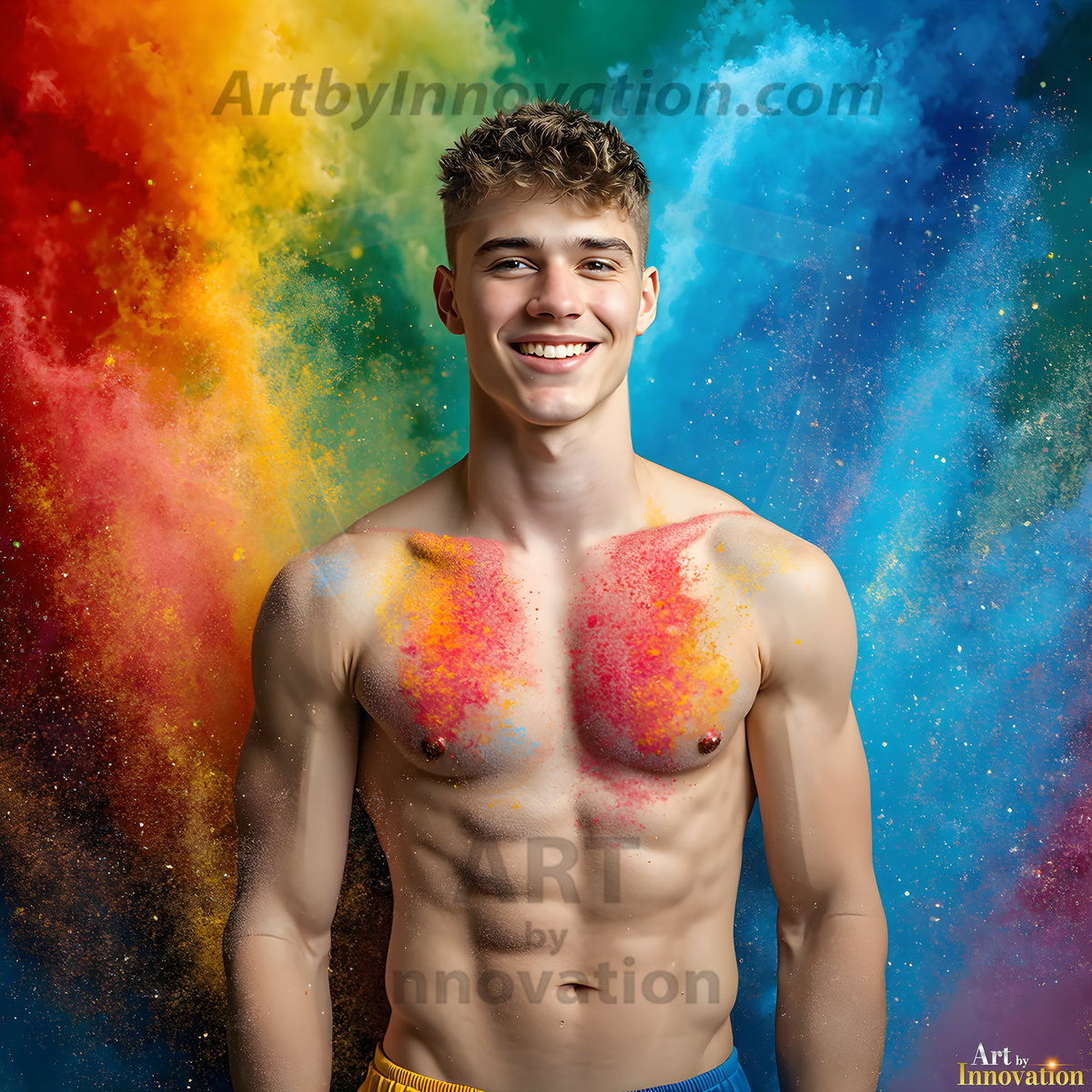
The colors of the LGBTQ+ Pride flags are designed to celebrate the diversity of human experience, visibility, and hope, with each shade representing a specific value that honors the LGBTQ+ community. Created in 1978 by artist Gilbert Baker, the rainbow flag has evolved to include more inclusive colors, showcasing how variety in identity makes individuals uniquely themselves. Meanings Behind the Colors, Red (Life): Represents the vitality and passion of LGBTQ+ people. Orange (Healing): Symbolizes the healing power within the community, often in the face of adversity. Yellow (Sunlight): Signifies the brightness and joy of being true to oneself. Green (Nature): Represents a connection to nature, the environment, and prosperity. Blue/Indigo (Serenity/Harmony): Symbolizes serenity, calm, and inner strength found in living one's truth. Violet/Purple (Spirit): Represents the spirit, strength, and resilience of the community.

The colors of the LGBTQ+ Pride flags are designed to celebrate the diversity of human experience, visibility, and hope, with each shade representing a specific value that honors the LGBTQ+ community. Created in 1978 by artist Gilbert Baker, the rainbow flag has evolved to include more inclusive colors, showcasing how variety in identity makes individuals uniquely themselves. Meanings Behind the Colors, Red (Life): Represents the vitality and passion of LGBTQ+ people. Orange (Healing): Symbolizes the healing power within the community, often in the face of adversity. Yellow (Sunlight): Signifies the brightness and joy of being true to oneself. Green (Nature): Represents a connection to nature, the environment, and prosperity. Blue/Indigo (Serenity/Harmony): Symbolizes serenity, calm, and inner strength found in living one's truth. Violet/Purple (Spirit): Represents the spirit, strength, and resilience of the community.
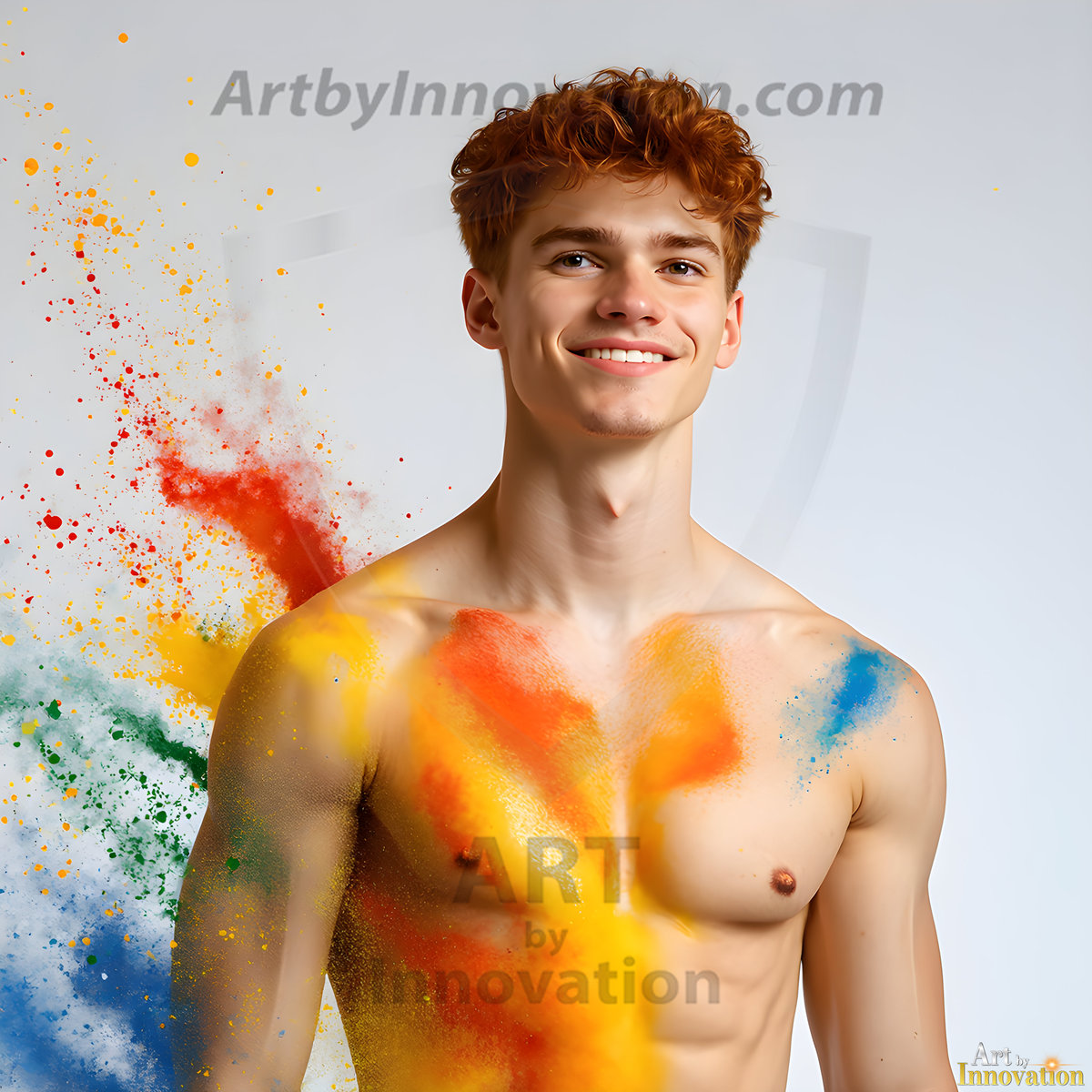
The colors of the LGBTQ+ Pride flags are designed to celebrate the diversity of human experience, visibility, and hope, with each shade representing a specific value that honors the LGBTQ+ community. Created in 1978 by artist Gilbert Baker, the rainbow flag has evolved to include more inclusive colors, showcasing how variety in identity makes individuals uniquely themselves. Meanings Behind the Colors, Red (Life): Represents the vitality and passion of LGBTQ+ people. Orange (Healing): Symbolizes the healing power within the community, often in the face of adversity. Yellow (Sunlight): Signifies the brightness and joy of being true to oneself. Green (Nature): Represents a connection to nature, the environment, and prosperity. Blue/Indigo (Serenity/Harmony): Symbolizes serenity, calm, and inner strength found in living one's truth. Violet/Purple (Spirit): Represents the spirit, strength, and resilience of the community.
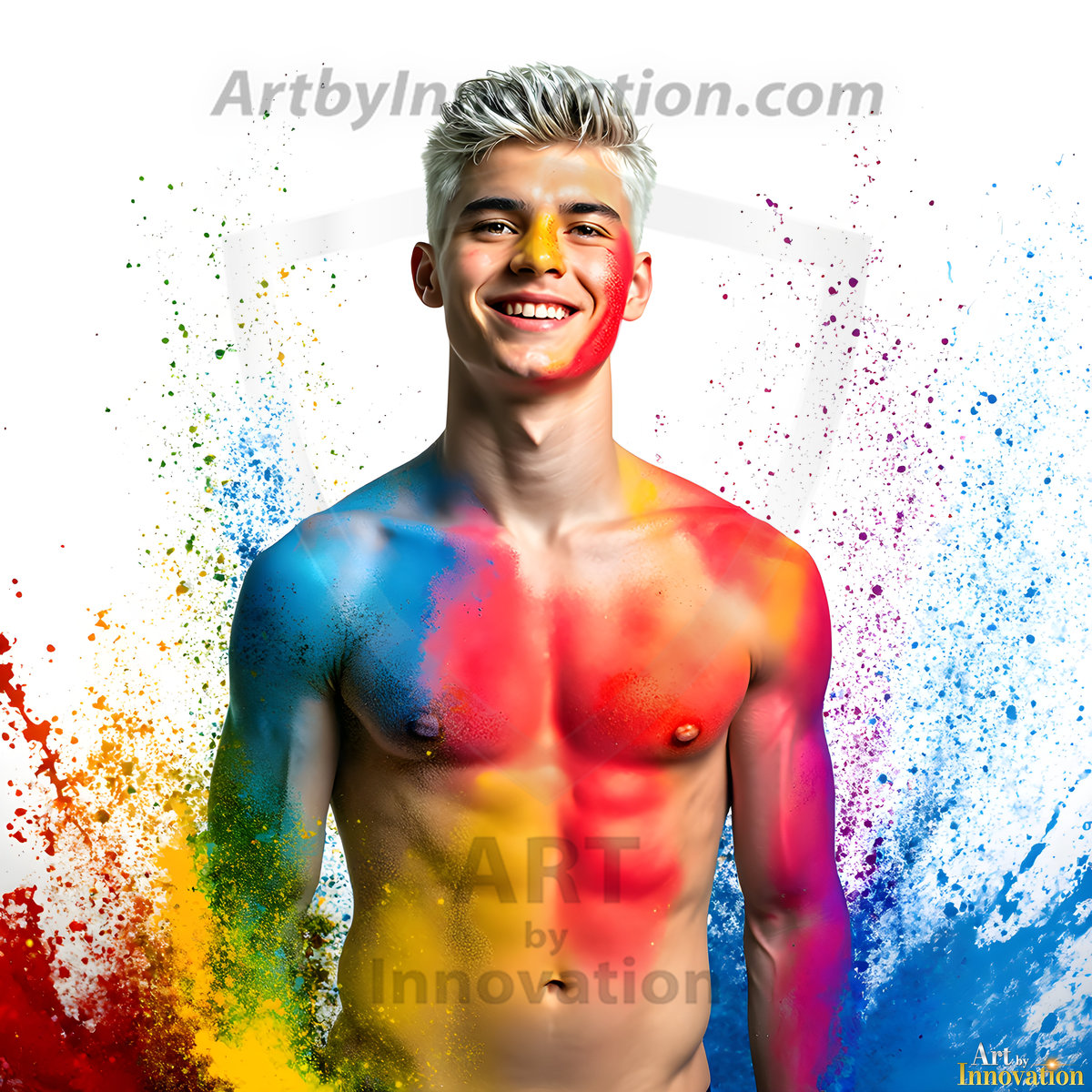
The colors of the LGBTQ+ Pride flags are designed to celebrate the diversity of human experience, visibility, and hope, with each shade representing a specific value that honors the LGBTQ+ community. Created in 1978 by artist Gilbert Baker, the rainbow flag has evolved to include more inclusive colors, showcasing how variety in identity makes individuals uniquely themselves. Meanings Behind the Colors, Red (Life): Represents the vitality and passion of LGBTQ+ people. Orange (Healing): Symbolizes the healing power within the community, often in the face of adversity. Yellow (Sunlight): Signifies the brightness and joy of being true to oneself. Green (Nature): Represents a connection to nature, the environment, and prosperity. Blue/Indigo (Serenity/Harmony): Symbolizes serenity, calm, and inner strength found in living one's truth. Violet/Purple (Spirit): Represents the spirit, strength, and resilience of the community.
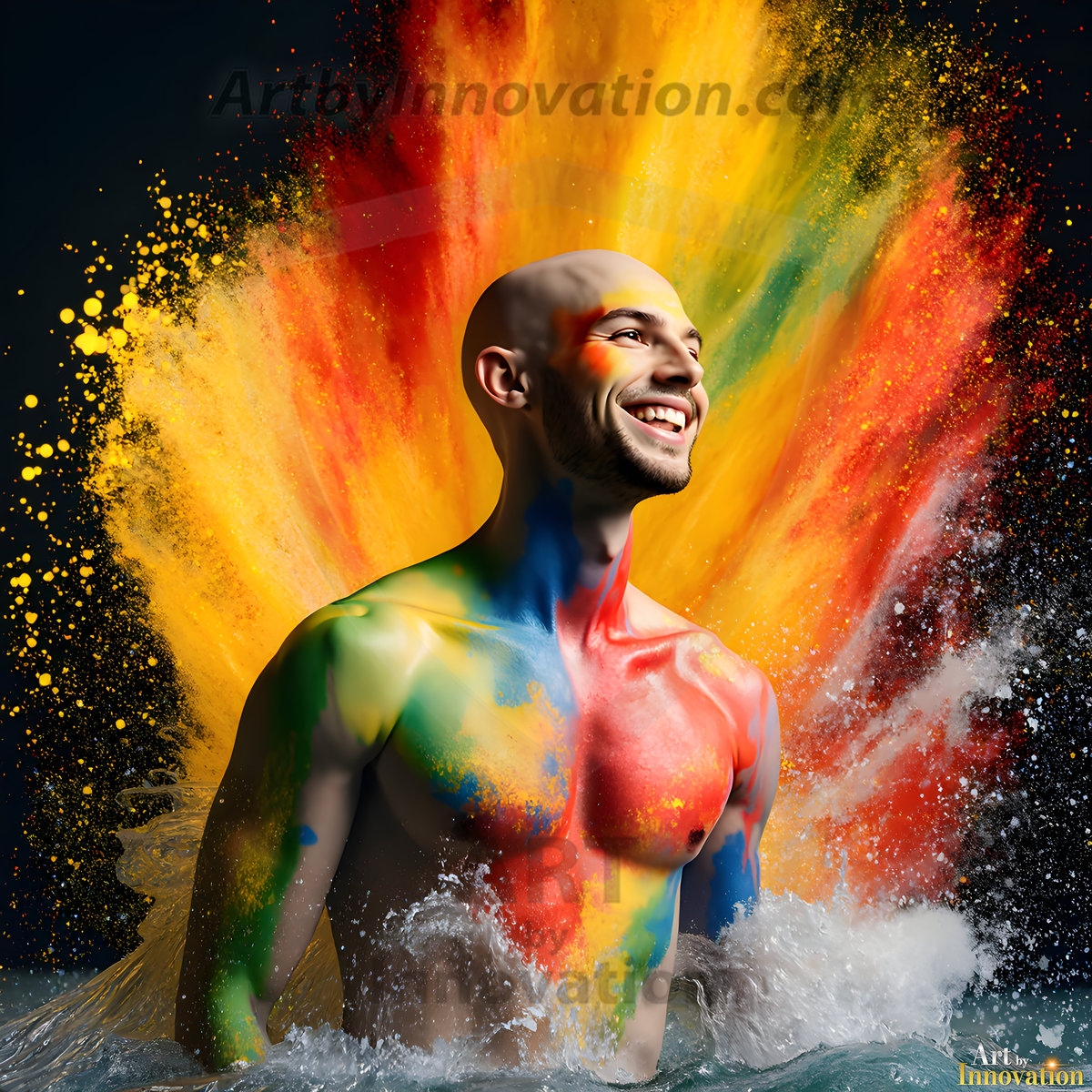
The colors of the LGBTQ+ Pride flags are designed to celebrate the diversity of human experience, visibility, and hope, with each shade representing a specific value that honors the LGBTQ+ community. Created in 1978 by artist Gilbert Baker, the rainbow flag has evolved to include more inclusive colors, showcasing how variety in identity makes individuals uniquely themselves. Meanings Behind the Colors, Red (Life): Represents the vitality and passion of LGBTQ+ people. Orange (Healing): Symbolizes the healing power within the community, often in the face of adversity. Yellow (Sunlight): Signifies the brightness and joy of being true to oneself. Green (Nature): Represents a connection to nature, the environment, and prosperity. Blue/Indigo (Serenity/Harmony): Symbolizes serenity, calm, and inner strength found in living one's truth. Violet/Purple (Spirit): Represents the spirit, strength, and resilience of the community.
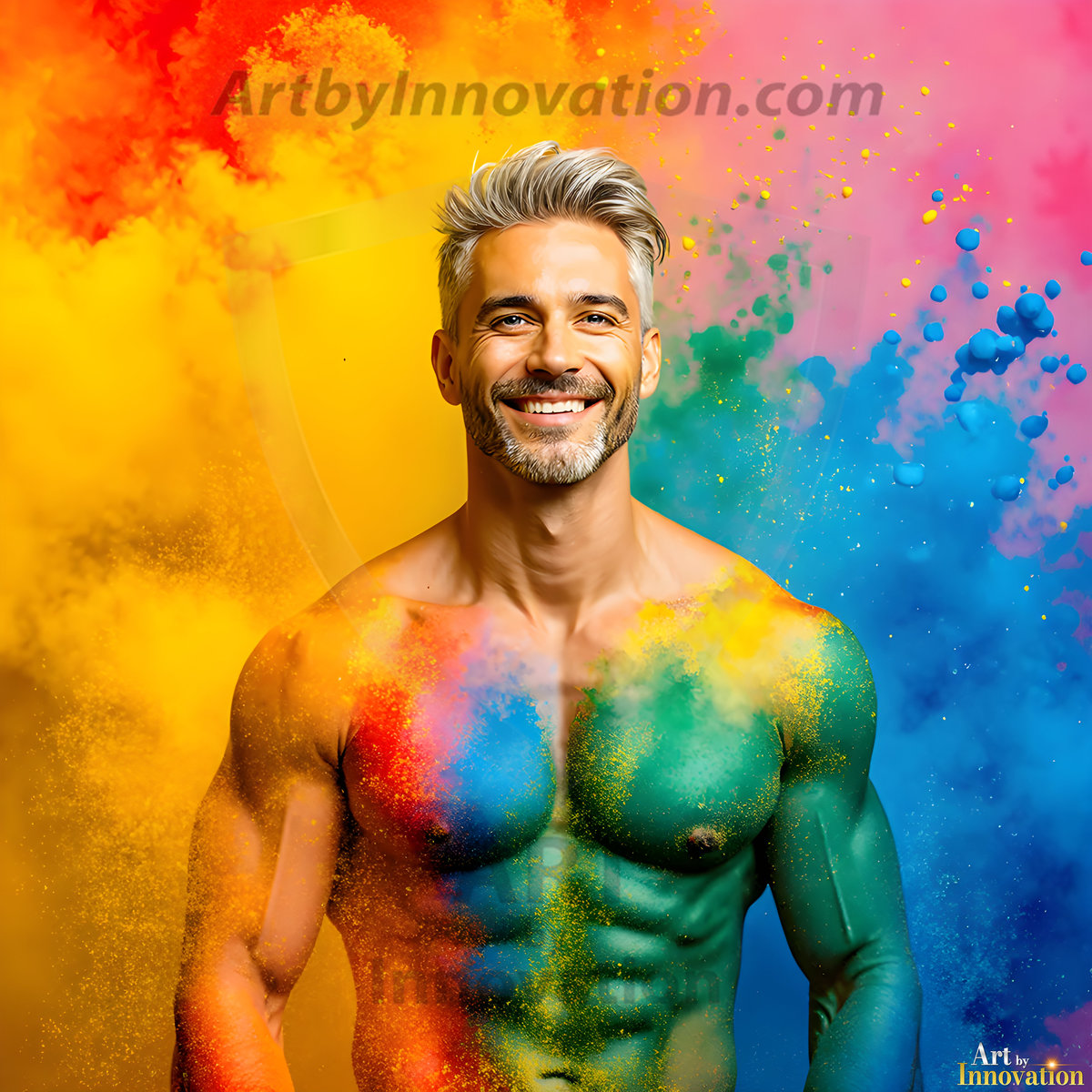
The colors of the LGBTQ+ Pride flags are designed to celebrate the diversity of human experience, visibility, and hope, with each shade representing a specific value that honors the LGBTQ+ community. Created in 1978 by artist Gilbert Baker, the rainbow flag has evolved to include more inclusive colors, showcasing how variety in identity makes individuals uniquely themselves. Meanings Behind the Colors, Red (Life): Represents the vitality and passion of LGBTQ+ people. Orange (Healing): Symbolizes the healing power within the community, often in the face of adversity. Yellow (Sunlight): Signifies the brightness and joy of being true to oneself. Green (Nature): Represents a connection to nature, the environment, and prosperity. Blue/Indigo (Serenity/Harmony): Symbolizes serenity, calm, and inner strength found in living one's truth. Violet/Purple (Spirit): Represents the spirit, strength, and resilience of the community.
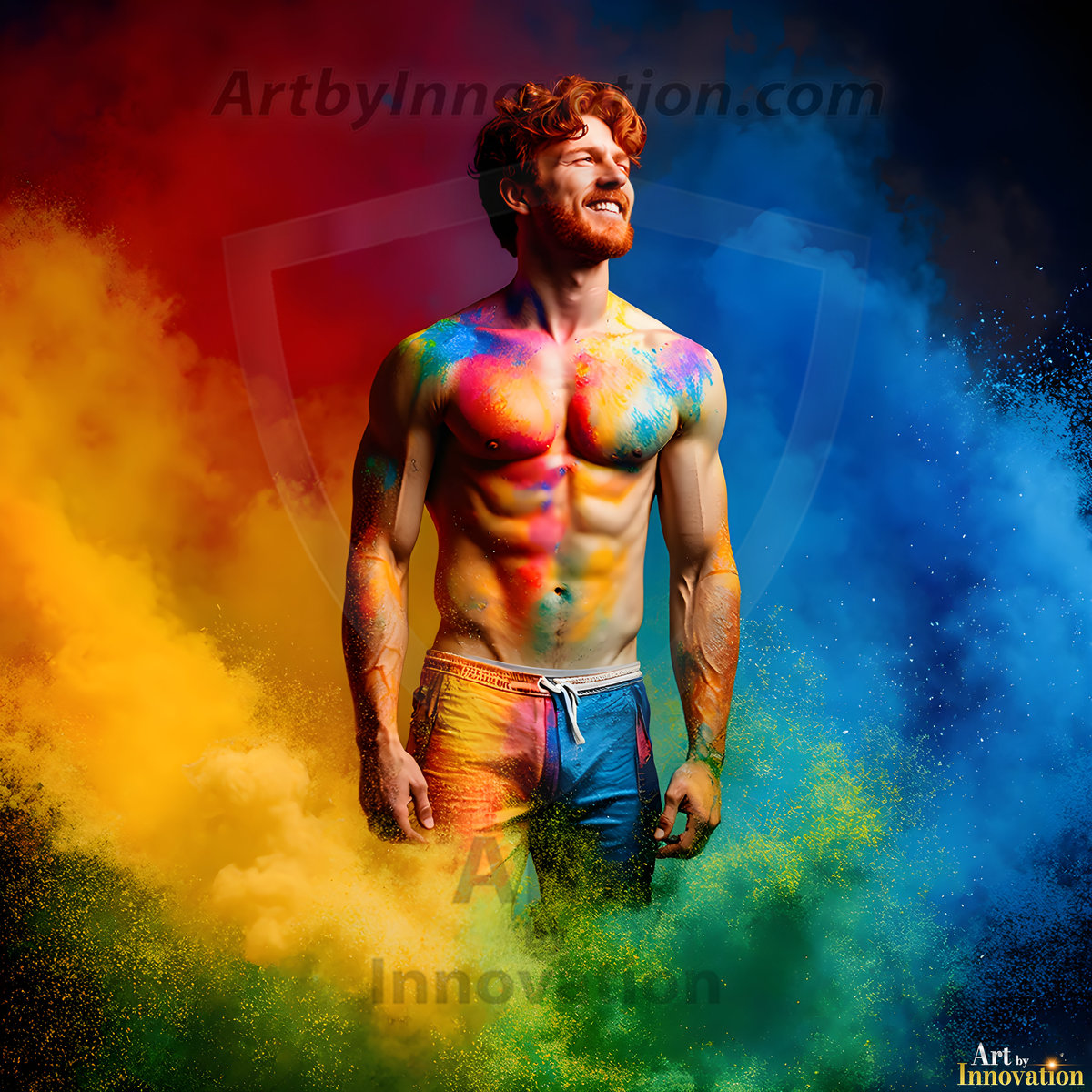
The colors of the LGBTQ+ Pride flags are designed to celebrate the diversity of human experience, visibility, and hope, with each shade representing a specific value that honors the LGBTQ+ community. Created in 1978 by artist Gilbert Baker, the rainbow flag has evolved to include more inclusive colors, showcasing how variety in identity makes individuals uniquely themselves. Meanings Behind the Colors, Red (Life): Represents the vitality and passion of LGBTQ+ people. Orange (Healing): Symbolizes the healing power within the community, often in the face of adversity. Yellow (Sunlight): Signifies the brightness and joy of being true to oneself. Green (Nature): Represents a connection to nature, the environment, and prosperity. Blue/Indigo (Serenity/Harmony): Symbolizes serenity, calm, and inner strength found in living one's truth. Violet/Purple (Spirit): Represents the spirit, strength, and resilience of the community.
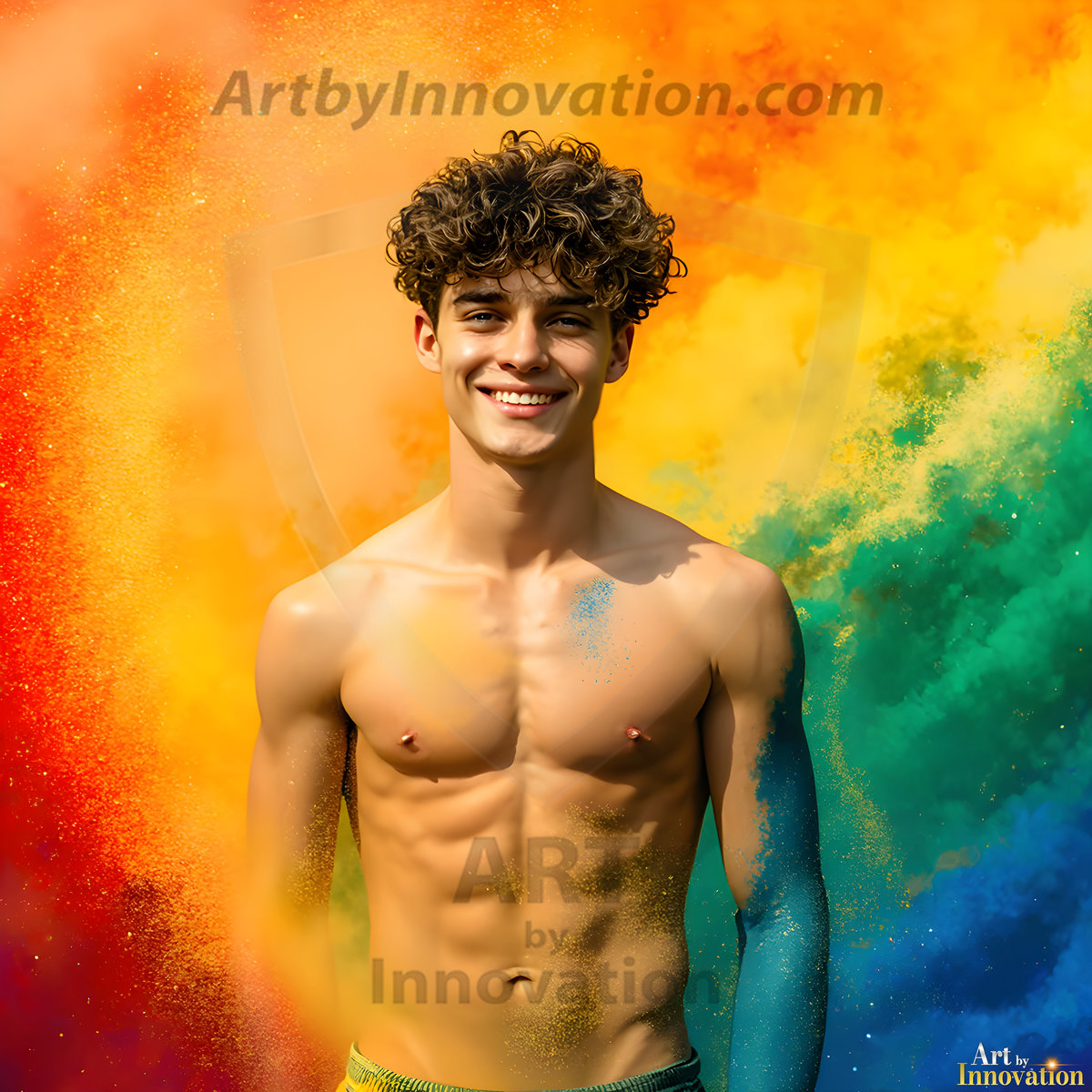
The colors of the LGBTQ+ Pride flags are designed to celebrate the diversity of human experience, visibility, and hope, with each shade representing a specific value that honors the LGBTQ+ community. Created in 1978 by artist Gilbert Baker, the rainbow flag has evolved to include more inclusive colors, showcasing how variety in identity makes individuals uniquely themselves. Meanings Behind the Colors, Red (Life): Represents the vitality and passion of LGBTQ+ people. Orange (Healing): Symbolizes the healing power within the community, often in the face of adversity. Yellow (Sunlight): Signifies the brightness and joy of being true to oneself. Green (Nature): Represents a connection to nature, the environment, and prosperity. Blue/Indigo (Serenity/Harmony): Symbolizes serenity, calm, and inner strength found in living one's truth. Violet/Purple (Spirit): Represents the spirit, strength, and resilience of the community.
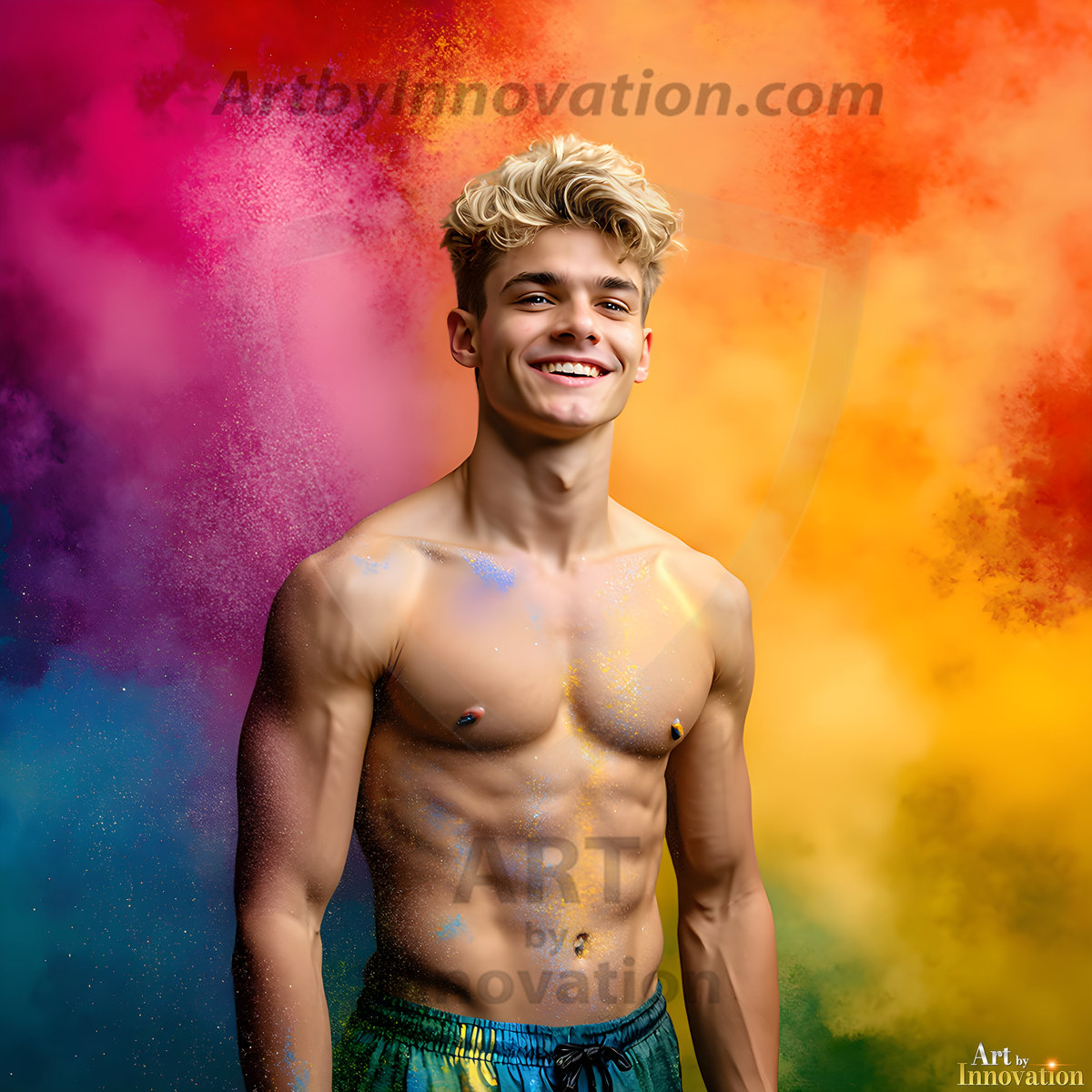
The colors of the LGBTQ+ Pride flags are designed to celebrate the diversity of human experience, visibility, and hope, with each shade representing a specific value that honors the LGBTQ+ community. Created in 1978 by artist Gilbert Baker, the rainbow flag has evolved to include more inclusive colors, showcasing how variety in identity makes individuals uniquely themselves. Meanings Behind the Colors, Red (Life): Represents the vitality and passion of LGBTQ+ people. Orange (Healing): Symbolizes the healing power within the community, often in the face of adversity. Yellow (Sunlight): Signifies the brightness and joy of being true to oneself. Green (Nature): Represents a connection to nature, the environment, and prosperity. Blue/Indigo (Serenity/Harmony): Symbolizes serenity, calm, and inner strength found in living one's truth. Violet/Purple (Spirit): Represents the spirit, strength, and resilience of the community.
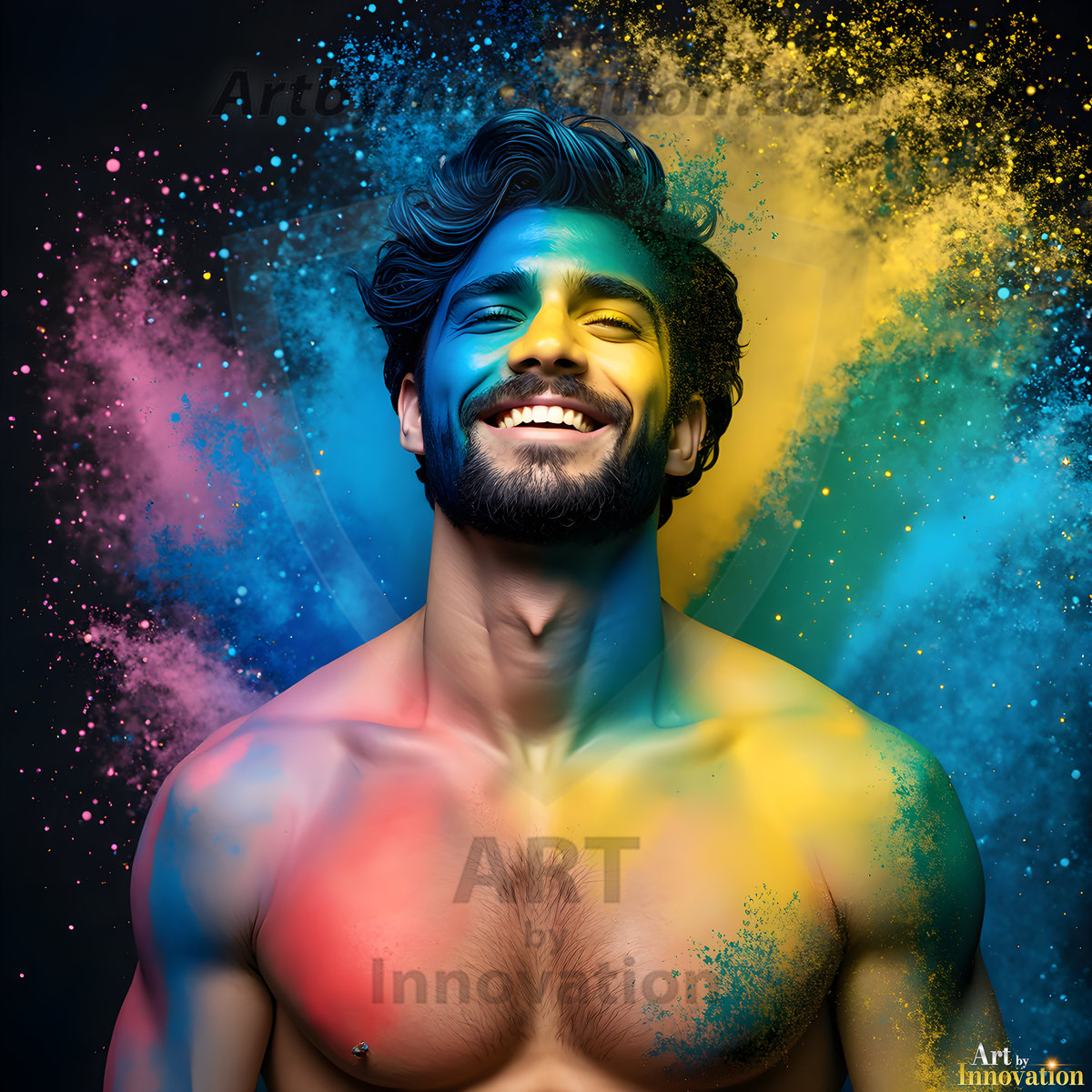
The colors of the LGBTQ+ Pride flags are designed to celebrate the diversity of human experience, visibility, and hope, with each shade representing a specific value that honors the LGBTQ+ community. Created in 1978 by artist Gilbert Baker, the rainbow flag has evolved to include more inclusive colors, showcasing how variety in identity makes individuals uniquely themselves. Meanings Behind the Colors, Red (Life): Represents the vitality and passion of LGBTQ+ people. Orange (Healing): Symbolizes the healing power within the community, often in the face of adversity. Yellow (Sunlight): Signifies the brightness and joy of being true to oneself. Green (Nature): Represents a connection to nature, the environment, and prosperity. Blue/Indigo (Serenity/Harmony): Symbolizes serenity, calm, and inner strength found in living one's truth. Violet/Purple (Spirit): Represents the spirit, strength, and resilience of the community.
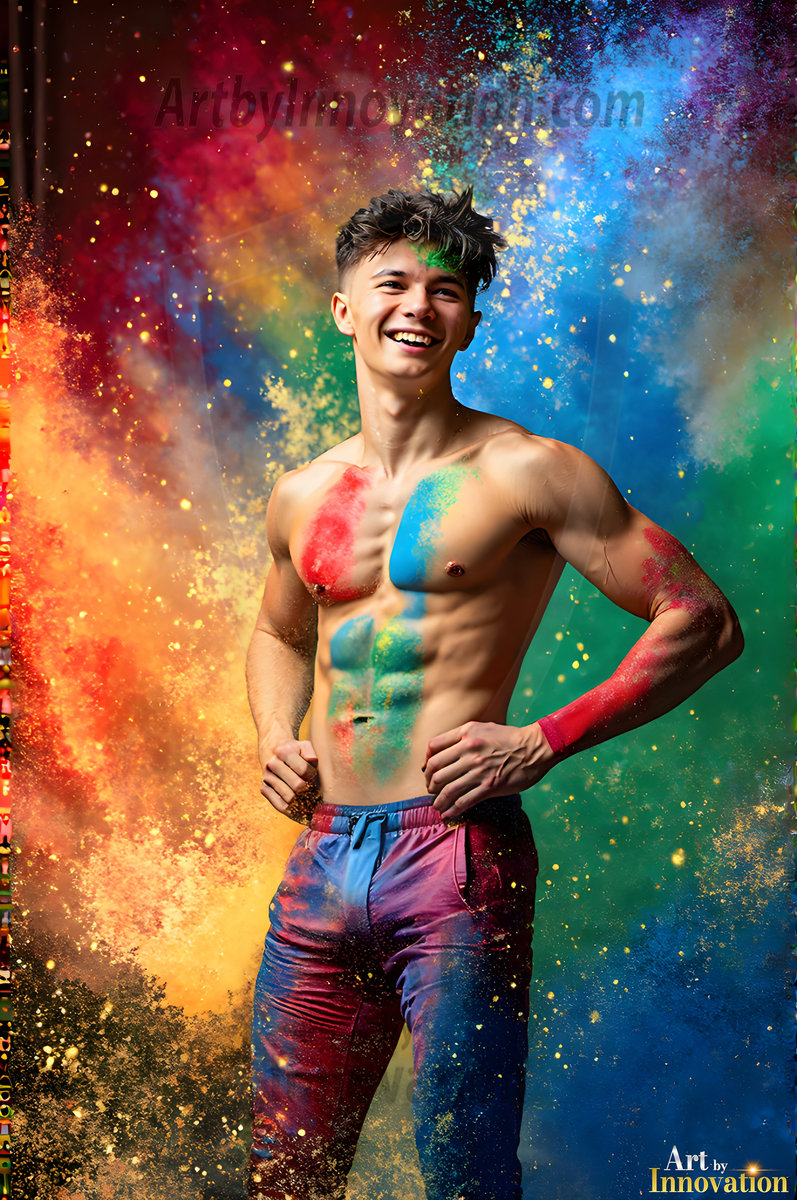
The colors of the LGBTQ+ Pride flags are designed to celebrate the diversity of human experience, visibility, and hope, with each shade representing a specific value that honors the LGBTQ+ community. Created in 1978 by artist Gilbert Baker, the rainbow flag has evolved to include more inclusive colors, showcasing how variety in identity makes individuals uniquely themselves. Meanings Behind the Colors, Red (Life): Represents the vitality and passion of LGBTQ+ people. Orange (Healing): Symbolizes the healing power within the community, often in the face of adversity. Yellow (Sunlight): Signifies the brightness and joy of being true to oneself. Green (Nature): Represents a connection to nature, the environment, and prosperity. Blue/Indigo (Serenity/Harmony): Symbolizes serenity, calm, and inner strength found in living one's truth. Violet/Purple (Spirit): Represents the spirit, strength, and resilience of the community.
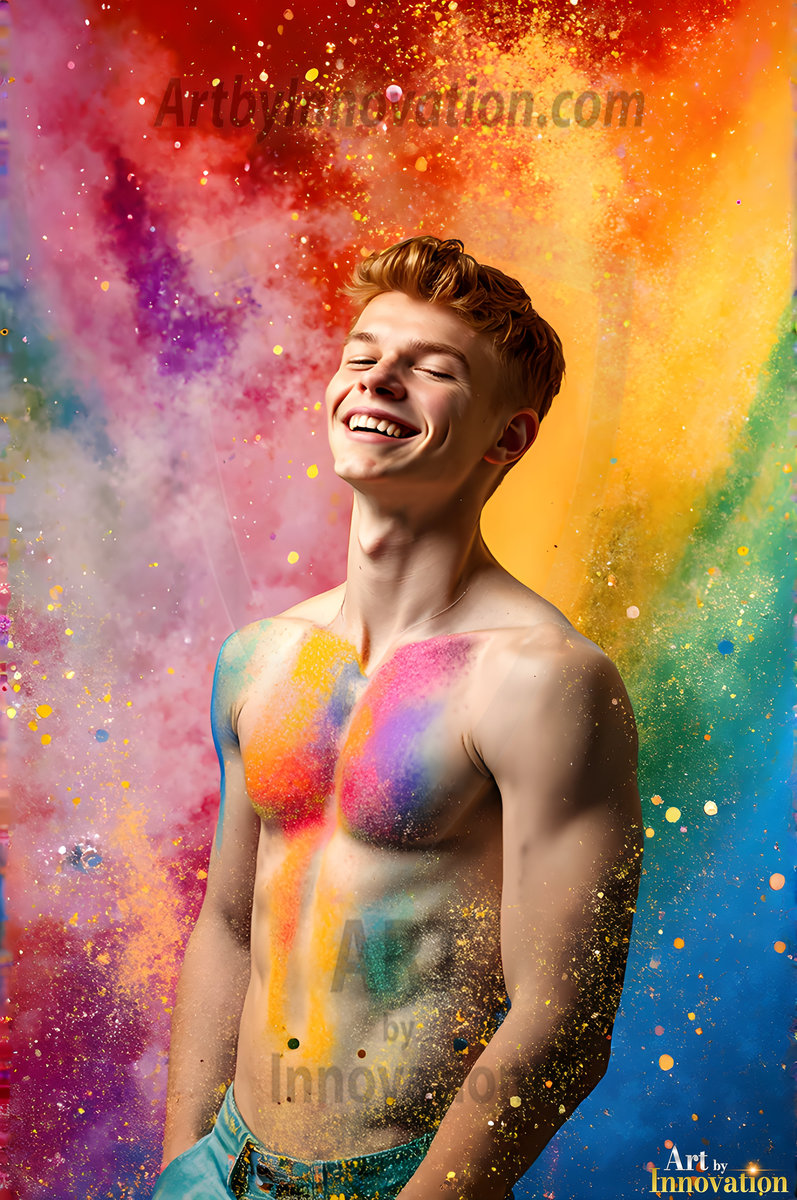
The colors of the LGBTQ+ Pride flags are designed to celebrate the diversity of human experience, visibility, and hope, with each shade representing a specific value that honors the LGBTQ+ community. Created in 1978 by artist Gilbert Baker, the rainbow flag has evolved to include more inclusive colors, showcasing how variety in identity makes individuals uniquely themselves. Meanings Behind the Colors, Red (Life): Represents the vitality and passion of LGBTQ+ people. Orange (Healing): Symbolizes the healing power within the community, often in the face of adversity. Yellow (Sunlight): Signifies the brightness and joy of being true to oneself. Green (Nature): Represents a connection to nature, the environment, and prosperity. Blue/Indigo (Serenity/Harmony): Symbolizes serenity, calm, and inner strength found in living one's truth. Violet/Purple (Spirit): Represents the spirit, strength, and resilience of the community.

The colors of the LGBTQ+ Pride flags are designed to celebrate the diversity of human experience, visibility, and hope, with each shade representing a specific value that honors the LGBTQ+ community. Created in 1978 by artist Gilbert Baker, the rainbow flag has evolved to include more inclusive colors, showcasing how variety in identity makes individuals uniquely themselves. Meanings Behind the Colors, Red (Life): Represents the vitality and passion of LGBTQ+ people. Orange (Healing): Symbolizes the healing power within the community, often in the face of adversity. Yellow (Sunlight): Signifies the brightness and joy of being true to oneself. Green (Nature): Represents a connection to nature, the environment, and prosperity. Blue/Indigo (Serenity/Harmony): Symbolizes serenity, calm, and inner strength found in living one's truth. Violet/Purple (Spirit): Represents the spirit, strength, and resilience of the community.
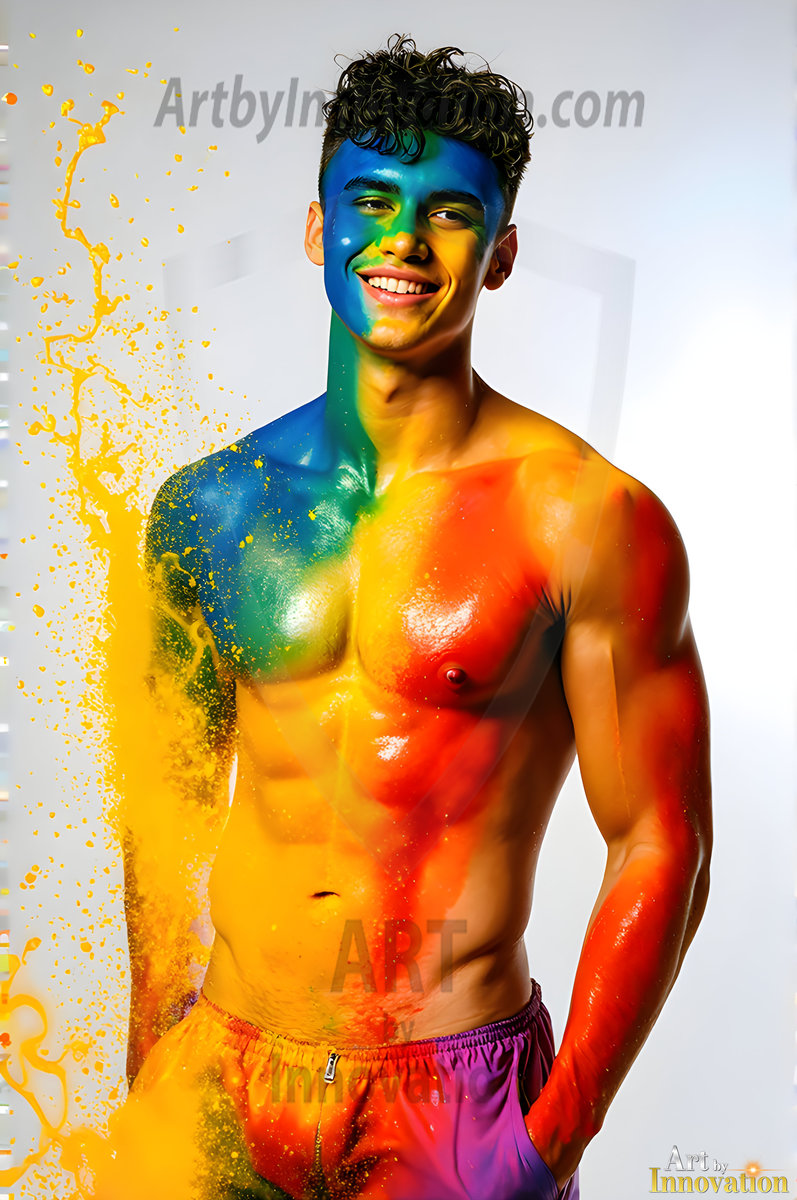
The colors of the LGBTQ+ Pride flags are designed to celebrate the diversity of human experience, visibility, and hope, with each shade representing a specific value that honors the LGBTQ+ community. Created in 1978 by artist Gilbert Baker, the rainbow flag has evolved to include more inclusive colors, showcasing how variety in identity makes individuals uniquely themselves. Meanings Behind the Colors, Red (Life): Represents the vitality and passion of LGBTQ+ people. Orange (Healing): Symbolizes the healing power within the community, often in the face of adversity. Yellow (Sunlight): Signifies the brightness and joy of being true to oneself. Green (Nature): Represents a connection to nature, the environment, and prosperity. Blue/Indigo (Serenity/Harmony): Symbolizes serenity, calm, and inner strength found in living one's truth. Violet/Purple (Spirit): Represents the spirit, strength, and resilience of the community.
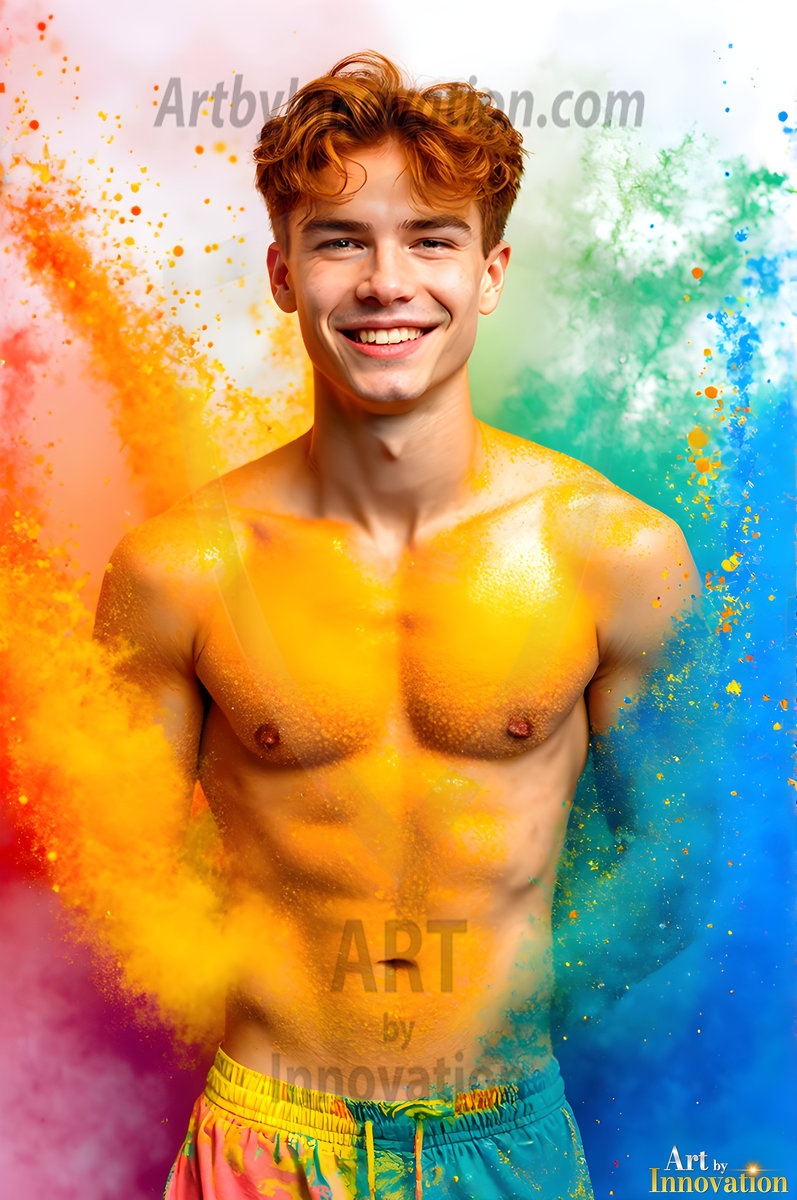
The colors of the LGBTQ+ Pride flags are designed to celebrate the diversity of human experience, visibility, and hope, with each shade representing a specific value that honors the LGBTQ+ community. Created in 1978 by artist Gilbert Baker, the rainbow flag has evolved to include more inclusive colors, showcasing how variety in identity makes individuals uniquely themselves. Meanings Behind the Colors, Red (Life): Represents the vitality and passion of LGBTQ+ people. Orange (Healing): Symbolizes the healing power within the community, often in the face of adversity. Yellow (Sunlight): Signifies the brightness and joy of being true to oneself. Green (Nature): Represents a connection to nature, the environment, and prosperity. Blue/Indigo (Serenity/Harmony): Symbolizes serenity, calm, and inner strength found in living one's truth. Violet/Purple (Spirit): Represents the spirit, strength, and resilience of the community.
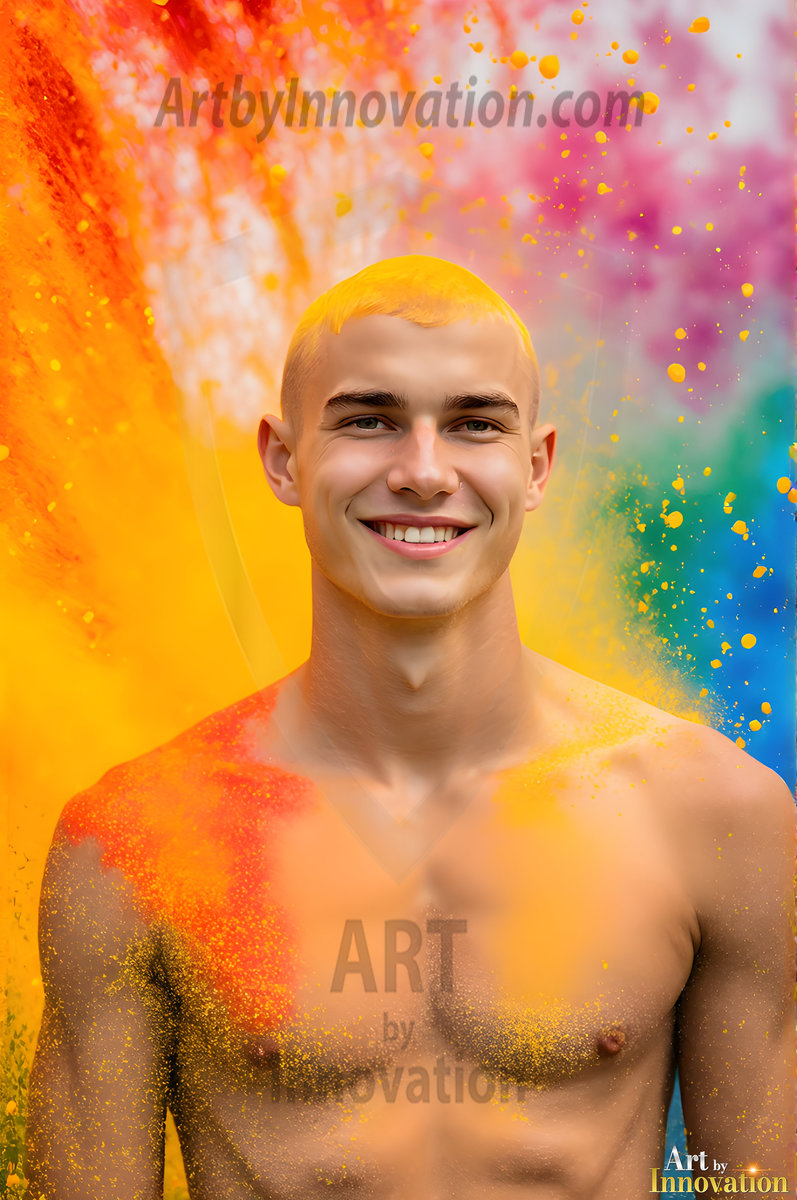
The colors of the LGBTQ+ Pride flags are designed to celebrate the diversity of human experience, visibility, and hope, with each shade representing a specific value that honors the LGBTQ+ community. Created in 1978 by artist Gilbert Baker, the rainbow flag has evolved to include more inclusive colors, showcasing how variety in identity makes individuals uniquely themselves. Meanings Behind the Colors, Red (Life): Represents the vitality and passion of LGBTQ+ people. Orange (Healing): Symbolizes the healing power within the community, often in the face of adversity. Yellow (Sunlight): Signifies the brightness and joy of being true to oneself. Green (Nature): Represents a connection to nature, the environment, and prosperity. Blue/Indigo (Serenity/Harmony): Symbolizes serenity, calm, and inner strength found in living one's truth. Violet/Purple (Spirit): Represents the spirit, strength, and resilience of the community.

The colors of the LGBTQ+ Pride flags are designed to celebrate the diversity of human experience, visibility, and hope, with each shade representing a specific value that honors the LGBTQ+ community. Created in 1978 by artist Gilbert Baker, the rainbow flag has evolved to include more inclusive colors, showcasing how variety in identity makes individuals uniquely themselves. Meanings Behind the Colors, Red (Life): Represents the vitality and passion of LGBTQ+ people. Orange (Healing): Symbolizes the healing power within the community, often in the face of adversity. Yellow (Sunlight): Signifies the brightness and joy of being true to oneself. Green (Nature): Represents a connection to nature, the environment, and prosperity. Blue/Indigo (Serenity/Harmony): Symbolizes serenity, calm, and inner strength found in living one's truth. Violet/Purple (Spirit): Represents the spirit, strength, and resilience of the community.
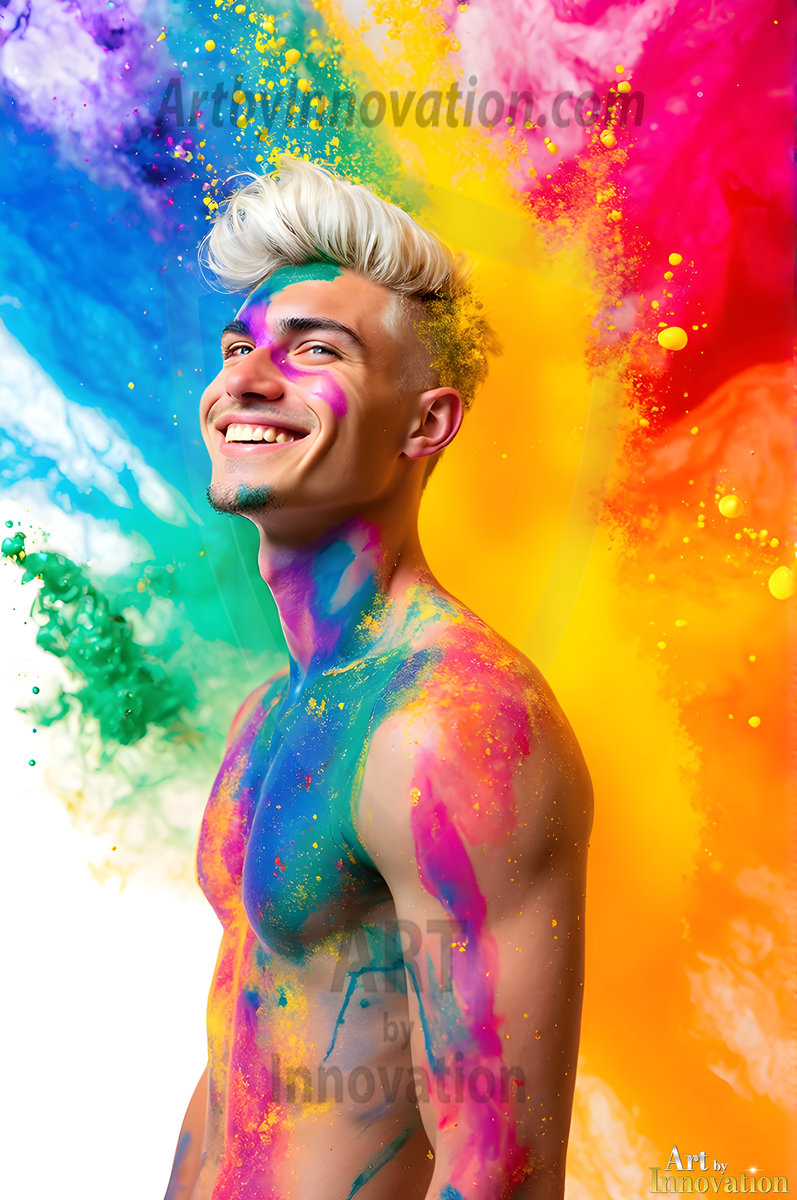
The colors of the LGBTQ+ Pride flags are designed to celebrate the diversity of human experience, visibility, and hope, with each shade representing a specific value that honors the LGBTQ+ community. Created in 1978 by artist Gilbert Baker, the rainbow flag has evolved to include more inclusive colors, showcasing how variety in identity makes individuals uniquely themselves. Meanings Behind the Colors, Red (Life): Represents the vitality and passion of LGBTQ+ people. Orange (Healing): Symbolizes the healing power within the community, often in the face of adversity. Yellow (Sunlight): Signifies the brightness and joy of being true to oneself. Green (Nature): Represents a connection to nature, the environment, and prosperity. Blue/Indigo (Serenity/Harmony): Symbolizes serenity, calm, and inner strength found in living one's truth. Violet/Purple (Spirit): Represents the spirit, strength, and resilience of the community.

The colors of the LGBTQ+ Pride flags are designed to celebrate the diversity of human experience, visibility, and hope, with each shade representing a specific value that honors the LGBTQ+ community. Created in 1978 by artist Gilbert Baker, the rainbow flag has evolved to include more inclusive colors, showcasing how variety in identity makes individuals uniquely themselves. Meanings Behind the Colors, Red (Life): Represents the vitality and passion of LGBTQ+ people. Orange (Healing): Symbolizes the healing power within the community, often in the face of adversity. Yellow (Sunlight): Signifies the brightness and joy of being true to oneself. Green (Nature): Represents a connection to nature, the environment, and prosperity. Blue/Indigo (Serenity/Harmony): Symbolizes serenity, calm, and inner strength found in living one's truth. Violet/Purple (Spirit): Represents the spirit, strength, and resilience of the community.
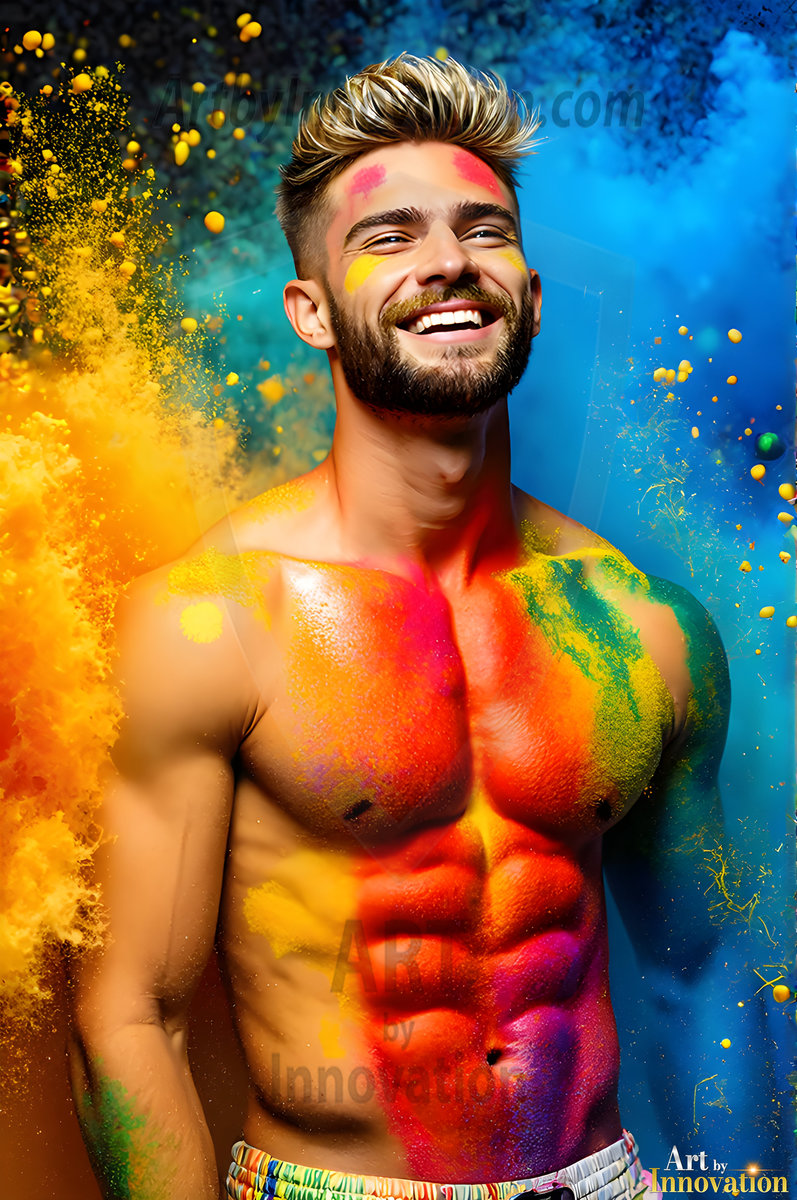
The colors of the LGBTQ+ Pride flags are designed to celebrate the diversity of human experience, visibility, and hope, with each shade representing a specific value that honors the LGBTQ+ community. Created in 1978 by artist Gilbert Baker, the rainbow flag has evolved to include more inclusive colors, showcasing how variety in identity makes individuals uniquely themselves. Meanings Behind the Colors, Red (Life): Represents the vitality and passion of LGBTQ+ people. Orange (Healing): Symbolizes the healing power within the community, often in the face of adversity. Yellow (Sunlight): Signifies the brightness and joy of being true to oneself. Green (Nature): Represents a connection to nature, the environment, and prosperity. Blue/Indigo (Serenity/Harmony): Symbolizes serenity, calm, and inner strength found in living one's truth. Violet/Purple (Spirit): Represents the spirit, strength, and resilience of the community.

The colors of the LGBTQ+ Pride flags are designed to celebrate the diversity of human experience, visibility, and hope, with each shade representing a specific value that honors the LGBTQ+ community. Created in 1978 by artist Gilbert Baker, the rainbow flag has evolved to include more inclusive colors, showcasing how variety in identity makes individuals uniquely themselves. Meanings Behind the Colors, Red (Life): Represents the vitality and passion of LGBTQ+ people. Orange (Healing): Symbolizes the healing power within the community, often in the face of adversity. Yellow (Sunlight): Signifies the brightness and joy of being true to oneself. Green (Nature): Represents a connection to nature, the environment, and prosperity. Blue/Indigo (Serenity/Harmony): Symbolizes serenity, calm, and inner strength found in living one's truth. Violet/Purple (Spirit): Represents the spirit, strength, and resilience of the community.
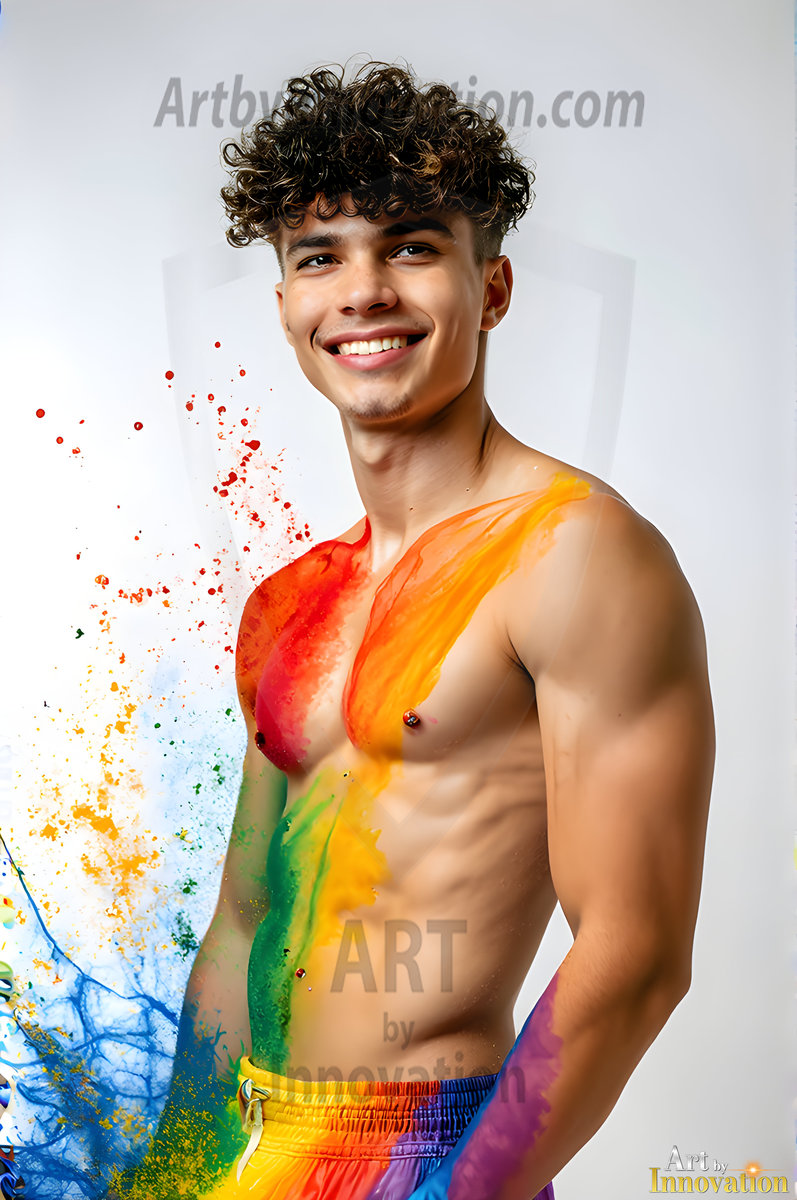
The colors of the LGBTQ+ Pride flags are designed to celebrate the diversity of human experience, visibility, and hope, with each shade representing a specific value that honors the LGBTQ+ community. Created in 1978 by artist Gilbert Baker, the rainbow flag has evolved to include more inclusive colors, showcasing how variety in identity makes individuals uniquely themselves. Meanings Behind the Colors, Red (Life): Represents the vitality and passion of LGBTQ+ people. Orange (Healing): Symbolizes the healing power within the community, often in the face of adversity. Yellow (Sunlight): Signifies the brightness and joy of being true to oneself. Green (Nature): Represents a connection to nature, the environment, and prosperity. Blue/Indigo (Serenity/Harmony): Symbolizes serenity, calm, and inner strength found in living one's truth. Violet/Purple (Spirit): Represents the spirit, strength, and resilience of the community.
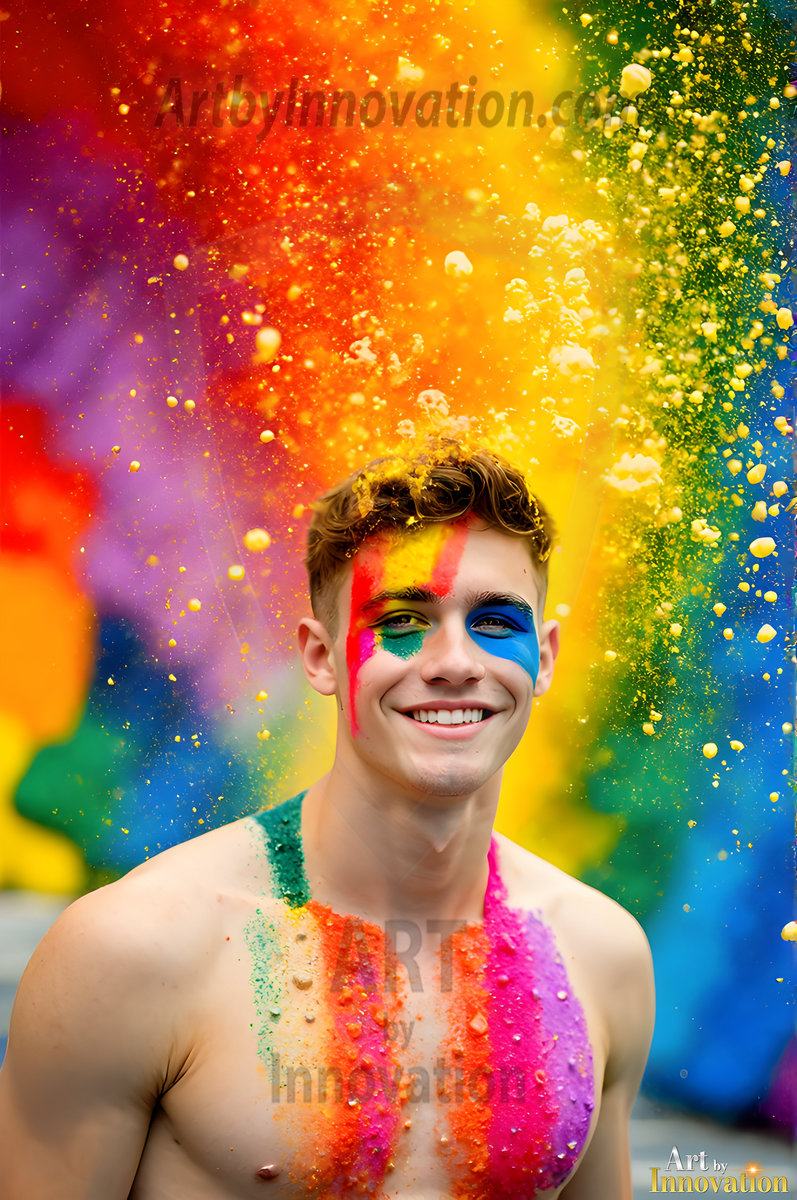
The colors of the LGBTQ+ Pride flags are designed to celebrate the diversity of human experience, visibility, and hope, with each shade representing a specific value that honors the LGBTQ+ community. Created in 1978 by artist Gilbert Baker, the rainbow flag has evolved to include more inclusive colors, showcasing how variety in identity makes individuals uniquely themselves. Meanings Behind the Colors, Red (Life): Represents the vitality and passion of LGBTQ+ people. Orange (Healing): Symbolizes the healing power within the community, often in the face of adversity. Yellow (Sunlight): Signifies the brightness and joy of being true to oneself. Green (Nature): Represents a connection to nature, the environment, and prosperity. Blue/Indigo (Serenity/Harmony): Symbolizes serenity, calm, and inner strength found in living one's truth. Violet/Purple (Spirit): Represents the spirit, strength, and resilience of the community.
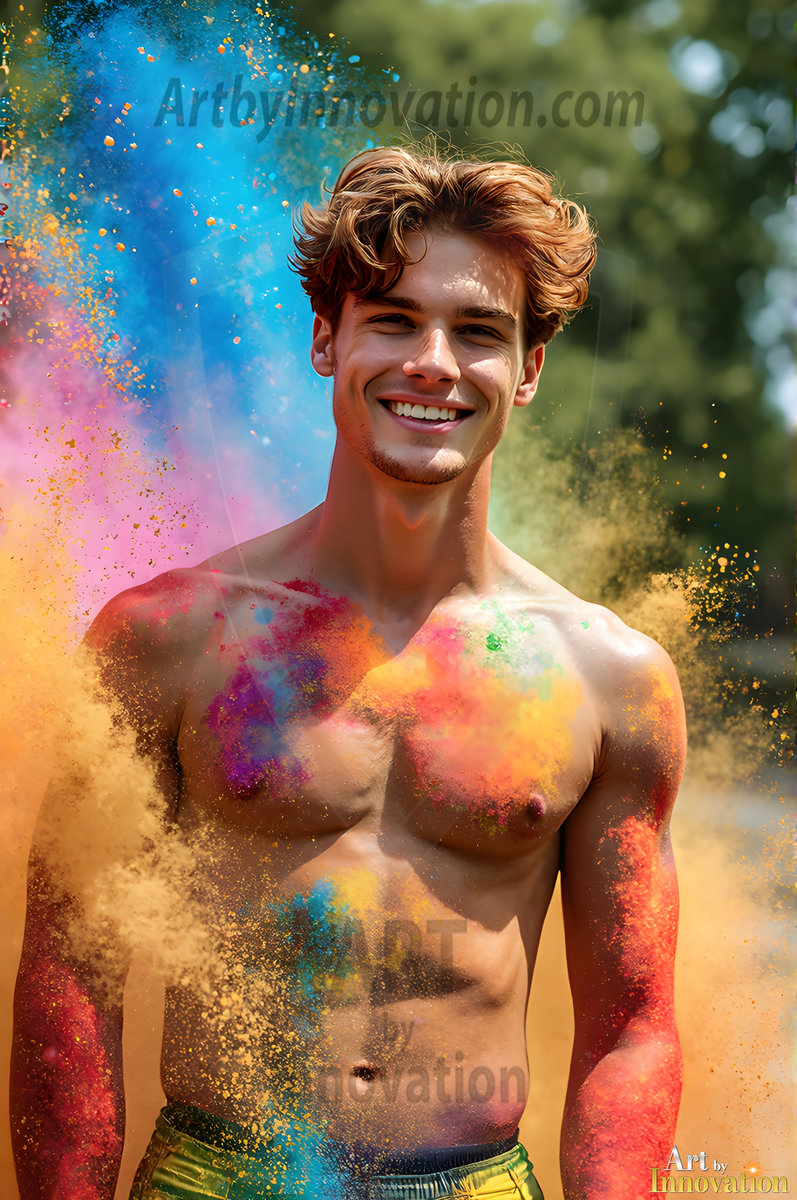
The colors of the LGBTQ+ Pride flags are designed to celebrate the diversity of human experience, visibility, and hope, with each shade representing a specific value that honors the LGBTQ+ community. Created in 1978 by artist Gilbert Baker, the rainbow flag has evolved to include more inclusive colors, showcasing how variety in identity makes individuals uniquely themselves. Meanings Behind the Colors, Red (Life): Represents the vitality and passion of LGBTQ+ people. Orange (Healing): Symbolizes the healing power within the community, often in the face of adversity. Yellow (Sunlight): Signifies the brightness and joy of being true to oneself. Green (Nature): Represents a connection to nature, the environment, and prosperity. Blue/Indigo (Serenity/Harmony): Symbolizes serenity, calm, and inner strength found in living one's truth. Violet/Purple (Spirit): Represents the spirit, strength, and resilience of the community.
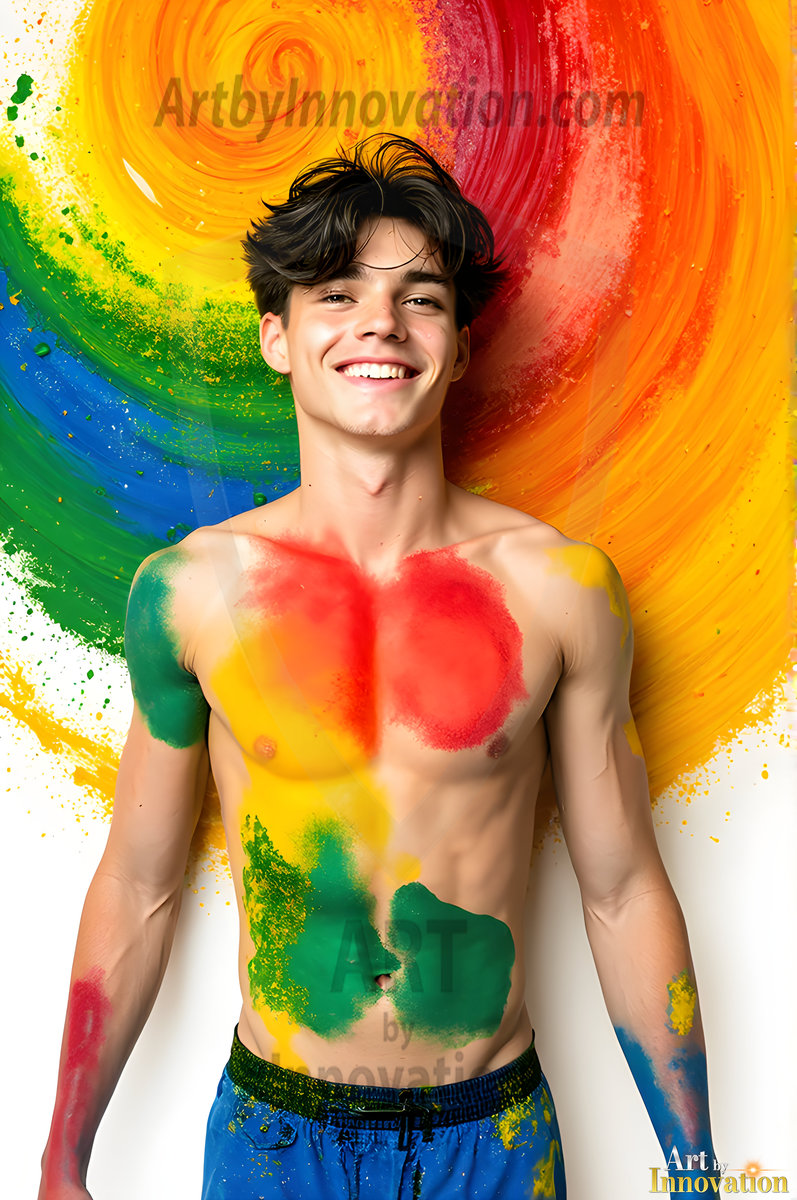
The colors of the LGBTQ+ Pride flags are designed to celebrate the diversity of human experience, visibility, and hope, with each shade representing a specific value that honors the LGBTQ+ community. Created in 1978 by artist Gilbert Baker, the rainbow flag has evolved to include more inclusive colors, showcasing how variety in identity makes individuals uniquely themselves. Meanings Behind the Colors, Red (Life): Represents the vitality and passion of LGBTQ+ people. Orange (Healing): Symbolizes the healing power within the community, often in the face of adversity. Yellow (Sunlight): Signifies the brightness and joy of being true to oneself. Green (Nature): Represents a connection to nature, the environment, and prosperity. Blue/Indigo (Serenity/Harmony): Symbolizes serenity, calm, and inner strength found in living one's truth. Violet/Purple (Spirit): Represents the spirit, strength, and resilience of the community.
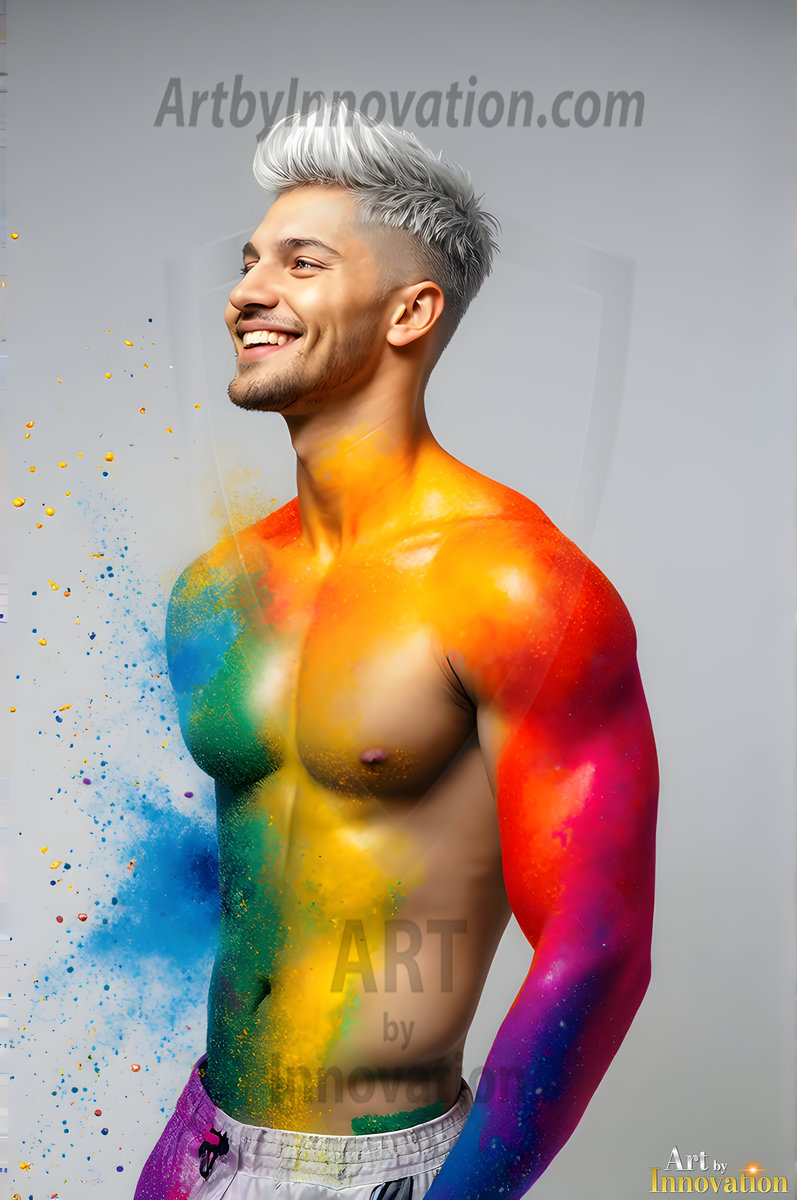
The colors of the LGBTQ+ Pride flags are designed to celebrate the diversity of human experience, visibility, and hope, with each shade representing a specific value that honors the LGBTQ+ community. Created in 1978 by artist Gilbert Baker, the rainbow flag has evolved to include more inclusive colors, showcasing how variety in identity makes individuals uniquely themselves. Meanings Behind the Colors, Red (Life): Represents the vitality and passion of LGBTQ+ people. Orange (Healing): Symbolizes the healing power within the community, often in the face of adversity. Yellow (Sunlight): Signifies the brightness and joy of being true to oneself. Green (Nature): Represents a connection to nature, the environment, and prosperity. Blue/Indigo (Serenity/Harmony): Symbolizes serenity, calm, and inner strength found in living one's truth. Violet/Purple (Spirit): Represents the spirit, strength, and resilience of the community.
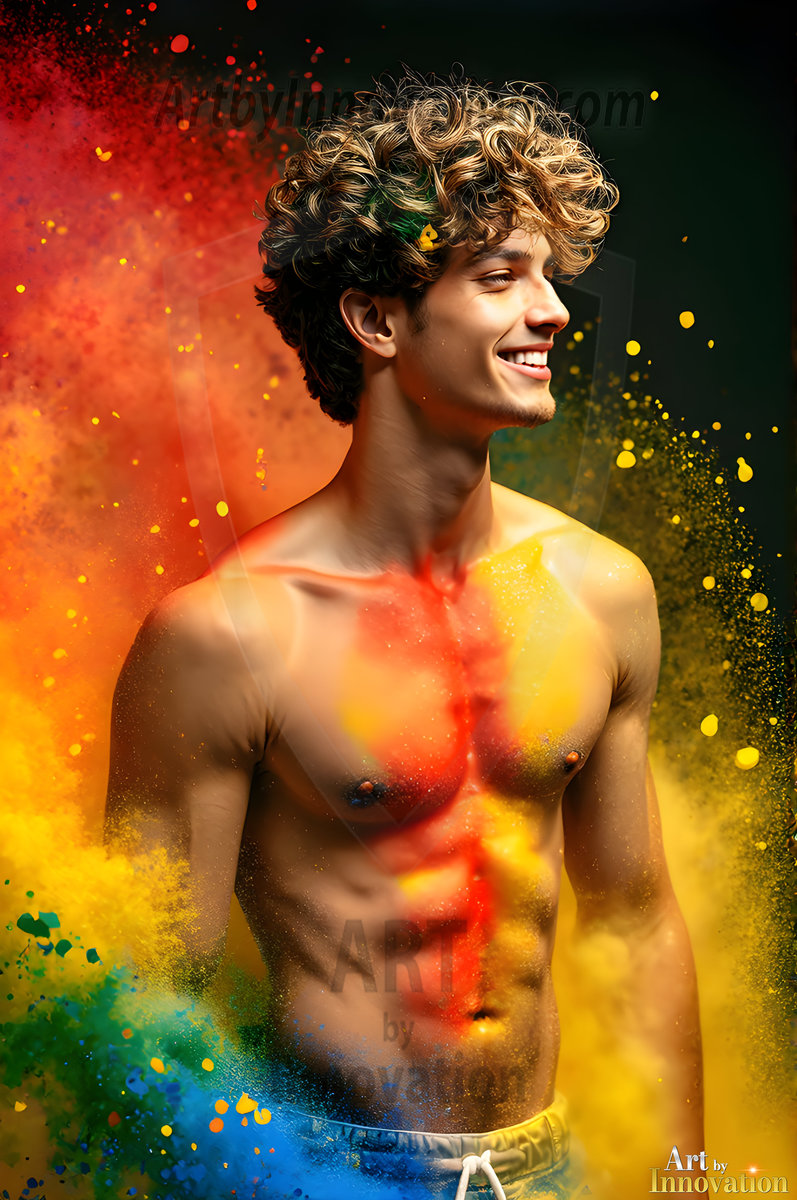
The colors of the LGBTQ+ Pride flags are designed to celebrate the diversity of human experience, visibility, and hope, with each shade representing a specific value that honors the LGBTQ+ community. Created in 1978 by artist Gilbert Baker, the rainbow flag has evolved to include more inclusive colors, showcasing how variety in identity makes individuals uniquely themselves. Meanings Behind the Colors, Red (Life): Represents the vitality and passion of LGBTQ+ people. Orange (Healing): Symbolizes the healing power within the community, often in the face of adversity. Yellow (Sunlight): Signifies the brightness and joy of being true to oneself. Green (Nature): Represents a connection to nature, the environment, and prosperity. Blue/Indigo (Serenity/Harmony): Symbolizes serenity, calm, and inner strength found in living one's truth. Violet/Purple (Spirit): Represents the spirit, strength, and resilience of the community.
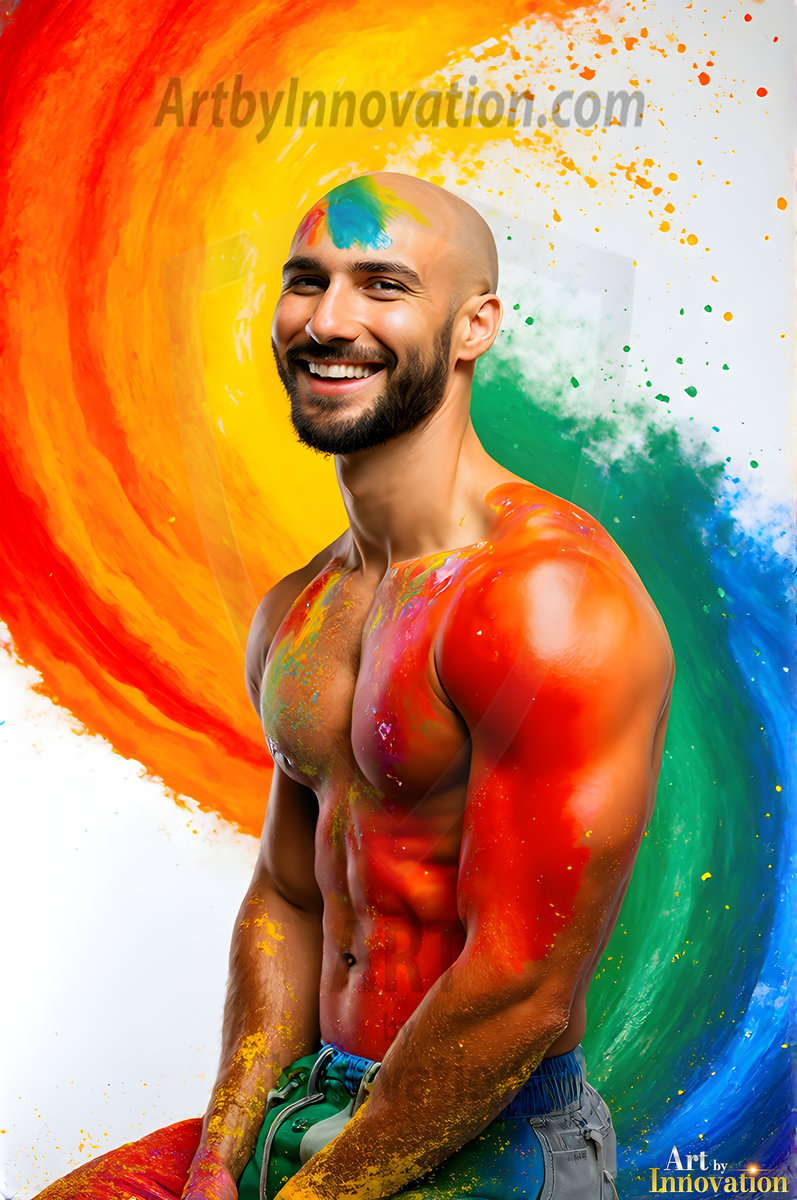
The colors of the LGBTQ+ Pride flags are designed to celebrate the diversity of human experience, visibility, and hope, with each shade representing a specific value that honors the LGBTQ+ community. Created in 1978 by artist Gilbert Baker, the rainbow flag has evolved to include more inclusive colors, showcasing how variety in identity makes individuals uniquely themselves. Meanings Behind the Colors, Red (Life): Represents the vitality and passion of LGBTQ+ people. Orange (Healing): Symbolizes the healing power within the community, often in the face of adversity. Yellow (Sunlight): Signifies the brightness and joy of being true to oneself. Green (Nature): Represents a connection to nature, the environment, and prosperity. Blue/Indigo (Serenity/Harmony): Symbolizes serenity, calm, and inner strength found in living one's truth. Violet/Purple (Spirit): Represents the spirit, strength, and resilience of the community.
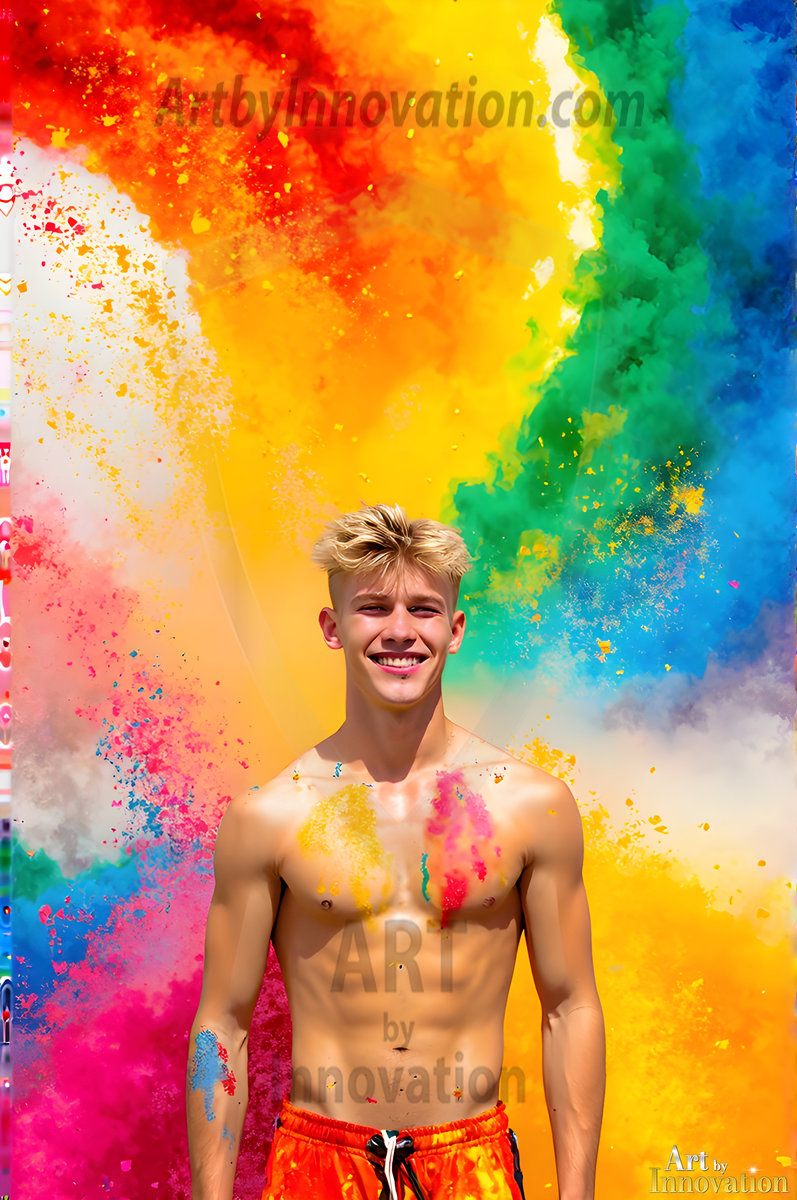
The colors of the LGBTQ+ Pride flags are designed to celebrate the diversity of human experience, visibility, and hope, with each shade representing a specific value that honors the LGBTQ+ community. Created in 1978 by artist Gilbert Baker, the rainbow flag has evolved to include more inclusive colors, showcasing how variety in identity makes individuals uniquely themselves. Meanings Behind the Colors, Red (Life): Represents the vitality and passion of LGBTQ+ people. Orange (Healing): Symbolizes the healing power within the community, often in the face of adversity. Yellow (Sunlight): Signifies the brightness and joy of being true to oneself. Green (Nature): Represents a connection to nature, the environment, and prosperity. Blue/Indigo (Serenity/Harmony): Symbolizes serenity, calm, and inner strength found in living one's truth. Violet/Purple (Spirit): Represents the spirit, strength, and resilience of the community.
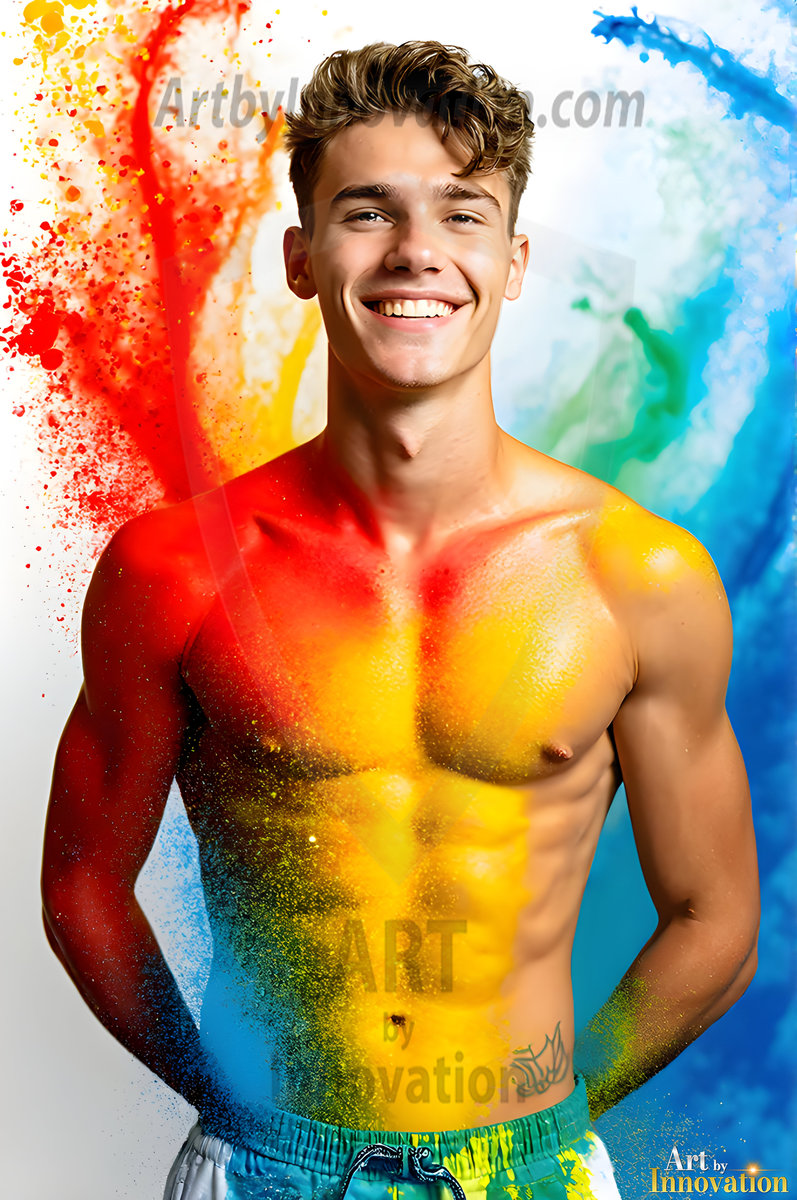
The colors of the LGBTQ+ Pride flags are designed to celebrate the diversity of human experience, visibility, and hope, with each shade representing a specific value that honors the LGBTQ+ community. Created in 1978 by artist Gilbert Baker, the rainbow flag has evolved to include more inclusive colors, showcasing how variety in identity makes individuals uniquely themselves. Meanings Behind the Colors, Red (Life): Represents the vitality and passion of LGBTQ+ people. Orange (Healing): Symbolizes the healing power within the community, often in the face of adversity. Yellow (Sunlight): Signifies the brightness and joy of being true to oneself. Green (Nature): Represents a connection to nature, the environment, and prosperity. Blue/Indigo (Serenity/Harmony): Symbolizes serenity, calm, and inner strength found in living one's truth. Violet/Purple (Spirit): Represents the spirit, strength, and resilience of the community.
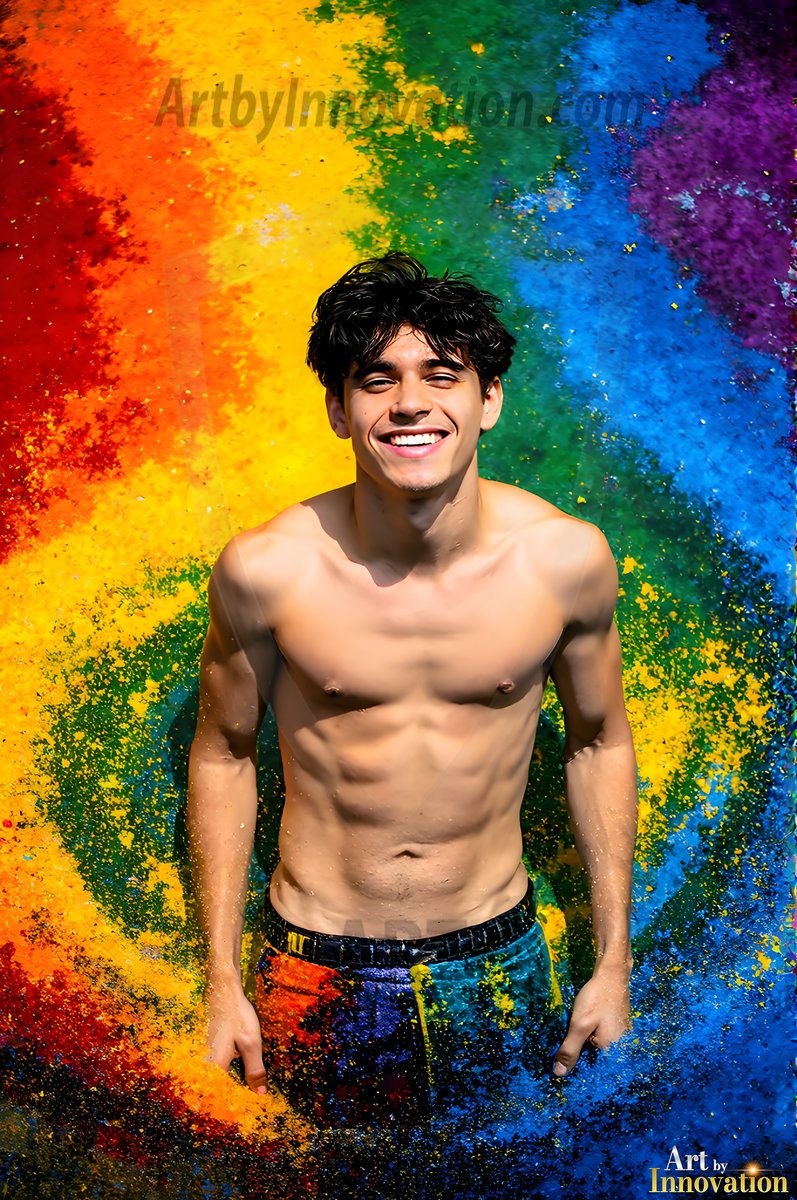
The colors of the LGBTQ+ Pride flags are designed to celebrate the diversity of human experience, visibility, and hope, with each shade representing a specific value that honors the LGBTQ+ community. Created in 1978 by artist Gilbert Baker, the rainbow flag has evolved to include more inclusive colors, showcasing how variety in identity makes individuals uniquely themselves. Meanings Behind the Colors, Red (Life): Represents the vitality and passion of LGBTQ+ people. Orange (Healing): Symbolizes the healing power within the community, often in the face of adversity. Yellow (Sunlight): Signifies the brightness and joy of being true to oneself. Green (Nature): Represents a connection to nature, the environment, and prosperity. Blue/Indigo (Serenity/Harmony): Symbolizes serenity, calm, and inner strength found in living one's truth. Violet/Purple (Spirit): Represents the spirit, strength, and resilience of the community.
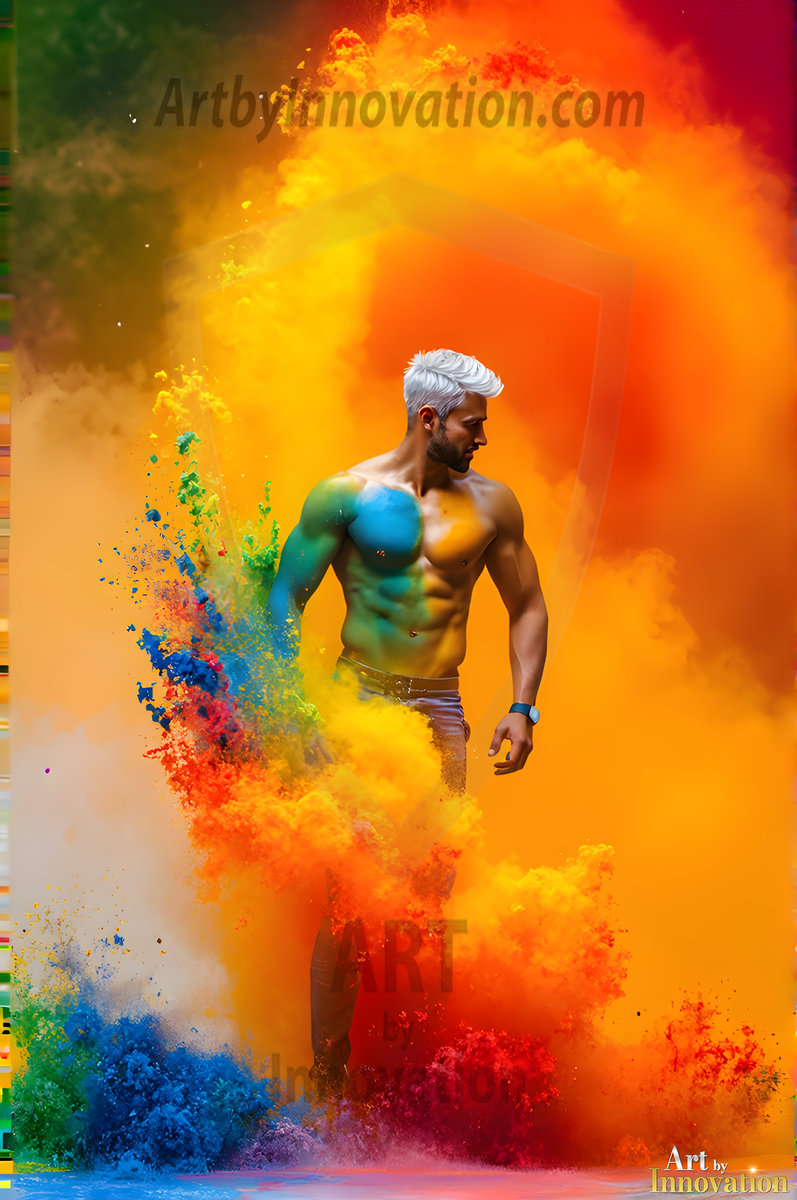
The colors of the LGBTQ+ Pride flags are designed to celebrate the diversity of human experience, visibility, and hope, with each shade representing a specific value that honors the LGBTQ+ community. Created in 1978 by artist Gilbert Baker, the rainbow flag has evolved to include more inclusive colors, showcasing how variety in identity makes individuals uniquely themselves. Meanings Behind the Colors, Red (Life): Represents the vitality and passion of LGBTQ+ people. Orange (Healing): Symbolizes the healing power within the community, often in the face of adversity. Yellow (Sunlight): Signifies the brightness and joy of being true to oneself. Green (Nature): Represents a connection to nature, the environment, and prosperity. Blue/Indigo (Serenity/Harmony): Symbolizes serenity, calm, and inner strength found in living one's truth. Violet/Purple (Spirit): Represents the spirit, strength, and resilience of the community.
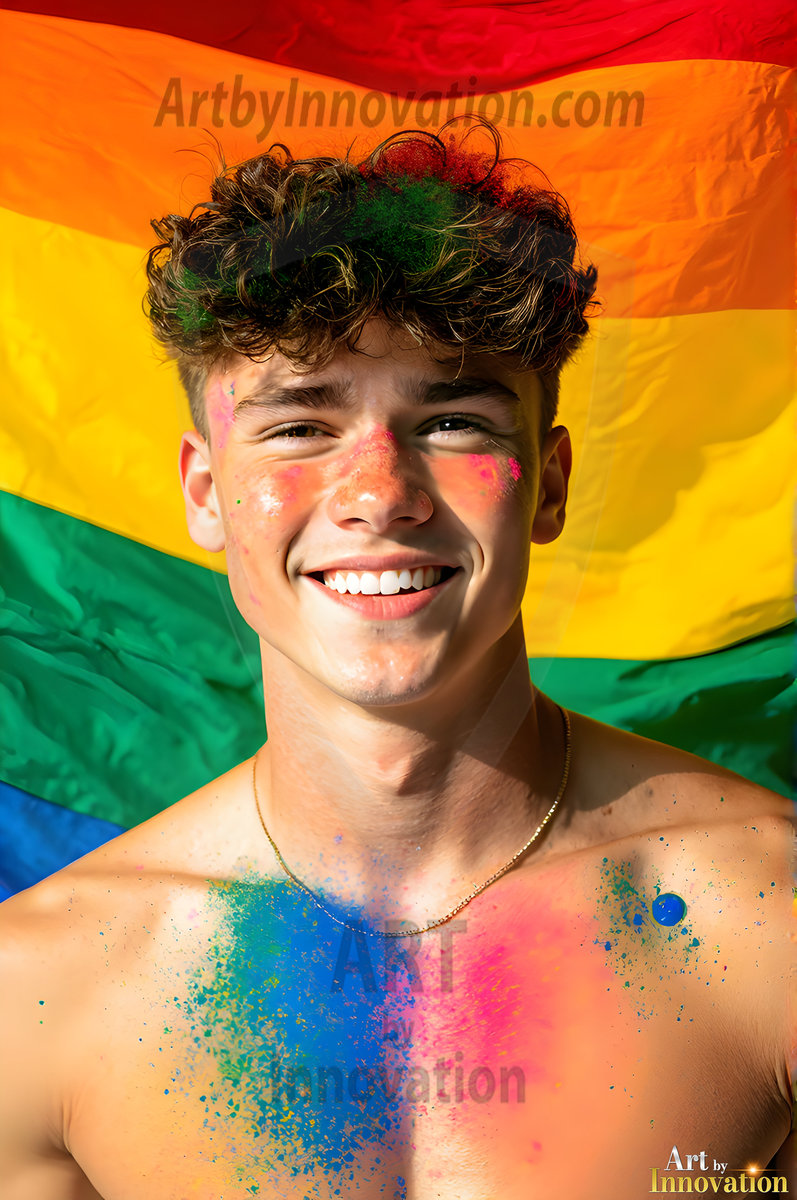
The colors of the LGBTQ+ Pride flags are designed to celebrate the diversity of human experience, visibility, and hope, with each shade representing a specific value that honors the LGBTQ+ community. Created in 1978 by artist Gilbert Baker, the rainbow flag has evolved to include more inclusive colors, showcasing how variety in identity makes individuals uniquely themselves. Meanings Behind the Colors, Red (Life): Represents the vitality and passion of LGBTQ+ people. Orange (Healing): Symbolizes the healing power within the community, often in the face of adversity. Yellow (Sunlight): Signifies the brightness and joy of being true to oneself. Green (Nature): Represents a connection to nature, the environment, and prosperity. Blue/Indigo (Serenity/Harmony): Symbolizes serenity, calm, and inner strength found in living one's truth. Violet/Purple (Spirit): Represents the spirit, strength, and resilience of the community.
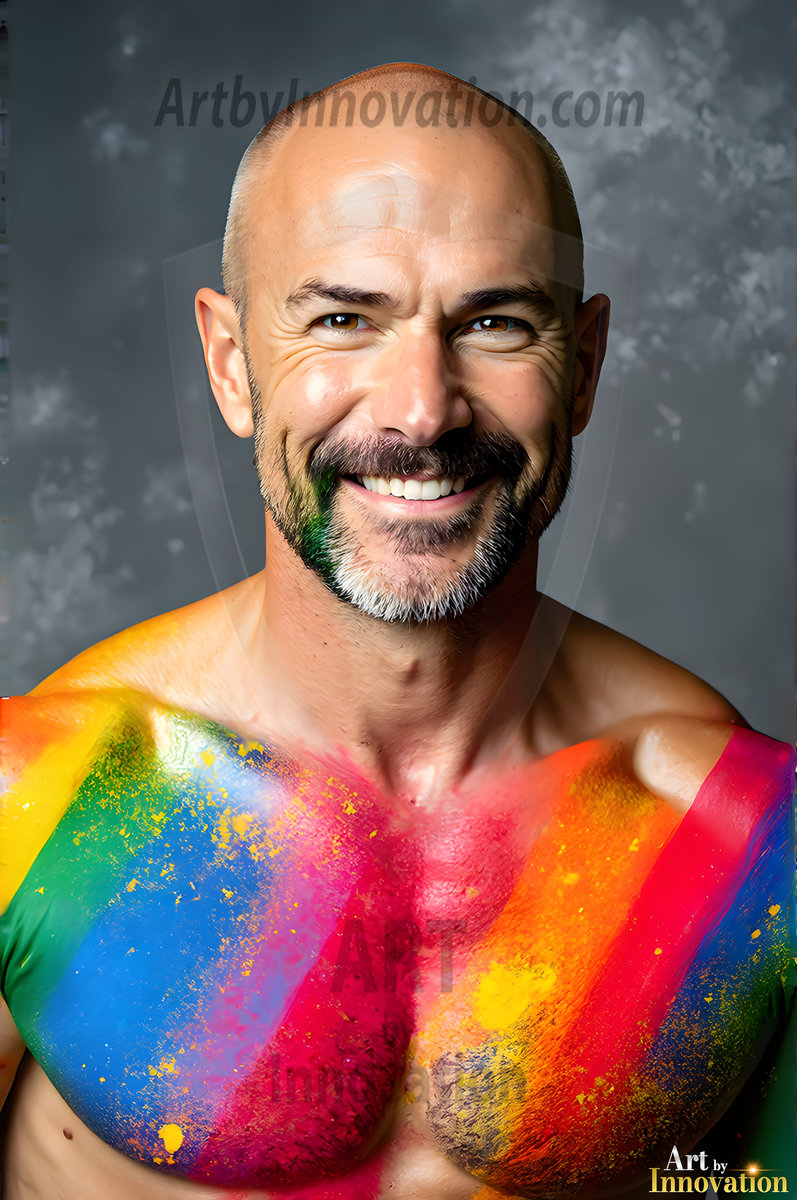
The colors of the LGBTQ+ Pride flags are designed to celebrate the diversity of human experience, visibility, and hope, with each shade representing a specific value that honors the LGBTQ+ community. Created in 1978 by artist Gilbert Baker, the rainbow flag has evolved to include more inclusive colors, showcasing how variety in identity makes individuals uniquely themselves. Meanings Behind the Colors, Red (Life): Represents the vitality and passion of LGBTQ+ people. Orange (Healing): Symbolizes the healing power within the community, often in the face of adversity. Yellow (Sunlight): Signifies the brightness and joy of being true to oneself. Green (Nature): Represents a connection to nature, the environment, and prosperity. Blue/Indigo (Serenity/Harmony): Symbolizes serenity, calm, and inner strength found in living one's truth. Violet/Purple (Spirit): Represents the spirit, strength, and resilience of the community.
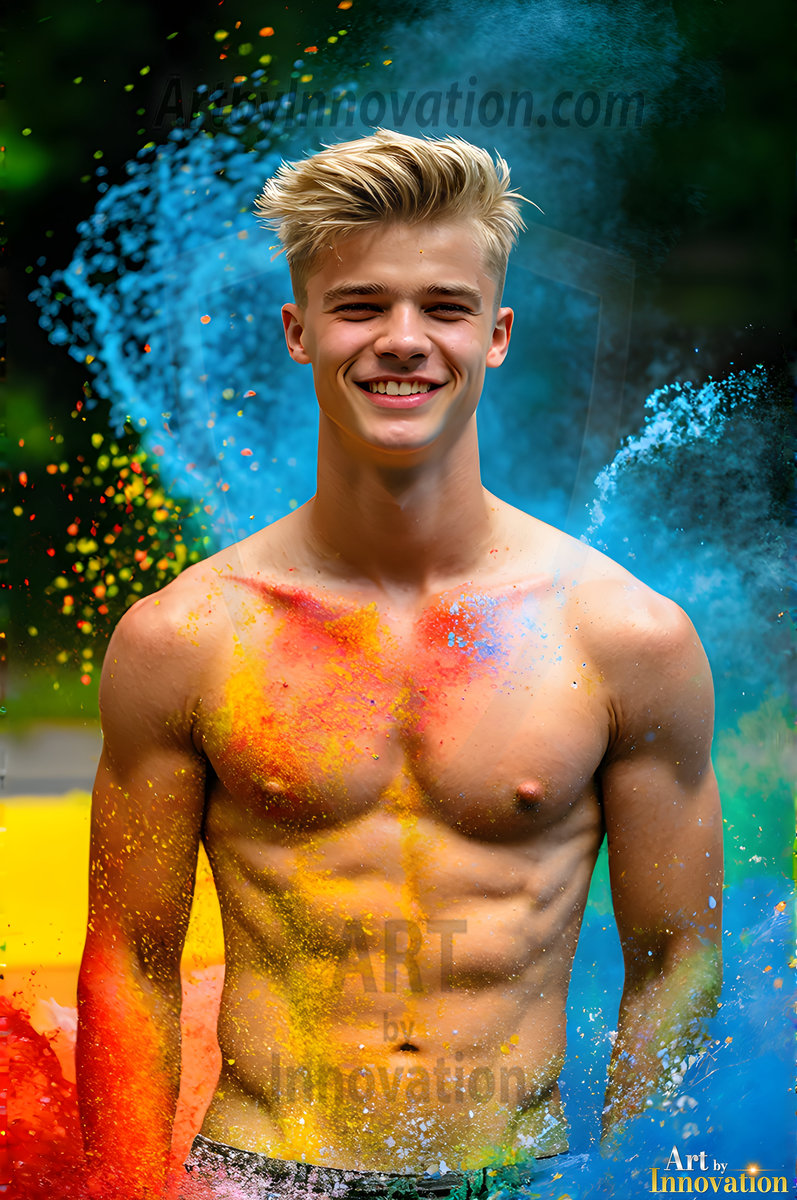
The colors of the LGBTQ+ Pride flags are designed to celebrate the diversity of human experience, visibility, and hope, with each shade representing a specific value that honors the LGBTQ+ community. Created in 1978 by artist Gilbert Baker, the rainbow flag has evolved to include more inclusive colors, showcasing how variety in identity makes individuals uniquely themselves. Meanings Behind the Colors, Red (Life): Represents the vitality and passion of LGBTQ+ people. Orange (Healing): Symbolizes the healing power within the community, often in the face of adversity. Yellow (Sunlight): Signifies the brightness and joy of being true to oneself. Green (Nature): Represents a connection to nature, the environment, and prosperity. Blue/Indigo (Serenity/Harmony): Symbolizes serenity, calm, and inner strength found in living one's truth. Violet/Purple (Spirit): Represents the spirit, strength, and resilience of the community.
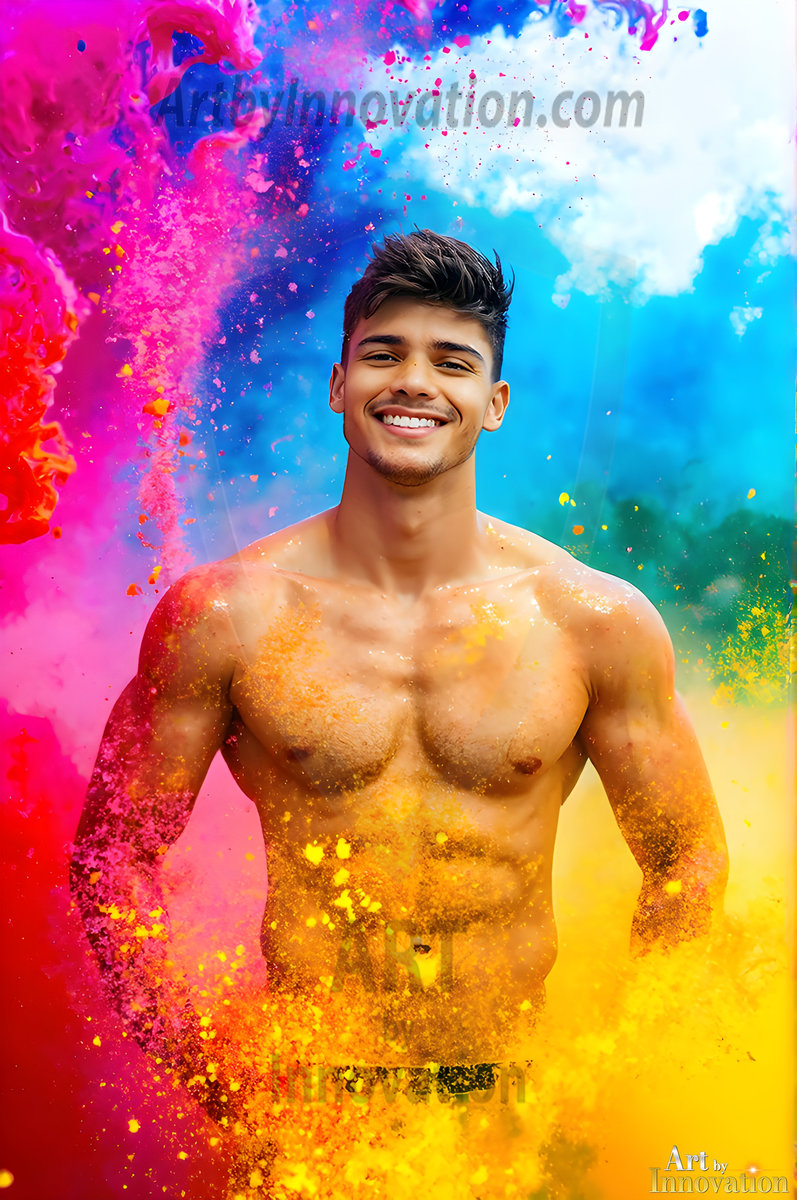
The colors of the LGBTQ+ Pride flags are designed to celebrate the diversity of human experience, visibility, and hope, with each shade representing a specific value that honors the LGBTQ+ community. Created in 1978 by artist Gilbert Baker, the rainbow flag has evolved to include more inclusive colors, showcasing how variety in identity makes individuals uniquely themselves. Meanings Behind the Colors, Red (Life): Represents the vitality and passion of LGBTQ+ people. Orange (Healing): Symbolizes the healing power within the community, often in the face of adversity. Yellow (Sunlight): Signifies the brightness and joy of being true to oneself. Green (Nature): Represents a connection to nature, the environment, and prosperity. Blue/Indigo (Serenity/Harmony): Symbolizes serenity, calm, and inner strength found in living one's truth. Violet/Purple (Spirit): Represents the spirit, strength, and resilience of the community.
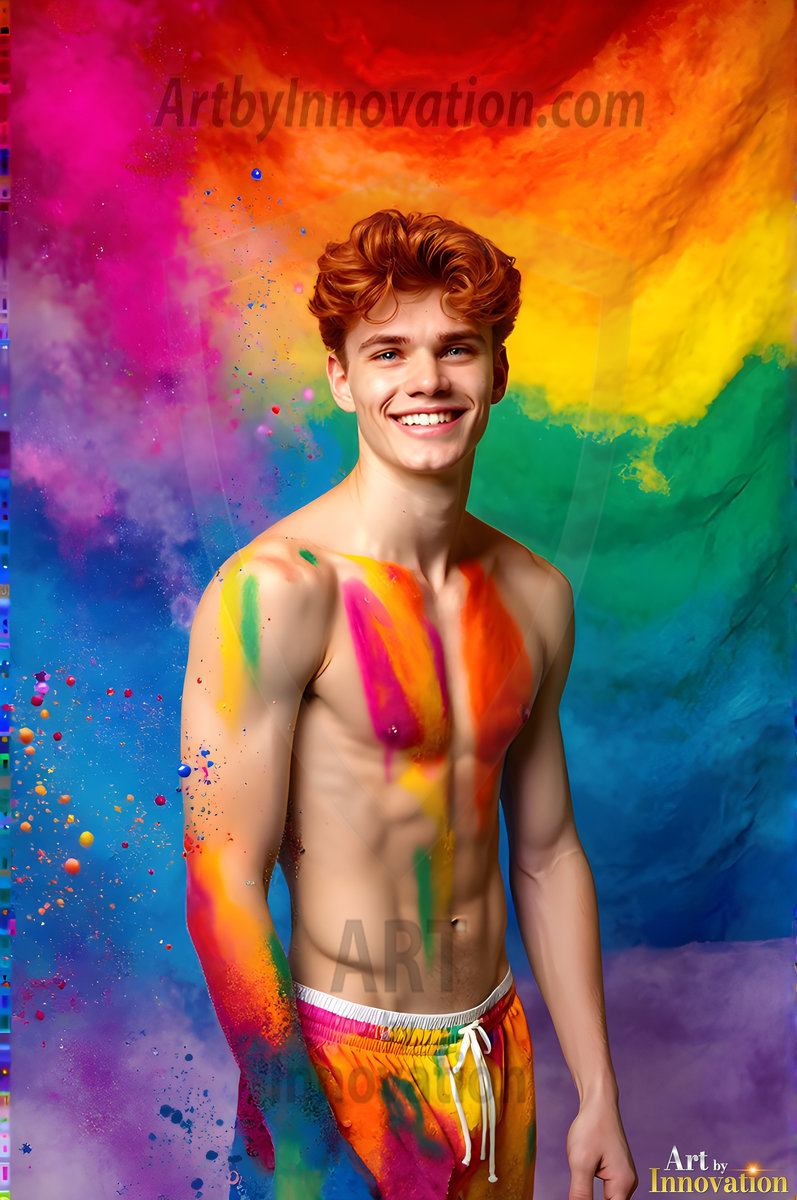
The colors of the LGBTQ+ Pride flags are designed to celebrate the diversity of human experience, visibility, and hope, with each shade representing a specific value that honors the LGBTQ+ community. Created in 1978 by artist Gilbert Baker, the rainbow flag has evolved to include more inclusive colors, showcasing how variety in identity makes individuals uniquely themselves. Meanings Behind the Colors, Red (Life): Represents the vitality and passion of LGBTQ+ people. Orange (Healing): Symbolizes the healing power within the community, often in the face of adversity. Yellow (Sunlight): Signifies the brightness and joy of being true to oneself. Green (Nature): Represents a connection to nature, the environment, and prosperity. Blue/Indigo (Serenity/Harmony): Symbolizes serenity, calm, and inner strength found in living one's truth. Violet/Purple (Spirit): Represents the spirit, strength, and resilience of the community.

The colors of the LGBTQ+ Pride flags are designed to celebrate the diversity of human experience, visibility, and hope, with each shade representing a specific value that honors the LGBTQ+ community. Created in 1978 by artist Gilbert Baker, the rainbow flag has evolved to include more inclusive colors, showcasing how variety in identity makes individuals uniquely themselves. Meanings Behind the Colors, Red (Life): Represents the vitality and passion of LGBTQ+ people. Orange (Healing): Symbolizes the healing power within the community, often in the face of adversity. Yellow (Sunlight): Signifies the brightness and joy of being true to oneself. Green (Nature): Represents a connection to nature, the environment, and prosperity. Blue/Indigo (Serenity/Harmony): Symbolizes serenity, calm, and inner strength found in living one's truth. Violet/Purple (Spirit): Represents the spirit, strength, and resilience of the community.
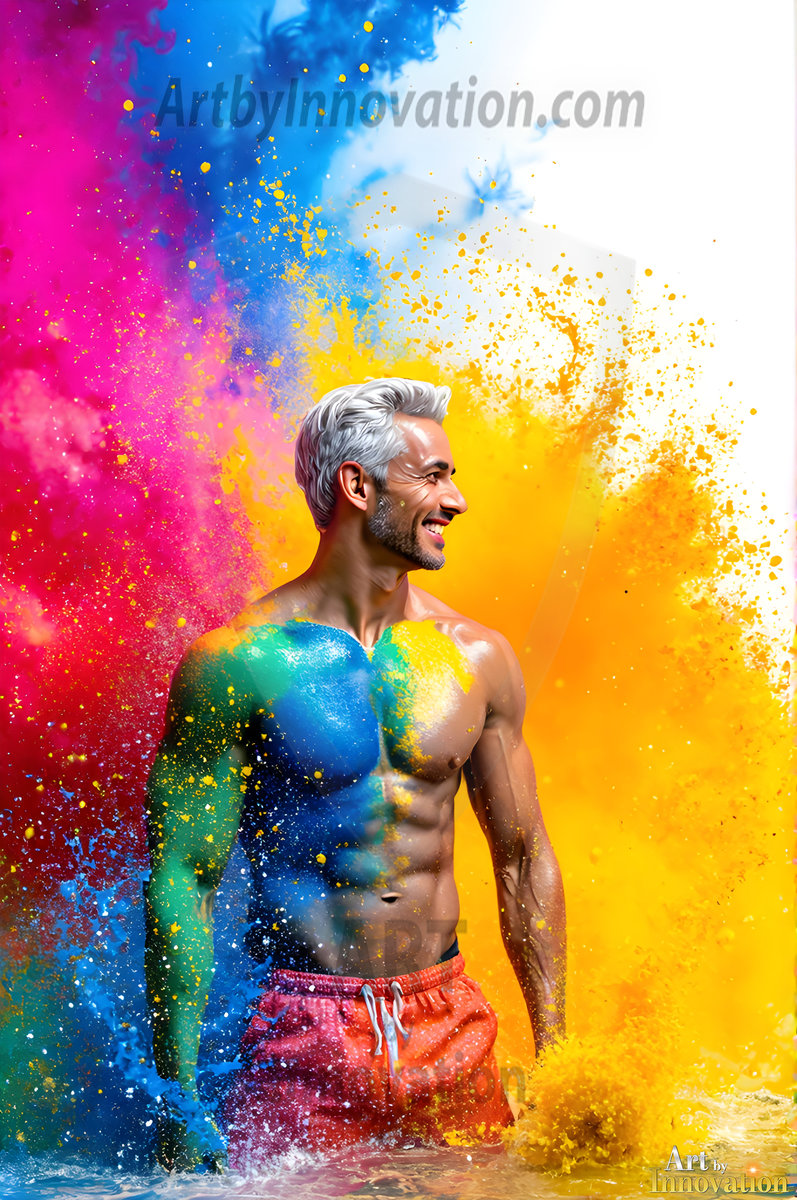
The colors of the LGBTQ+ Pride flags are designed to celebrate the diversity of human experience, visibility, and hope, with each shade representing a specific value that honors the LGBTQ+ community. Created in 1978 by artist Gilbert Baker, the rainbow flag has evolved to include more inclusive colors, showcasing how variety in identity makes individuals uniquely themselves. Meanings Behind the Colors, Red (Life): Represents the vitality and passion of LGBTQ+ people. Orange (Healing): Symbolizes the healing power within the community, often in the face of adversity. Yellow (Sunlight): Signifies the brightness and joy of being true to oneself. Green (Nature): Represents a connection to nature, the environment, and prosperity. Blue/Indigo (Serenity/Harmony): Symbolizes serenity, calm, and inner strength found in living one's truth. Violet/Purple (Spirit): Represents the spirit, strength, and resilience of the community.

The colors of the LGBTQ+ Pride flags are designed to celebrate the diversity of human experience, visibility, and hope, with each shade representing a specific value that honors the LGBTQ+ community. Created in 1978 by artist Gilbert Baker, the rainbow flag has evolved to include more inclusive colors, showcasing how variety in identity makes individuals uniquely themselves. Meanings Behind the Colors, Red (Life): Represents the vitality and passion of LGBTQ+ people. Orange (Healing): Symbolizes the healing power within the community, often in the face of adversity. Yellow (Sunlight): Signifies the brightness and joy of being true to oneself. Green (Nature): Represents a connection to nature, the environment, and prosperity. Blue/Indigo (Serenity/Harmony): Symbolizes serenity, calm, and inner strength found in living one's truth. Violet/Purple (Spirit): Represents the spirit, strength, and resilience of the community.

The colors of the LGBTQ+ Pride flags are designed to celebrate the diversity of human experience, visibility, and hope, with each shade representing a specific value that honors the LGBTQ+ community. Created in 1978 by artist Gilbert Baker, the rainbow flag has evolved to include more inclusive colors, showcasing how variety in identity makes individuals uniquely themselves. Meanings Behind the Colors, Red (Life): Represents the vitality and passion of LGBTQ+ people. Orange (Healing): Symbolizes the healing power within the community, often in the face of adversity. Yellow (Sunlight): Signifies the brightness and joy of being true to oneself. Green (Nature): Represents a connection to nature, the environment, and prosperity. Blue/Indigo (Serenity/Harmony): Symbolizes serenity, calm, and inner strength found in living one's truth. Violet/Purple (Spirit): Represents the spirit, strength, and resilience of the community.
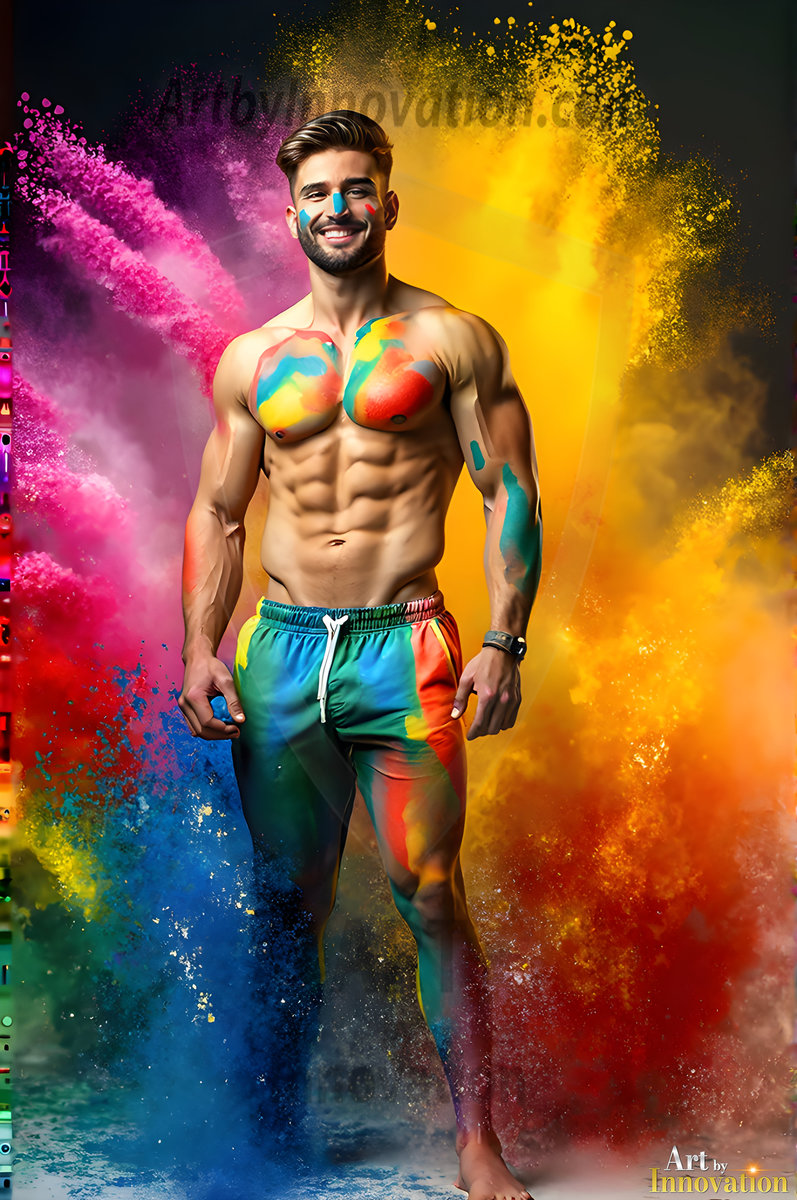
The colors of the LGBTQ+ Pride flags are designed to celebrate the diversity of human experience, visibility, and hope, with each shade representing a specific value that honors the LGBTQ+ community. Created in 1978 by artist Gilbert Baker, the rainbow flag has evolved to include more inclusive colors, showcasing how variety in identity makes individuals uniquely themselves. Meanings Behind the Colors, Red (Life): Represents the vitality and passion of LGBTQ+ people. Orange (Healing): Symbolizes the healing power within the community, often in the face of adversity. Yellow (Sunlight): Signifies the brightness and joy of being true to oneself. Green (Nature): Represents a connection to nature, the environment, and prosperity. Blue/Indigo (Serenity/Harmony): Symbolizes serenity, calm, and inner strength found in living one's truth. Violet/Purple (Spirit): Represents the spirit, strength, and resilience of the community.

The colors of the LGBTQ+ Pride flags are designed to celebrate the diversity of human experience, visibility, and hope, with each shade representing a specific value that honors the LGBTQ+ community. Created in 1978 by artist Gilbert Baker, the rainbow flag has evolved to include more inclusive colors, showcasing how variety in identity makes individuals uniquely themselves. Meanings Behind the Colors, Red (Life): Represents the vitality and passion of LGBTQ+ people. Orange (Healing): Symbolizes the healing power within the community, often in the face of adversity. Yellow (Sunlight): Signifies the brightness and joy of being true to oneself. Green (Nature): Represents a connection to nature, the environment, and prosperity. Blue/Indigo (Serenity/Harmony): Symbolizes serenity, calm, and inner strength found in living one's truth. Violet/Purple (Spirit): Represents the spirit, strength, and resilience of the community.
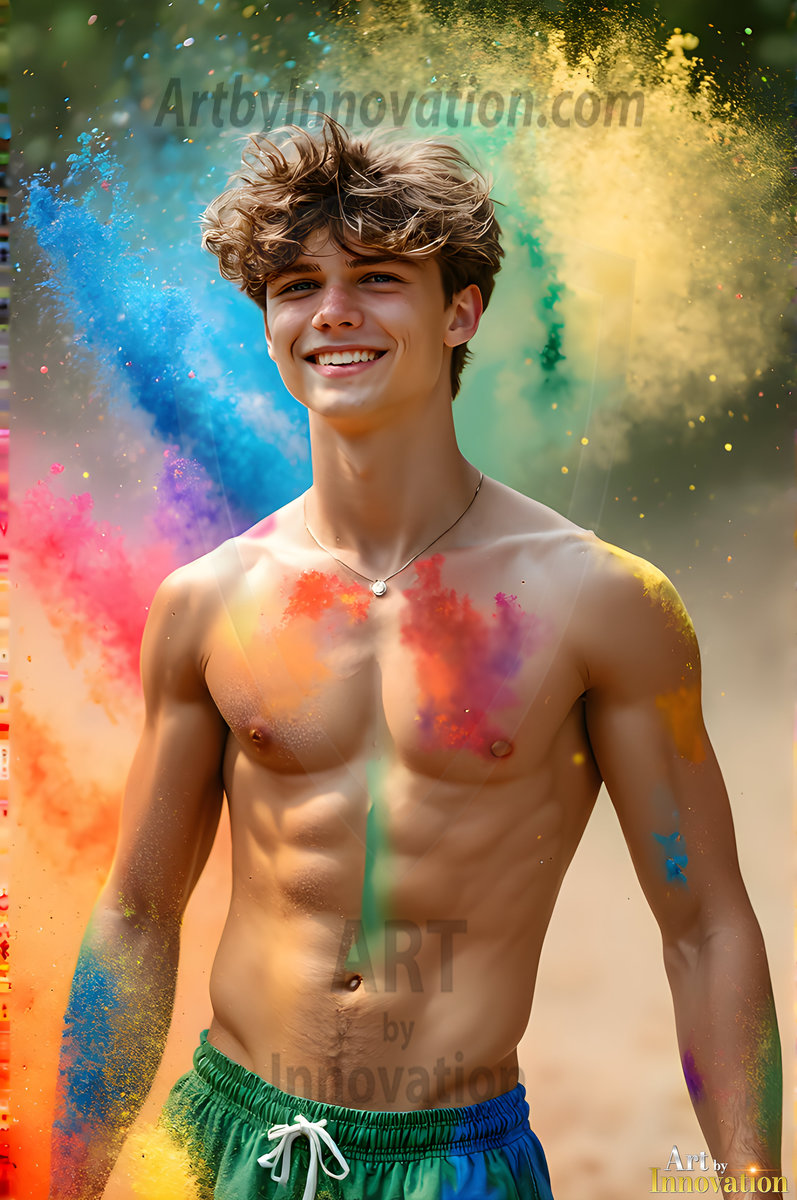
The colors of the LGBTQ+ Pride flags are designed to celebrate the diversity of human experience, visibility, and hope, with each shade representing a specific value that honors the LGBTQ+ community. Created in 1978 by artist Gilbert Baker, the rainbow flag has evolved to include more inclusive colors, showcasing how variety in identity makes individuals uniquely themselves. Meanings Behind the Colors, Red (Life): Represents the vitality and passion of LGBTQ+ people. Orange (Healing): Symbolizes the healing power within the community, often in the face of adversity. Yellow (Sunlight): Signifies the brightness and joy of being true to oneself. Green (Nature): Represents a connection to nature, the environment, and prosperity. Blue/Indigo (Serenity/Harmony): Symbolizes serenity, calm, and inner strength found in living one's truth. Violet/Purple (Spirit): Represents the spirit, strength, and resilience of the community.
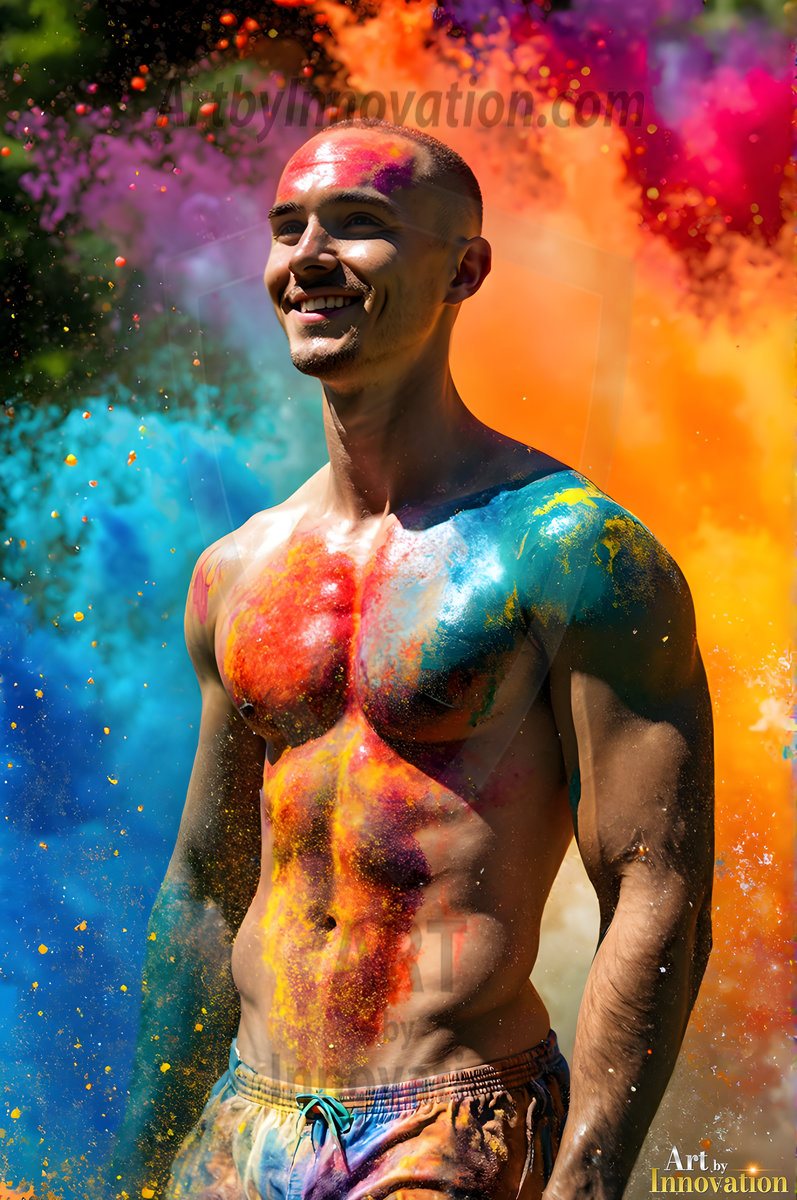
The colors of the LGBTQ+ Pride flags are designed to celebrate the diversity of human experience, visibility, and hope, with each shade representing a specific value that honors the LGBTQ+ community. Created in 1978 by artist Gilbert Baker, the rainbow flag has evolved to include more inclusive colors, showcasing how variety in identity makes individuals uniquely themselves. Meanings Behind the Colors, Red (Life): Represents the vitality and passion of LGBTQ+ people. Orange (Healing): Symbolizes the healing power within the community, often in the face of adversity. Yellow (Sunlight): Signifies the brightness and joy of being true to oneself. Green (Nature): Represents a connection to nature, the environment, and prosperity. Blue/Indigo (Serenity/Harmony): Symbolizes serenity, calm, and inner strength found in living one's truth. Violet/Purple (Spirit): Represents the spirit, strength, and resilience of the community.
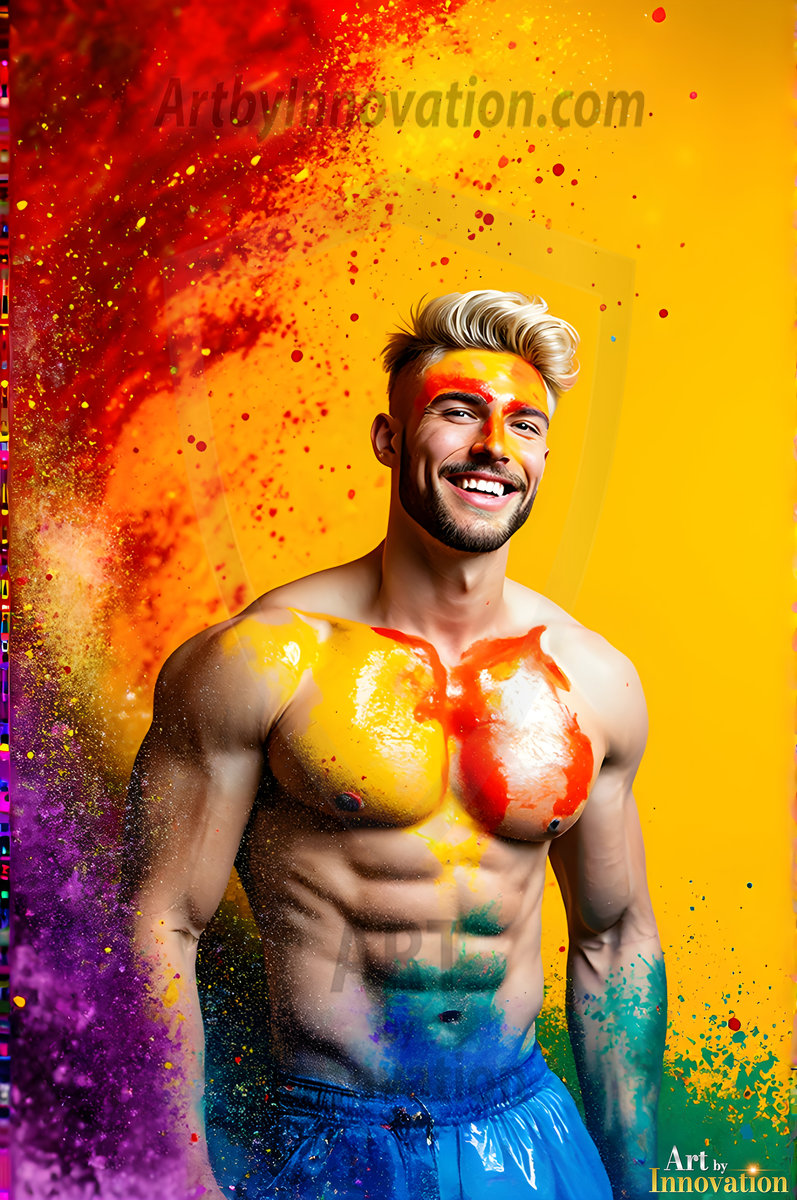
The colors of the LGBTQ+ Pride flags are designed to celebrate the diversity of human experience, visibility, and hope, with each shade representing a specific value that honors the LGBTQ+ community. Created in 1978 by artist Gilbert Baker, the rainbow flag has evolved to include more inclusive colors, showcasing how variety in identity makes individuals uniquely themselves. Meanings Behind the Colors, Red (Life): Represents the vitality and passion of LGBTQ+ people. Orange (Healing): Symbolizes the healing power within the community, often in the face of adversity. Yellow (Sunlight): Signifies the brightness and joy of being true to oneself. Green (Nature): Represents a connection to nature, the environment, and prosperity. Blue/Indigo (Serenity/Harmony): Symbolizes serenity, calm, and inner strength found in living one's truth. Violet/Purple (Spirit): Represents the spirit, strength, and resilience of the community.
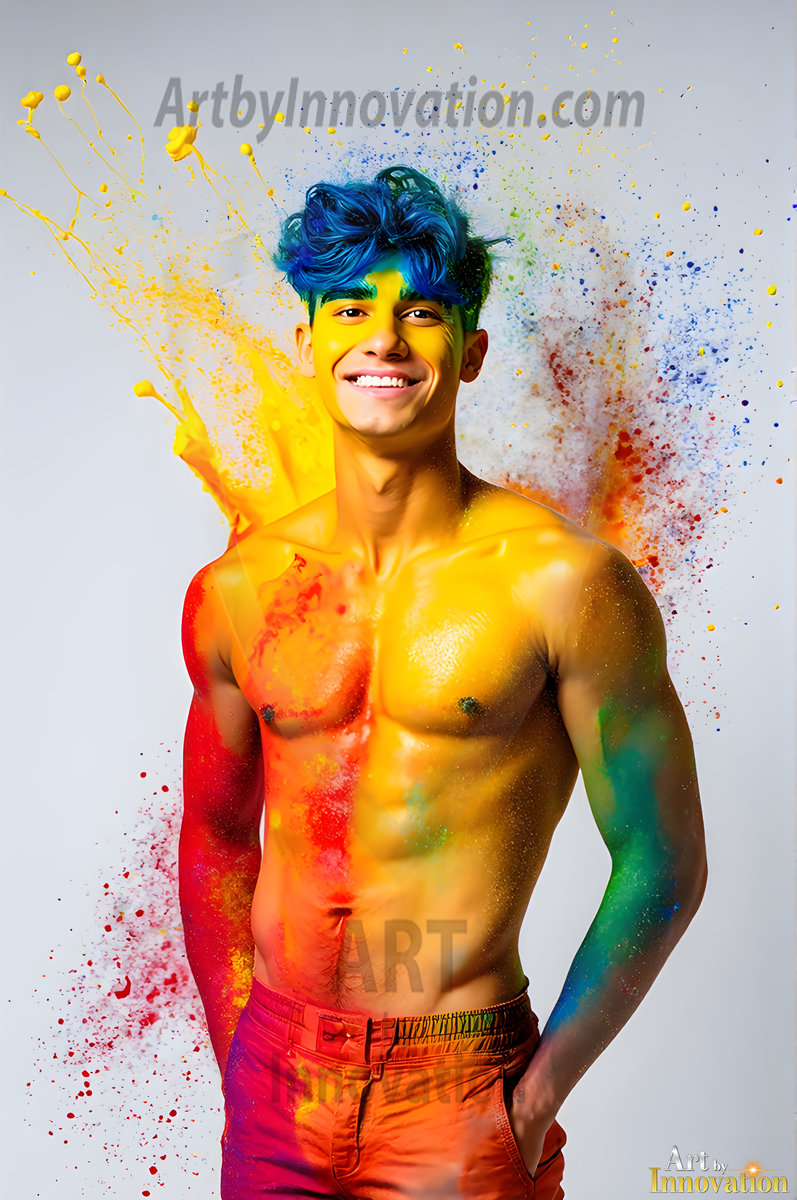
The colors of the LGBTQ+ Pride flags are designed to celebrate the diversity of human experience, visibility, and hope, with each shade representing a specific value that honors the LGBTQ+ community. Created in 1978 by artist Gilbert Baker, the rainbow flag has evolved to include more inclusive colors, showcasing how variety in identity makes individuals uniquely themselves. Meanings Behind the Colors, Red (Life): Represents the vitality and passion of LGBTQ+ people. Orange (Healing): Symbolizes the healing power within the community, often in the face of adversity. Yellow (Sunlight): Signifies the brightness and joy of being true to oneself. Green (Nature): Represents a connection to nature, the environment, and prosperity. Blue/Indigo (Serenity/Harmony): Symbolizes serenity, calm, and inner strength found in living one's truth. Violet/Purple (Spirit): Represents the spirit, strength, and resilience of the community.
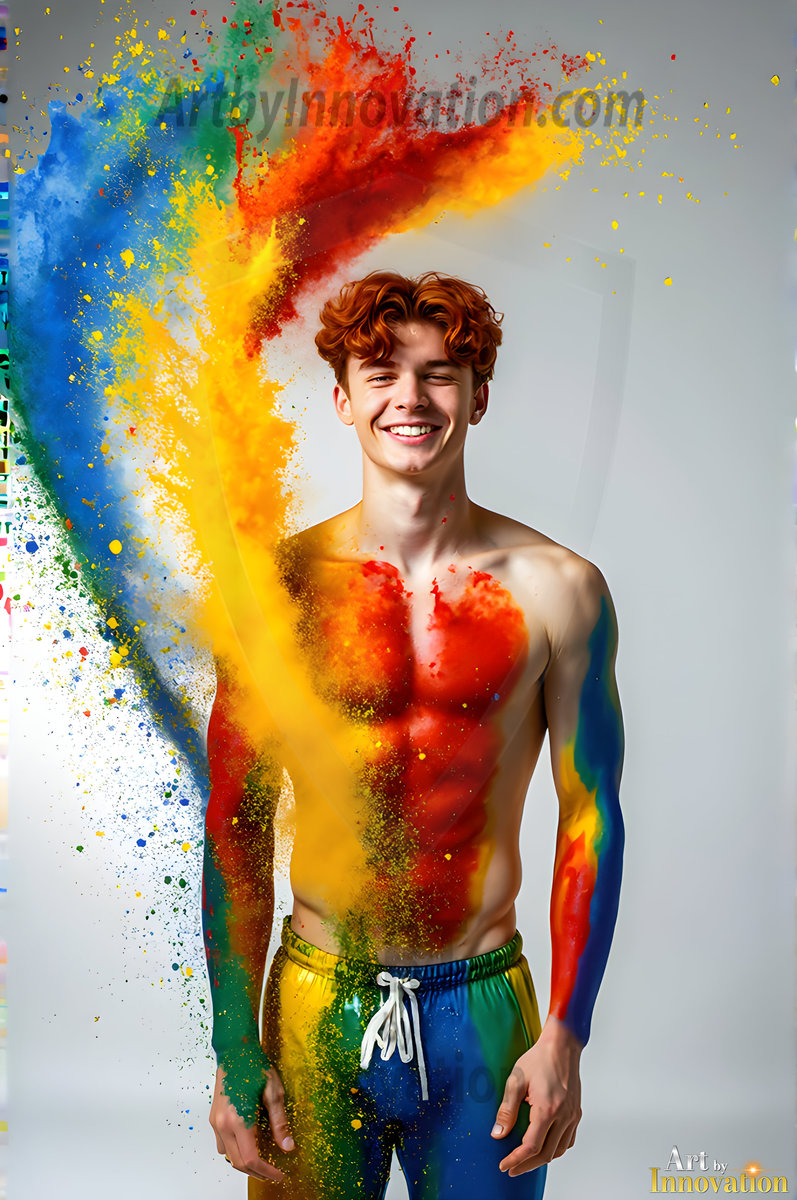
The colors of the LGBTQ+ Pride flags are designed to celebrate the diversity of human experience, visibility, and hope, with each shade representing a specific value that honors the LGBTQ+ community. Created in 1978 by artist Gilbert Baker, the rainbow flag has evolved to include more inclusive colors, showcasing how variety in identity makes individuals uniquely themselves. Meanings Behind the Colors, Red (Life): Represents the vitality and passion of LGBTQ+ people. Orange (Healing): Symbolizes the healing power within the community, often in the face of adversity. Yellow (Sunlight): Signifies the brightness and joy of being true to oneself. Green (Nature): Represents a connection to nature, the environment, and prosperity. Blue/Indigo (Serenity/Harmony): Symbolizes serenity, calm, and inner strength found in living one's truth. Violet/Purple (Spirit): Represents the spirit, strength, and resilience of the community.
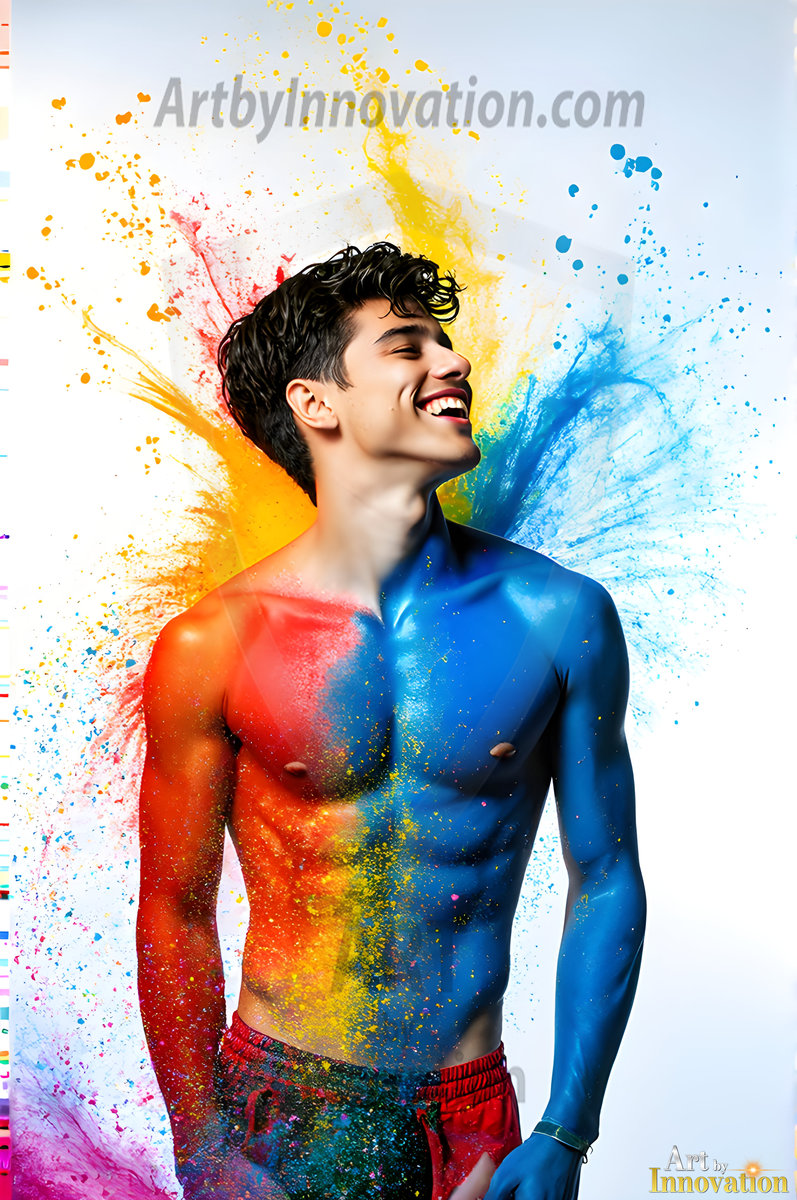
The colors of the LGBTQ+ Pride flags are designed to celebrate the diversity of human experience, visibility, and hope, with each shade representing a specific value that honors the LGBTQ+ community. Created in 1978 by artist Gilbert Baker, the rainbow flag has evolved to include more inclusive colors, showcasing how variety in identity makes individuals uniquely themselves. Meanings Behind the Colors, Red (Life): Represents the vitality and passion of LGBTQ+ people. Orange (Healing): Symbolizes the healing power within the community, often in the face of adversity. Yellow (Sunlight): Signifies the brightness and joy of being true to oneself. Green (Nature): Represents a connection to nature, the environment, and prosperity. Blue/Indigo (Serenity/Harmony): Symbolizes serenity, calm, and inner strength found in living one's truth. Violet/Purple (Spirit): Represents the spirit, strength, and resilience of the community.
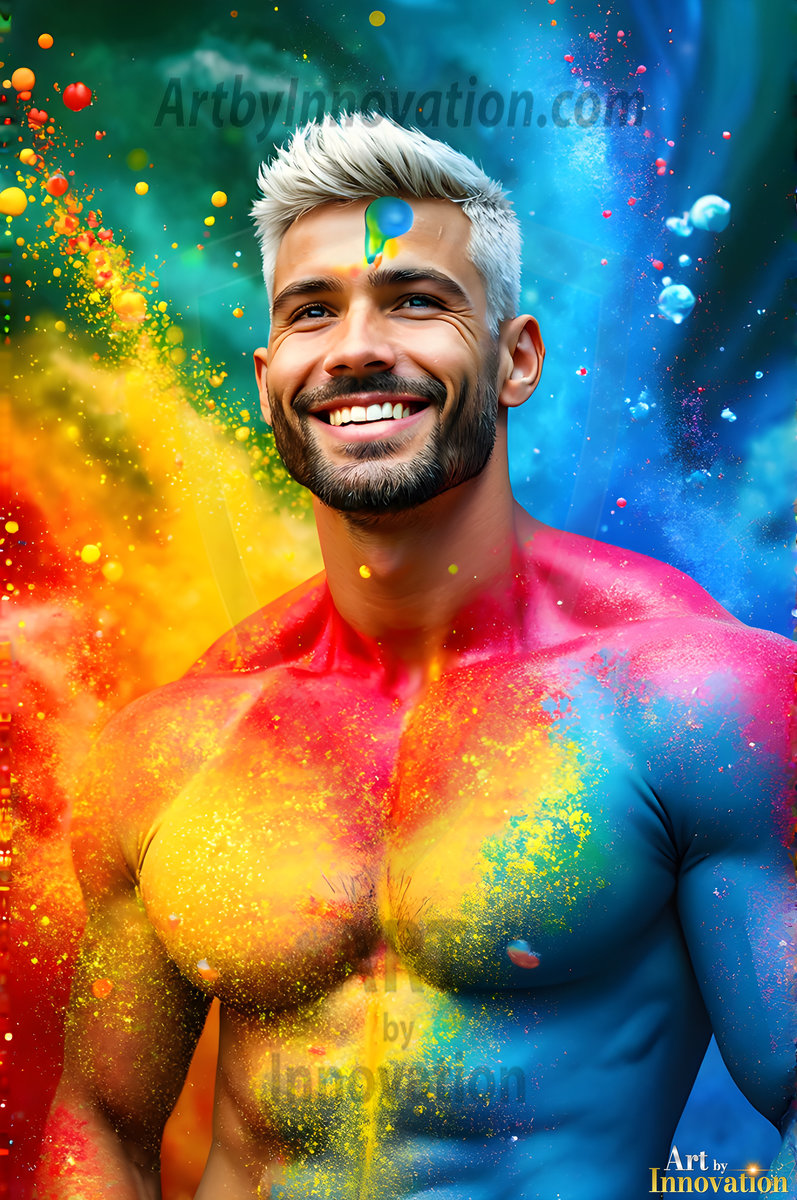
The colors of the LGBTQ+ Pride flags are designed to celebrate the diversity of human experience, visibility, and hope, with each shade representing a specific value that honors the LGBTQ+ community. Created in 1978 by artist Gilbert Baker, the rainbow flag has evolved to include more inclusive colors, showcasing how variety in identity makes individuals uniquely themselves. Meanings Behind the Colors, Red (Life): Represents the vitality and passion of LGBTQ+ people. Orange (Healing): Symbolizes the healing power within the community, often in the face of adversity. Yellow (Sunlight): Signifies the brightness and joy of being true to oneself. Green (Nature): Represents a connection to nature, the environment, and prosperity. Blue/Indigo (Serenity/Harmony): Symbolizes serenity, calm, and inner strength found in living one's truth. Violet/Purple (Spirit): Represents the spirit, strength, and resilience of the community.
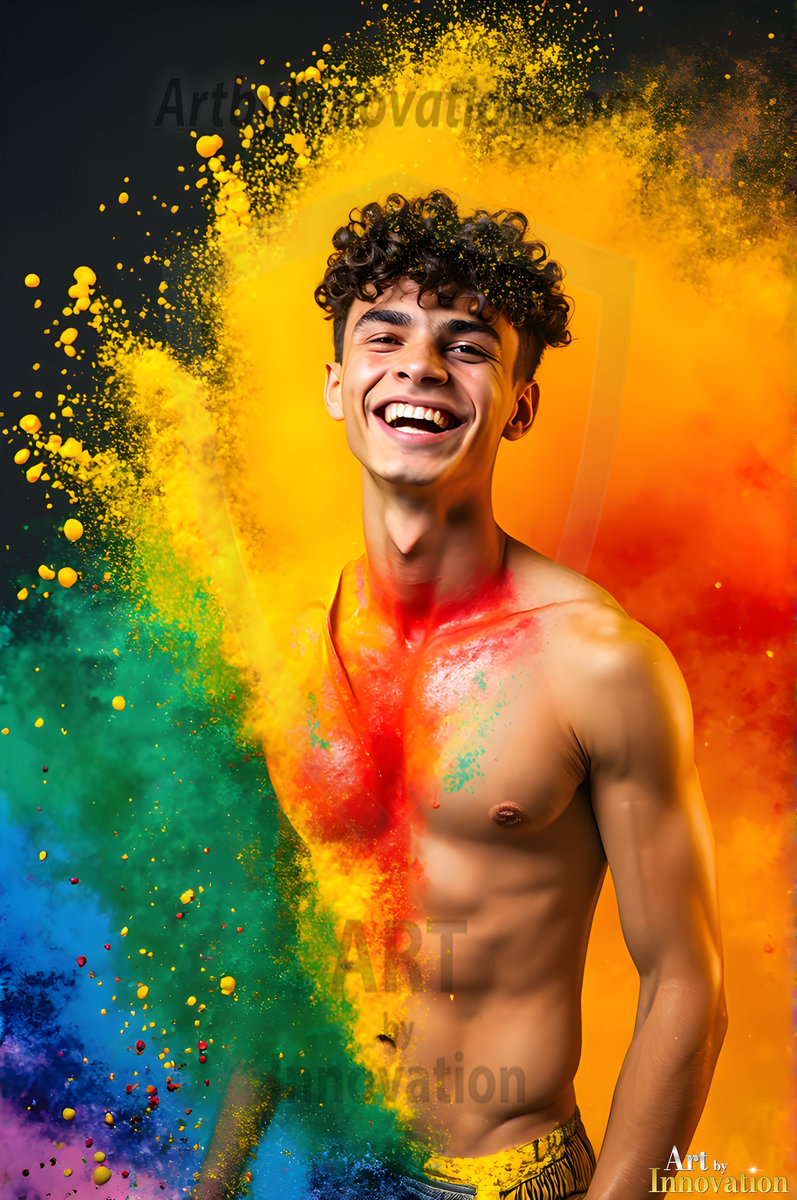
The colors of the LGBTQ+ Pride flags are designed to celebrate the diversity of human experience, visibility, and hope, with each shade representing a specific value that honors the LGBTQ+ community. Created in 1978 by artist Gilbert Baker, the rainbow flag has evolved to include more inclusive colors, showcasing how variety in identity makes individuals uniquely themselves. Meanings Behind the Colors, Red (Life): Represents the vitality and passion of LGBTQ+ people. Orange (Healing): Symbolizes the healing power within the community, often in the face of adversity. Yellow (Sunlight): Signifies the brightness and joy of being true to oneself. Green (Nature): Represents a connection to nature, the environment, and prosperity. Blue/Indigo (Serenity/Harmony): Symbolizes serenity, calm, and inner strength found in living one's truth. Violet/Purple (Spirit): Represents the spirit, strength, and resilience of the community.
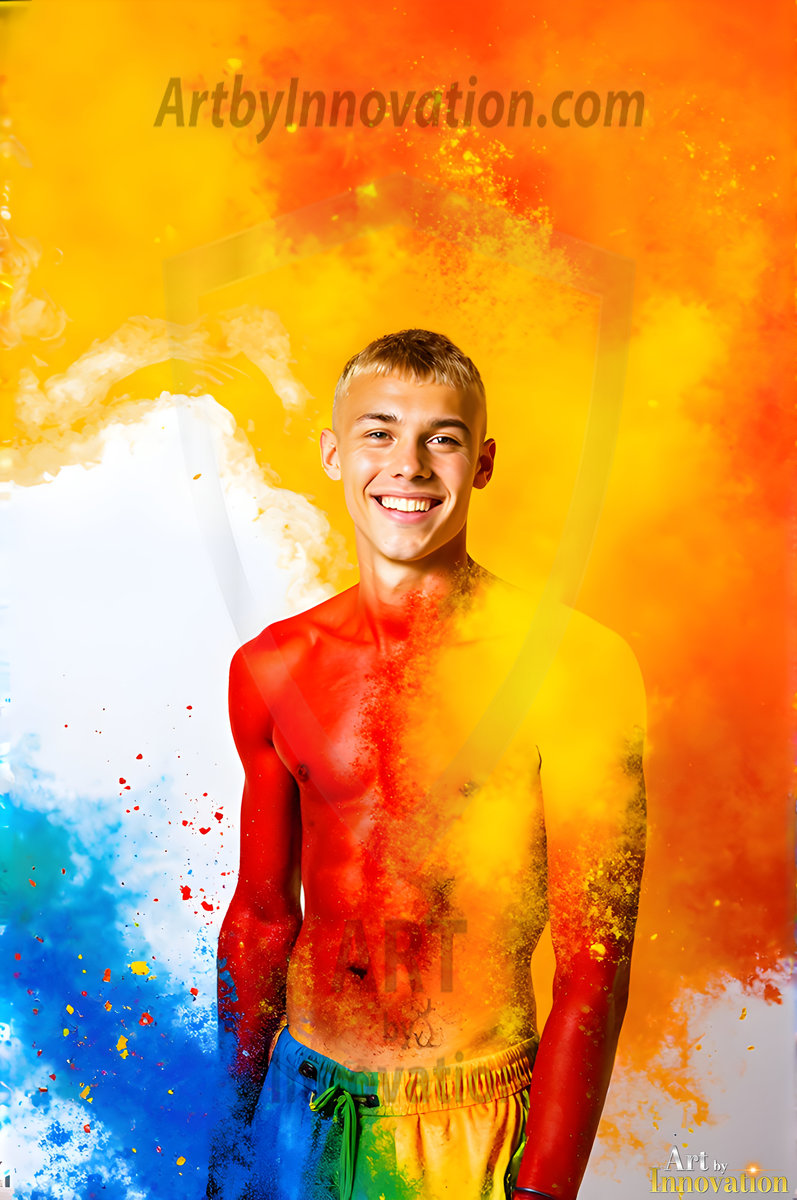
The colors of the LGBTQ+ Pride flags are designed to celebrate the diversity of human experience, visibility, and hope, with each shade representing a specific value that honors the LGBTQ+ community. Created in 1978 by artist Gilbert Baker, the rainbow flag has evolved to include more inclusive colors, showcasing how variety in identity makes individuals uniquely themselves. Meanings Behind the Colors, Red (Life): Represents the vitality and passion of LGBTQ+ people. Orange (Healing): Symbolizes the healing power within the community, often in the face of adversity. Yellow (Sunlight): Signifies the brightness and joy of being true to oneself. Green (Nature): Represents a connection to nature, the environment, and prosperity. Blue/Indigo (Serenity/Harmony): Symbolizes serenity, calm, and inner strength found in living one's truth. Violet/Purple (Spirit): Represents the spirit, strength, and resilience of the community.
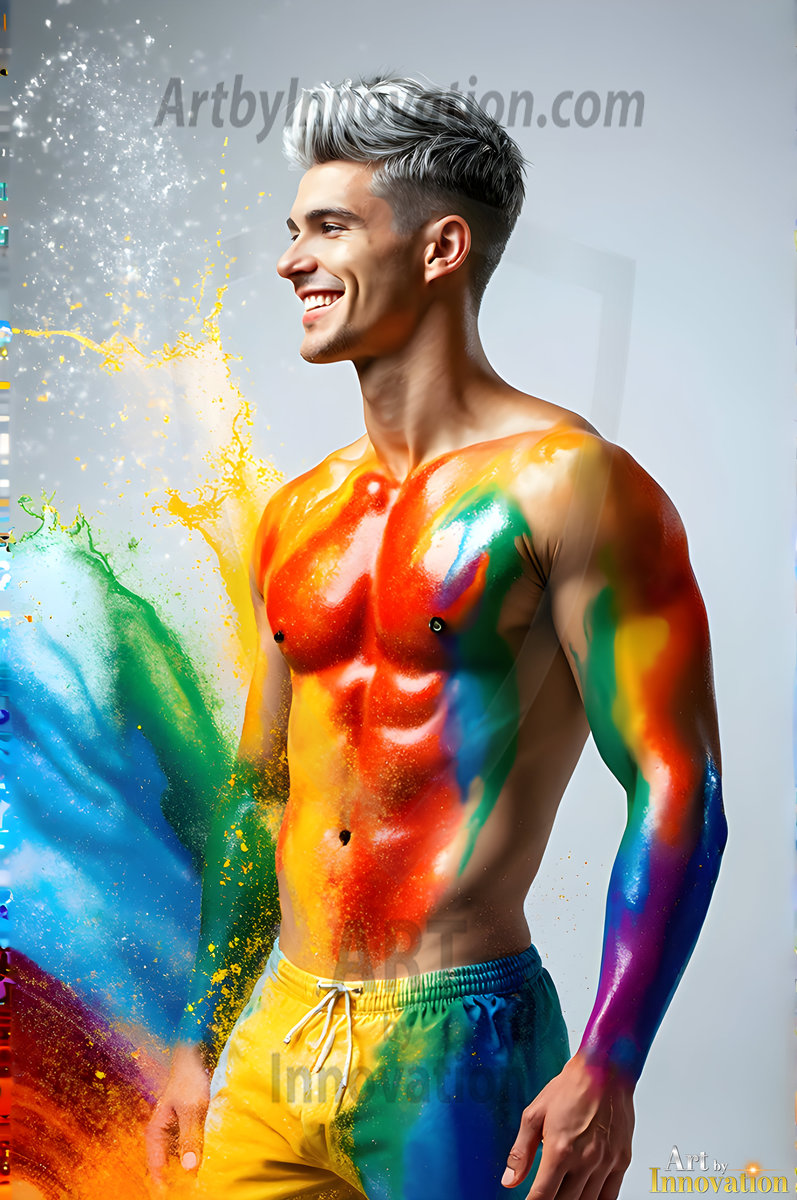
The colors of the LGBTQ+ Pride flags are designed to celebrate the diversity of human experience, visibility, and hope, with each shade representing a specific value that honors the LGBTQ+ community. Created in 1978 by artist Gilbert Baker, the rainbow flag has evolved to include more inclusive colors, showcasing how variety in identity makes individuals uniquely themselves. Meanings Behind the Colors, Red (Life): Represents the vitality and passion of LGBTQ+ people. Orange (Healing): Symbolizes the healing power within the community, often in the face of adversity. Yellow (Sunlight): Signifies the brightness and joy of being true to oneself. Green (Nature): Represents a connection to nature, the environment, and prosperity. Blue/Indigo (Serenity/Harmony): Symbolizes serenity, calm, and inner strength found in living one's truth. Violet/Purple (Spirit): Represents the spirit, strength, and resilience of the community.
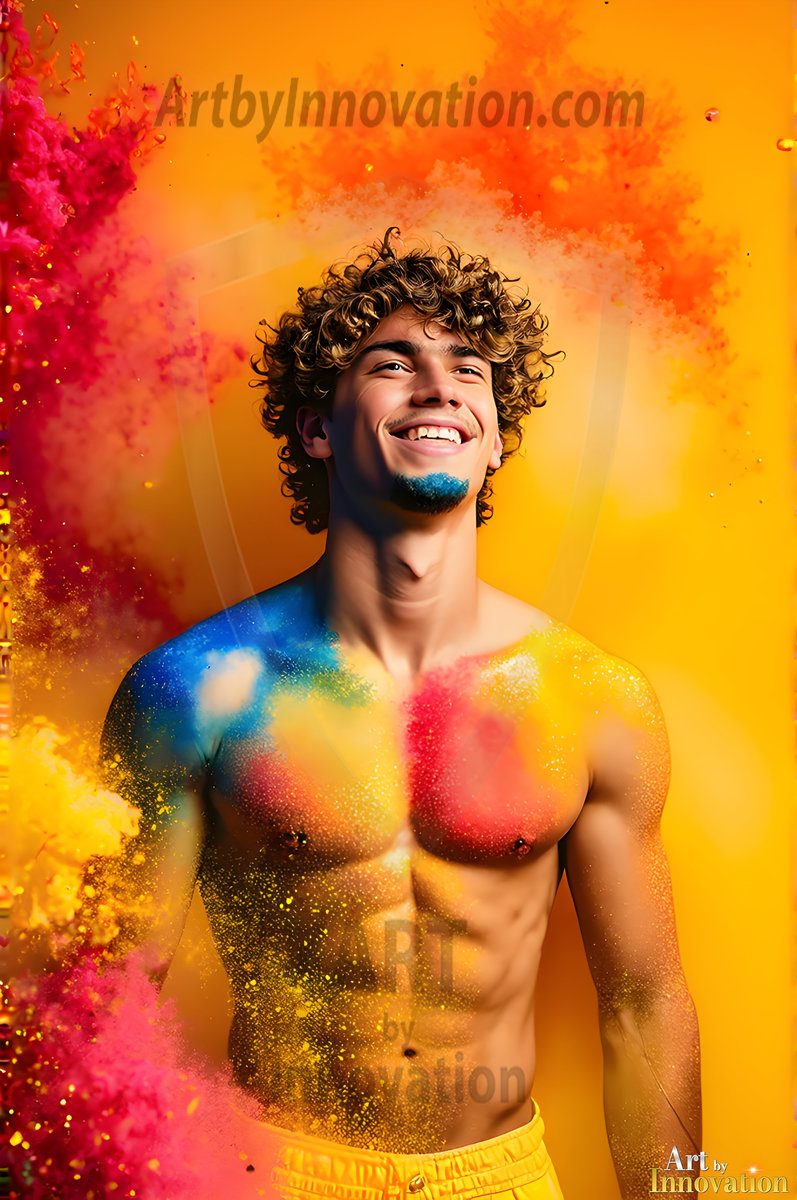
The colors of the LGBTQ+ Pride flags are designed to celebrate the diversity of human experience, visibility, and hope, with each shade representing a specific value that honors the LGBTQ+ community. Created in 1978 by artist Gilbert Baker, the rainbow flag has evolved to include more inclusive colors, showcasing how variety in identity makes individuals uniquely themselves. Meanings Behind the Colors, Red (Life): Represents the vitality and passion of LGBTQ+ people. Orange (Healing): Symbolizes the healing power within the community, often in the face of adversity. Yellow (Sunlight): Signifies the brightness and joy of being true to oneself. Green (Nature): Represents a connection to nature, the environment, and prosperity. Blue/Indigo (Serenity/Harmony): Symbolizes serenity, calm, and inner strength found in living one's truth. Violet/Purple (Spirit): Represents the spirit, strength, and resilience of the community.
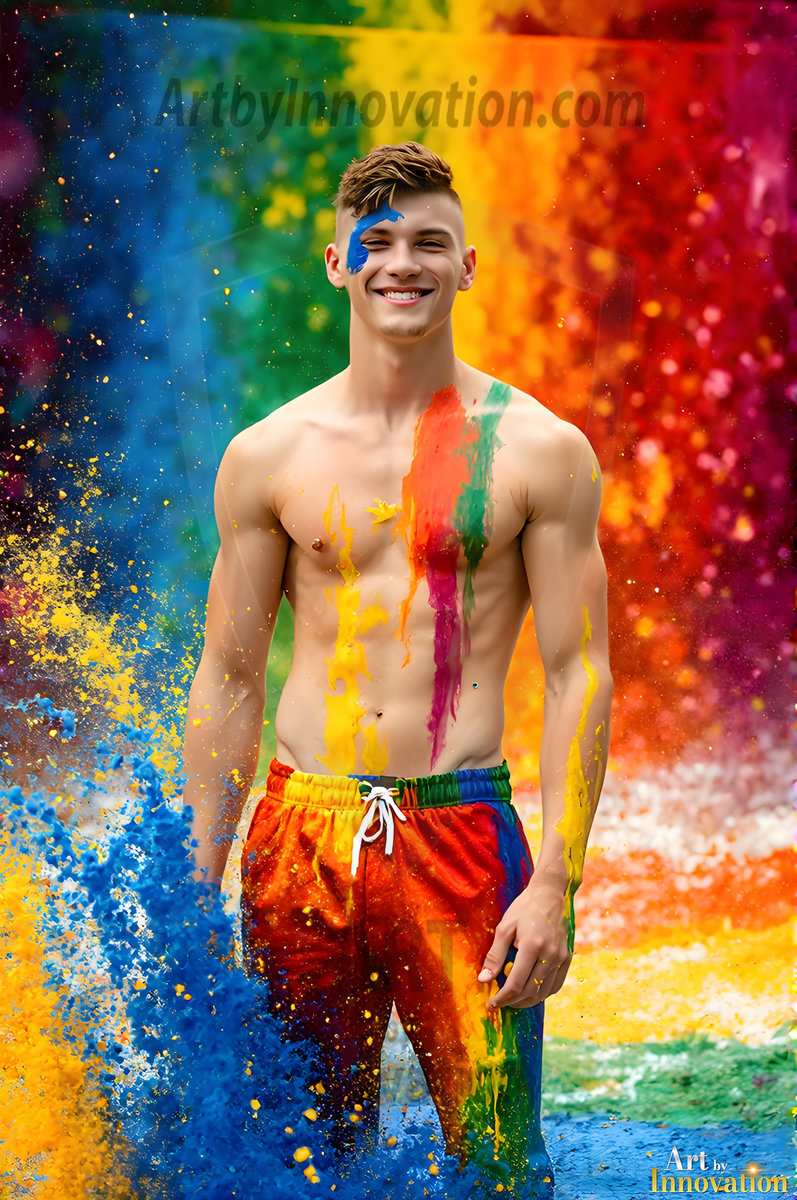
The colors of the LGBTQ+ Pride flags are designed to celebrate the diversity of human experience, visibility, and hope, with each shade representing a specific value that honors the LGBTQ+ community. Created in 1978 by artist Gilbert Baker, the rainbow flag has evolved to include more inclusive colors, showcasing how variety in identity makes individuals uniquely themselves. Meanings Behind the Colors, Red (Life): Represents the vitality and passion of LGBTQ+ people. Orange (Healing): Symbolizes the healing power within the community, often in the face of adversity. Yellow (Sunlight): Signifies the brightness and joy of being true to oneself. Green (Nature): Represents a connection to nature, the environment, and prosperity. Blue/Indigo (Serenity/Harmony): Symbolizes serenity, calm, and inner strength found in living one's truth. Violet/Purple (Spirit): Represents the spirit, strength, and resilience of the community.
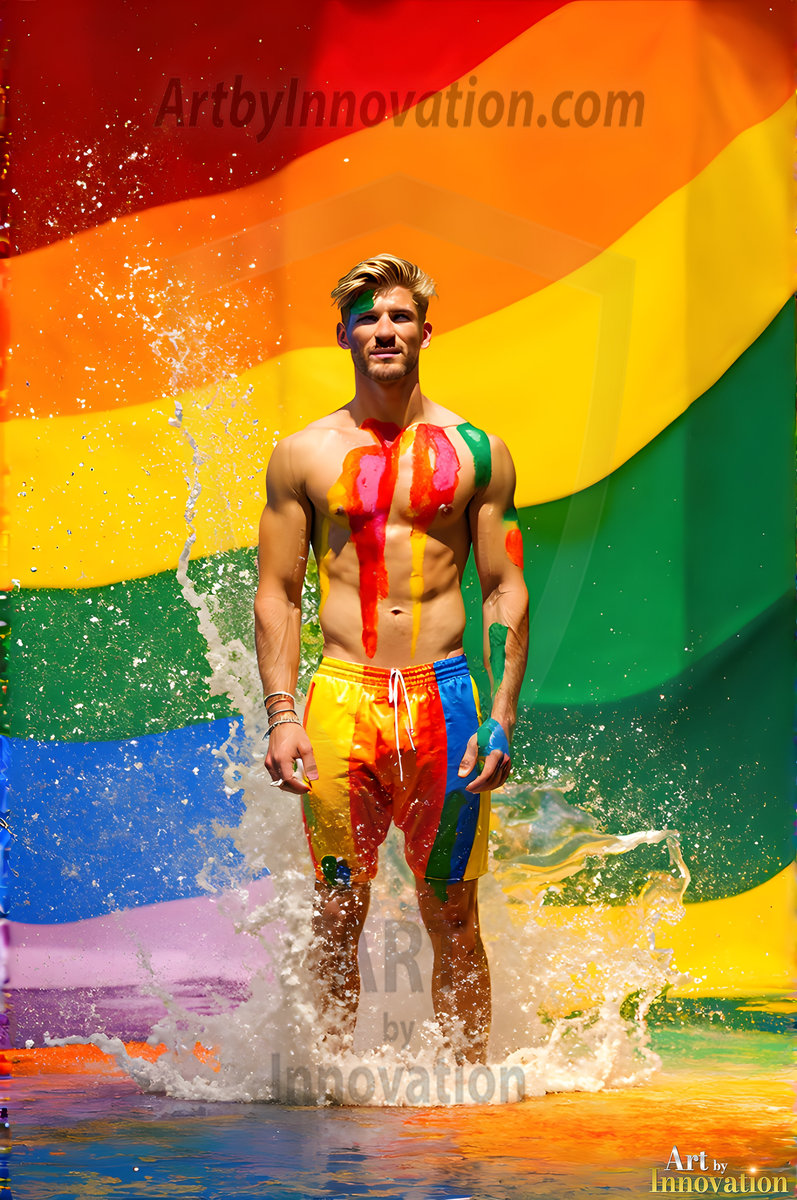
The colors of the LGBTQ+ Pride flags are designed to celebrate the diversity of human experience, visibility, and hope, with each shade representing a specific value that honors the LGBTQ+ community. Created in 1978 by artist Gilbert Baker, the rainbow flag has evolved to include more inclusive colors, showcasing how variety in identity makes individuals uniquely themselves. Meanings Behind the Colors, Red (Life): Represents the vitality and passion of LGBTQ+ people. Orange (Healing): Symbolizes the healing power within the community, often in the face of adversity. Yellow (Sunlight): Signifies the brightness and joy of being true to oneself. Green (Nature): Represents a connection to nature, the environment, and prosperity. Blue/Indigo (Serenity/Harmony): Symbolizes serenity, calm, and inner strength found in living one's truth. Violet/Purple (Spirit): Represents the spirit, strength, and resilience of the community.
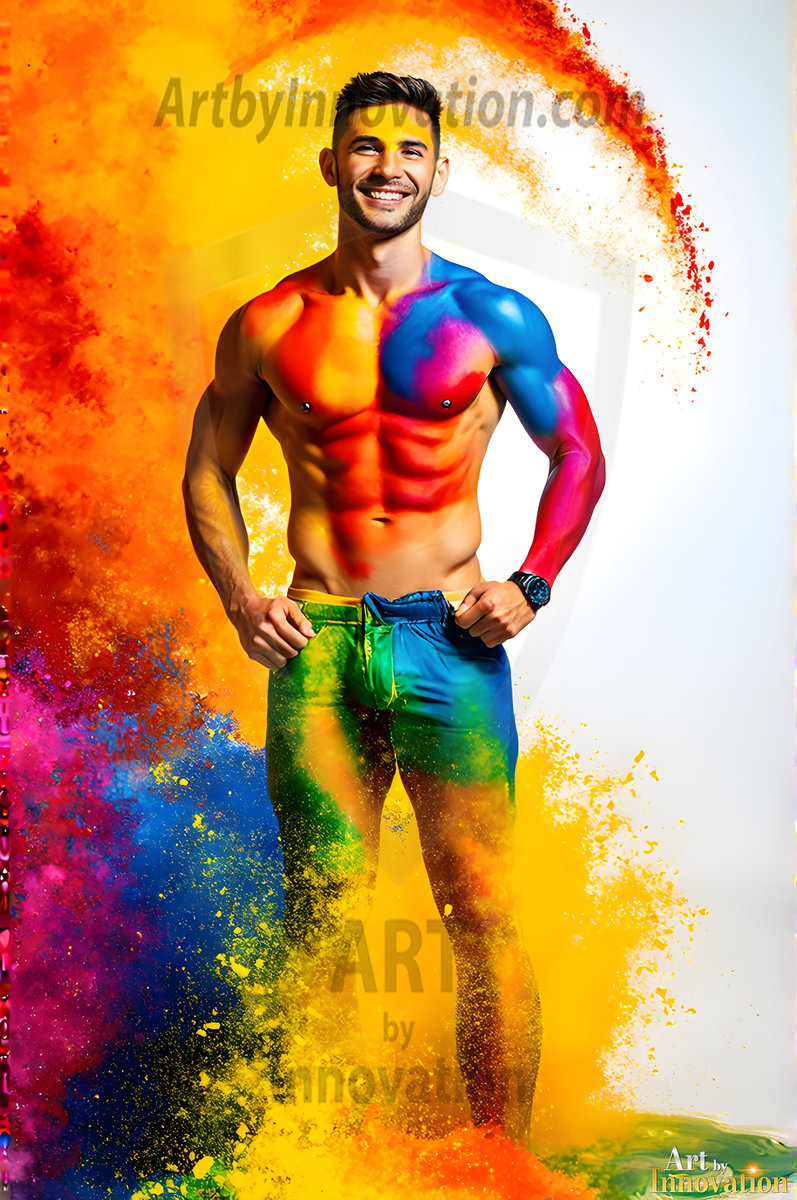
The colors of the LGBTQ+ Pride flags are designed to celebrate the diversity of human experience, visibility, and hope, with each shade representing a specific value that honors the LGBTQ+ community. Created in 1978 by artist Gilbert Baker, the rainbow flag has evolved to include more inclusive colors, showcasing how variety in identity makes individuals uniquely themselves. Meanings Behind the Colors, Red (Life): Represents the vitality and passion of LGBTQ+ people. Orange (Healing): Symbolizes the healing power within the community, often in the face of adversity. Yellow (Sunlight): Signifies the brightness and joy of being true to oneself. Green (Nature): Represents a connection to nature, the environment, and prosperity. Blue/Indigo (Serenity/Harmony): Symbolizes serenity, calm, and inner strength found in living one's truth. Violet/Purple (Spirit): Represents the spirit, strength, and resilience of the community.
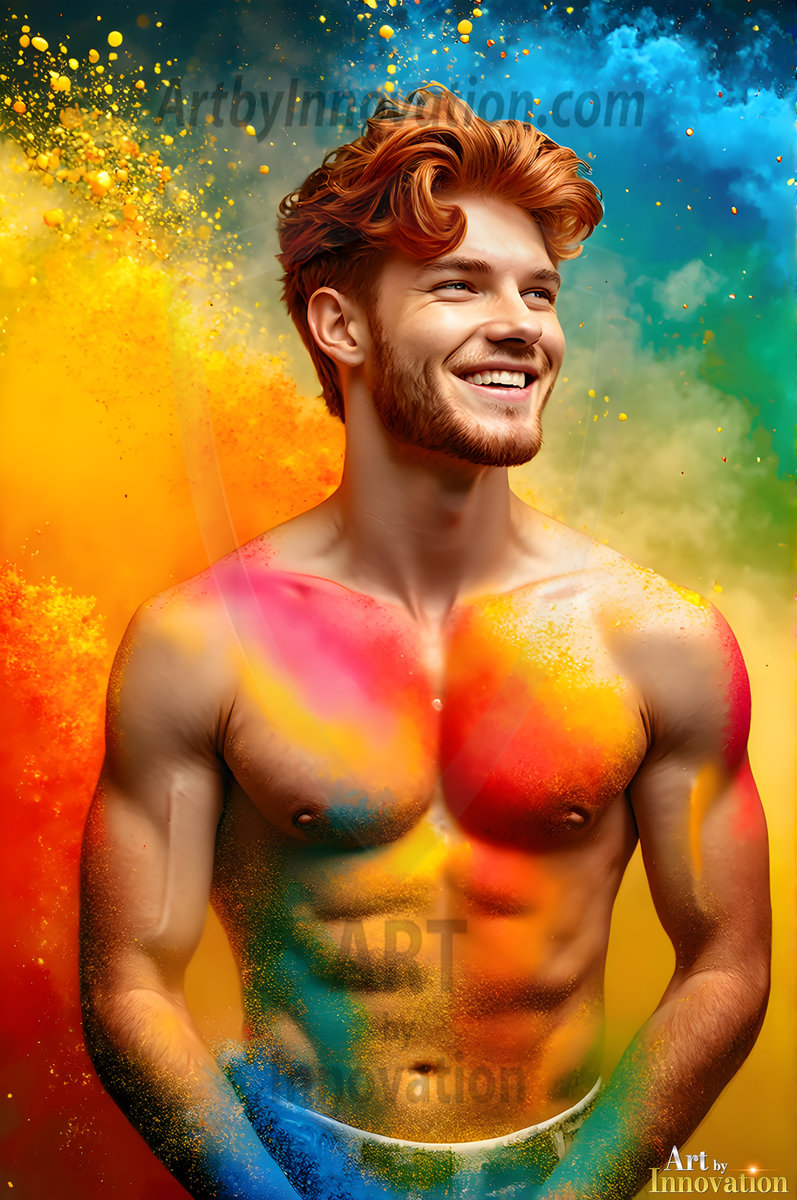
The colors of the LGBTQ+ Pride flags are designed to celebrate the diversity of human experience, visibility, and hope, with each shade representing a specific value that honors the LGBTQ+ community. Created in 1978 by artist Gilbert Baker, the rainbow flag has evolved to include more inclusive colors, showcasing how variety in identity makes individuals uniquely themselves. Meanings Behind the Colors, Red (Life): Represents the vitality and passion of LGBTQ+ people. Orange (Healing): Symbolizes the healing power within the community, often in the face of adversity. Yellow (Sunlight): Signifies the brightness and joy of being true to oneself. Green (Nature): Represents a connection to nature, the environment, and prosperity. Blue/Indigo (Serenity/Harmony): Symbolizes serenity, calm, and inner strength found in living one's truth. Violet/Purple (Spirit): Represents the spirit, strength, and resilience of the community.
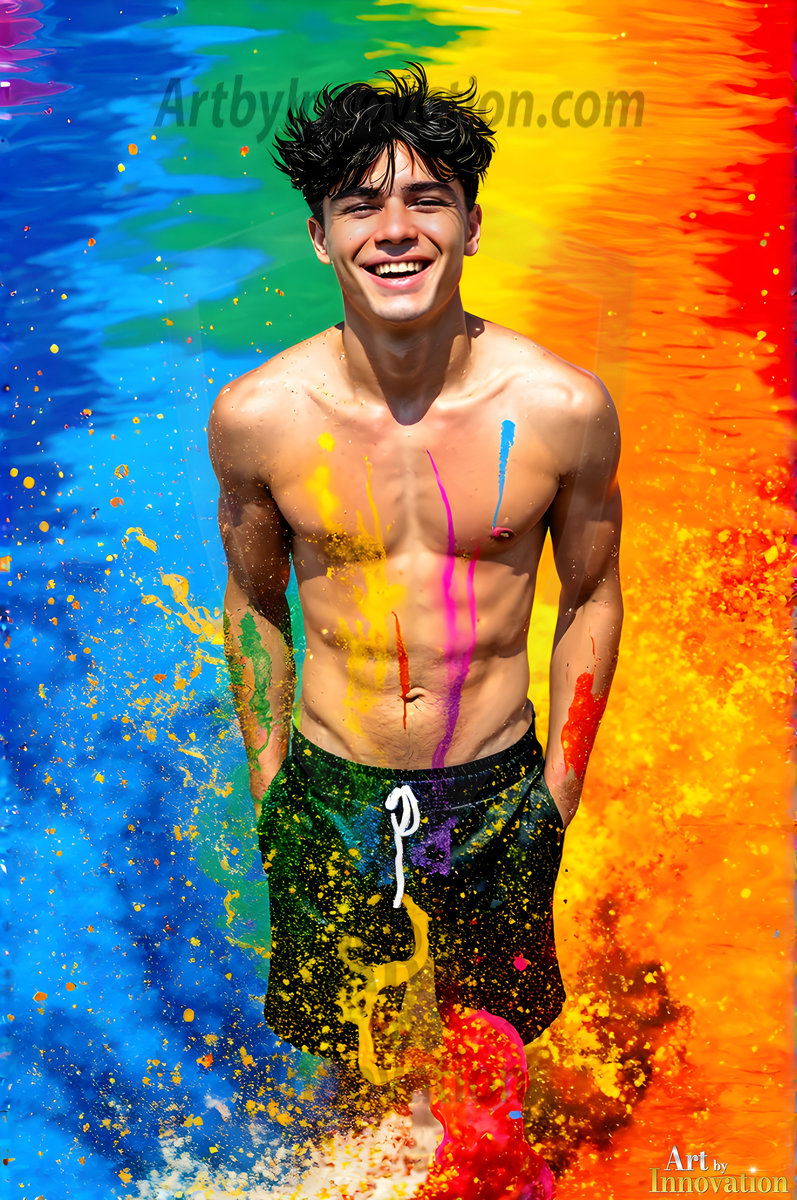
The colors of the LGBTQ+ Pride flags are designed to celebrate the diversity of human experience, visibility, and hope, with each shade representing a specific value that honors the LGBTQ+ community. Created in 1978 by artist Gilbert Baker, the rainbow flag has evolved to include more inclusive colors, showcasing how variety in identity makes individuals uniquely themselves. Meanings Behind the Colors, Red (Life): Represents the vitality and passion of LGBTQ+ people. Orange (Healing): Symbolizes the healing power within the community, often in the face of adversity. Yellow (Sunlight): Signifies the brightness and joy of being true to oneself. Green (Nature): Represents a connection to nature, the environment, and prosperity. Blue/Indigo (Serenity/Harmony): Symbolizes serenity, calm, and inner strength found in living one's truth. Violet/Purple (Spirit): Represents the spirit, strength, and resilience of the community.
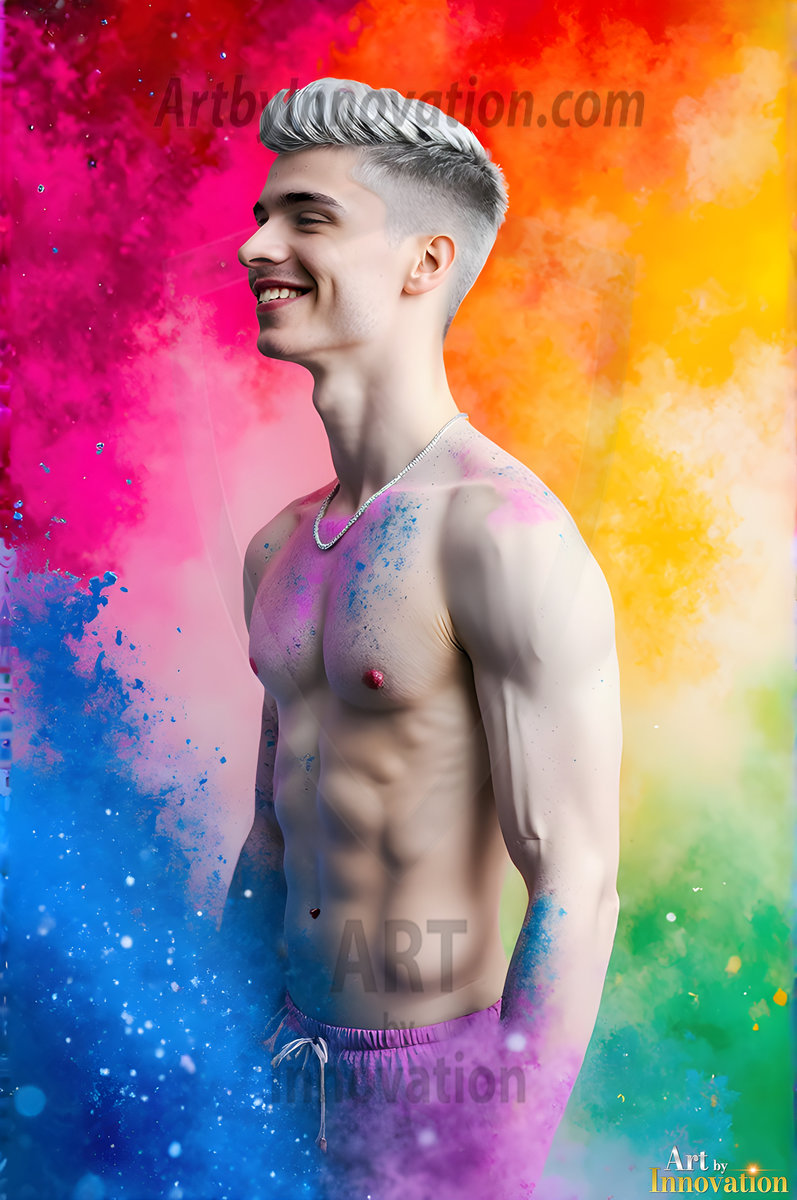
The colors of the LGBTQ+ Pride flags are designed to celebrate the diversity of human experience, visibility, and hope, with each shade representing a specific value that honors the LGBTQ+ community. Created in 1978 by artist Gilbert Baker, the rainbow flag has evolved to include more inclusive colors, showcasing how variety in identity makes individuals uniquely themselves. Meanings Behind the Colors, Red (Life): Represents the vitality and passion of LGBTQ+ people. Orange (Healing): Symbolizes the healing power within the community, often in the face of adversity. Yellow (Sunlight): Signifies the brightness and joy of being true to oneself. Green (Nature): Represents a connection to nature, the environment, and prosperity. Blue/Indigo (Serenity/Harmony): Symbolizes serenity, calm, and inner strength found in living one's truth. Violet/Purple (Spirit): Represents the spirit, strength, and resilience of the community.
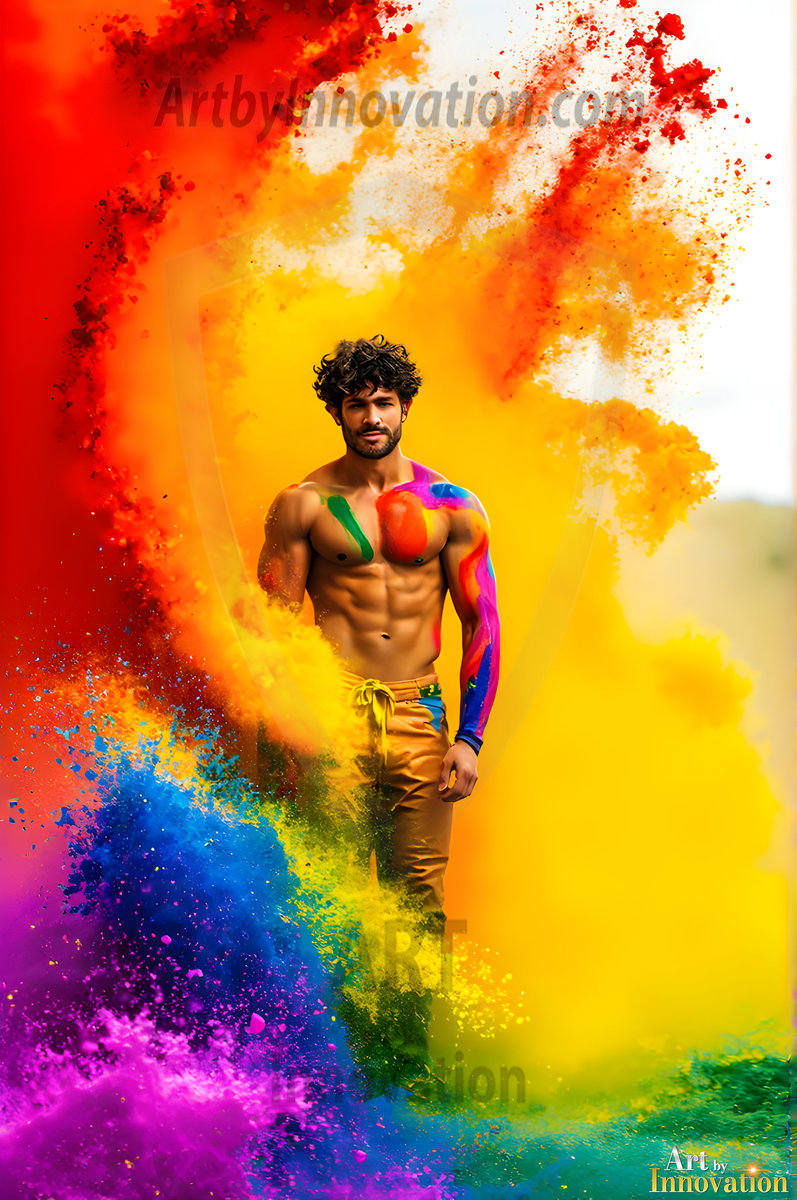
The colors of the LGBTQ+ Pride flags are designed to celebrate the diversity of human experience, visibility, and hope, with each shade representing a specific value that honors the LGBTQ+ community. Created in 1978 by artist Gilbert Baker, the rainbow flag has evolved to include more inclusive colors, showcasing how variety in identity makes individuals uniquely themselves. Meanings Behind the Colors, Red (Life): Represents the vitality and passion of LGBTQ+ people. Orange (Healing): Symbolizes the healing power within the community, often in the face of adversity. Yellow (Sunlight): Signifies the brightness and joy of being true to oneself. Green (Nature): Represents a connection to nature, the environment, and prosperity. Blue/Indigo (Serenity/Harmony): Symbolizes serenity, calm, and inner strength found in living one's truth. Violet/Purple (Spirit): Represents the spirit, strength, and resilience of the community.
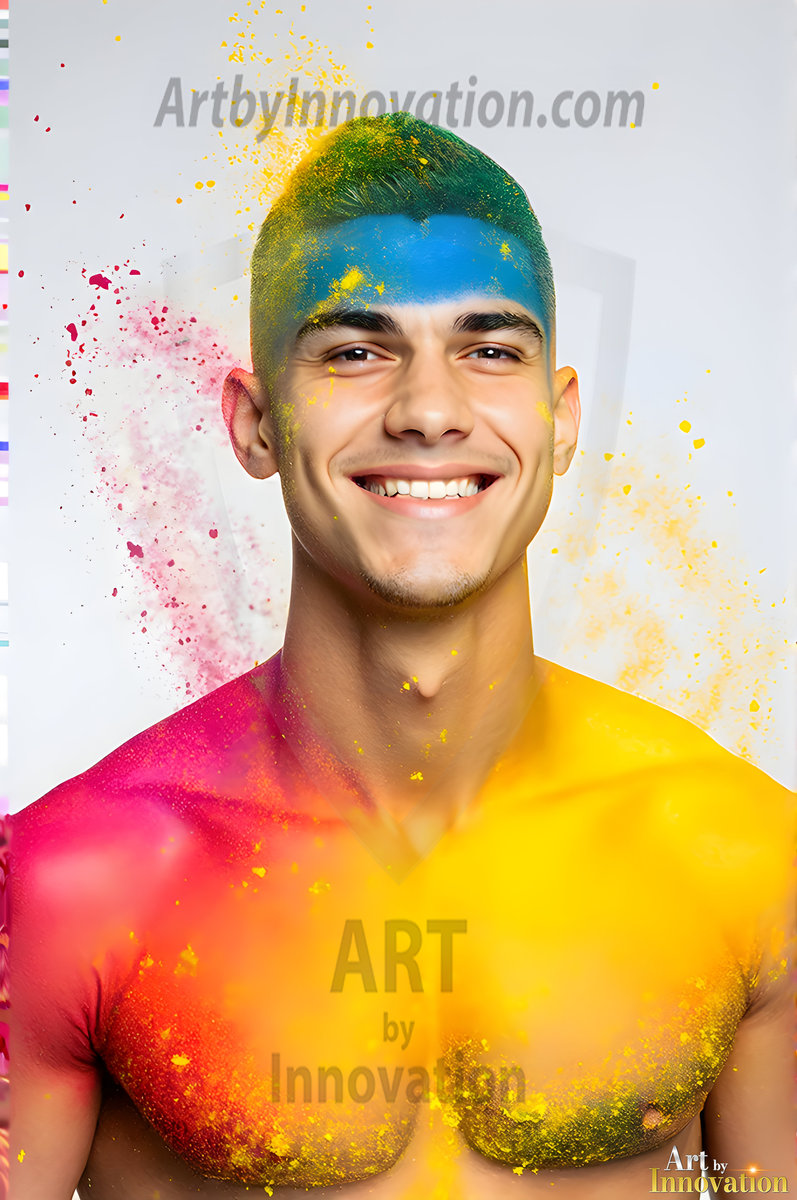
The colors of the LGBTQ+ Pride flags are designed to celebrate the diversity of human experience, visibility, and hope, with each shade representing a specific value that honors the LGBTQ+ community. Created in 1978 by artist Gilbert Baker, the rainbow flag has evolved to include more inclusive colors, showcasing how variety in identity makes individuals uniquely themselves. Meanings Behind the Colors, Red (Life): Represents the vitality and passion of LGBTQ+ people. Orange (Healing): Symbolizes the healing power within the community, often in the face of adversity. Yellow (Sunlight): Signifies the brightness and joy of being true to oneself. Green (Nature): Represents a connection to nature, the environment, and prosperity. Blue/Indigo (Serenity/Harmony): Symbolizes serenity, calm, and inner strength found in living one's truth. Violet/Purple (Spirit): Represents the spirit, strength, and resilience of the community.
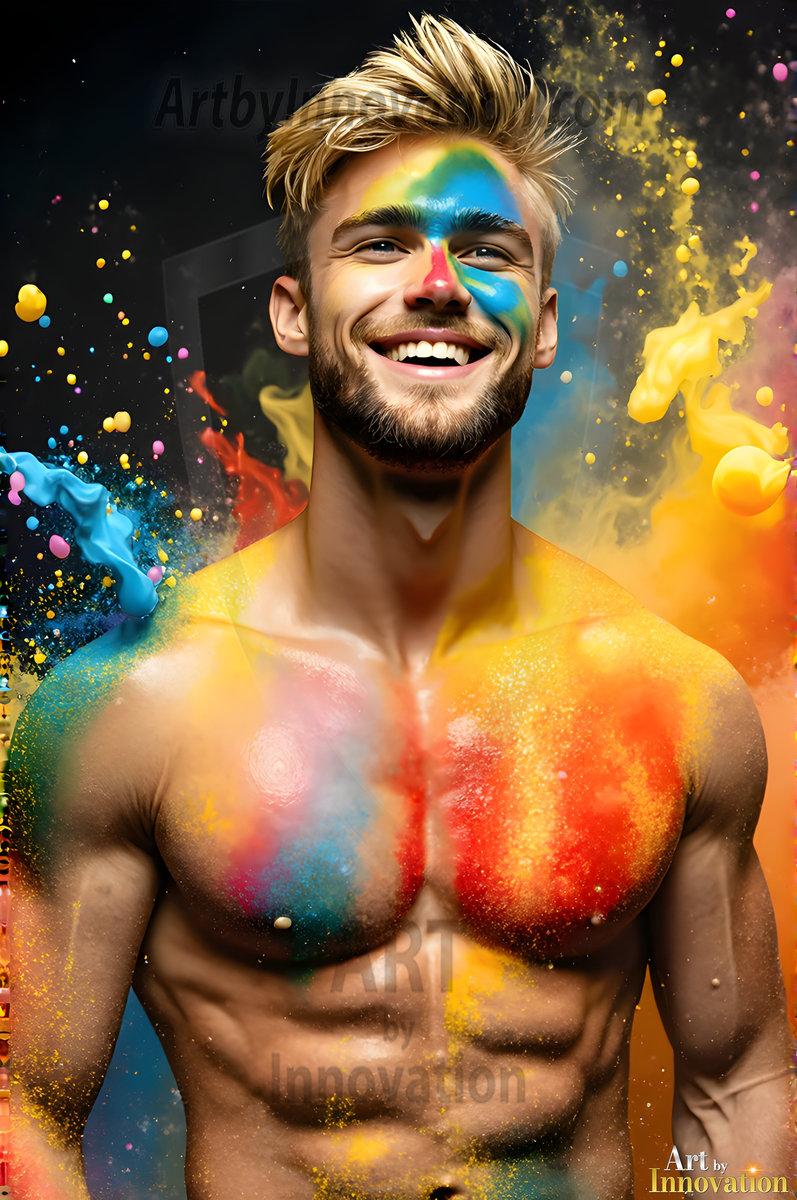
The colors of the LGBTQ+ Pride flags are designed to celebrate the diversity of human experience, visibility, and hope, with each shade representing a specific value that honors the LGBTQ+ community. Created in 1978 by artist Gilbert Baker, the rainbow flag has evolved to include more inclusive colors, showcasing how variety in identity makes individuals uniquely themselves. Meanings Behind the Colors, Red (Life): Represents the vitality and passion of LGBTQ+ people. Orange (Healing): Symbolizes the healing power within the community, often in the face of adversity. Yellow (Sunlight): Signifies the brightness and joy of being true to oneself. Green (Nature): Represents a connection to nature, the environment, and prosperity. Blue/Indigo (Serenity/Harmony): Symbolizes serenity, calm, and inner strength found in living one's truth. Violet/Purple (Spirit): Represents the spirit, strength, and resilience of the community.
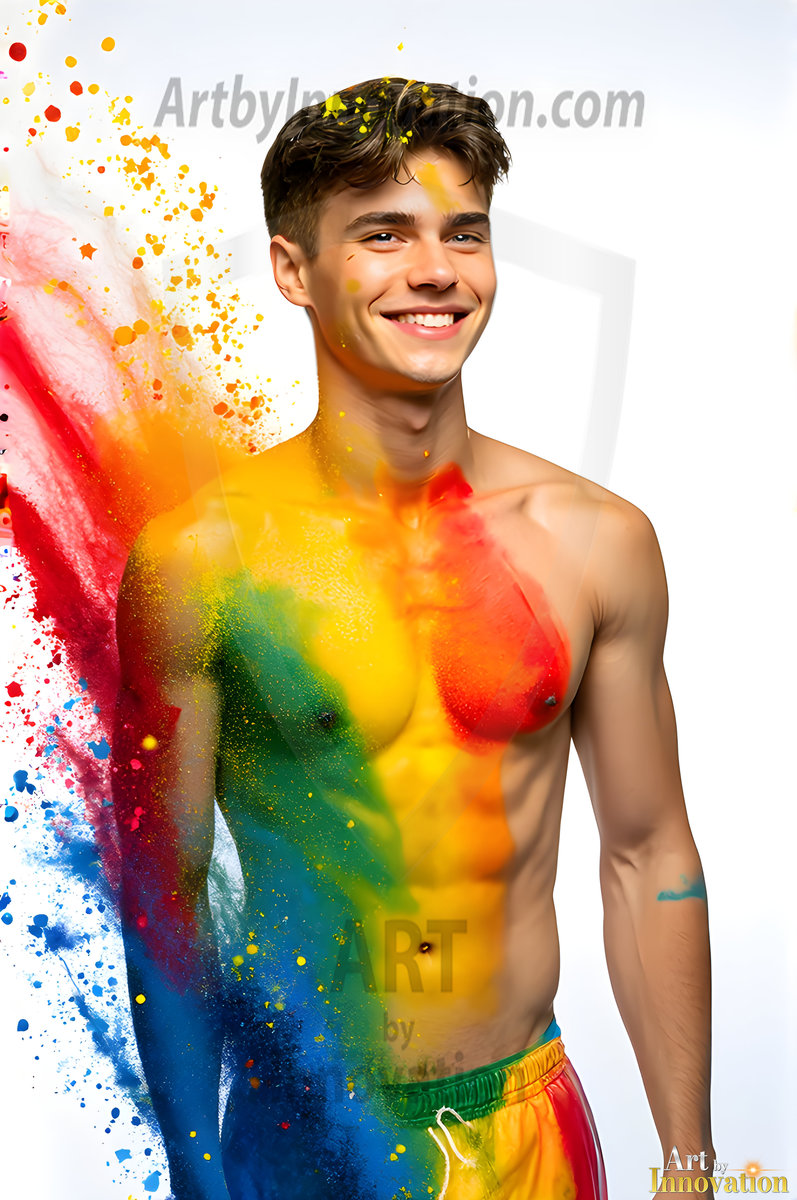
The colors of the LGBTQ+ Pride flags are designed to celebrate the diversity of human experience, visibility, and hope, with each shade representing a specific value that honors the LGBTQ+ community. Created in 1978 by artist Gilbert Baker, the rainbow flag has evolved to include more inclusive colors, showcasing how variety in identity makes individuals uniquely themselves. Meanings Behind the Colors, Red (Life): Represents the vitality and passion of LGBTQ+ people. Orange (Healing): Symbolizes the healing power within the community, often in the face of adversity. Yellow (Sunlight): Signifies the brightness and joy of being true to oneself. Green (Nature): Represents a connection to nature, the environment, and prosperity. Blue/Indigo (Serenity/Harmony): Symbolizes serenity, calm, and inner strength found in living one's truth. Violet/Purple (Spirit): Represents the spirit, strength, and resilience of the community.
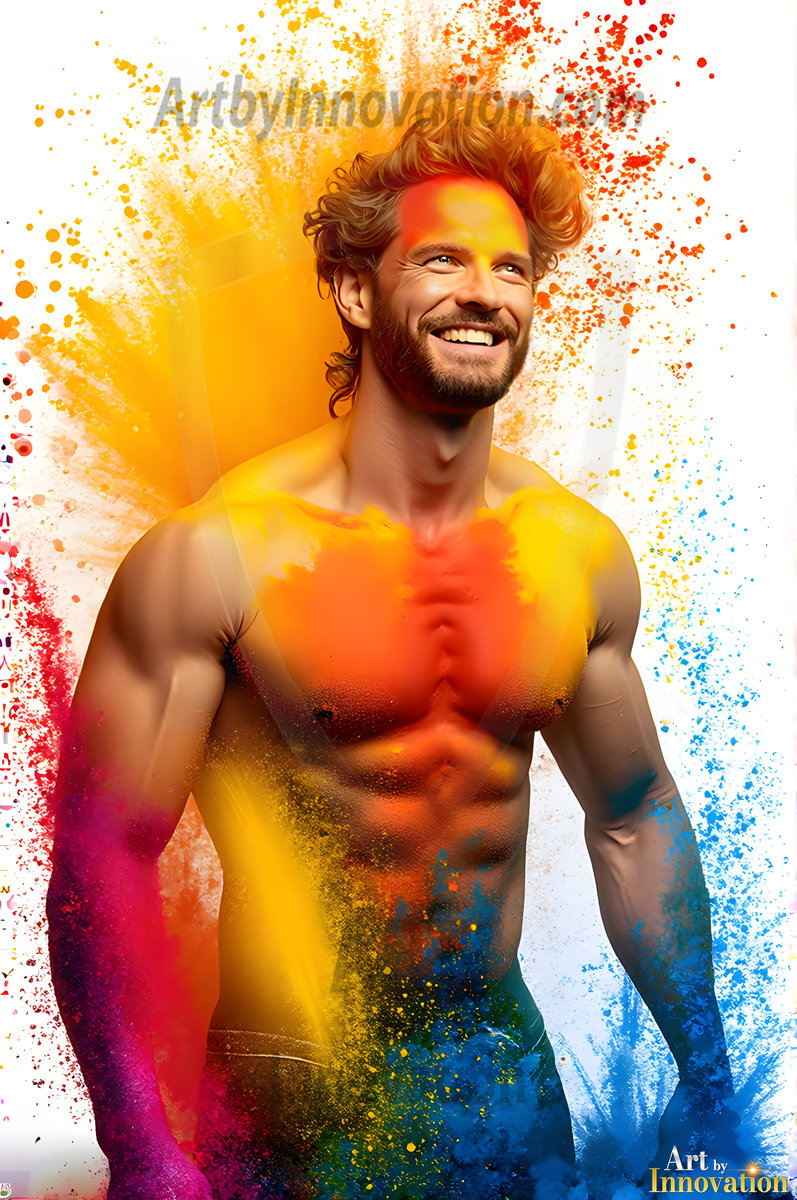
The colors of the LGBTQ+ Pride flags are designed to celebrate the diversity of human experience, visibility, and hope, with each shade representing a specific value that honors the LGBTQ+ community. Created in 1978 by artist Gilbert Baker, the rainbow flag has evolved to include more inclusive colors, showcasing how variety in identity makes individuals uniquely themselves. Meanings Behind the Colors, Red (Life): Represents the vitality and passion of LGBTQ+ people. Orange (Healing): Symbolizes the healing power within the community, often in the face of adversity. Yellow (Sunlight): Signifies the brightness and joy of being true to oneself. Green (Nature): Represents a connection to nature, the environment, and prosperity. Blue/Indigo (Serenity/Harmony): Symbolizes serenity, calm, and inner strength found in living one's truth. Violet/Purple (Spirit): Represents the spirit, strength, and resilience of the community.

The colors of the LGBTQ+ Pride flags are designed to celebrate the diversity of human experience, visibility, and hope, with each shade representing a specific value that honors the LGBTQ+ community. Created in 1978 by artist Gilbert Baker, the rainbow flag has evolved to include more inclusive colors, showcasing how variety in identity makes individuals uniquely themselves. Meanings Behind the Colors, Red (Life): Represents the vitality and passion of LGBTQ+ people. Orange (Healing): Symbolizes the healing power within the community, often in the face of adversity. Yellow (Sunlight): Signifies the brightness and joy of being true to oneself. Green (Nature): Represents a connection to nature, the environment, and prosperity. Blue/Indigo (Serenity/Harmony): Symbolizes serenity, calm, and inner strength found in living one's truth. Violet/Purple (Spirit): Represents the spirit, strength, and resilience of the community.
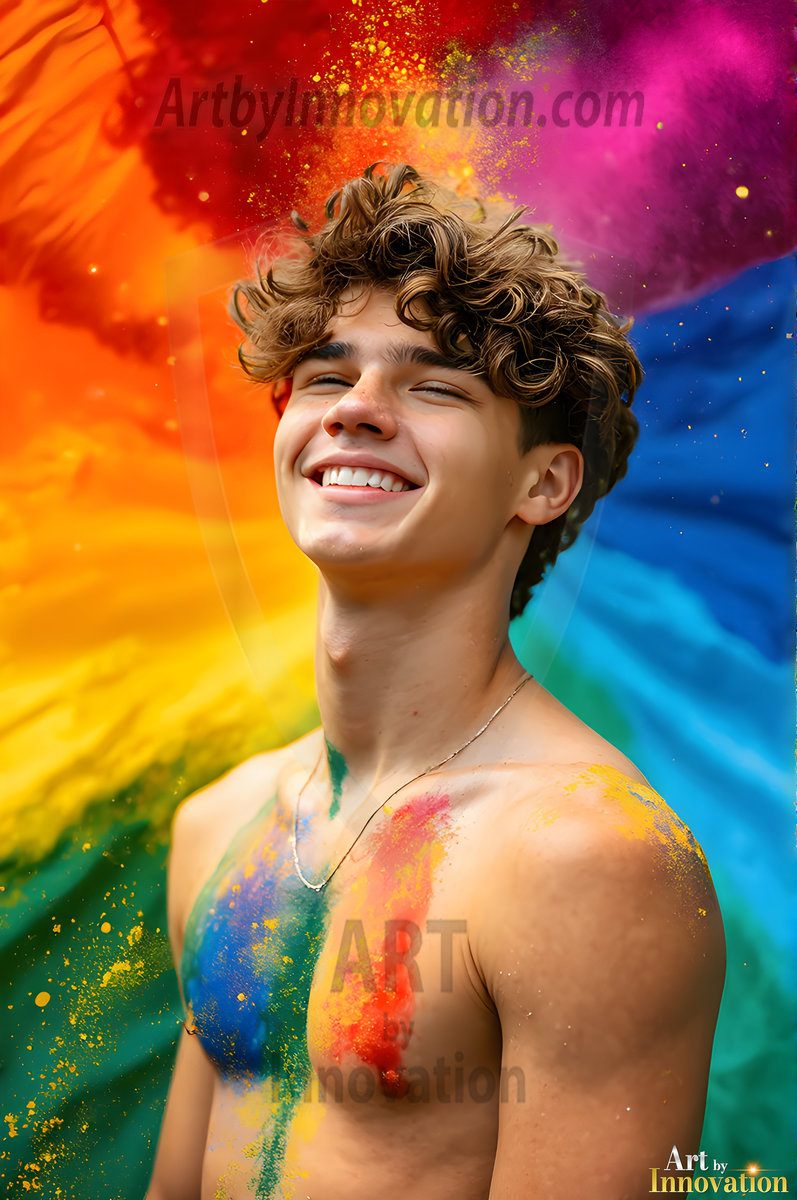
The colors of the LGBTQ+ Pride flags are designed to celebrate the diversity of human experience, visibility, and hope, with each shade representing a specific value that honors the LGBTQ+ community. Created in 1978 by artist Gilbert Baker, the rainbow flag has evolved to include more inclusive colors, showcasing how variety in identity makes individuals uniquely themselves. Meanings Behind the Colors, Red (Life): Represents the vitality and passion of LGBTQ+ people. Orange (Healing): Symbolizes the healing power within the community, often in the face of adversity. Yellow (Sunlight): Signifies the brightness and joy of being true to oneself. Green (Nature): Represents a connection to nature, the environment, and prosperity. Blue/Indigo (Serenity/Harmony): Symbolizes serenity, calm, and inner strength found in living one's truth. Violet/Purple (Spirit): Represents the spirit, strength, and resilience of the community.
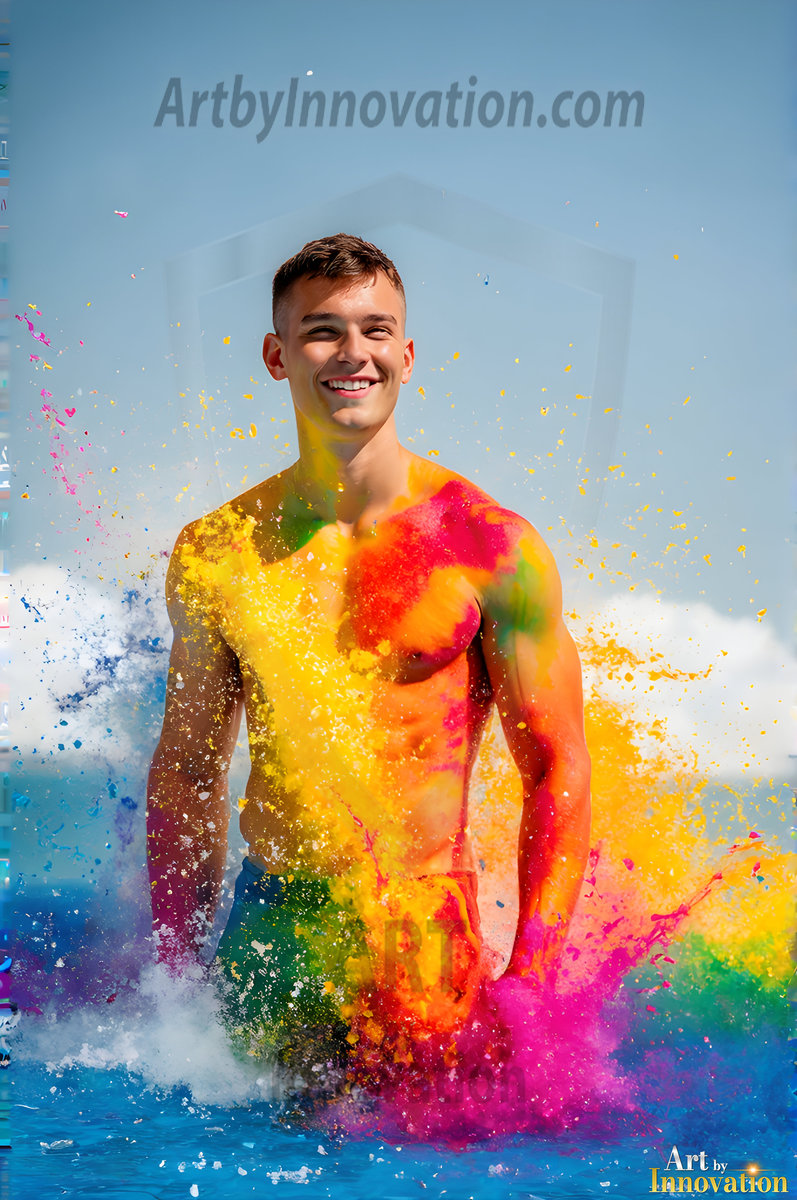
The colors of the LGBTQ+ Pride flags are designed to celebrate the diversity of human experience, visibility, and hope, with each shade representing a specific value that honors the LGBTQ+ community. Created in 1978 by artist Gilbert Baker, the rainbow flag has evolved to include more inclusive colors, showcasing how variety in identity makes individuals uniquely themselves. Meanings Behind the Colors, Red (Life): Represents the vitality and passion of LGBTQ+ people. Orange (Healing): Symbolizes the healing power within the community, often in the face of adversity. Yellow (Sunlight): Signifies the brightness and joy of being true to oneself. Green (Nature): Represents a connection to nature, the environment, and prosperity. Blue/Indigo (Serenity/Harmony): Symbolizes serenity, calm, and inner strength found in living one's truth. Violet/Purple (Spirit): Represents the spirit, strength, and resilience of the community.
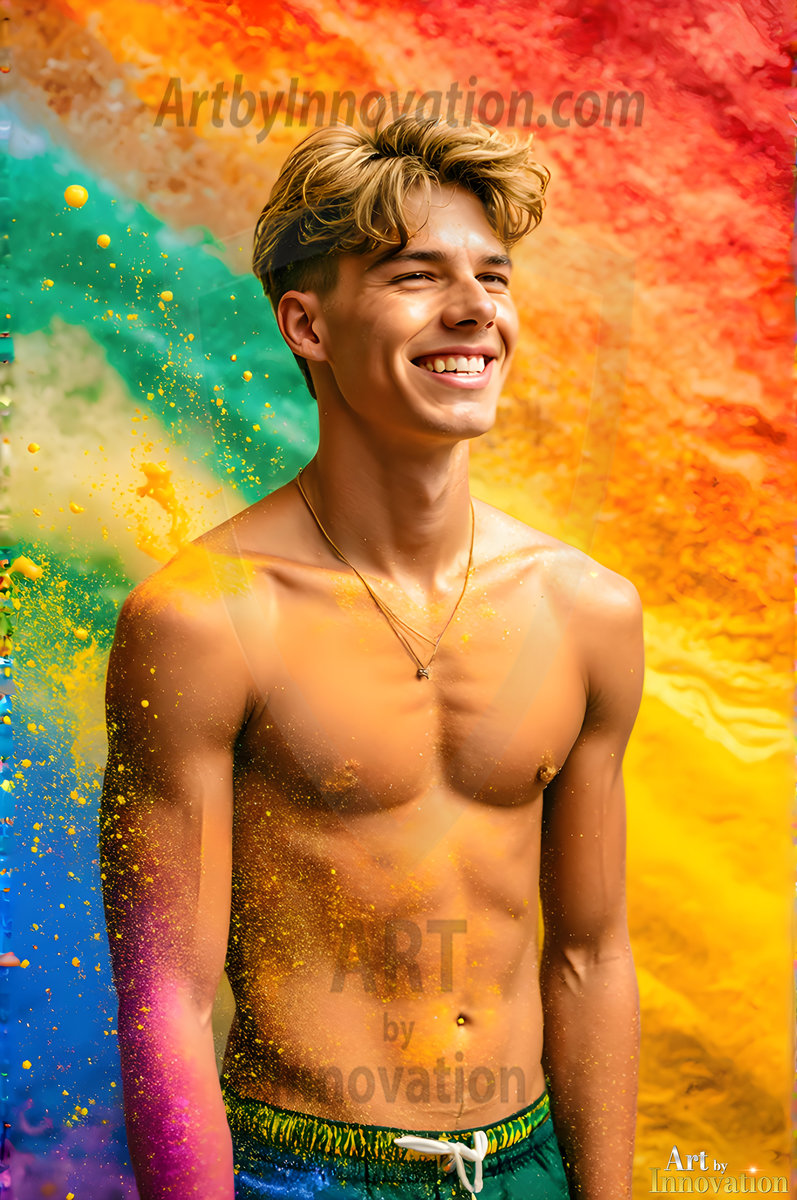
The colors of the LGBTQ+ Pride flags are designed to celebrate the diversity of human experience, visibility, and hope, with each shade representing a specific value that honors the LGBTQ+ community. Created in 1978 by artist Gilbert Baker, the rainbow flag has evolved to include more inclusive colors, showcasing how variety in identity makes individuals uniquely themselves. Meanings Behind the Colors, Red (Life): Represents the vitality and passion of LGBTQ+ people. Orange (Healing): Symbolizes the healing power within the community, often in the face of adversity. Yellow (Sunlight): Signifies the brightness and joy of being true to oneself. Green (Nature): Represents a connection to nature, the environment, and prosperity. Blue/Indigo (Serenity/Harmony): Symbolizes serenity, calm, and inner strength found in living one's truth. Violet/Purple (Spirit): Represents the spirit, strength, and resilience of the community.
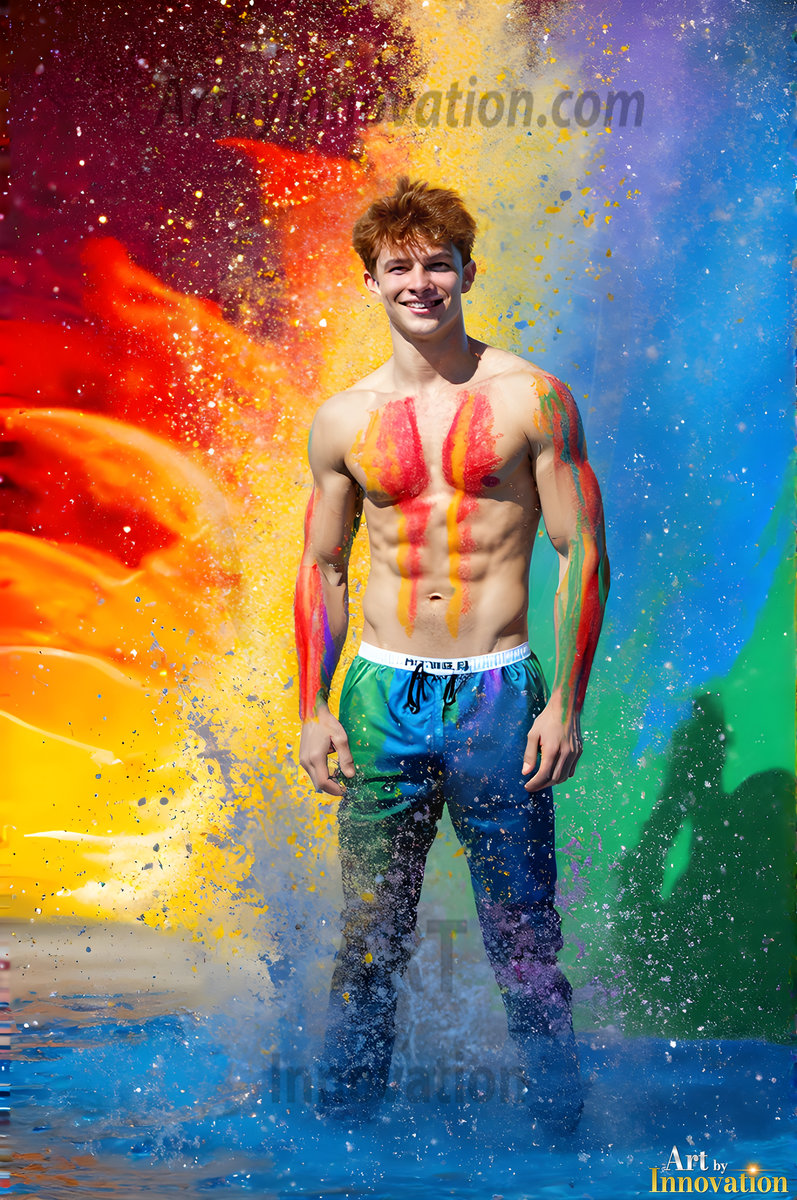
The colors of the LGBTQ+ Pride flags are designed to celebrate the diversity of human experience, visibility, and hope, with each shade representing a specific value that honors the LGBTQ+ community. Created in 1978 by artist Gilbert Baker, the rainbow flag has evolved to include more inclusive colors, showcasing how variety in identity makes individuals uniquely themselves. Meanings Behind the Colors, Red (Life): Represents the vitality and passion of LGBTQ+ people. Orange (Healing): Symbolizes the healing power within the community, often in the face of adversity. Yellow (Sunlight): Signifies the brightness and joy of being true to oneself. Green (Nature): Represents a connection to nature, the environment, and prosperity. Blue/Indigo (Serenity/Harmony): Symbolizes serenity, calm, and inner strength found in living one's truth. Violet/Purple (Spirit): Represents the spirit, strength, and resilience of the community.
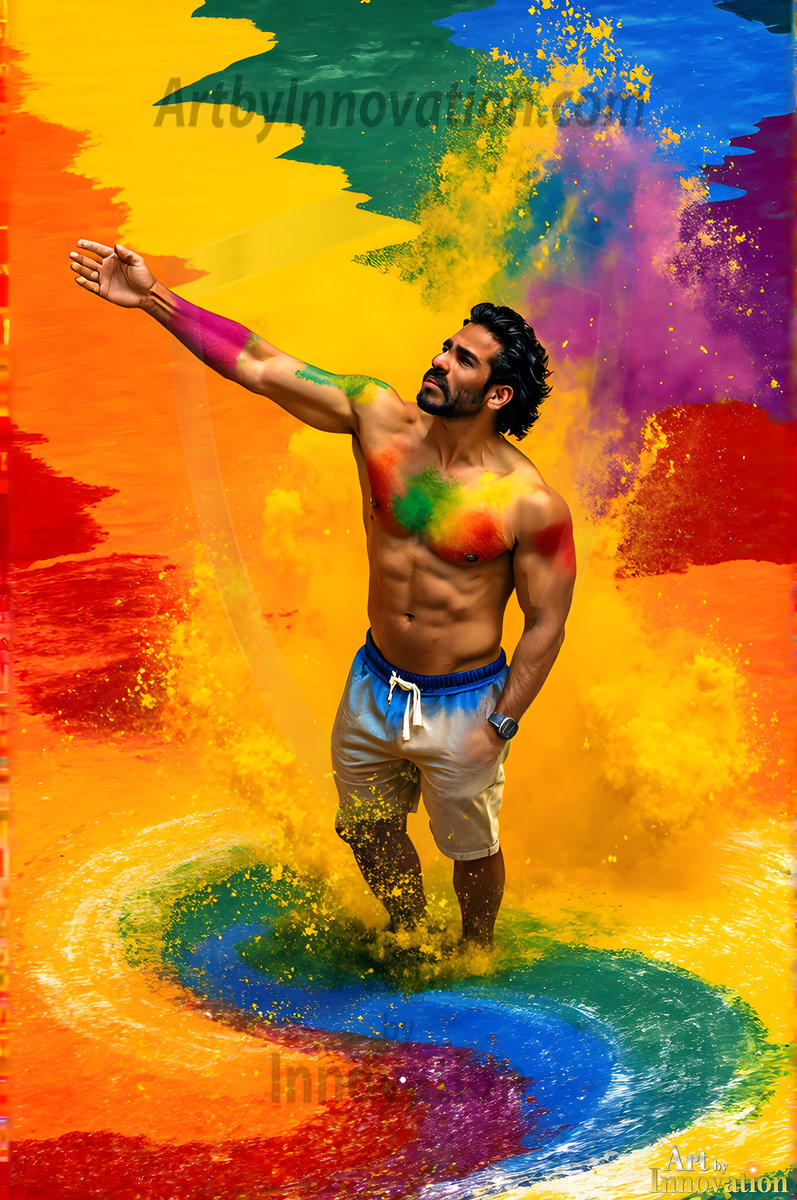
The colors of the LGBTQ+ Pride flags are designed to celebrate the diversity of human experience, visibility, and hope, with each shade representing a specific value that honors the LGBTQ+ community. Created in 1978 by artist Gilbert Baker, the rainbow flag has evolved to include more inclusive colors, showcasing how variety in identity makes individuals uniquely themselves. Meanings Behind the Colors, Red (Life): Represents the vitality and passion of LGBTQ+ people. Orange (Healing): Symbolizes the healing power within the community, often in the face of adversity. Yellow (Sunlight): Signifies the brightness and joy of being true to oneself. Green (Nature): Represents a connection to nature, the environment, and prosperity. Blue/Indigo (Serenity/Harmony): Symbolizes serenity, calm, and inner strength found in living one's truth. Violet/Purple (Spirit): Represents the spirit, strength, and resilience of the community.

The colors of the LGBTQ+ Pride flags are designed to celebrate the diversity of human experience, visibility, and hope, with each shade representing a specific value that honors the LGBTQ+ community. Created in 1978 by artist Gilbert Baker, the rainbow flag has evolved to include more inclusive colors, showcasing how variety in identity makes individuals uniquely themselves. Meanings Behind the Colors, Red (Life): Represents the vitality and passion of LGBTQ+ people. Orange (Healing): Symbolizes the healing power within the community, often in the face of adversity. Yellow (Sunlight): Signifies the brightness and joy of being true to oneself. Green (Nature): Represents a connection to nature, the environment, and prosperity. Blue/Indigo (Serenity/Harmony): Symbolizes serenity, calm, and inner strength found in living one's truth. Violet/Purple (Spirit): Represents the spirit, strength, and resilience of the community.
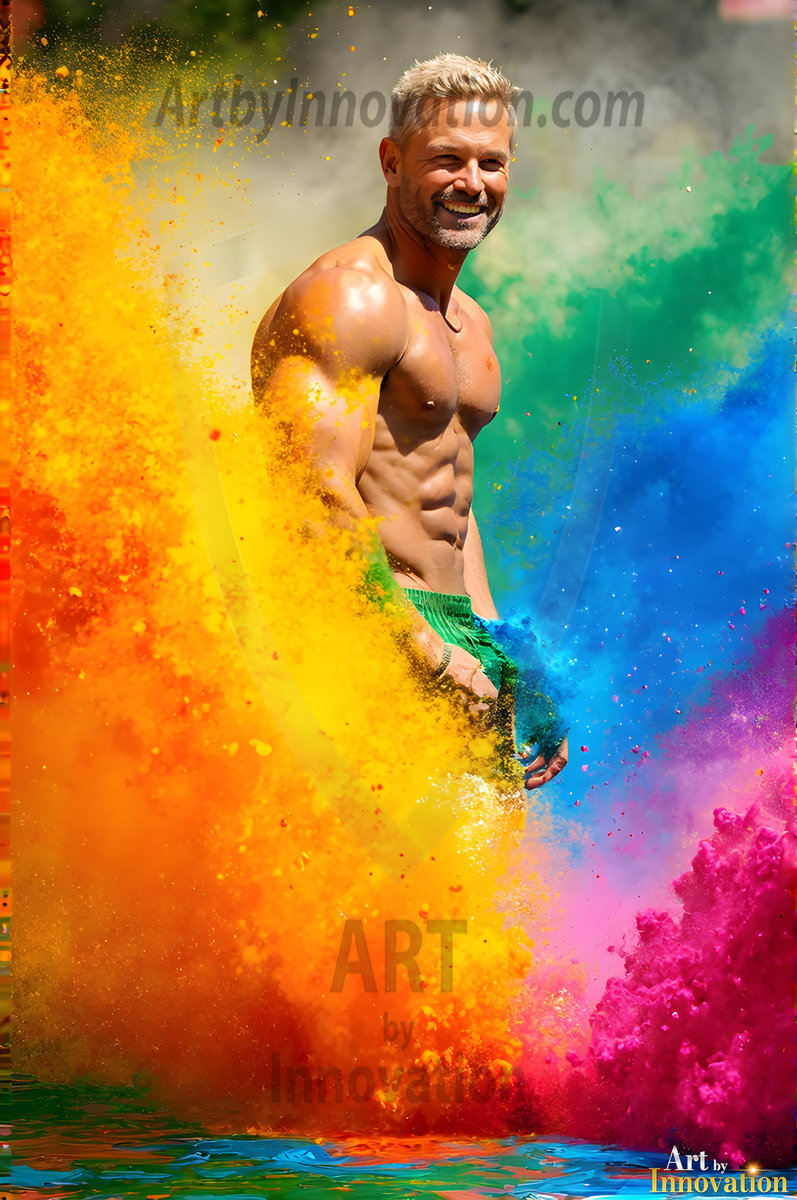
The colors of the LGBTQ+ Pride flags are designed to celebrate the diversity of human experience, visibility, and hope, with each shade representing a specific value that honors the LGBTQ+ community. Created in 1978 by artist Gilbert Baker, the rainbow flag has evolved to include more inclusive colors, showcasing how variety in identity makes individuals uniquely themselves. Meanings Behind the Colors, Red (Life): Represents the vitality and passion of LGBTQ+ people. Orange (Healing): Symbolizes the healing power within the community, often in the face of adversity. Yellow (Sunlight): Signifies the brightness and joy of being true to oneself. Green (Nature): Represents a connection to nature, the environment, and prosperity. Blue/Indigo (Serenity/Harmony): Symbolizes serenity, calm, and inner strength found in living one's truth. Violet/Purple (Spirit): Represents the spirit, strength, and resilience of the community.
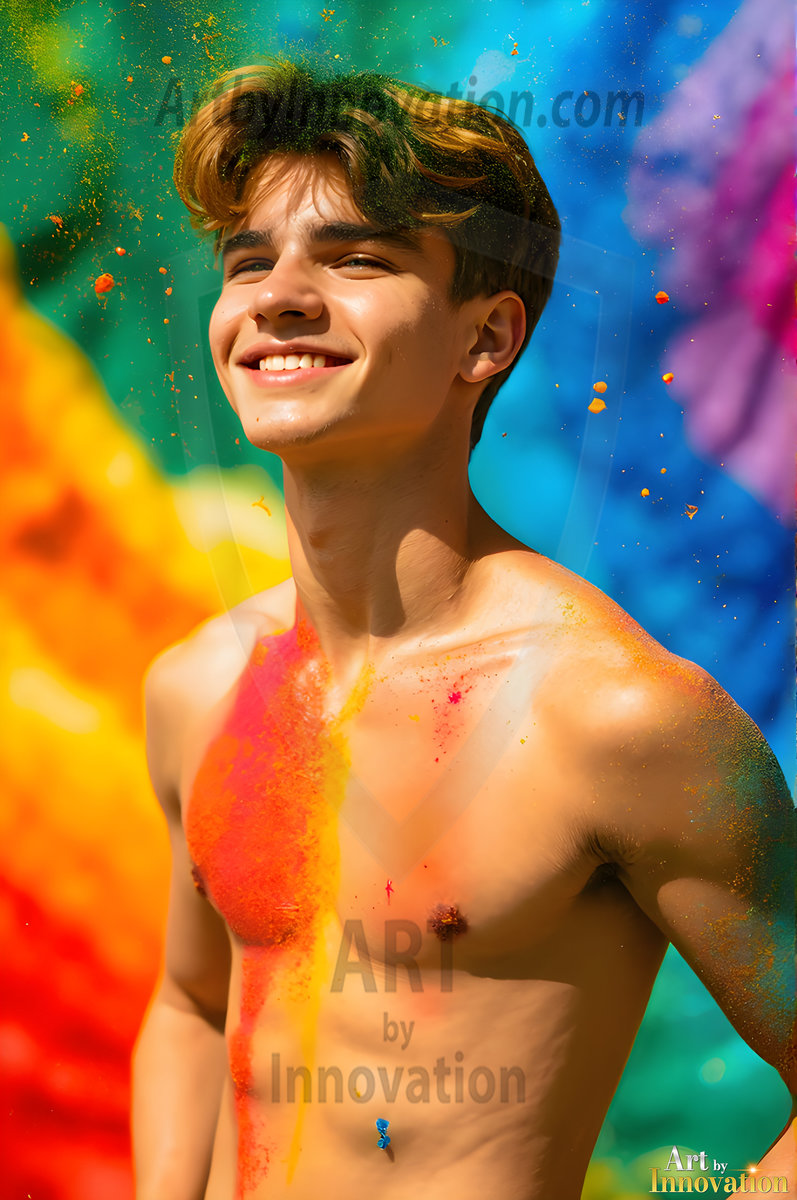
The colors of the LGBTQ+ Pride flags are designed to celebrate the diversity of human experience, visibility, and hope, with each shade representing a specific value that honors the LGBTQ+ community. Created in 1978 by artist Gilbert Baker, the rainbow flag has evolved to include more inclusive colors, showcasing how variety in identity makes individuals uniquely themselves. Meanings Behind the Colors, Red (Life): Represents the vitality and passion of LGBTQ+ people. Orange (Healing): Symbolizes the healing power within the community, often in the face of adversity. Yellow (Sunlight): Signifies the brightness and joy of being true to oneself. Green (Nature): Represents a connection to nature, the environment, and prosperity. Blue/Indigo (Serenity/Harmony): Symbolizes serenity, calm, and inner strength found in living one's truth. Violet/Purple (Spirit): Represents the spirit, strength, and resilience of the community.
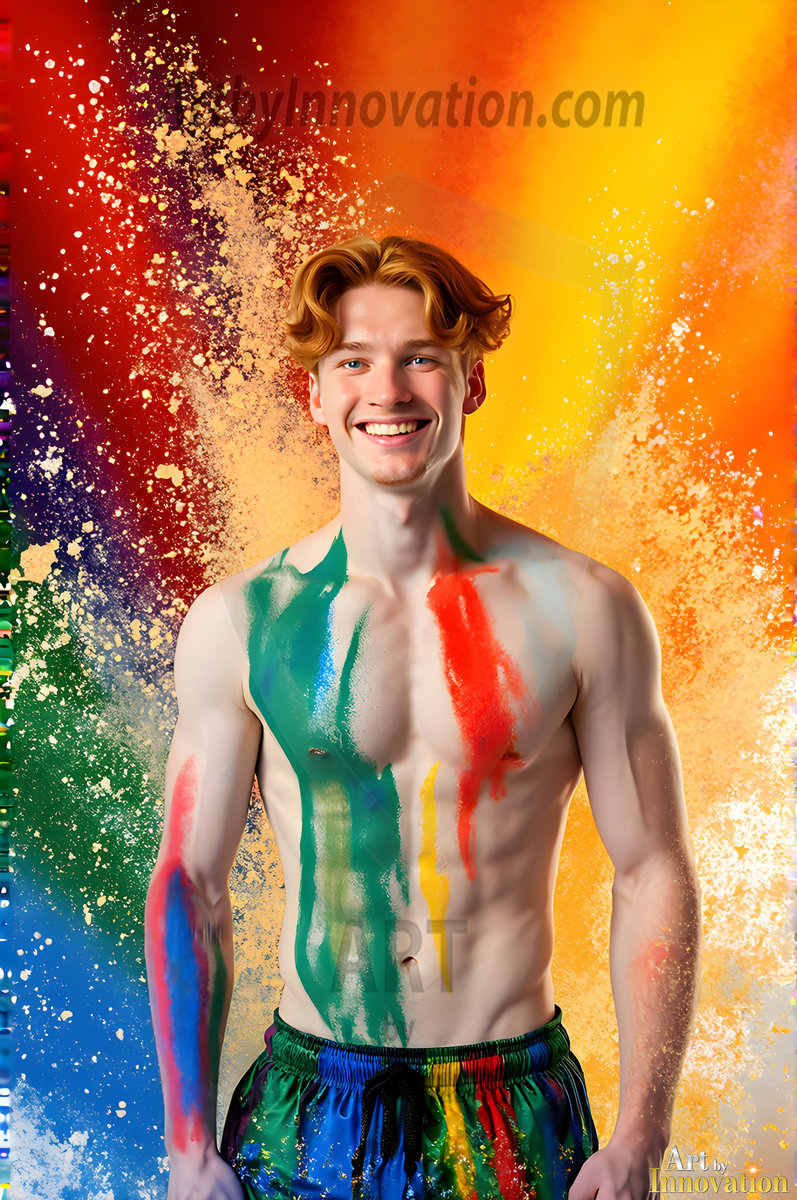
The colors of the LGBTQ+ Pride flags are designed to celebrate the diversity of human experience, visibility, and hope, with each shade representing a specific value that honors the LGBTQ+ community. Created in 1978 by artist Gilbert Baker, the rainbow flag has evolved to include more inclusive colors, showcasing how variety in identity makes individuals uniquely themselves. Meanings Behind the Colors, Red (Life): Represents the vitality and passion of LGBTQ+ people. Orange (Healing): Symbolizes the healing power within the community, often in the face of adversity. Yellow (Sunlight): Signifies the brightness and joy of being true to oneself. Green (Nature): Represents a connection to nature, the environment, and prosperity. Blue/Indigo (Serenity/Harmony): Symbolizes serenity, calm, and inner strength found in living one's truth. Violet/Purple (Spirit): Represents the spirit, strength, and resilience of the community.
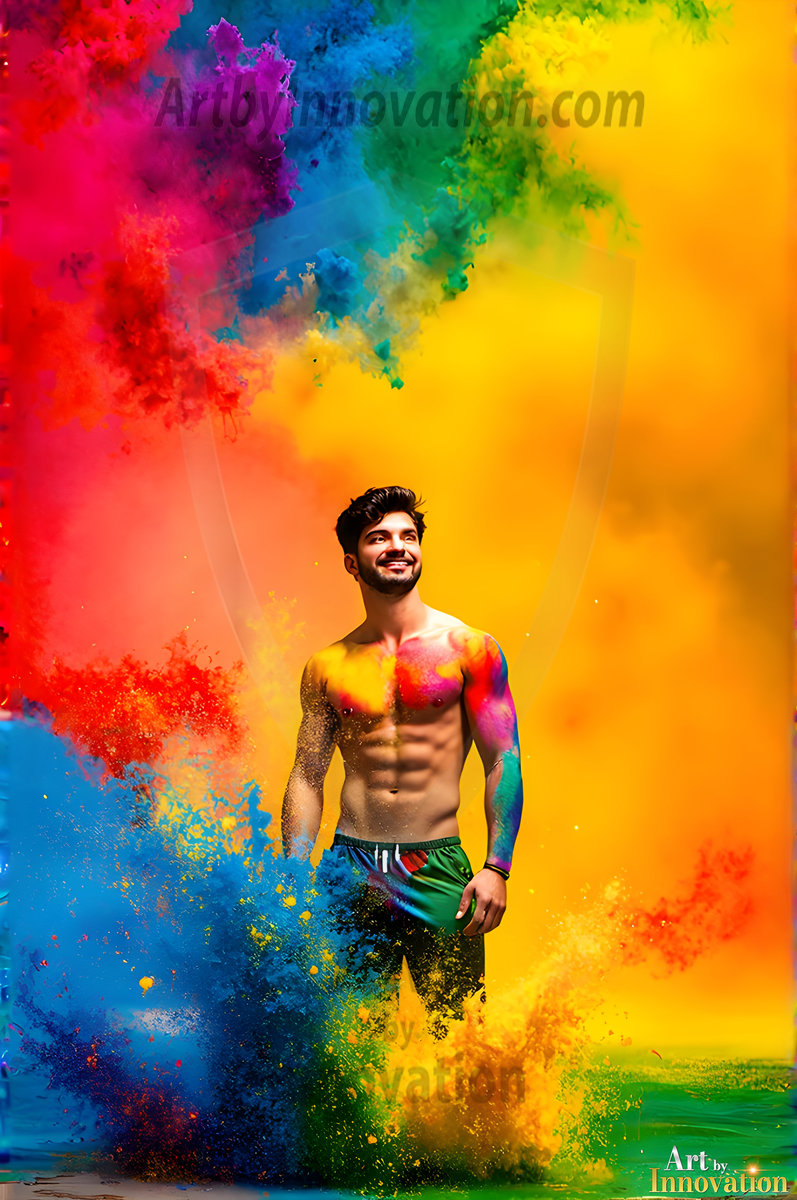
The colors of the LGBTQ+ Pride flags are designed to celebrate the diversity of human experience, visibility, and hope, with each shade representing a specific value that honors the LGBTQ+ community. Created in 1978 by artist Gilbert Baker, the rainbow flag has evolved to include more inclusive colors, showcasing how variety in identity makes individuals uniquely themselves. Meanings Behind the Colors, Red (Life): Represents the vitality and passion of LGBTQ+ people. Orange (Healing): Symbolizes the healing power within the community, often in the face of adversity. Yellow (Sunlight): Signifies the brightness and joy of being true to oneself. Green (Nature): Represents a connection to nature, the environment, and prosperity. Blue/Indigo (Serenity/Harmony): Symbolizes serenity, calm, and inner strength found in living one's truth. Violet/Purple (Spirit): Represents the spirit, strength, and resilience of the community.
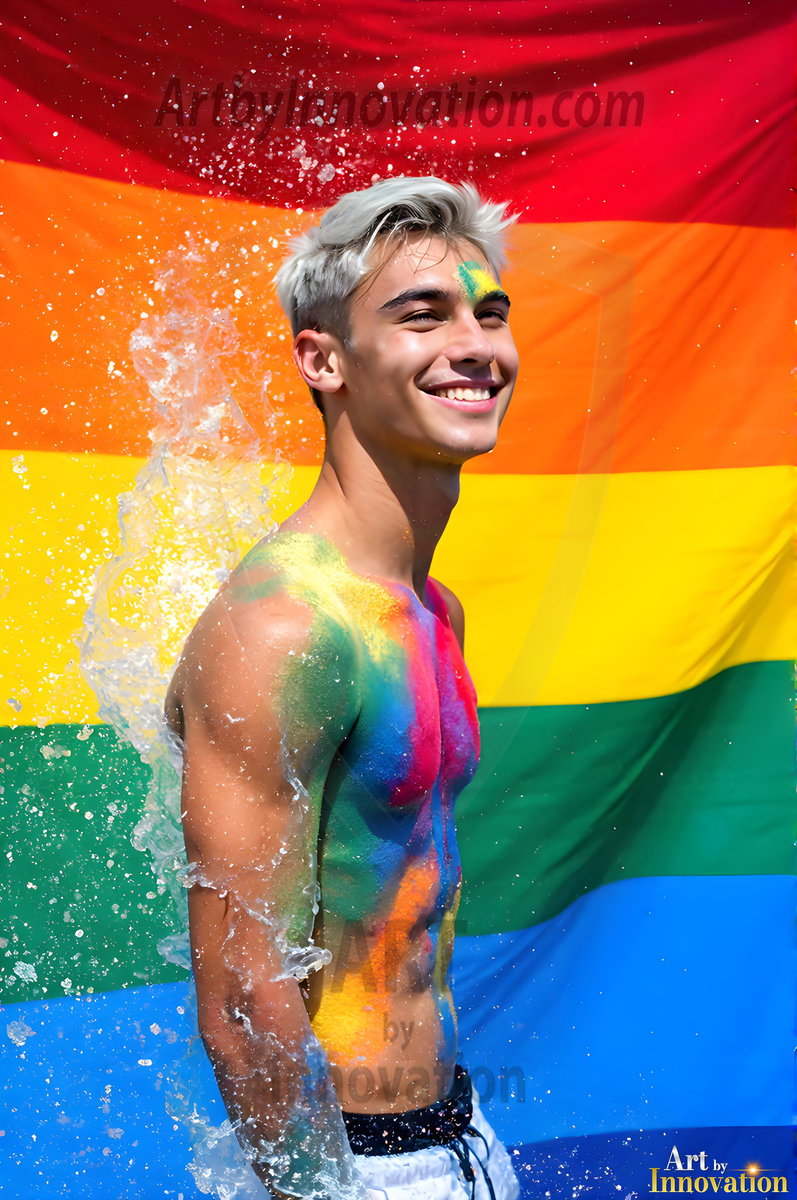
The colors of the LGBTQ+ Pride flags are designed to celebrate the diversity of human experience, visibility, and hope, with each shade representing a specific value that honors the LGBTQ+ community. Created in 1978 by artist Gilbert Baker, the rainbow flag has evolved to include more inclusive colors, showcasing how variety in identity makes individuals uniquely themselves. Meanings Behind the Colors, Red (Life): Represents the vitality and passion of LGBTQ+ people. Orange (Healing): Symbolizes the healing power within the community, often in the face of adversity. Yellow (Sunlight): Signifies the brightness and joy of being true to oneself. Green (Nature): Represents a connection to nature, the environment, and prosperity. Blue/Indigo (Serenity/Harmony): Symbolizes serenity, calm, and inner strength found in living one's truth. Violet/Purple (Spirit): Represents the spirit, strength, and resilience of the community.
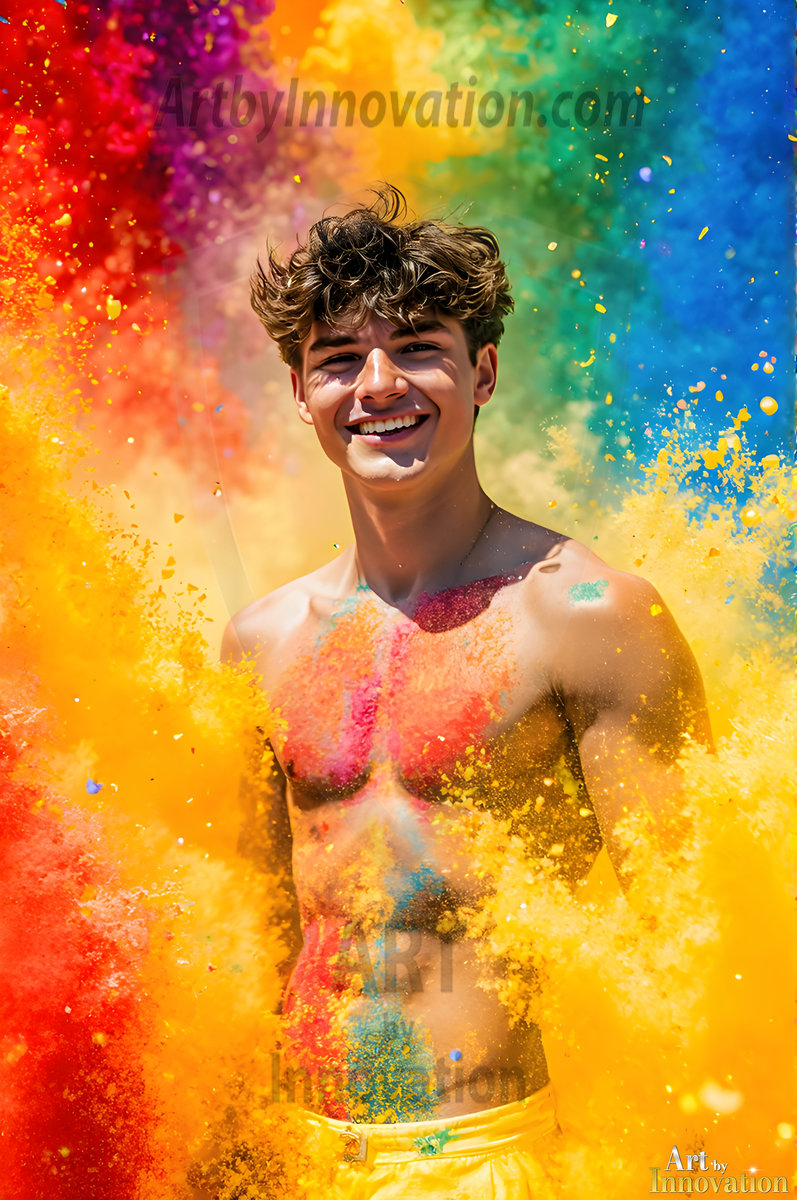
The colors of the LGBTQ+ Pride flags are designed to celebrate the diversity of human experience, visibility, and hope, with each shade representing a specific value that honors the LGBTQ+ community. Created in 1978 by artist Gilbert Baker, the rainbow flag has evolved to include more inclusive colors, showcasing how variety in identity makes individuals uniquely themselves. Meanings Behind the Colors, Red (Life): Represents the vitality and passion of LGBTQ+ people. Orange (Healing): Symbolizes the healing power within the community, often in the face of adversity. Yellow (Sunlight): Signifies the brightness and joy of being true to oneself. Green (Nature): Represents a connection to nature, the environment, and prosperity. Blue/Indigo (Serenity/Harmony): Symbolizes serenity, calm, and inner strength found in living one's truth. Violet/Purple (Spirit): Represents the spirit, strength, and resilience of the community.
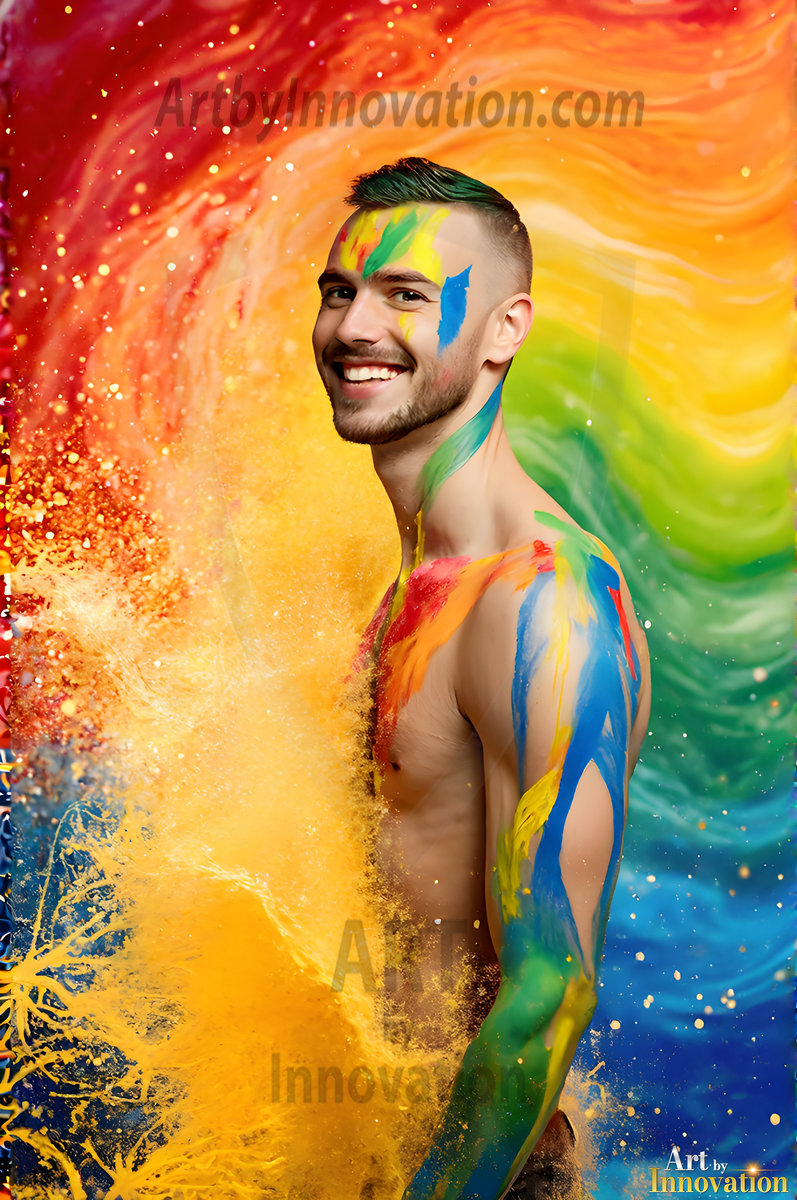
The colors of the LGBTQ+ Pride flags are designed to celebrate the diversity of human experience, visibility, and hope, with each shade representing a specific value that honors the LGBTQ+ community. Created in 1978 by artist Gilbert Baker, the rainbow flag has evolved to include more inclusive colors, showcasing how variety in identity makes individuals uniquely themselves. Meanings Behind the Colors, Red (Life): Represents the vitality and passion of LGBTQ+ people. Orange (Healing): Symbolizes the healing power within the community, often in the face of adversity. Yellow (Sunlight): Signifies the brightness and joy of being true to oneself. Green (Nature): Represents a connection to nature, the environment, and prosperity. Blue/Indigo (Serenity/Harmony): Symbolizes serenity, calm, and inner strength found in living one's truth. Violet/Purple (Spirit): Represents the spirit, strength, and resilience of the community.
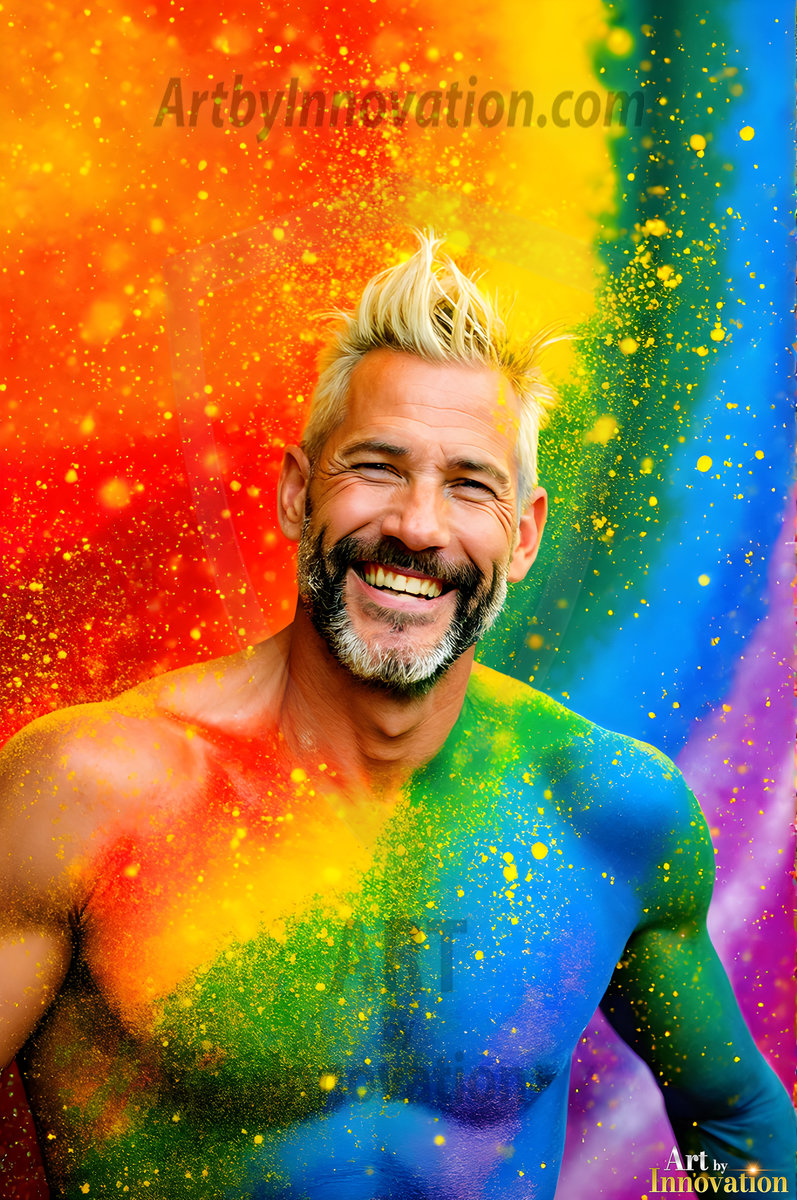
The colors of the LGBTQ+ Pride flags are designed to celebrate the diversity of human experience, visibility, and hope, with each shade representing a specific value that honors the LGBTQ+ community. Created in 1978 by artist Gilbert Baker, the rainbow flag has evolved to include more inclusive colors, showcasing how variety in identity makes individuals uniquely themselves. Meanings Behind the Colors, Red (Life): Represents the vitality and passion of LGBTQ+ people. Orange (Healing): Symbolizes the healing power within the community, often in the face of adversity. Yellow (Sunlight): Signifies the brightness and joy of being true to oneself. Green (Nature): Represents a connection to nature, the environment, and prosperity. Blue/Indigo (Serenity/Harmony): Symbolizes serenity, calm, and inner strength found in living one's truth. Violet/Purple (Spirit): Represents the spirit, strength, and resilience of the community.

The colors of the LGBTQ+ Pride flags are designed to celebrate the diversity of human experience, visibility, and hope, with each shade representing a specific value that honors the LGBTQ+ community. Created in 1978 by artist Gilbert Baker, the rainbow flag has evolved to include more inclusive colors, showcasing how variety in identity makes individuals uniquely themselves. Meanings Behind the Colors, Red (Life): Represents the vitality and passion of LGBTQ+ people. Orange (Healing): Symbolizes the healing power within the community, often in the face of adversity. Yellow (Sunlight): Signifies the brightness and joy of being true to oneself. Green (Nature): Represents a connection to nature, the environment, and prosperity. Blue/Indigo (Serenity/Harmony): Symbolizes serenity, calm, and inner strength found in living one's truth. Violet/Purple (Spirit): Represents the spirit, strength, and resilience of the community.
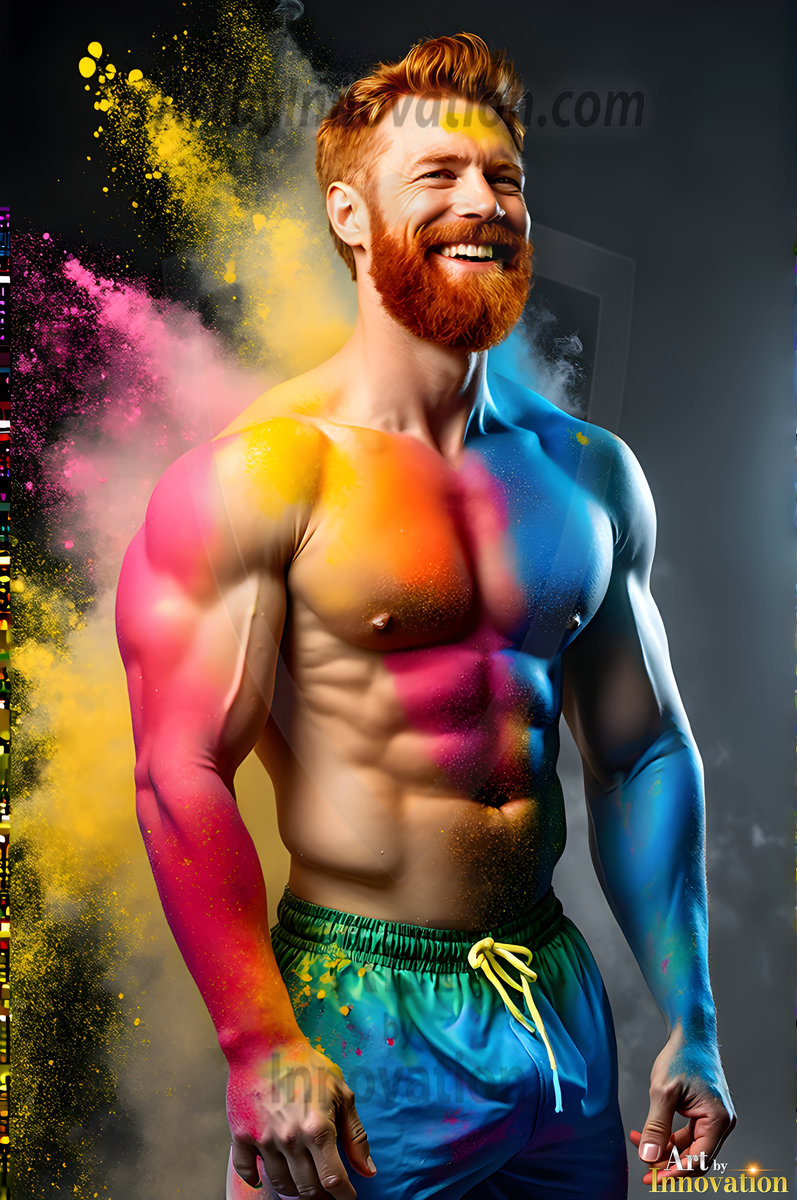
The colors of the LGBTQ+ Pride flags are designed to celebrate the diversity of human experience, visibility, and hope, with each shade representing a specific value that honors the LGBTQ+ community. Created in 1978 by artist Gilbert Baker, the rainbow flag has evolved to include more inclusive colors, showcasing how variety in identity makes individuals uniquely themselves. Meanings Behind the Colors, Red (Life): Represents the vitality and passion of LGBTQ+ people. Orange (Healing): Symbolizes the healing power within the community, often in the face of adversity. Yellow (Sunlight): Signifies the brightness and joy of being true to oneself. Green (Nature): Represents a connection to nature, the environment, and prosperity. Blue/Indigo (Serenity/Harmony): Symbolizes serenity, calm, and inner strength found in living one's truth. Violet/Purple (Spirit): Represents the spirit, strength, and resilience of the community.

The colors of the LGBTQ+ Pride flags are designed to celebrate the diversity of human experience, visibility, and hope, with each shade representing a specific value that honors the LGBTQ+ community. Created in 1978 by artist Gilbert Baker, the rainbow flag has evolved to include more inclusive colors, showcasing how variety in identity makes individuals uniquely themselves. Meanings Behind the Colors, Red (Life): Represents the vitality and passion of LGBTQ+ people. Orange (Healing): Symbolizes the healing power within the community, often in the face of adversity. Yellow (Sunlight): Signifies the brightness and joy of being true to oneself. Green (Nature): Represents a connection to nature, the environment, and prosperity. Blue/Indigo (Serenity/Harmony): Symbolizes serenity, calm, and inner strength found in living one's truth. Violet/Purple (Spirit): Represents the spirit, strength, and resilience of the community.
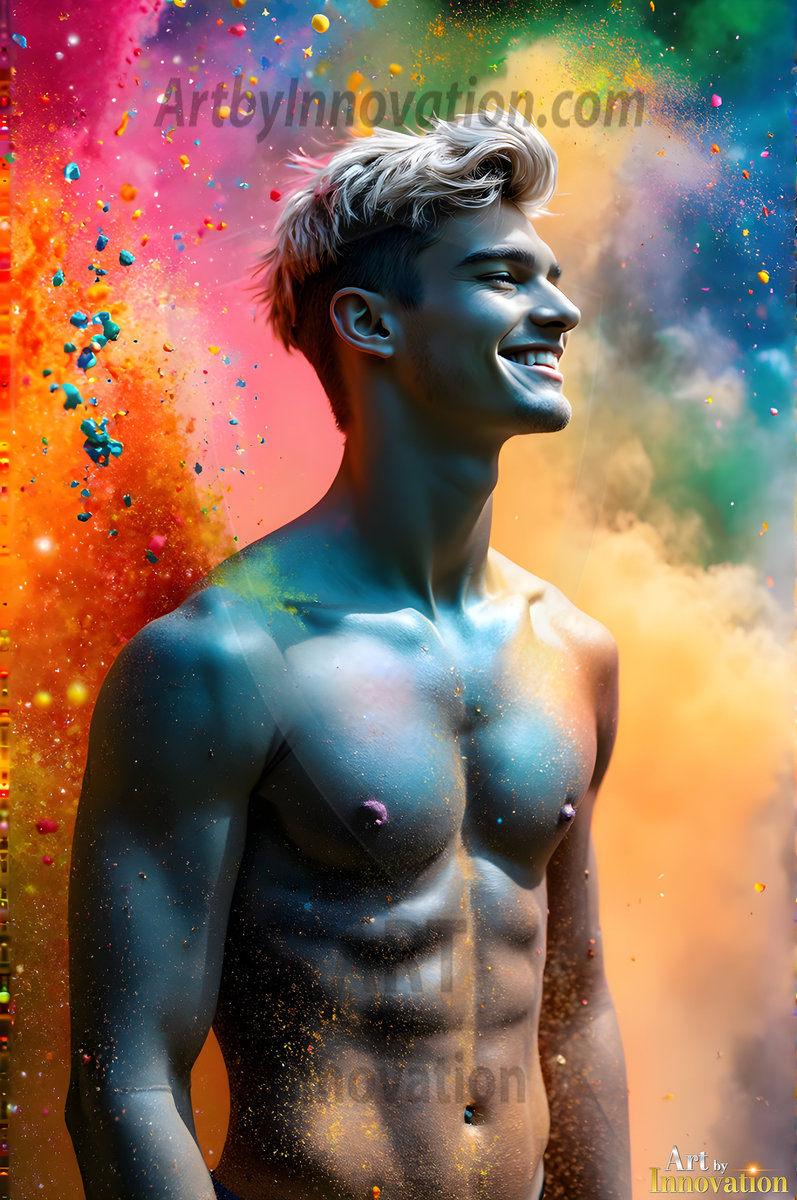
The colors of the LGBTQ+ Pride flags are designed to celebrate the diversity of human experience, visibility, and hope, with each shade representing a specific value that honors the LGBTQ+ community. Created in 1978 by artist Gilbert Baker, the rainbow flag has evolved to include more inclusive colors, showcasing how variety in identity makes individuals uniquely themselves. Meanings Behind the Colors, Red (Life): Represents the vitality and passion of LGBTQ+ people. Orange (Healing): Symbolizes the healing power within the community, often in the face of adversity. Yellow (Sunlight): Signifies the brightness and joy of being true to oneself. Green (Nature): Represents a connection to nature, the environment, and prosperity. Blue/Indigo (Serenity/Harmony): Symbolizes serenity, calm, and inner strength found in living one's truth. Violet/Purple (Spirit): Represents the spirit, strength, and resilience of the community.
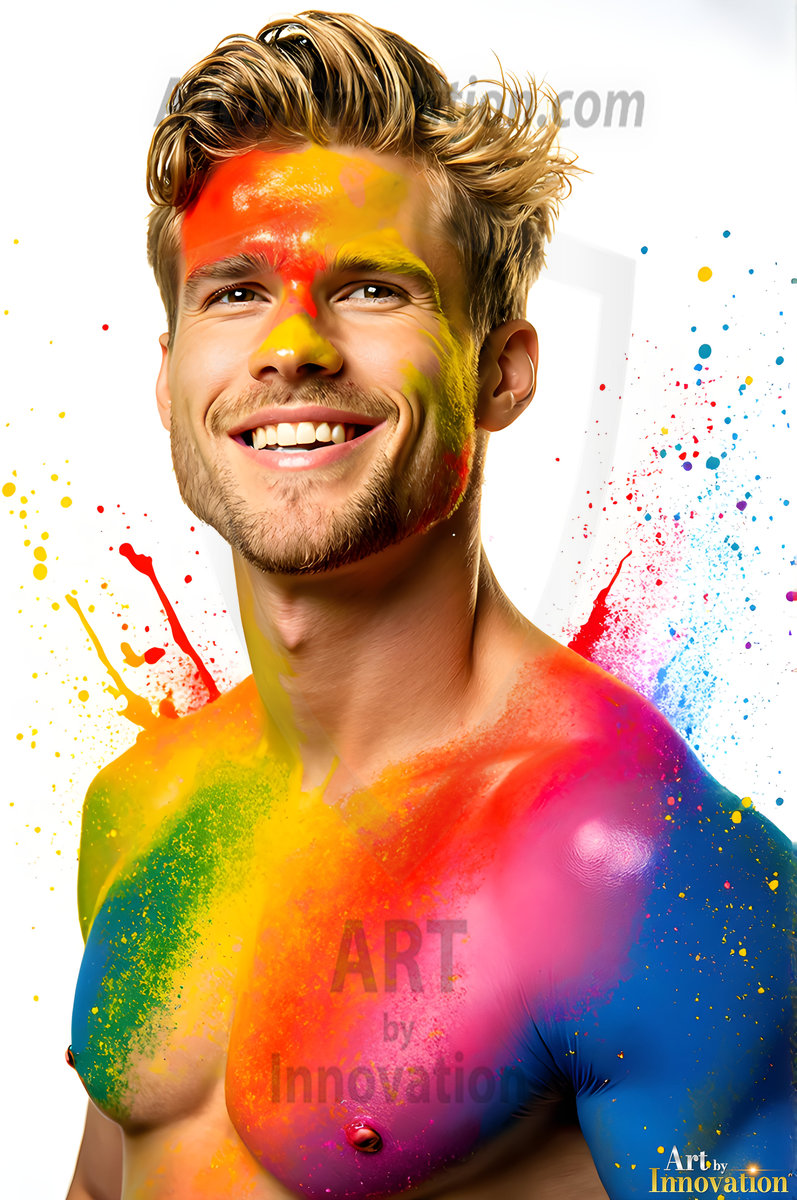
The colors of the LGBTQ+ Pride flags are designed to celebrate the diversity of human experience, visibility, and hope, with each shade representing a specific value that honors the LGBTQ+ community. Created in 1978 by artist Gilbert Baker, the rainbow flag has evolved to include more inclusive colors, showcasing how variety in identity makes individuals uniquely themselves. Meanings Behind the Colors, Red (Life): Represents the vitality and passion of LGBTQ+ people. Orange (Healing): Symbolizes the healing power within the community, often in the face of adversity. Yellow (Sunlight): Signifies the brightness and joy of being true to oneself. Green (Nature): Represents a connection to nature, the environment, and prosperity. Blue/Indigo (Serenity/Harmony): Symbolizes serenity, calm, and inner strength found in living one's truth. Violet/Purple (Spirit): Represents the spirit, strength, and resilience of the community.
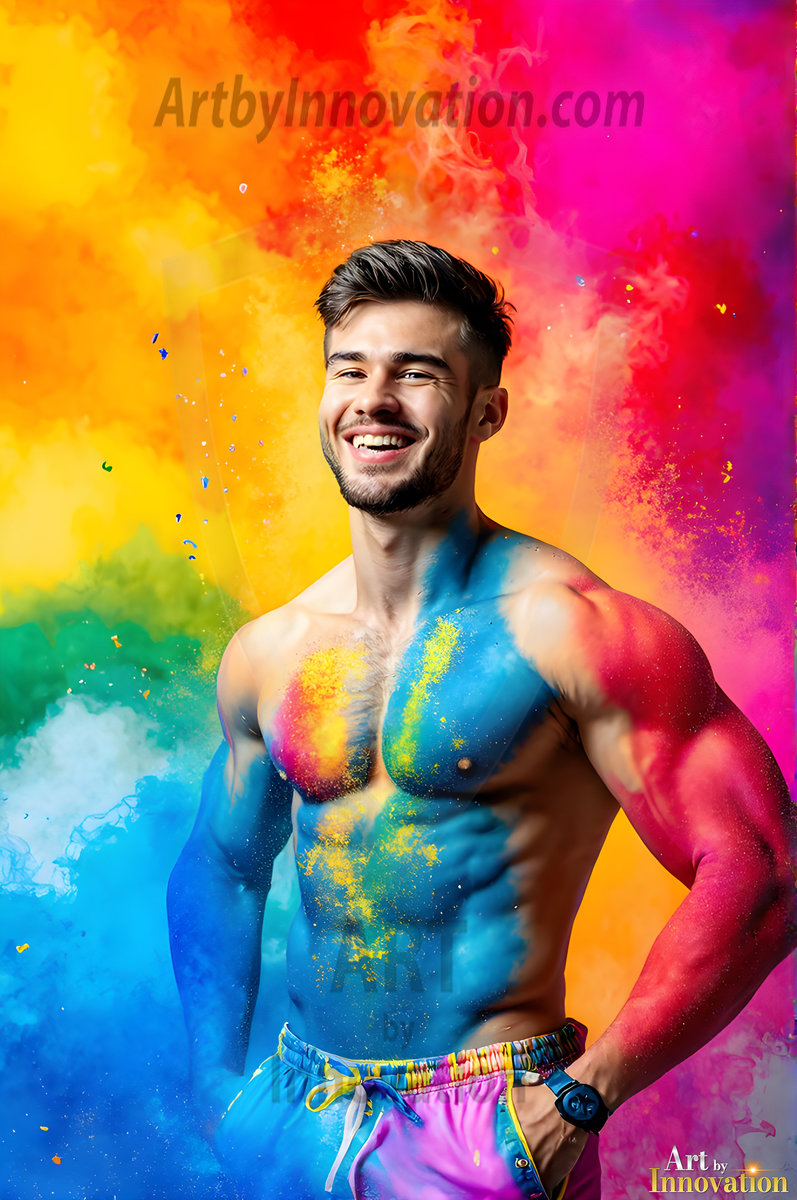
The colors of the LGBTQ+ Pride flags are designed to celebrate the diversity of human experience, visibility, and hope, with each shade representing a specific value that honors the LGBTQ+ community. Created in 1978 by artist Gilbert Baker, the rainbow flag has evolved to include more inclusive colors, showcasing how variety in identity makes individuals uniquely themselves. Meanings Behind the Colors, Red (Life): Represents the vitality and passion of LGBTQ+ people. Orange (Healing): Symbolizes the healing power within the community, often in the face of adversity. Yellow (Sunlight): Signifies the brightness and joy of being true to oneself. Green (Nature): Represents a connection to nature, the environment, and prosperity. Blue/Indigo (Serenity/Harmony): Symbolizes serenity, calm, and inner strength found in living one's truth. Violet/Purple (Spirit): Represents the spirit, strength, and resilience of the community.

The colors of the LGBTQ+ Pride flags are designed to celebrate the diversity of human experience, visibility, and hope, with each shade representing a specific value that honors the LGBTQ+ community. Created in 1978 by artist Gilbert Baker, the rainbow flag has evolved to include more inclusive colors, showcasing how variety in identity makes individuals uniquely themselves. Meanings Behind the Colors, Red (Life): Represents the vitality and passion of LGBTQ+ people. Orange (Healing): Symbolizes the healing power within the community, often in the face of adversity. Yellow (Sunlight): Signifies the brightness and joy of being true to oneself. Green (Nature): Represents a connection to nature, the environment, and prosperity. Blue/Indigo (Serenity/Harmony): Symbolizes serenity, calm, and inner strength found in living one's truth. Violet/Purple (Spirit): Represents the spirit, strength, and resilience of the community.

The colors of the LGBTQ+ Pride flags are designed to celebrate the diversity of human experience, visibility, and hope, with each shade representing a specific value that honors the LGBTQ+ community. Created in 1978 by artist Gilbert Baker, the rainbow flag has evolved to include more inclusive colors, showcasing how variety in identity makes individuals uniquely themselves. Meanings Behind the Colors, Red (Life): Represents the vitality and passion of LGBTQ+ people. Orange (Healing): Symbolizes the healing power within the community, often in the face of adversity. Yellow (Sunlight): Signifies the brightness and joy of being true to oneself. Green (Nature): Represents a connection to nature, the environment, and prosperity. Blue/Indigo (Serenity/Harmony): Symbolizes serenity, calm, and inner strength found in living one's truth. Violet/Purple (Spirit): Represents the spirit, strength, and resilience of the community.
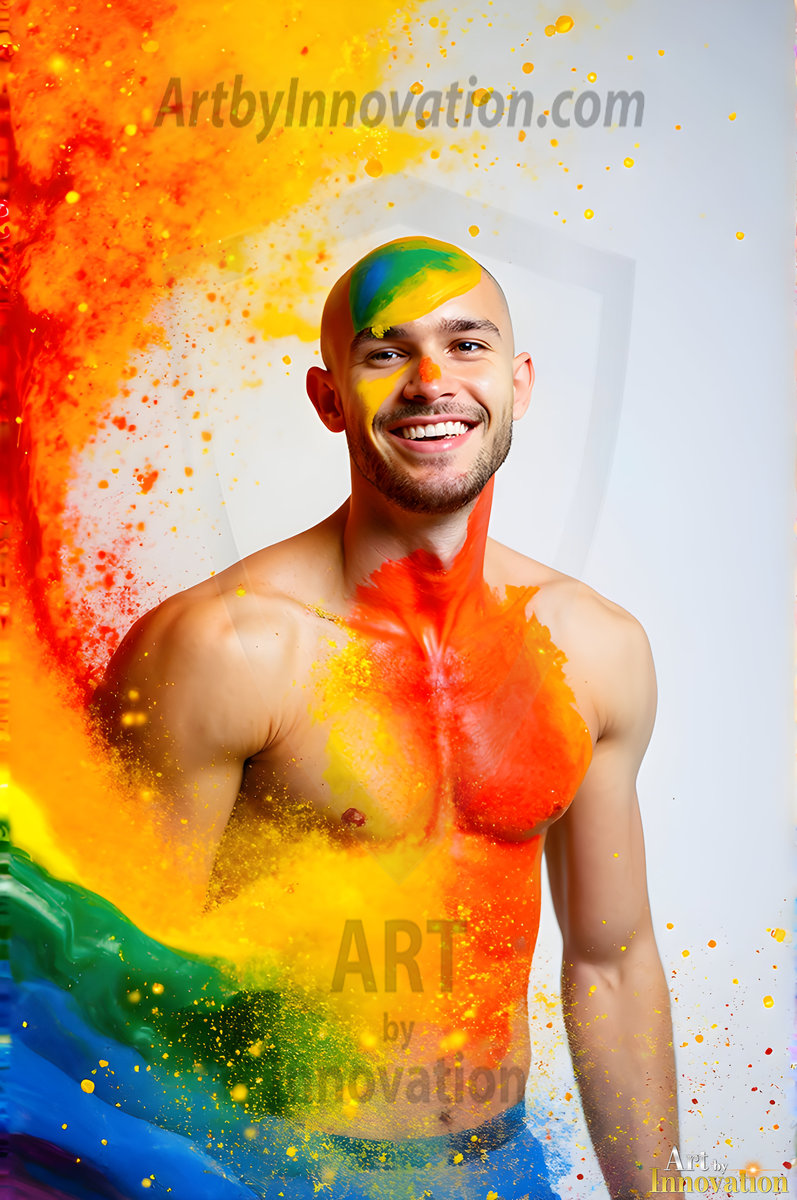
The colors of the LGBTQ+ Pride flags are designed to celebrate the diversity of human experience, visibility, and hope, with each shade representing a specific value that honors the LGBTQ+ community. Created in 1978 by artist Gilbert Baker, the rainbow flag has evolved to include more inclusive colors, showcasing how variety in identity makes individuals uniquely themselves. Meanings Behind the Colors, Red (Life): Represents the vitality and passion of LGBTQ+ people. Orange (Healing): Symbolizes the healing power within the community, often in the face of adversity. Yellow (Sunlight): Signifies the brightness and joy of being true to oneself. Green (Nature): Represents a connection to nature, the environment, and prosperity. Blue/Indigo (Serenity/Harmony): Symbolizes serenity, calm, and inner strength found in living one's truth. Violet/Purple (Spirit): Represents the spirit, strength, and resilience of the community.
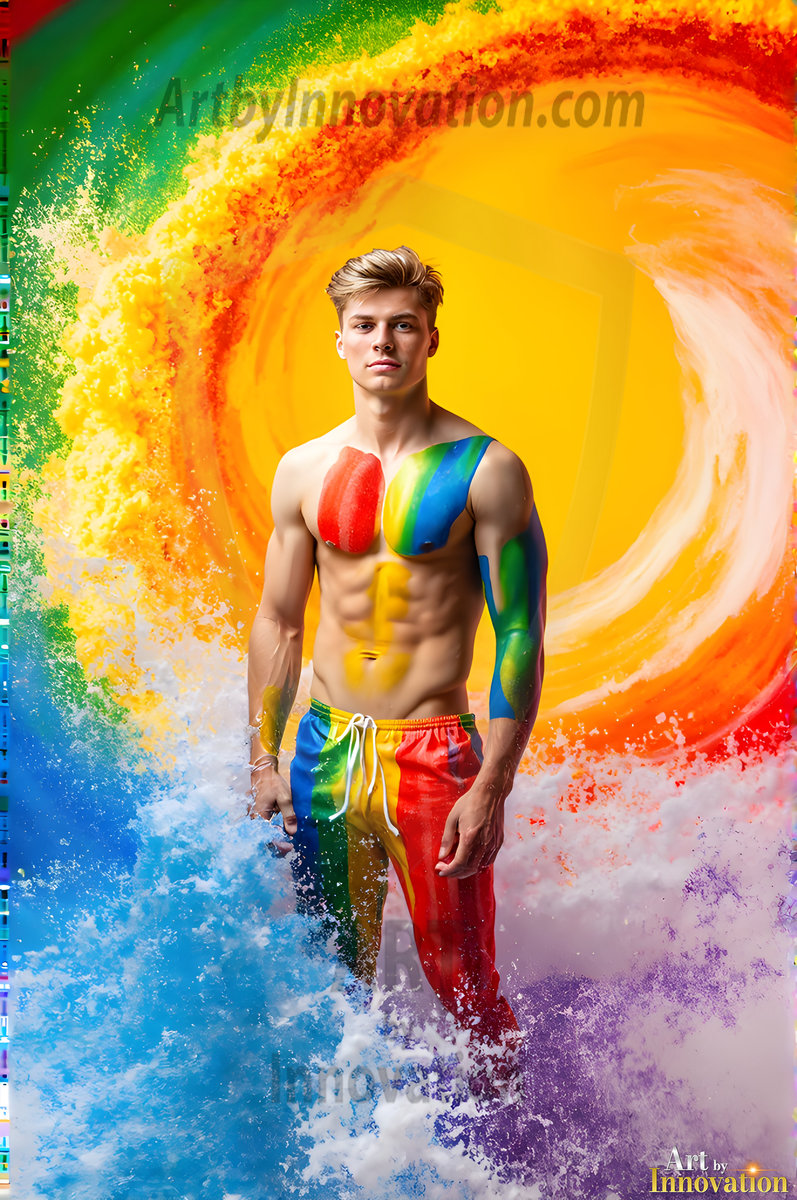
The colors of the LGBTQ+ Pride flags are designed to celebrate the diversity of human experience, visibility, and hope, with each shade representing a specific value that honors the LGBTQ+ community. Created in 1978 by artist Gilbert Baker, the rainbow flag has evolved to include more inclusive colors, showcasing how variety in identity makes individuals uniquely themselves. Meanings Behind the Colors, Red (Life): Represents the vitality and passion of LGBTQ+ people. Orange (Healing): Symbolizes the healing power within the community, often in the face of adversity. Yellow (Sunlight): Signifies the brightness and joy of being true to oneself. Green (Nature): Represents a connection to nature, the environment, and prosperity. Blue/Indigo (Serenity/Harmony): Symbolizes serenity, calm, and inner strength found in living one's truth. Violet/Purple (Spirit): Represents the spirit, strength, and resilience of the community.
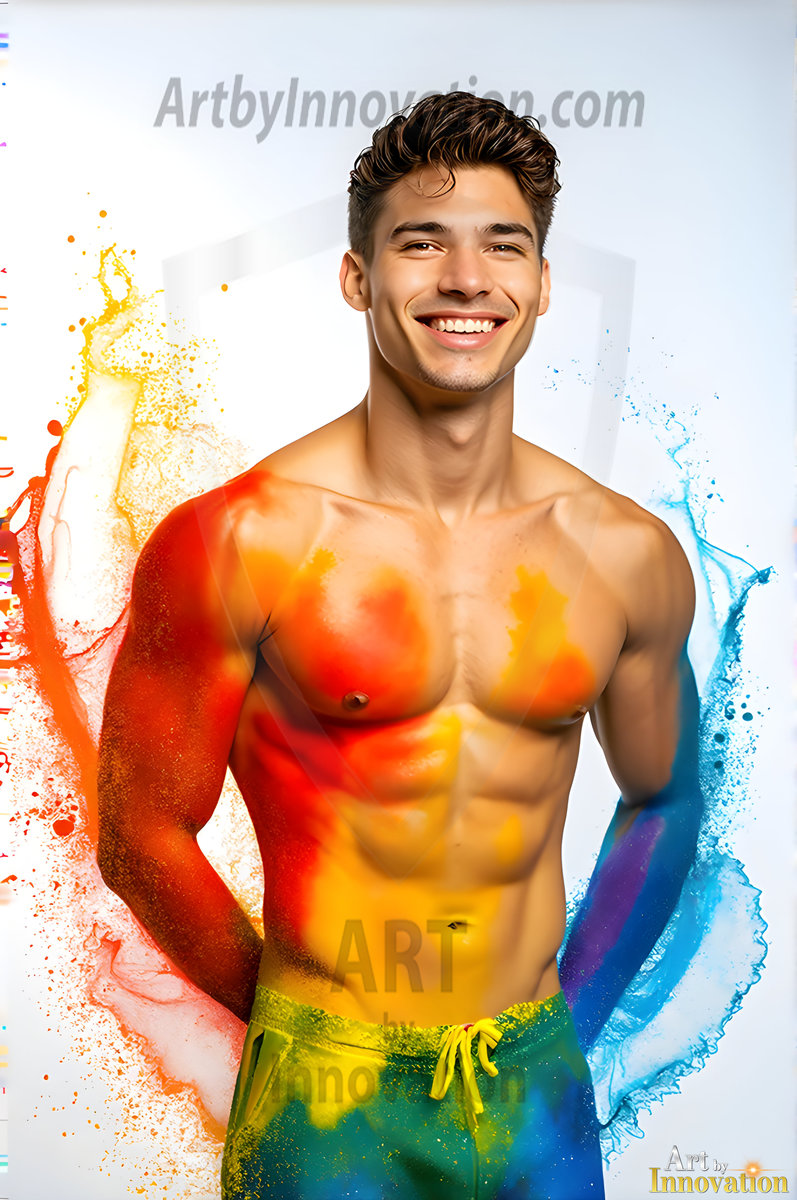
The colors of the LGBTQ+ Pride flags are designed to celebrate the diversity of human experience, visibility, and hope, with each shade representing a specific value that honors the LGBTQ+ community. Created in 1978 by artist Gilbert Baker, the rainbow flag has evolved to include more inclusive colors, showcasing how variety in identity makes individuals uniquely themselves. Meanings Behind the Colors, Red (Life): Represents the vitality and passion of LGBTQ+ people. Orange (Healing): Symbolizes the healing power within the community, often in the face of adversity. Yellow (Sunlight): Signifies the brightness and joy of being true to oneself. Green (Nature): Represents a connection to nature, the environment, and prosperity. Blue/Indigo (Serenity/Harmony): Symbolizes serenity, calm, and inner strength found in living one's truth. Violet/Purple (Spirit): Represents the spirit, strength, and resilience of the community.
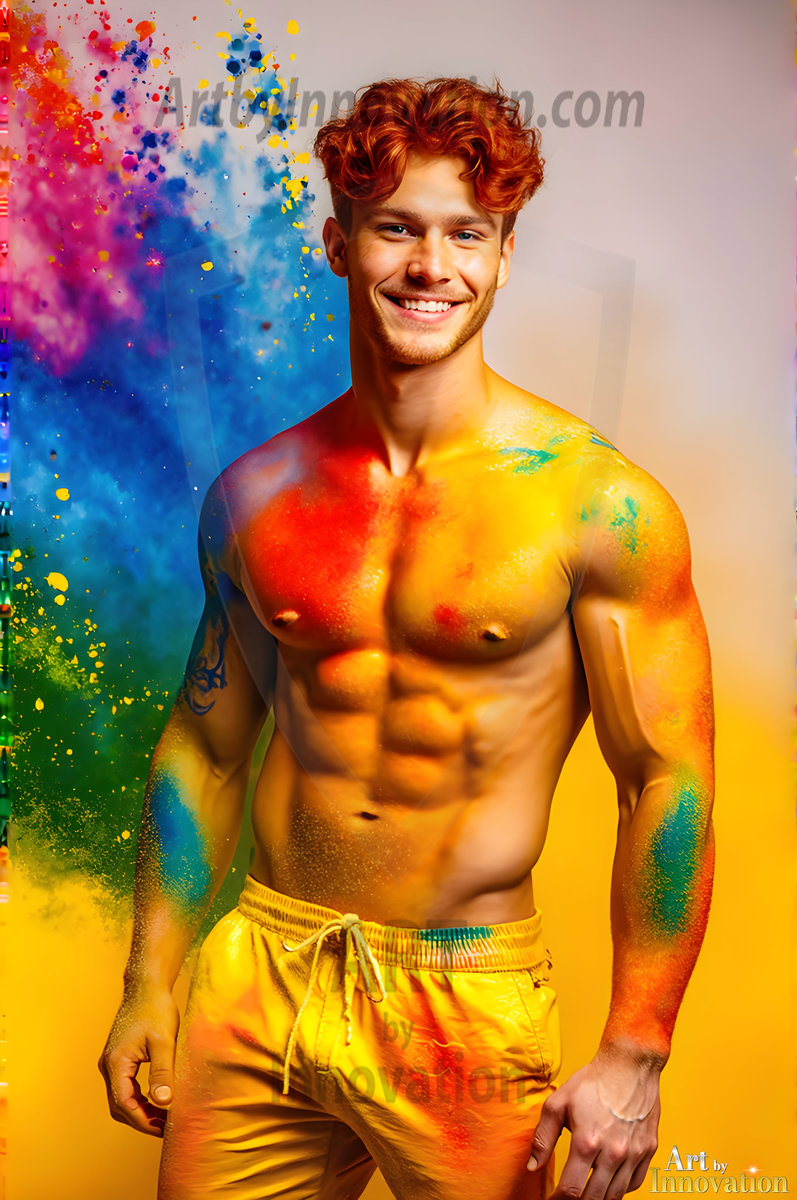
The colors of the LGBTQ+ Pride flags are designed to celebrate the diversity of human experience, visibility, and hope, with each shade representing a specific value that honors the LGBTQ+ community. Created in 1978 by artist Gilbert Baker, the rainbow flag has evolved to include more inclusive colors, showcasing how variety in identity makes individuals uniquely themselves. Meanings Behind the Colors, Red (Life): Represents the vitality and passion of LGBTQ+ people. Orange (Healing): Symbolizes the healing power within the community, often in the face of adversity. Yellow (Sunlight): Signifies the brightness and joy of being true to oneself. Green (Nature): Represents a connection to nature, the environment, and prosperity. Blue/Indigo (Serenity/Harmony): Symbolizes serenity, calm, and inner strength found in living one's truth. Violet/Purple (Spirit): Represents the spirit, strength, and resilience of the community.

The colors of the LGBTQ+ Pride flags are designed to celebrate the diversity of human experience, visibility, and hope, with each shade representing a specific value that honors the LGBTQ+ community. Created in 1978 by artist Gilbert Baker, the rainbow flag has evolved to include more inclusive colors, showcasing how variety in identity makes individuals uniquely themselves. Meanings Behind the Colors, Red (Life): Represents the vitality and passion of LGBTQ+ people. Orange (Healing): Symbolizes the healing power within the community, often in the face of adversity. Yellow (Sunlight): Signifies the brightness and joy of being true to oneself. Green (Nature): Represents a connection to nature, the environment, and prosperity. Blue/Indigo (Serenity/Harmony): Symbolizes serenity, calm, and inner strength found in living one's truth. Violet/Purple (Spirit): Represents the spirit, strength, and resilience of the community.

The colors of the LGBTQ+ Pride flags are designed to celebrate the diversity of human experience, visibility, and hope, with each shade representing a specific value that honors the LGBTQ+ community. Created in 1978 by artist Gilbert Baker, the rainbow flag has evolved to include more inclusive colors, showcasing how variety in identity makes individuals uniquely themselves. Meanings Behind the Colors, Red (Life): Represents the vitality and passion of LGBTQ+ people. Orange (Healing): Symbolizes the healing power within the community, often in the face of adversity. Yellow (Sunlight): Signifies the brightness and joy of being true to oneself. Green (Nature): Represents a connection to nature, the environment, and prosperity. Blue/Indigo (Serenity/Harmony): Symbolizes serenity, calm, and inner strength found in living one's truth. Violet/Purple (Spirit): Represents the spirit, strength, and resilience of the community.
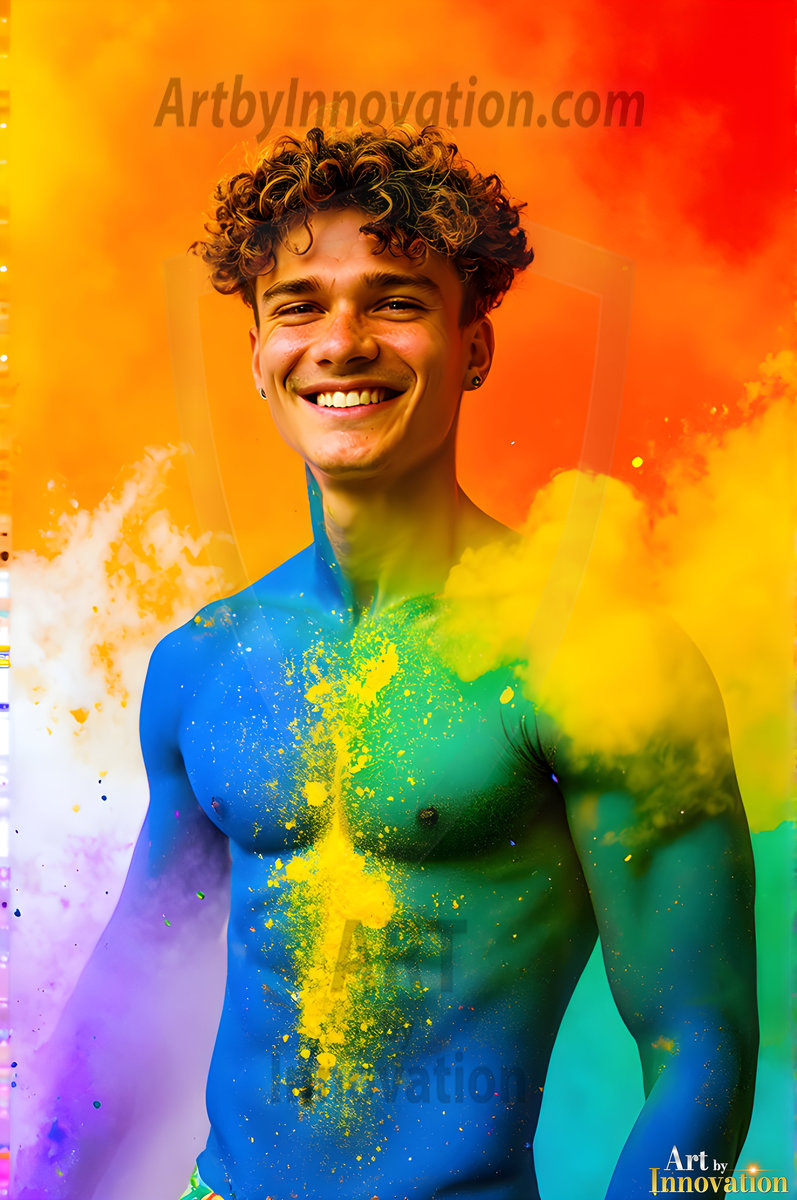
The colors of the LGBTQ+ Pride flags are designed to celebrate the diversity of human experience, visibility, and hope, with each shade representing a specific value that honors the LGBTQ+ community. Created in 1978 by artist Gilbert Baker, the rainbow flag has evolved to include more inclusive colors, showcasing how variety in identity makes individuals uniquely themselves. Meanings Behind the Colors, Red (Life): Represents the vitality and passion of LGBTQ+ people. Orange (Healing): Symbolizes the healing power within the community, often in the face of adversity. Yellow (Sunlight): Signifies the brightness and joy of being true to oneself. Green (Nature): Represents a connection to nature, the environment, and prosperity. Blue/Indigo (Serenity/Harmony): Symbolizes serenity, calm, and inner strength found in living one's truth. Violet/Purple (Spirit): Represents the spirit, strength, and resilience of the community.
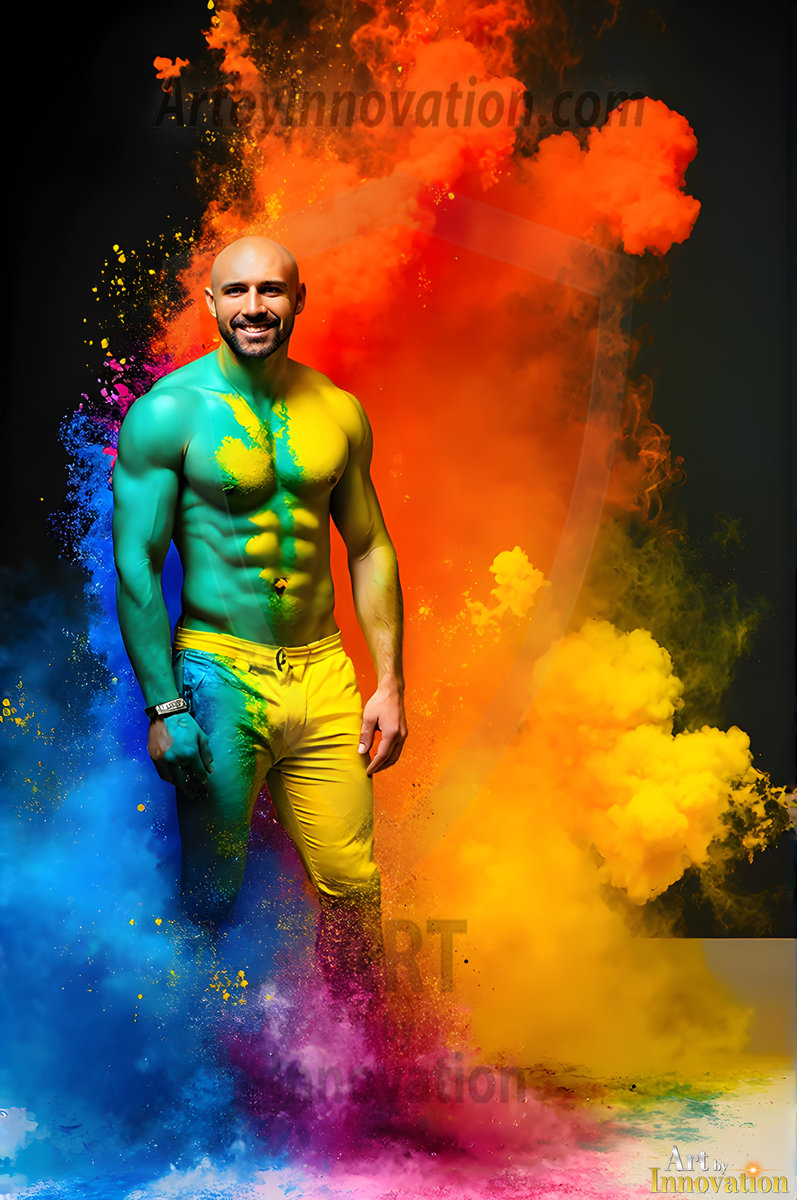
The colors of the LGBTQ+ Pride flags are designed to celebrate the diversity of human experience, visibility, and hope, with each shade representing a specific value that honors the LGBTQ+ community. Created in 1978 by artist Gilbert Baker, the rainbow flag has evolved to include more inclusive colors, showcasing how variety in identity makes individuals uniquely themselves. Meanings Behind the Colors, Red (Life): Represents the vitality and passion of LGBTQ+ people. Orange (Healing): Symbolizes the healing power within the community, often in the face of adversity. Yellow (Sunlight): Signifies the brightness and joy of being true to oneself. Green (Nature): Represents a connection to nature, the environment, and prosperity. Blue/Indigo (Serenity/Harmony): Symbolizes serenity, calm, and inner strength found in living one's truth. Violet/Purple (Spirit): Represents the spirit, strength, and resilience of the community.
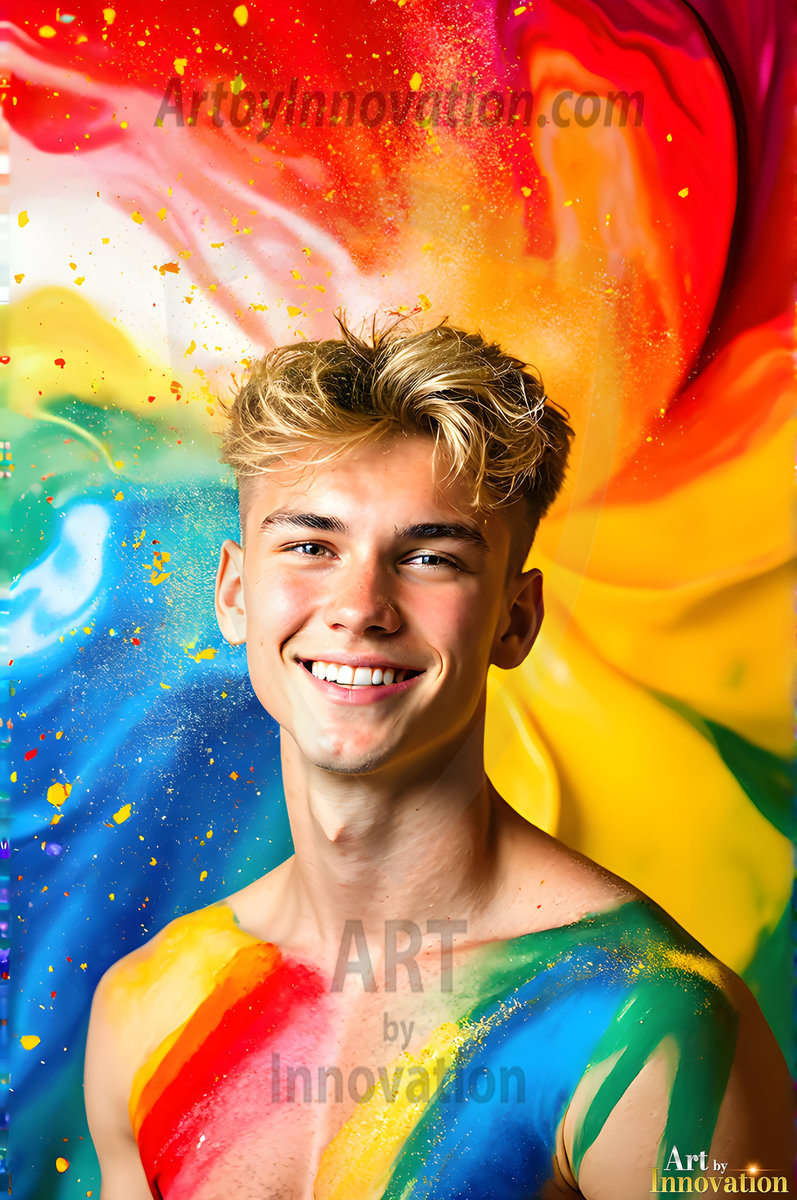
The colors of the LGBTQ+ Pride flags are designed to celebrate the diversity of human experience, visibility, and hope, with each shade representing a specific value that honors the LGBTQ+ community. Created in 1978 by artist Gilbert Baker, the rainbow flag has evolved to include more inclusive colors, showcasing how variety in identity makes individuals uniquely themselves. Meanings Behind the Colors, Red (Life): Represents the vitality and passion of LGBTQ+ people. Orange (Healing): Symbolizes the healing power within the community, often in the face of adversity. Yellow (Sunlight): Signifies the brightness and joy of being true to oneself. Green (Nature): Represents a connection to nature, the environment, and prosperity. Blue/Indigo (Serenity/Harmony): Symbolizes serenity, calm, and inner strength found in living one's truth. Violet/Purple (Spirit): Represents the spirit, strength, and resilience of the community.
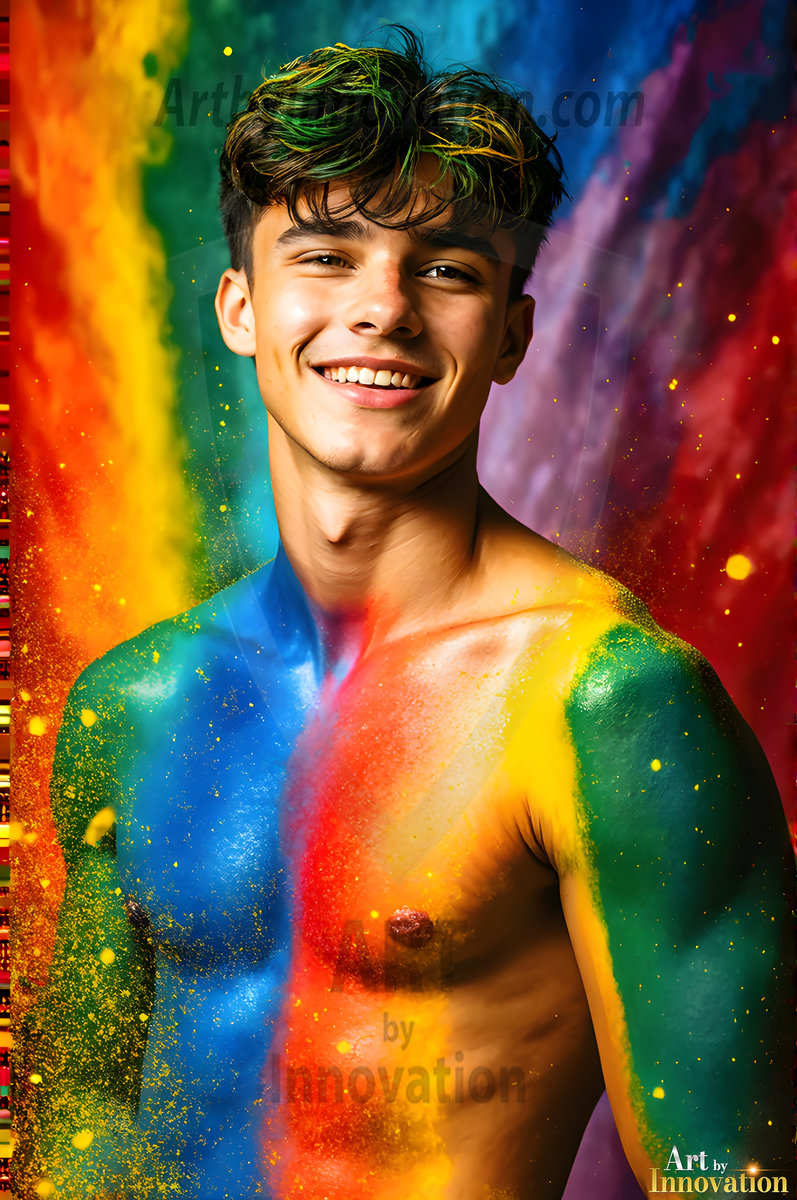
The colors of the LGBTQ+ Pride flags are designed to celebrate the diversity of human experience, visibility, and hope, with each shade representing a specific value that honors the LGBTQ+ community. Created in 1978 by artist Gilbert Baker, the rainbow flag has evolved to include more inclusive colors, showcasing how variety in identity makes individuals uniquely themselves. Meanings Behind the Colors, Red (Life): Represents the vitality and passion of LGBTQ+ people. Orange (Healing): Symbolizes the healing power within the community, often in the face of adversity. Yellow (Sunlight): Signifies the brightness and joy of being true to oneself. Green (Nature): Represents a connection to nature, the environment, and prosperity. Blue/Indigo (Serenity/Harmony): Symbolizes serenity, calm, and inner strength found in living one's truth. Violet/Purple (Spirit): Represents the spirit, strength, and resilience of the community.
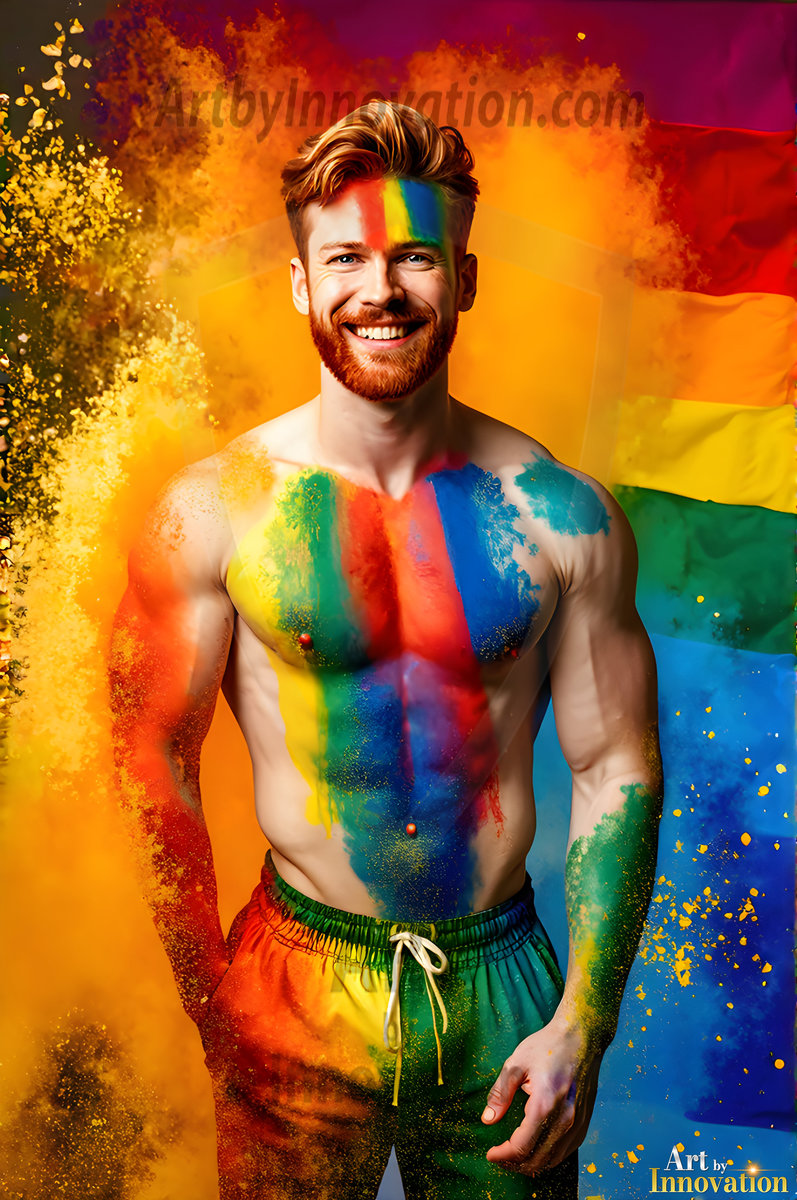
The colors of the LGBTQ+ Pride flags are designed to celebrate the diversity of human experience, visibility, and hope, with each shade representing a specific value that honors the LGBTQ+ community. Created in 1978 by artist Gilbert Baker, the rainbow flag has evolved to include more inclusive colors, showcasing how variety in identity makes individuals uniquely themselves. Meanings Behind the Colors, Red (Life): Represents the vitality and passion of LGBTQ+ people. Orange (Healing): Symbolizes the healing power within the community, often in the face of adversity. Yellow (Sunlight): Signifies the brightness and joy of being true to oneself. Green (Nature): Represents a connection to nature, the environment, and prosperity. Blue/Indigo (Serenity/Harmony): Symbolizes serenity, calm, and inner strength found in living one's truth. Violet/Purple (Spirit): Represents the spirit, strength, and resilience of the community.

The colors of the LGBTQ+ Pride flags are designed to celebrate the diversity of human experience, visibility, and hope, with each shade representing a specific value that honors the LGBTQ+ community. Created in 1978 by artist Gilbert Baker, the rainbow flag has evolved to include more inclusive colors, showcasing how variety in identity makes individuals uniquely themselves. Meanings Behind the Colors, Red (Life): Represents the vitality and passion of LGBTQ+ people. Orange (Healing): Symbolizes the healing power within the community, often in the face of adversity. Yellow (Sunlight): Signifies the brightness and joy of being true to oneself. Green (Nature): Represents a connection to nature, the environment, and prosperity. Blue/Indigo (Serenity/Harmony): Symbolizes serenity, calm, and inner strength found in living one's truth. Violet/Purple (Spirit): Represents the spirit, strength, and resilience of the community.
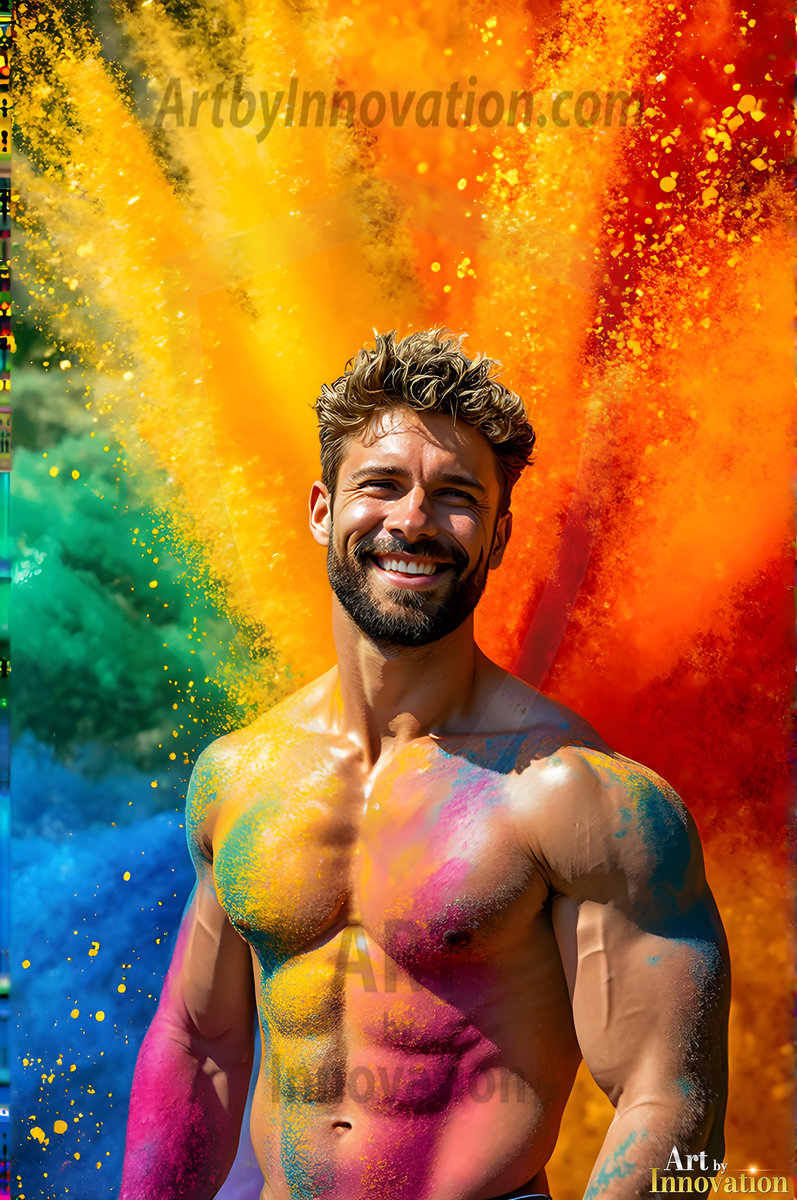
The colors of the LGBTQ+ Pride flags are designed to celebrate the diversity of human experience, visibility, and hope, with each shade representing a specific value that honors the LGBTQ+ community. Created in 1978 by artist Gilbert Baker, the rainbow flag has evolved to include more inclusive colors, showcasing how variety in identity makes individuals uniquely themselves. Meanings Behind the Colors, Red (Life): Represents the vitality and passion of LGBTQ+ people. Orange (Healing): Symbolizes the healing power within the community, often in the face of adversity. Yellow (Sunlight): Signifies the brightness and joy of being true to oneself. Green (Nature): Represents a connection to nature, the environment, and prosperity. Blue/Indigo (Serenity/Harmony): Symbolizes serenity, calm, and inner strength found in living one's truth. Violet/Purple (Spirit): Represents the spirit, strength, and resilience of the community.

The colors of the LGBTQ+ Pride flags are designed to celebrate the diversity of human experience, visibility, and hope, with each shade representing a specific value that honors the LGBTQ+ community. Created in 1978 by artist Gilbert Baker, the rainbow flag has evolved to include more inclusive colors, showcasing how variety in identity makes individuals uniquely themselves. Meanings Behind the Colors, Red (Life): Represents the vitality and passion of LGBTQ+ people. Orange (Healing): Symbolizes the healing power within the community, often in the face of adversity. Yellow (Sunlight): Signifies the brightness and joy of being true to oneself. Green (Nature): Represents a connection to nature, the environment, and prosperity. Blue/Indigo (Serenity/Harmony): Symbolizes serenity, calm, and inner strength found in living one's truth. Violet/Purple (Spirit): Represents the spirit, strength, and resilience of the community.
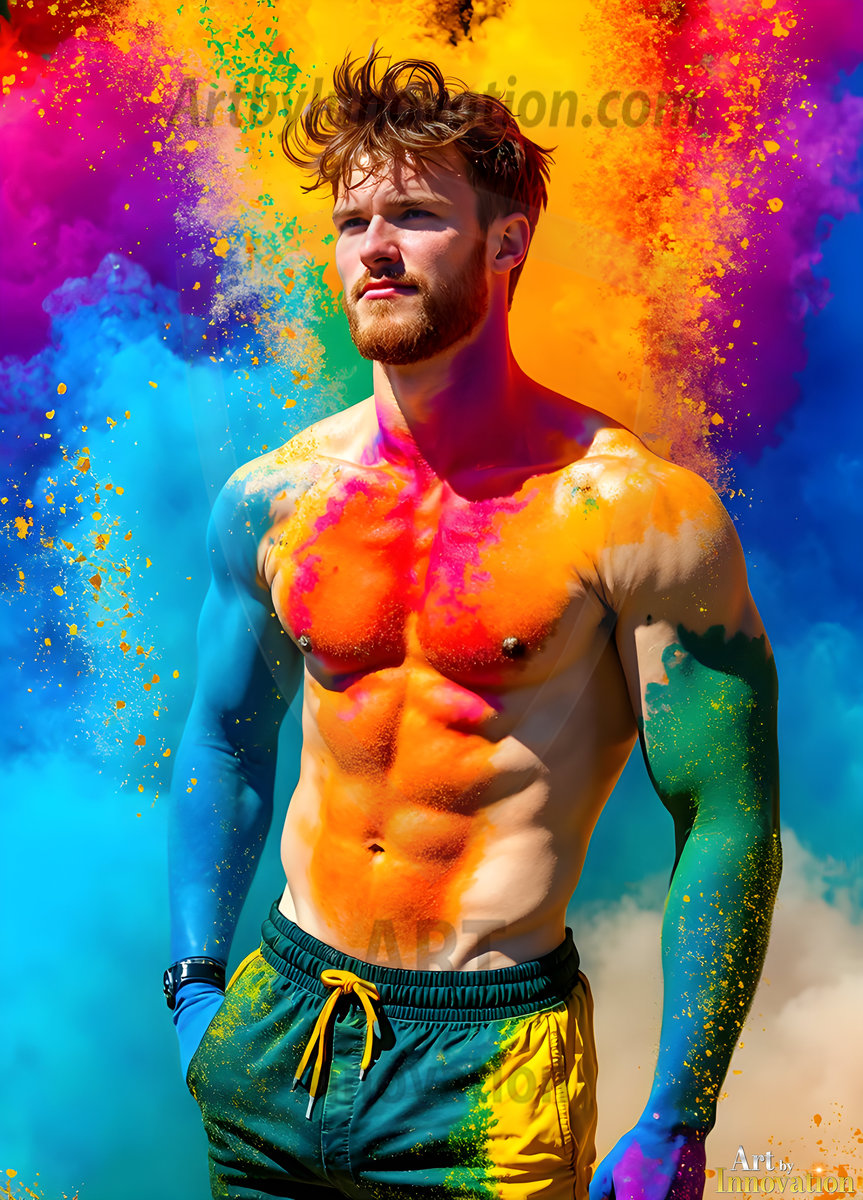
The colors of the LGBTQ+ Pride flags are designed to celebrate the diversity of human experience, visibility, and hope, with each shade representing a specific value that honors the LGBTQ+ community. Created in 1978 by artist Gilbert Baker, the rainbow flag has evolved to include more inclusive colors, showcasing how variety in identity makes individuals uniquely themselves. Meanings Behind the Colors, Red (Life): Represents the vitality and passion of LGBTQ+ people. Orange (Healing): Symbolizes the healing power within the community, often in the face of adversity. Yellow (Sunlight): Signifies the brightness and joy of being true to oneself. Green (Nature): Represents a connection to nature, the environment, and prosperity. Blue/Indigo (Serenity/Harmony): Symbolizes serenity, calm, and inner strength found in living one's truth. Violet/Purple (Spirit): Represents the spirit, strength, and resilience of the community.
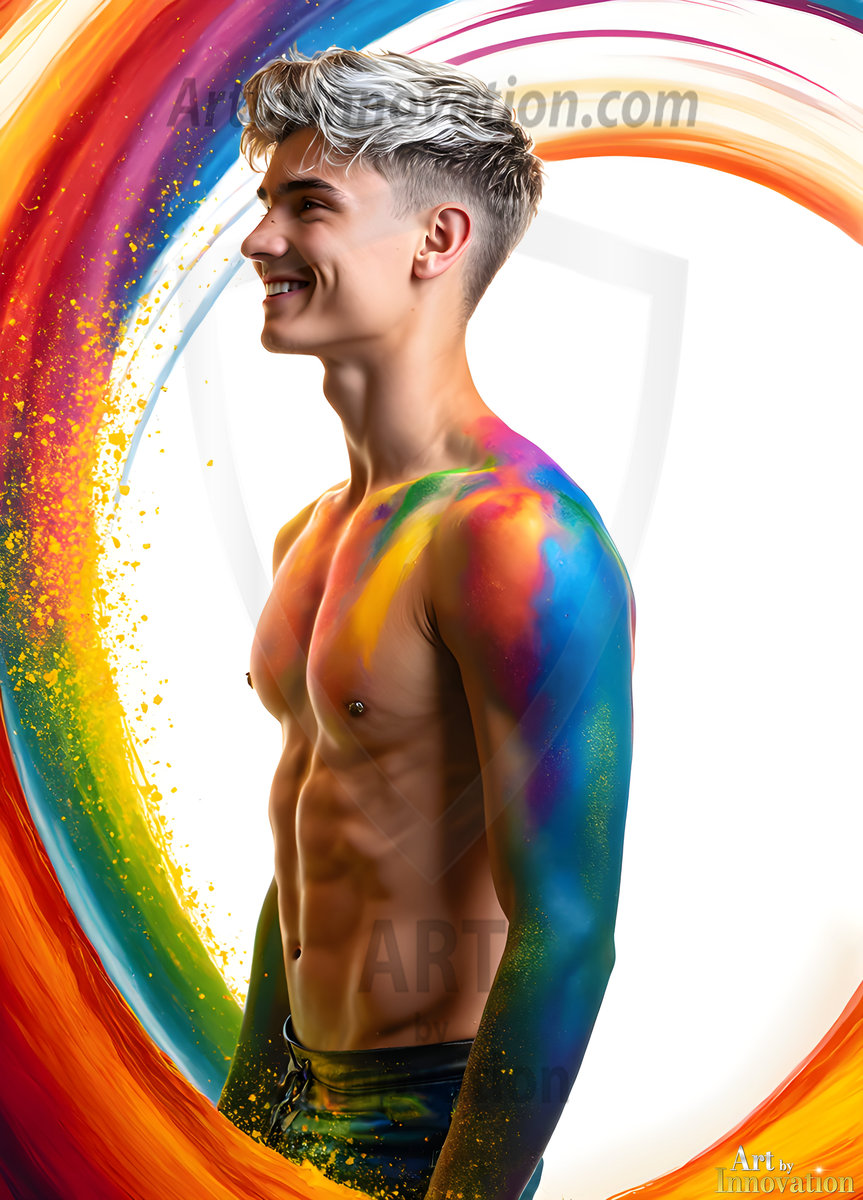
The colors of the LGBTQ+ Pride flags are designed to celebrate the diversity of human experience, visibility, and hope, with each shade representing a specific value that honors the LGBTQ+ community. Created in 1978 by artist Gilbert Baker, the rainbow flag has evolved to include more inclusive colors, showcasing how variety in identity makes individuals uniquely themselves. Meanings Behind the Colors, Red (Life): Represents the vitality and passion of LGBTQ+ people. Orange (Healing): Symbolizes the healing power within the community, often in the face of adversity. Yellow (Sunlight): Signifies the brightness and joy of being true to oneself. Green (Nature): Represents a connection to nature, the environment, and prosperity. Blue/Indigo (Serenity/Harmony): Symbolizes serenity, calm, and inner strength found in living one's truth. Violet/Purple (Spirit): Represents the spirit, strength, and resilience of the community.
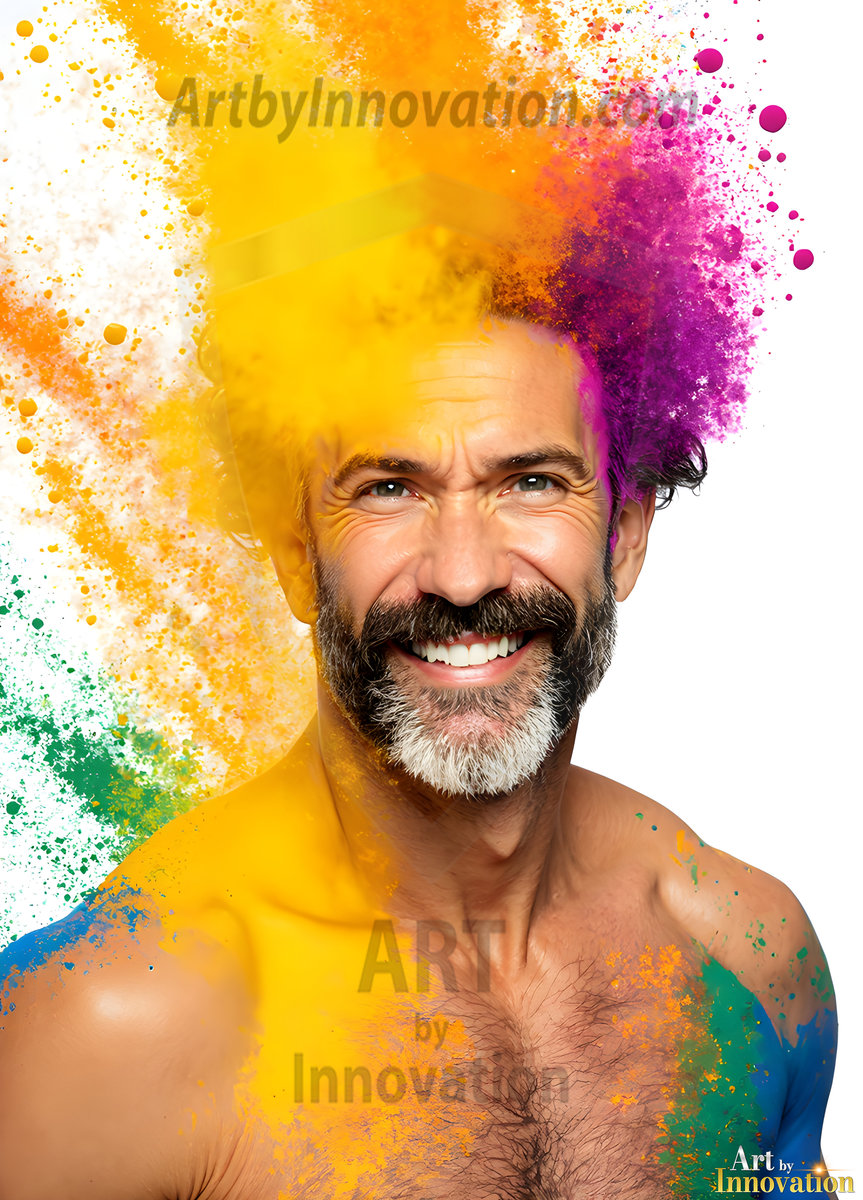
The colors of the LGBTQ+ Pride flags are designed to celebrate the diversity of human experience, visibility, and hope, with each shade representing a specific value that honors the LGBTQ+ community. Created in 1978 by artist Gilbert Baker, the rainbow flag has evolved to include more inclusive colors, showcasing how variety in identity makes individuals uniquely themselves. Meanings Behind the Colors, Red (Life): Represents the vitality and passion of LGBTQ+ people. Orange (Healing): Symbolizes the healing power within the community, often in the face of adversity. Yellow (Sunlight): Signifies the brightness and joy of being true to oneself. Green (Nature): Represents a connection to nature, the environment, and prosperity. Blue/Indigo (Serenity/Harmony): Symbolizes serenity, calm, and inner strength found in living one's truth. Violet/Purple (Spirit): Represents the spirit, strength, and resilience of the community.
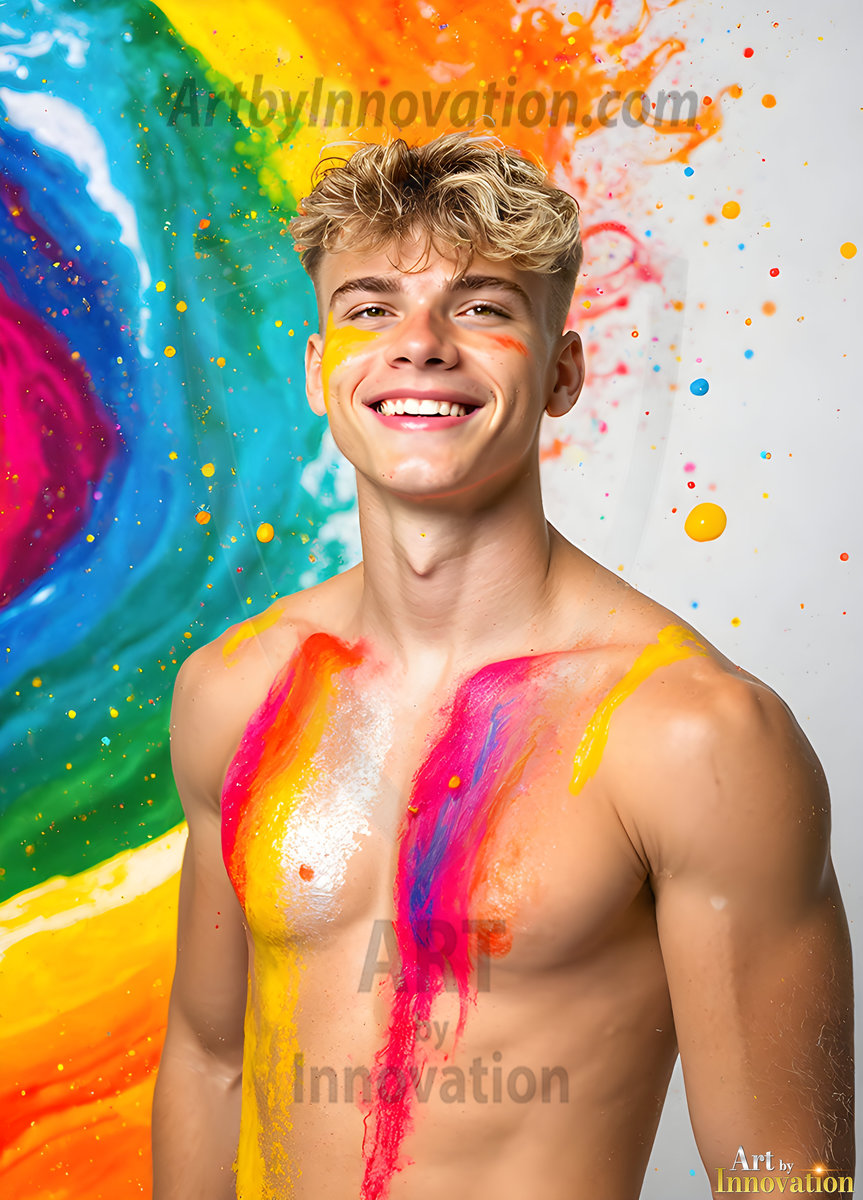
The colors of the LGBTQ+ Pride flags are designed to celebrate the diversity of human experience, visibility, and hope, with each shade representing a specific value that honors the LGBTQ+ community. Created in 1978 by artist Gilbert Baker, the rainbow flag has evolved to include more inclusive colors, showcasing how variety in identity makes individuals uniquely themselves. Meanings Behind the Colors, Red (Life): Represents the vitality and passion of LGBTQ+ people. Orange (Healing): Symbolizes the healing power within the community, often in the face of adversity. Yellow (Sunlight): Signifies the brightness and joy of being true to oneself. Green (Nature): Represents a connection to nature, the environment, and prosperity. Blue/Indigo (Serenity/Harmony): Symbolizes serenity, calm, and inner strength found in living one's truth. Violet/Purple (Spirit): Represents the spirit, strength, and resilience of the community.
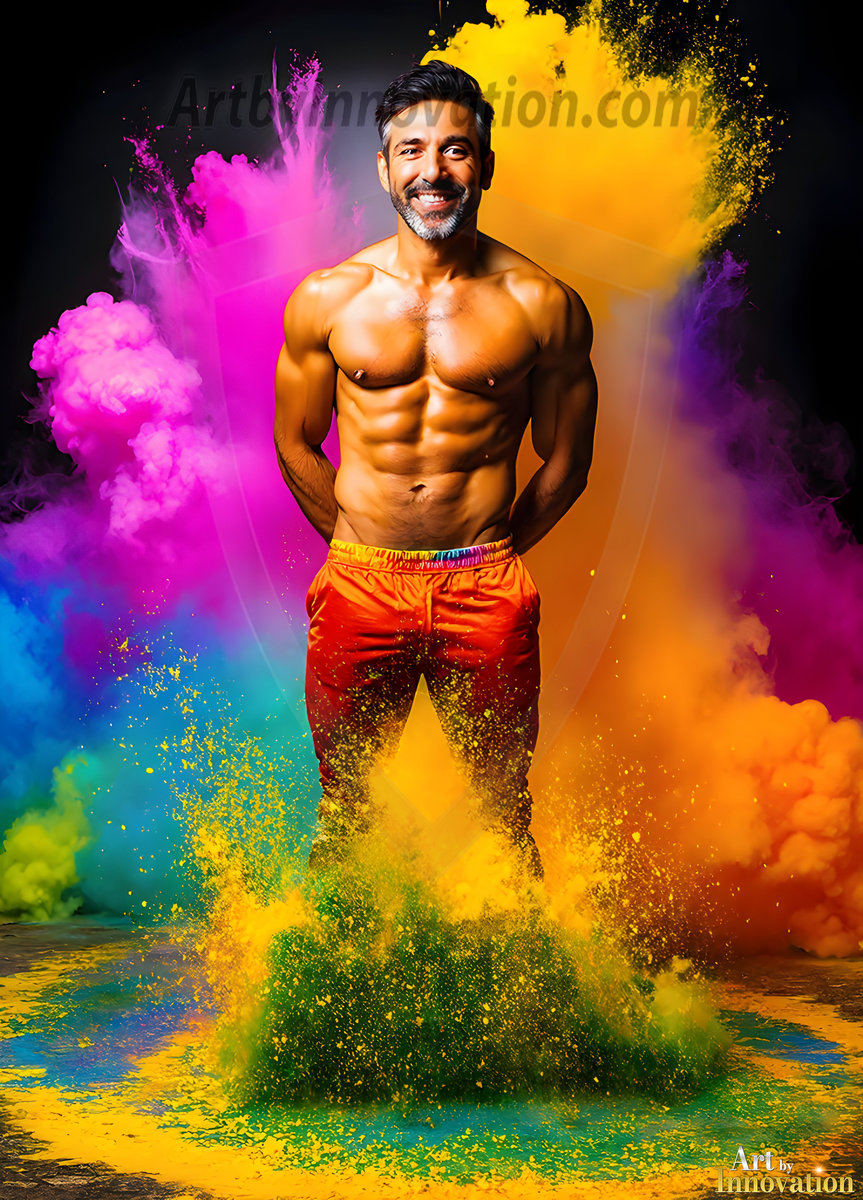
The colors of the LGBTQ+ Pride flags are designed to celebrate the diversity of human experience, visibility, and hope, with each shade representing a specific value that honors the LGBTQ+ community. Created in 1978 by artist Gilbert Baker, the rainbow flag has evolved to include more inclusive colors, showcasing how variety in identity makes individuals uniquely themselves. Meanings Behind the Colors, Red (Life): Represents the vitality and passion of LGBTQ+ people. Orange (Healing): Symbolizes the healing power within the community, often in the face of adversity. Yellow (Sunlight): Signifies the brightness and joy of being true to oneself. Green (Nature): Represents a connection to nature, the environment, and prosperity. Blue/Indigo (Serenity/Harmony): Symbolizes serenity, calm, and inner strength found in living one's truth. Violet/Purple (Spirit): Represents the spirit, strength, and resilience of the community.
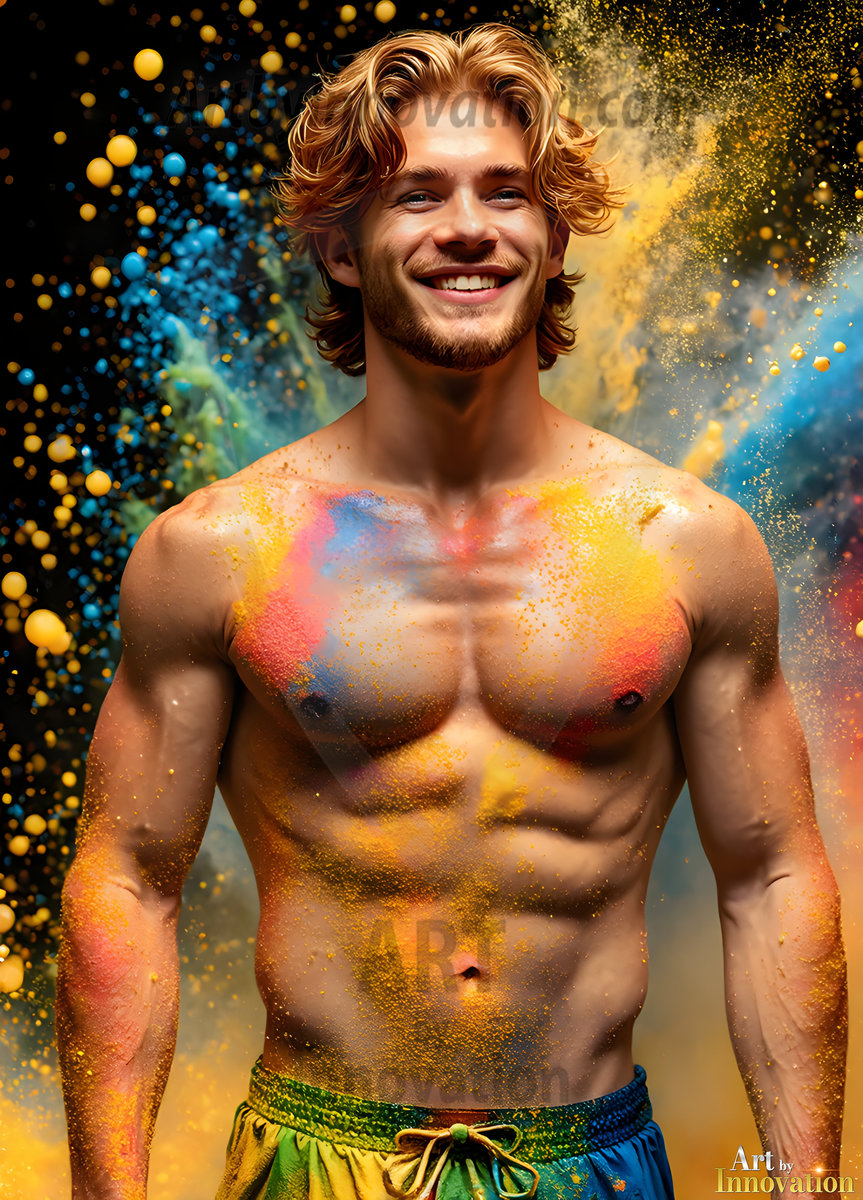
The colors of the LGBTQ+ Pride flags are designed to celebrate the diversity of human experience, visibility, and hope, with each shade representing a specific value that honors the LGBTQ+ community. Created in 1978 by artist Gilbert Baker, the rainbow flag has evolved to include more inclusive colors, showcasing how variety in identity makes individuals uniquely themselves. Meanings Behind the Colors, Red (Life): Represents the vitality and passion of LGBTQ+ people. Orange (Healing): Symbolizes the healing power within the community, often in the face of adversity. Yellow (Sunlight): Signifies the brightness and joy of being true to oneself. Green (Nature): Represents a connection to nature, the environment, and prosperity. Blue/Indigo (Serenity/Harmony): Symbolizes serenity, calm, and inner strength found in living one's truth. Violet/Purple (Spirit): Represents the spirit, strength, and resilience of the community.
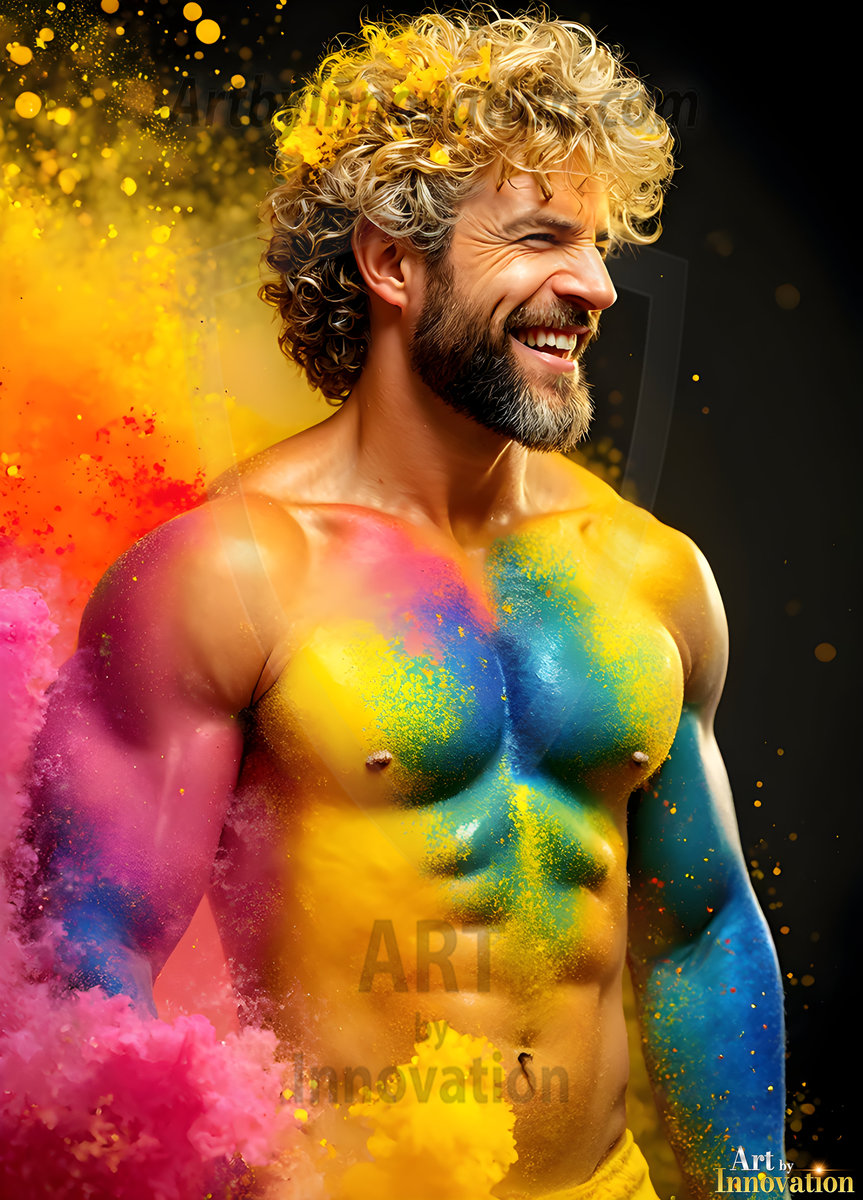
The colors of the LGBTQ+ Pride flags are designed to celebrate the diversity of human experience, visibility, and hope, with each shade representing a specific value that honors the LGBTQ+ community. Created in 1978 by artist Gilbert Baker, the rainbow flag has evolved to include more inclusive colors, showcasing how variety in identity makes individuals uniquely themselves. Meanings Behind the Colors, Red (Life): Represents the vitality and passion of LGBTQ+ people. Orange (Healing): Symbolizes the healing power within the community, often in the face of adversity. Yellow (Sunlight): Signifies the brightness and joy of being true to oneself. Green (Nature): Represents a connection to nature, the environment, and prosperity. Blue/Indigo (Serenity/Harmony): Symbolizes serenity, calm, and inner strength found in living one's truth. Violet/Purple (Spirit): Represents the spirit, strength, and resilience of the community.
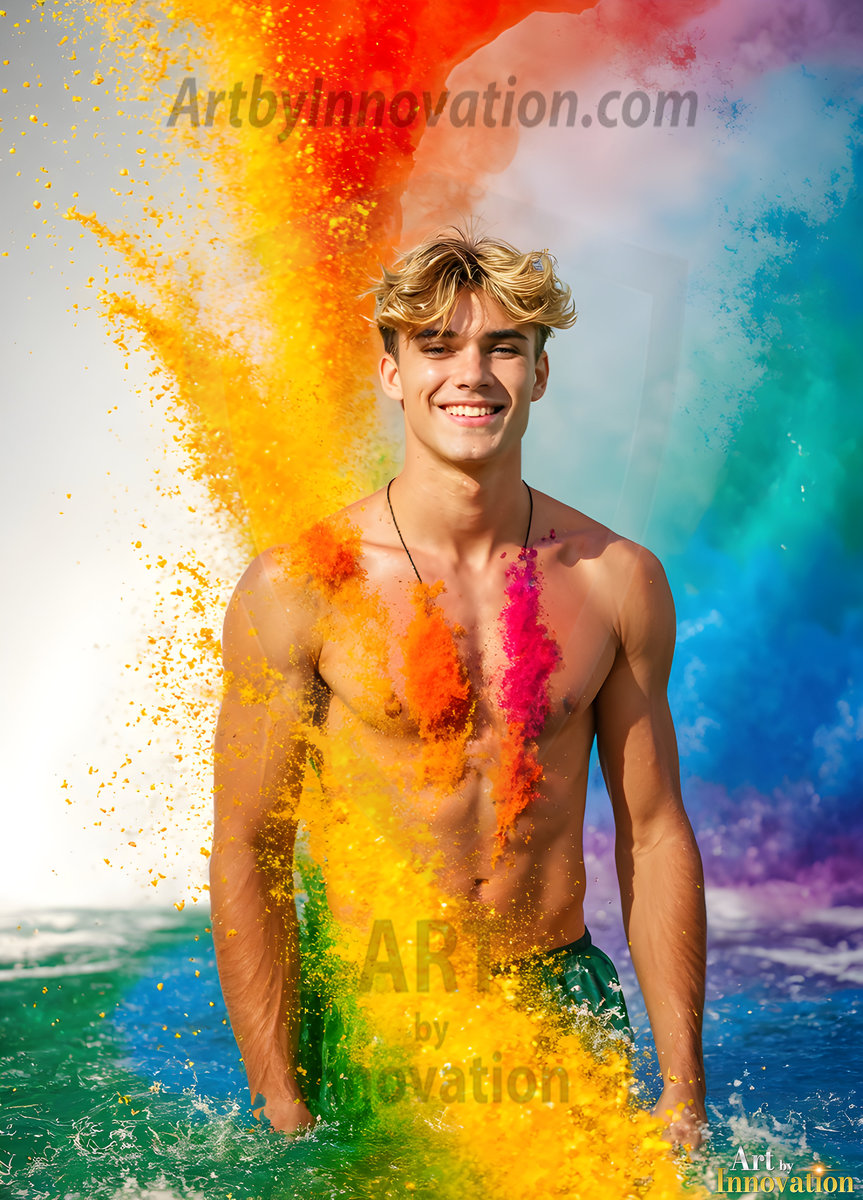
The colors of the LGBTQ+ Pride flags are designed to celebrate the diversity of human experience, visibility, and hope, with each shade representing a specific value that honors the LGBTQ+ community. Created in 1978 by artist Gilbert Baker, the rainbow flag has evolved to include more inclusive colors, showcasing how variety in identity makes individuals uniquely themselves. Meanings Behind the Colors, Red (Life): Represents the vitality and passion of LGBTQ+ people. Orange (Healing): Symbolizes the healing power within the community, often in the face of adversity. Yellow (Sunlight): Signifies the brightness and joy of being true to oneself. Green (Nature): Represents a connection to nature, the environment, and prosperity. Blue/Indigo (Serenity/Harmony): Symbolizes serenity, calm, and inner strength found in living one's truth. Violet/Purple (Spirit): Represents the spirit, strength, and resilience of the community.
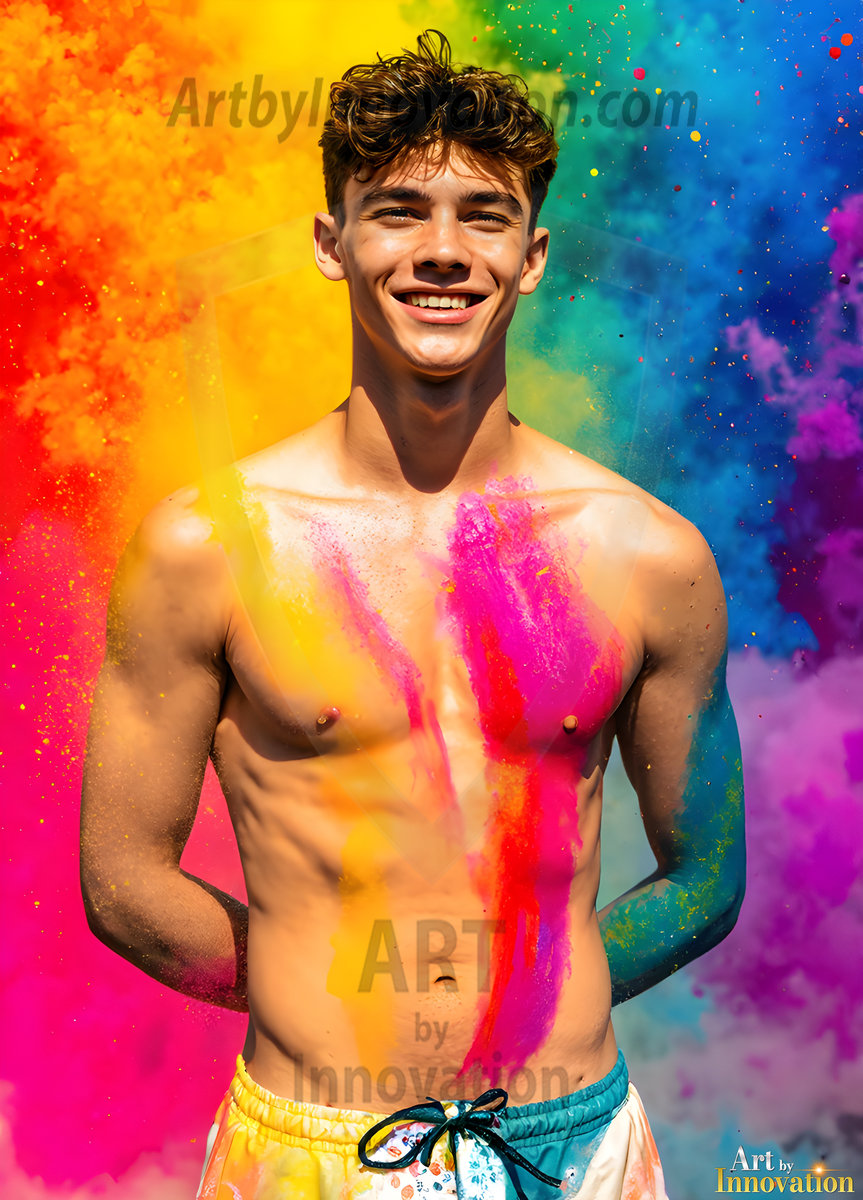
The colors of the LGBTQ+ Pride flags are designed to celebrate the diversity of human experience, visibility, and hope, with each shade representing a specific value that honors the LGBTQ+ community. Created in 1978 by artist Gilbert Baker, the rainbow flag has evolved to include more inclusive colors, showcasing how variety in identity makes individuals uniquely themselves. Meanings Behind the Colors, Red (Life): Represents the vitality and passion of LGBTQ+ people. Orange (Healing): Symbolizes the healing power within the community, often in the face of adversity. Yellow (Sunlight): Signifies the brightness and joy of being true to oneself. Green (Nature): Represents a connection to nature, the environment, and prosperity. Blue/Indigo (Serenity/Harmony): Symbolizes serenity, calm, and inner strength found in living one's truth. Violet/Purple (Spirit): Represents the spirit, strength, and resilience of the community.

The colors of the LGBTQ+ Pride flags are designed to celebrate the diversity of human experience, visibility, and hope, with each shade representing a specific value that honors the LGBTQ+ community. Created in 1978 by artist Gilbert Baker, the rainbow flag has evolved to include more inclusive colors, showcasing how variety in identity makes individuals uniquely themselves. Meanings Behind the Colors, Red (Life): Represents the vitality and passion of LGBTQ+ people. Orange (Healing): Symbolizes the healing power within the community, often in the face of adversity. Yellow (Sunlight): Signifies the brightness and joy of being true to oneself. Green (Nature): Represents a connection to nature, the environment, and prosperity. Blue/Indigo (Serenity/Harmony): Symbolizes serenity, calm, and inner strength found in living one's truth. Violet/Purple (Spirit): Represents the spirit, strength, and resilience of the community.
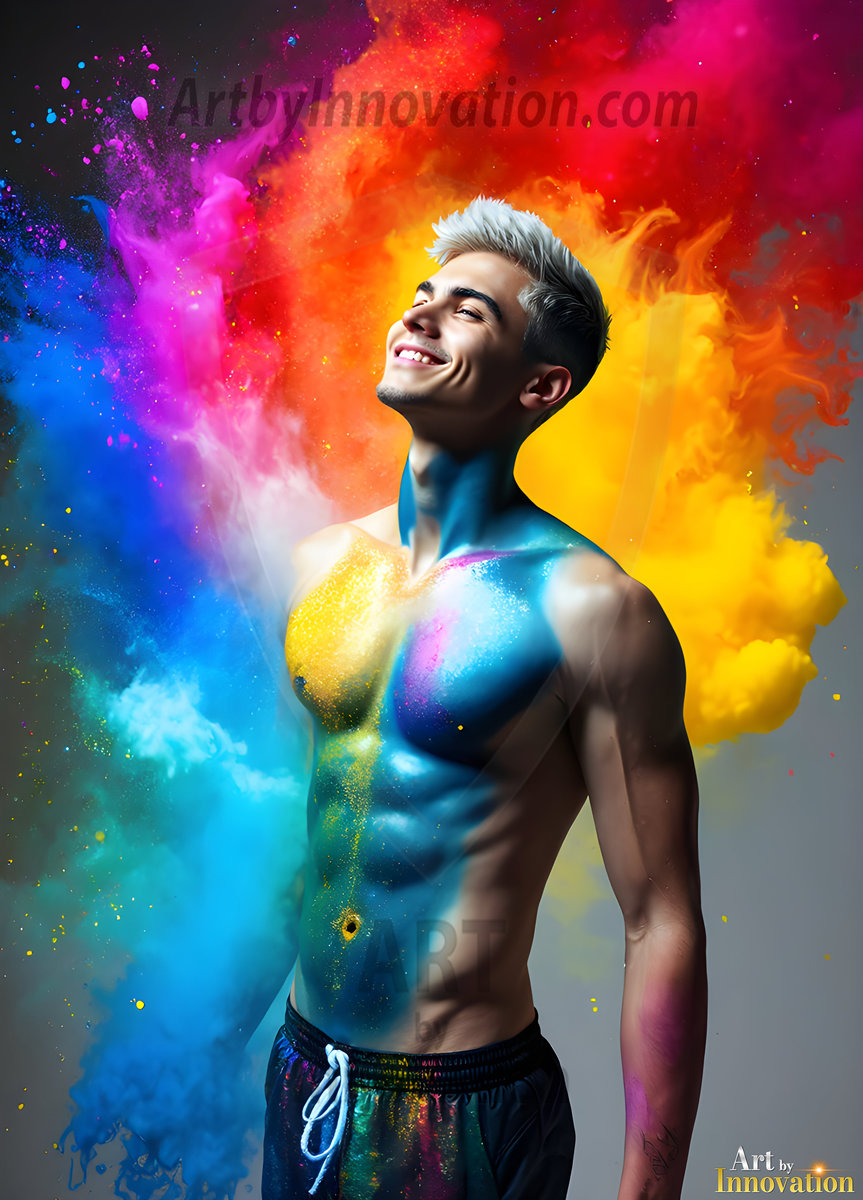
The colors of the LGBTQ+ Pride flags are designed to celebrate the diversity of human experience, visibility, and hope, with each shade representing a specific value that honors the LGBTQ+ community. Created in 1978 by artist Gilbert Baker, the rainbow flag has evolved to include more inclusive colors, showcasing how variety in identity makes individuals uniquely themselves. Meanings Behind the Colors, Red (Life): Represents the vitality and passion of LGBTQ+ people. Orange (Healing): Symbolizes the healing power within the community, often in the face of adversity. Yellow (Sunlight): Signifies the brightness and joy of being true to oneself. Green (Nature): Represents a connection to nature, the environment, and prosperity. Blue/Indigo (Serenity/Harmony): Symbolizes serenity, calm, and inner strength found in living one's truth. Violet/Purple (Spirit): Represents the spirit, strength, and resilience of the community.

The colors of the LGBTQ+ Pride flags are designed to celebrate the diversity of human experience, visibility, and hope, with each shade representing a specific value that honors the LGBTQ+ community. Created in 1978 by artist Gilbert Baker, the rainbow flag has evolved to include more inclusive colors, showcasing how variety in identity makes individuals uniquely themselves. Meanings Behind the Colors, Red (Life): Represents the vitality and passion of LGBTQ+ people. Orange (Healing): Symbolizes the healing power within the community, often in the face of adversity. Yellow (Sunlight): Signifies the brightness and joy of being true to oneself. Green (Nature): Represents a connection to nature, the environment, and prosperity. Blue/Indigo (Serenity/Harmony): Symbolizes serenity, calm, and inner strength found in living one's truth. Violet/Purple (Spirit): Represents the spirit, strength, and resilience of the community.
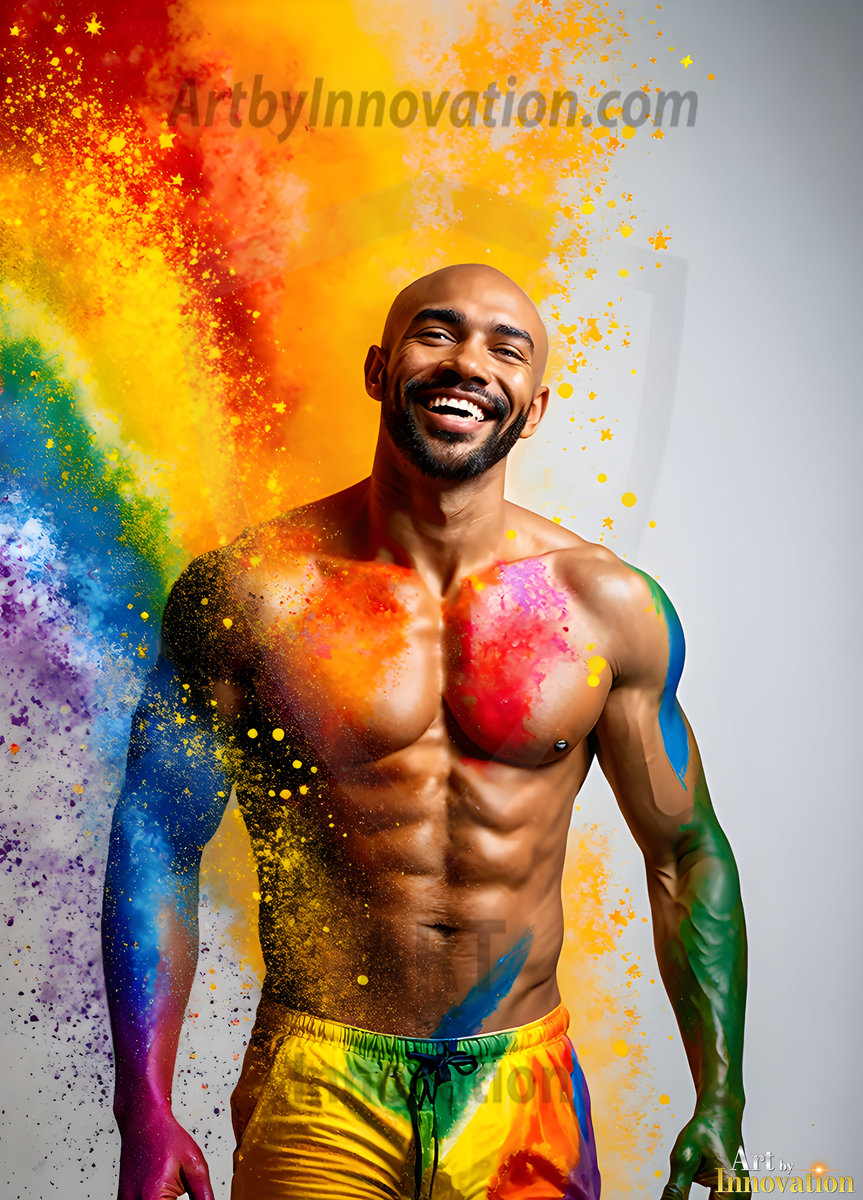
The colors of the LGBTQ+ Pride flags are designed to celebrate the diversity of human experience, visibility, and hope, with each shade representing a specific value that honors the LGBTQ+ community. Created in 1978 by artist Gilbert Baker, the rainbow flag has evolved to include more inclusive colors, showcasing how variety in identity makes individuals uniquely themselves. Meanings Behind the Colors, Red (Life): Represents the vitality and passion of LGBTQ+ people. Orange (Healing): Symbolizes the healing power within the community, often in the face of adversity. Yellow (Sunlight): Signifies the brightness and joy of being true to oneself. Green (Nature): Represents a connection to nature, the environment, and prosperity. Blue/Indigo (Serenity/Harmony): Symbolizes serenity, calm, and inner strength found in living one's truth. Violet/Purple (Spirit): Represents the spirit, strength, and resilience of the community.
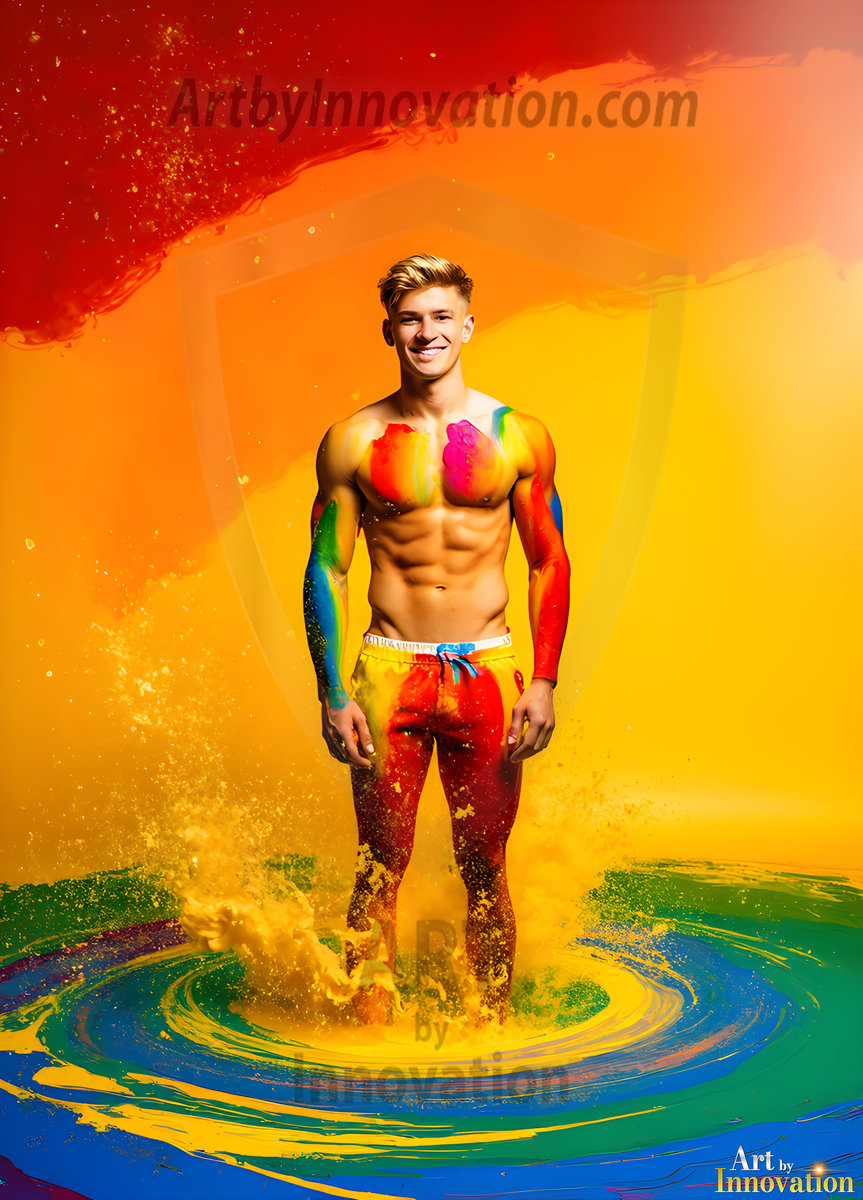
The colors of the LGBTQ+ Pride flags are designed to celebrate the diversity of human experience, visibility, and hope, with each shade representing a specific value that honors the LGBTQ+ community. Created in 1978 by artist Gilbert Baker, the rainbow flag has evolved to include more inclusive colors, showcasing how variety in identity makes individuals uniquely themselves. Meanings Behind the Colors, Red (Life): Represents the vitality and passion of LGBTQ+ people. Orange (Healing): Symbolizes the healing power within the community, often in the face of adversity. Yellow (Sunlight): Signifies the brightness and joy of being true to oneself. Green (Nature): Represents a connection to nature, the environment, and prosperity. Blue/Indigo (Serenity/Harmony): Symbolizes serenity, calm, and inner strength found in living one's truth. Violet/Purple (Spirit): Represents the spirit, strength, and resilience of the community.
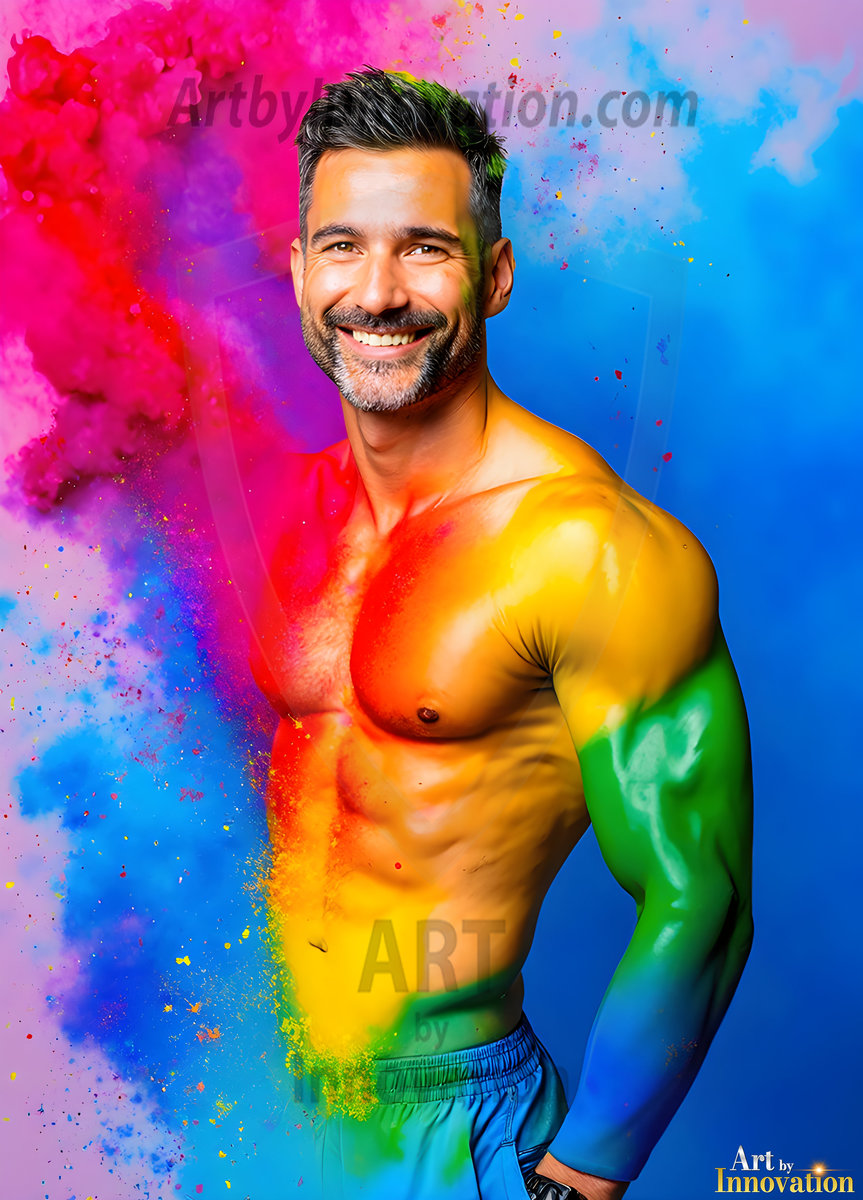
The colors of the LGBTQ+ Pride flags are designed to celebrate the diversity of human experience, visibility, and hope, with each shade representing a specific value that honors the LGBTQ+ community. Created in 1978 by artist Gilbert Baker, the rainbow flag has evolved to include more inclusive colors, showcasing how variety in identity makes individuals uniquely themselves. Meanings Behind the Colors, Red (Life): Represents the vitality and passion of LGBTQ+ people. Orange (Healing): Symbolizes the healing power within the community, often in the face of adversity. Yellow (Sunlight): Signifies the brightness and joy of being true to oneself. Green (Nature): Represents a connection to nature, the environment, and prosperity. Blue/Indigo (Serenity/Harmony): Symbolizes serenity, calm, and inner strength found in living one's truth. Violet/Purple (Spirit): Represents the spirit, strength, and resilience of the community.
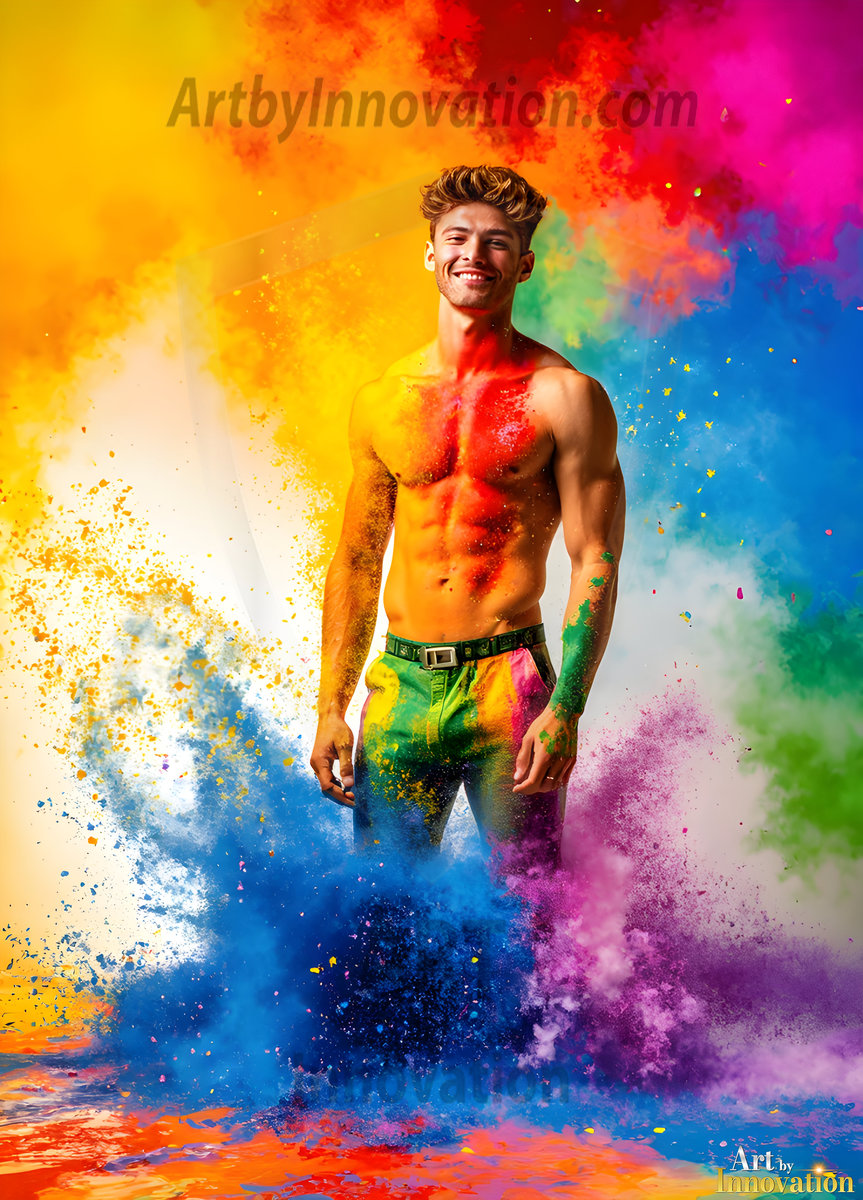
The colors of the LGBTQ+ Pride flags are designed to celebrate the diversity of human experience, visibility, and hope, with each shade representing a specific value that honors the LGBTQ+ community. Created in 1978 by artist Gilbert Baker, the rainbow flag has evolved to include more inclusive colors, showcasing how variety in identity makes individuals uniquely themselves. Meanings Behind the Colors, Red (Life): Represents the vitality and passion of LGBTQ+ people. Orange (Healing): Symbolizes the healing power within the community, often in the face of adversity. Yellow (Sunlight): Signifies the brightness and joy of being true to oneself. Green (Nature): Represents a connection to nature, the environment, and prosperity. Blue/Indigo (Serenity/Harmony): Symbolizes serenity, calm, and inner strength found in living one's truth. Violet/Purple (Spirit): Represents the spirit, strength, and resilience of the community.
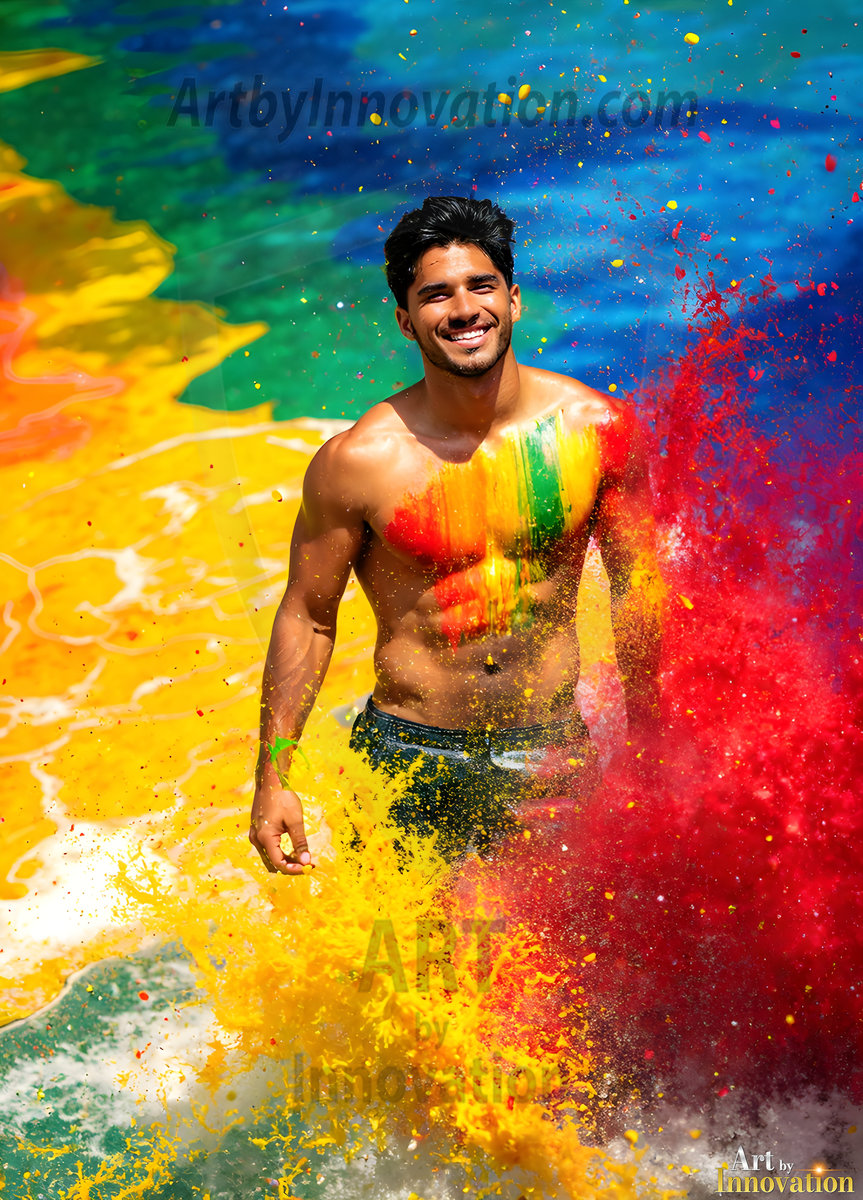
The colors of the LGBTQ+ Pride flags are designed to celebrate the diversity of human experience, visibility, and hope, with each shade representing a specific value that honors the LGBTQ+ community. Created in 1978 by artist Gilbert Baker, the rainbow flag has evolved to include more inclusive colors, showcasing how variety in identity makes individuals uniquely themselves. Meanings Behind the Colors, Red (Life): Represents the vitality and passion of LGBTQ+ people. Orange (Healing): Symbolizes the healing power within the community, often in the face of adversity. Yellow (Sunlight): Signifies the brightness and joy of being true to oneself. Green (Nature): Represents a connection to nature, the environment, and prosperity. Blue/Indigo (Serenity/Harmony): Symbolizes serenity, calm, and inner strength found in living one's truth. Violet/Purple (Spirit): Represents the spirit, strength, and resilience of the community.
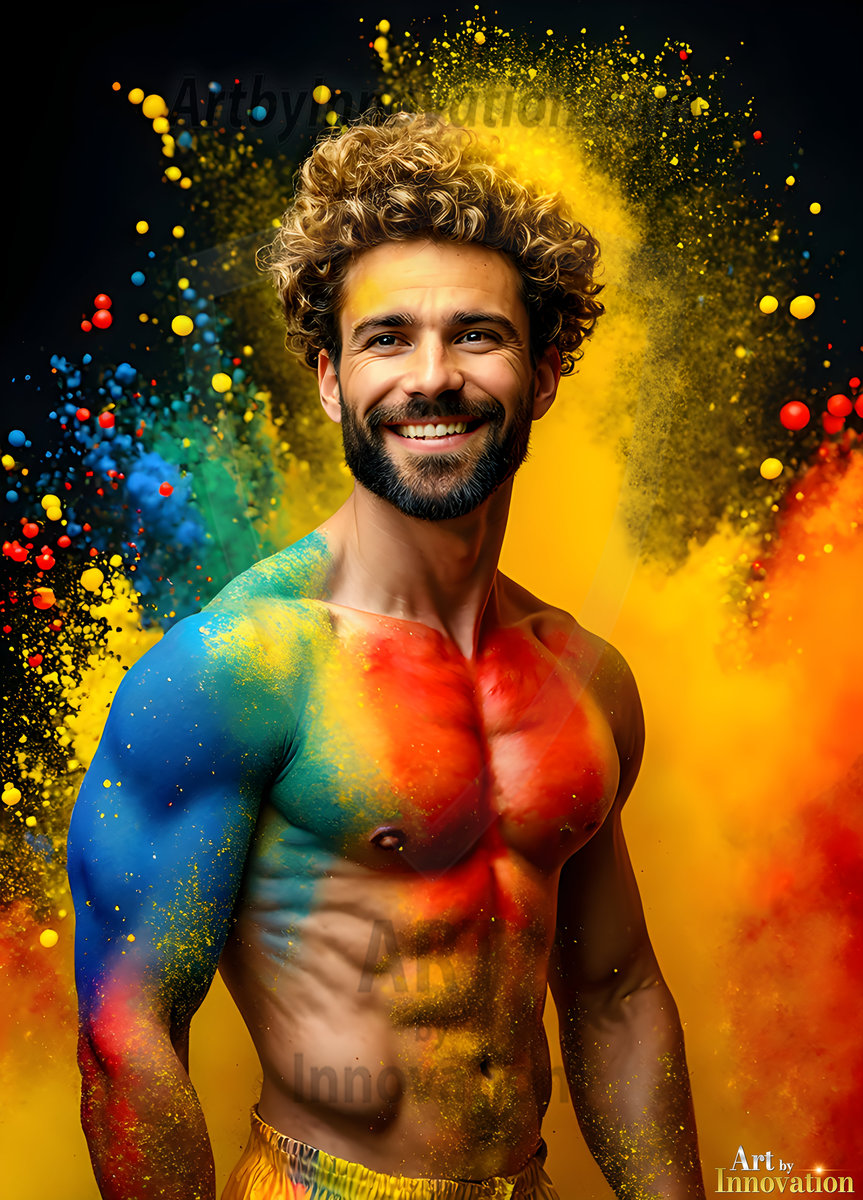
The colors of the LGBTQ+ Pride flags are designed to celebrate the diversity of human experience, visibility, and hope, with each shade representing a specific value that honors the LGBTQ+ community. Created in 1978 by artist Gilbert Baker, the rainbow flag has evolved to include more inclusive colors, showcasing how variety in identity makes individuals uniquely themselves. Meanings Behind the Colors, Red (Life): Represents the vitality and passion of LGBTQ+ people. Orange (Healing): Symbolizes the healing power within the community, often in the face of adversity. Yellow (Sunlight): Signifies the brightness and joy of being true to oneself. Green (Nature): Represents a connection to nature, the environment, and prosperity. Blue/Indigo (Serenity/Harmony): Symbolizes serenity, calm, and inner strength found in living one's truth. Violet/Purple (Spirit): Represents the spirit, strength, and resilience of the community.
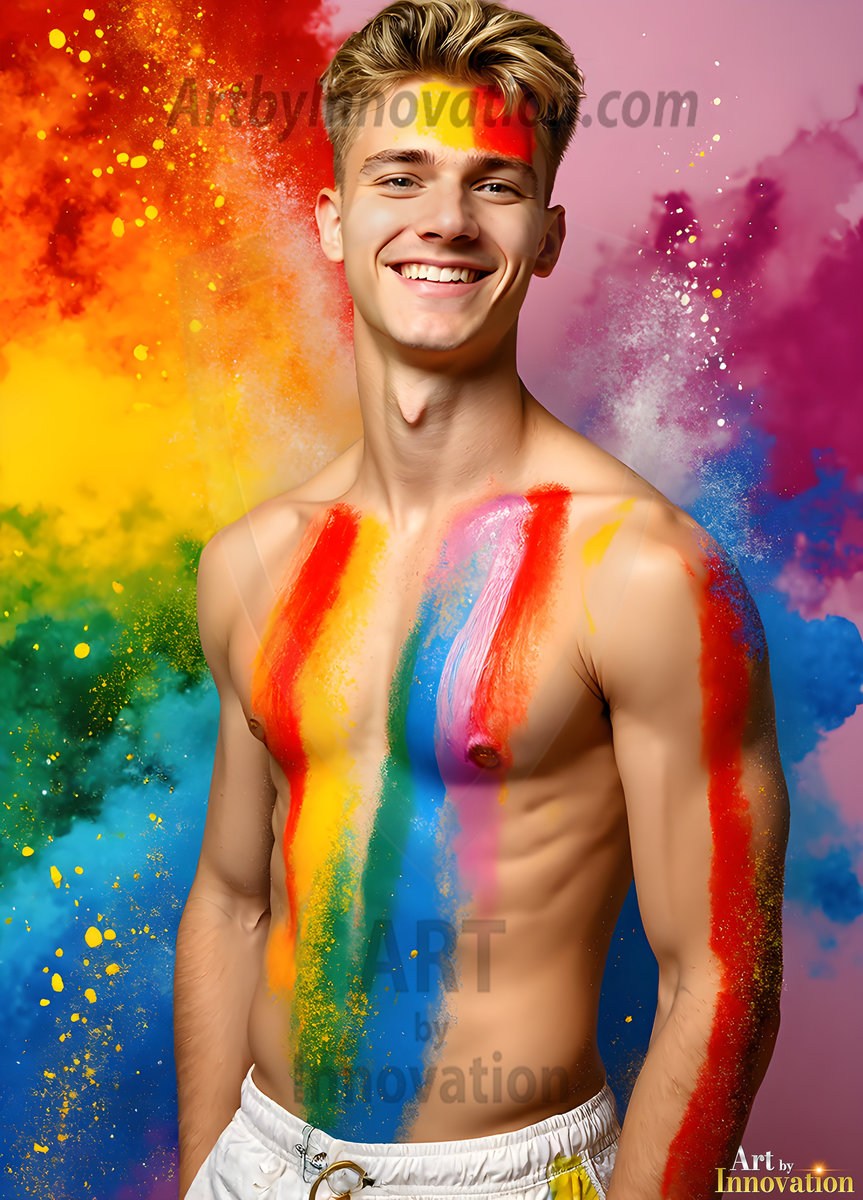
The colors of the LGBTQ+ Pride flags are designed to celebrate the diversity of human experience, visibility, and hope, with each shade representing a specific value that honors the LGBTQ+ community. Created in 1978 by artist Gilbert Baker, the rainbow flag has evolved to include more inclusive colors, showcasing how variety in identity makes individuals uniquely themselves. Meanings Behind the Colors, Red (Life): Represents the vitality and passion of LGBTQ+ people. Orange (Healing): Symbolizes the healing power within the community, often in the face of adversity. Yellow (Sunlight): Signifies the brightness and joy of being true to oneself. Green (Nature): Represents a connection to nature, the environment, and prosperity. Blue/Indigo (Serenity/Harmony): Symbolizes serenity, calm, and inner strength found in living one's truth. Violet/Purple (Spirit): Represents the spirit, strength, and resilience of the community.
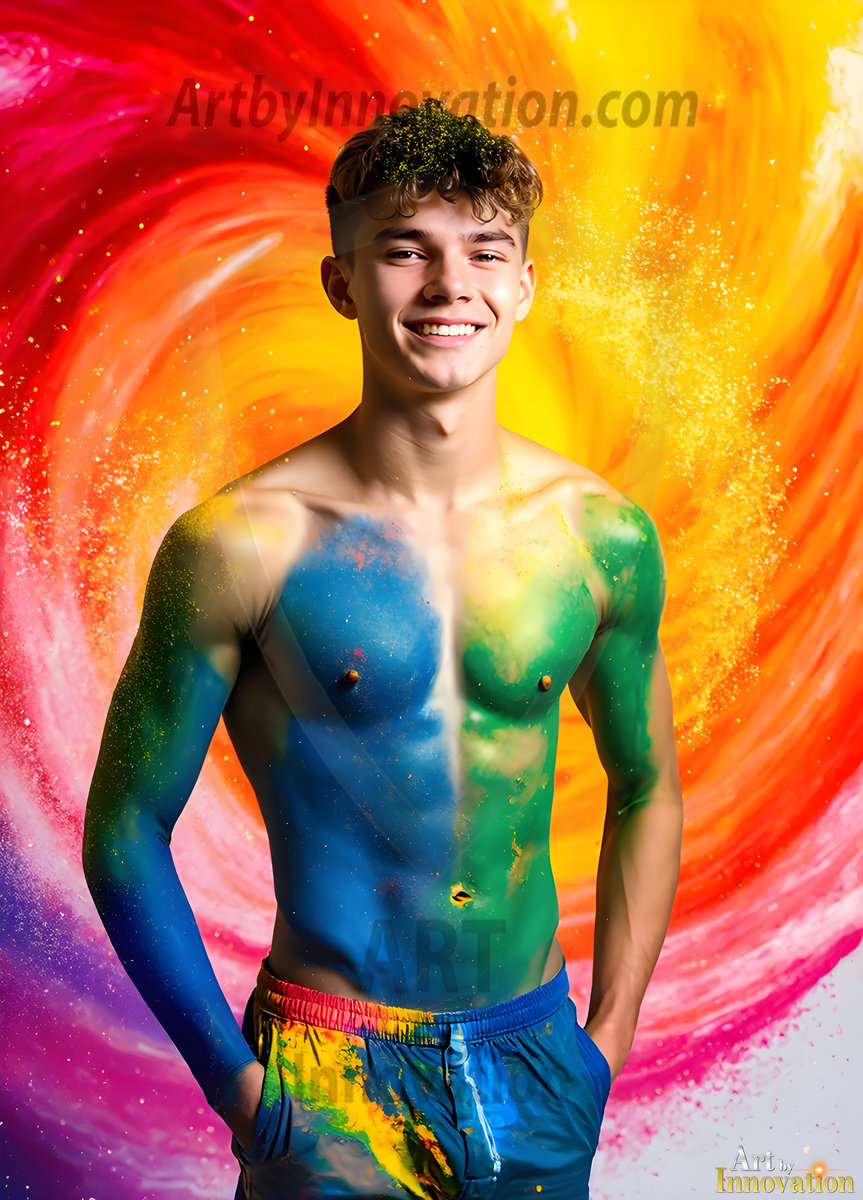
The colors of the LGBTQ+ Pride flags are designed to celebrate the diversity of human experience, visibility, and hope, with each shade representing a specific value that honors the LGBTQ+ community. Created in 1978 by artist Gilbert Baker, the rainbow flag has evolved to include more inclusive colors, showcasing how variety in identity makes individuals uniquely themselves. Meanings Behind the Colors, Red (Life): Represents the vitality and passion of LGBTQ+ people. Orange (Healing): Symbolizes the healing power within the community, often in the face of adversity. Yellow (Sunlight): Signifies the brightness and joy of being true to oneself. Green (Nature): Represents a connection to nature, the environment, and prosperity. Blue/Indigo (Serenity/Harmony): Symbolizes serenity, calm, and inner strength found in living one's truth. Violet/Purple (Spirit): Represents the spirit, strength, and resilience of the community.

The colors of the LGBTQ+ Pride flags are designed to celebrate the diversity of human experience, visibility, and hope, with each shade representing a specific value that honors the LGBTQ+ community. Created in 1978 by artist Gilbert Baker, the rainbow flag has evolved to include more inclusive colors, showcasing how variety in identity makes individuals uniquely themselves. Meanings Behind the Colors, Red (Life): Represents the vitality and passion of LGBTQ+ people. Orange (Healing): Symbolizes the healing power within the community, often in the face of adversity. Yellow (Sunlight): Signifies the brightness and joy of being true to oneself. Green (Nature): Represents a connection to nature, the environment, and prosperity. Blue/Indigo (Serenity/Harmony): Symbolizes serenity, calm, and inner strength found in living one's truth. Violet/Purple (Spirit): Represents the spirit, strength, and resilience of the community.
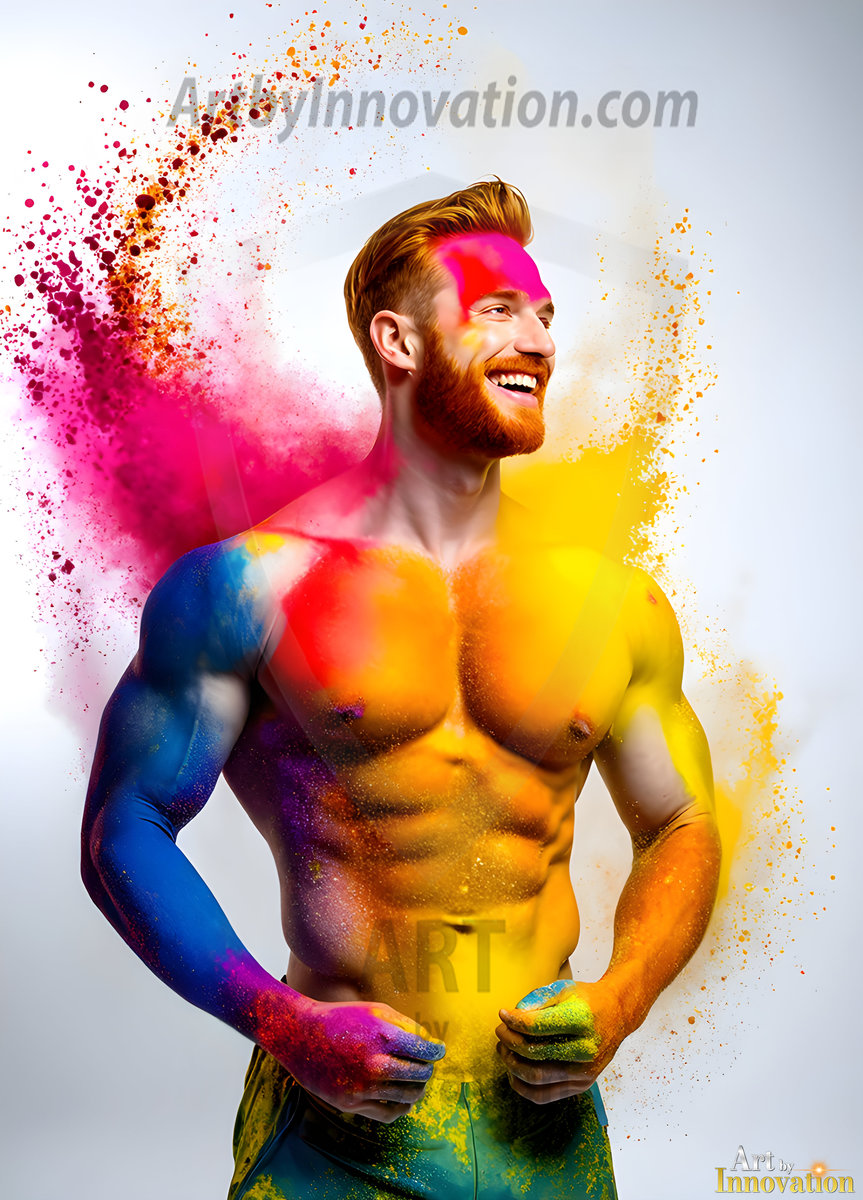
The colors of the LGBTQ+ Pride flags are designed to celebrate the diversity of human experience, visibility, and hope, with each shade representing a specific value that honors the LGBTQ+ community. Created in 1978 by artist Gilbert Baker, the rainbow flag has evolved to include more inclusive colors, showcasing how variety in identity makes individuals uniquely themselves. Meanings Behind the Colors, Red (Life): Represents the vitality and passion of LGBTQ+ people. Orange (Healing): Symbolizes the healing power within the community, often in the face of adversity. Yellow (Sunlight): Signifies the brightness and joy of being true to oneself. Green (Nature): Represents a connection to nature, the environment, and prosperity. Blue/Indigo (Serenity/Harmony): Symbolizes serenity, calm, and inner strength found in living one's truth. Violet/Purple (Spirit): Represents the spirit, strength, and resilience of the community.
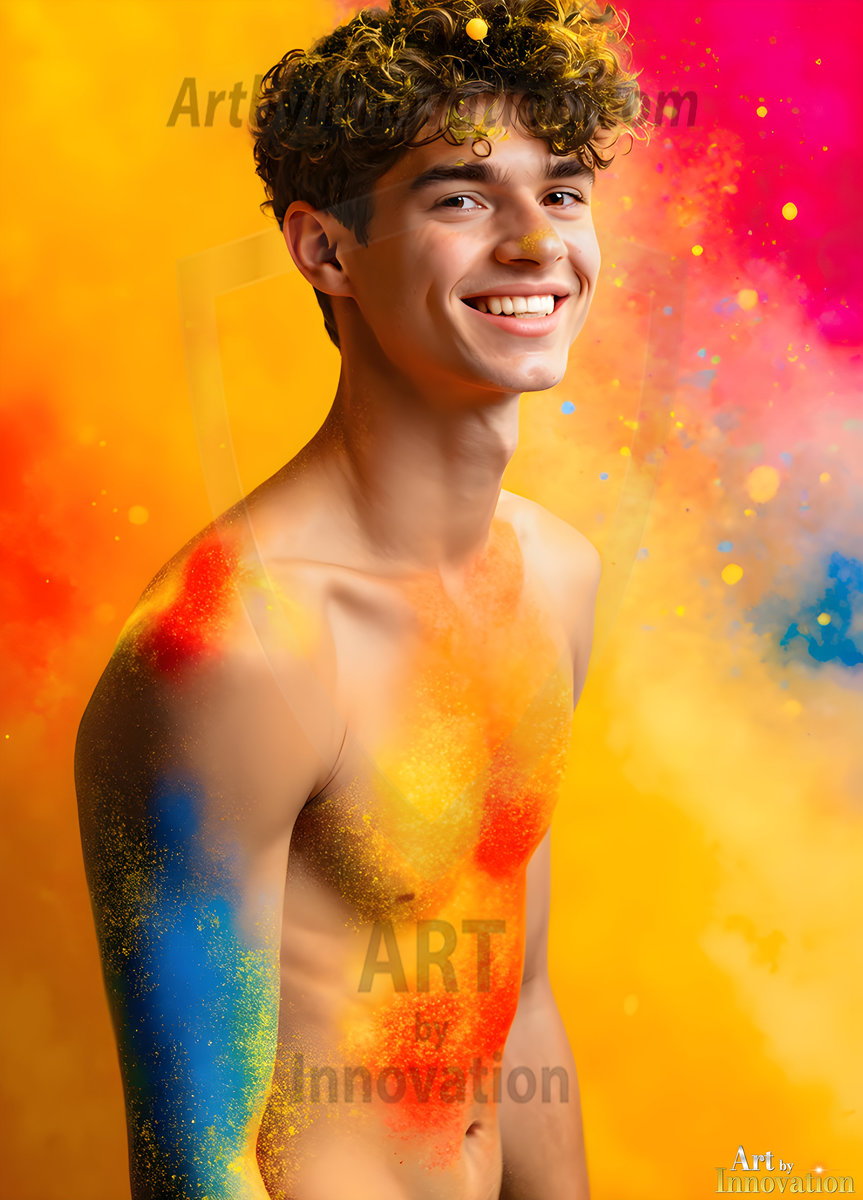
The colors of the LGBTQ+ Pride flags are designed to celebrate the diversity of human experience, visibility, and hope, with each shade representing a specific value that honors the LGBTQ+ community. Created in 1978 by artist Gilbert Baker, the rainbow flag has evolved to include more inclusive colors, showcasing how variety in identity makes individuals uniquely themselves. Meanings Behind the Colors, Red (Life): Represents the vitality and passion of LGBTQ+ people. Orange (Healing): Symbolizes the healing power within the community, often in the face of adversity. Yellow (Sunlight): Signifies the brightness and joy of being true to oneself. Green (Nature): Represents a connection to nature, the environment, and prosperity. Blue/Indigo (Serenity/Harmony): Symbolizes serenity, calm, and inner strength found in living one's truth. Violet/Purple (Spirit): Represents the spirit, strength, and resilience of the community.
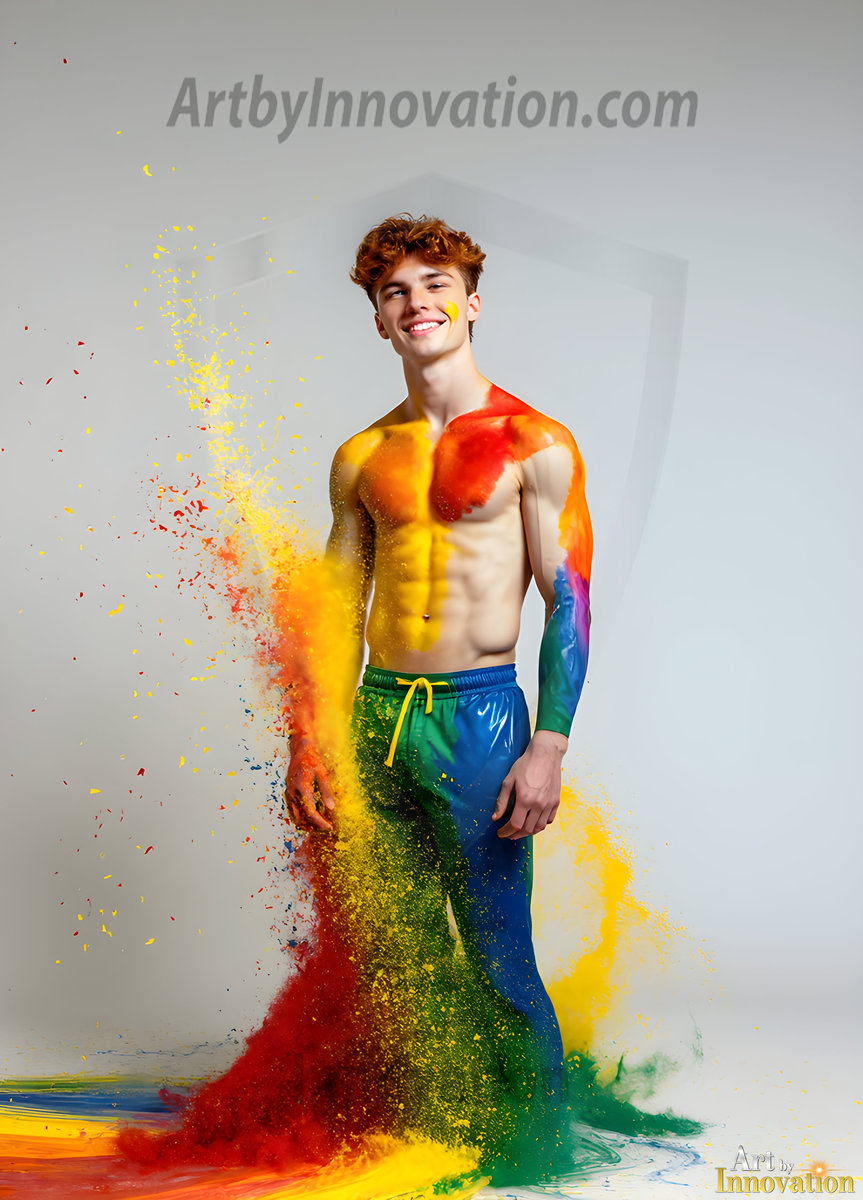
The colors of the LGBTQ+ Pride flags are designed to celebrate the diversity of human experience, visibility, and hope, with each shade representing a specific value that honors the LGBTQ+ community. Created in 1978 by artist Gilbert Baker, the rainbow flag has evolved to include more inclusive colors, showcasing how variety in identity makes individuals uniquely themselves. Meanings Behind the Colors, Red (Life): Represents the vitality and passion of LGBTQ+ people. Orange (Healing): Symbolizes the healing power within the community, often in the face of adversity. Yellow (Sunlight): Signifies the brightness and joy of being true to oneself. Green (Nature): Represents a connection to nature, the environment, and prosperity. Blue/Indigo (Serenity/Harmony): Symbolizes serenity, calm, and inner strength found in living one's truth. Violet/Purple (Spirit): Represents the spirit, strength, and resilience of the community.
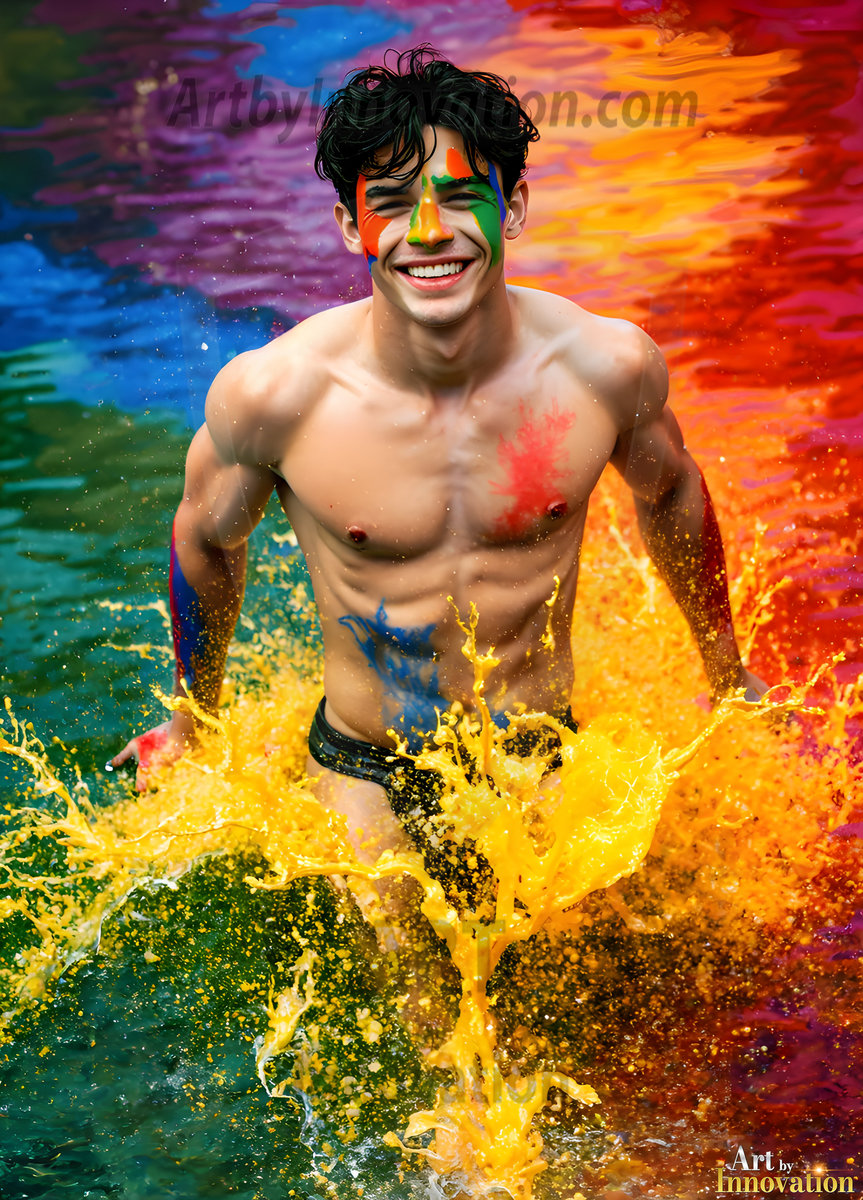
The colors of the LGBTQ+ Pride flags are designed to celebrate the diversity of human experience, visibility, and hope, with each shade representing a specific value that honors the LGBTQ+ community. Created in 1978 by artist Gilbert Baker, the rainbow flag has evolved to include more inclusive colors, showcasing how variety in identity makes individuals uniquely themselves. Meanings Behind the Colors, Red (Life): Represents the vitality and passion of LGBTQ+ people. Orange (Healing): Symbolizes the healing power within the community, often in the face of adversity. Yellow (Sunlight): Signifies the brightness and joy of being true to oneself. Green (Nature): Represents a connection to nature, the environment, and prosperity. Blue/Indigo (Serenity/Harmony): Symbolizes serenity, calm, and inner strength found in living one's truth. Violet/Purple (Spirit): Represents the spirit, strength, and resilience of the community.
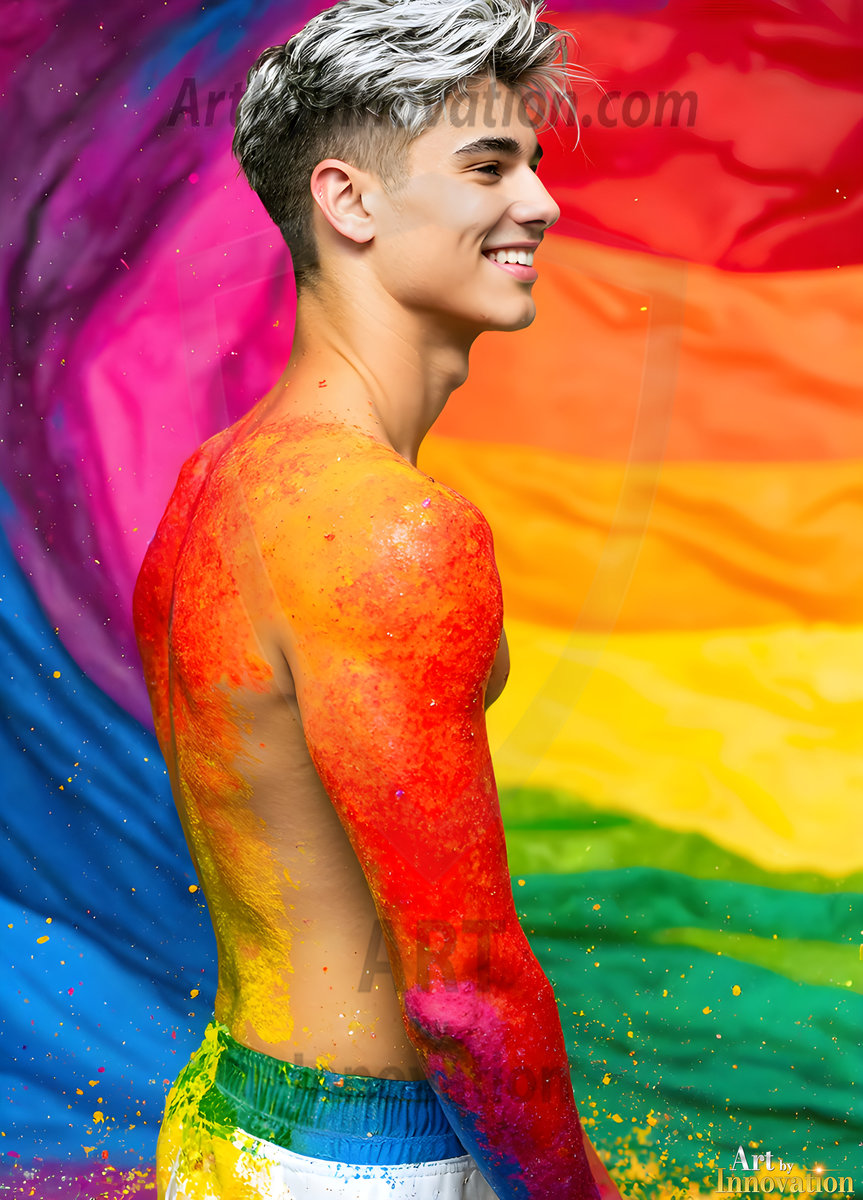
The colors of the LGBTQ+ Pride flags are designed to celebrate the diversity of human experience, visibility, and hope, with each shade representing a specific value that honors the LGBTQ+ community. Created in 1978 by artist Gilbert Baker, the rainbow flag has evolved to include more inclusive colors, showcasing how variety in identity makes individuals uniquely themselves. Meanings Behind the Colors, Red (Life): Represents the vitality and passion of LGBTQ+ people. Orange (Healing): Symbolizes the healing power within the community, often in the face of adversity. Yellow (Sunlight): Signifies the brightness and joy of being true to oneself. Green (Nature): Represents a connection to nature, the environment, and prosperity. Blue/Indigo (Serenity/Harmony): Symbolizes serenity, calm, and inner strength found in living one's truth. Violet/Purple (Spirit): Represents the spirit, strength, and resilience of the community.
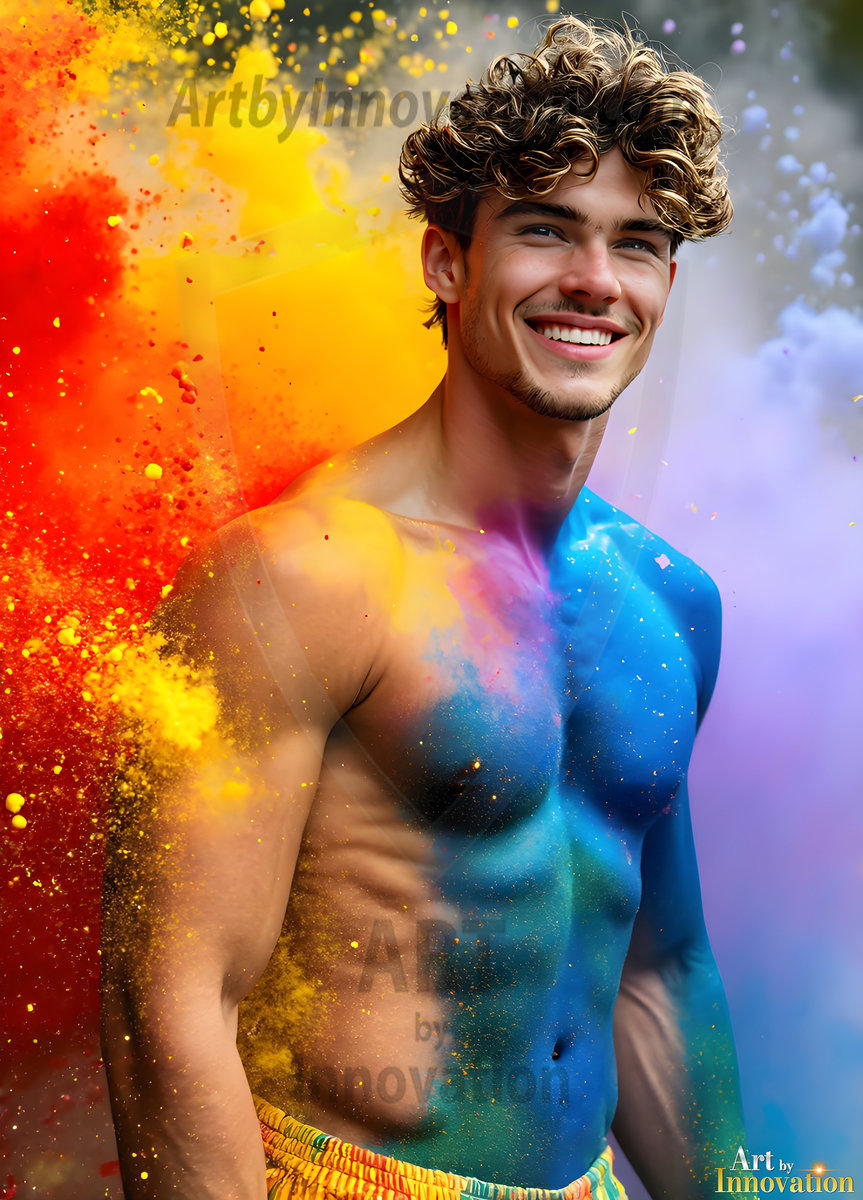
The colors of the LGBTQ+ Pride flags are designed to celebrate the diversity of human experience, visibility, and hope, with each shade representing a specific value that honors the LGBTQ+ community. Created in 1978 by artist Gilbert Baker, the rainbow flag has evolved to include more inclusive colors, showcasing how variety in identity makes individuals uniquely themselves. Meanings Behind the Colors, Red (Life): Represents the vitality and passion of LGBTQ+ people. Orange (Healing): Symbolizes the healing power within the community, often in the face of adversity. Yellow (Sunlight): Signifies the brightness and joy of being true to oneself. Green (Nature): Represents a connection to nature, the environment, and prosperity. Blue/Indigo (Serenity/Harmony): Symbolizes serenity, calm, and inner strength found in living one's truth. Violet/Purple (Spirit): Represents the spirit, strength, and resilience of the community.
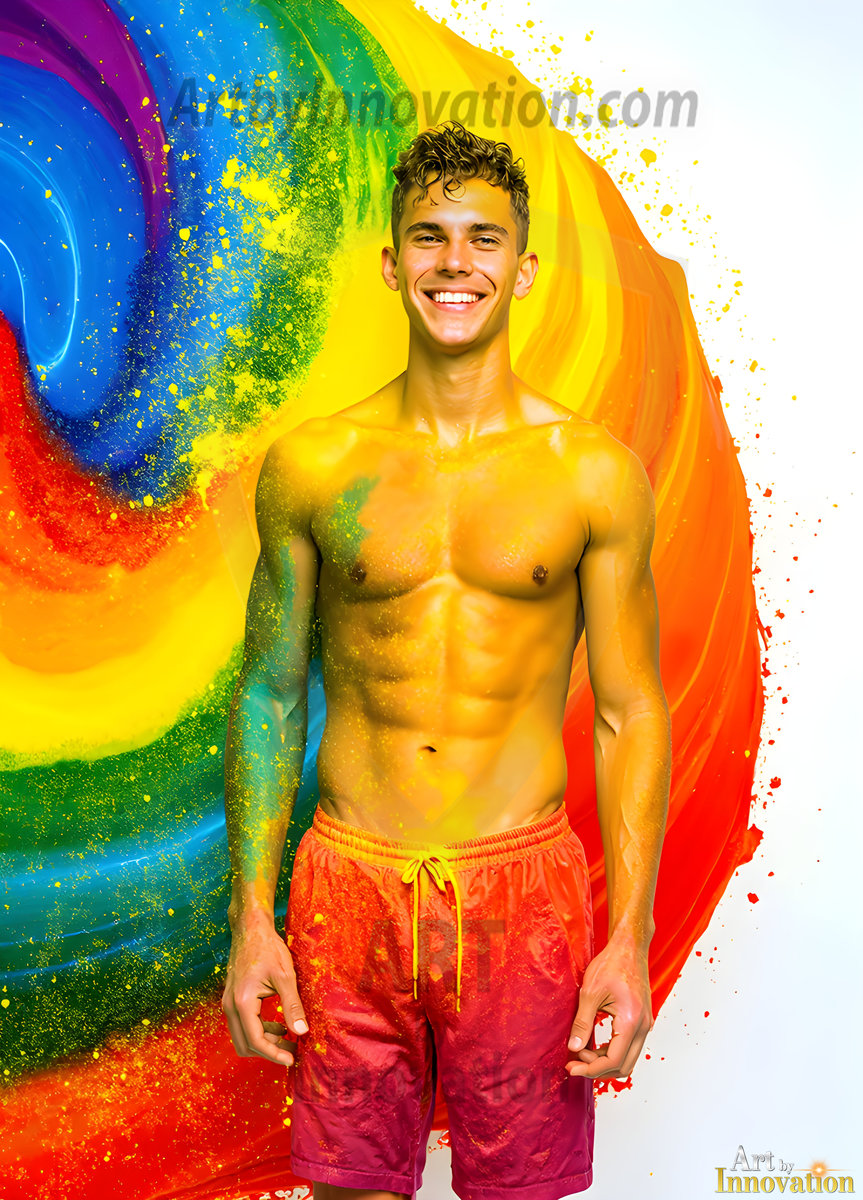
The colors of the LGBTQ+ Pride flags are designed to celebrate the diversity of human experience, visibility, and hope, with each shade representing a specific value that honors the LGBTQ+ community. Created in 1978 by artist Gilbert Baker, the rainbow flag has evolved to include more inclusive colors, showcasing how variety in identity makes individuals uniquely themselves. Meanings Behind the Colors, Red (Life): Represents the vitality and passion of LGBTQ+ people. Orange (Healing): Symbolizes the healing power within the community, often in the face of adversity. Yellow (Sunlight): Signifies the brightness and joy of being true to oneself. Green (Nature): Represents a connection to nature, the environment, and prosperity. Blue/Indigo (Serenity/Harmony): Symbolizes serenity, calm, and inner strength found in living one's truth. Violet/Purple (Spirit): Represents the spirit, strength, and resilience of the community.
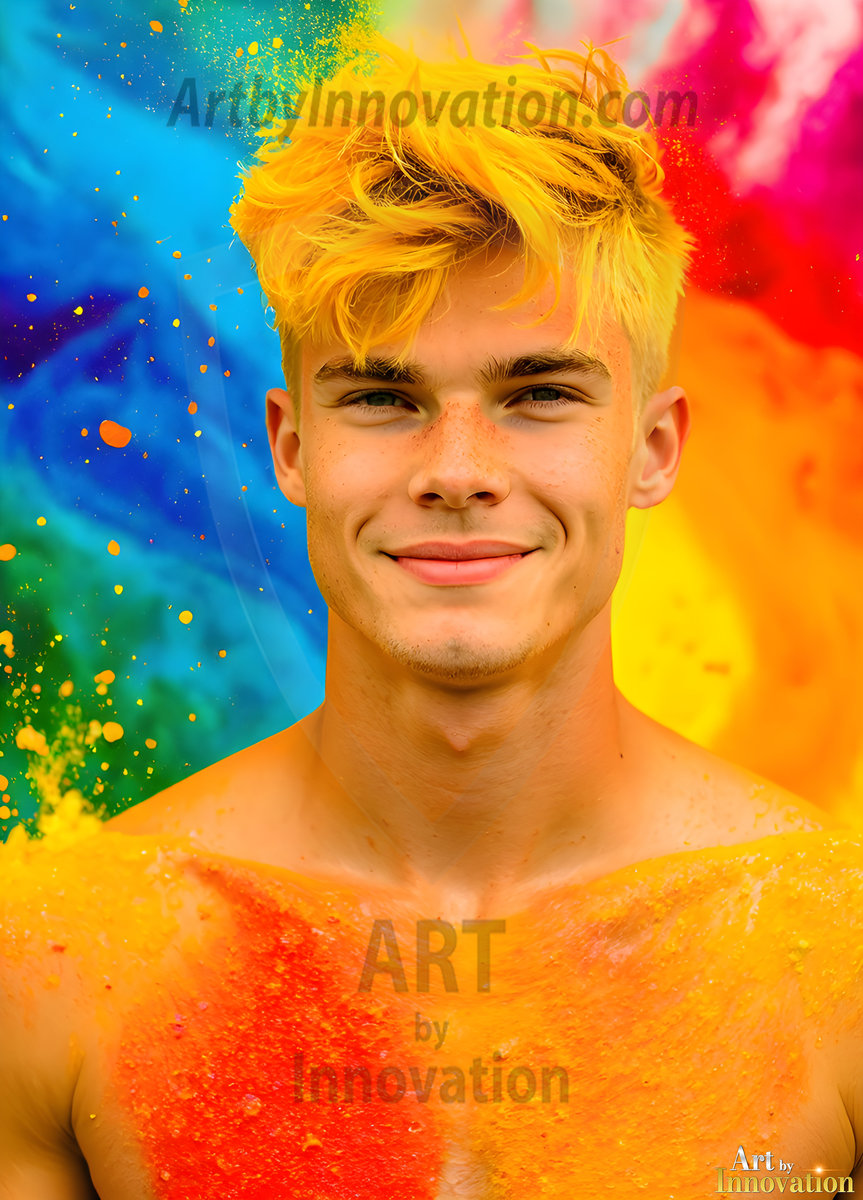
The colors of the LGBTQ+ Pride flags are designed to celebrate the diversity of human experience, visibility, and hope, with each shade representing a specific value that honors the LGBTQ+ community. Created in 1978 by artist Gilbert Baker, the rainbow flag has evolved to include more inclusive colors, showcasing how variety in identity makes individuals uniquely themselves. Meanings Behind the Colors, Red (Life): Represents the vitality and passion of LGBTQ+ people. Orange (Healing): Symbolizes the healing power within the community, often in the face of adversity. Yellow (Sunlight): Signifies the brightness and joy of being true to oneself. Green (Nature): Represents a connection to nature, the environment, and prosperity. Blue/Indigo (Serenity/Harmony): Symbolizes serenity, calm, and inner strength found in living one's truth. Violet/Purple (Spirit): Represents the spirit, strength, and resilience of the community.
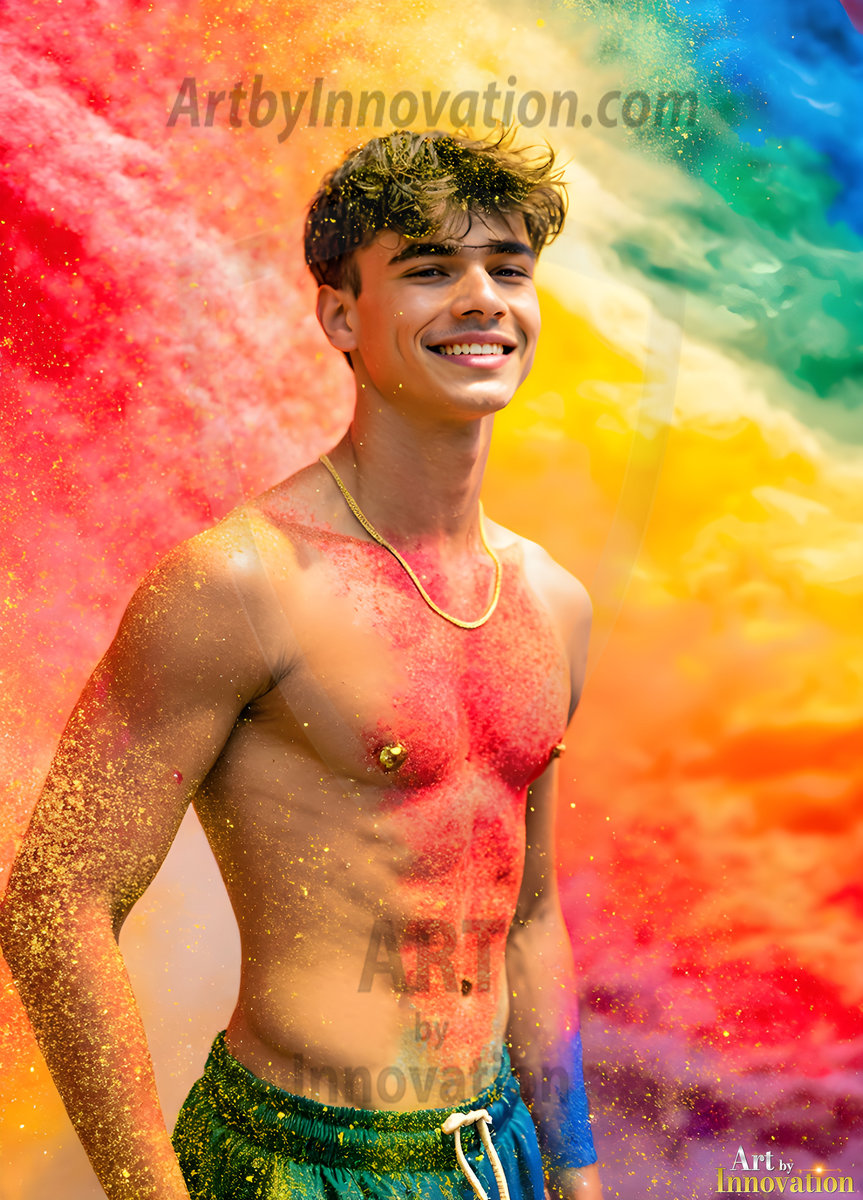
The colors of the LGBTQ+ Pride flags are designed to celebrate the diversity of human experience, visibility, and hope, with each shade representing a specific value that honors the LGBTQ+ community. Created in 1978 by artist Gilbert Baker, the rainbow flag has evolved to include more inclusive colors, showcasing how variety in identity makes individuals uniquely themselves. Meanings Behind the Colors, Red (Life): Represents the vitality and passion of LGBTQ+ people. Orange (Healing): Symbolizes the healing power within the community, often in the face of adversity. Yellow (Sunlight): Signifies the brightness and joy of being true to oneself. Green (Nature): Represents a connection to nature, the environment, and prosperity. Blue/Indigo (Serenity/Harmony): Symbolizes serenity, calm, and inner strength found in living one's truth. Violet/Purple (Spirit): Represents the spirit, strength, and resilience of the community.
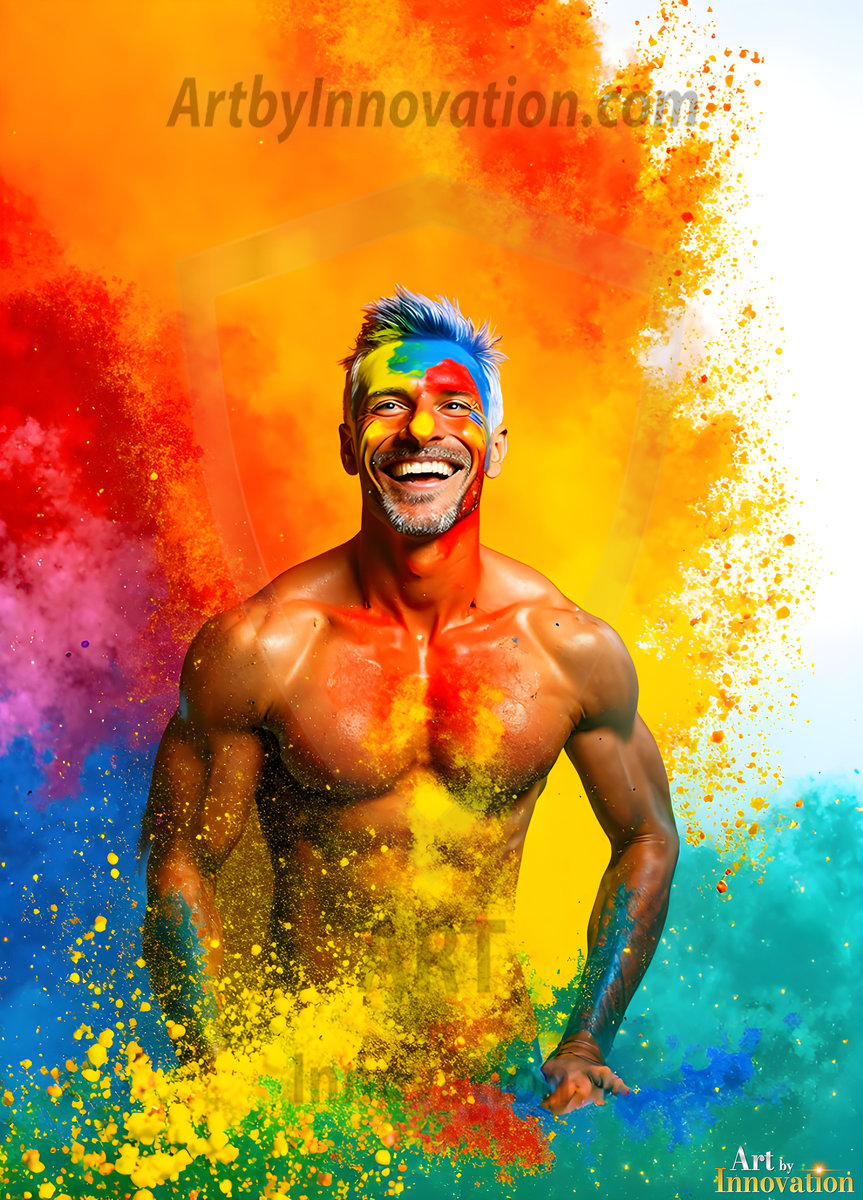
The colors of the LGBTQ+ Pride flags are designed to celebrate the diversity of human experience, visibility, and hope, with each shade representing a specific value that honors the LGBTQ+ community. Created in 1978 by artist Gilbert Baker, the rainbow flag has evolved to include more inclusive colors, showcasing how variety in identity makes individuals uniquely themselves. Meanings Behind the Colors, Red (Life): Represents the vitality and passion of LGBTQ+ people. Orange (Healing): Symbolizes the healing power within the community, often in the face of adversity. Yellow (Sunlight): Signifies the brightness and joy of being true to oneself. Green (Nature): Represents a connection to nature, the environment, and prosperity. Blue/Indigo (Serenity/Harmony): Symbolizes serenity, calm, and inner strength found in living one's truth. Violet/Purple (Spirit): Represents the spirit, strength, and resilience of the community.
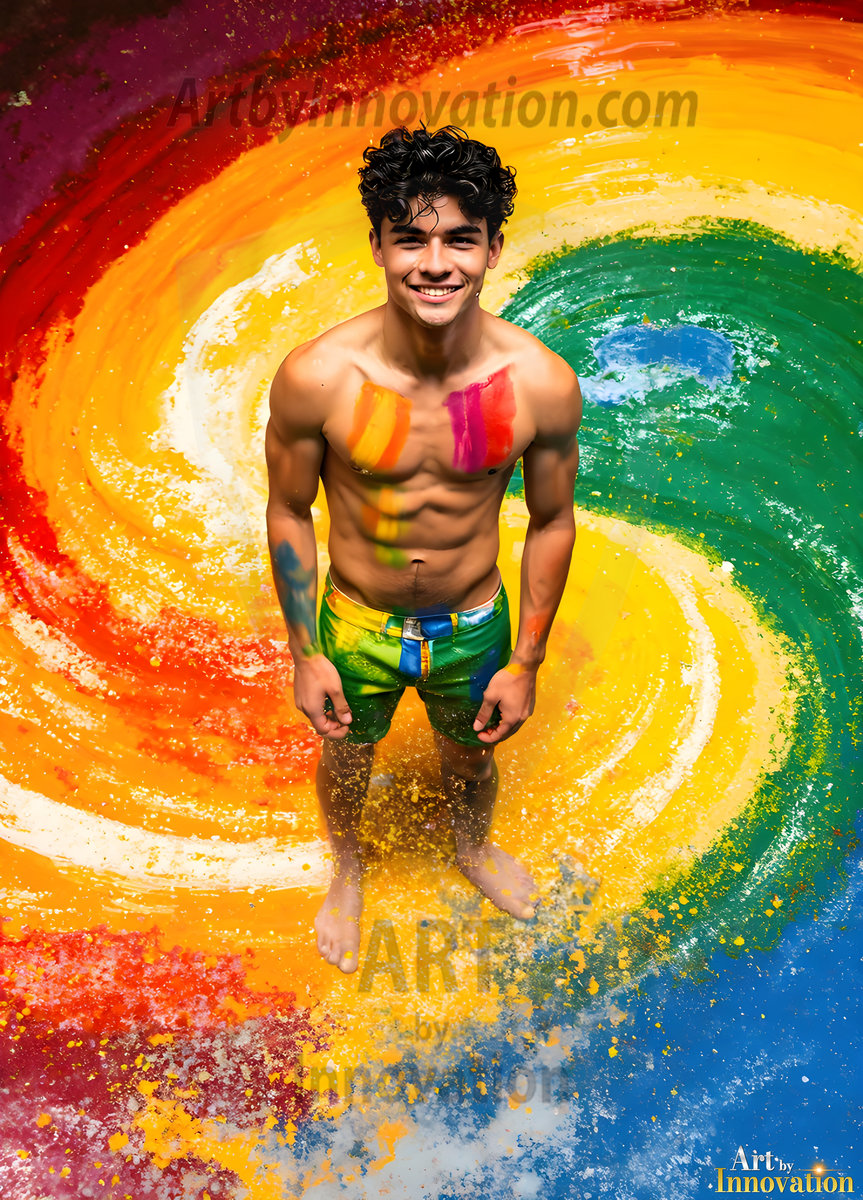
The colors of the LGBTQ+ Pride flags are designed to celebrate the diversity of human experience, visibility, and hope, with each shade representing a specific value that honors the LGBTQ+ community. Created in 1978 by artist Gilbert Baker, the rainbow flag has evolved to include more inclusive colors, showcasing how variety in identity makes individuals uniquely themselves. Meanings Behind the Colors, Red (Life): Represents the vitality and passion of LGBTQ+ people. Orange (Healing): Symbolizes the healing power within the community, often in the face of adversity. Yellow (Sunlight): Signifies the brightness and joy of being true to oneself. Green (Nature): Represents a connection to nature, the environment, and prosperity. Blue/Indigo (Serenity/Harmony): Symbolizes serenity, calm, and inner strength found in living one's truth. Violet/Purple (Spirit): Represents the spirit, strength, and resilience of the community.
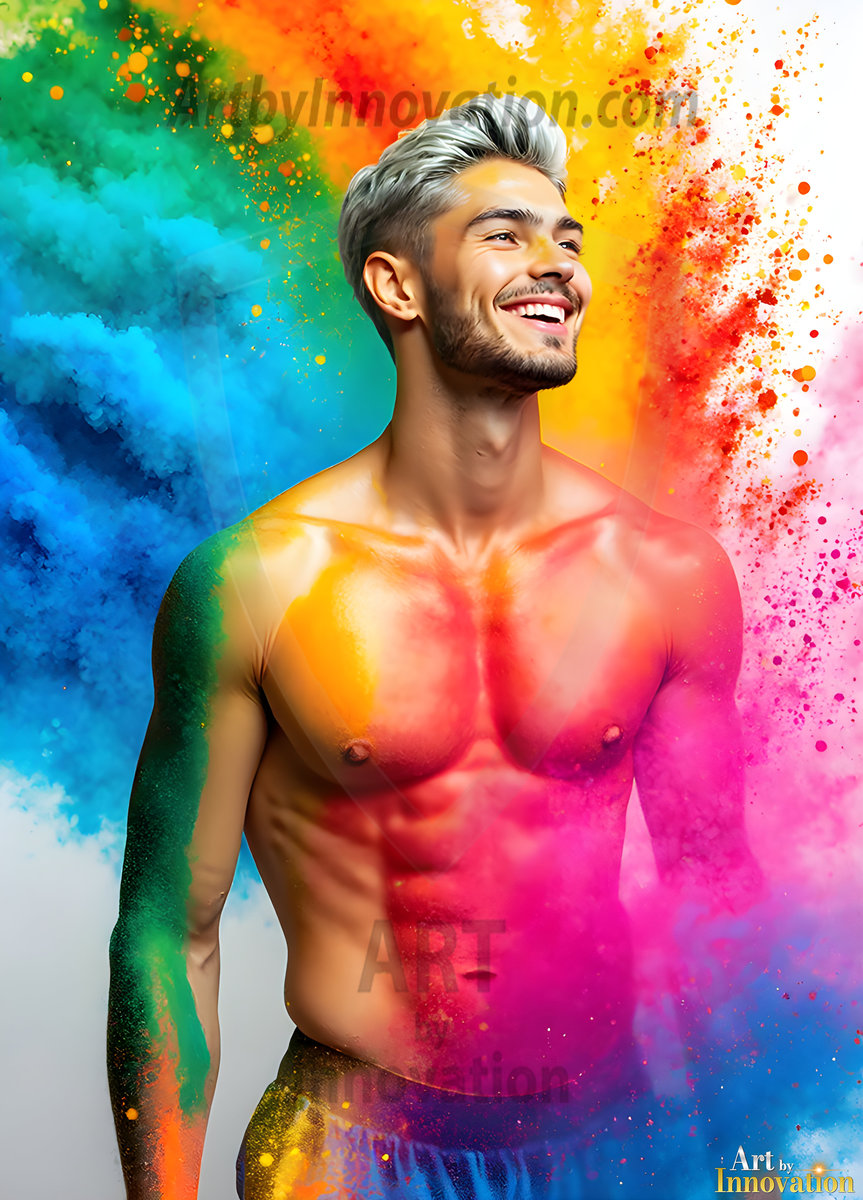
The colors of the LGBTQ+ Pride flags are designed to celebrate the diversity of human experience, visibility, and hope, with each shade representing a specific value that honors the LGBTQ+ community. Created in 1978 by artist Gilbert Baker, the rainbow flag has evolved to include more inclusive colors, showcasing how variety in identity makes individuals uniquely themselves. Meanings Behind the Colors, Red (Life): Represents the vitality and passion of LGBTQ+ people. Orange (Healing): Symbolizes the healing power within the community, often in the face of adversity. Yellow (Sunlight): Signifies the brightness and joy of being true to oneself. Green (Nature): Represents a connection to nature, the environment, and prosperity. Blue/Indigo (Serenity/Harmony): Symbolizes serenity, calm, and inner strength found in living one's truth. Violet/Purple (Spirit): Represents the spirit, strength, and resilience of the community.
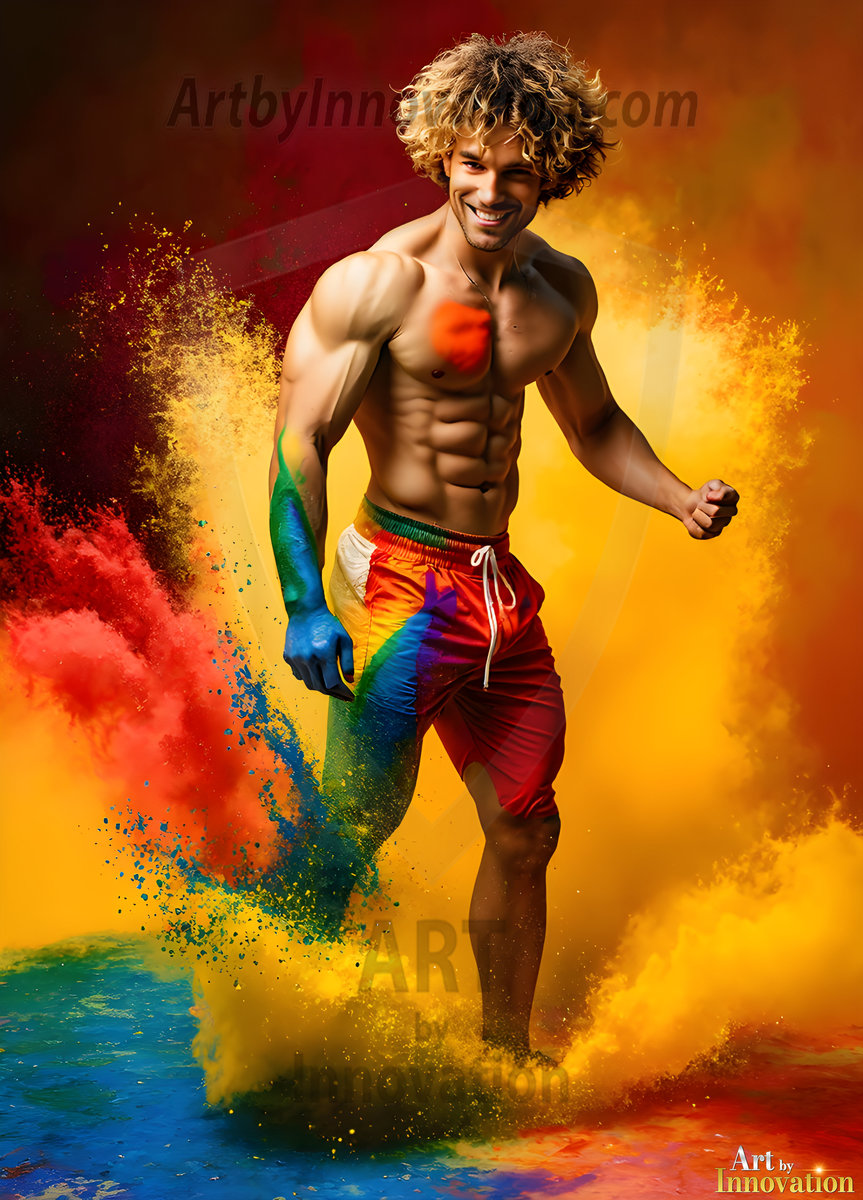
The colors of the LGBTQ+ Pride flags are designed to celebrate the diversity of human experience, visibility, and hope, with each shade representing a specific value that honors the LGBTQ+ community. Created in 1978 by artist Gilbert Baker, the rainbow flag has evolved to include more inclusive colors, showcasing how variety in identity makes individuals uniquely themselves. Meanings Behind the Colors, Red (Life): Represents the vitality and passion of LGBTQ+ people. Orange (Healing): Symbolizes the healing power within the community, often in the face of adversity. Yellow (Sunlight): Signifies the brightness and joy of being true to oneself. Green (Nature): Represents a connection to nature, the environment, and prosperity. Blue/Indigo (Serenity/Harmony): Symbolizes serenity, calm, and inner strength found in living one's truth. Violet/Purple (Spirit): Represents the spirit, strength, and resilience of the community.
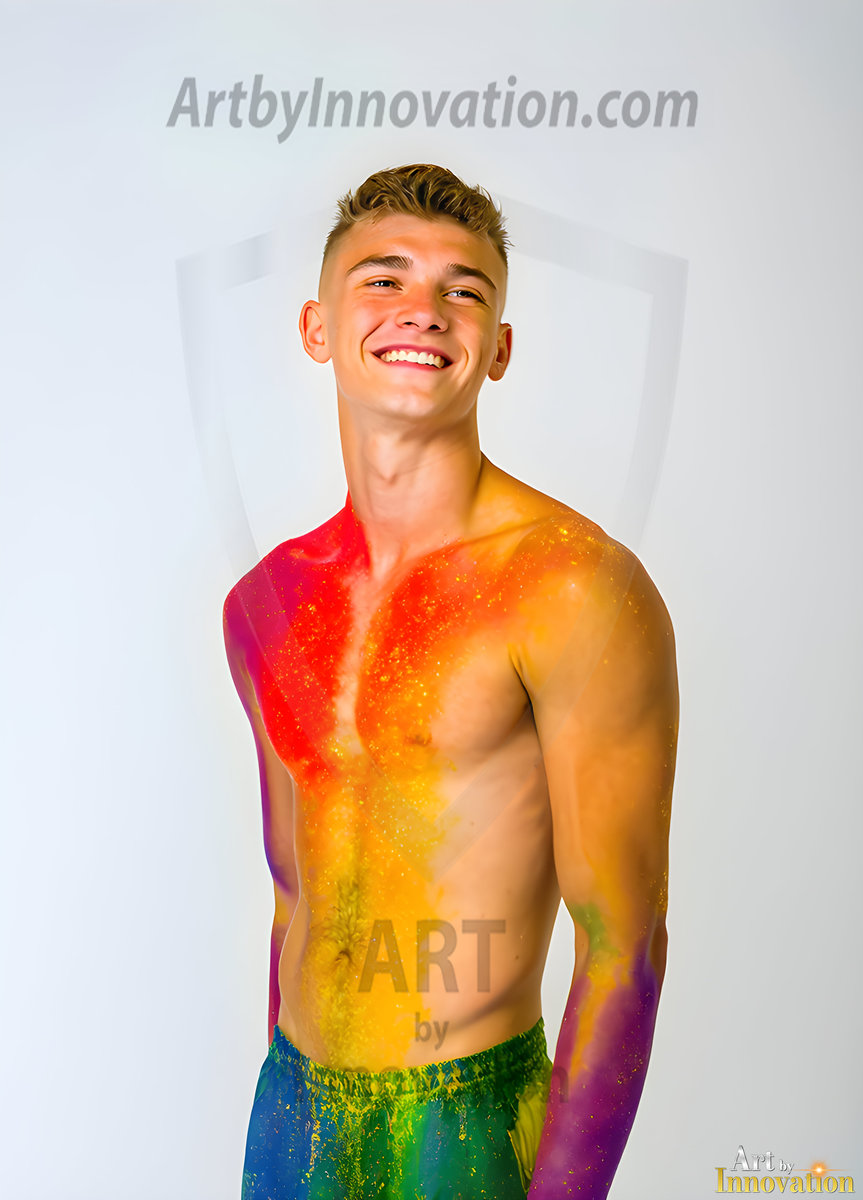
The colors of the LGBTQ+ Pride flags are designed to celebrate the diversity of human experience, visibility, and hope, with each shade representing a specific value that honors the LGBTQ+ community. Created in 1978 by artist Gilbert Baker, the rainbow flag has evolved to include more inclusive colors, showcasing how variety in identity makes individuals uniquely themselves. Meanings Behind the Colors, Red (Life): Represents the vitality and passion of LGBTQ+ people. Orange (Healing): Symbolizes the healing power within the community, often in the face of adversity. Yellow (Sunlight): Signifies the brightness and joy of being true to oneself. Green (Nature): Represents a connection to nature, the environment, and prosperity. Blue/Indigo (Serenity/Harmony): Symbolizes serenity, calm, and inner strength found in living one's truth. Violet/Purple (Spirit): Represents the spirit, strength, and resilience of the community.
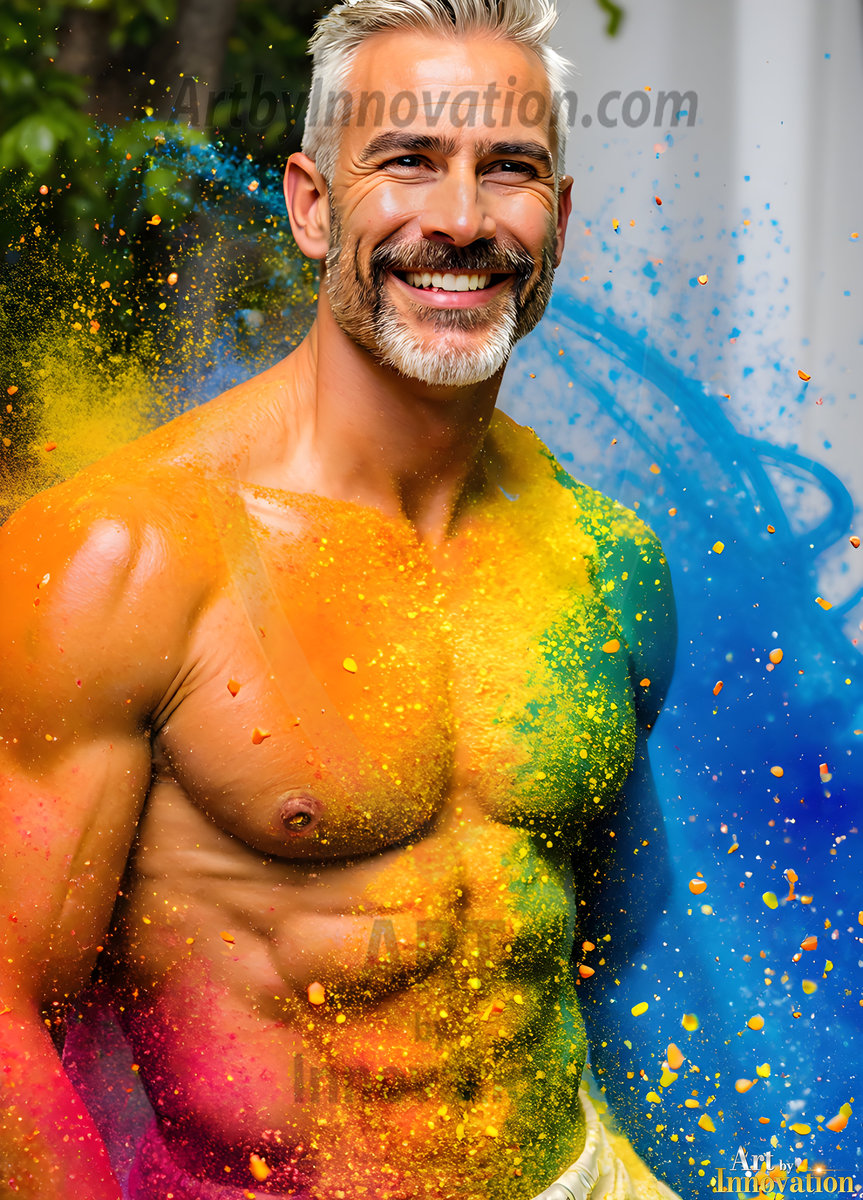
The colors of the LGBTQ+ Pride flags are designed to celebrate the diversity of human experience, visibility, and hope, with each shade representing a specific value that honors the LGBTQ+ community. Created in 1978 by artist Gilbert Baker, the rainbow flag has evolved to include more inclusive colors, showcasing how variety in identity makes individuals uniquely themselves. Meanings Behind the Colors, Red (Life): Represents the vitality and passion of LGBTQ+ people. Orange (Healing): Symbolizes the healing power within the community, often in the face of adversity. Yellow (Sunlight): Signifies the brightness and joy of being true to oneself. Green (Nature): Represents a connection to nature, the environment, and prosperity. Blue/Indigo (Serenity/Harmony): Symbolizes serenity, calm, and inner strength found in living one's truth. Violet/Purple (Spirit): Represents the spirit, strength, and resilience of the community.
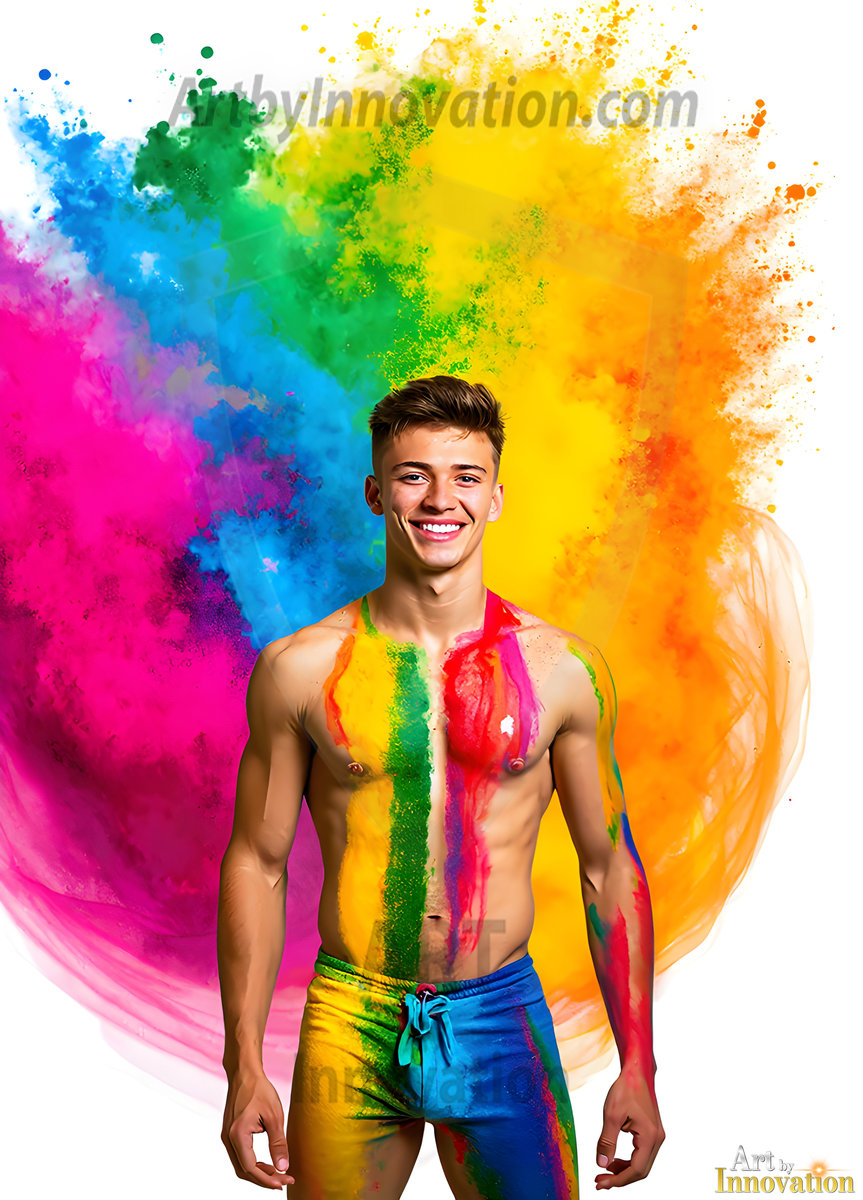
The colors of the LGBTQ+ Pride flags are designed to celebrate the diversity of human experience, visibility, and hope, with each shade representing a specific value that honors the LGBTQ+ community. Created in 1978 by artist Gilbert Baker, the rainbow flag has evolved to include more inclusive colors, showcasing how variety in identity makes individuals uniquely themselves. Meanings Behind the Colors, Red (Life): Represents the vitality and passion of LGBTQ+ people. Orange (Healing): Symbolizes the healing power within the community, often in the face of adversity. Yellow (Sunlight): Signifies the brightness and joy of being true to oneself. Green (Nature): Represents a connection to nature, the environment, and prosperity. Blue/Indigo (Serenity/Harmony): Symbolizes serenity, calm, and inner strength found in living one's truth. Violet/Purple (Spirit): Represents the spirit, strength, and resilience of the community.
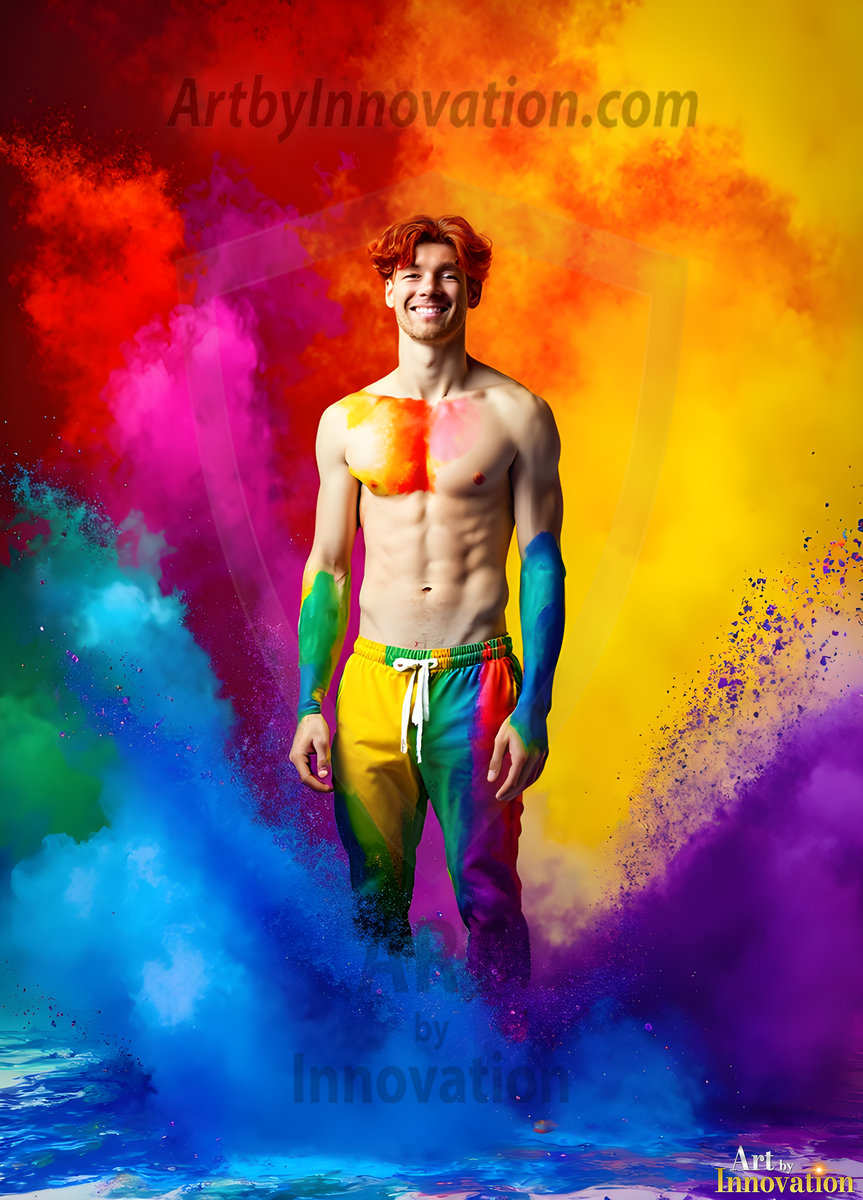
The colors of the LGBTQ+ Pride flags are designed to celebrate the diversity of human experience, visibility, and hope, with each shade representing a specific value that honors the LGBTQ+ community. Created in 1978 by artist Gilbert Baker, the rainbow flag has evolved to include more inclusive colors, showcasing how variety in identity makes individuals uniquely themselves. Meanings Behind the Colors, Red (Life): Represents the vitality and passion of LGBTQ+ people. Orange (Healing): Symbolizes the healing power within the community, often in the face of adversity. Yellow (Sunlight): Signifies the brightness and joy of being true to oneself. Green (Nature): Represents a connection to nature, the environment, and prosperity. Blue/Indigo (Serenity/Harmony): Symbolizes serenity, calm, and inner strength found in living one's truth. Violet/Purple (Spirit): Represents the spirit, strength, and resilience of the community.
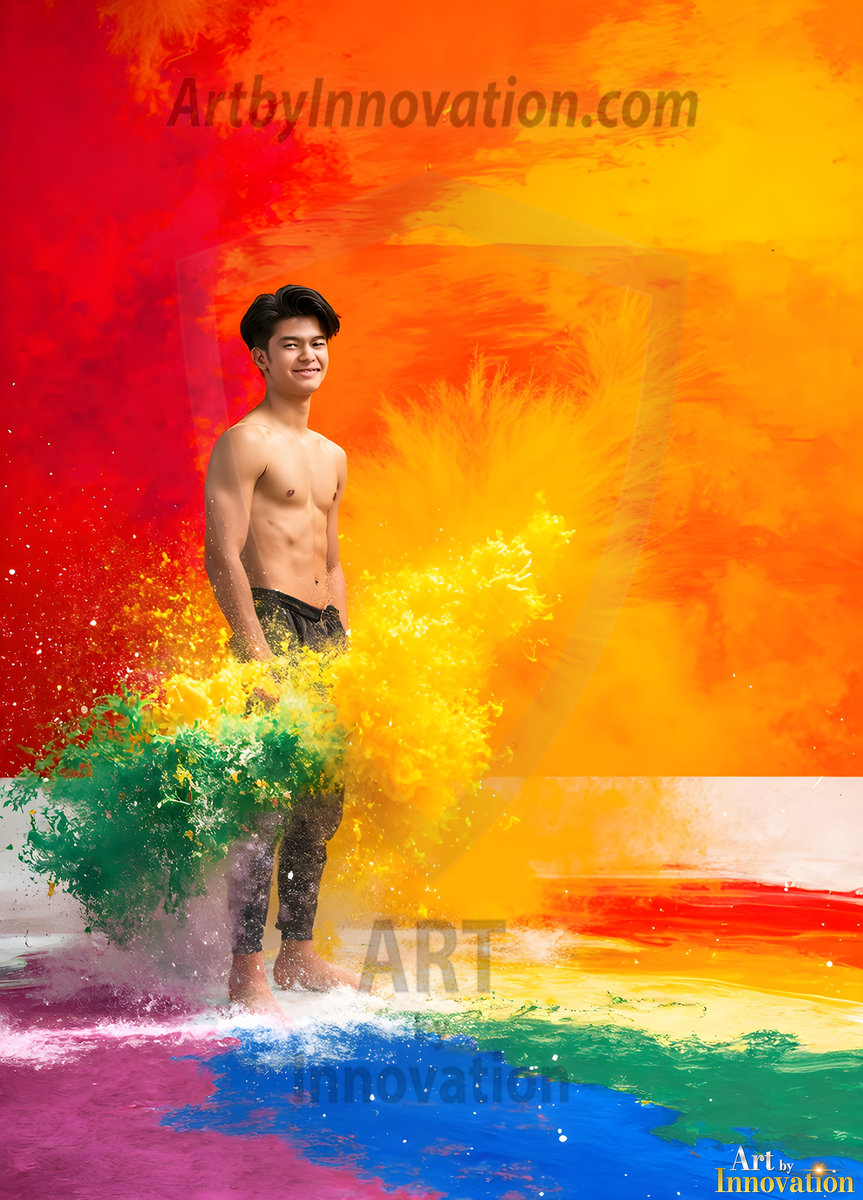
The colors of the LGBTQ+ Pride flags are designed to celebrate the diversity of human experience, visibility, and hope, with each shade representing a specific value that honors the LGBTQ+ community. Created in 1978 by artist Gilbert Baker, the rainbow flag has evolved to include more inclusive colors, showcasing how variety in identity makes individuals uniquely themselves. Meanings Behind the Colors, Red (Life): Represents the vitality and passion of LGBTQ+ people. Orange (Healing): Symbolizes the healing power within the community, often in the face of adversity. Yellow (Sunlight): Signifies the brightness and joy of being true to oneself. Green (Nature): Represents a connection to nature, the environment, and prosperity. Blue/Indigo (Serenity/Harmony): Symbolizes serenity, calm, and inner strength found in living one's truth. Violet/Purple (Spirit): Represents the spirit, strength, and resilience of the community.
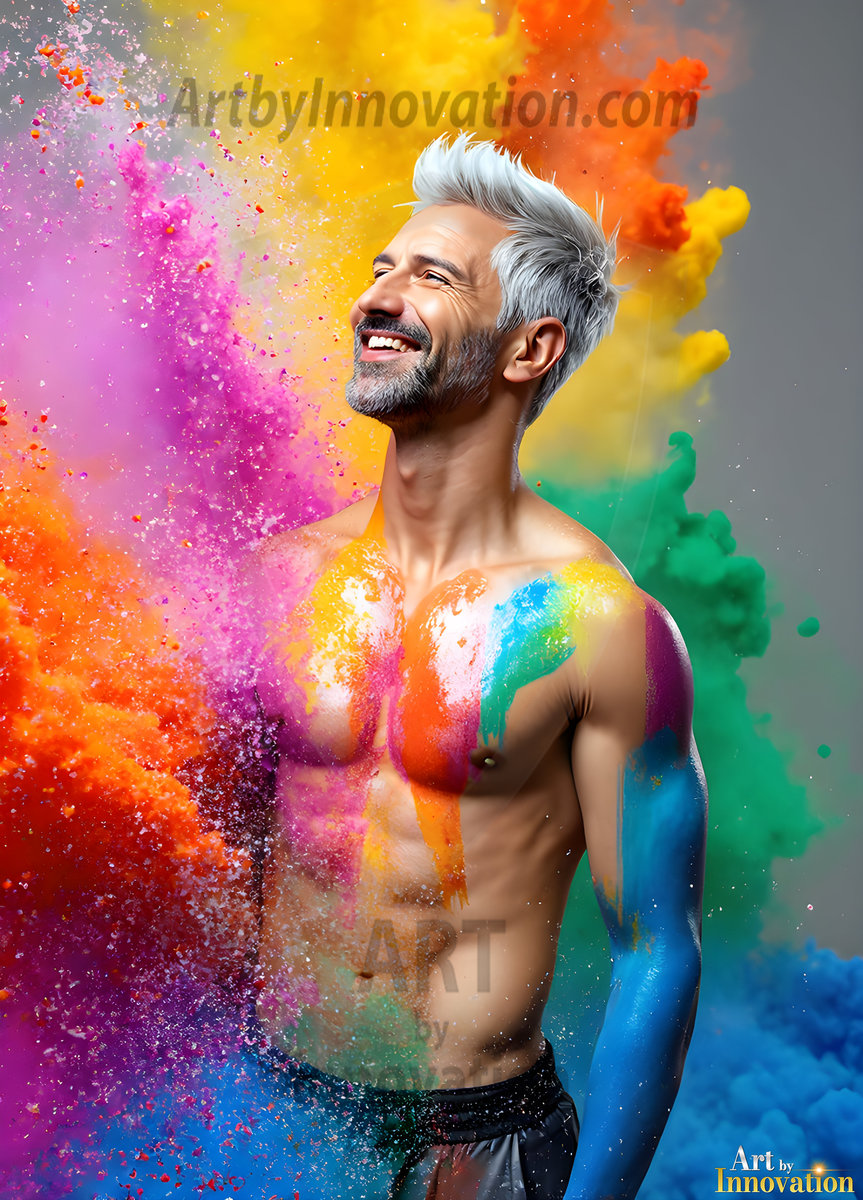
The colors of the LGBTQ+ Pride flags are designed to celebrate the diversity of human experience, visibility, and hope, with each shade representing a specific value that honors the LGBTQ+ community. Created in 1978 by artist Gilbert Baker, the rainbow flag has evolved to include more inclusive colors, showcasing how variety in identity makes individuals uniquely themselves. Meanings Behind the Colors, Red (Life): Represents the vitality and passion of LGBTQ+ people. Orange (Healing): Symbolizes the healing power within the community, often in the face of adversity. Yellow (Sunlight): Signifies the brightness and joy of being true to oneself. Green (Nature): Represents a connection to nature, the environment, and prosperity. Blue/Indigo (Serenity/Harmony): Symbolizes serenity, calm, and inner strength found in living one's truth. Violet/Purple (Spirit): Represents the spirit, strength, and resilience of the community.
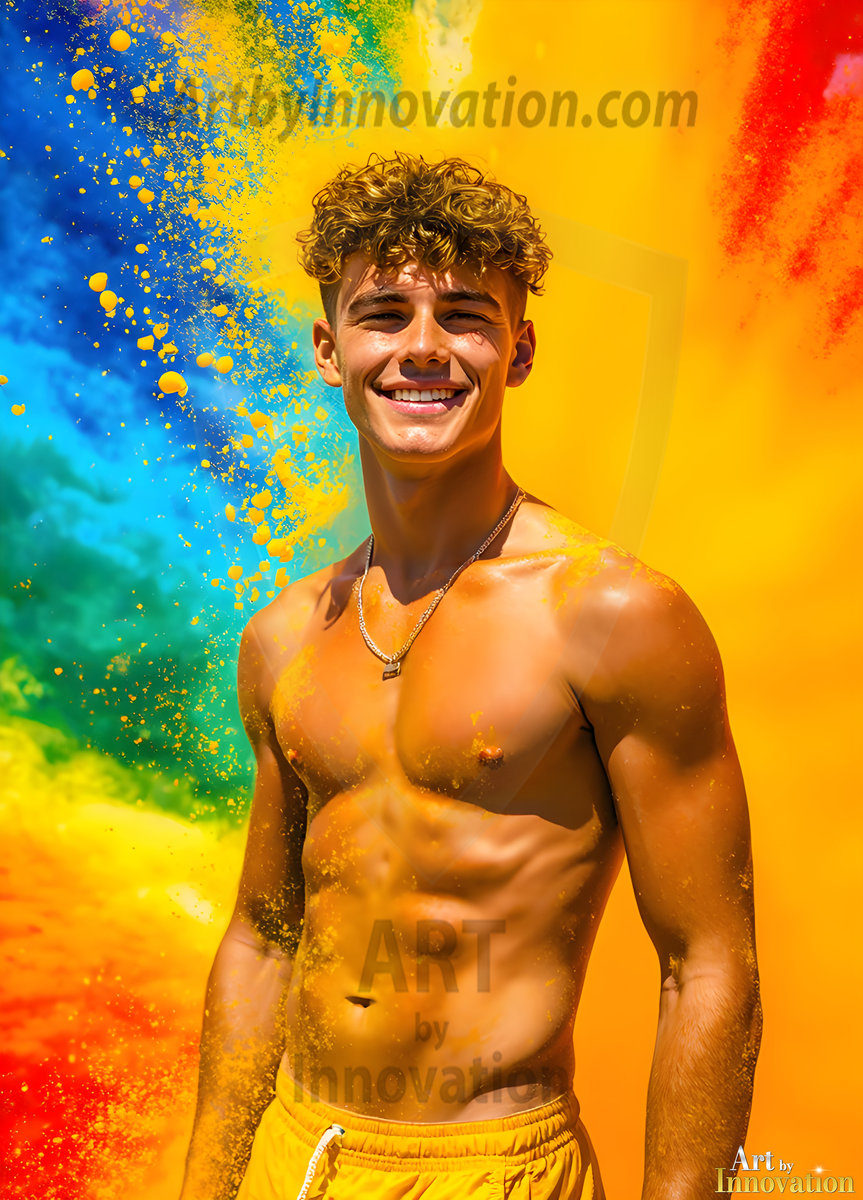
The colors of the LGBTQ+ Pride flags are designed to celebrate the diversity of human experience, visibility, and hope, with each shade representing a specific value that honors the LGBTQ+ community. Created in 1978 by artist Gilbert Baker, the rainbow flag has evolved to include more inclusive colors, showcasing how variety in identity makes individuals uniquely themselves. Meanings Behind the Colors, Red (Life): Represents the vitality and passion of LGBTQ+ people. Orange (Healing): Symbolizes the healing power within the community, often in the face of adversity. Yellow (Sunlight): Signifies the brightness and joy of being true to oneself. Green (Nature): Represents a connection to nature, the environment, and prosperity. Blue/Indigo (Serenity/Harmony): Symbolizes serenity, calm, and inner strength found in living one's truth. Violet/Purple (Spirit): Represents the spirit, strength, and resilience of the community.
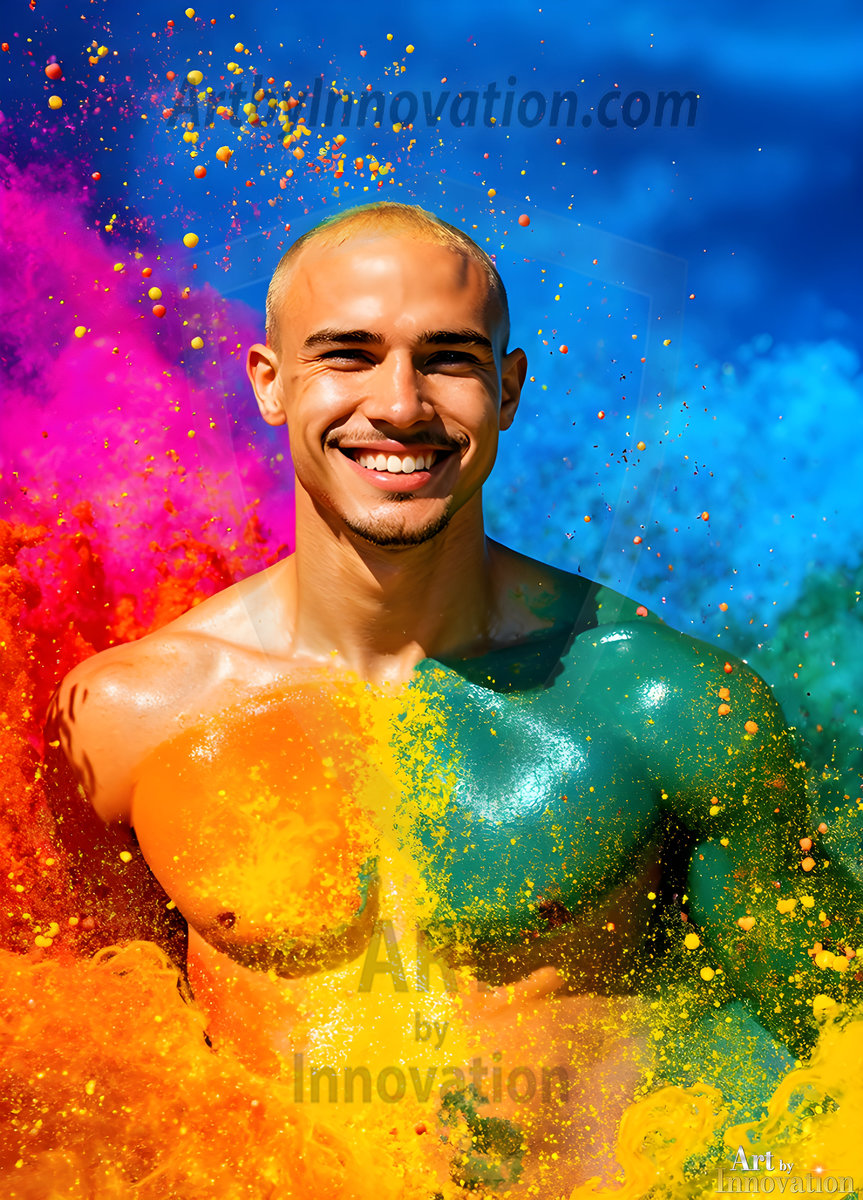
The colors of the LGBTQ+ Pride flags are designed to celebrate the diversity of human experience, visibility, and hope, with each shade representing a specific value that honors the LGBTQ+ community. Created in 1978 by artist Gilbert Baker, the rainbow flag has evolved to include more inclusive colors, showcasing how variety in identity makes individuals uniquely themselves. Meanings Behind the Colors, Red (Life): Represents the vitality and passion of LGBTQ+ people. Orange (Healing): Symbolizes the healing power within the community, often in the face of adversity. Yellow (Sunlight): Signifies the brightness and joy of being true to oneself. Green (Nature): Represents a connection to nature, the environment, and prosperity. Blue/Indigo (Serenity/Harmony): Symbolizes serenity, calm, and inner strength found in living one's truth. Violet/Purple (Spirit): Represents the spirit, strength, and resilience of the community.
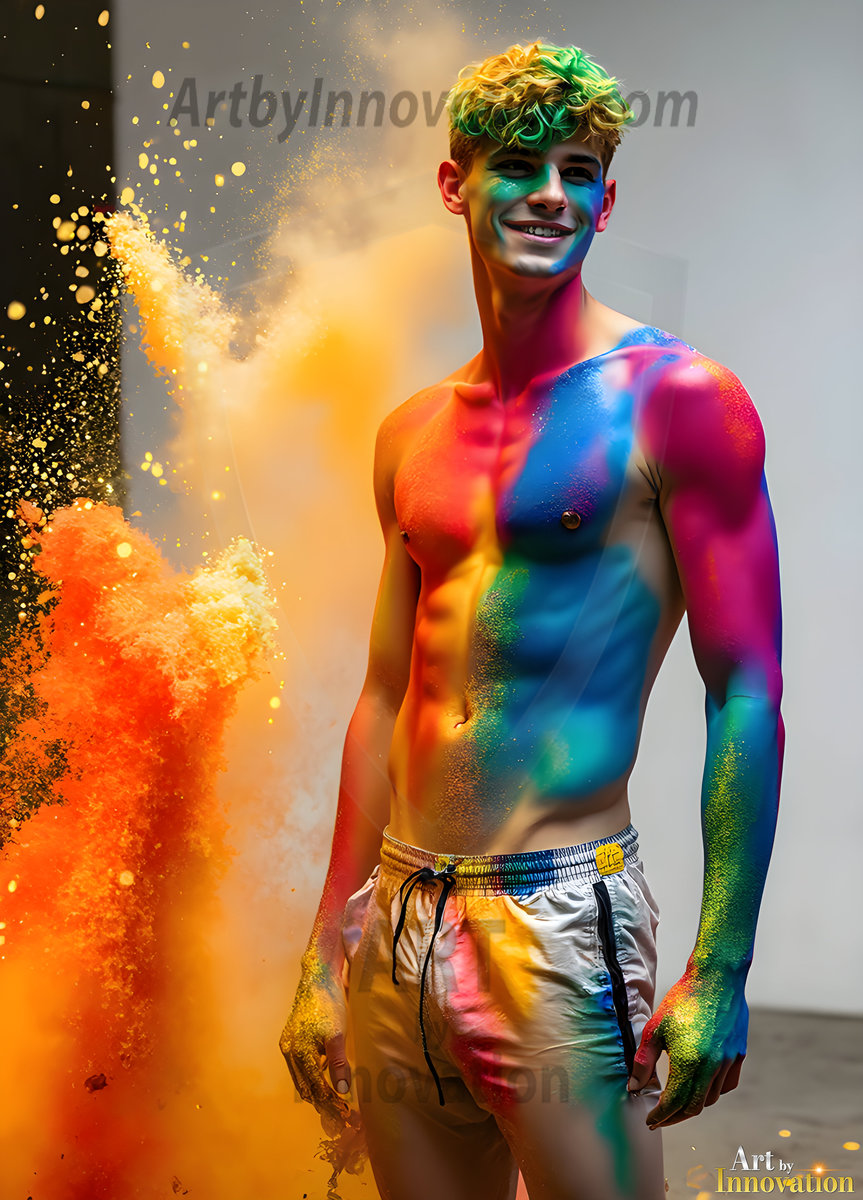
The colors of the LGBTQ+ Pride flags are designed to celebrate the diversity of human experience, visibility, and hope, with each shade representing a specific value that honors the LGBTQ+ community. Created in 1978 by artist Gilbert Baker, the rainbow flag has evolved to include more inclusive colors, showcasing how variety in identity makes individuals uniquely themselves. Meanings Behind the Colors, Red (Life): Represents the vitality and passion of LGBTQ+ people. Orange (Healing): Symbolizes the healing power within the community, often in the face of adversity. Yellow (Sunlight): Signifies the brightness and joy of being true to oneself. Green (Nature): Represents a connection to nature, the environment, and prosperity. Blue/Indigo (Serenity/Harmony): Symbolizes serenity, calm, and inner strength found in living one's truth. Violet/Purple (Spirit): Represents the spirit, strength, and resilience of the community.
The colors of the LGBTQ+ Pride flags are designed to celebrate the diversity of human experience, visibility, and hope, with each shade representing a specific value that honors the LGBTQ+ community. Created in 1978 by artist Gilbert Baker, the rainbow flag has evolved to include more inclusive colors, showcasing how variety in identity makes individuals uniquely themselves. Meanings Behind the Colors, Red (Life): Represents the vitality and passion of LGBTQ+ people. Orange (Healing): Symbolizes the healing power within the community, often in the face of adversity. Yellow (Sunlight): Signifies the brightness and joy of being true to oneself. Green (Nature): Represents a connection to nature, the environment, and prosperity. Blue/Indigo (Serenity/Harmony): Symbolizes serenity, calm, and inner strength found in living one's truth. Violet/Purple (Spirit): Represents the spirit, strength, and resilience of the community.
The colors of the LGBTQ+ Pride flags are designed to celebrate the diversity of human experience, visibility, and hope, with each shade representing a specific value that honors the LGBTQ+ community. Created in 1978 by artist Gilbert Baker, the rainbow flag has evolved to include more inclusive colors, showcasing how variety in identity makes individuals uniquely themselves. Meanings Behind the Colors, Red (Life): Represents the vitality and passion of LGBTQ+ people. Orange (Healing): Symbolizes the healing power within the community, often in the face of adversity. Yellow (Sunlight): Signifies the brightness and joy of being true to oneself. Green (Nature): Represents a connection to nature, the environment, and prosperity. Blue/Indigo (Serenity/Harmony): Symbolizes serenity, calm, and inner strength found in living one's truth. Violet/Purple (Spirit): Represents the spirit, strength, and resilience of the community.
The colors of the LGBTQ+ Pride flags are designed to celebrate the diversity of human experience, visibility, and hope, with each shade representing a specific value that honors the LGBTQ+ community. Created in 1978 by artist Gilbert Baker, the rainbow flag has evolved to include more inclusive colors, showcasing how variety in identity makes individuals uniquely themselves. Meanings Behind the Colors, Red (Life): Represents the vitality and passion of LGBTQ+ people. Orange (Healing): Symbolizes the healing power within the community, often in the face of adversity. Yellow (Sunlight): Signifies the brightness and joy of being true to oneself. Green (Nature): Represents a connection to nature, the environment, and prosperity. Blue/Indigo (Serenity/Harmony): Symbolizes serenity, calm, and inner strength found in living one's truth. Violet/Purple (Spirit): Represents the spirit, strength, and resilience of the community.
The colors of the LGBTQ+ Pride flags are designed to celebrate the diversity of human experience, visibility, and hope, with each shade representing a specific value that honors the LGBTQ+ community. Created in 1978 by artist Gilbert Baker, the rainbow flag has evolved to include more inclusive colors, showcasing how variety in identity makes individuals uniquely themselves. Meanings Behind the Colors, Red (Life): Represents the vitality and passion of LGBTQ+ people. Orange (Healing): Symbolizes the healing power within the community, often in the face of adversity. Yellow (Sunlight): Signifies the brightness and joy of being true to oneself. Green (Nature): Represents a connection to nature, the environment, and prosperity. Blue/Indigo (Serenity/Harmony): Symbolizes serenity, calm, and inner strength found in living one's truth. Violet/Purple (Spirit): Represents the spirit, strength, and resilience of the community.
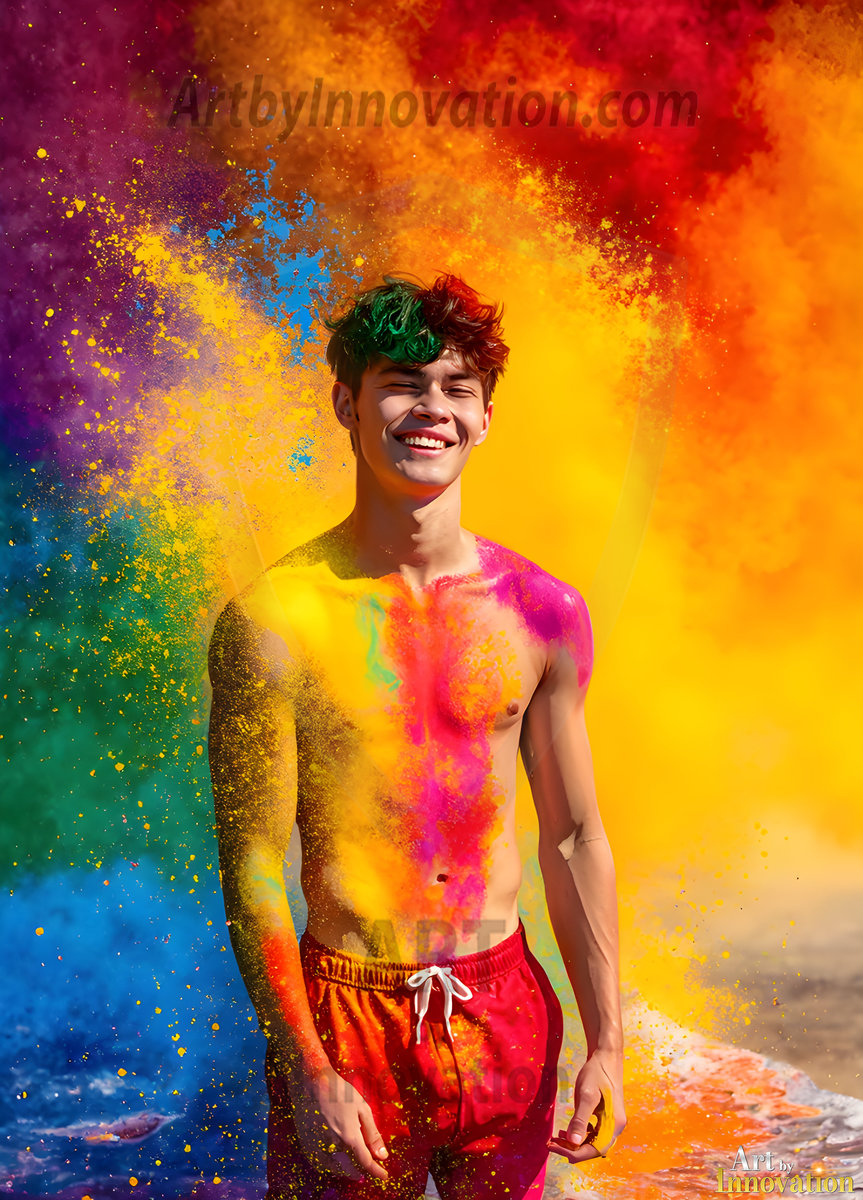
The colors of the LGBTQ+ Pride flags are designed to celebrate the diversity of human experience, visibility, and hope, with each shade representing a specific value that honors the LGBTQ+ community. Created in 1978 by artist Gilbert Baker, the rainbow flag has evolved to include more inclusive colors, showcasing how variety in identity makes individuals uniquely themselves. Meanings Behind the Colors, Red (Life): Represents the vitality and passion of LGBTQ+ people. Orange (Healing): Symbolizes the healing power within the community, often in the face of adversity. Yellow (Sunlight): Signifies the brightness and joy of being true to oneself. Green (Nature): Represents a connection to nature, the environment, and prosperity. Blue/Indigo (Serenity/Harmony): Symbolizes serenity, calm, and inner strength found in living one's truth. Violet/Purple (Spirit): Represents the spirit, strength, and resilience of the community.
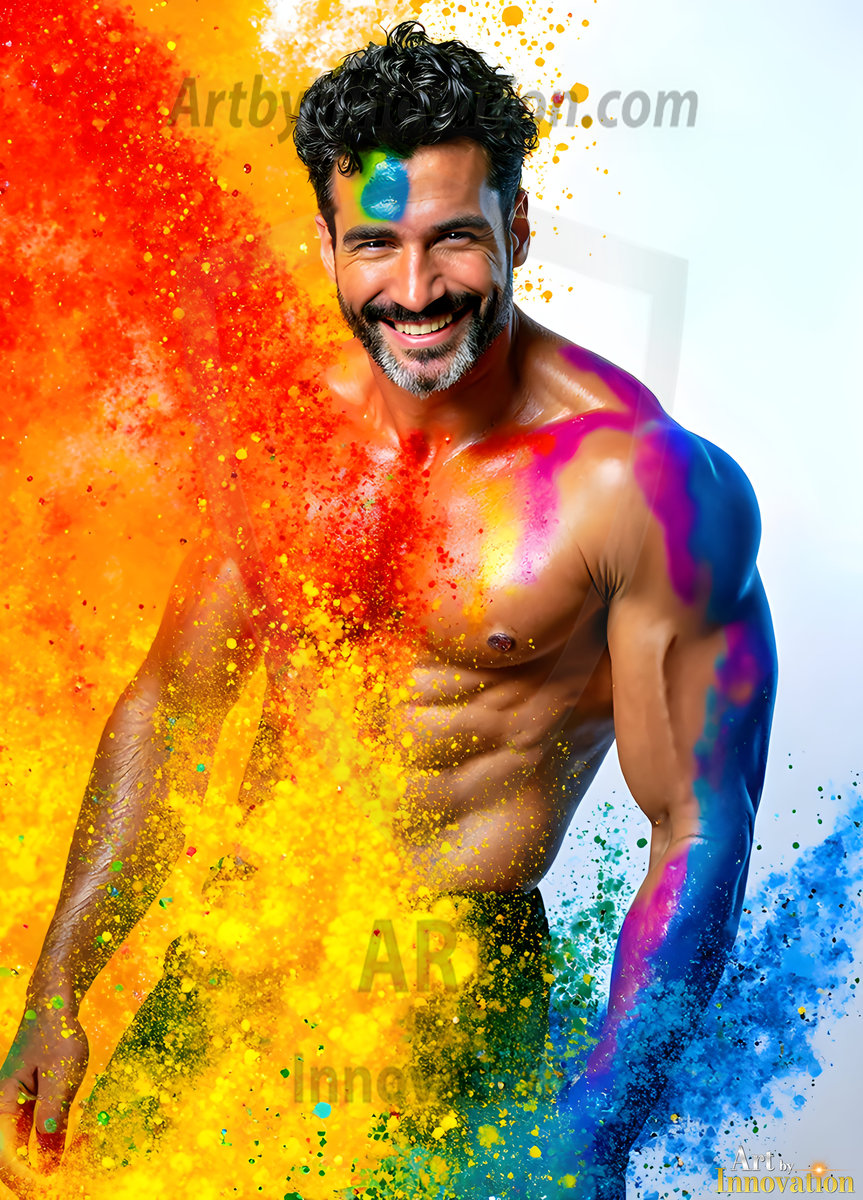
The colors of the LGBTQ+ Pride flags are designed to celebrate the diversity of human experience, visibility, and hope, with each shade representing a specific value that honors the LGBTQ+ community. Created in 1978 by artist Gilbert Baker, the rainbow flag has evolved to include more inclusive colors, showcasing how variety in identity makes individuals uniquely themselves. Meanings Behind the Colors, Red (Life): Represents the vitality and passion of LGBTQ+ people. Orange (Healing): Symbolizes the healing power within the community, often in the face of adversity. Yellow (Sunlight): Signifies the brightness and joy of being true to oneself. Green (Nature): Represents a connection to nature, the environment, and prosperity. Blue/Indigo (Serenity/Harmony): Symbolizes serenity, calm, and inner strength found in living one's truth. Violet/Purple (Spirit): Represents the spirit, strength, and resilience of the community.

The colors of the LGBTQ+ Pride flags are designed to celebrate the diversity of human experience, visibility, and hope, with each shade representing a specific value that honors the LGBTQ+ community. Created in 1978 by artist Gilbert Baker, the rainbow flag has evolved to include more inclusive colors, showcasing how variety in identity makes individuals uniquely themselves. Meanings Behind the Colors, Red (Life): Represents the vitality and passion of LGBTQ+ people. Orange (Healing): Symbolizes the healing power within the community, often in the face of adversity. Yellow (Sunlight): Signifies the brightness and joy of being true to oneself. Green (Nature): Represents a connection to nature, the environment, and prosperity. Blue/Indigo (Serenity/Harmony): Symbolizes serenity, calm, and inner strength found in living one's truth. Violet/Purple (Spirit): Represents the spirit, strength, and resilience of the community.
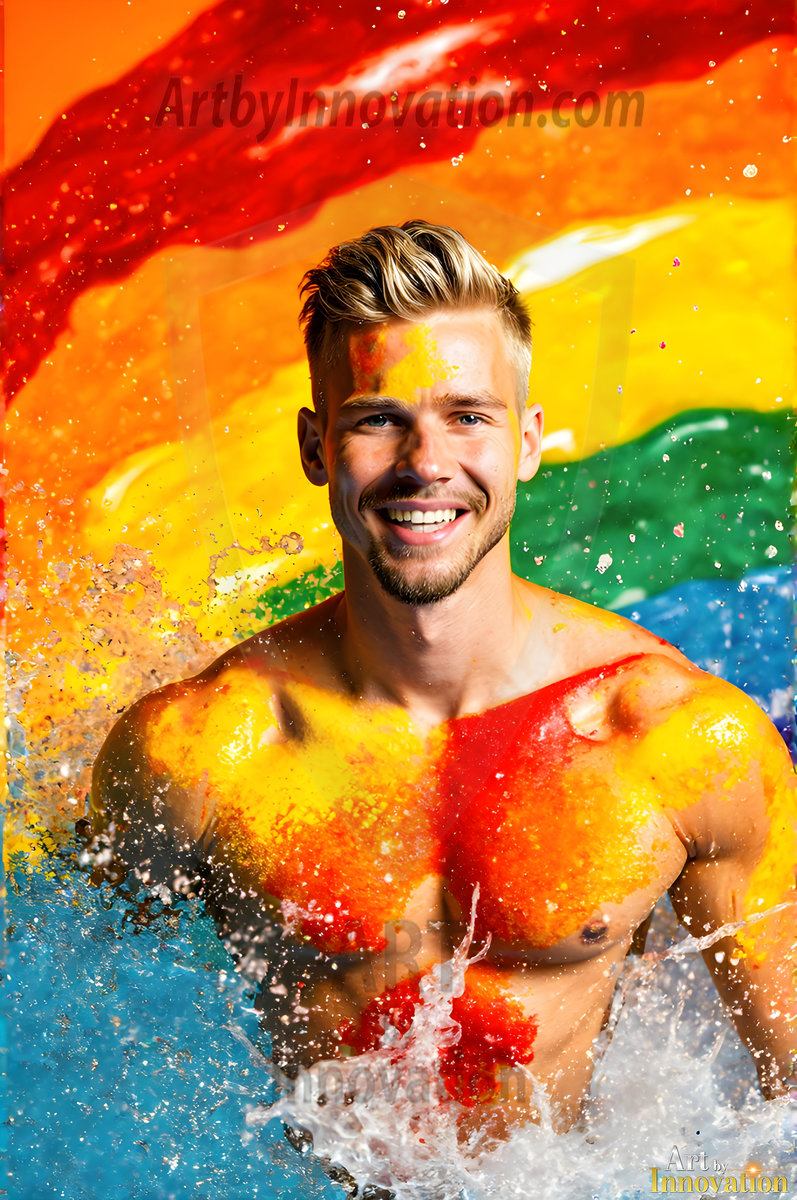
The colors of the LGBTQ+ Pride flags are designed to celebrate the diversity of human experience, visibility, and hope, with each shade representing a specific value that honors the LGBTQ+ community. Created in 1978 by artist Gilbert Baker, the rainbow flag has evolved to include more inclusive colors, showcasing how variety in identity makes individuals uniquely themselves. Meanings Behind the Colors, Red (Life): Represents the vitality and passion of LGBTQ+ people. Orange (Healing): Symbolizes the healing power within the community, often in the face of adversity. Yellow (Sunlight): Signifies the brightness and joy of being true to oneself. Green (Nature): Represents a connection to nature, the environment, and prosperity. Blue/Indigo (Serenity/Harmony): Symbolizes serenity, calm, and inner strength found in living one's truth. Violet/Purple (Spirit): Represents the spirit, strength, and resilience of the community.

The colors of the LGBTQ+ Pride flags are designed to celebrate the diversity of human experience, visibility, and hope, with each shade representing a specific value that honors the LGBTQ+ community. Created in 1978 by artist Gilbert Baker, the rainbow flag has evolved to include more inclusive colors, showcasing how variety in identity makes individuals uniquely themselves. Meanings Behind the Colors, Red (Life): Represents the vitality and passion of LGBTQ+ people. Orange (Healing): Symbolizes the healing power within the community, often in the face of adversity. Yellow (Sunlight): Signifies the brightness and joy of being true to oneself. Green (Nature): Represents a connection to nature, the environment, and prosperity. Blue/Indigo (Serenity/Harmony): Symbolizes serenity, calm, and inner strength found in living one's truth. Violet/Purple (Spirit): Represents the spirit, strength, and resilience of the community.
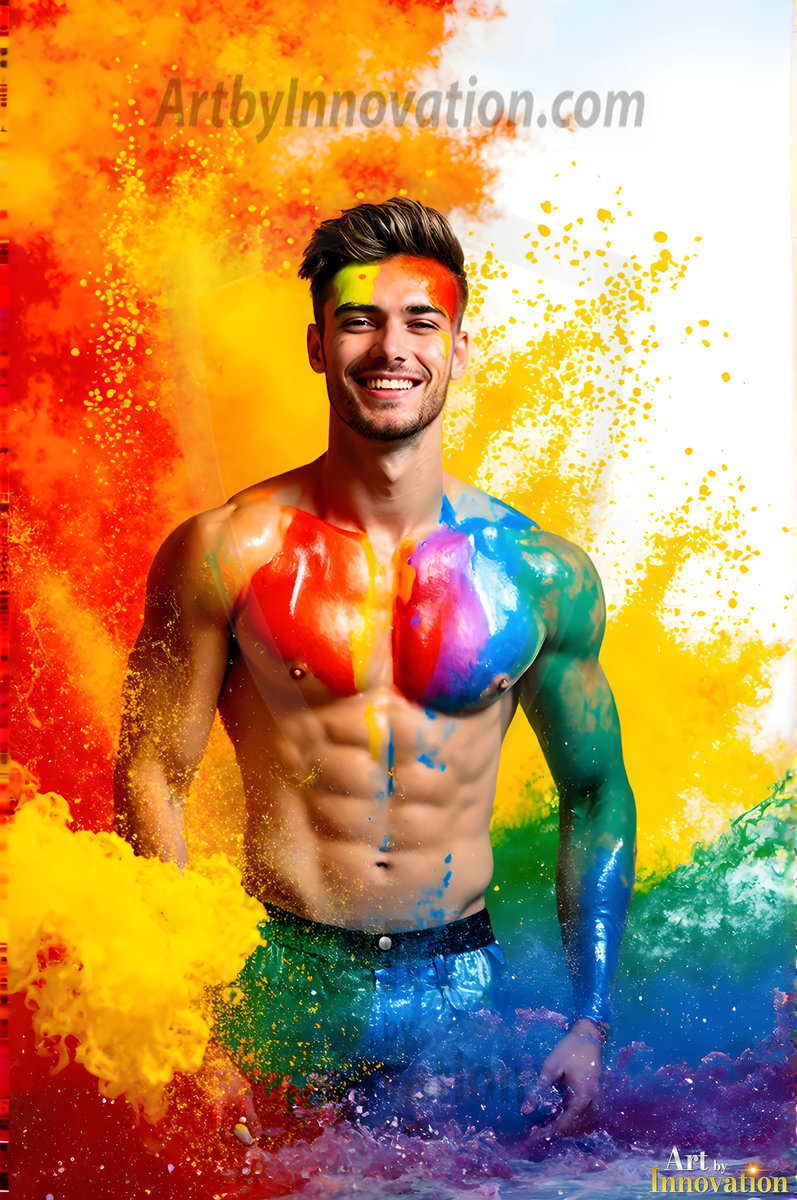
The colors of the LGBTQ+ Pride flags are designed to celebrate the diversity of human experience, visibility, and hope, with each shade representing a specific value that honors the LGBTQ+ community. Created in 1978 by artist Gilbert Baker, the rainbow flag has evolved to include more inclusive colors, showcasing how variety in identity makes individuals uniquely themselves. Meanings Behind the Colors, Red (Life): Represents the vitality and passion of LGBTQ+ people. Orange (Healing): Symbolizes the healing power within the community, often in the face of adversity. Yellow (Sunlight): Signifies the brightness and joy of being true to oneself. Green (Nature): Represents a connection to nature, the environment, and prosperity. Blue/Indigo (Serenity/Harmony): Symbolizes serenity, calm, and inner strength found in living one's truth. Violet/Purple (Spirit): Represents the spirit, strength, and resilience of the community.
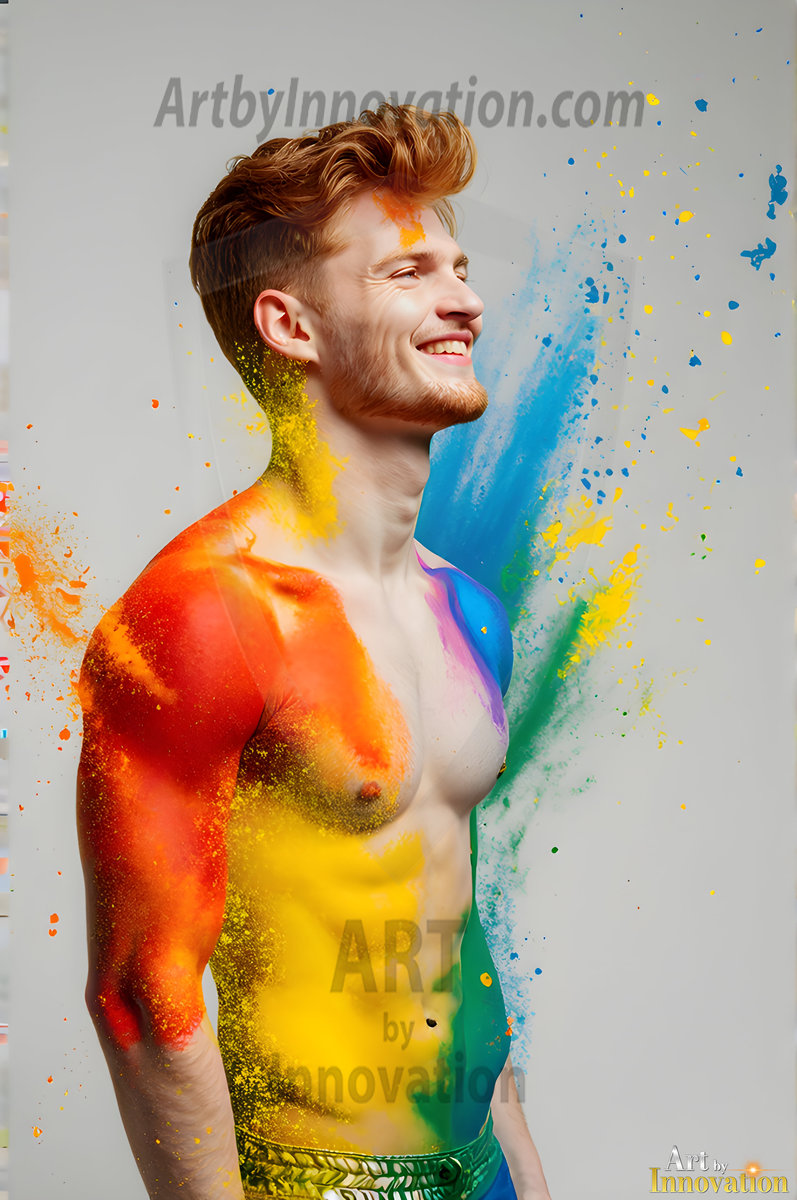
The colors of the LGBTQ+ Pride flags are designed to celebrate the diversity of human experience, visibility, and hope, with each shade representing a specific value that honors the LGBTQ+ community. Created in 1978 by artist Gilbert Baker, the rainbow flag has evolved to include more inclusive colors, showcasing how variety in identity makes individuals uniquely themselves. Meanings Behind the Colors, Red (Life): Represents the vitality and passion of LGBTQ+ people. Orange (Healing): Symbolizes the healing power within the community, often in the face of adversity. Yellow (Sunlight): Signifies the brightness and joy of being true to oneself. Green (Nature): Represents a connection to nature, the environment, and prosperity. Blue/Indigo (Serenity/Harmony): Symbolizes serenity, calm, and inner strength found in living one's truth. Violet/Purple (Spirit): Represents the spirit, strength, and resilience of the community.

The colors of the LGBTQ+ Pride flags are designed to celebrate the diversity of human experience, visibility, and hope, with each shade representing a specific value that honors the LGBTQ+ community. Created in 1978 by artist Gilbert Baker, the rainbow flag has evolved to include more inclusive colors, showcasing how variety in identity makes individuals uniquely themselves. Meanings Behind the Colors, Red (Life): Represents the vitality and passion of LGBTQ+ people. Orange (Healing): Symbolizes the healing power within the community, often in the face of adversity. Yellow (Sunlight): Signifies the brightness and joy of being true to oneself. Green (Nature): Represents a connection to nature, the environment, and prosperity. Blue/Indigo (Serenity/Harmony): Symbolizes serenity, calm, and inner strength found in living one's truth. Violet/Purple (Spirit): Represents the spirit, strength, and resilience of the community.
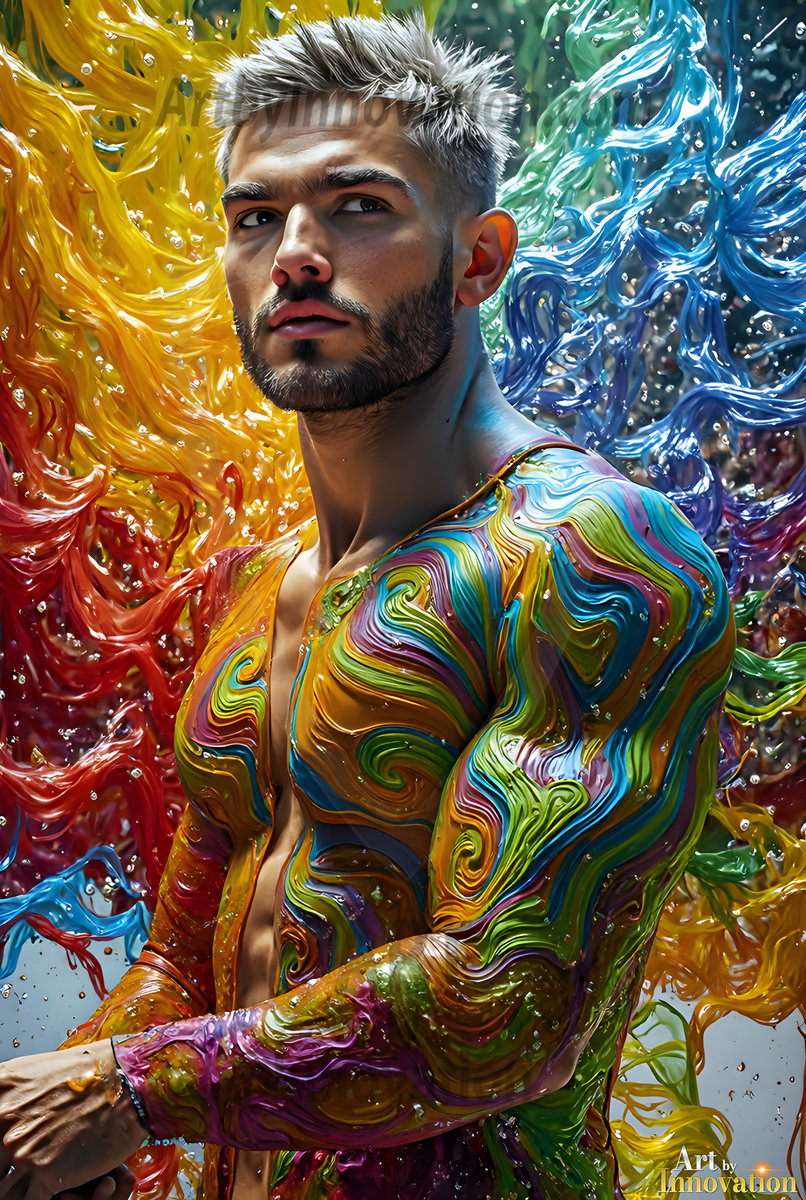
The colors of the LGBTQ+ Pride flags are designed to celebrate the diversity of human experience, visibility, and hope, with each shade representing a specific value that honors the LGBTQ+ community. Created in 1978 by artist Gilbert Baker, the rainbow flag has evolved to include more inclusive colors, showcasing how variety in identity makes individuals uniquely themselves. Meanings Behind the Colors, Red (Life): Represents the vitality and passion of LGBTQ+ people. Orange (Healing): Symbolizes the healing power within the community, often in the face of adversity. Yellow (Sunlight): Signifies the brightness and joy of being true to oneself. Green (Nature): Represents a connection to nature, the environment, and prosperity. Blue/Indigo (Serenity/Harmony): Symbolizes serenity, calm, and inner strength found in living one's truth. Violet/Purple (Spirit): Represents the spirit, strength, and resilience of the community.
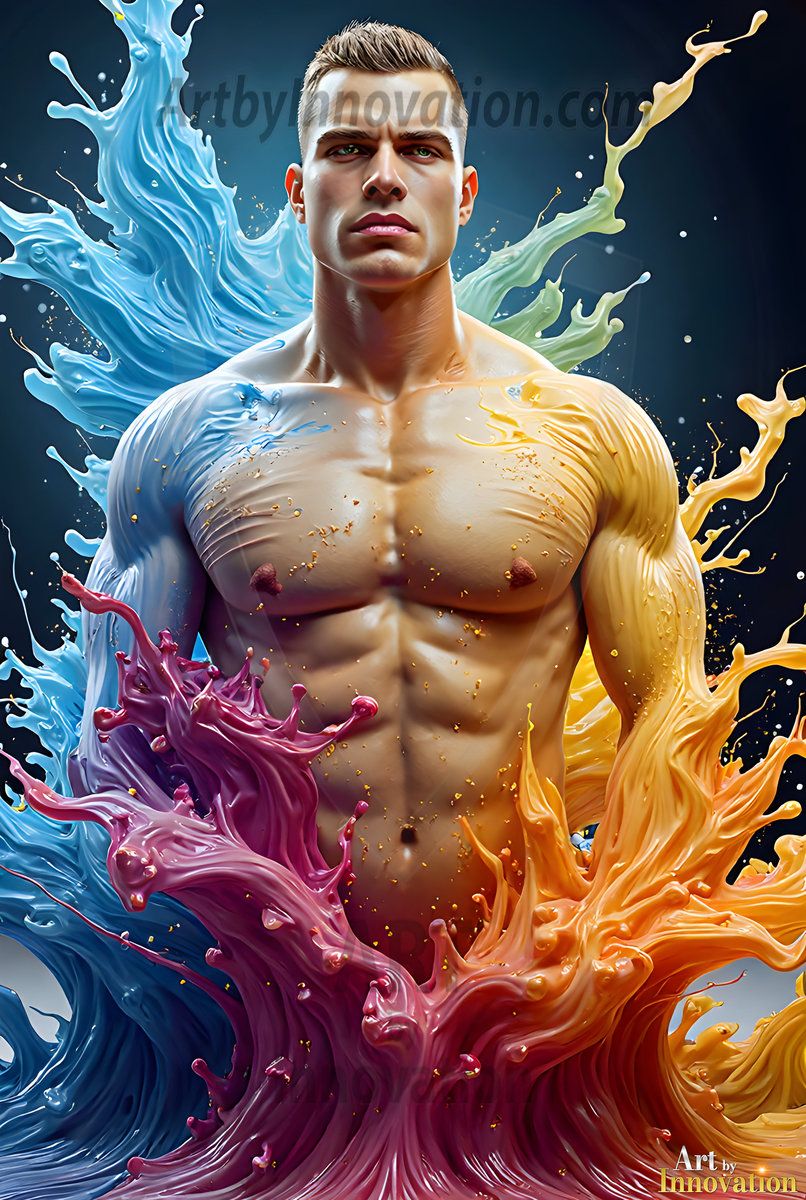
The colors of the LGBTQ+ Pride flags are designed to celebrate the diversity of human experience, visibility, and hope, with each shade representing a specific value that honors the LGBTQ+ community. Created in 1978 by artist Gilbert Baker, the rainbow flag has evolved to include more inclusive colors, showcasing how variety in identity makes individuals uniquely themselves. Meanings Behind the Colors, Red (Life): Represents the vitality and passion of LGBTQ+ people. Orange (Healing): Symbolizes the healing power within the community, often in the face of adversity. Yellow (Sunlight): Signifies the brightness and joy of being true to oneself. Green (Nature): Represents a connection to nature, the environment, and prosperity. Blue/Indigo (Serenity/Harmony): Symbolizes serenity, calm, and inner strength found in living one's truth. Violet/Purple (Spirit): Represents the spirit, strength, and resilience of the community.
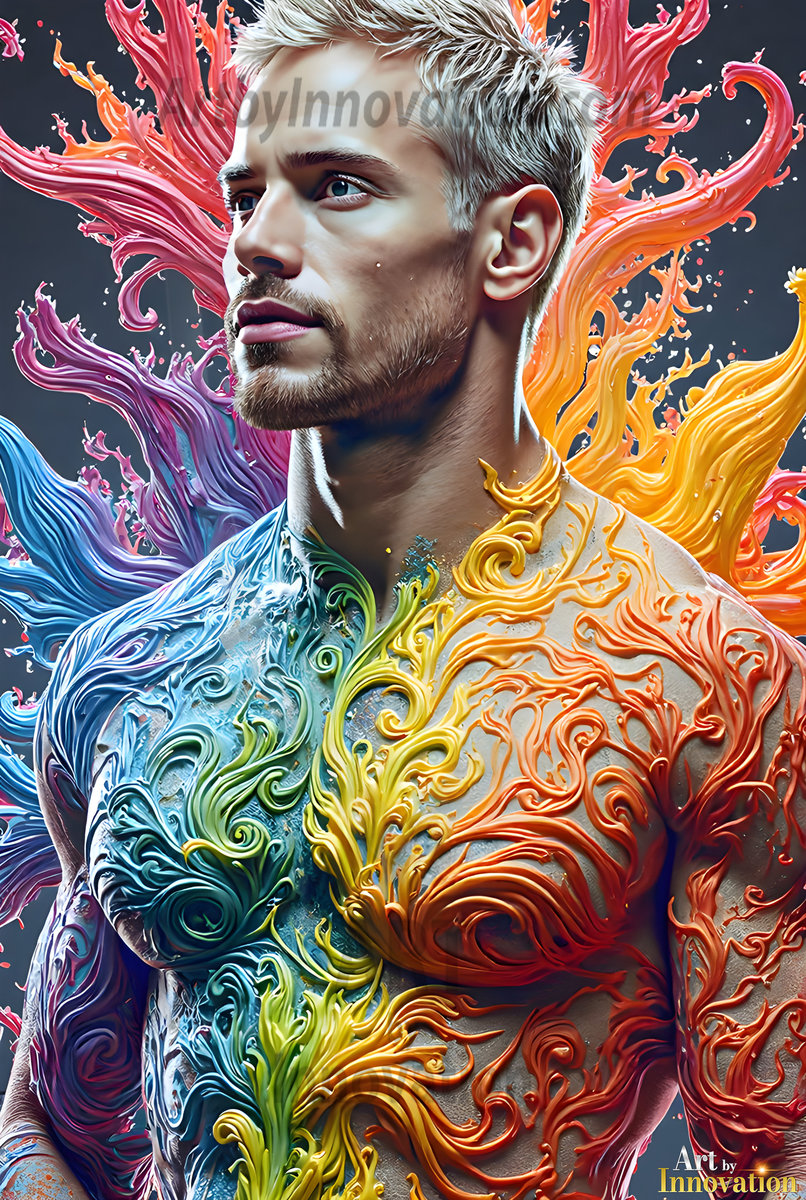
The colors of the LGBTQ+ Pride flags are designed to celebrate the diversity of human experience, visibility, and hope, with each shade representing a specific value that honors the LGBTQ+ community. Created in 1978 by artist Gilbert Baker, the rainbow flag has evolved to include more inclusive colors, showcasing how variety in identity makes individuals uniquely themselves. Meanings Behind the Colors, Red (Life): Represents the vitality and passion of LGBTQ+ people. Orange (Healing): Symbolizes the healing power within the community, often in the face of adversity. Yellow (Sunlight): Signifies the brightness and joy of being true to oneself. Green (Nature): Represents a connection to nature, the environment, and prosperity. Blue/Indigo (Serenity/Harmony): Symbolizes serenity, calm, and inner strength found in living one's truth. Violet/Purple (Spirit): Represents the spirit, strength, and resilience of the community.
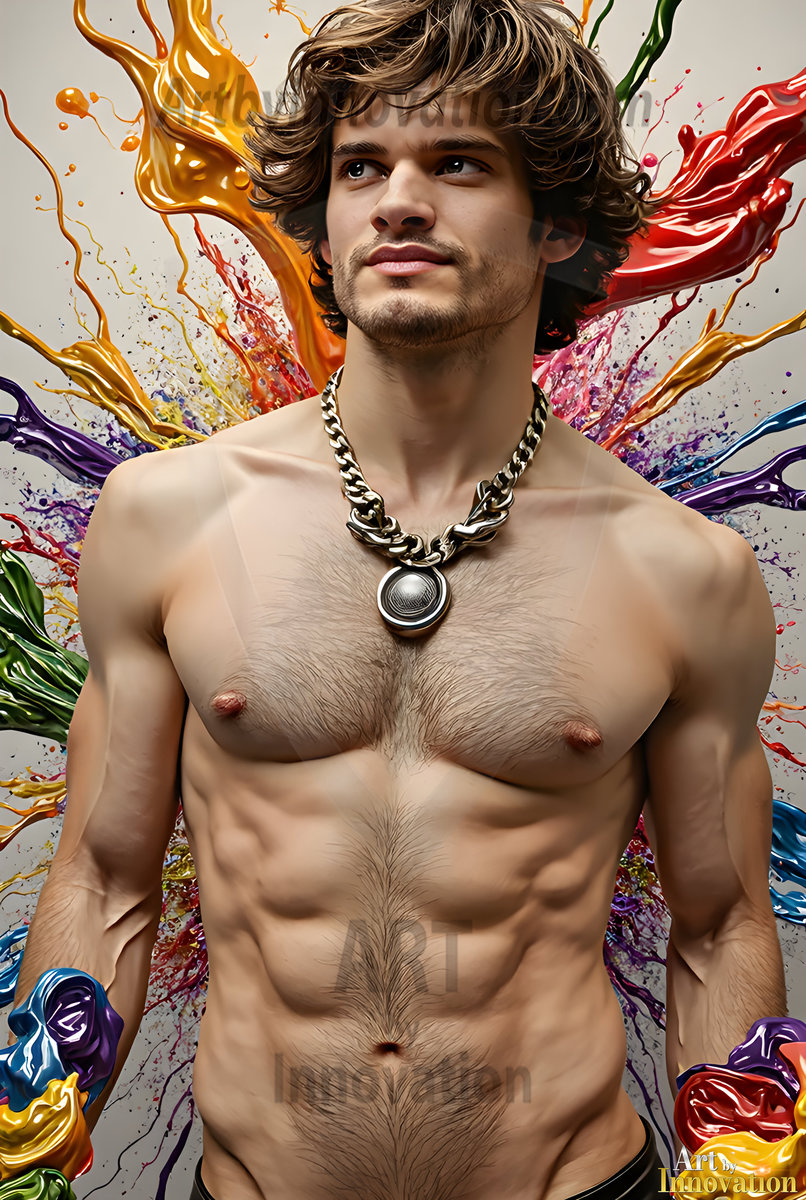
The colors of the LGBTQ+ Pride flags are designed to celebrate the diversity of human experience, visibility, and hope, with each shade representing a specific value that honors the LGBTQ+ community. Created in 1978 by artist Gilbert Baker, the rainbow flag has evolved to include more inclusive colors, showcasing how variety in identity makes individuals uniquely themselves. Meanings Behind the Colors, Red (Life): Represents the vitality and passion of LGBTQ+ people. Orange (Healing): Symbolizes the healing power within the community, often in the face of adversity. Yellow (Sunlight): Signifies the brightness and joy of being true to oneself. Green (Nature): Represents a connection to nature, the environment, and prosperity. Blue/Indigo (Serenity/Harmony): Symbolizes serenity, calm, and inner strength found in living one's truth. Violet/Purple (Spirit): Represents the spirit, strength, and resilience of the community.
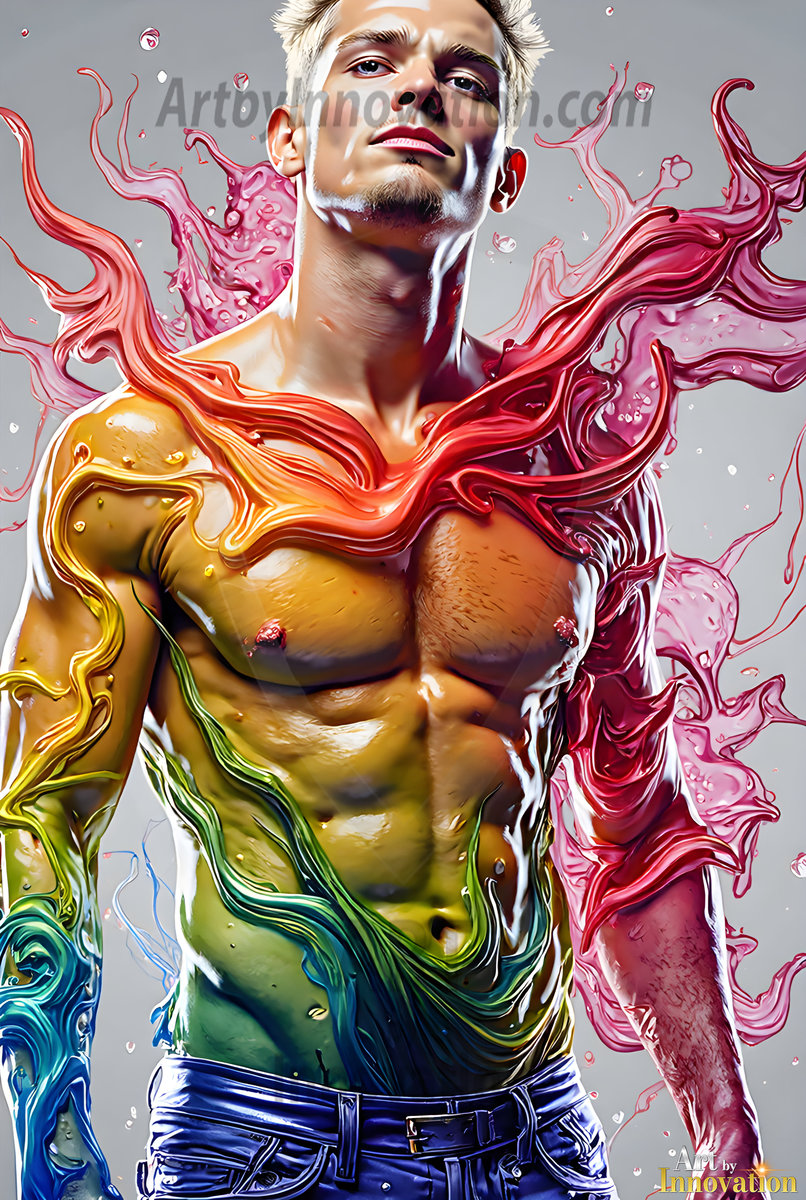
The colors of the LGBTQ+ Pride flags are designed to celebrate the diversity of human experience, visibility, and hope, with each shade representing a specific value that honors the LGBTQ+ community. Created in 1978 by artist Gilbert Baker, the rainbow flag has evolved to include more inclusive colors, showcasing how variety in identity makes individuals uniquely themselves. Meanings Behind the Colors, Red (Life): Represents the vitality and passion of LGBTQ+ people. Orange (Healing): Symbolizes the healing power within the community, often in the face of adversity. Yellow (Sunlight): Signifies the brightness and joy of being true to oneself. Green (Nature): Represents a connection to nature, the environment, and prosperity. Blue/Indigo (Serenity/Harmony): Symbolizes serenity, calm, and inner strength found in living one's truth. Violet/Purple (Spirit): Represents the spirit, strength, and resilience of the community.
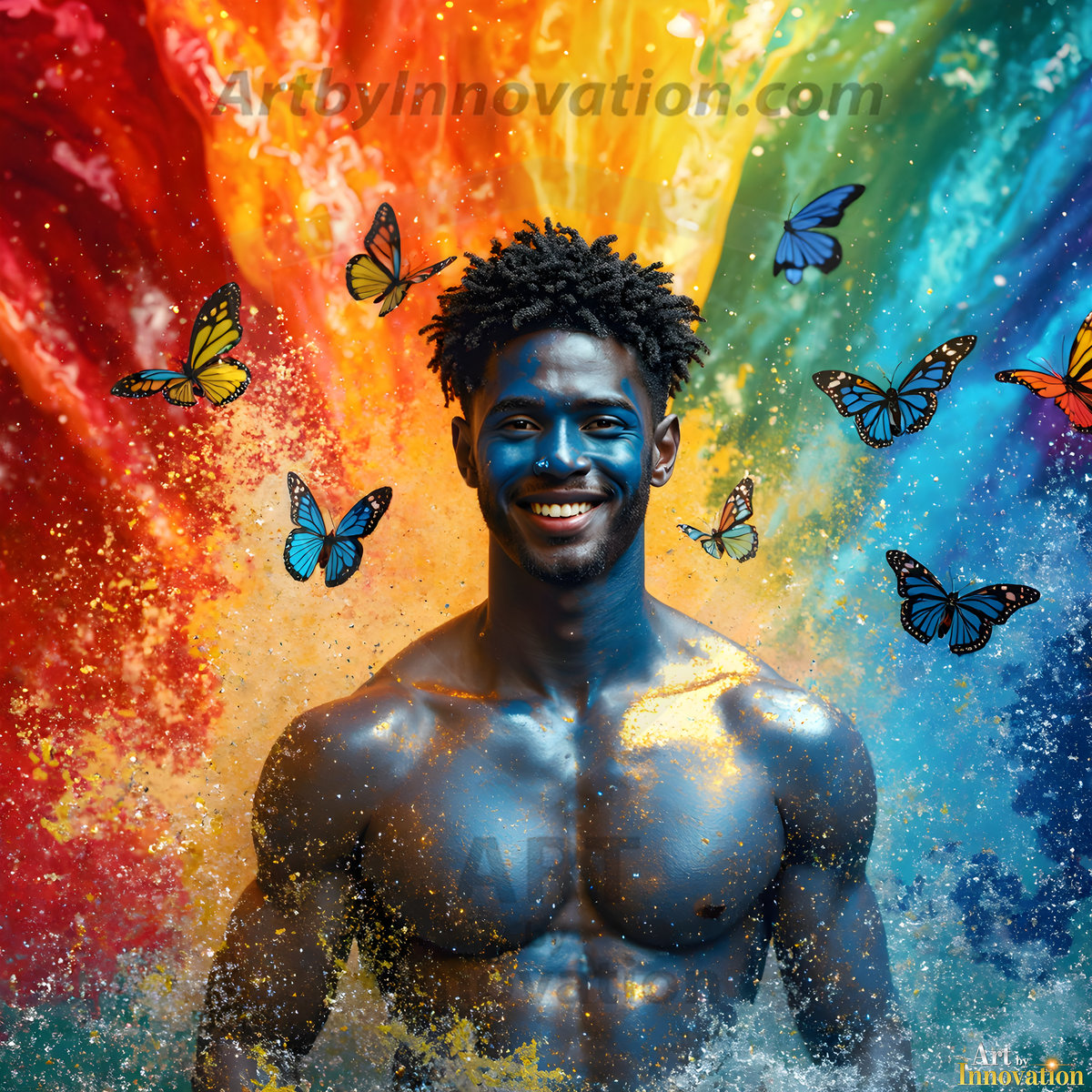
The colors of the LGBTQ+ Pride flags are designed to celebrate the diversity of human experience, visibility, and hope, with each shade representing a specific value that honors the LGBTQ+ community. Created in 1978 by artist Gilbert Baker, the rainbow flag has evolved to include more inclusive colors, showcasing how variety in identity makes individuals uniquely themselves. Meanings Behind the Colors, Red (Life): Represents the vitality and passion of LGBTQ+ people. Orange (Healing): Symbolizes the healing power within the community, often in the face of adversity. Yellow (Sunlight): Signifies the brightness and joy of being true to oneself. Green (Nature): Represents a connection to nature, the environment, and prosperity. Blue/Indigo (Serenity/Harmony): Symbolizes serenity, calm, and inner strength found in living one's truth. Violet/Purple (Spirit): Represents the spirit, strength, and resilience of the community.
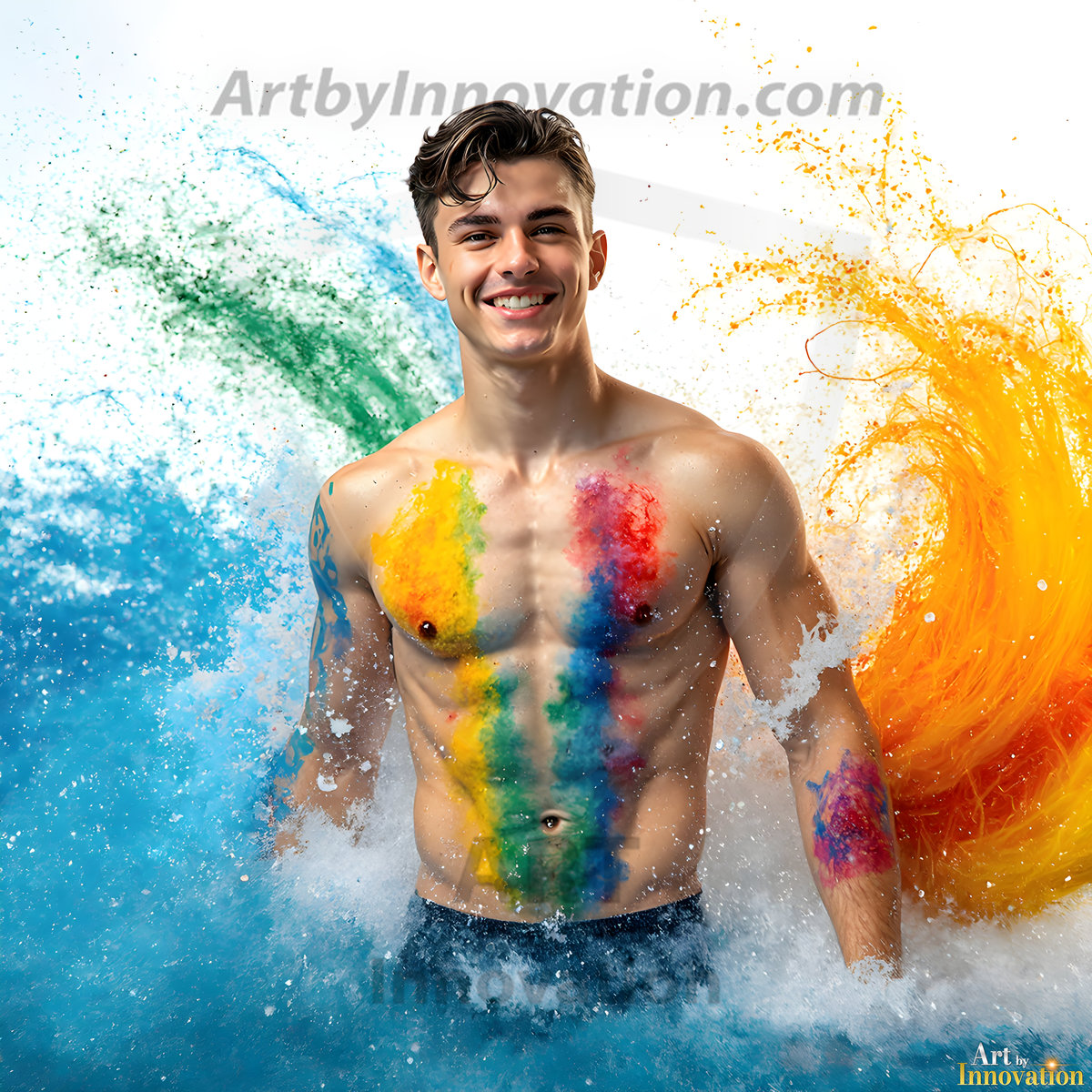
The colors of the LGBTQ+ Pride flags are designed to celebrate the diversity of human experience, visibility, and hope, with each shade representing a specific value that honors the LGBTQ+ community. Created in 1978 by artist Gilbert Baker, the rainbow flag has evolved to include more inclusive colors, showcasing how variety in identity makes individuals uniquely themselves. Meanings Behind the Colors, Red (Life): Represents the vitality and passion of LGBTQ+ people. Orange (Healing): Symbolizes the healing power within the community, often in the face of adversity. Yellow (Sunlight): Signifies the brightness and joy of being true to oneself. Green (Nature): Represents a connection to nature, the environment, and prosperity. Blue/Indigo (Serenity/Harmony): Symbolizes serenity, calm, and inner strength found in living one's truth. Violet/Purple (Spirit): Represents the spirit, strength, and resilience of the community.
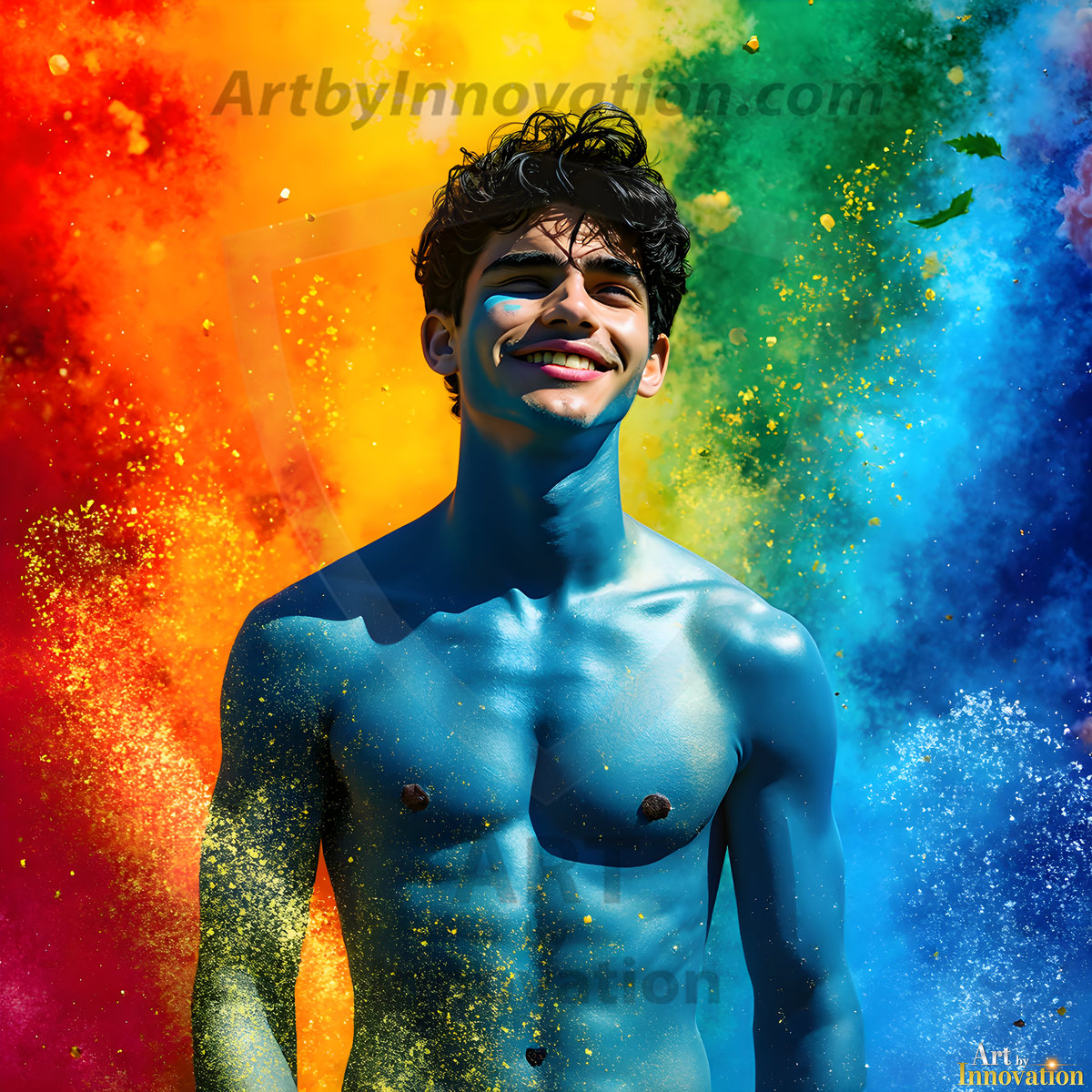
The colors of the LGBTQ+ Pride flags are designed to celebrate the diversity of human experience, visibility, and hope, with each shade representing a specific value that honors the LGBTQ+ community. Created in 1978 by artist Gilbert Baker, the rainbow flag has evolved to include more inclusive colors, showcasing how variety in identity makes individuals uniquely themselves. Meanings Behind the Colors, Red (Life): Represents the vitality and passion of LGBTQ+ people. Orange (Healing): Symbolizes the healing power within the community, often in the face of adversity. Yellow (Sunlight): Signifies the brightness and joy of being true to oneself. Green (Nature): Represents a connection to nature, the environment, and prosperity. Blue/Indigo (Serenity/Harmony): Symbolizes serenity, calm, and inner strength found in living one's truth. Violet/Purple (Spirit): Represents the spirit, strength, and resilience of the community.
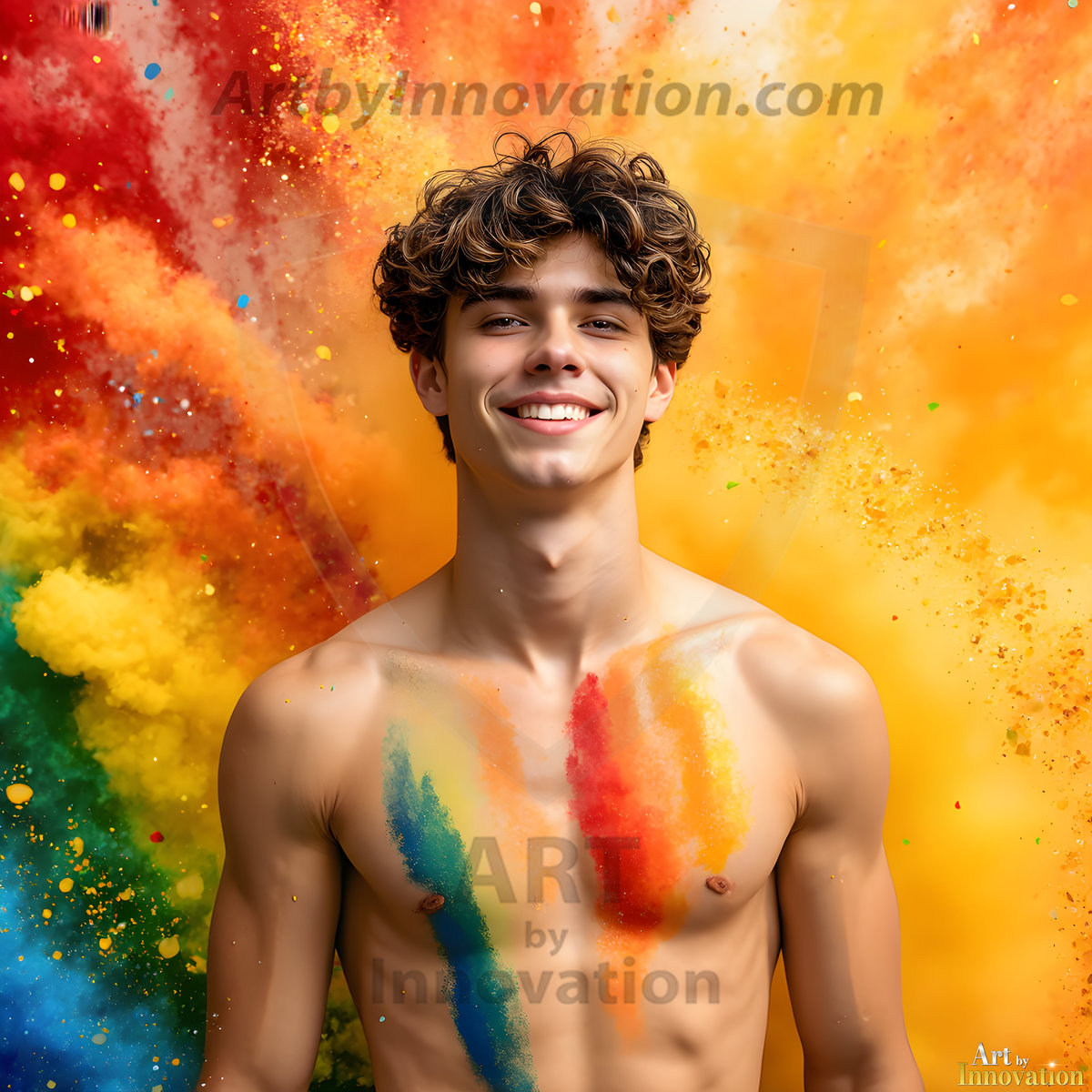
The colors of the LGBTQ+ Pride flags are designed to celebrate the diversity of human experience, visibility, and hope, with each shade representing a specific value that honors the LGBTQ+ community. Created in 1978 by artist Gilbert Baker, the rainbow flag has evolved to include more inclusive colors, showcasing how variety in identity makes individuals uniquely themselves. Meanings Behind the Colors, Red (Life): Represents the vitality and passion of LGBTQ+ people. Orange (Healing): Symbolizes the healing power within the community, often in the face of adversity. Yellow (Sunlight): Signifies the brightness and joy of being true to oneself. Green (Nature): Represents a connection to nature, the environment, and prosperity. Blue/Indigo (Serenity/Harmony): Symbolizes serenity, calm, and inner strength found in living one's truth. Violet/Purple (Spirit): Represents the spirit, strength, and resilience of the community.
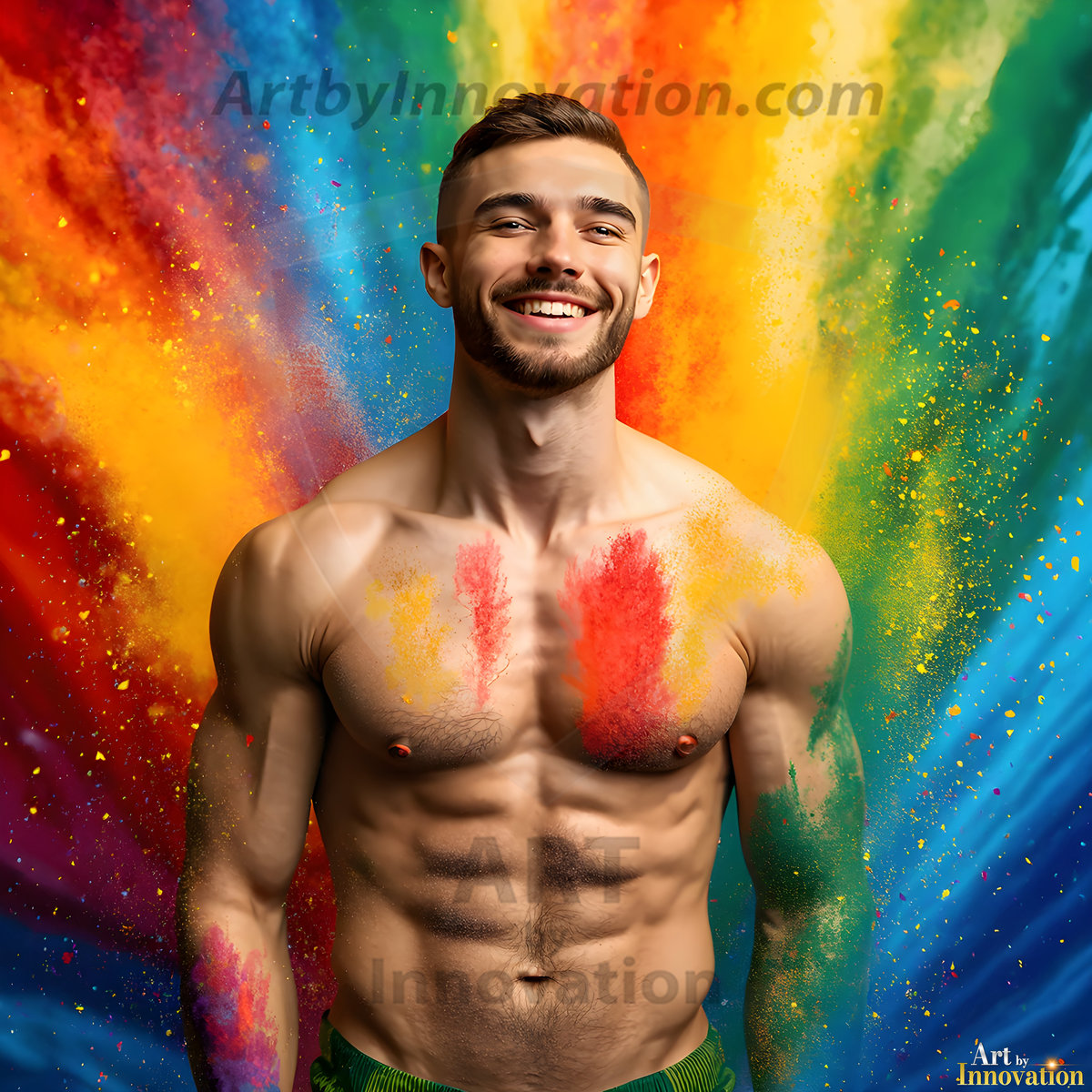
The colors of the LGBTQ+ Pride flags are designed to celebrate the diversity of human experience, visibility, and hope, with each shade representing a specific value that honors the LGBTQ+ community. Created in 1978 by artist Gilbert Baker, the rainbow flag has evolved to include more inclusive colors, showcasing how variety in identity makes individuals uniquely themselves. Meanings Behind the Colors, Red (Life): Represents the vitality and passion of LGBTQ+ people. Orange (Healing): Symbolizes the healing power within the community, often in the face of adversity. Yellow (Sunlight): Signifies the brightness and joy of being true to oneself. Green (Nature): Represents a connection to nature, the environment, and prosperity. Blue/Indigo (Serenity/Harmony): Symbolizes serenity, calm, and inner strength found in living one's truth. Violet/Purple (Spirit): Represents the spirit, strength, and resilience of the community.
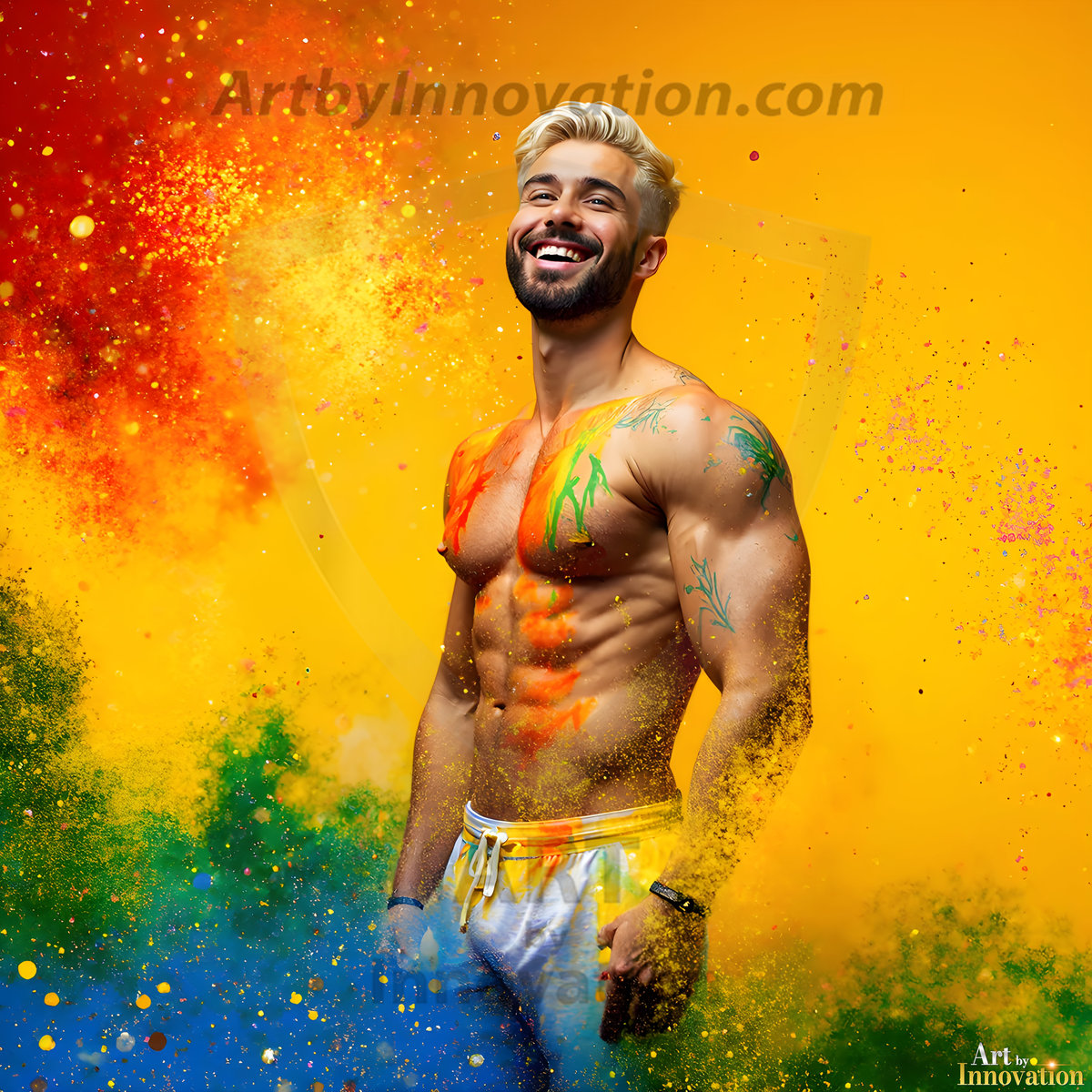
The colors of the LGBTQ+ Pride flags are designed to celebrate the diversity of human experience, visibility, and hope, with each shade representing a specific value that honors the LGBTQ+ community. Created in 1978 by artist Gilbert Baker, the rainbow flag has evolved to include more inclusive colors, showcasing how variety in identity makes individuals uniquely themselves. Meanings Behind the Colors, Red (Life): Represents the vitality and passion of LGBTQ+ people. Orange (Healing): Symbolizes the healing power within the community, often in the face of adversity. Yellow (Sunlight): Signifies the brightness and joy of being true to oneself. Green (Nature): Represents a connection to nature, the environment, and prosperity. Blue/Indigo (Serenity/Harmony): Symbolizes serenity, calm, and inner strength found in living one's truth. Violet/Purple (Spirit): Represents the spirit, strength, and resilience of the community.
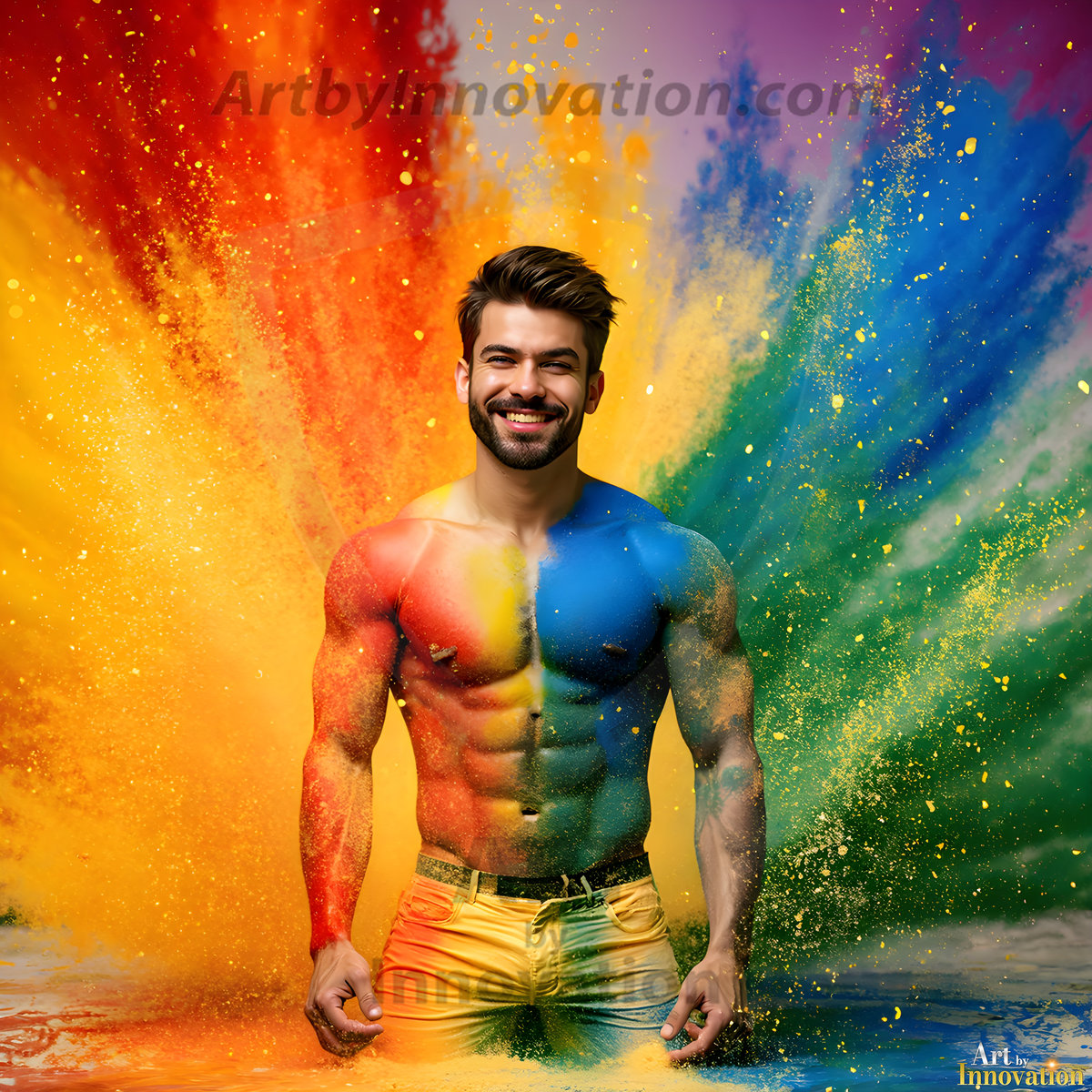
The colors of the LGBTQ+ Pride flags are designed to celebrate the diversity of human experience, visibility, and hope, with each shade representing a specific value that honors the LGBTQ+ community. Created in 1978 by artist Gilbert Baker, the rainbow flag has evolved to include more inclusive colors, showcasing how variety in identity makes individuals uniquely themselves. Meanings Behind the Colors, Red (Life): Represents the vitality and passion of LGBTQ+ people. Orange (Healing): Symbolizes the healing power within the community, often in the face of adversity. Yellow (Sunlight): Signifies the brightness and joy of being true to oneself. Green (Nature): Represents a connection to nature, the environment, and prosperity. Blue/Indigo (Serenity/Harmony): Symbolizes serenity, calm, and inner strength found in living one's truth. Violet/Purple (Spirit): Represents the spirit, strength, and resilience of the community.
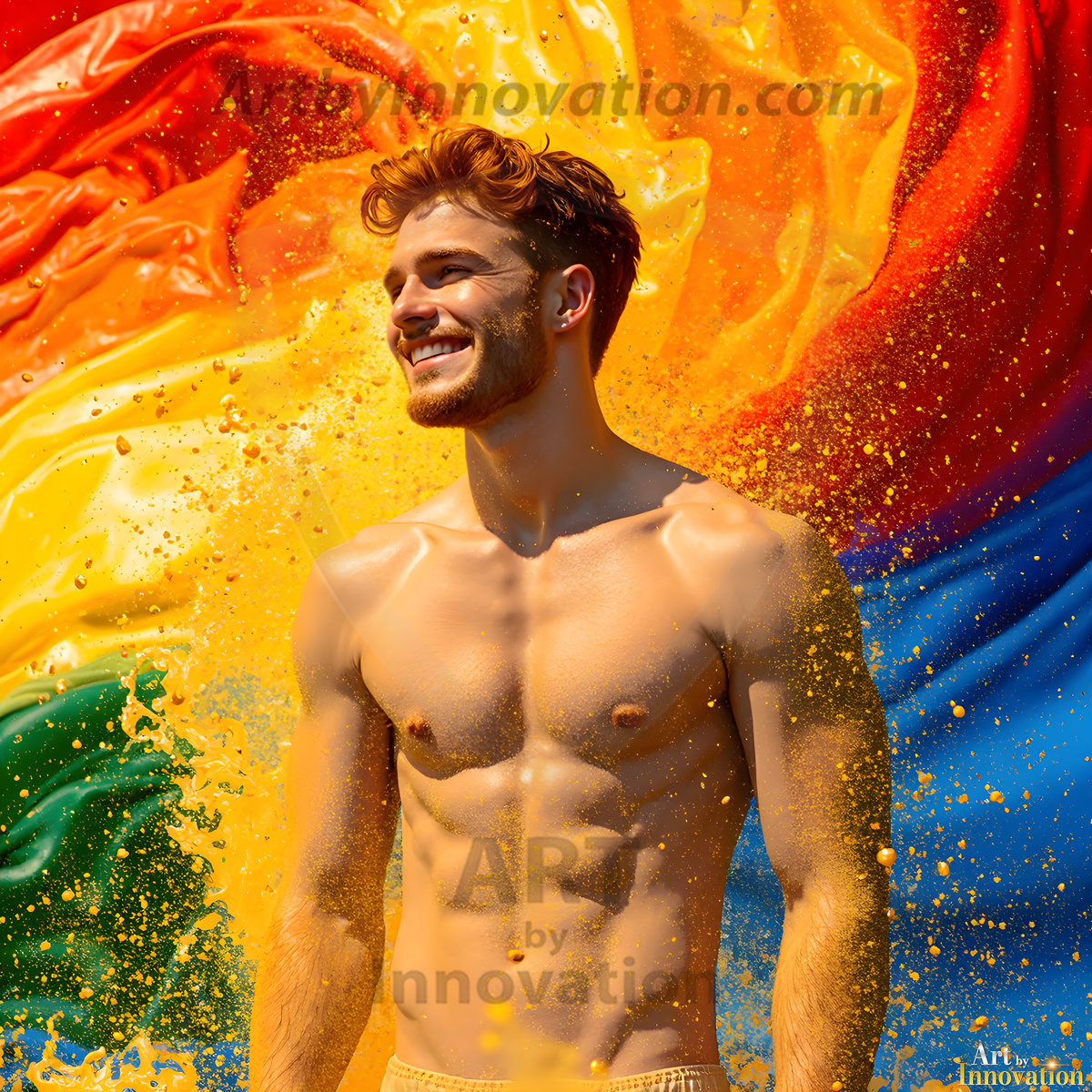
The colors of the LGBTQ+ Pride flags are designed to celebrate the diversity of human experience, visibility, and hope, with each shade representing a specific value that honors the LGBTQ+ community. Created in 1978 by artist Gilbert Baker, the rainbow flag has evolved to include more inclusive colors, showcasing how variety in identity makes individuals uniquely themselves. Meanings Behind the Colors, Red (Life): Represents the vitality and passion of LGBTQ+ people. Orange (Healing): Symbolizes the healing power within the community, often in the face of adversity. Yellow (Sunlight): Signifies the brightness and joy of being true to oneself. Green (Nature): Represents a connection to nature, the environment, and prosperity. Blue/Indigo (Serenity/Harmony): Symbolizes serenity, calm, and inner strength found in living one's truth. Violet/Purple (Spirit): Represents the spirit, strength, and resilience of the community.
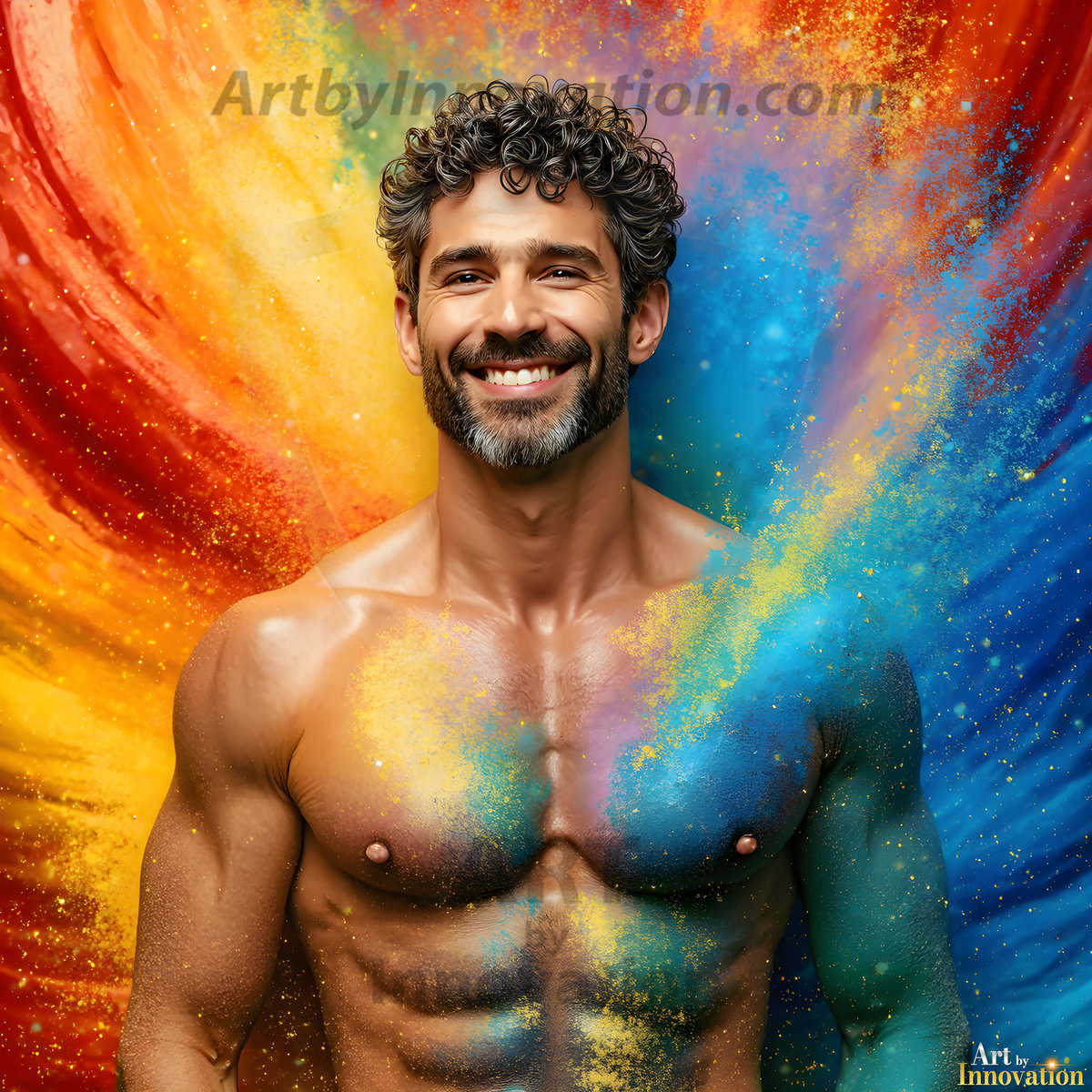
The colors of the LGBTQ+ Pride flags are designed to celebrate the diversity of human experience, visibility, and hope, with each shade representing a specific value that honors the LGBTQ+ community. Created in 1978 by artist Gilbert Baker, the rainbow flag has evolved to include more inclusive colors, showcasing how variety in identity makes individuals uniquely themselves. Meanings Behind the Colors, Red (Life): Represents the vitality and passion of LGBTQ+ people. Orange (Healing): Symbolizes the healing power within the community, often in the face of adversity. Yellow (Sunlight): Signifies the brightness and joy of being true to oneself. Green (Nature): Represents a connection to nature, the environment, and prosperity. Blue/Indigo (Serenity/Harmony): Symbolizes serenity, calm, and inner strength found in living one's truth. Violet/Purple (Spirit): Represents the spirit, strength, and resilience of the community.
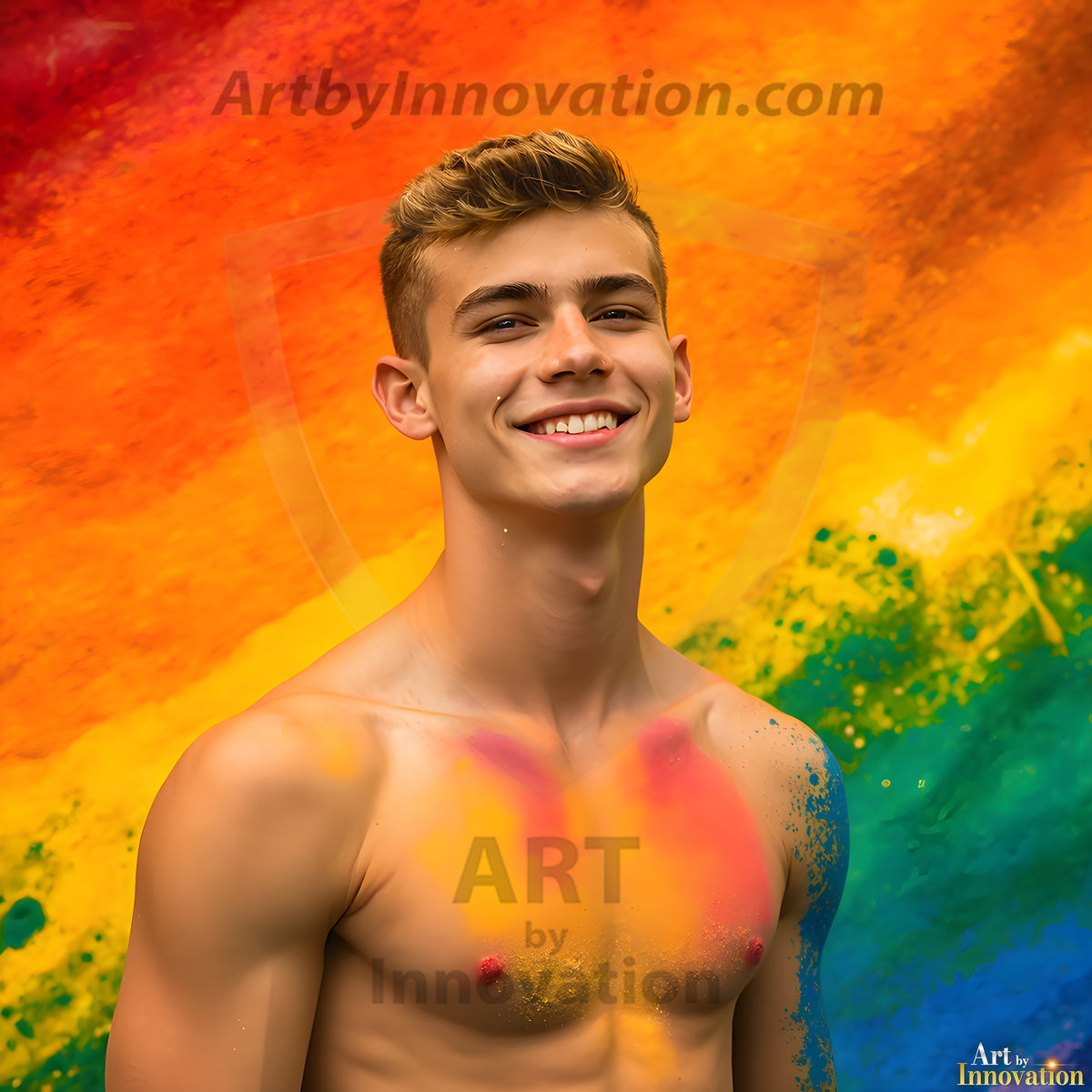
The colors of the LGBTQ+ Pride flags are designed to celebrate the diversity of human experience, visibility, and hope, with each shade representing a specific value that honors the LGBTQ+ community. Created in 1978 by artist Gilbert Baker, the rainbow flag has evolved to include more inclusive colors, showcasing how variety in identity makes individuals uniquely themselves. Meanings Behind the Colors, Red (Life): Represents the vitality and passion of LGBTQ+ people. Orange (Healing): Symbolizes the healing power within the community, often in the face of adversity. Yellow (Sunlight): Signifies the brightness and joy of being true to oneself. Green (Nature): Represents a connection to nature, the environment, and prosperity. Blue/Indigo (Serenity/Harmony): Symbolizes serenity, calm, and inner strength found in living one's truth. Violet/Purple (Spirit): Represents the spirit, strength, and resilience of the community.

The colors of the LGBTQ+ Pride flags are designed to celebrate the diversity of human experience, visibility, and hope, with each shade representing a specific value that honors the LGBTQ+ community. Created in 1978 by artist Gilbert Baker, the rainbow flag has evolved to include more inclusive colors, showcasing how variety in identity makes individuals uniquely themselves. Meanings Behind the Colors, Red (Life): Represents the vitality and passion of LGBTQ+ people. Orange (Healing): Symbolizes the healing power within the community, often in the face of adversity. Yellow (Sunlight): Signifies the brightness and joy of being true to oneself. Green (Nature): Represents a connection to nature, the environment, and prosperity. Blue/Indigo (Serenity/Harmony): Symbolizes serenity, calm, and inner strength found in living one's truth. Violet/Purple (Spirit): Represents the spirit, strength, and resilience of the community.
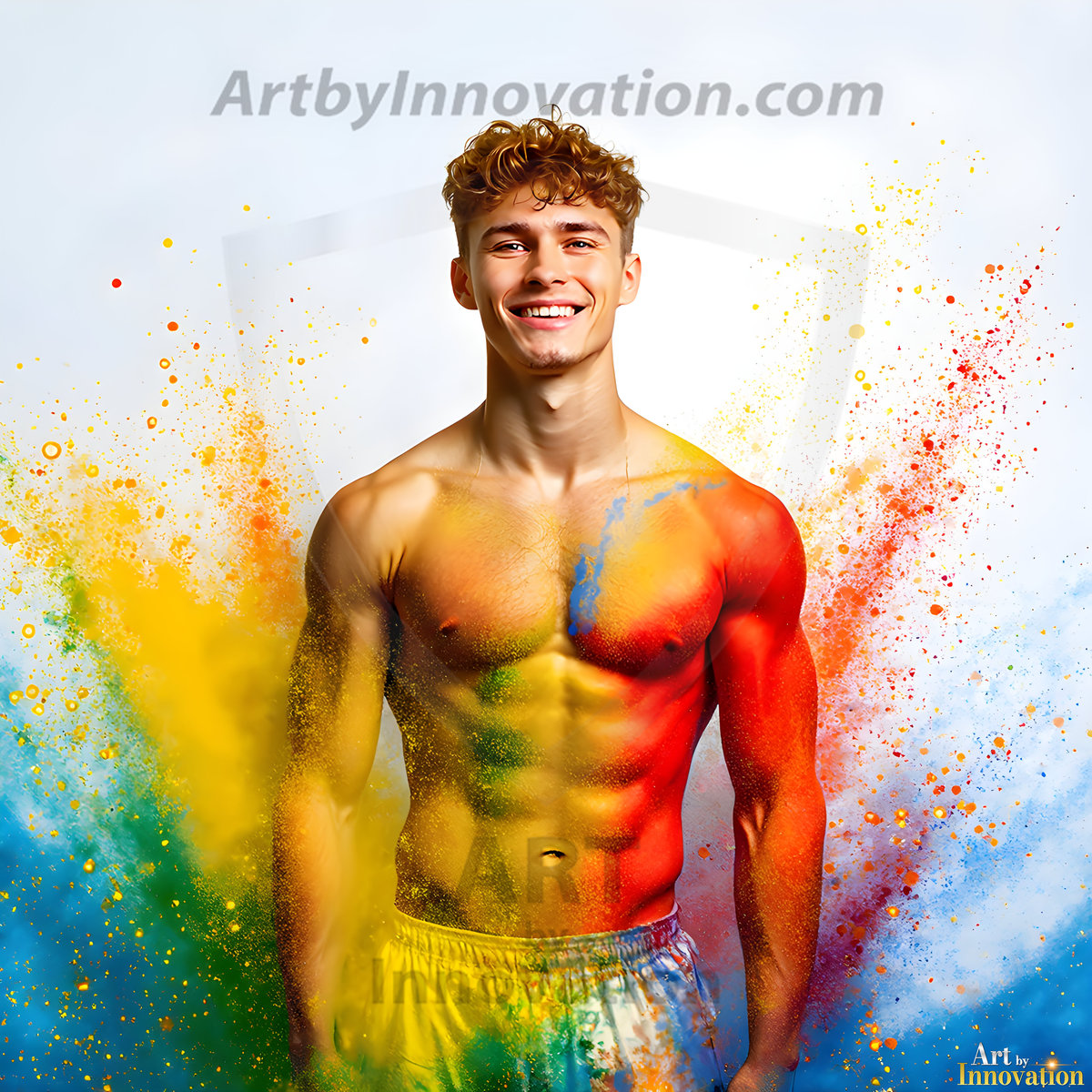
The colors of the LGBTQ+ Pride flags are designed to celebrate the diversity of human experience, visibility, and hope, with each shade representing a specific value that honors the LGBTQ+ community. Created in 1978 by artist Gilbert Baker, the rainbow flag has evolved to include more inclusive colors, showcasing how variety in identity makes individuals uniquely themselves. Meanings Behind the Colors, Red (Life): Represents the vitality and passion of LGBTQ+ people. Orange (Healing): Symbolizes the healing power within the community, often in the face of adversity. Yellow (Sunlight): Signifies the brightness and joy of being true to oneself. Green (Nature): Represents a connection to nature, the environment, and prosperity. Blue/Indigo (Serenity/Harmony): Symbolizes serenity, calm, and inner strength found in living one's truth. Violet/Purple (Spirit): Represents the spirit, strength, and resilience of the community.

The colors of the LGBTQ+ Pride flags are designed to celebrate the diversity of human experience, visibility, and hope, with each shade representing a specific value that honors the LGBTQ+ community. Created in 1978 by artist Gilbert Baker, the rainbow flag has evolved to include more inclusive colors, showcasing how variety in identity makes individuals uniquely themselves. Meanings Behind the Colors, Red (Life): Represents the vitality and passion of LGBTQ+ people. Orange (Healing): Symbolizes the healing power within the community, often in the face of adversity. Yellow (Sunlight): Signifies the brightness and joy of being true to oneself. Green (Nature): Represents a connection to nature, the environment, and prosperity. Blue/Indigo (Serenity/Harmony): Symbolizes serenity, calm, and inner strength found in living one's truth. Violet/Purple (Spirit): Represents the spirit, strength, and resilience of the community.
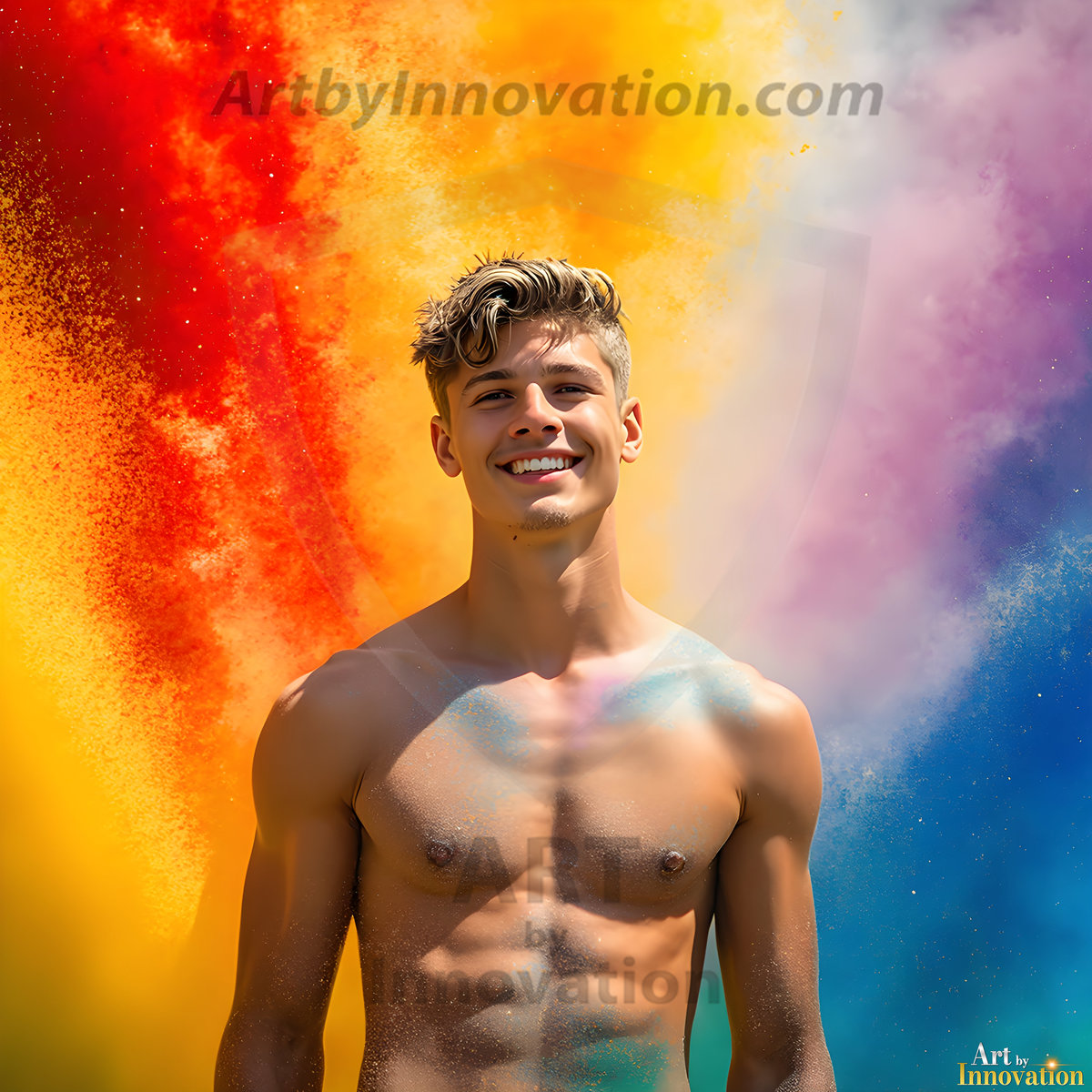
The colors of the LGBTQ+ Pride flags are designed to celebrate the diversity of human experience, visibility, and hope, with each shade representing a specific value that honors the LGBTQ+ community. Created in 1978 by artist Gilbert Baker, the rainbow flag has evolved to include more inclusive colors, showcasing how variety in identity makes individuals uniquely themselves. Meanings Behind the Colors, Red (Life): Represents the vitality and passion of LGBTQ+ people. Orange (Healing): Symbolizes the healing power within the community, often in the face of adversity. Yellow (Sunlight): Signifies the brightness and joy of being true to oneself. Green (Nature): Represents a connection to nature, the environment, and prosperity. Blue/Indigo (Serenity/Harmony): Symbolizes serenity, calm, and inner strength found in living one's truth. Violet/Purple (Spirit): Represents the spirit, strength, and resilience of the community.
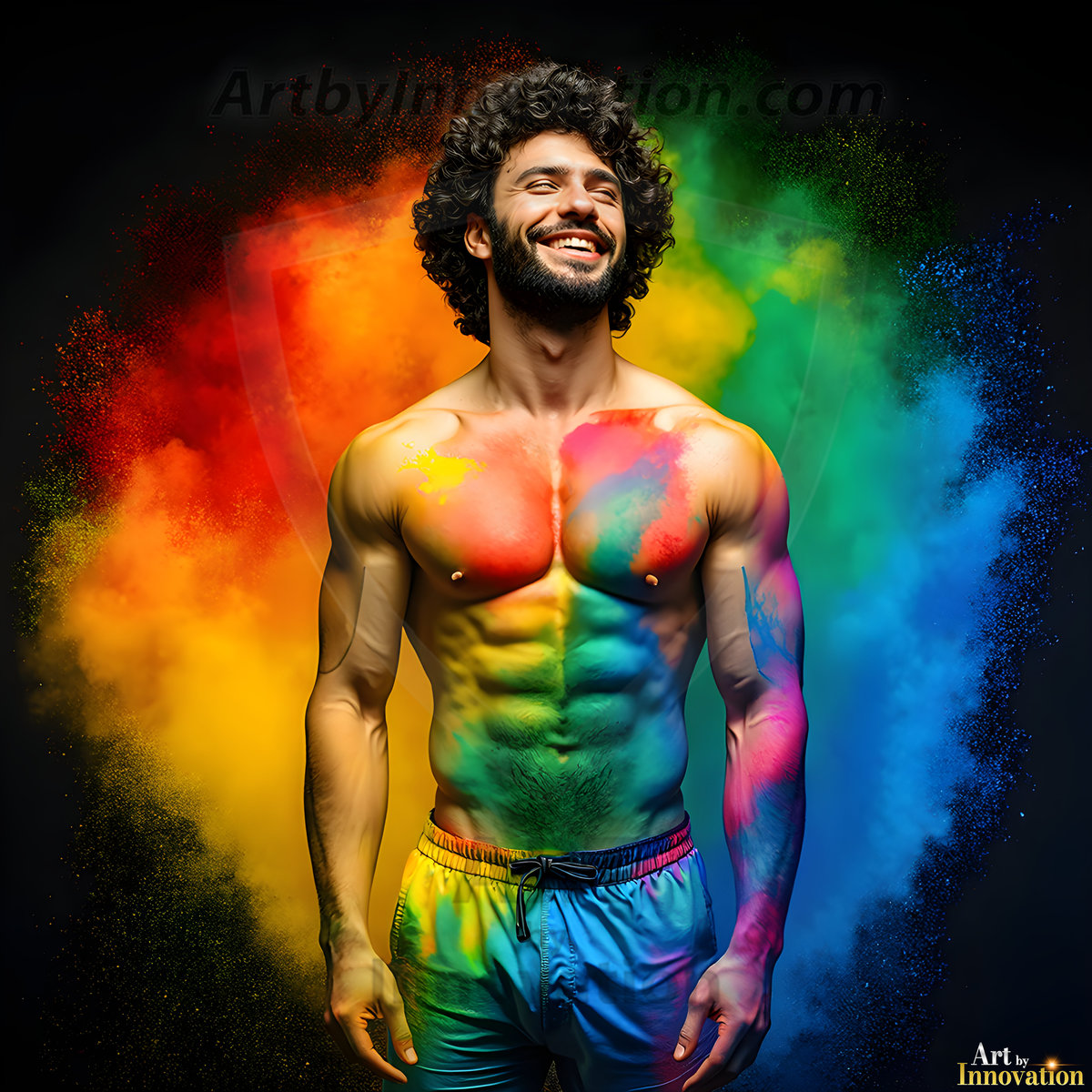
The colors of the LGBTQ+ Pride flags are designed to celebrate the diversity of human experience, visibility, and hope, with each shade representing a specific value that honors the LGBTQ+ community. Created in 1978 by artist Gilbert Baker, the rainbow flag has evolved to include more inclusive colors, showcasing how variety in identity makes individuals uniquely themselves. Meanings Behind the Colors, Red (Life): Represents the vitality and passion of LGBTQ+ people. Orange (Healing): Symbolizes the healing power within the community, often in the face of adversity. Yellow (Sunlight): Signifies the brightness and joy of being true to oneself. Green (Nature): Represents a connection to nature, the environment, and prosperity. Blue/Indigo (Serenity/Harmony): Symbolizes serenity, calm, and inner strength found in living one's truth. Violet/Purple (Spirit): Represents the spirit, strength, and resilience of the community.

The colors of the LGBTQ+ Pride flags are designed to celebrate the diversity of human experience, visibility, and hope, with each shade representing a specific value that honors the LGBTQ+ community. Created in 1978 by artist Gilbert Baker, the rainbow flag has evolved to include more inclusive colors, showcasing how variety in identity makes individuals uniquely themselves. Meanings Behind the Colors, Red (Life): Represents the vitality and passion of LGBTQ+ people. Orange (Healing): Symbolizes the healing power within the community, often in the face of adversity. Yellow (Sunlight): Signifies the brightness and joy of being true to oneself. Green (Nature): Represents a connection to nature, the environment, and prosperity. Blue/Indigo (Serenity/Harmony): Symbolizes serenity, calm, and inner strength found in living one's truth. Violet/Purple (Spirit): Represents the spirit, strength, and resilience of the community.
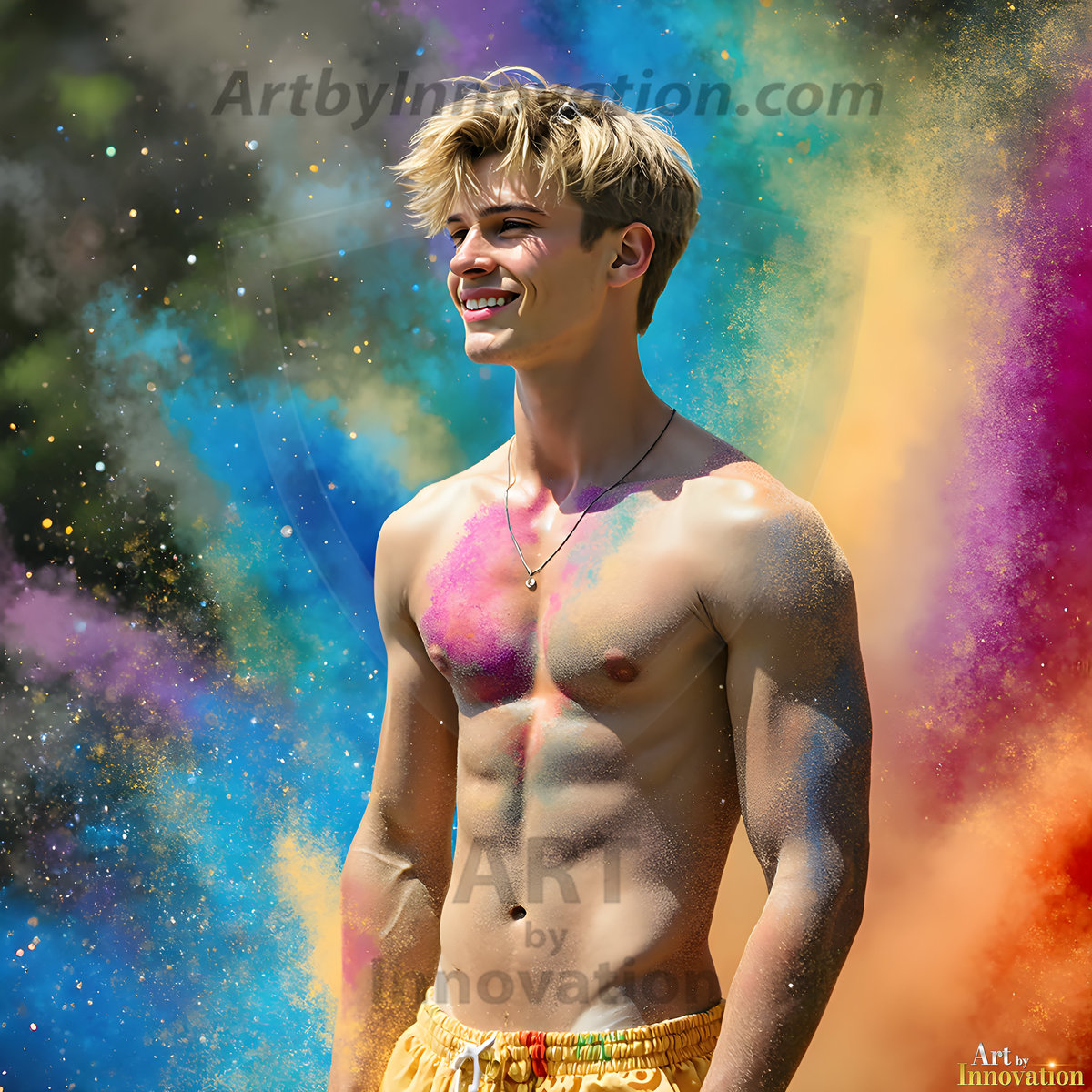
The colors of the LGBTQ+ Pride flags are designed to celebrate the diversity of human experience, visibility, and hope, with each shade representing a specific value that honors the LGBTQ+ community. Created in 1978 by artist Gilbert Baker, the rainbow flag has evolved to include more inclusive colors, showcasing how variety in identity makes individuals uniquely themselves. Meanings Behind the Colors, Red (Life): Represents the vitality and passion of LGBTQ+ people. Orange (Healing): Symbolizes the healing power within the community, often in the face of adversity. Yellow (Sunlight): Signifies the brightness and joy of being true to oneself. Green (Nature): Represents a connection to nature, the environment, and prosperity. Blue/Indigo (Serenity/Harmony): Symbolizes serenity, calm, and inner strength found in living one's truth. Violet/Purple (Spirit): Represents the spirit, strength, and resilience of the community.
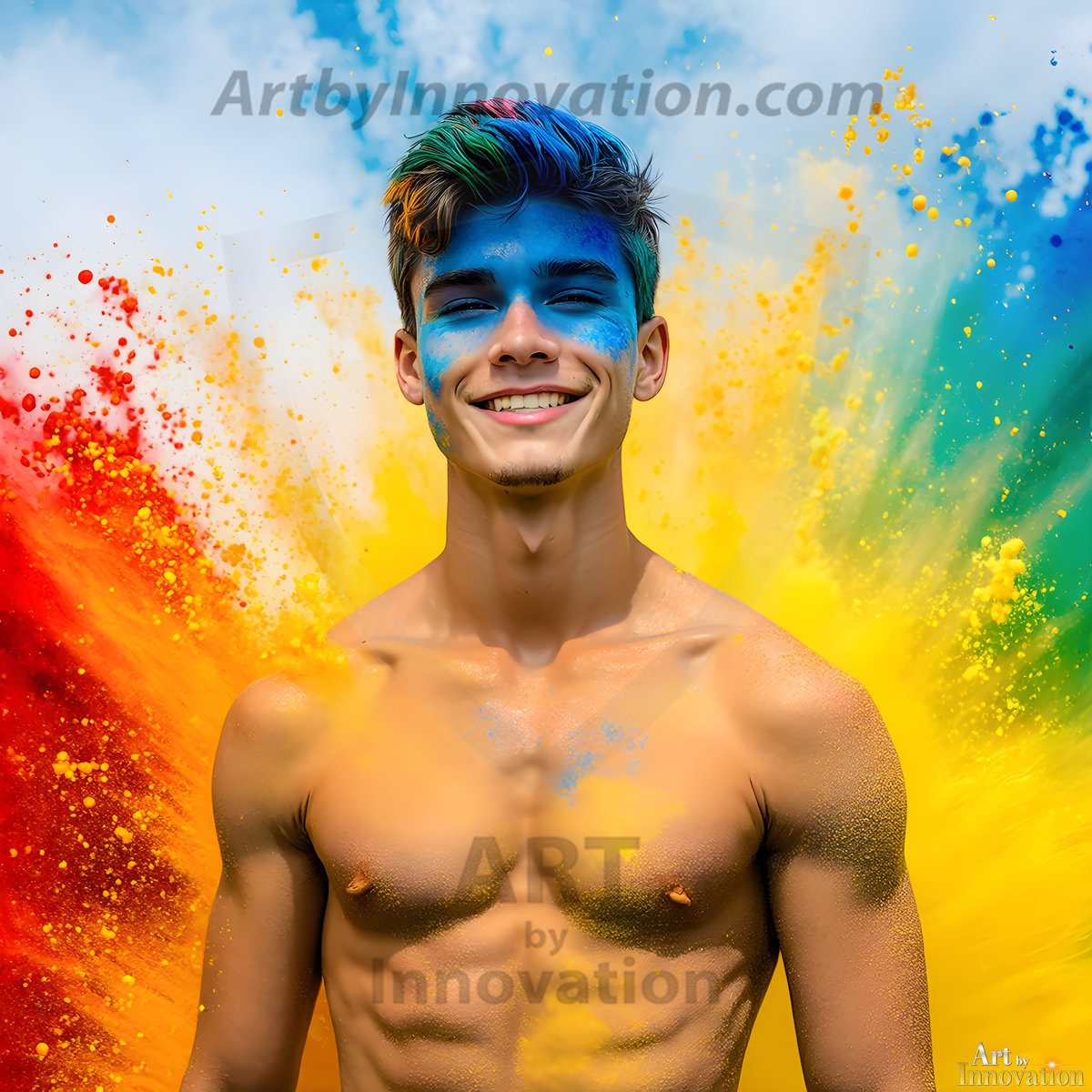
The colors of the LGBTQ+ Pride flags are designed to celebrate the diversity of human experience, visibility, and hope, with each shade representing a specific value that honors the LGBTQ+ community. Created in 1978 by artist Gilbert Baker, the rainbow flag has evolved to include more inclusive colors, showcasing how variety in identity makes individuals uniquely themselves. Meanings Behind the Colors, Red (Life): Represents the vitality and passion of LGBTQ+ people. Orange (Healing): Symbolizes the healing power within the community, often in the face of adversity. Yellow (Sunlight): Signifies the brightness and joy of being true to oneself. Green (Nature): Represents a connection to nature, the environment, and prosperity. Blue/Indigo (Serenity/Harmony): Symbolizes serenity, calm, and inner strength found in living one's truth. Violet/Purple (Spirit): Represents the spirit, strength, and resilience of the community.
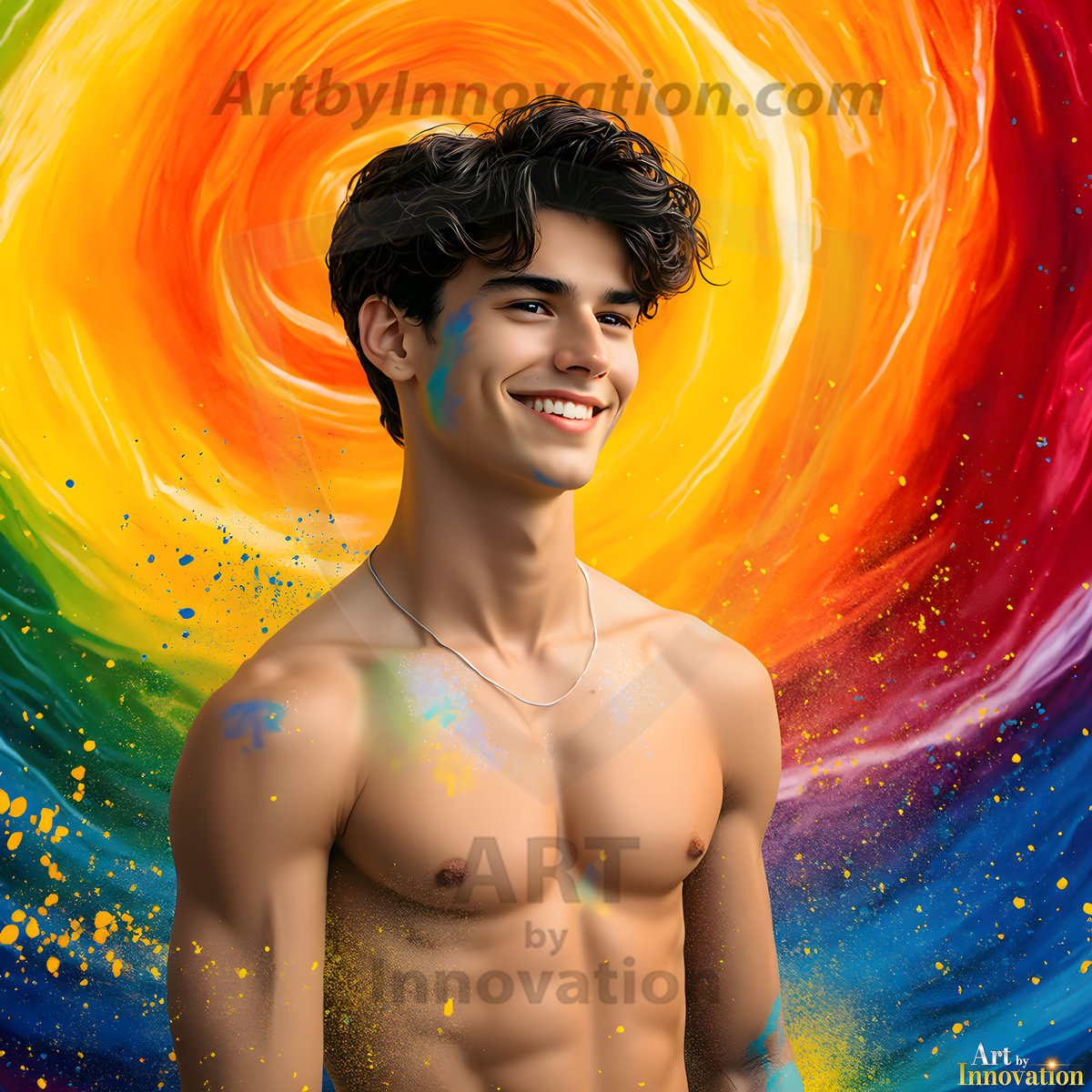
The colors of the LGBTQ+ Pride flags are designed to celebrate the diversity of human experience, visibility, and hope, with each shade representing a specific value that honors the LGBTQ+ community. Created in 1978 by artist Gilbert Baker, the rainbow flag has evolved to include more inclusive colors, showcasing how variety in identity makes individuals uniquely themselves. Meanings Behind the Colors, Red (Life): Represents the vitality and passion of LGBTQ+ people. Orange (Healing): Symbolizes the healing power within the community, often in the face of adversity. Yellow (Sunlight): Signifies the brightness and joy of being true to oneself. Green (Nature): Represents a connection to nature, the environment, and prosperity. Blue/Indigo (Serenity/Harmony): Symbolizes serenity, calm, and inner strength found in living one's truth. Violet/Purple (Spirit): Represents the spirit, strength, and resilience of the community.
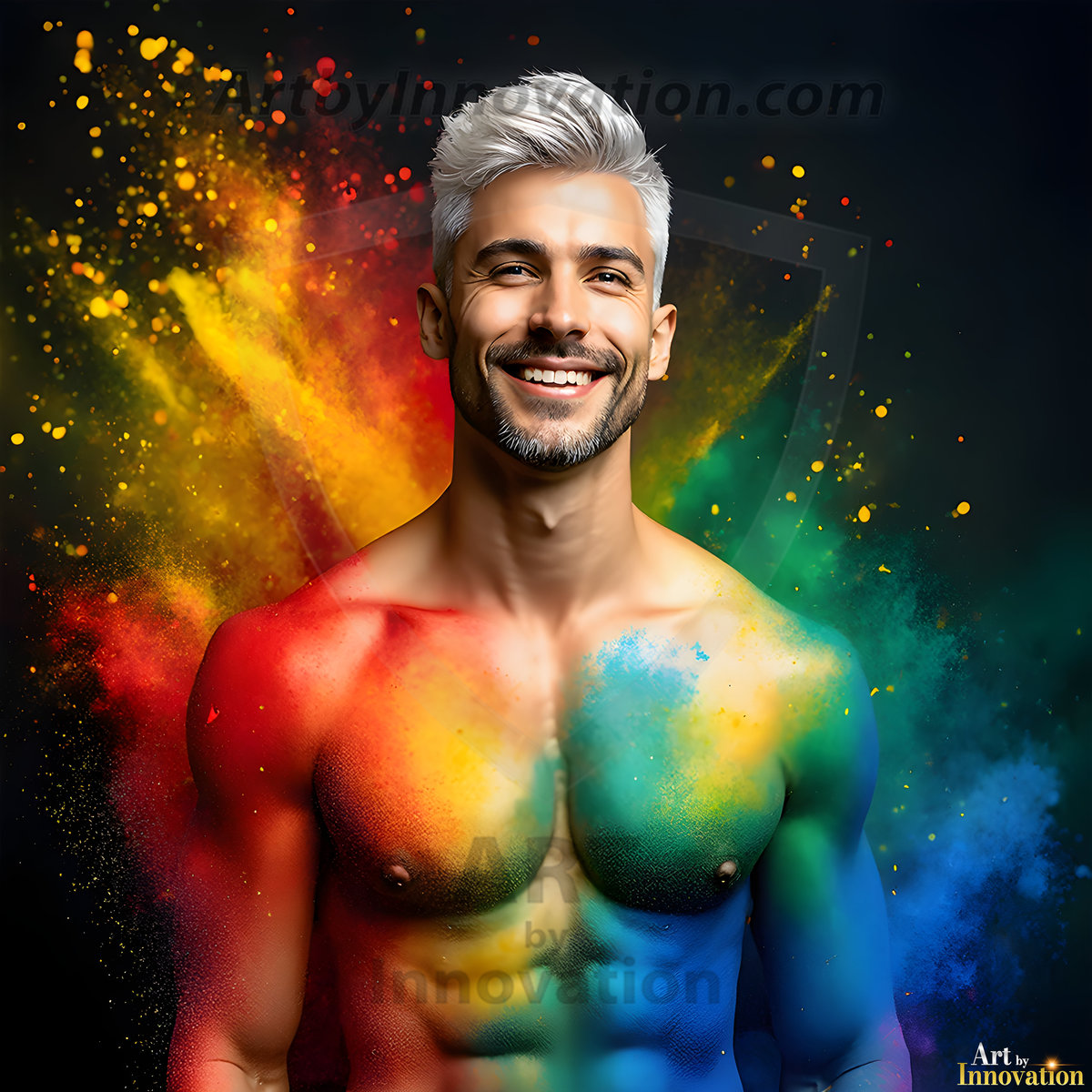
The colors of the LGBTQ+ Pride flags are designed to celebrate the diversity of human experience, visibility, and hope, with each shade representing a specific value that honors the LGBTQ+ community. Created in 1978 by artist Gilbert Baker, the rainbow flag has evolved to include more inclusive colors, showcasing how variety in identity makes individuals uniquely themselves. Meanings Behind the Colors, Red (Life): Represents the vitality and passion of LGBTQ+ people. Orange (Healing): Symbolizes the healing power within the community, often in the face of adversity. Yellow (Sunlight): Signifies the brightness and joy of being true to oneself. Green (Nature): Represents a connection to nature, the environment, and prosperity. Blue/Indigo (Serenity/Harmony): Symbolizes serenity, calm, and inner strength found in living one's truth. Violet/Purple (Spirit): Represents the spirit, strength, and resilience of the community.
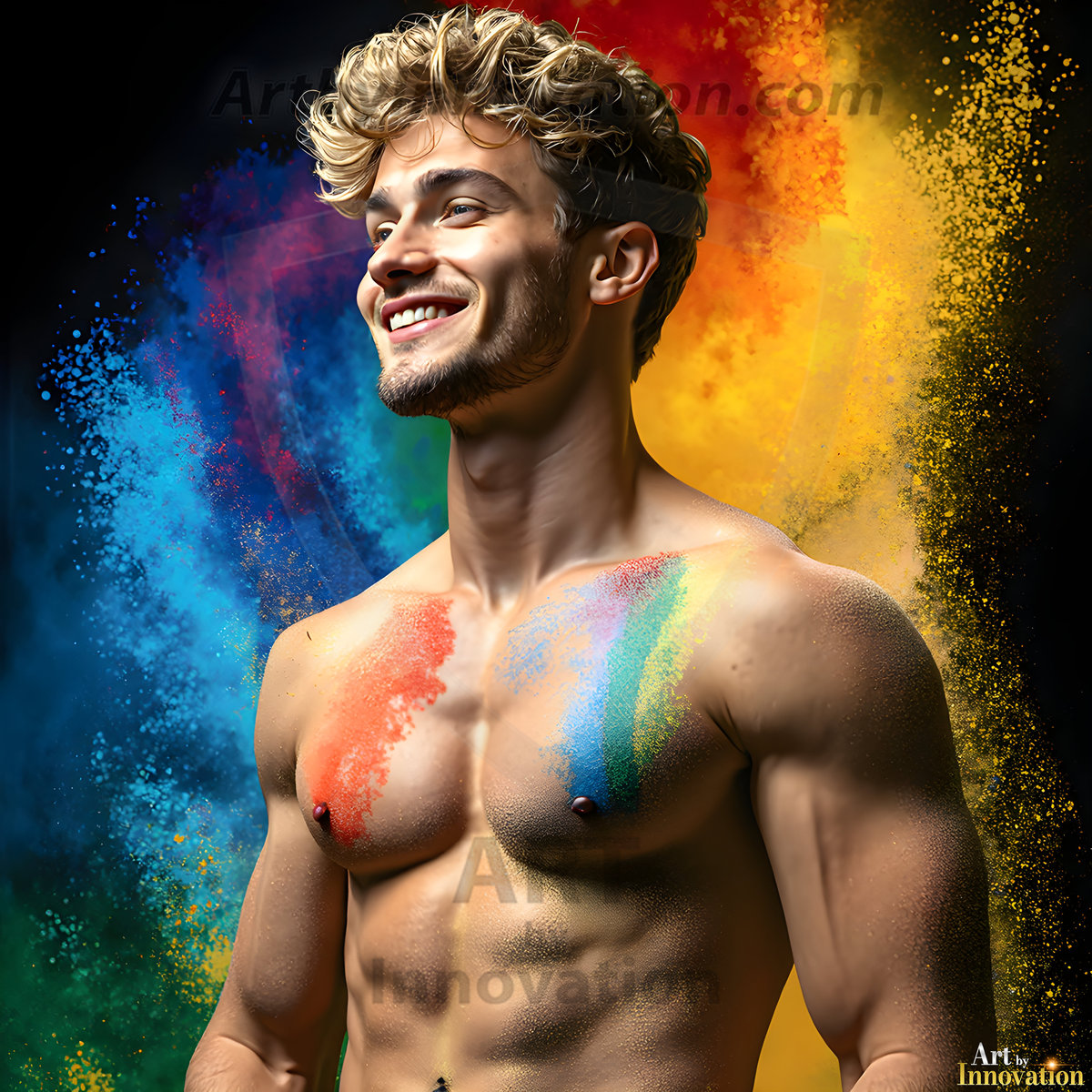
The colors of the LGBTQ+ Pride flags are designed to celebrate the diversity of human experience, visibility, and hope, with each shade representing a specific value that honors the LGBTQ+ community. Created in 1978 by artist Gilbert Baker, the rainbow flag has evolved to include more inclusive colors, showcasing how variety in identity makes individuals uniquely themselves. Meanings Behind the Colors, Red (Life): Represents the vitality and passion of LGBTQ+ people. Orange (Healing): Symbolizes the healing power within the community, often in the face of adversity. Yellow (Sunlight): Signifies the brightness and joy of being true to oneself. Green (Nature): Represents a connection to nature, the environment, and prosperity. Blue/Indigo (Serenity/Harmony): Symbolizes serenity, calm, and inner strength found in living one's truth. Violet/Purple (Spirit): Represents the spirit, strength, and resilience of the community.
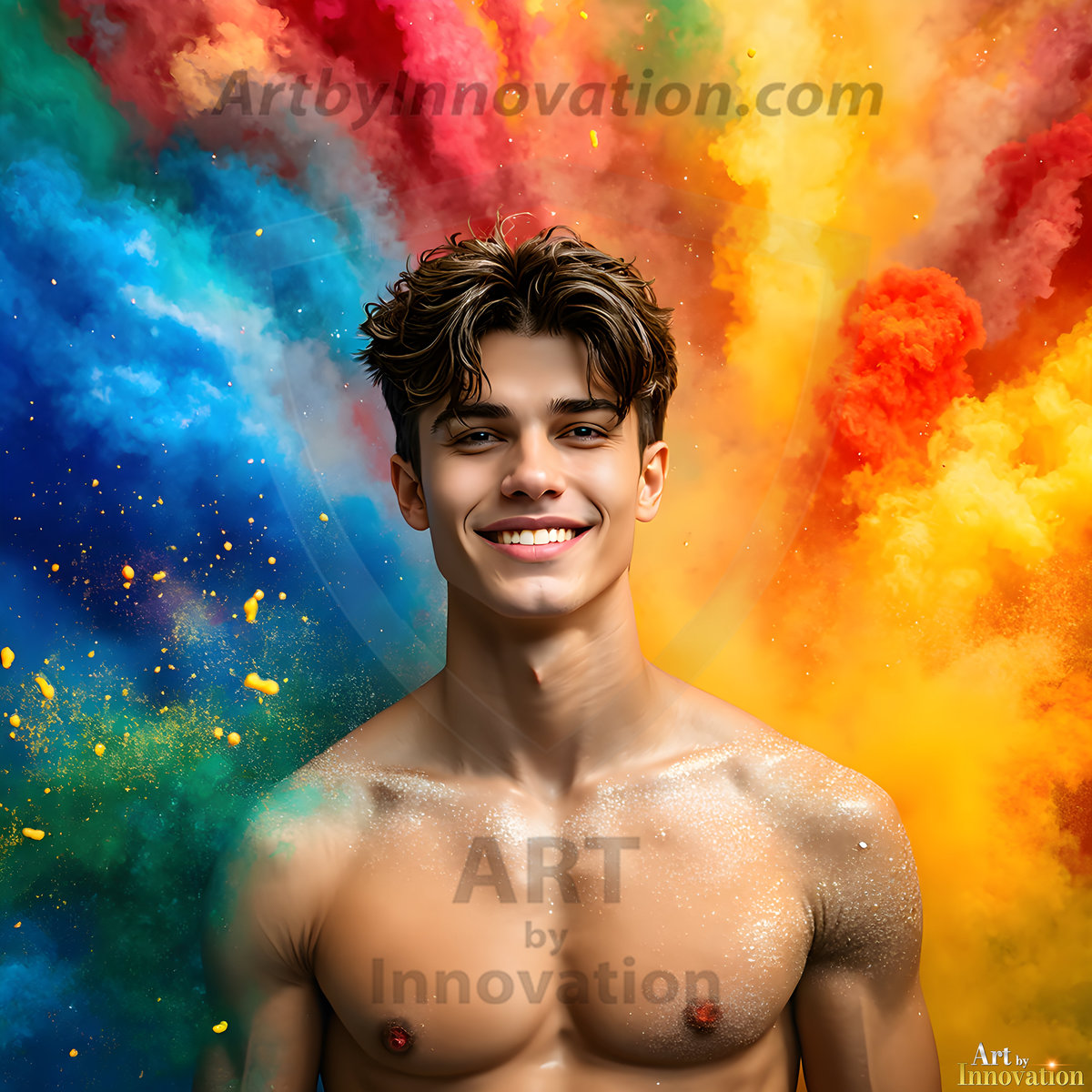
The colors of the LGBTQ+ Pride flags are designed to celebrate the diversity of human experience, visibility, and hope, with each shade representing a specific value that honors the LGBTQ+ community. Created in 1978 by artist Gilbert Baker, the rainbow flag has evolved to include more inclusive colors, showcasing how variety in identity makes individuals uniquely themselves. Meanings Behind the Colors, Red (Life): Represents the vitality and passion of LGBTQ+ people. Orange (Healing): Symbolizes the healing power within the community, often in the face of adversity. Yellow (Sunlight): Signifies the brightness and joy of being true to oneself. Green (Nature): Represents a connection to nature, the environment, and prosperity. Blue/Indigo (Serenity/Harmony): Symbolizes serenity, calm, and inner strength found in living one's truth. Violet/Purple (Spirit): Represents the spirit, strength, and resilience of the community.
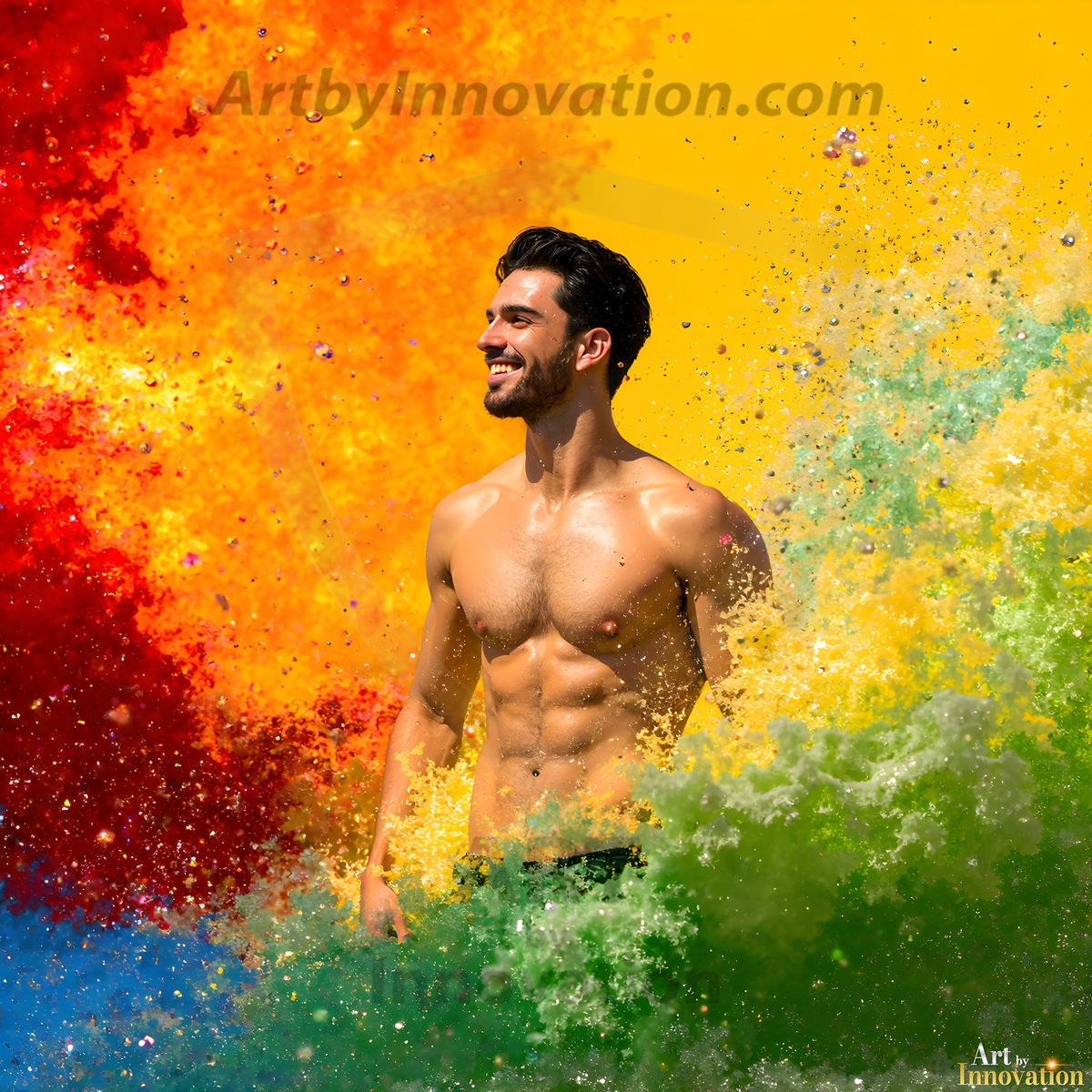
The colors of the LGBTQ+ Pride flags are designed to celebrate the diversity of human experience, visibility, and hope, with each shade representing a specific value that honors the LGBTQ+ community. Created in 1978 by artist Gilbert Baker, the rainbow flag has evolved to include more inclusive colors, showcasing how variety in identity makes individuals uniquely themselves. Meanings Behind the Colors, Red (Life): Represents the vitality and passion of LGBTQ+ people. Orange (Healing): Symbolizes the healing power within the community, often in the face of adversity. Yellow (Sunlight): Signifies the brightness and joy of being true to oneself. Green (Nature): Represents a connection to nature, the environment, and prosperity. Blue/Indigo (Serenity/Harmony): Symbolizes serenity, calm, and inner strength found in living one's truth. Violet/Purple (Spirit): Represents the spirit, strength, and resilience of the community.
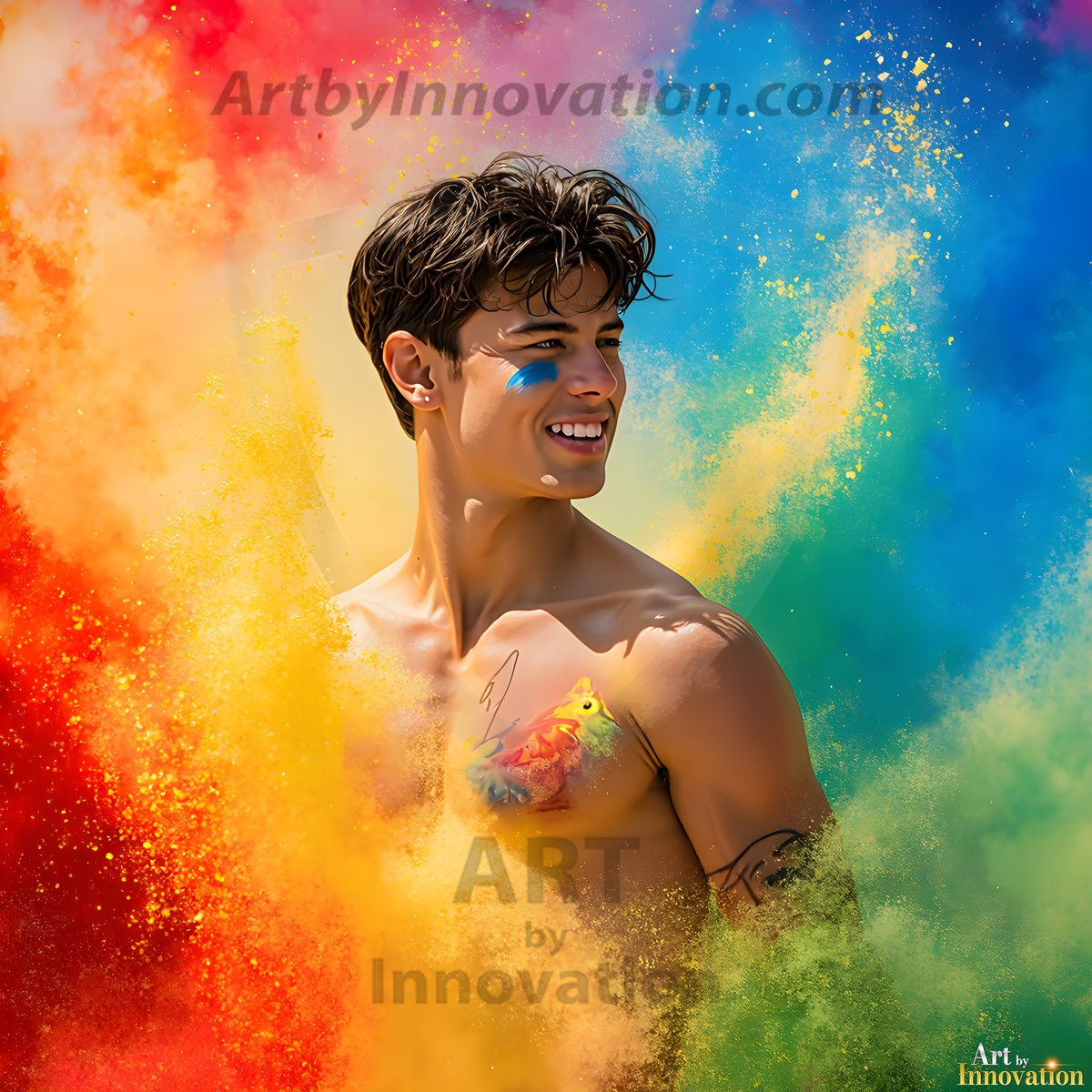
The colors of the LGBTQ+ Pride flags are designed to celebrate the diversity of human experience, visibility, and hope, with each shade representing a specific value that honors the LGBTQ+ community. Created in 1978 by artist Gilbert Baker, the rainbow flag has evolved to include more inclusive colors, showcasing how variety in identity makes individuals uniquely themselves. Meanings Behind the Colors, Red (Life): Represents the vitality and passion of LGBTQ+ people. Orange (Healing): Symbolizes the healing power within the community, often in the face of adversity. Yellow (Sunlight): Signifies the brightness and joy of being true to oneself. Green (Nature): Represents a connection to nature, the environment, and prosperity. Blue/Indigo (Serenity/Harmony): Symbolizes serenity, calm, and inner strength found in living one's truth. Violet/Purple (Spirit): Represents the spirit, strength, and resilience of the community.
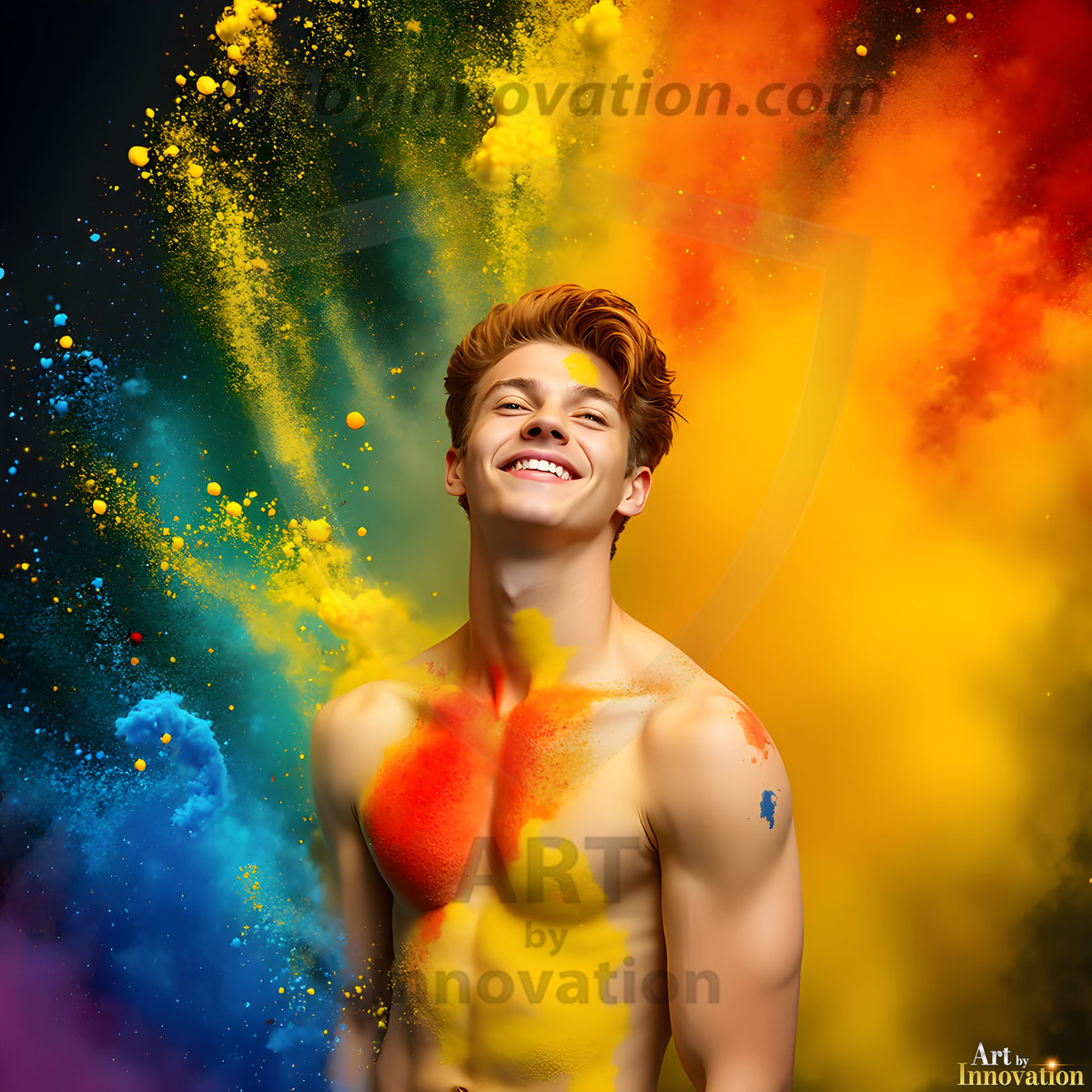
The colors of the LGBTQ+ Pride flags are designed to celebrate the diversity of human experience, visibility, and hope, with each shade representing a specific value that honors the LGBTQ+ community. Created in 1978 by artist Gilbert Baker, the rainbow flag has evolved to include more inclusive colors, showcasing how variety in identity makes individuals uniquely themselves. Meanings Behind the Colors, Red (Life): Represents the vitality and passion of LGBTQ+ people. Orange (Healing): Symbolizes the healing power within the community, often in the face of adversity. Yellow (Sunlight): Signifies the brightness and joy of being true to oneself. Green (Nature): Represents a connection to nature, the environment, and prosperity. Blue/Indigo (Serenity/Harmony): Symbolizes serenity, calm, and inner strength found in living one's truth. Violet/Purple (Spirit): Represents the spirit, strength, and resilience of the community.
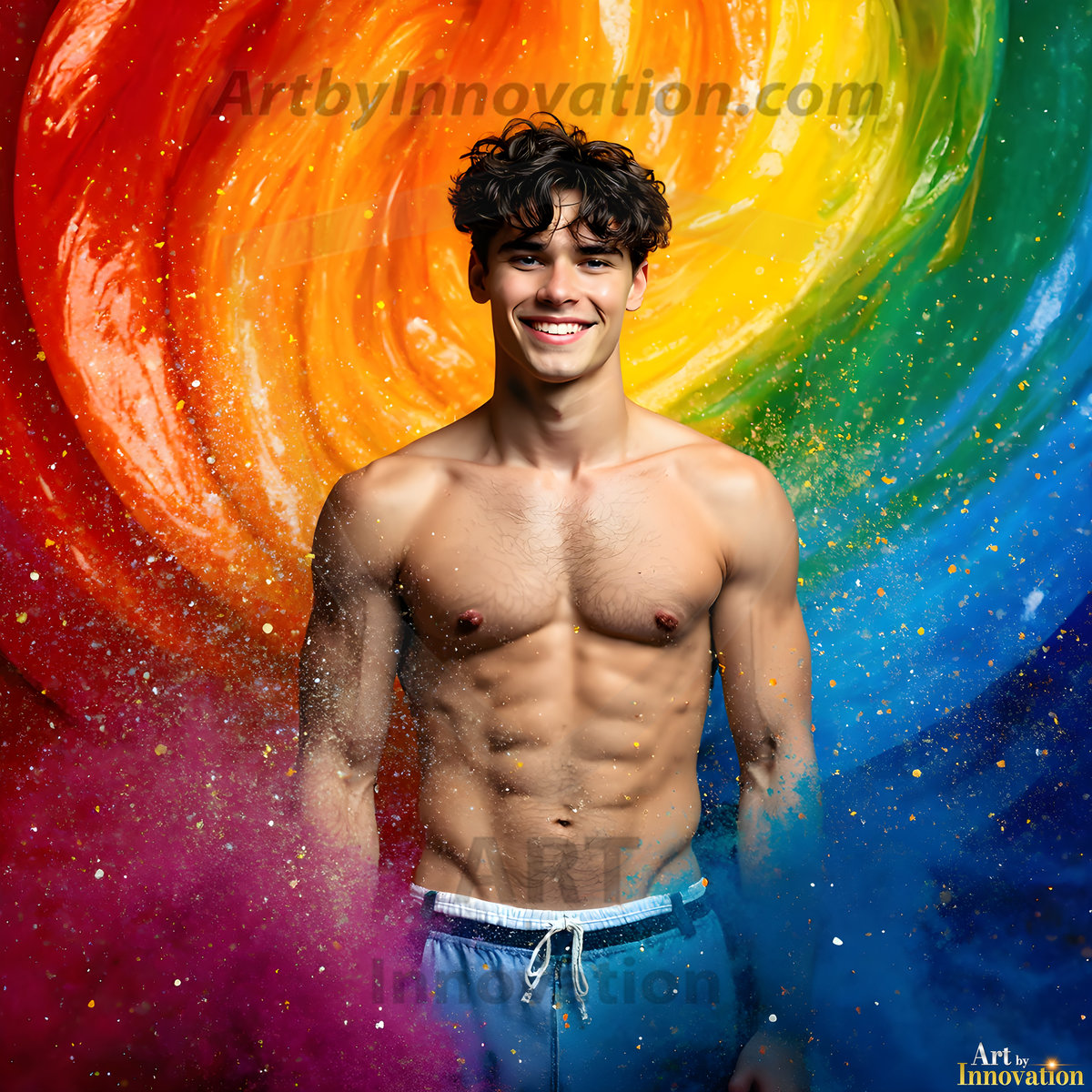
The colors of the LGBTQ+ Pride flags are designed to celebrate the diversity of human experience, visibility, and hope, with each shade representing a specific value that honors the LGBTQ+ community. Created in 1978 by artist Gilbert Baker, the rainbow flag has evolved to include more inclusive colors, showcasing how variety in identity makes individuals uniquely themselves. Meanings Behind the Colors, Red (Life): Represents the vitality and passion of LGBTQ+ people. Orange (Healing): Symbolizes the healing power within the community, often in the face of adversity. Yellow (Sunlight): Signifies the brightness and joy of being true to oneself. Green (Nature): Represents a connection to nature, the environment, and prosperity. Blue/Indigo (Serenity/Harmony): Symbolizes serenity, calm, and inner strength found in living one's truth. Violet/Purple (Spirit): Represents the spirit, strength, and resilience of the community.
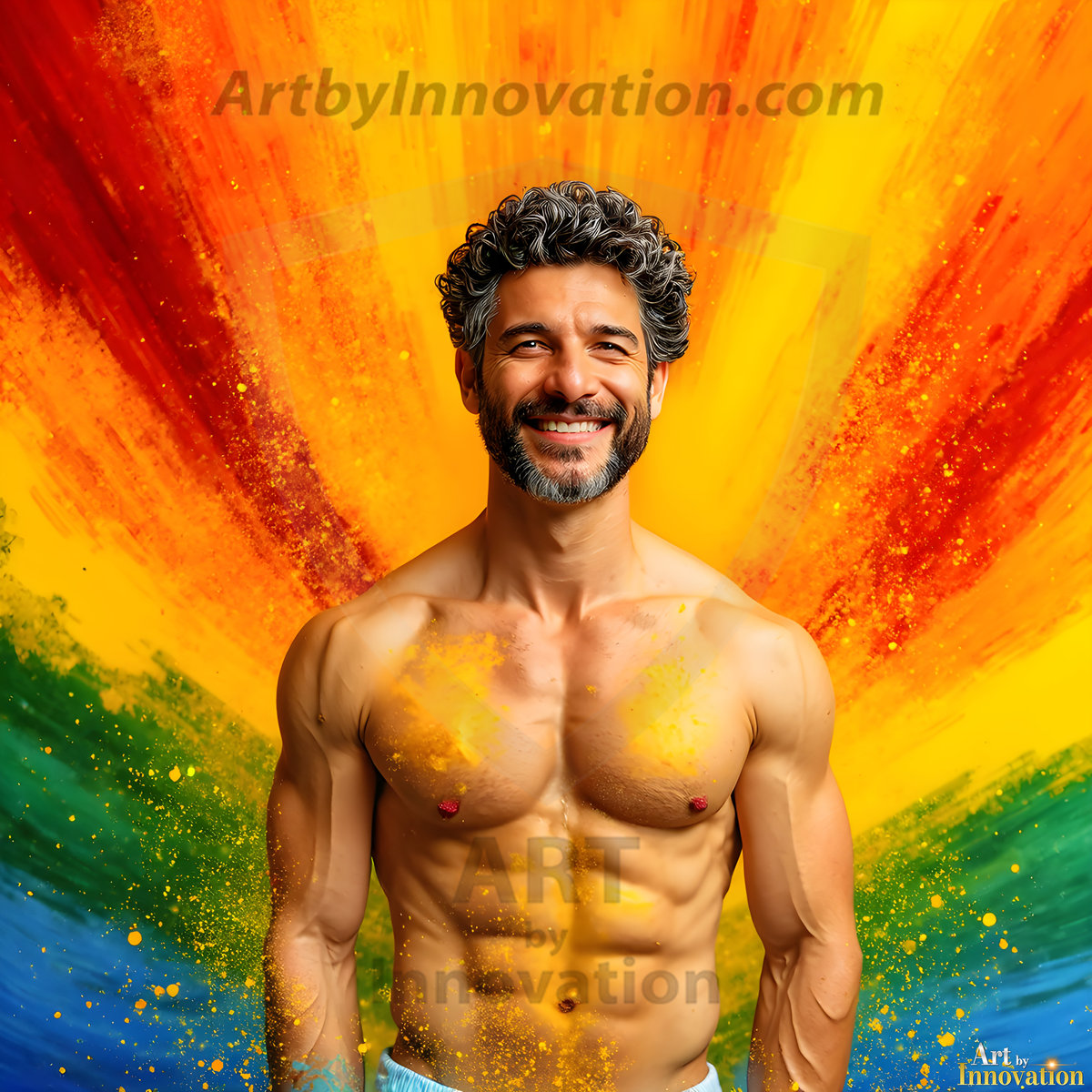
The colors of the LGBTQ+ Pride flags are designed to celebrate the diversity of human experience, visibility, and hope, with each shade representing a specific value that honors the LGBTQ+ community. Created in 1978 by artist Gilbert Baker, the rainbow flag has evolved to include more inclusive colors, showcasing how variety in identity makes individuals uniquely themselves. Meanings Behind the Colors, Red (Life): Represents the vitality and passion of LGBTQ+ people. Orange (Healing): Symbolizes the healing power within the community, often in the face of adversity. Yellow (Sunlight): Signifies the brightness and joy of being true to oneself. Green (Nature): Represents a connection to nature, the environment, and prosperity. Blue/Indigo (Serenity/Harmony): Symbolizes serenity, calm, and inner strength found in living one's truth. Violet/Purple (Spirit): Represents the spirit, strength, and resilience of the community.
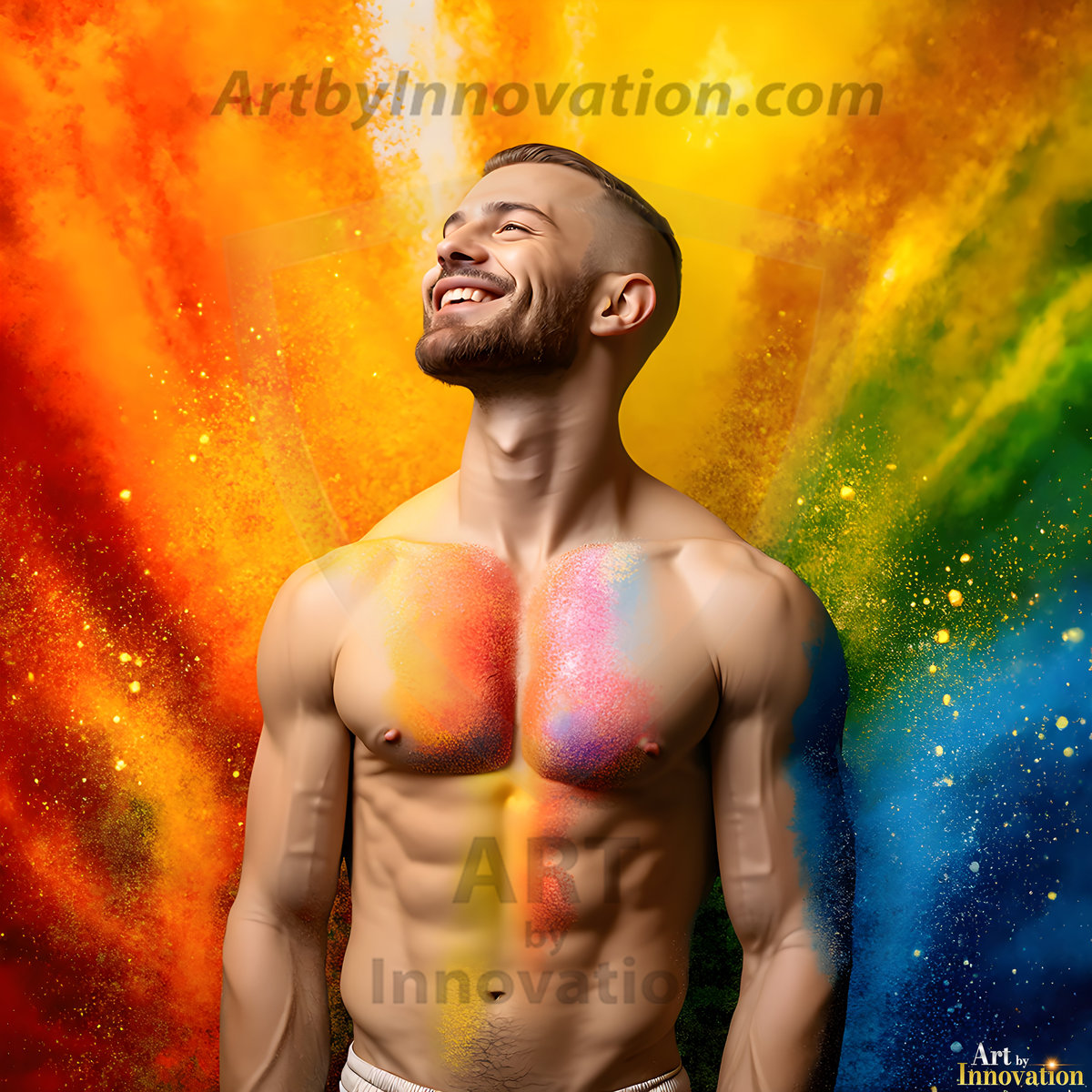
The colors of the LGBTQ+ Pride flags are designed to celebrate the diversity of human experience, visibility, and hope, with each shade representing a specific value that honors the LGBTQ+ community. Created in 1978 by artist Gilbert Baker, the rainbow flag has evolved to include more inclusive colors, showcasing how variety in identity makes individuals uniquely themselves. Meanings Behind the Colors, Red (Life): Represents the vitality and passion of LGBTQ+ people. Orange (Healing): Symbolizes the healing power within the community, often in the face of adversity. Yellow (Sunlight): Signifies the brightness and joy of being true to oneself. Green (Nature): Represents a connection to nature, the environment, and prosperity. Blue/Indigo (Serenity/Harmony): Symbolizes serenity, calm, and inner strength found in living one's truth. Violet/Purple (Spirit): Represents the spirit, strength, and resilience of the community.
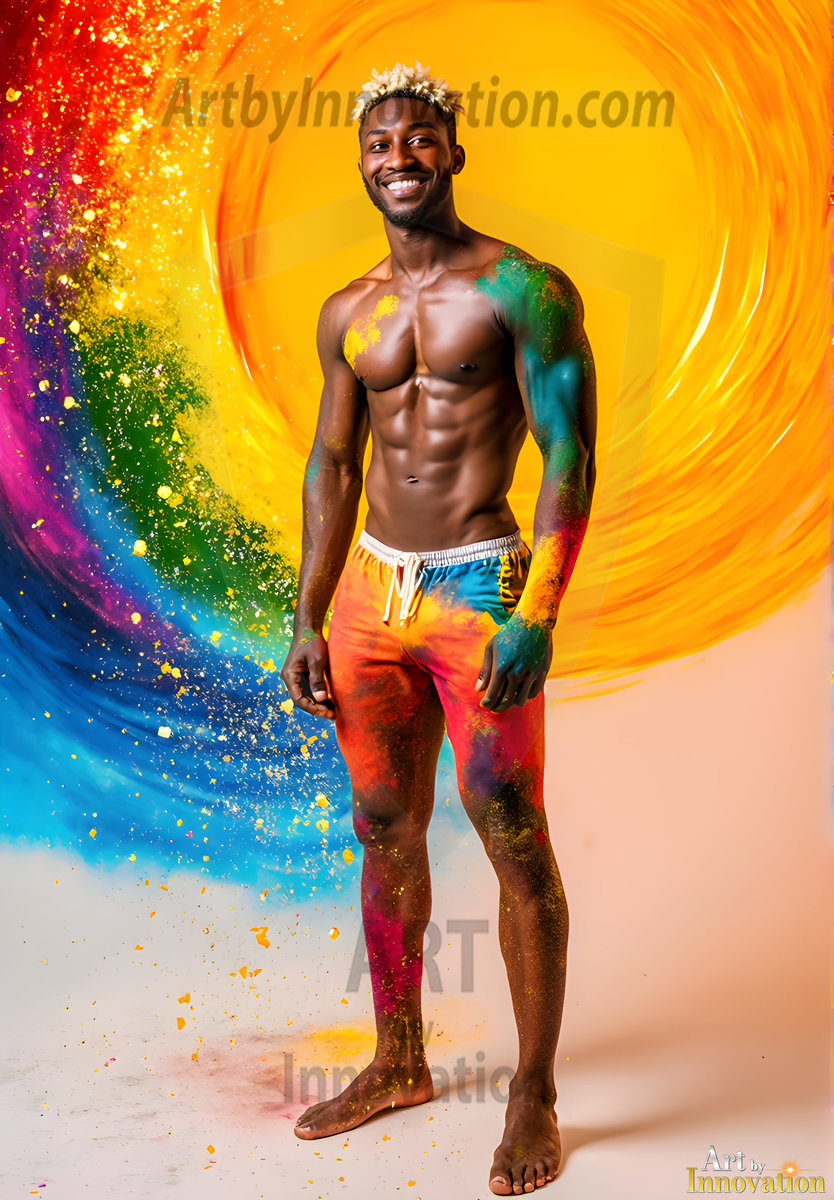
The colors of the LGBTQ+ Pride flags are designed to celebrate the diversity of human experience, visibility, and hope, with each shade representing a specific value that honors the LGBTQ+ community. Created in 1978 by artist Gilbert Baker, the rainbow flag has evolved to include more inclusive colors, showcasing how variety in identity makes individuals uniquely themselves. Meanings Behind the Colors, Red (Life): Represents the vitality and passion of LGBTQ+ people. Orange (Healing): Symbolizes the healing power within the community, often in the face of adversity. Yellow (Sunlight): Signifies the brightness and joy of being true to oneself. Green (Nature): Represents a connection to nature, the environment, and prosperity. Blue/Indigo (Serenity/Harmony): Symbolizes serenity, calm, and inner strength found in living one's truth. Violet/Purple (Spirit): Represents the spirit, strength, and resilience of the community.
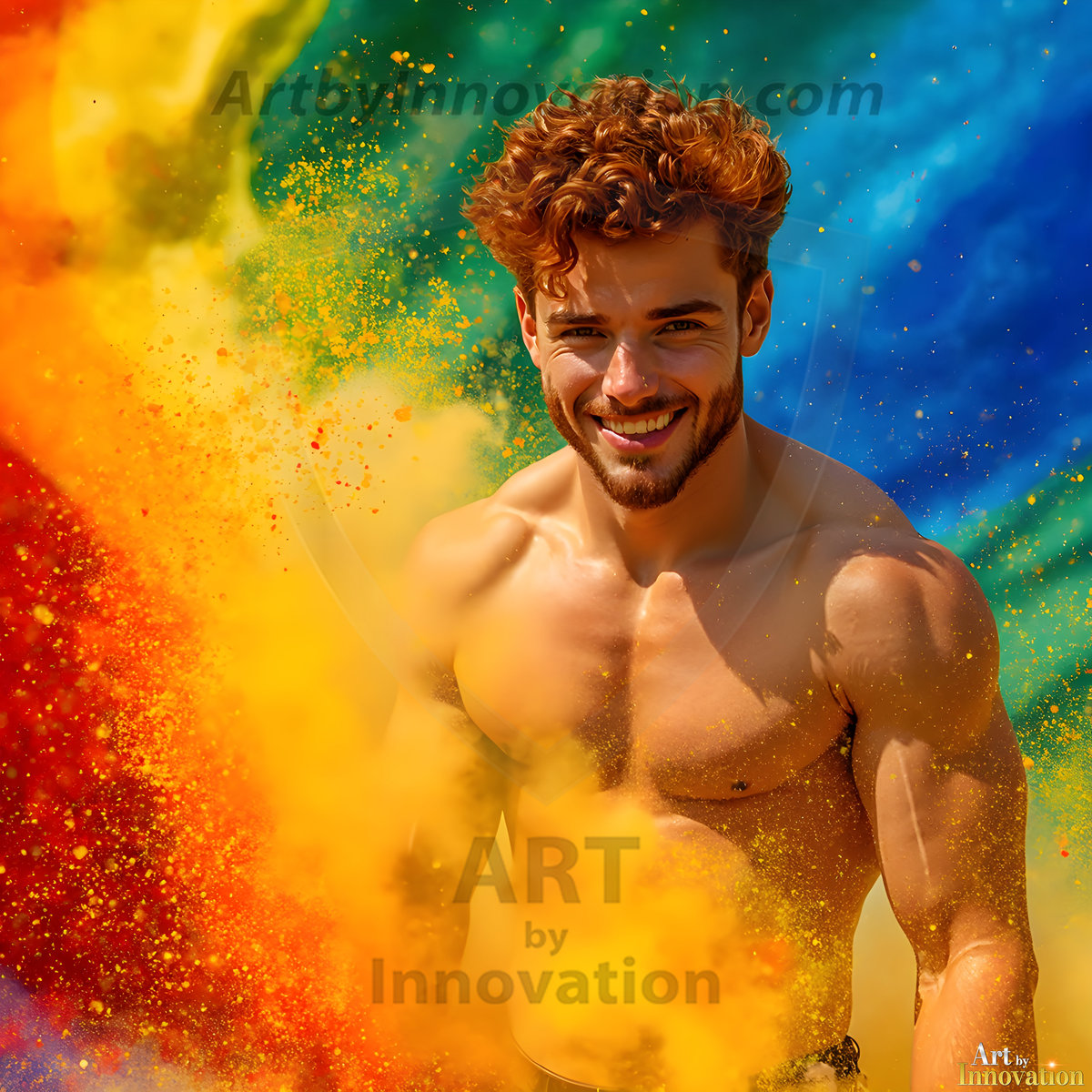
The colors of the LGBTQ+ Pride flags are designed to celebrate the diversity of human experience, visibility, and hope, with each shade representing a specific value that honors the LGBTQ+ community. Created in 1978 by artist Gilbert Baker, the rainbow flag has evolved to include more inclusive colors, showcasing how variety in identity makes individuals uniquely themselves. Meanings Behind the Colors, Red (Life): Represents the vitality and passion of LGBTQ+ people. Orange (Healing): Symbolizes the healing power within the community, often in the face of adversity. Yellow (Sunlight): Signifies the brightness and joy of being true to oneself. Green (Nature): Represents a connection to nature, the environment, and prosperity. Blue/Indigo (Serenity/Harmony): Symbolizes serenity, calm, and inner strength found in living one's truth. Violet/Purple (Spirit): Represents the spirit, strength, and resilience of the community.

The colors of the LGBTQ+ Pride flags are designed to celebrate the diversity of human experience, visibility, and hope, with each shade representing a specific value that honors the LGBTQ+ community. Created in 1978 by artist Gilbert Baker, the rainbow flag has evolved to include more inclusive colors, showcasing how variety in identity makes individuals uniquely themselves. Meanings Behind the Colors, Red (Life): Represents the vitality and passion of LGBTQ+ people. Orange (Healing): Symbolizes the healing power within the community, often in the face of adversity. Yellow (Sunlight): Signifies the brightness and joy of being true to oneself. Green (Nature): Represents a connection to nature, the environment, and prosperity. Blue/Indigo (Serenity/Harmony): Symbolizes serenity, calm, and inner strength found in living one's truth. Violet/Purple (Spirit): Represents the spirit, strength, and resilience of the community.
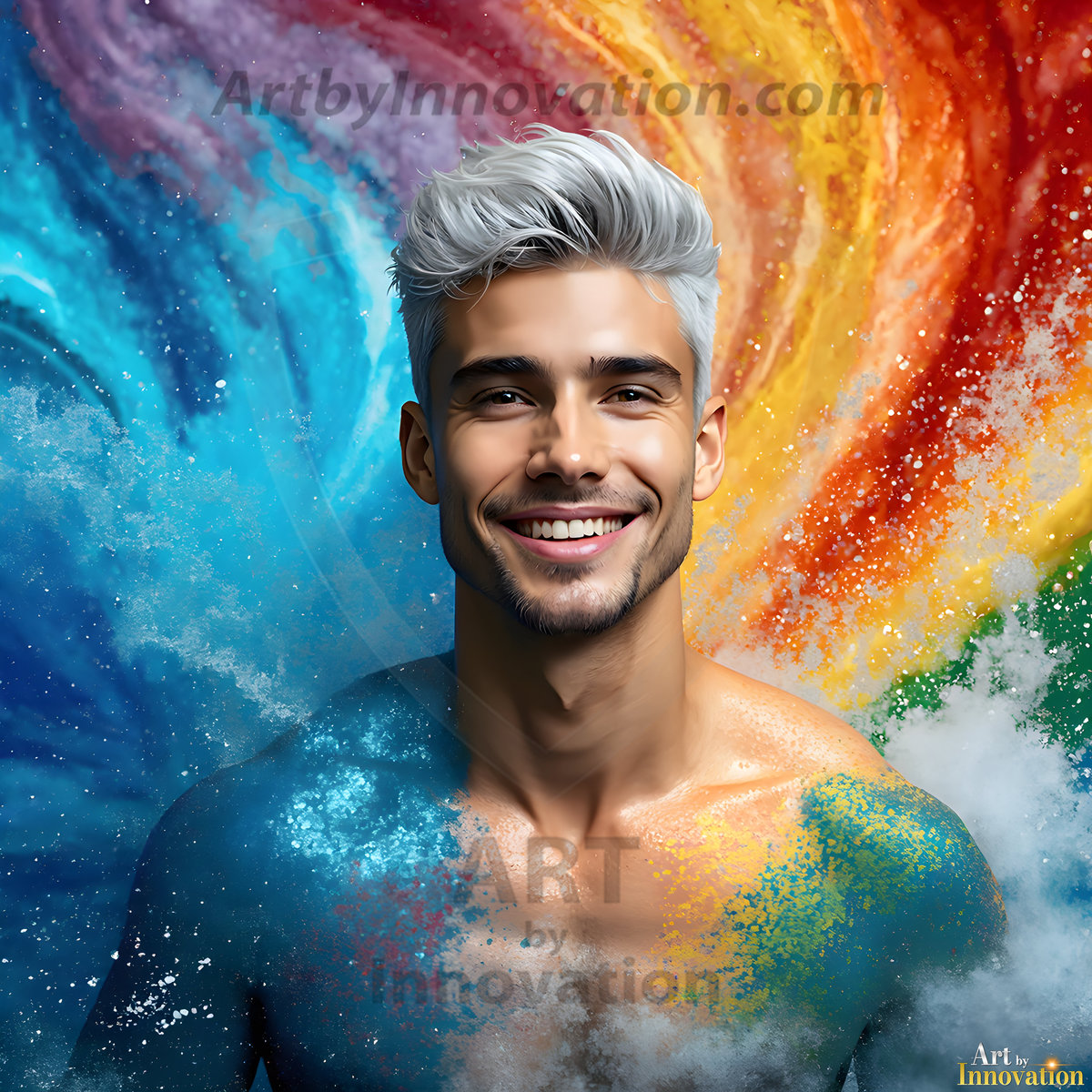
The colors of the LGBTQ+ Pride flags are designed to celebrate the diversity of human experience, visibility, and hope, with each shade representing a specific value that honors the LGBTQ+ community. Created in 1978 by artist Gilbert Baker, the rainbow flag has evolved to include more inclusive colors, showcasing how variety in identity makes individuals uniquely themselves. Meanings Behind the Colors, Red (Life): Represents the vitality and passion of LGBTQ+ people. Orange (Healing): Symbolizes the healing power within the community, often in the face of adversity. Yellow (Sunlight): Signifies the brightness and joy of being true to oneself. Green (Nature): Represents a connection to nature, the environment, and prosperity. Blue/Indigo (Serenity/Harmony): Symbolizes serenity, calm, and inner strength found in living one's truth. Violet/Purple (Spirit): Represents the spirit, strength, and resilience of the community.
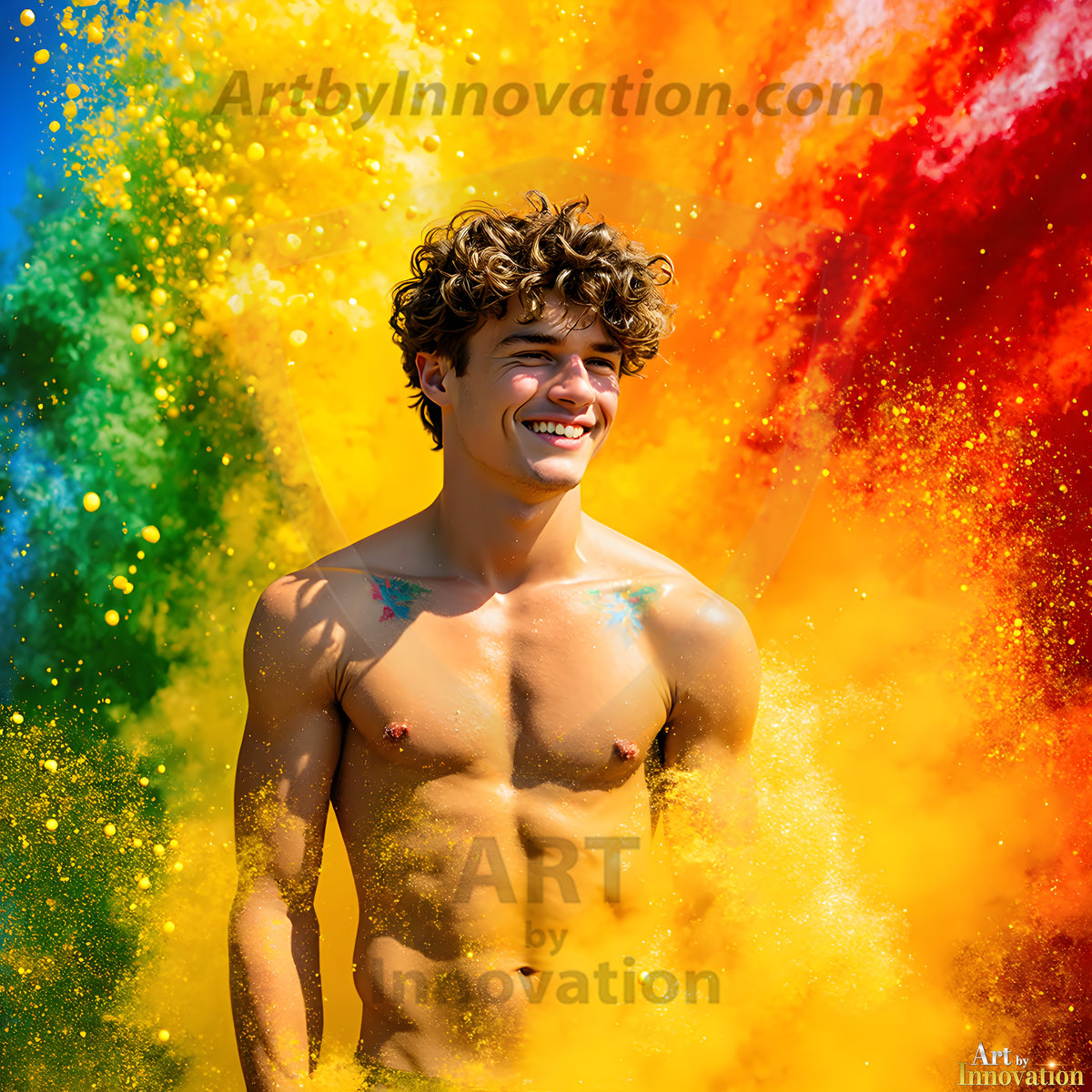
The colors of the LGBTQ+ Pride flags are designed to celebrate the diversity of human experience, visibility, and hope, with each shade representing a specific value that honors the LGBTQ+ community. Created in 1978 by artist Gilbert Baker, the rainbow flag has evolved to include more inclusive colors, showcasing how variety in identity makes individuals uniquely themselves. Meanings Behind the Colors, Red (Life): Represents the vitality and passion of LGBTQ+ people. Orange (Healing): Symbolizes the healing power within the community, often in the face of adversity. Yellow (Sunlight): Signifies the brightness and joy of being true to oneself. Green (Nature): Represents a connection to nature, the environment, and prosperity. Blue/Indigo (Serenity/Harmony): Symbolizes serenity, calm, and inner strength found in living one's truth. Violet/Purple (Spirit): Represents the spirit, strength, and resilience of the community.
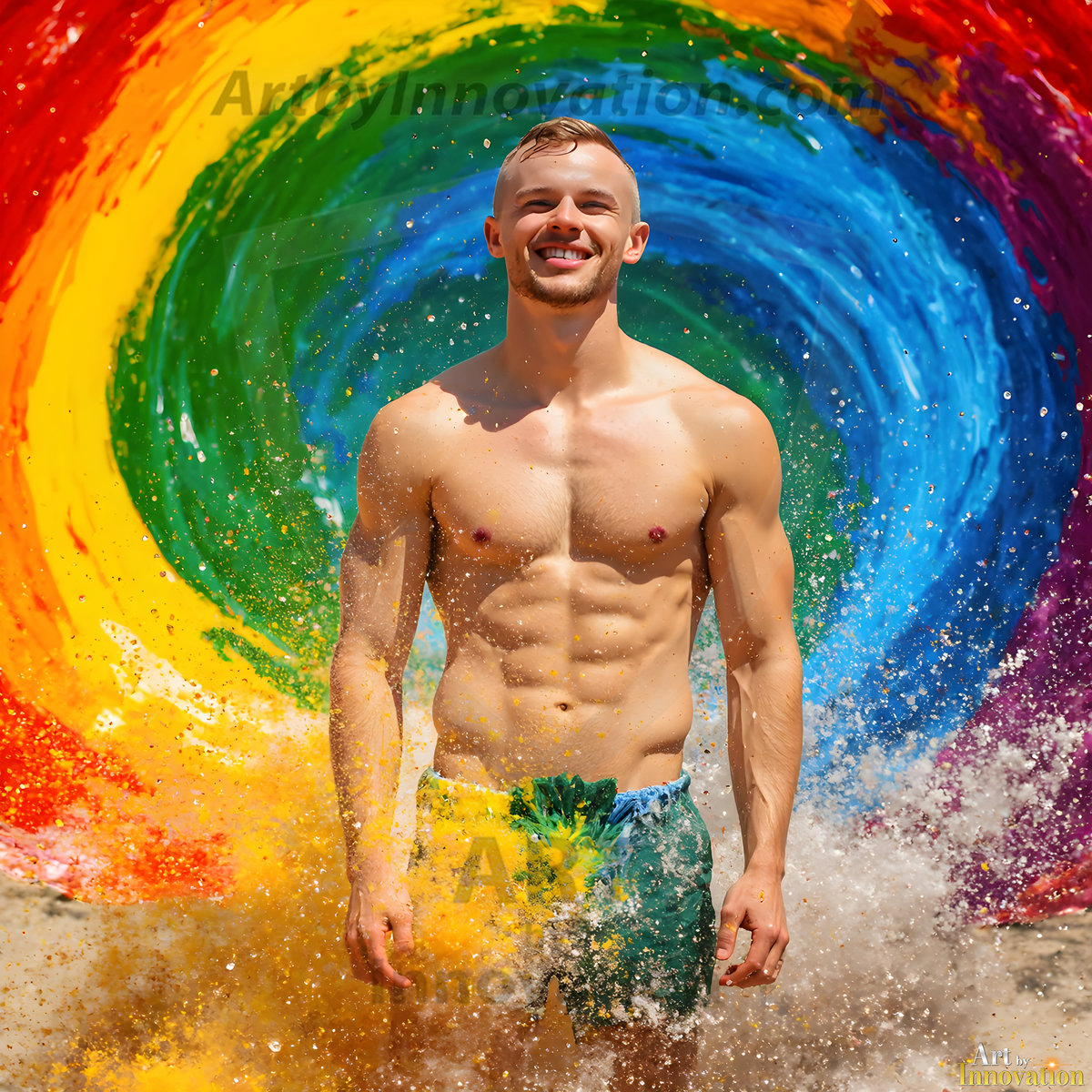
The colors of the LGBTQ+ Pride flags are designed to celebrate the diversity of human experience, visibility, and hope, with each shade representing a specific value that honors the LGBTQ+ community. Created in 1978 by artist Gilbert Baker, the rainbow flag has evolved to include more inclusive colors, showcasing how variety in identity makes individuals uniquely themselves. Meanings Behind the Colors, Red (Life): Represents the vitality and passion of LGBTQ+ people. Orange (Healing): Symbolizes the healing power within the community, often in the face of adversity. Yellow (Sunlight): Signifies the brightness and joy of being true to oneself. Green (Nature): Represents a connection to nature, the environment, and prosperity. Blue/Indigo (Serenity/Harmony): Symbolizes serenity, calm, and inner strength found in living one's truth. Violet/Purple (Spirit): Represents the spirit, strength, and resilience of the community.
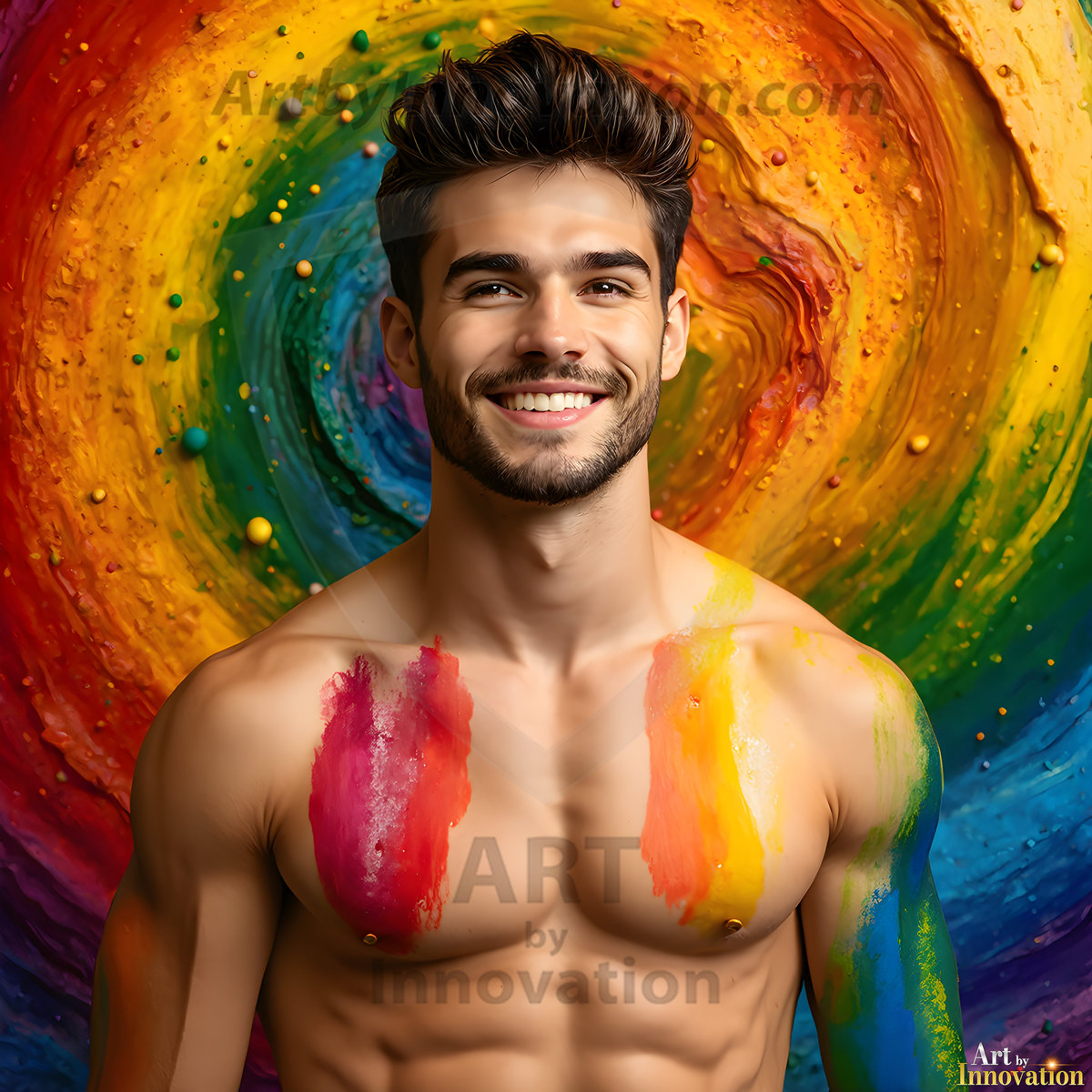
The colors of the LGBTQ+ Pride flags are designed to celebrate the diversity of human experience, visibility, and hope, with each shade representing a specific value that honors the LGBTQ+ community. Created in 1978 by artist Gilbert Baker, the rainbow flag has evolved to include more inclusive colors, showcasing how variety in identity makes individuals uniquely themselves. Meanings Behind the Colors, Red (Life): Represents the vitality and passion of LGBTQ+ people. Orange (Healing): Symbolizes the healing power within the community, often in the face of adversity. Yellow (Sunlight): Signifies the brightness and joy of being true to oneself. Green (Nature): Represents a connection to nature, the environment, and prosperity. Blue/Indigo (Serenity/Harmony): Symbolizes serenity, calm, and inner strength found in living one's truth. Violet/Purple (Spirit): Represents the spirit, strength, and resilience of the community.
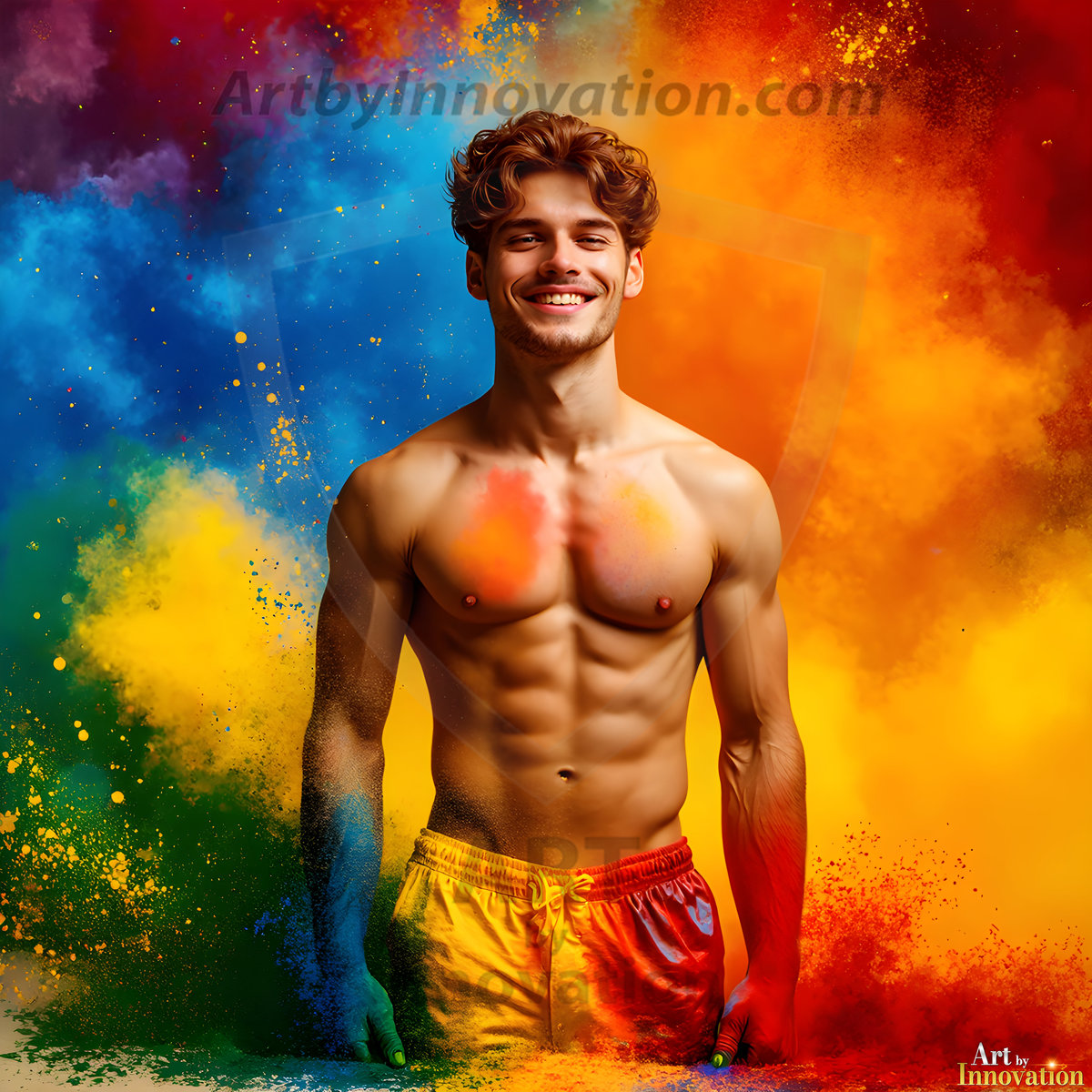
The colors of the LGBTQ+ Pride flags are designed to celebrate the diversity of human experience, visibility, and hope, with each shade representing a specific value that honors the LGBTQ+ community. Created in 1978 by artist Gilbert Baker, the rainbow flag has evolved to include more inclusive colors, showcasing how variety in identity makes individuals uniquely themselves. Meanings Behind the Colors, Red (Life): Represents the vitality and passion of LGBTQ+ people. Orange (Healing): Symbolizes the healing power within the community, often in the face of adversity. Yellow (Sunlight): Signifies the brightness and joy of being true to oneself. Green (Nature): Represents a connection to nature, the environment, and prosperity. Blue/Indigo (Serenity/Harmony): Symbolizes serenity, calm, and inner strength found in living one's truth. Violet/Purple (Spirit): Represents the spirit, strength, and resilience of the community.
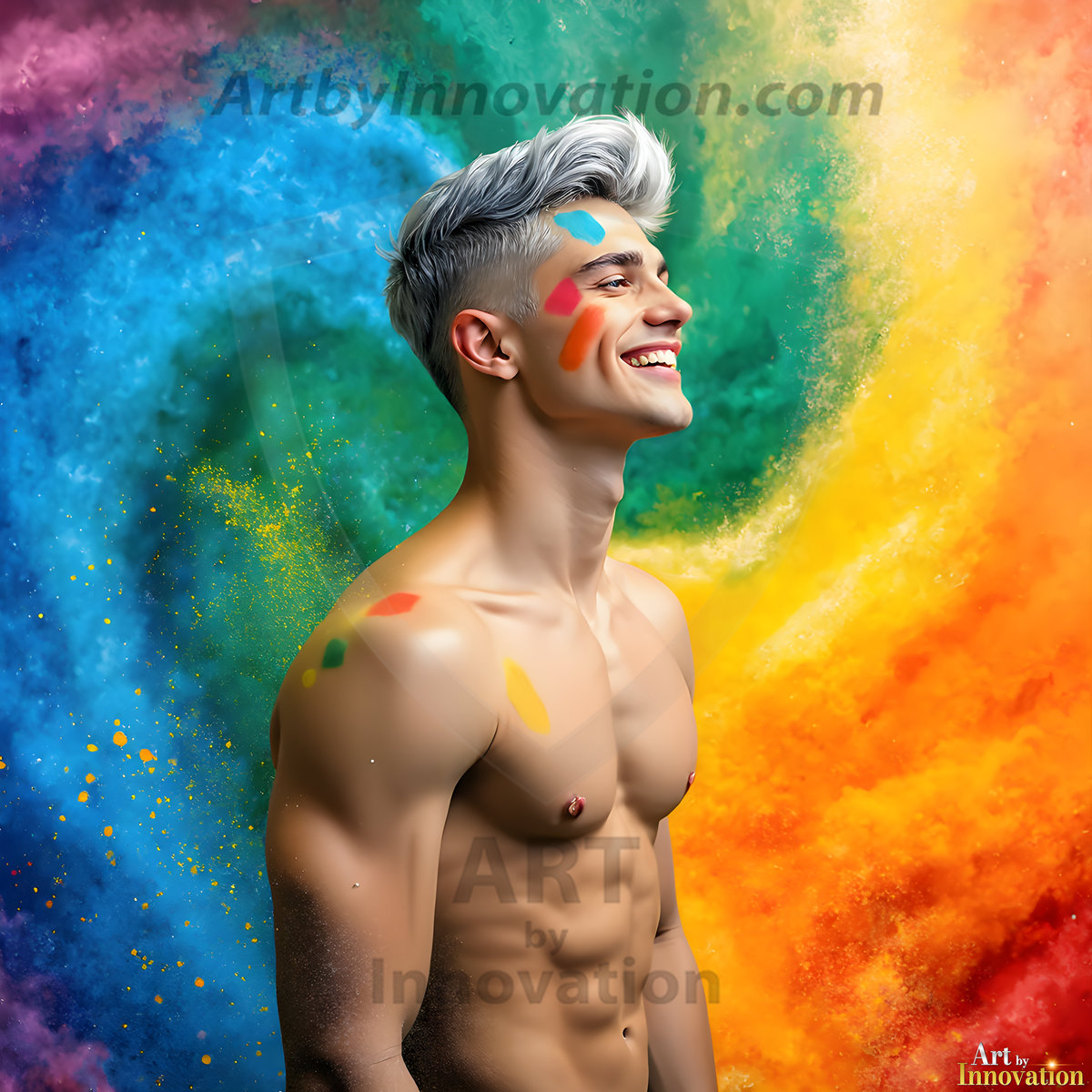
The colors of the LGBTQ+ Pride flags are designed to celebrate the diversity of human experience, visibility, and hope, with each shade representing a specific value that honors the LGBTQ+ community. Created in 1978 by artist Gilbert Baker, the rainbow flag has evolved to include more inclusive colors, showcasing how variety in identity makes individuals uniquely themselves. Meanings Behind the Colors, Red (Life): Represents the vitality and passion of LGBTQ+ people. Orange (Healing): Symbolizes the healing power within the community, often in the face of adversity. Yellow (Sunlight): Signifies the brightness and joy of being true to oneself. Green (Nature): Represents a connection to nature, the environment, and prosperity. Blue/Indigo (Serenity/Harmony): Symbolizes serenity, calm, and inner strength found in living one's truth. Violet/Purple (Spirit): Represents the spirit, strength, and resilience of the community.
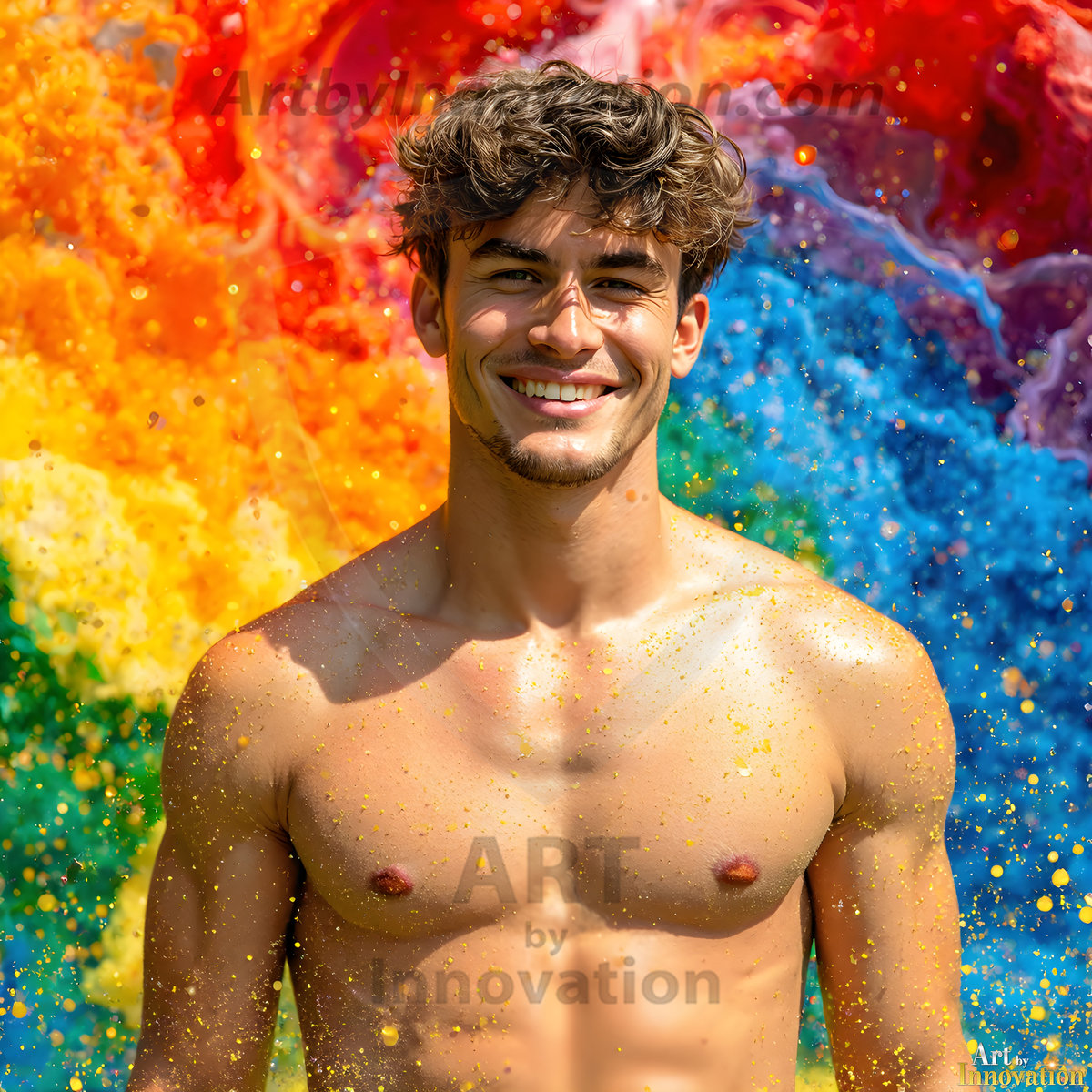
The colors of the LGBTQ+ Pride flags are designed to celebrate the diversity of human experience, visibility, and hope, with each shade representing a specific value that honors the LGBTQ+ community. Created in 1978 by artist Gilbert Baker, the rainbow flag has evolved to include more inclusive colors, showcasing how variety in identity makes individuals uniquely themselves. Meanings Behind the Colors, Red (Life): Represents the vitality and passion of LGBTQ+ people. Orange (Healing): Symbolizes the healing power within the community, often in the face of adversity. Yellow (Sunlight): Signifies the brightness and joy of being true to oneself. Green (Nature): Represents a connection to nature, the environment, and prosperity. Blue/Indigo (Serenity/Harmony): Symbolizes serenity, calm, and inner strength found in living one's truth. Violet/Purple (Spirit): Represents the spirit, strength, and resilience of the community.
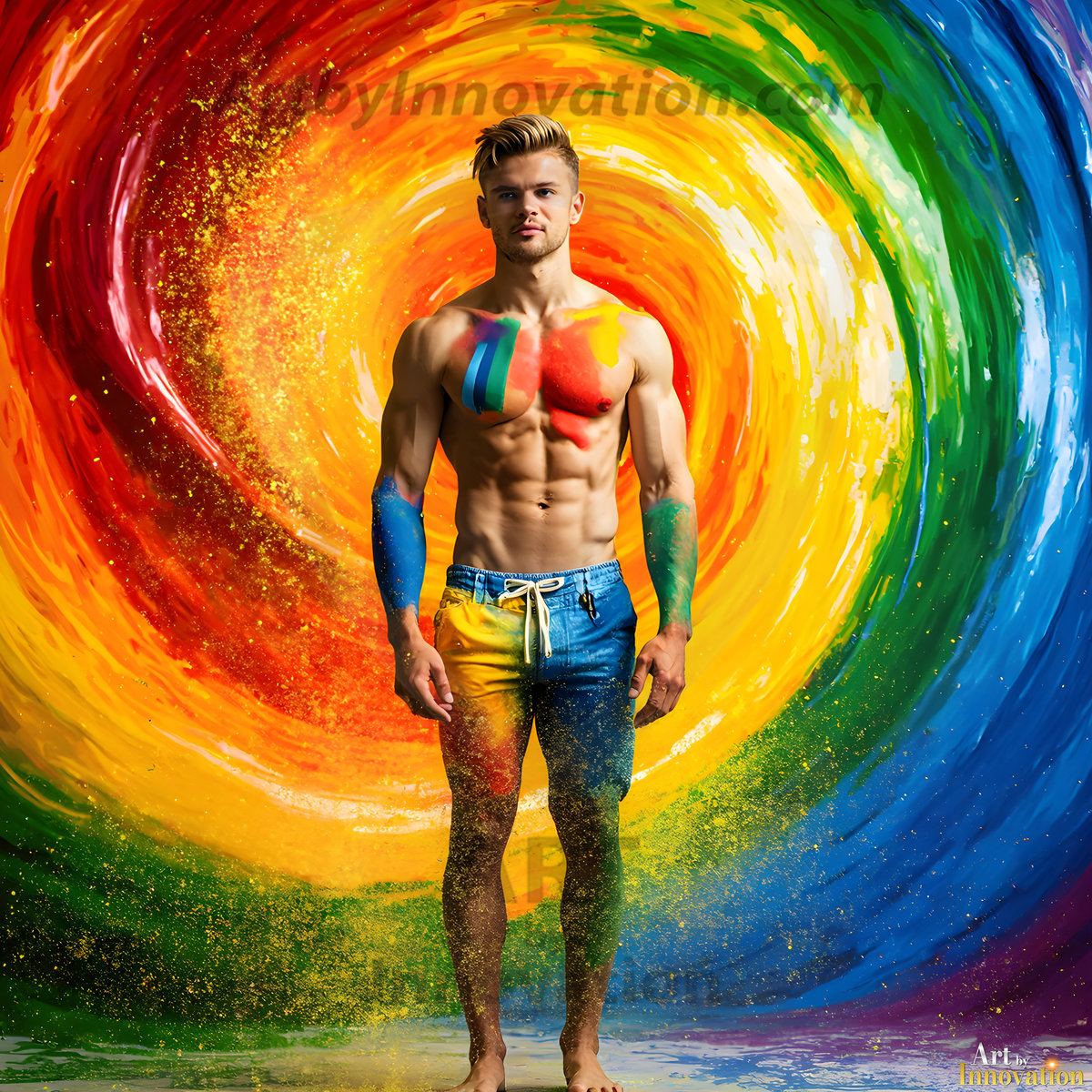
The colors of the LGBTQ+ Pride flags are designed to celebrate the diversity of human experience, visibility, and hope, with each shade representing a specific value that honors the LGBTQ+ community. Created in 1978 by artist Gilbert Baker, the rainbow flag has evolved to include more inclusive colors, showcasing how variety in identity makes individuals uniquely themselves. Meanings Behind the Colors, Red (Life): Represents the vitality and passion of LGBTQ+ people. Orange (Healing): Symbolizes the healing power within the community, often in the face of adversity. Yellow (Sunlight): Signifies the brightness and joy of being true to oneself. Green (Nature): Represents a connection to nature, the environment, and prosperity. Blue/Indigo (Serenity/Harmony): Symbolizes serenity, calm, and inner strength found in living one's truth. Violet/Purple (Spirit): Represents the spirit, strength, and resilience of the community.

The colors of the LGBTQ+ Pride flags are designed to celebrate the diversity of human experience, visibility, and hope, with each shade representing a specific value that honors the LGBTQ+ community. Created in 1978 by artist Gilbert Baker, the rainbow flag has evolved to include more inclusive colors, showcasing how variety in identity makes individuals uniquely themselves. Meanings Behind the Colors, Red (Life): Represents the vitality and passion of LGBTQ+ people. Orange (Healing): Symbolizes the healing power within the community, often in the face of adversity. Yellow (Sunlight): Signifies the brightness and joy of being true to oneself. Green (Nature): Represents a connection to nature, the environment, and prosperity. Blue/Indigo (Serenity/Harmony): Symbolizes serenity, calm, and inner strength found in living one's truth. Violet/Purple (Spirit): Represents the spirit, strength, and resilience of the community.
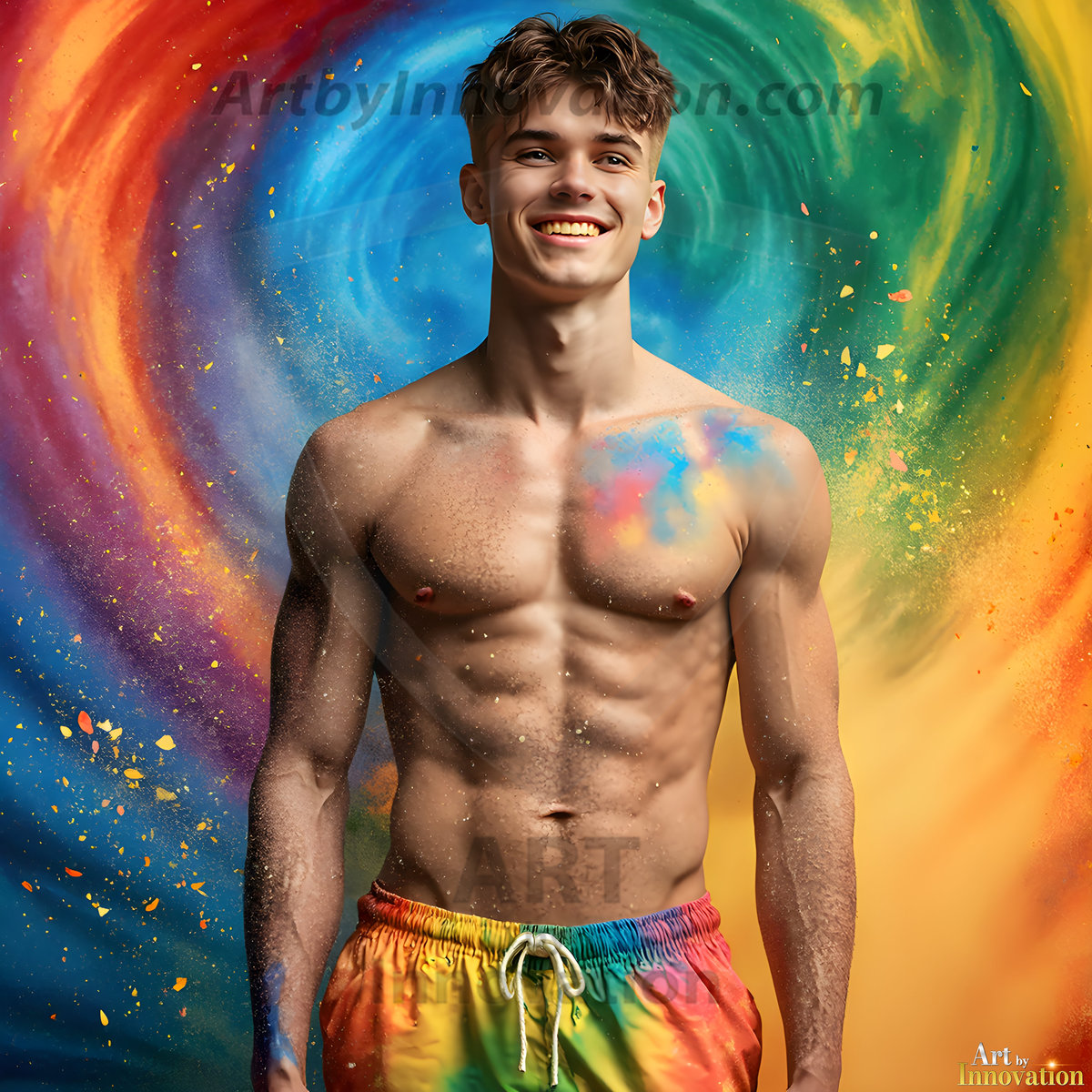
The colors of the LGBTQ+ Pride flags are designed to celebrate the diversity of human experience, visibility, and hope, with each shade representing a specific value that honors the LGBTQ+ community. Created in 1978 by artist Gilbert Baker, the rainbow flag has evolved to include more inclusive colors, showcasing how variety in identity makes individuals uniquely themselves. Meanings Behind the Colors, Red (Life): Represents the vitality and passion of LGBTQ+ people. Orange (Healing): Symbolizes the healing power within the community, often in the face of adversity. Yellow (Sunlight): Signifies the brightness and joy of being true to oneself. Green (Nature): Represents a connection to nature, the environment, and prosperity. Blue/Indigo (Serenity/Harmony): Symbolizes serenity, calm, and inner strength found in living one's truth. Violet/Purple (Spirit): Represents the spirit, strength, and resilience of the community.
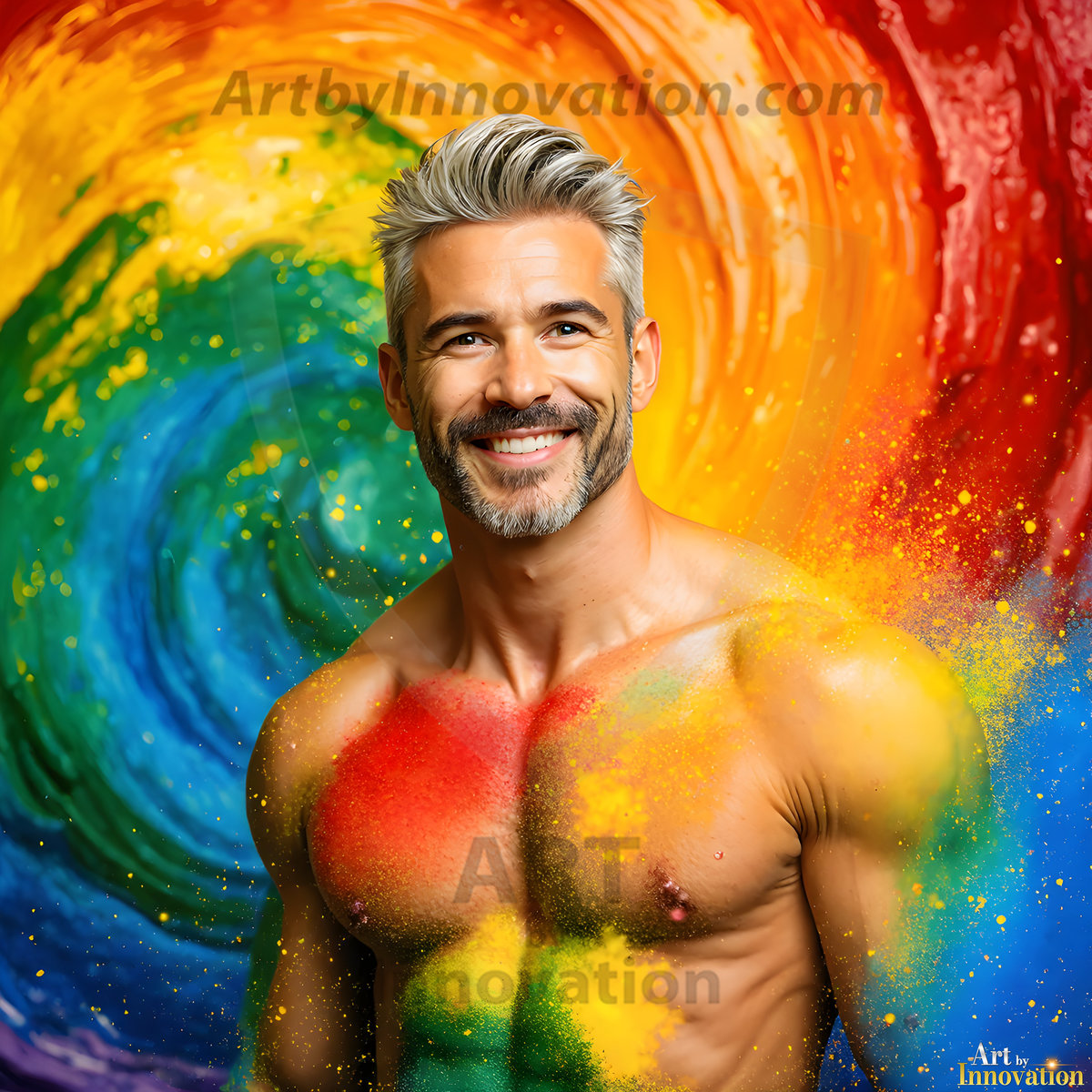
The colors of the LGBTQ+ Pride flags are designed to celebrate the diversity of human experience, visibility, and hope, with each shade representing a specific value that honors the LGBTQ+ community. Created in 1978 by artist Gilbert Baker, the rainbow flag has evolved to include more inclusive colors, showcasing how variety in identity makes individuals uniquely themselves. Meanings Behind the Colors, Red (Life): Represents the vitality and passion of LGBTQ+ people. Orange (Healing): Symbolizes the healing power within the community, often in the face of adversity. Yellow (Sunlight): Signifies the brightness and joy of being true to oneself. Green (Nature): Represents a connection to nature, the environment, and prosperity. Blue/Indigo (Serenity/Harmony): Symbolizes serenity, calm, and inner strength found in living one's truth. Violet/Purple (Spirit): Represents the spirit, strength, and resilience of the community.
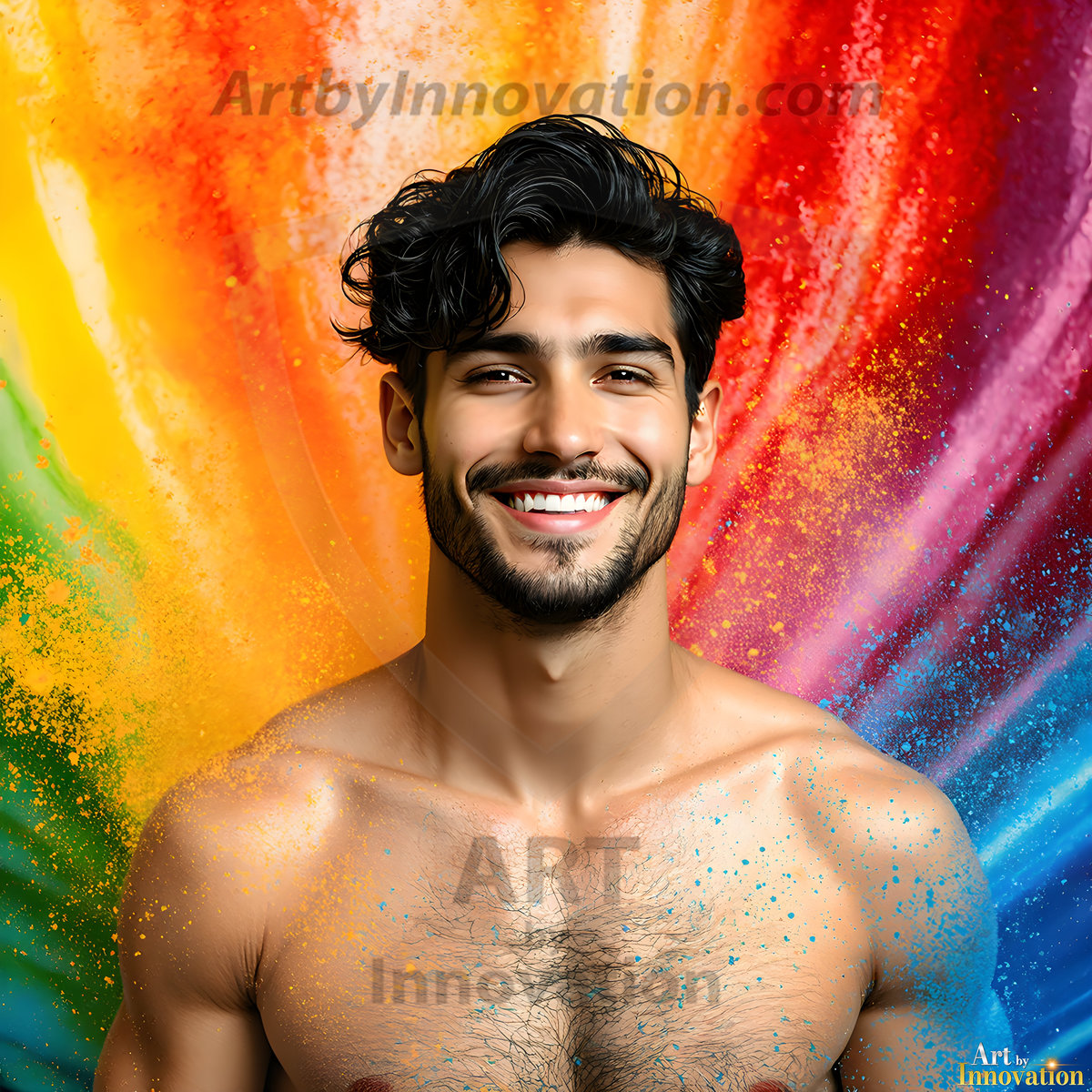
The colors of the LGBTQ+ Pride flags are designed to celebrate the diversity of human experience, visibility, and hope, with each shade representing a specific value that honors the LGBTQ+ community. Created in 1978 by artist Gilbert Baker, the rainbow flag has evolved to include more inclusive colors, showcasing how variety in identity makes individuals uniquely themselves. Meanings Behind the Colors, Red (Life): Represents the vitality and passion of LGBTQ+ people. Orange (Healing): Symbolizes the healing power within the community, often in the face of adversity. Yellow (Sunlight): Signifies the brightness and joy of being true to oneself. Green (Nature): Represents a connection to nature, the environment, and prosperity. Blue/Indigo (Serenity/Harmony): Symbolizes serenity, calm, and inner strength found in living one's truth. Violet/Purple (Spirit): Represents the spirit, strength, and resilience of the community.
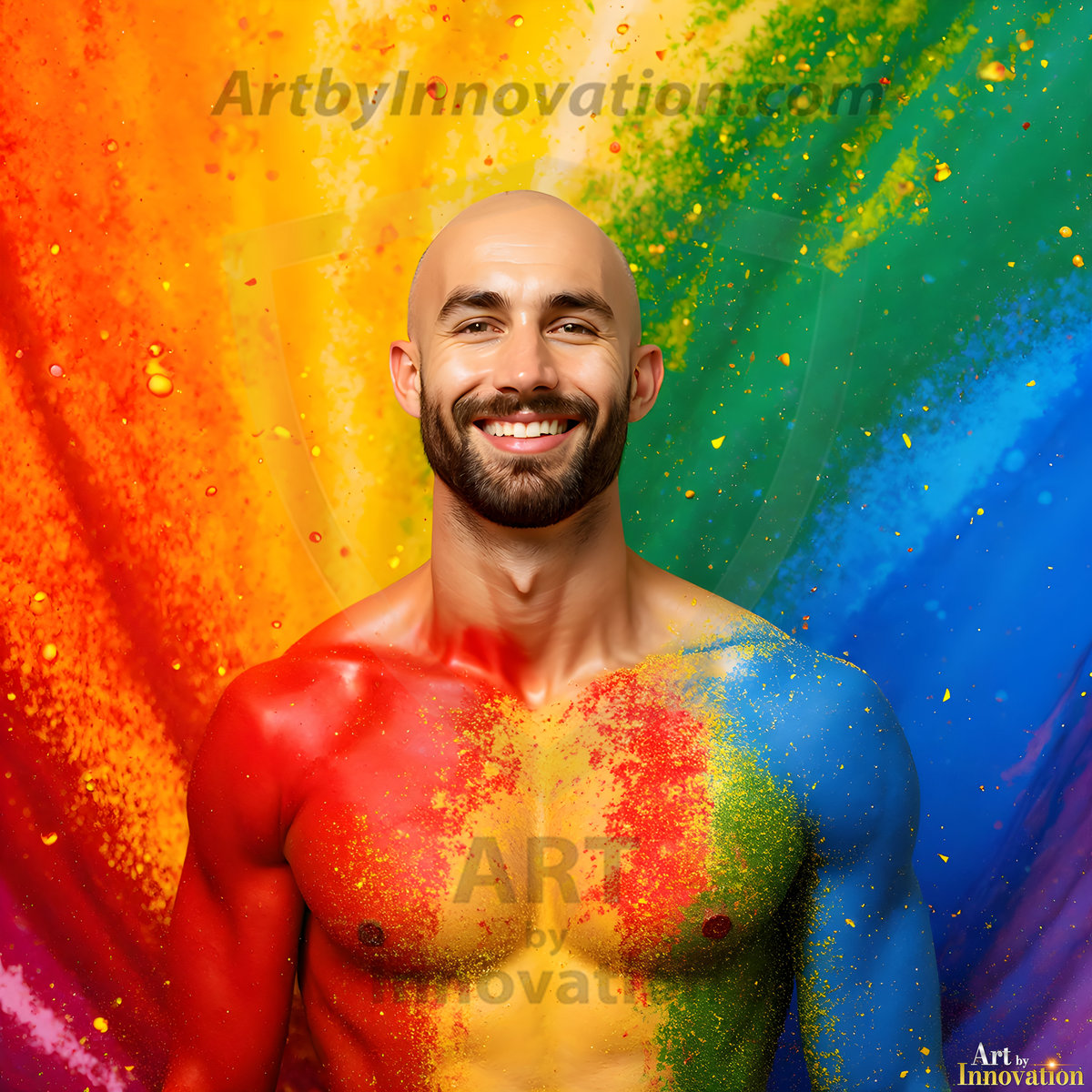
The colors of the LGBTQ+ Pride flags are designed to celebrate the diversity of human experience, visibility, and hope, with each shade representing a specific value that honors the LGBTQ+ community. Created in 1978 by artist Gilbert Baker, the rainbow flag has evolved to include more inclusive colors, showcasing how variety in identity makes individuals uniquely themselves. Meanings Behind the Colors, Red (Life): Represents the vitality and passion of LGBTQ+ people. Orange (Healing): Symbolizes the healing power within the community, often in the face of adversity. Yellow (Sunlight): Signifies the brightness and joy of being true to oneself. Green (Nature): Represents a connection to nature, the environment, and prosperity. Blue/Indigo (Serenity/Harmony): Symbolizes serenity, calm, and inner strength found in living one's truth. Violet/Purple (Spirit): Represents the spirit, strength, and resilience of the community.
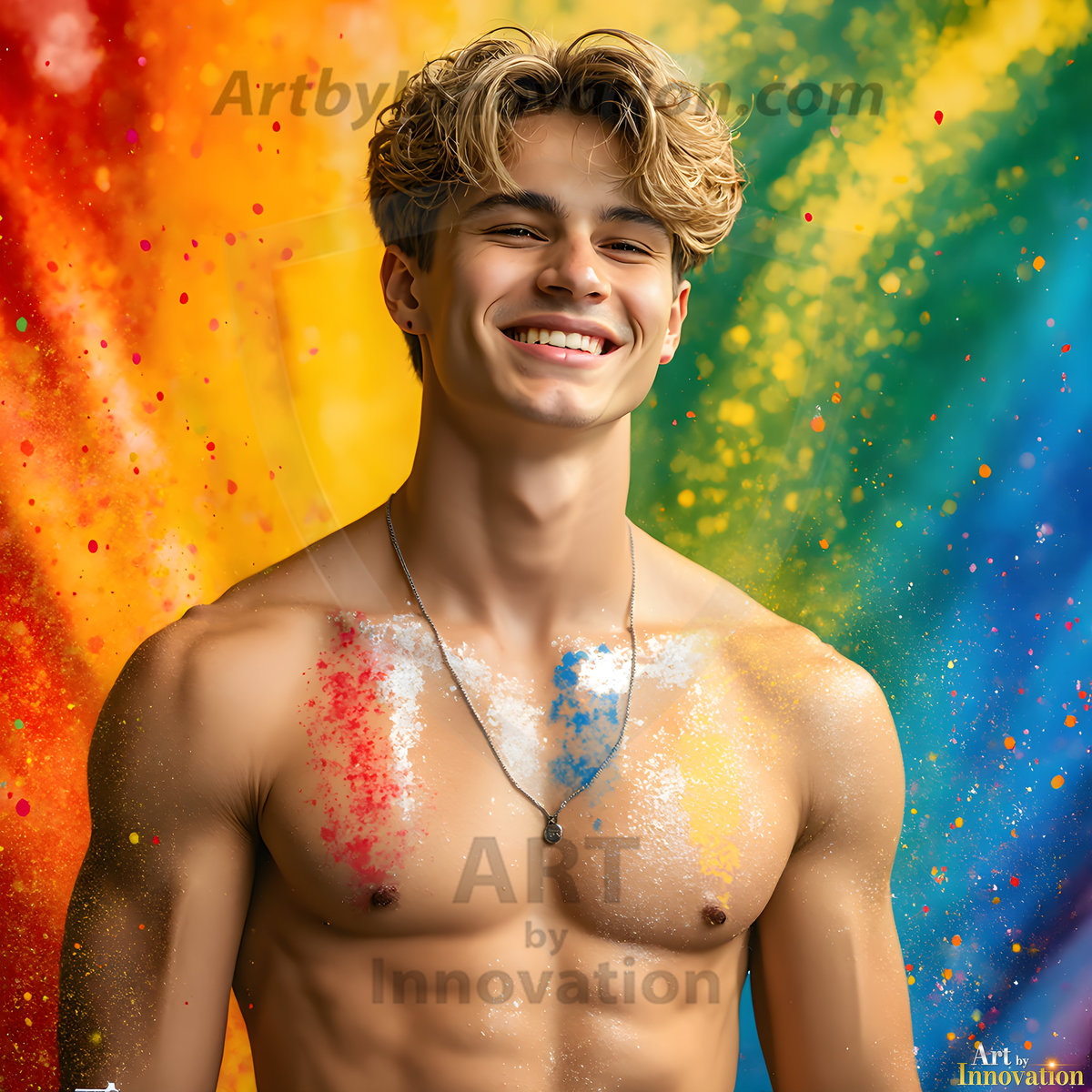
The colors of the LGBTQ+ Pride flags are designed to celebrate the diversity of human experience, visibility, and hope, with each shade representing a specific value that honors the LGBTQ+ community. Created in 1978 by artist Gilbert Baker, the rainbow flag has evolved to include more inclusive colors, showcasing how variety in identity makes individuals uniquely themselves. Meanings Behind the Colors, Red (Life): Represents the vitality and passion of LGBTQ+ people. Orange (Healing): Symbolizes the healing power within the community, often in the face of adversity. Yellow (Sunlight): Signifies the brightness and joy of being true to oneself. Green (Nature): Represents a connection to nature, the environment, and prosperity. Blue/Indigo (Serenity/Harmony): Symbolizes serenity, calm, and inner strength found in living one's truth. Violet/Purple (Spirit): Represents the spirit, strength, and resilience of the community.
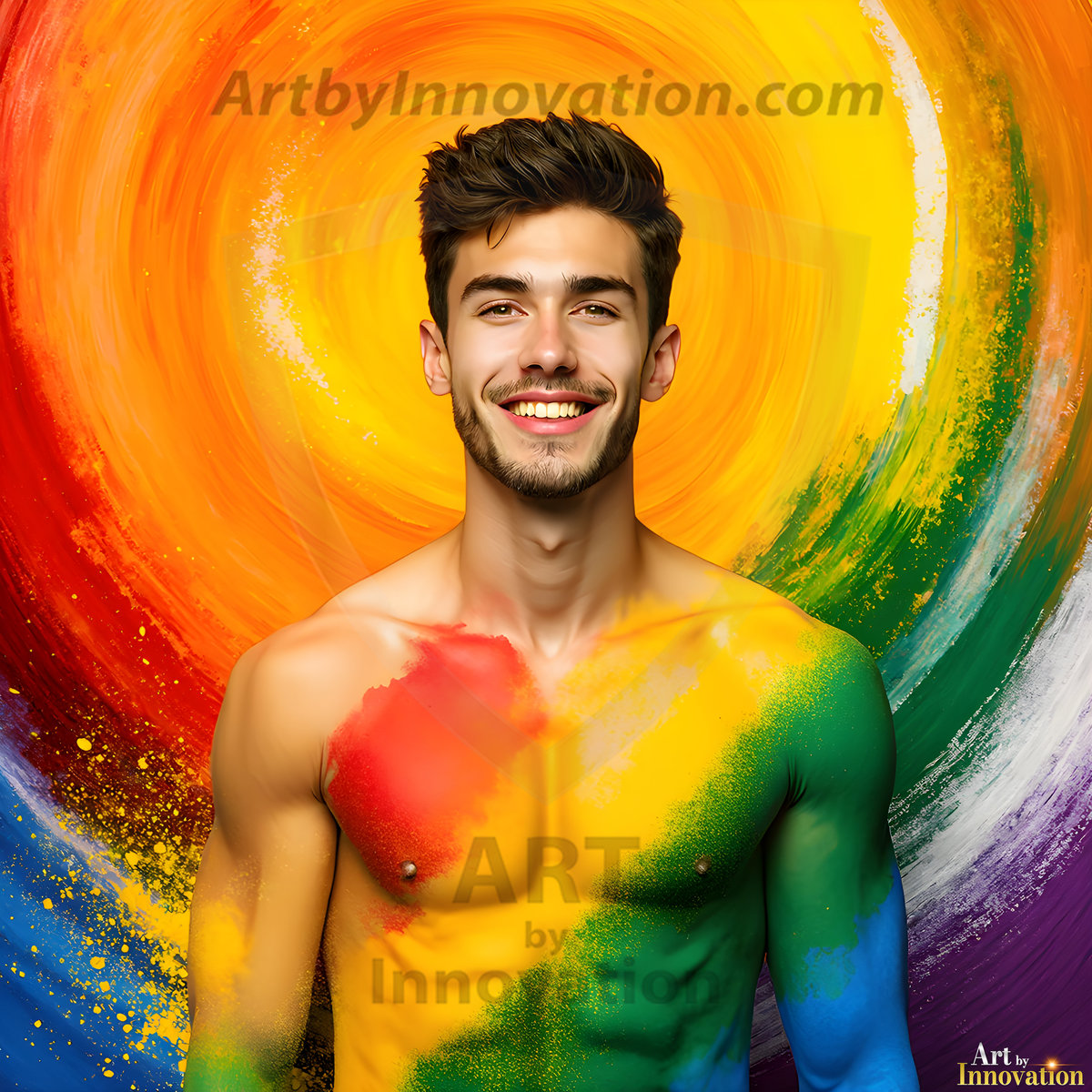
The colors of the LGBTQ+ Pride flags are designed to celebrate the diversity of human experience, visibility, and hope, with each shade representing a specific value that honors the LGBTQ+ community. Created in 1978 by artist Gilbert Baker, the rainbow flag has evolved to include more inclusive colors, showcasing how variety in identity makes individuals uniquely themselves. Meanings Behind the Colors, Red (Life): Represents the vitality and passion of LGBTQ+ people. Orange (Healing): Symbolizes the healing power within the community, often in the face of adversity. Yellow (Sunlight): Signifies the brightness and joy of being true to oneself. Green (Nature): Represents a connection to nature, the environment, and prosperity. Blue/Indigo (Serenity/Harmony): Symbolizes serenity, calm, and inner strength found in living one's truth. Violet/Purple (Spirit): Represents the spirit, strength, and resilience of the community.
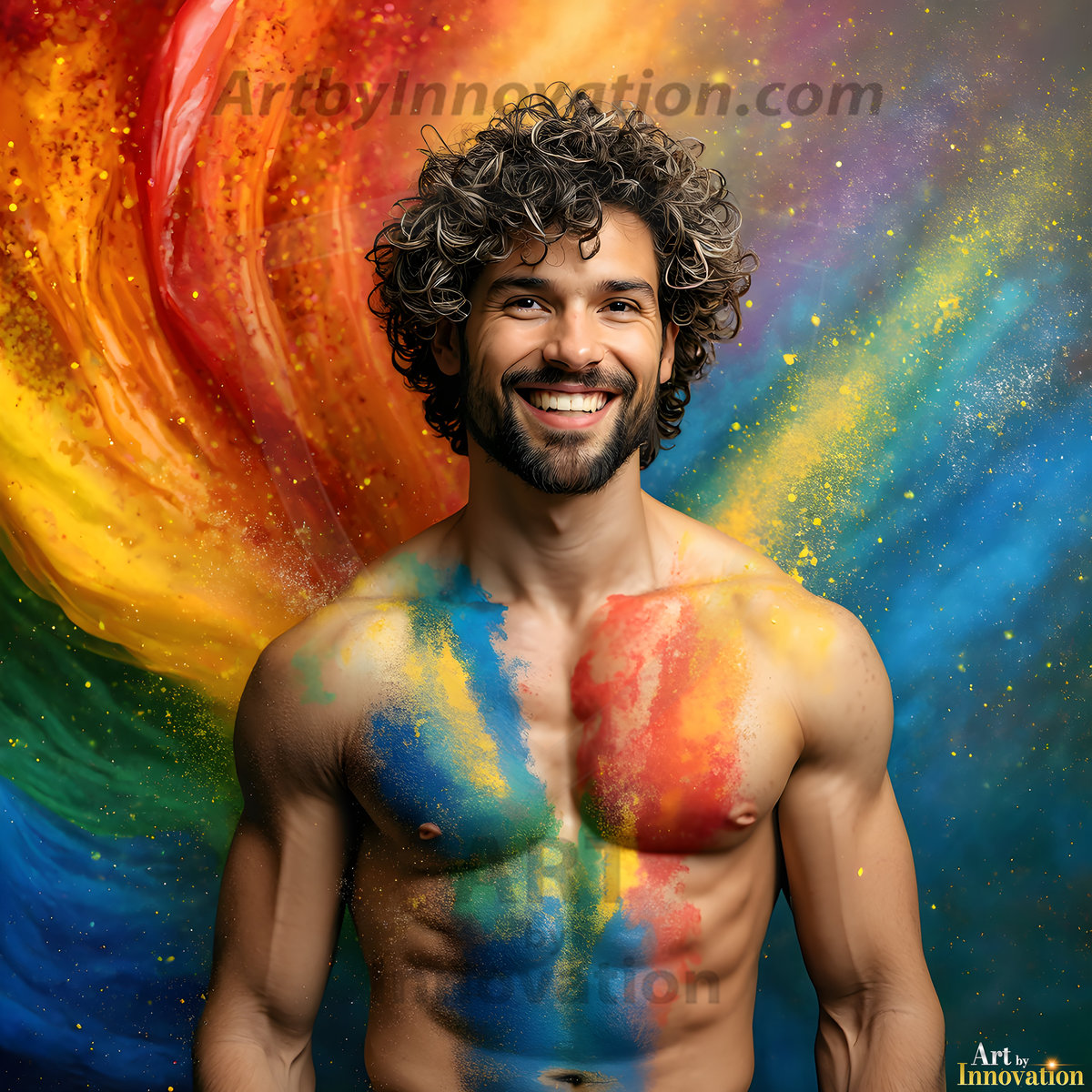
The colors of the LGBTQ+ Pride flags are designed to celebrate the diversity of human experience, visibility, and hope, with each shade representing a specific value that honors the LGBTQ+ community. Created in 1978 by artist Gilbert Baker, the rainbow flag has evolved to include more inclusive colors, showcasing how variety in identity makes individuals uniquely themselves. Meanings Behind the Colors, Red (Life): Represents the vitality and passion of LGBTQ+ people. Orange (Healing): Symbolizes the healing power within the community, often in the face of adversity. Yellow (Sunlight): Signifies the brightness and joy of being true to oneself. Green (Nature): Represents a connection to nature, the environment, and prosperity. Blue/Indigo (Serenity/Harmony): Symbolizes serenity, calm, and inner strength found in living one's truth. Violet/Purple (Spirit): Represents the spirit, strength, and resilience of the community.

The colors of the LGBTQ+ Pride flags are designed to celebrate the diversity of human experience, visibility, and hope, with each shade representing a specific value that honors the LGBTQ+ community. Created in 1978 by artist Gilbert Baker, the rainbow flag has evolved to include more inclusive colors, showcasing how variety in identity makes individuals uniquely themselves. Meanings Behind the Colors, Red (Life): Represents the vitality and passion of LGBTQ+ people. Orange (Healing): Symbolizes the healing power within the community, often in the face of adversity. Yellow (Sunlight): Signifies the brightness and joy of being true to oneself. Green (Nature): Represents a connection to nature, the environment, and prosperity. Blue/Indigo (Serenity/Harmony): Symbolizes serenity, calm, and inner strength found in living one's truth. Violet/Purple (Spirit): Represents the spirit, strength, and resilience of the community.
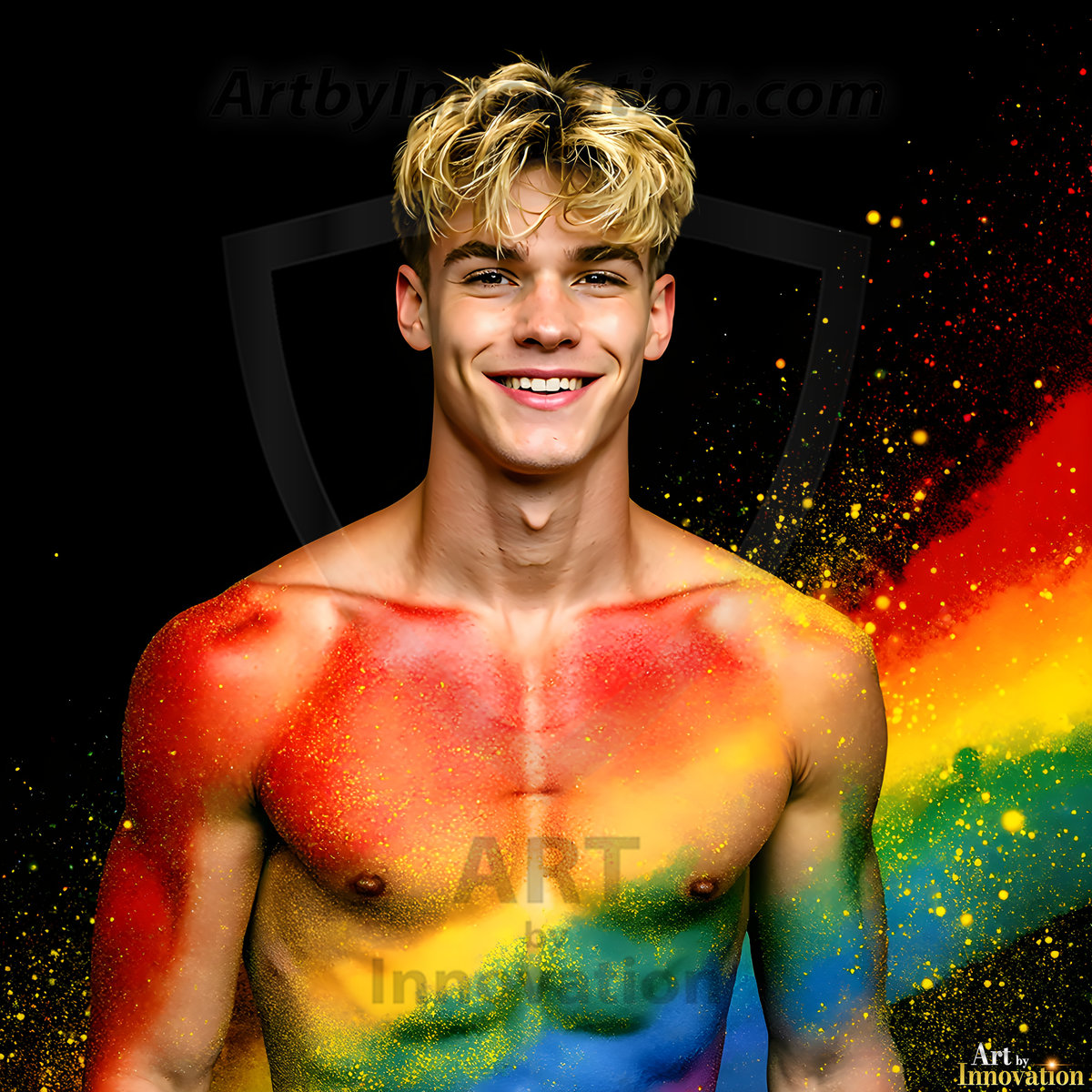
The colors of the LGBTQ+ Pride flags are designed to celebrate the diversity of human experience, visibility, and hope, with each shade representing a specific value that honors the LGBTQ+ community. Created in 1978 by artist Gilbert Baker, the rainbow flag has evolved to include more inclusive colors, showcasing how variety in identity makes individuals uniquely themselves. Meanings Behind the Colors, Red (Life): Represents the vitality and passion of LGBTQ+ people. Orange (Healing): Symbolizes the healing power within the community, often in the face of adversity. Yellow (Sunlight): Signifies the brightness and joy of being true to oneself. Green (Nature): Represents a connection to nature, the environment, and prosperity. Blue/Indigo (Serenity/Harmony): Symbolizes serenity, calm, and inner strength found in living one's truth. Violet/Purple (Spirit): Represents the spirit, strength, and resilience of the community.

The colors of the LGBTQ+ Pride flags are designed to celebrate the diversity of human experience, visibility, and hope, with each shade representing a specific value that honors the LGBTQ+ community. Created in 1978 by artist Gilbert Baker, the rainbow flag has evolved to include more inclusive colors, showcasing how variety in identity makes individuals uniquely themselves. Meanings Behind the Colors, Red (Life): Represents the vitality and passion of LGBTQ+ people. Orange (Healing): Symbolizes the healing power within the community, often in the face of adversity. Yellow (Sunlight): Signifies the brightness and joy of being true to oneself. Green (Nature): Represents a connection to nature, the environment, and prosperity. Blue/Indigo (Serenity/Harmony): Symbolizes serenity, calm, and inner strength found in living one's truth. Violet/Purple (Spirit): Represents the spirit, strength, and resilience of the community.
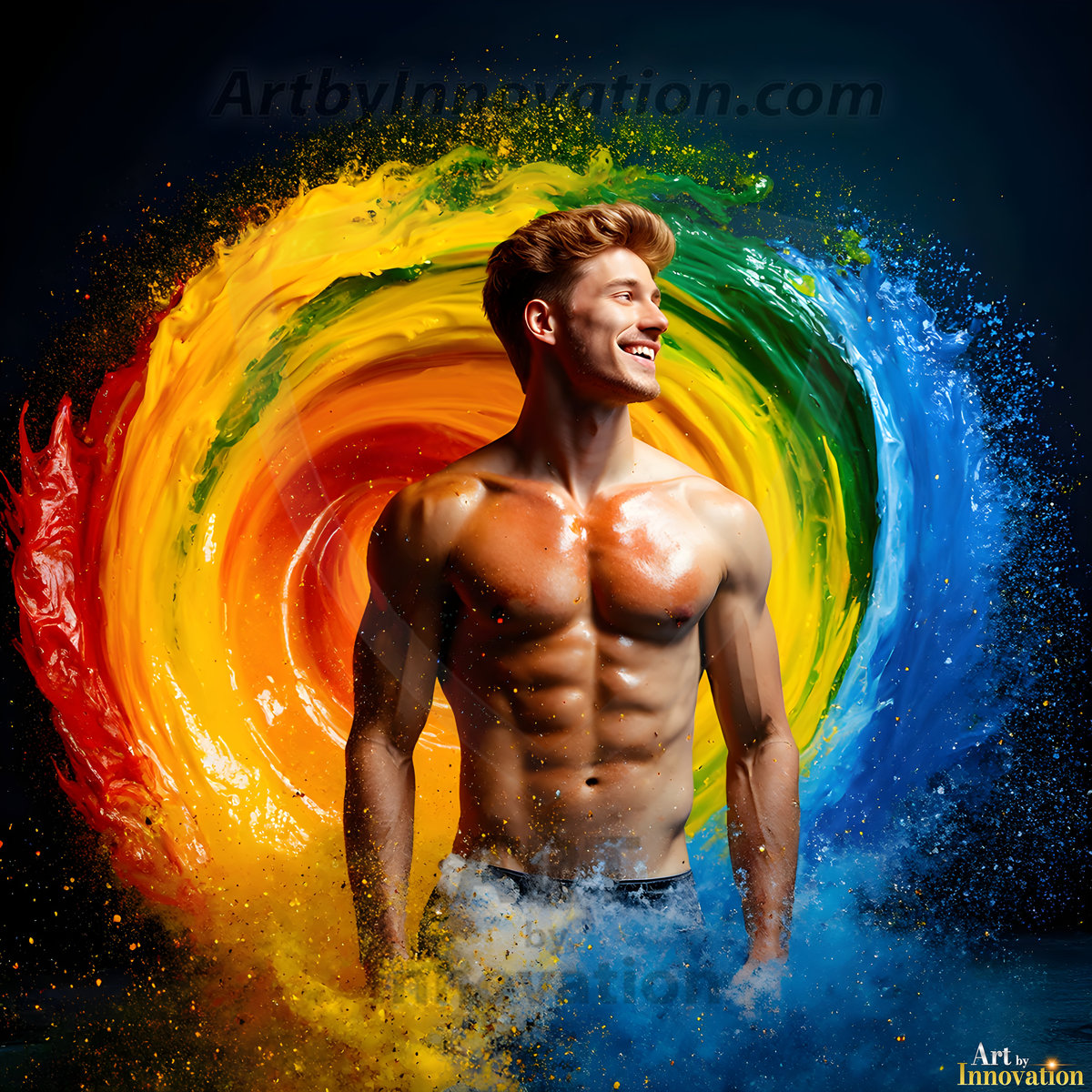
The colors of the LGBTQ+ Pride flags are designed to celebrate the diversity of human experience, visibility, and hope, with each shade representing a specific value that honors the LGBTQ+ community. Created in 1978 by artist Gilbert Baker, the rainbow flag has evolved to include more inclusive colors, showcasing how variety in identity makes individuals uniquely themselves. Meanings Behind the Colors, Red (Life): Represents the vitality and passion of LGBTQ+ people. Orange (Healing): Symbolizes the healing power within the community, often in the face of adversity. Yellow (Sunlight): Signifies the brightness and joy of being true to oneself. Green (Nature): Represents a connection to nature, the environment, and prosperity. Blue/Indigo (Serenity/Harmony): Symbolizes serenity, calm, and inner strength found in living one's truth. Violet/Purple (Spirit): Represents the spirit, strength, and resilience of the community.
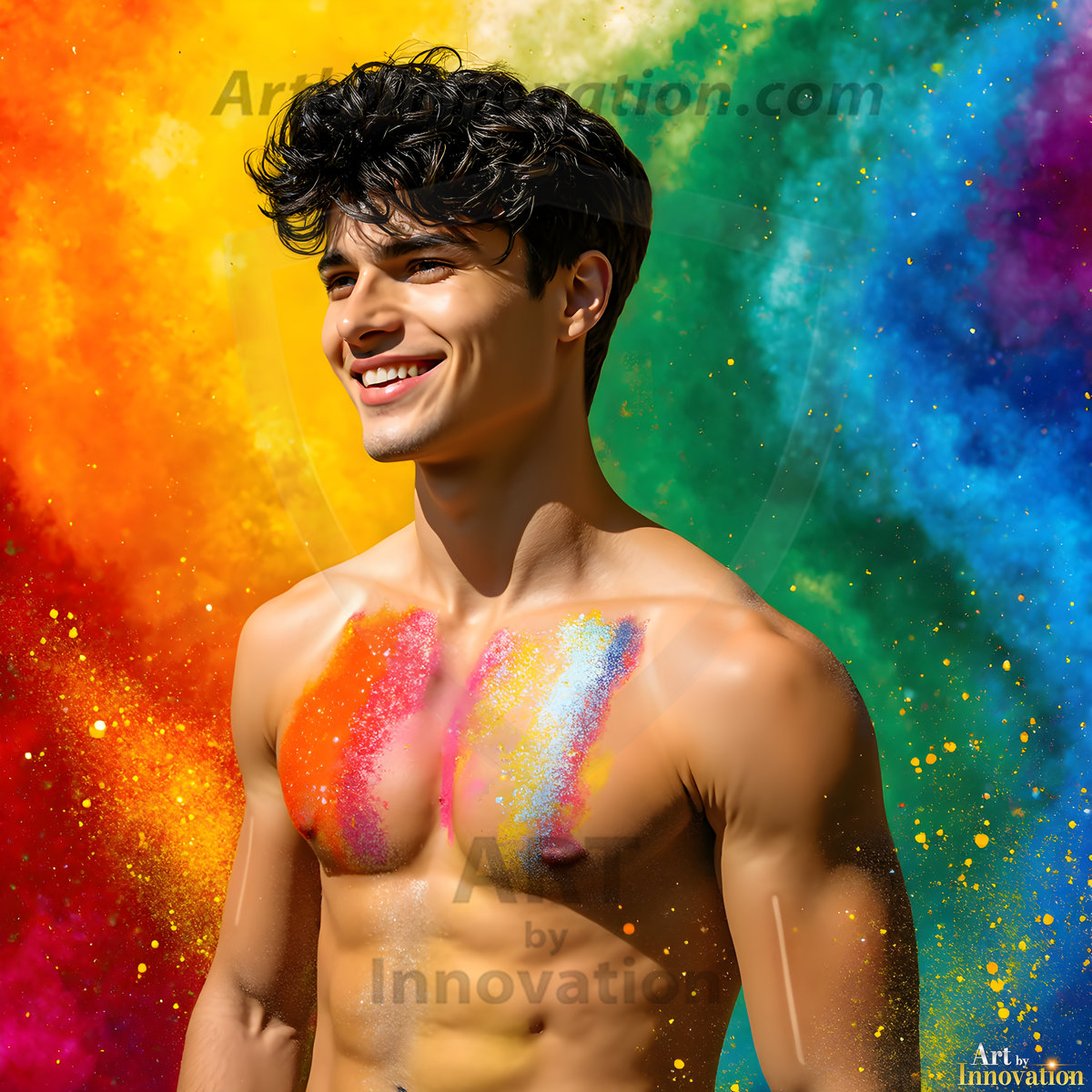
The colors of the LGBTQ+ Pride flags are designed to celebrate the diversity of human experience, visibility, and hope, with each shade representing a specific value that honors the LGBTQ+ community. Created in 1978 by artist Gilbert Baker, the rainbow flag has evolved to include more inclusive colors, showcasing how variety in identity makes individuals uniquely themselves. Meanings Behind the Colors, Red (Life): Represents the vitality and passion of LGBTQ+ people. Orange (Healing): Symbolizes the healing power within the community, often in the face of adversity. Yellow (Sunlight): Signifies the brightness and joy of being true to oneself. Green (Nature): Represents a connection to nature, the environment, and prosperity. Blue/Indigo (Serenity/Harmony): Symbolizes serenity, calm, and inner strength found in living one's truth. Violet/Purple (Spirit): Represents the spirit, strength, and resilience of the community.
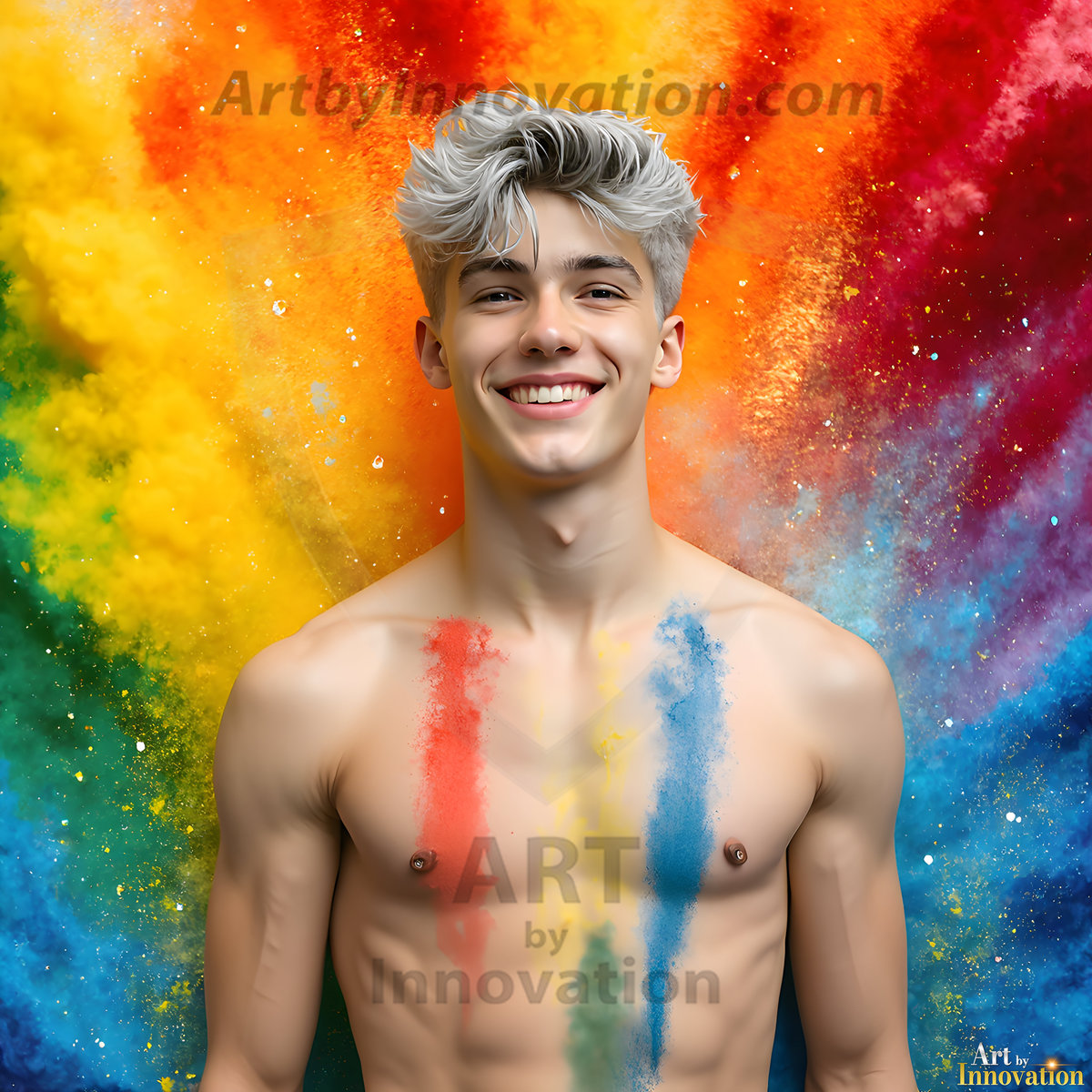
The colors of the LGBTQ+ Pride flags are designed to celebrate the diversity of human experience, visibility, and hope, with each shade representing a specific value that honors the LGBTQ+ community. Created in 1978 by artist Gilbert Baker, the rainbow flag has evolved to include more inclusive colors, showcasing how variety in identity makes individuals uniquely themselves. Meanings Behind the Colors, Red (Life): Represents the vitality and passion of LGBTQ+ people. Orange (Healing): Symbolizes the healing power within the community, often in the face of adversity. Yellow (Sunlight): Signifies the brightness and joy of being true to oneself. Green (Nature): Represents a connection to nature, the environment, and prosperity. Blue/Indigo (Serenity/Harmony): Symbolizes serenity, calm, and inner strength found in living one's truth. Violet/Purple (Spirit): Represents the spirit, strength, and resilience of the community.
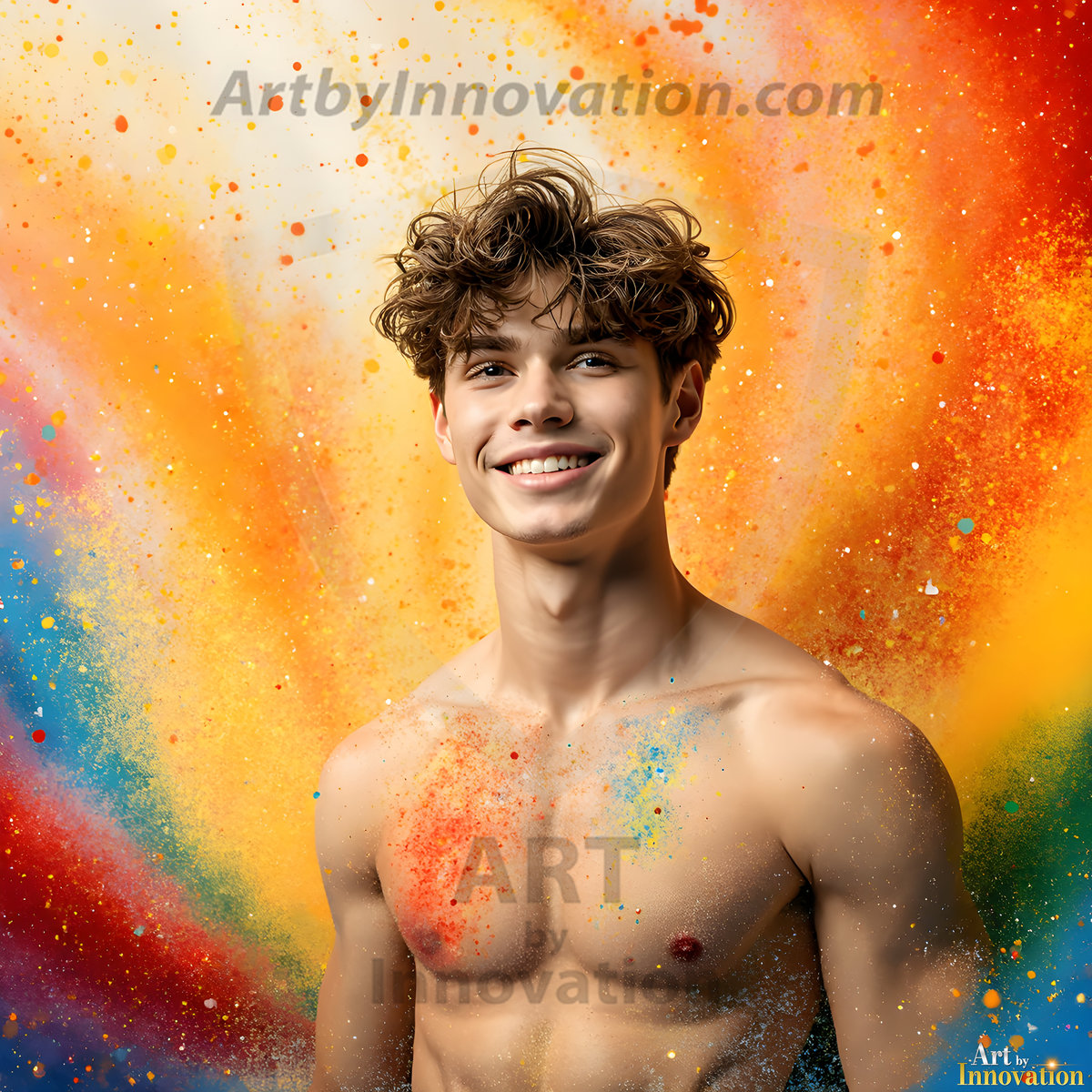
The colors of the LGBTQ+ Pride flags are designed to celebrate the diversity of human experience, visibility, and hope, with each shade representing a specific value that honors the LGBTQ+ community. Created in 1978 by artist Gilbert Baker, the rainbow flag has evolved to include more inclusive colors, showcasing how variety in identity makes individuals uniquely themselves. Meanings Behind the Colors, Red (Life): Represents the vitality and passion of LGBTQ+ people. Orange (Healing): Symbolizes the healing power within the community, often in the face of adversity. Yellow (Sunlight): Signifies the brightness and joy of being true to oneself. Green (Nature): Represents a connection to nature, the environment, and prosperity. Blue/Indigo (Serenity/Harmony): Symbolizes serenity, calm, and inner strength found in living one's truth. Violet/Purple (Spirit): Represents the spirit, strength, and resilience of the community.
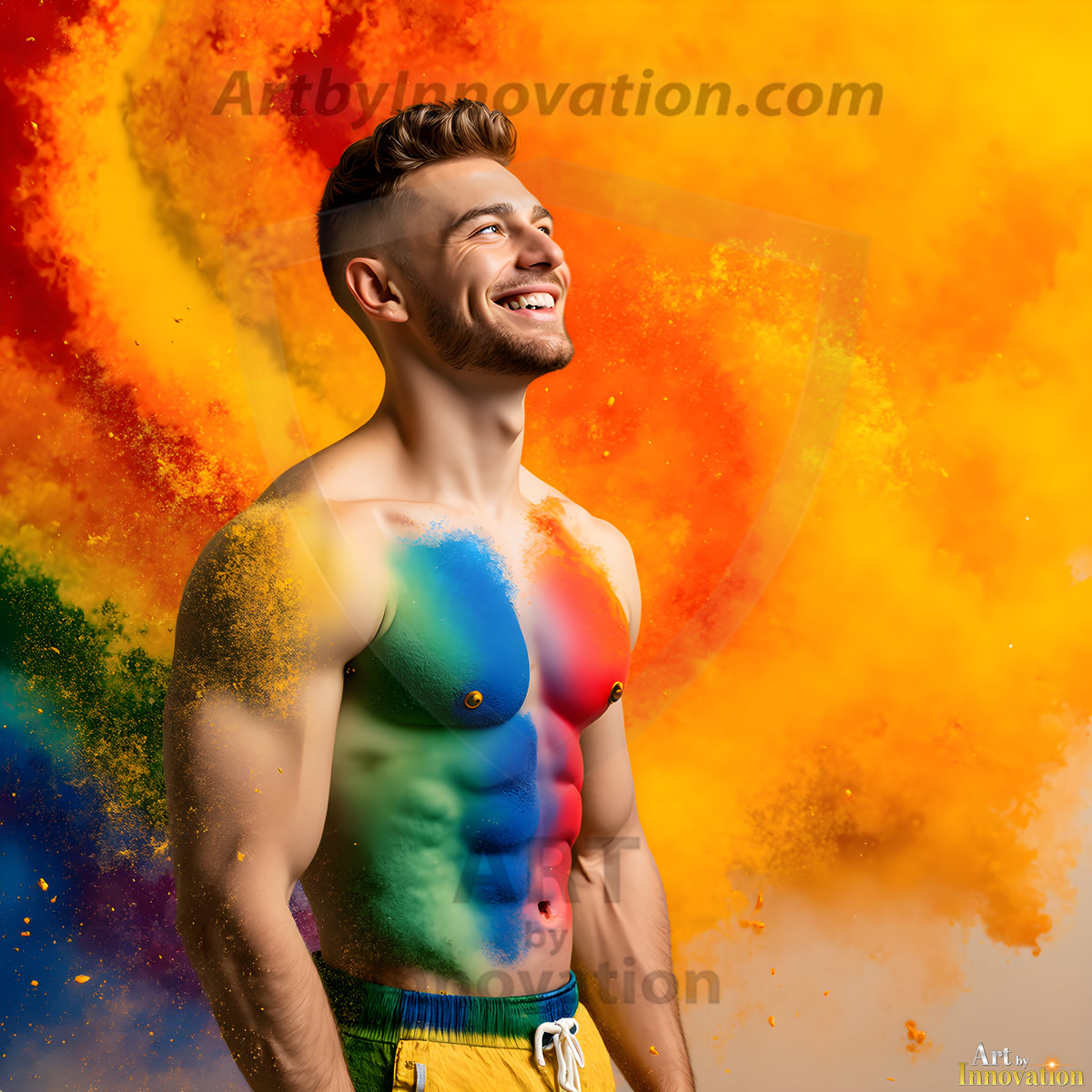
The colors of the LGBTQ+ Pride flags are designed to celebrate the diversity of human experience, visibility, and hope, with each shade representing a specific value that honors the LGBTQ+ community. Created in 1978 by artist Gilbert Baker, the rainbow flag has evolved to include more inclusive colors, showcasing how variety in identity makes individuals uniquely themselves. Meanings Behind the Colors, Red (Life): Represents the vitality and passion of LGBTQ+ people. Orange (Healing): Symbolizes the healing power within the community, often in the face of adversity. Yellow (Sunlight): Signifies the brightness and joy of being true to oneself. Green (Nature): Represents a connection to nature, the environment, and prosperity. Blue/Indigo (Serenity/Harmony): Symbolizes serenity, calm, and inner strength found in living one's truth. Violet/Purple (Spirit): Represents the spirit, strength, and resilience of the community.
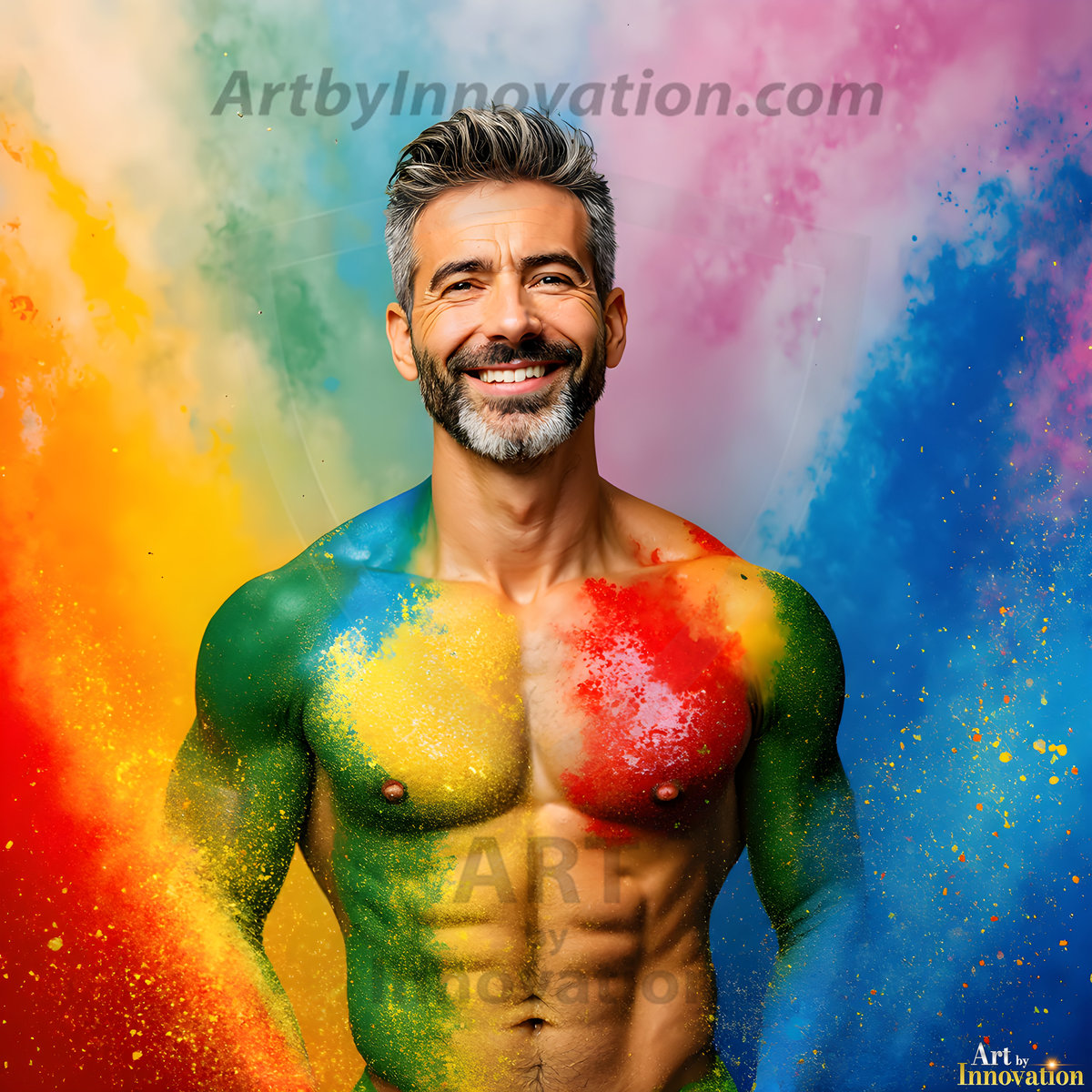
The colors of the LGBTQ+ Pride flags are designed to celebrate the diversity of human experience, visibility, and hope, with each shade representing a specific value that honors the LGBTQ+ community. Created in 1978 by artist Gilbert Baker, the rainbow flag has evolved to include more inclusive colors, showcasing how variety in identity makes individuals uniquely themselves. Meanings Behind the Colors, Red (Life): Represents the vitality and passion of LGBTQ+ people. Orange (Healing): Symbolizes the healing power within the community, often in the face of adversity. Yellow (Sunlight): Signifies the brightness and joy of being true to oneself. Green (Nature): Represents a connection to nature, the environment, and prosperity. Blue/Indigo (Serenity/Harmony): Symbolizes serenity, calm, and inner strength found in living one's truth. Violet/Purple (Spirit): Represents the spirit, strength, and resilience of the community.

The colors of the LGBTQ+ Pride flags are designed to celebrate the diversity of human experience, visibility, and hope, with each shade representing a specific value that honors the LGBTQ+ community. Created in 1978 by artist Gilbert Baker, the rainbow flag has evolved to include more inclusive colors, showcasing how variety in identity makes individuals uniquely themselves. Meanings Behind the Colors, Red (Life): Represents the vitality and passion of LGBTQ+ people. Orange (Healing): Symbolizes the healing power within the community, often in the face of adversity. Yellow (Sunlight): Signifies the brightness and joy of being true to oneself. Green (Nature): Represents a connection to nature, the environment, and prosperity. Blue/Indigo (Serenity/Harmony): Symbolizes serenity, calm, and inner strength found in living one's truth. Violet/Purple (Spirit): Represents the spirit, strength, and resilience of the community.
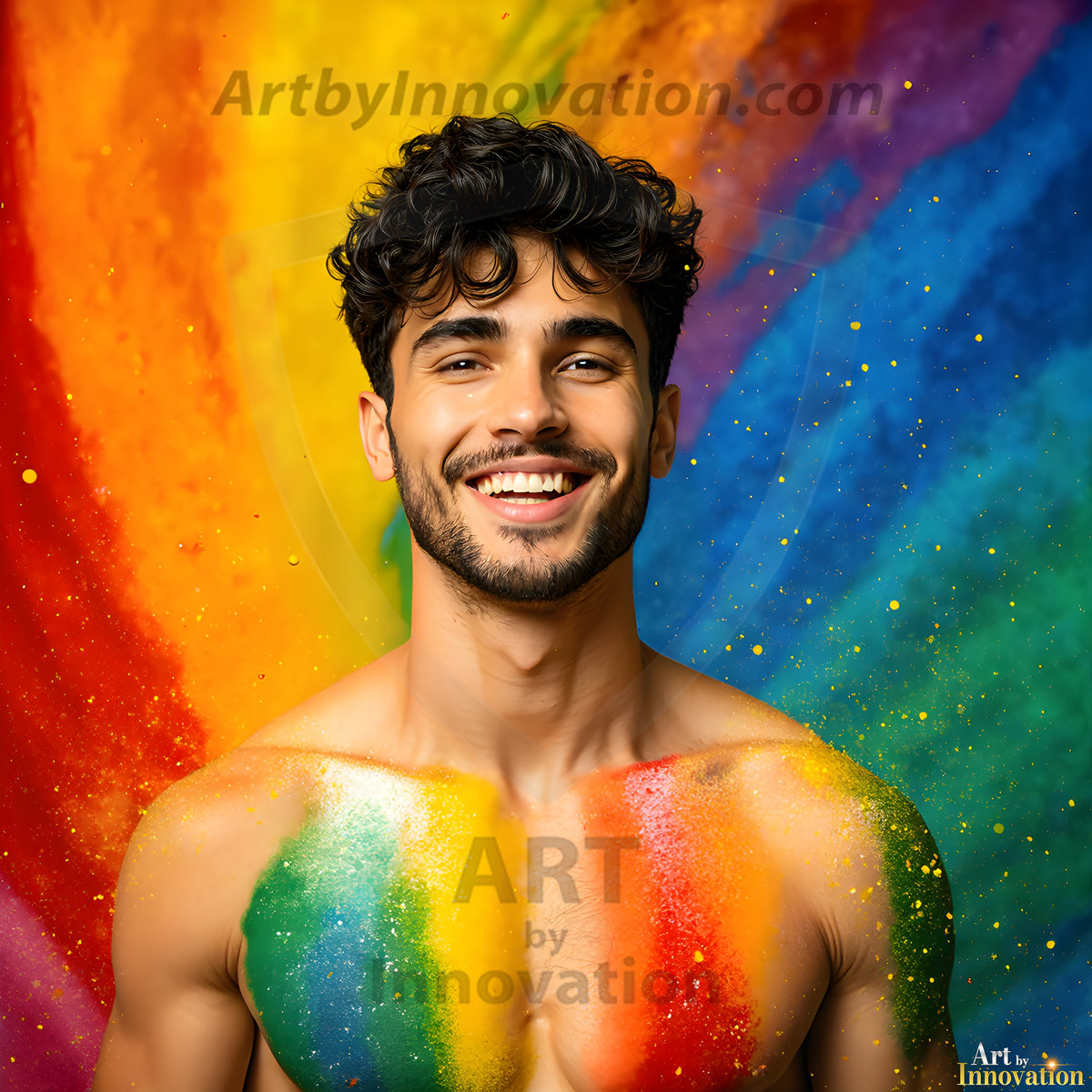
The colors of the LGBTQ+ Pride flags are designed to celebrate the diversity of human experience, visibility, and hope, with each shade representing a specific value that honors the LGBTQ+ community. Created in 1978 by artist Gilbert Baker, the rainbow flag has evolved to include more inclusive colors, showcasing how variety in identity makes individuals uniquely themselves. Meanings Behind the Colors, Red (Life): Represents the vitality and passion of LGBTQ+ people. Orange (Healing): Symbolizes the healing power within the community, often in the face of adversity. Yellow (Sunlight): Signifies the brightness and joy of being true to oneself. Green (Nature): Represents a connection to nature, the environment, and prosperity. Blue/Indigo (Serenity/Harmony): Symbolizes serenity, calm, and inner strength found in living one's truth. Violet/Purple (Spirit): Represents the spirit, strength, and resilience of the community.

The colors of the LGBTQ+ Pride flags are designed to celebrate the diversity of human experience, visibility, and hope, with each shade representing a specific value that honors the LGBTQ+ community. Created in 1978 by artist Gilbert Baker, the rainbow flag has evolved to include more inclusive colors, showcasing how variety in identity makes individuals uniquely themselves. Meanings Behind the Colors, Red (Life): Represents the vitality and passion of LGBTQ+ people. Orange (Healing): Symbolizes the healing power within the community, often in the face of adversity. Yellow (Sunlight): Signifies the brightness and joy of being true to oneself. Green (Nature): Represents a connection to nature, the environment, and prosperity. Blue/Indigo (Serenity/Harmony): Symbolizes serenity, calm, and inner strength found in living one's truth. Violet/Purple (Spirit): Represents the spirit, strength, and resilience of the community.
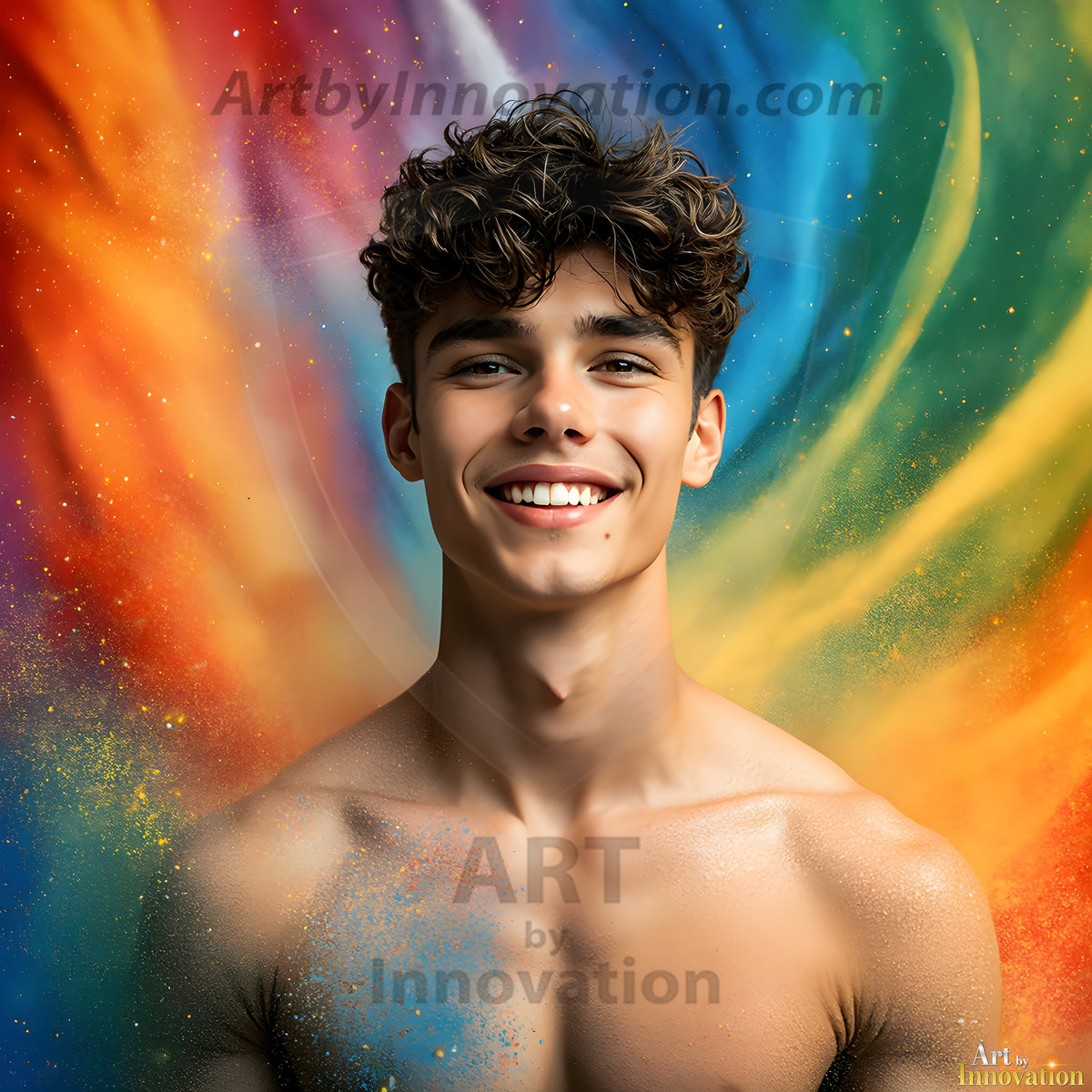
The colors of the LGBTQ+ Pride flags are designed to celebrate the diversity of human experience, visibility, and hope, with each shade representing a specific value that honors the LGBTQ+ community. Created in 1978 by artist Gilbert Baker, the rainbow flag has evolved to include more inclusive colors, showcasing how variety in identity makes individuals uniquely themselves. Meanings Behind the Colors, Red (Life): Represents the vitality and passion of LGBTQ+ people. Orange (Healing): Symbolizes the healing power within the community, often in the face of adversity. Yellow (Sunlight): Signifies the brightness and joy of being true to oneself. Green (Nature): Represents a connection to nature, the environment, and prosperity. Blue/Indigo (Serenity/Harmony): Symbolizes serenity, calm, and inner strength found in living one's truth. Violet/Purple (Spirit): Represents the spirit, strength, and resilience of the community.
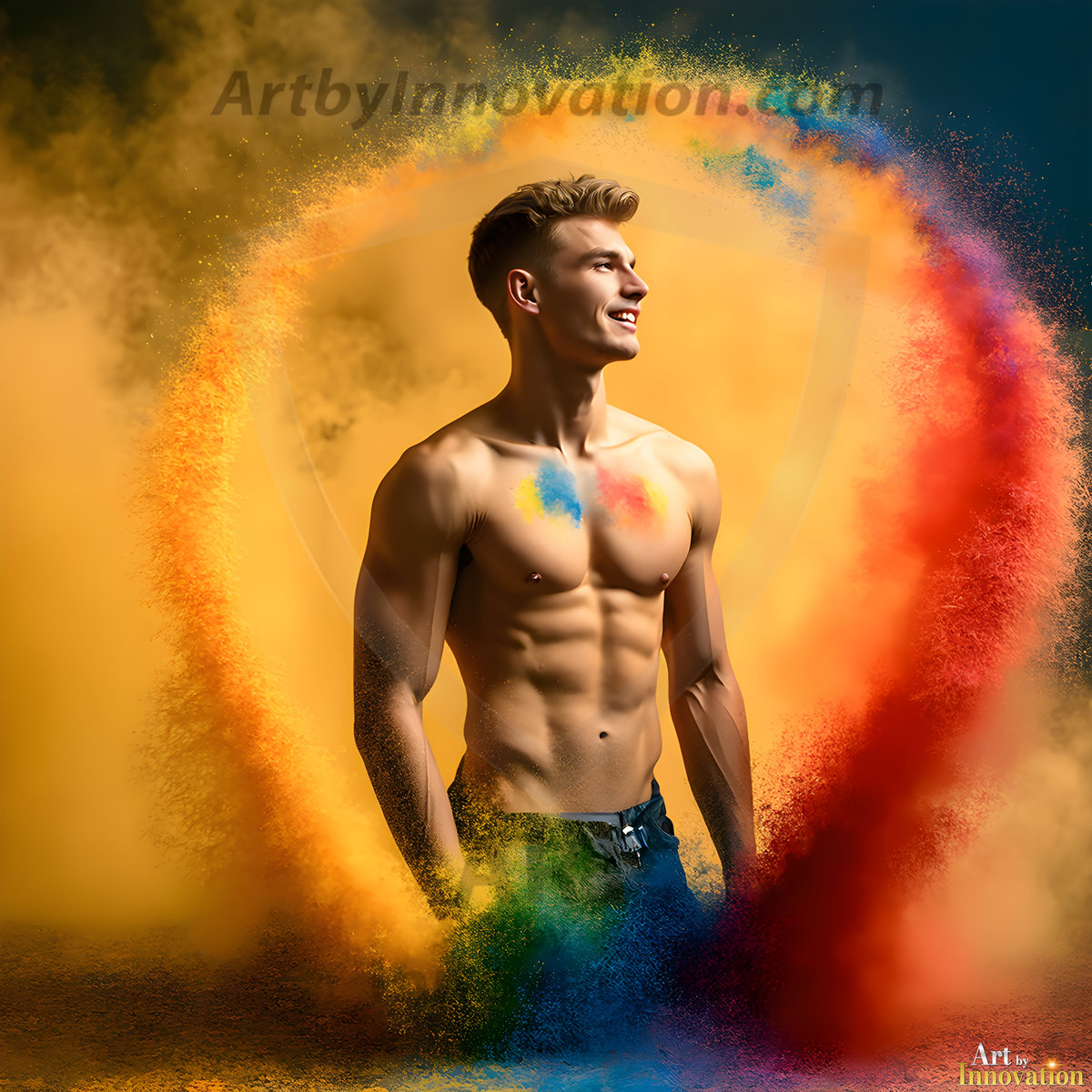
The colors of the LGBTQ+ Pride flags are designed to celebrate the diversity of human experience, visibility, and hope, with each shade representing a specific value that honors the LGBTQ+ community. Created in 1978 by artist Gilbert Baker, the rainbow flag has evolved to include more inclusive colors, showcasing how variety in identity makes individuals uniquely themselves. Meanings Behind the Colors, Red (Life): Represents the vitality and passion of LGBTQ+ people. Orange (Healing): Symbolizes the healing power within the community, often in the face of adversity. Yellow (Sunlight): Signifies the brightness and joy of being true to oneself. Green (Nature): Represents a connection to nature, the environment, and prosperity. Blue/Indigo (Serenity/Harmony): Symbolizes serenity, calm, and inner strength found in living one's truth. Violet/Purple (Spirit): Represents the spirit, strength, and resilience of the community.
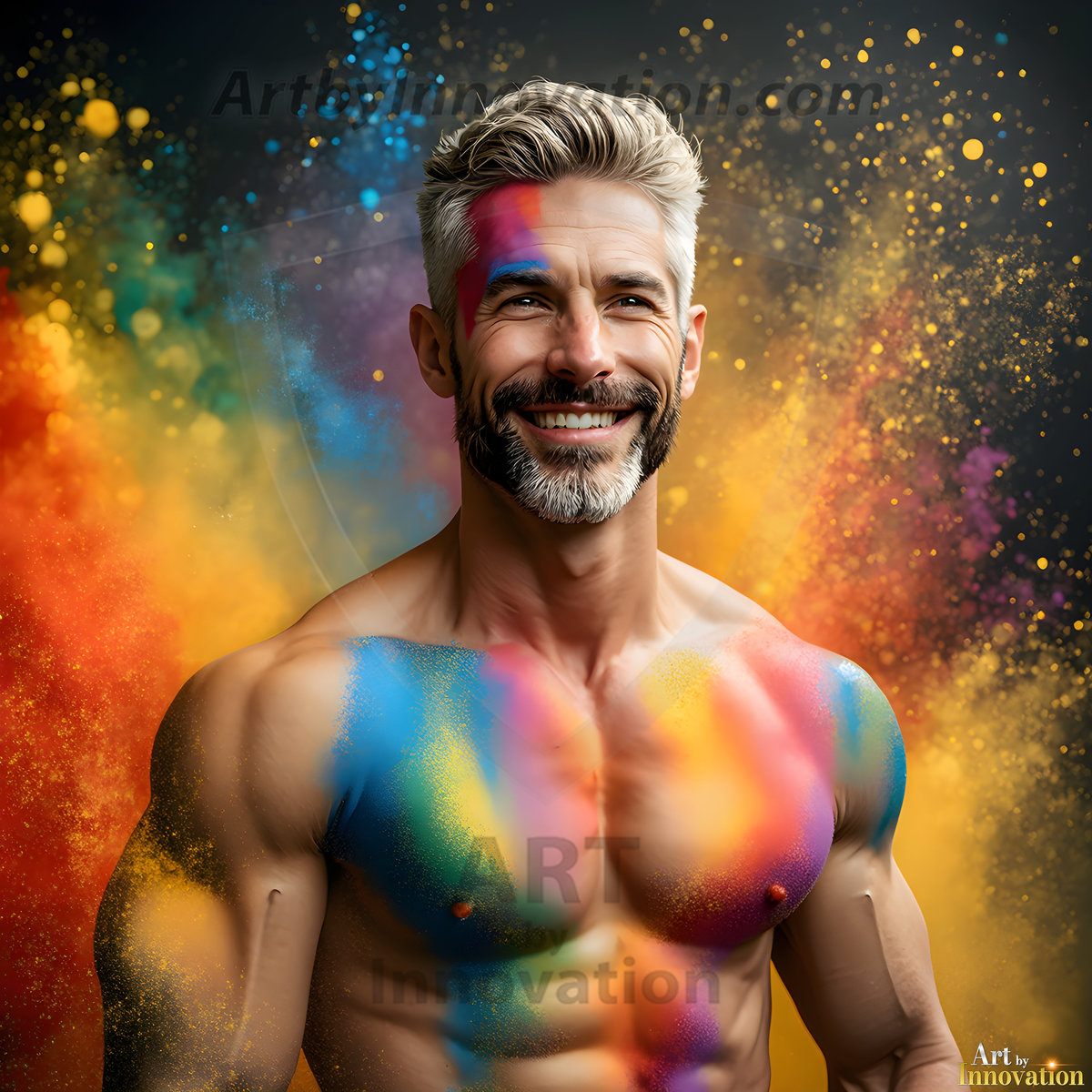
The colors of the LGBTQ+ Pride flags are designed to celebrate the diversity of human experience, visibility, and hope, with each shade representing a specific value that honors the LGBTQ+ community. Created in 1978 by artist Gilbert Baker, the rainbow flag has evolved to include more inclusive colors, showcasing how variety in identity makes individuals uniquely themselves. Meanings Behind the Colors, Red (Life): Represents the vitality and passion of LGBTQ+ people. Orange (Healing): Symbolizes the healing power within the community, often in the face of adversity. Yellow (Sunlight): Signifies the brightness and joy of being true to oneself. Green (Nature): Represents a connection to nature, the environment, and prosperity. Blue/Indigo (Serenity/Harmony): Symbolizes serenity, calm, and inner strength found in living one's truth. Violet/Purple (Spirit): Represents the spirit, strength, and resilience of the community.
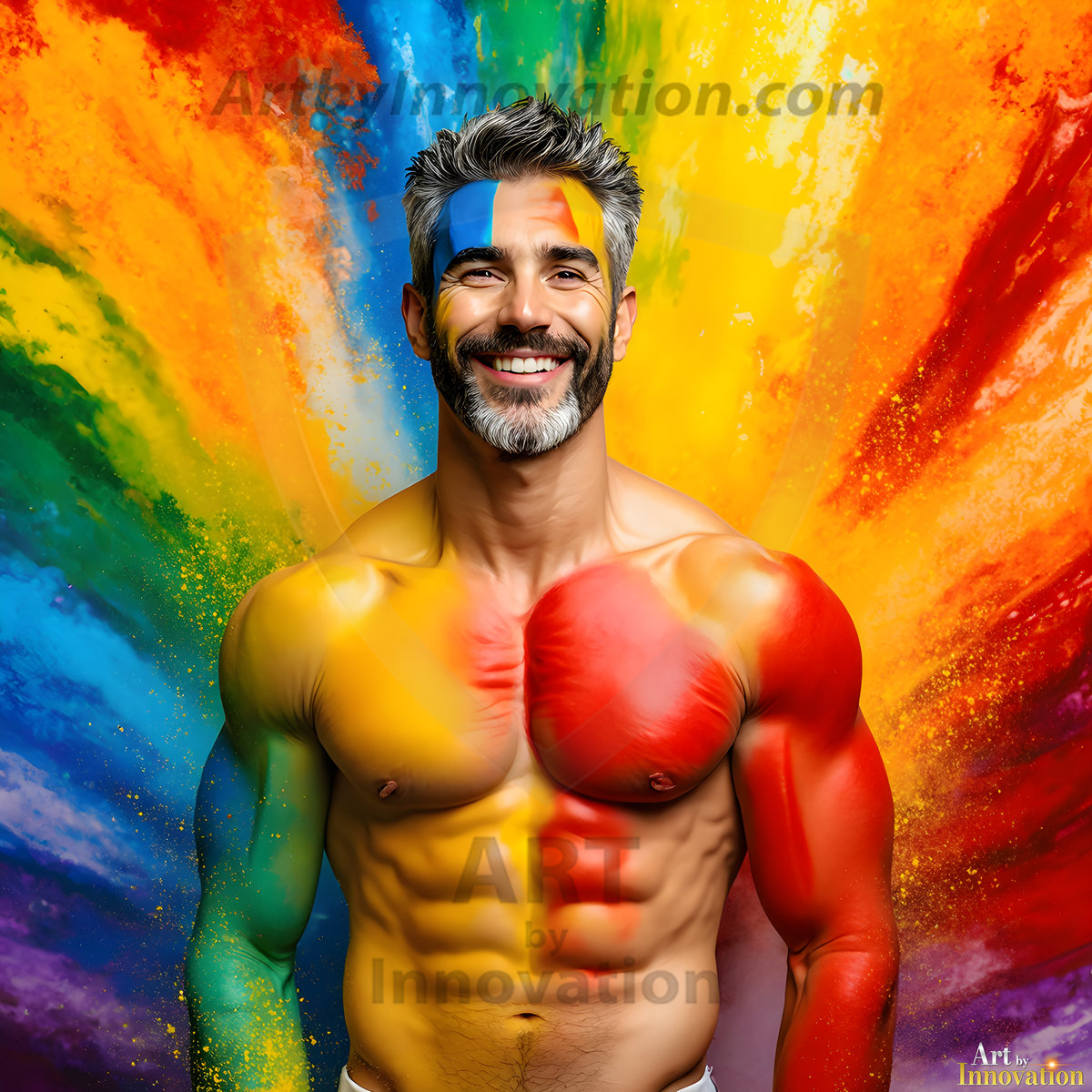
The colors of the LGBTQ+ Pride flags are designed to celebrate the diversity of human experience, visibility, and hope, with each shade representing a specific value that honors the LGBTQ+ community. Created in 1978 by artist Gilbert Baker, the rainbow flag has evolved to include more inclusive colors, showcasing how variety in identity makes individuals uniquely themselves. Meanings Behind the Colors, Red (Life): Represents the vitality and passion of LGBTQ+ people. Orange (Healing): Symbolizes the healing power within the community, often in the face of adversity. Yellow (Sunlight): Signifies the brightness and joy of being true to oneself. Green (Nature): Represents a connection to nature, the environment, and prosperity. Blue/Indigo (Serenity/Harmony): Symbolizes serenity, calm, and inner strength found in living one's truth. Violet/Purple (Spirit): Represents the spirit, strength, and resilience of the community.
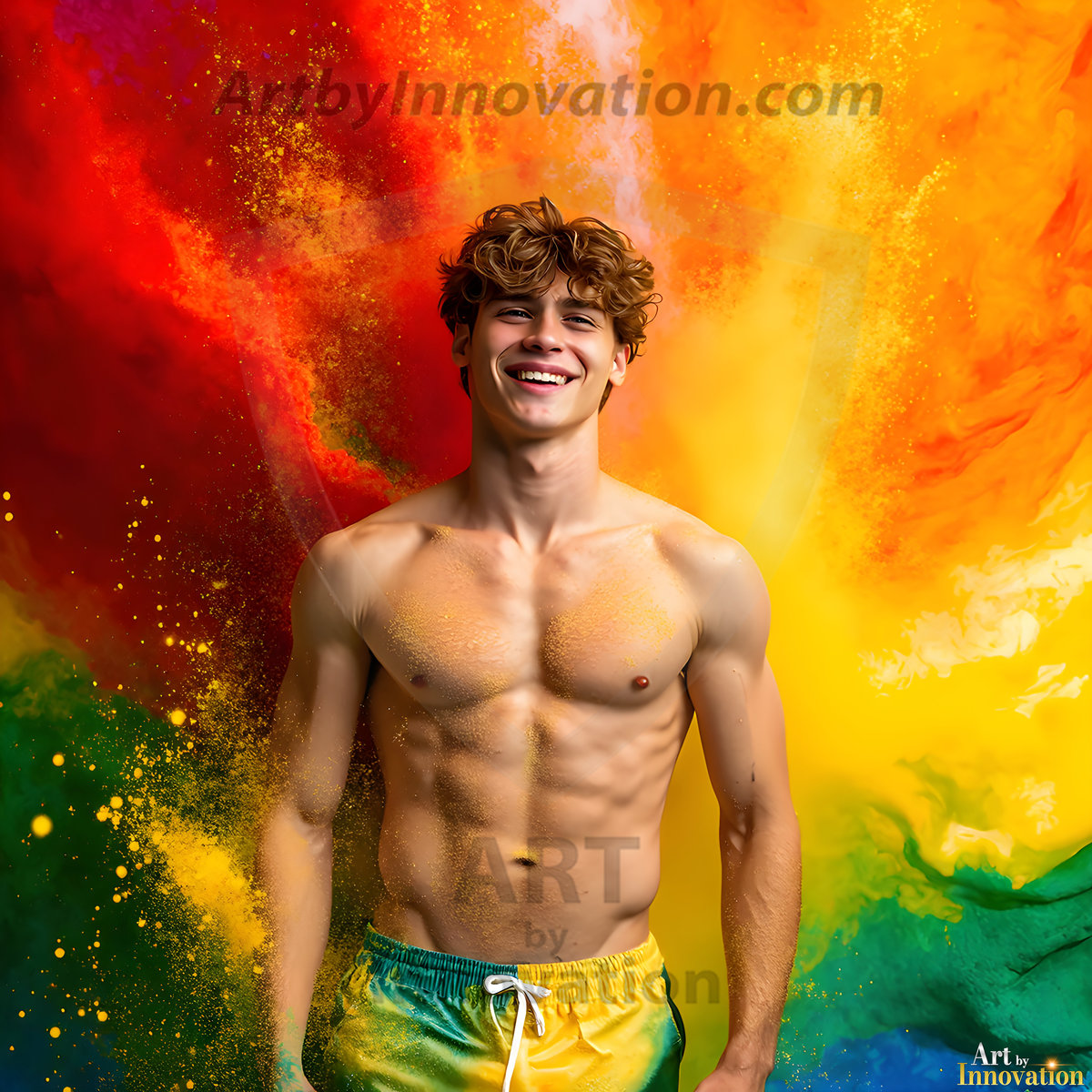
The colors of the LGBTQ+ Pride flags are designed to celebrate the diversity of human experience, visibility, and hope, with each shade representing a specific value that honors the LGBTQ+ community. Created in 1978 by artist Gilbert Baker, the rainbow flag has evolved to include more inclusive colors, showcasing how variety in identity makes individuals uniquely themselves. Meanings Behind the Colors, Red (Life): Represents the vitality and passion of LGBTQ+ people. Orange (Healing): Symbolizes the healing power within the community, often in the face of adversity. Yellow (Sunlight): Signifies the brightness and joy of being true to oneself. Green (Nature): Represents a connection to nature, the environment, and prosperity. Blue/Indigo (Serenity/Harmony): Symbolizes serenity, calm, and inner strength found in living one's truth. Violet/Purple (Spirit): Represents the spirit, strength, and resilience of the community.
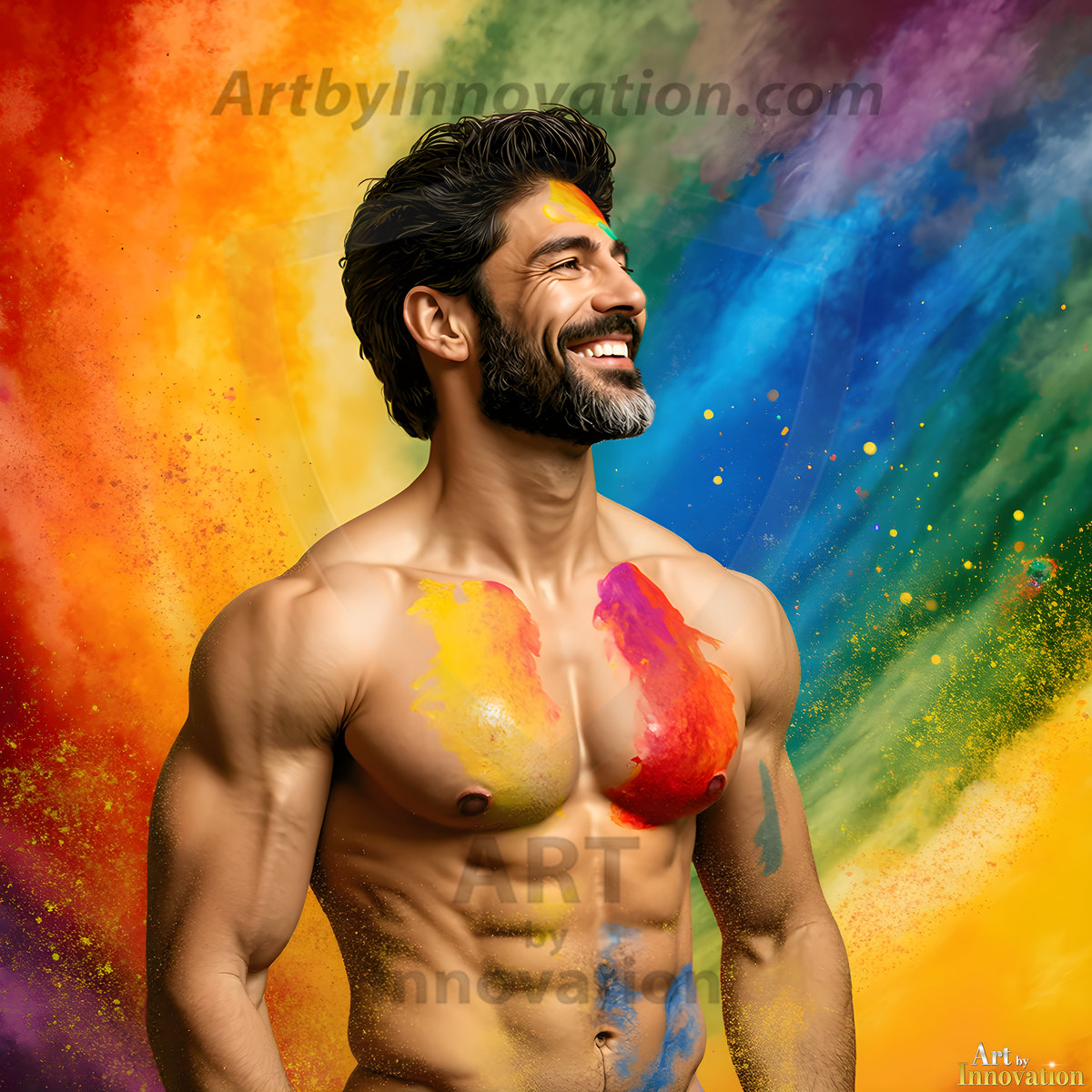
The colors of the LGBTQ+ Pride flags are designed to celebrate the diversity of human experience, visibility, and hope, with each shade representing a specific value that honors the LGBTQ+ community. Created in 1978 by artist Gilbert Baker, the rainbow flag has evolved to include more inclusive colors, showcasing how variety in identity makes individuals uniquely themselves. Meanings Behind the Colors, Red (Life): Represents the vitality and passion of LGBTQ+ people. Orange (Healing): Symbolizes the healing power within the community, often in the face of adversity. Yellow (Sunlight): Signifies the brightness and joy of being true to oneself. Green (Nature): Represents a connection to nature, the environment, and prosperity. Blue/Indigo (Serenity/Harmony): Symbolizes serenity, calm, and inner strength found in living one's truth. Violet/Purple (Spirit): Represents the spirit, strength, and resilience of the community.
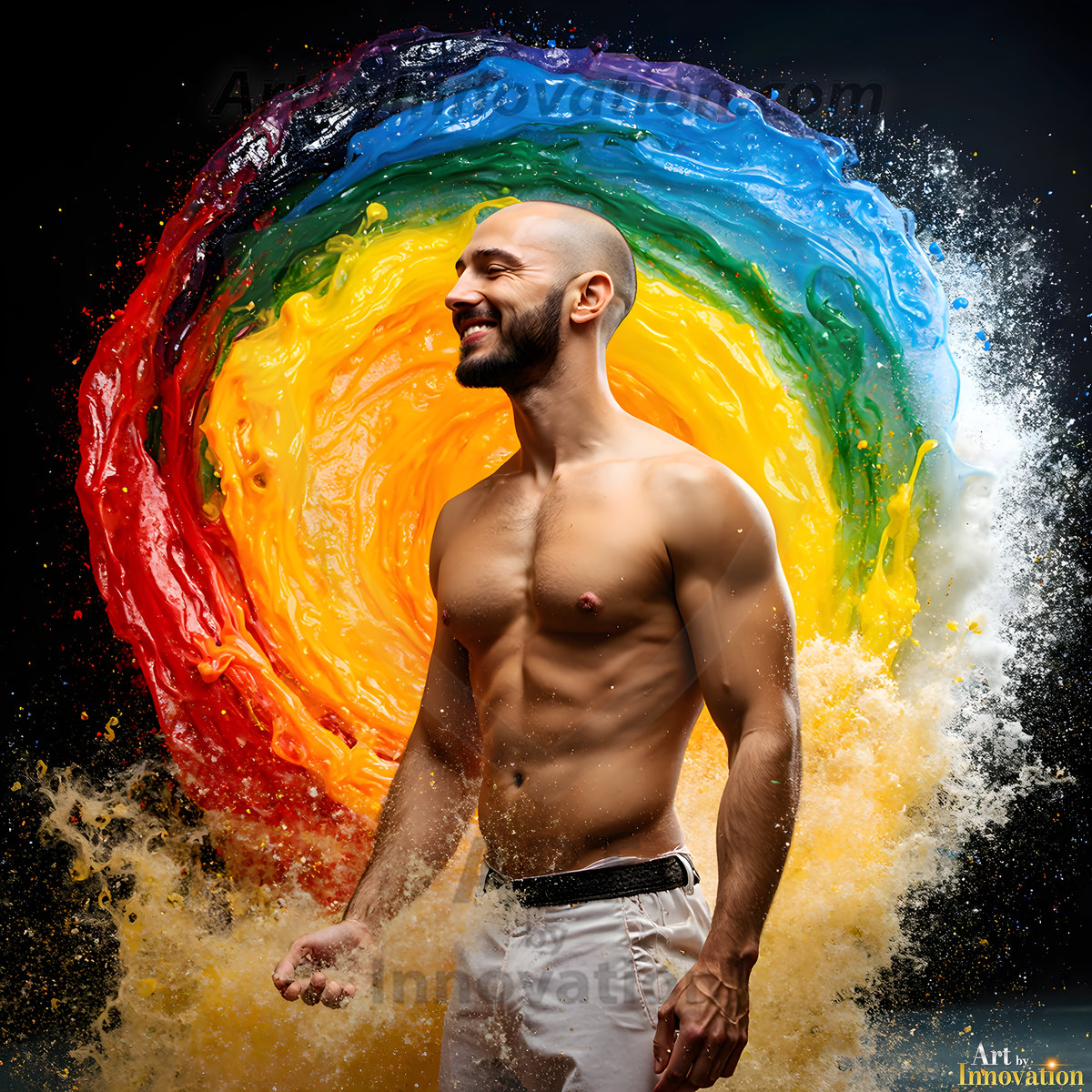
The colors of the LGBTQ+ Pride flags are designed to celebrate the diversity of human experience, visibility, and hope, with each shade representing a specific value that honors the LGBTQ+ community. Created in 1978 by artist Gilbert Baker, the rainbow flag has evolved to include more inclusive colors, showcasing how variety in identity makes individuals uniquely themselves. Meanings Behind the Colors, Red (Life): Represents the vitality and passion of LGBTQ+ people. Orange (Healing): Symbolizes the healing power within the community, often in the face of adversity. Yellow (Sunlight): Signifies the brightness and joy of being true to oneself. Green (Nature): Represents a connection to nature, the environment, and prosperity. Blue/Indigo (Serenity/Harmony): Symbolizes serenity, calm, and inner strength found in living one's truth. Violet/Purple (Spirit): Represents the spirit, strength, and resilience of the community.
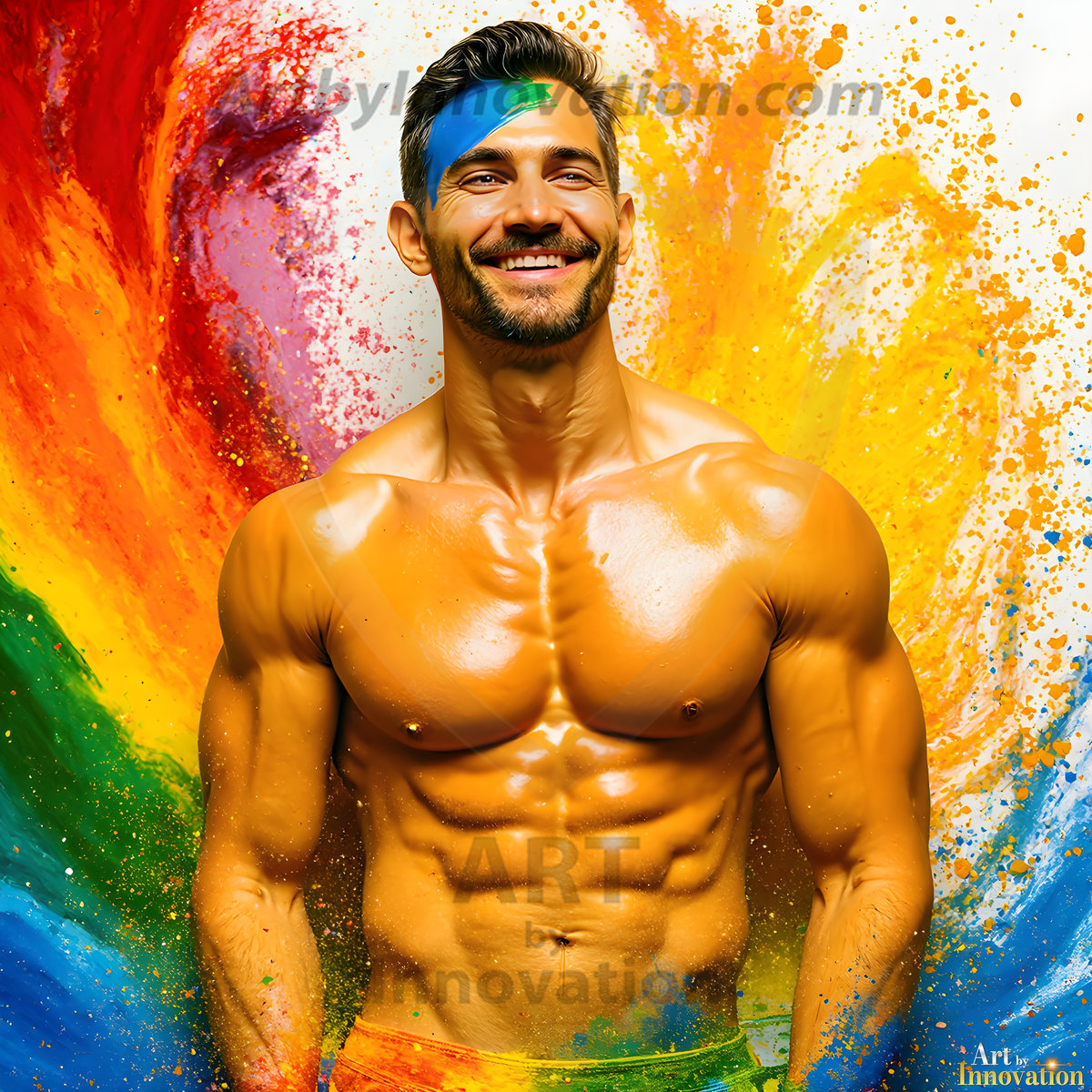
The colors of the LGBTQ+ Pride flags are designed to celebrate the diversity of human experience, visibility, and hope, with each shade representing a specific value that honors the LGBTQ+ community. Created in 1978 by artist Gilbert Baker, the rainbow flag has evolved to include more inclusive colors, showcasing how variety in identity makes individuals uniquely themselves. Meanings Behind the Colors, Red (Life): Represents the vitality and passion of LGBTQ+ people. Orange (Healing): Symbolizes the healing power within the community, often in the face of adversity. Yellow (Sunlight): Signifies the brightness and joy of being true to oneself. Green (Nature): Represents a connection to nature, the environment, and prosperity. Blue/Indigo (Serenity/Harmony): Symbolizes serenity, calm, and inner strength found in living one's truth. Violet/Purple (Spirit): Represents the spirit, strength, and resilience of the community.
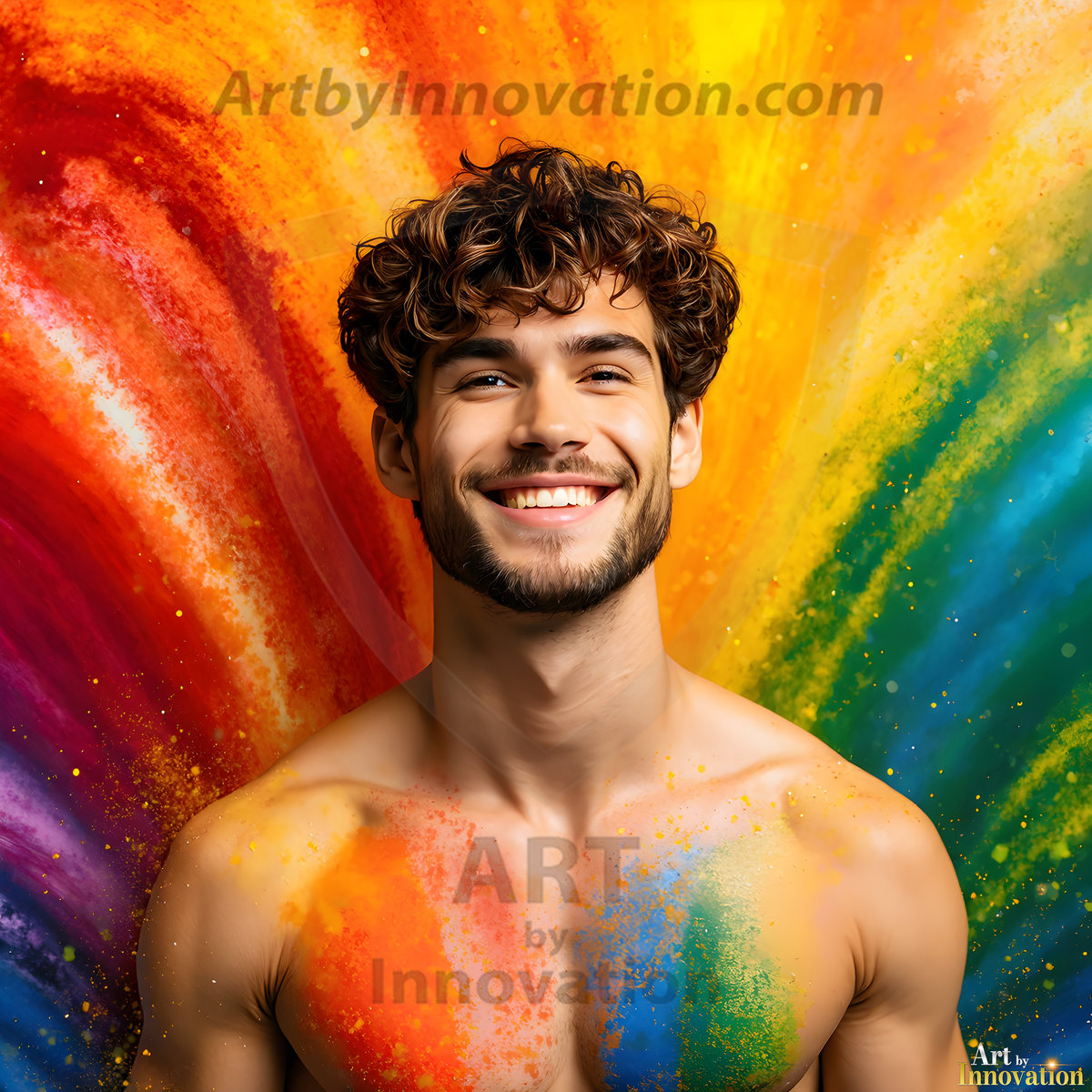
The colors of the LGBTQ+ Pride flags are designed to celebrate the diversity of human experience, visibility, and hope, with each shade representing a specific value that honors the LGBTQ+ community. Created in 1978 by artist Gilbert Baker, the rainbow flag has evolved to include more inclusive colors, showcasing how variety in identity makes individuals uniquely themselves. Meanings Behind the Colors, Red (Life): Represents the vitality and passion of LGBTQ+ people. Orange (Healing): Symbolizes the healing power within the community, often in the face of adversity. Yellow (Sunlight): Signifies the brightness and joy of being true to oneself. Green (Nature): Represents a connection to nature, the environment, and prosperity. Blue/Indigo (Serenity/Harmony): Symbolizes serenity, calm, and inner strength found in living one's truth. Violet/Purple (Spirit): Represents the spirit, strength, and resilience of the community.

The colors of the LGBTQ+ Pride flags are designed to celebrate the diversity of human experience, visibility, and hope, with each shade representing a specific value that honors the LGBTQ+ community. Created in 1978 by artist Gilbert Baker, the rainbow flag has evolved to include more inclusive colors, showcasing how variety in identity makes individuals uniquely themselves. Meanings Behind the Colors, Red (Life): Represents the vitality and passion of LGBTQ+ people. Orange (Healing): Symbolizes the healing power within the community, often in the face of adversity. Yellow (Sunlight): Signifies the brightness and joy of being true to oneself. Green (Nature): Represents a connection to nature, the environment, and prosperity. Blue/Indigo (Serenity/Harmony): Symbolizes serenity, calm, and inner strength found in living one's truth. Violet/Purple (Spirit): Represents the spirit, strength, and resilience of the community.
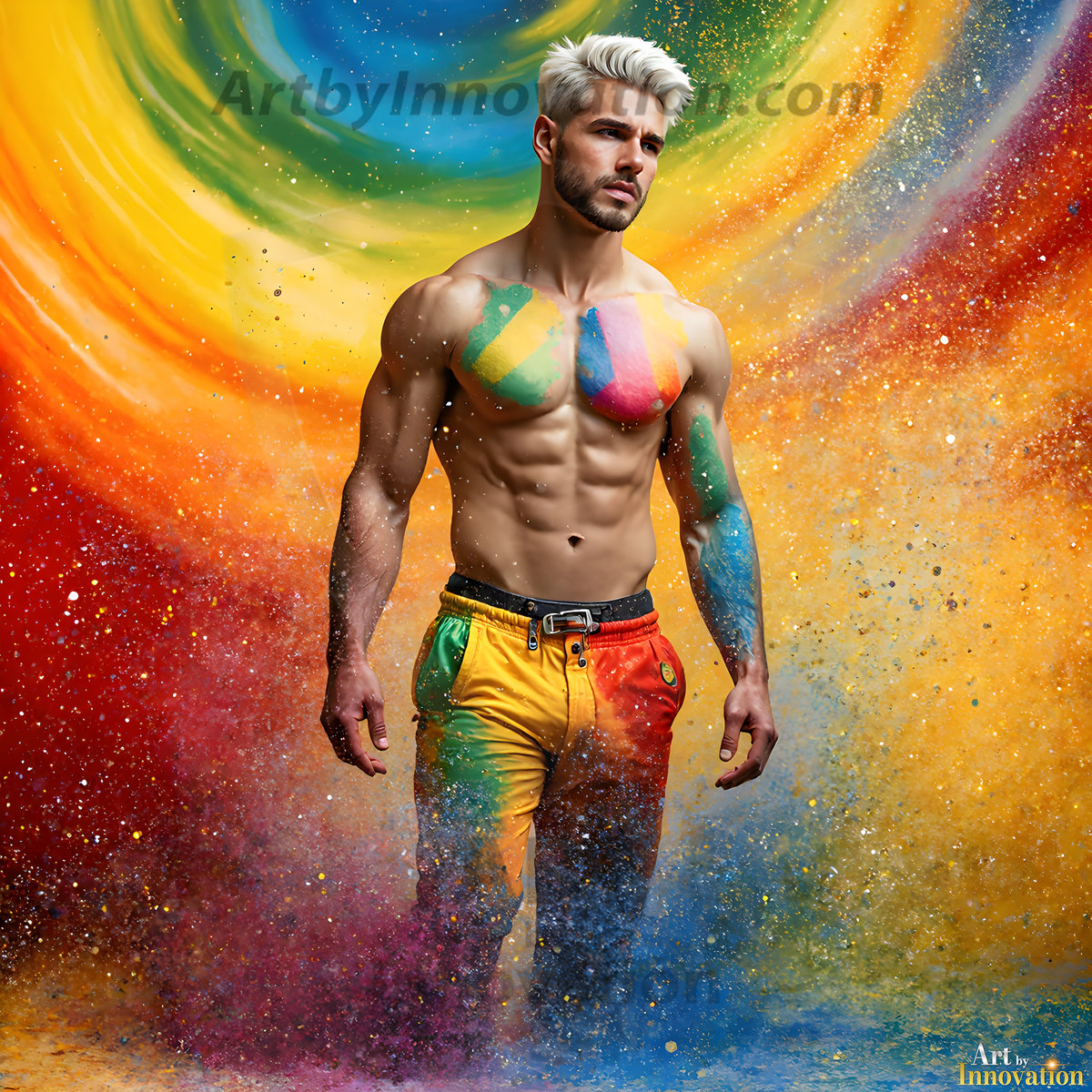
The colors of the LGBTQ+ Pride flags are designed to celebrate the diversity of human experience, visibility, and hope, with each shade representing a specific value that honors the LGBTQ+ community. Created in 1978 by artist Gilbert Baker, the rainbow flag has evolved to include more inclusive colors, showcasing how variety in identity makes individuals uniquely themselves. Meanings Behind the Colors, Red (Life): Represents the vitality and passion of LGBTQ+ people. Orange (Healing): Symbolizes the healing power within the community, often in the face of adversity. Yellow (Sunlight): Signifies the brightness and joy of being true to oneself. Green (Nature): Represents a connection to nature, the environment, and prosperity. Blue/Indigo (Serenity/Harmony): Symbolizes serenity, calm, and inner strength found in living one's truth. Violet/Purple (Spirit): Represents the spirit, strength, and resilience of the community.
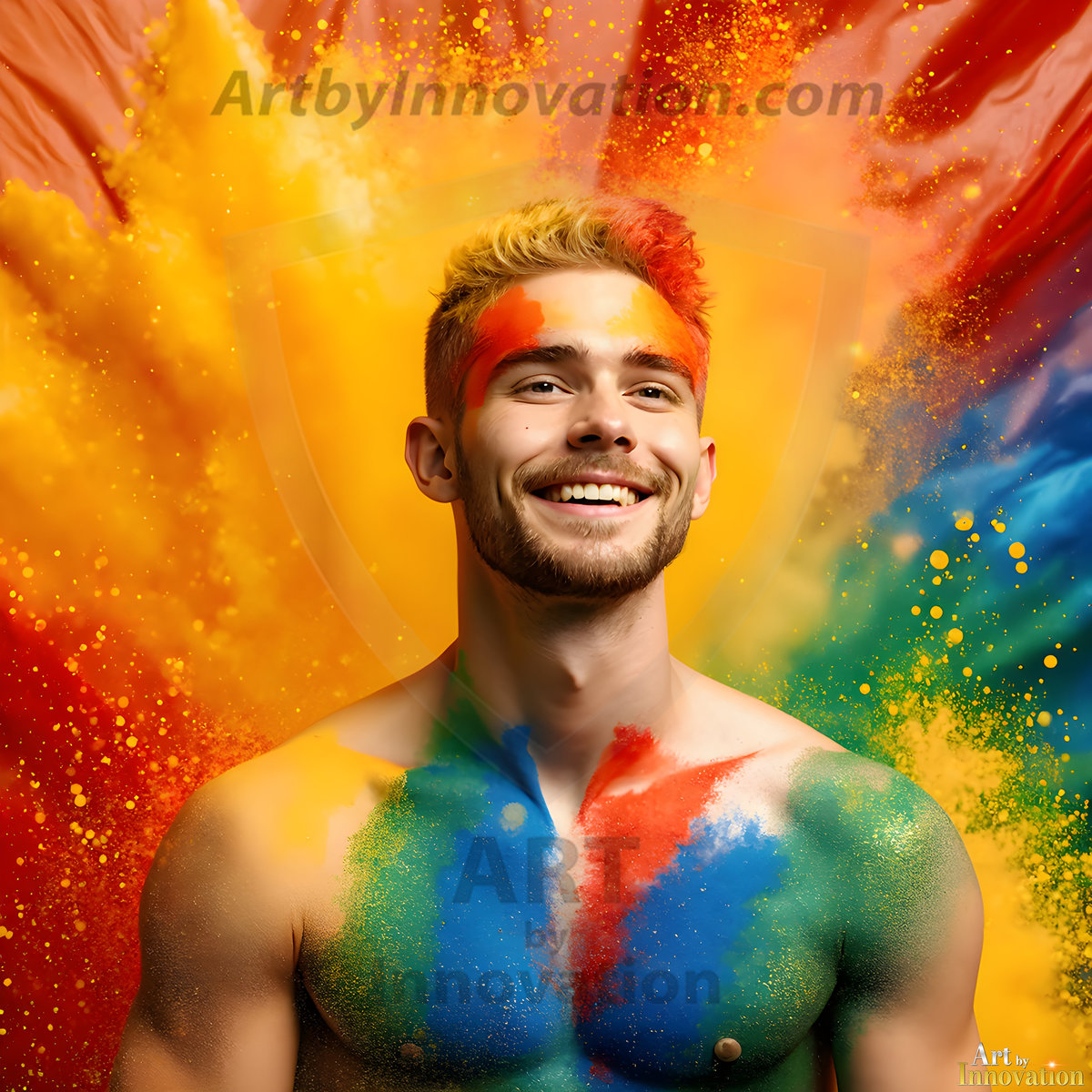
The colors of the LGBTQ+ Pride flags are designed to celebrate the diversity of human experience, visibility, and hope, with each shade representing a specific value that honors the LGBTQ+ community. Created in 1978 by artist Gilbert Baker, the rainbow flag has evolved to include more inclusive colors, showcasing how variety in identity makes individuals uniquely themselves. Meanings Behind the Colors, Red (Life): Represents the vitality and passion of LGBTQ+ people. Orange (Healing): Symbolizes the healing power within the community, often in the face of adversity. Yellow (Sunlight): Signifies the brightness and joy of being true to oneself. Green (Nature): Represents a connection to nature, the environment, and prosperity. Blue/Indigo (Serenity/Harmony): Symbolizes serenity, calm, and inner strength found in living one's truth. Violet/Purple (Spirit): Represents the spirit, strength, and resilience of the community.
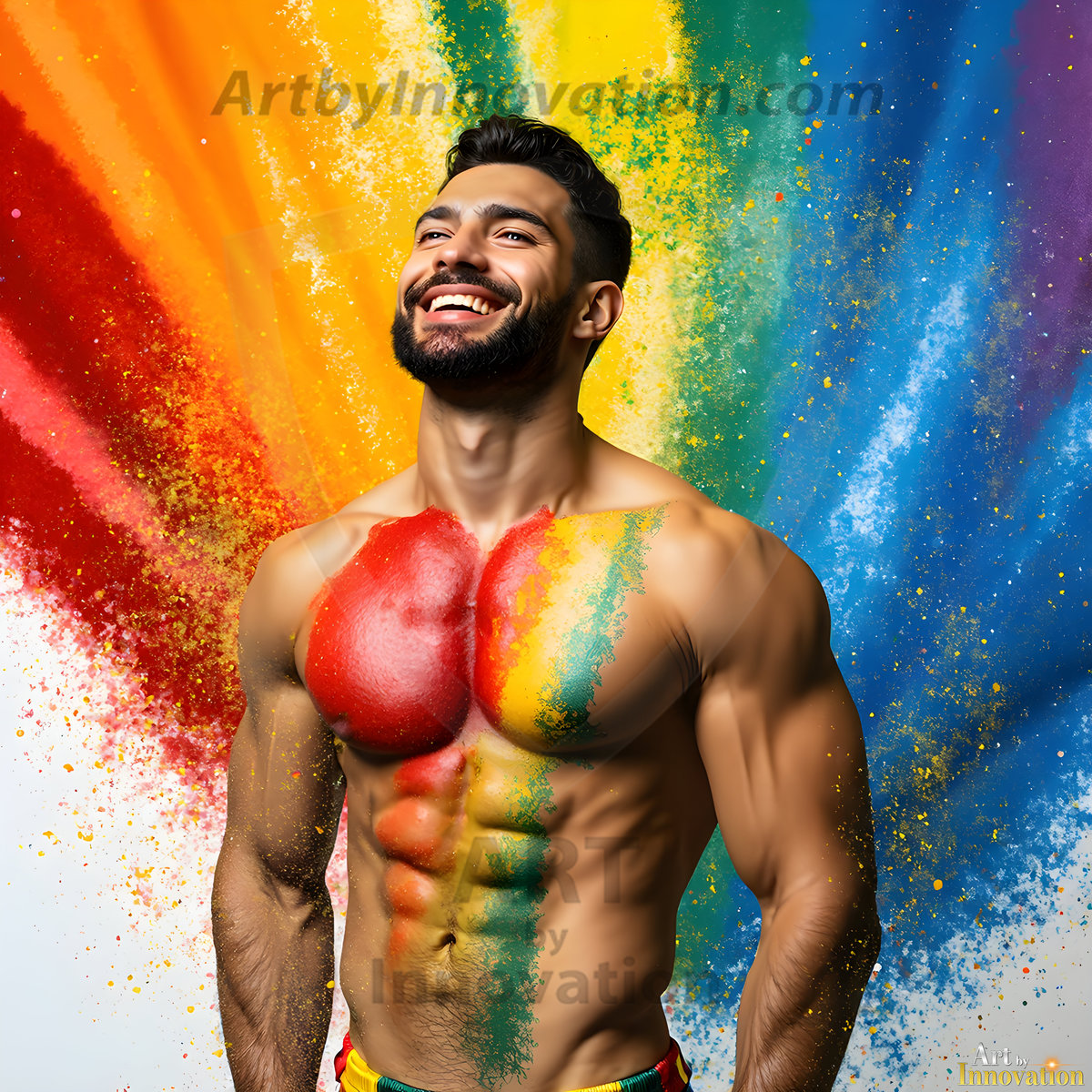
The colors of the LGBTQ+ Pride flags are designed to celebrate the diversity of human experience, visibility, and hope, with each shade representing a specific value that honors the LGBTQ+ community. Created in 1978 by artist Gilbert Baker, the rainbow flag has evolved to include more inclusive colors, showcasing how variety in identity makes individuals uniquely themselves. Meanings Behind the Colors, Red (Life): Represents the vitality and passion of LGBTQ+ people. Orange (Healing): Symbolizes the healing power within the community, often in the face of adversity. Yellow (Sunlight): Signifies the brightness and joy of being true to oneself. Green (Nature): Represents a connection to nature, the environment, and prosperity. Blue/Indigo (Serenity/Harmony): Symbolizes serenity, calm, and inner strength found in living one's truth. Violet/Purple (Spirit): Represents the spirit, strength, and resilience of the community.
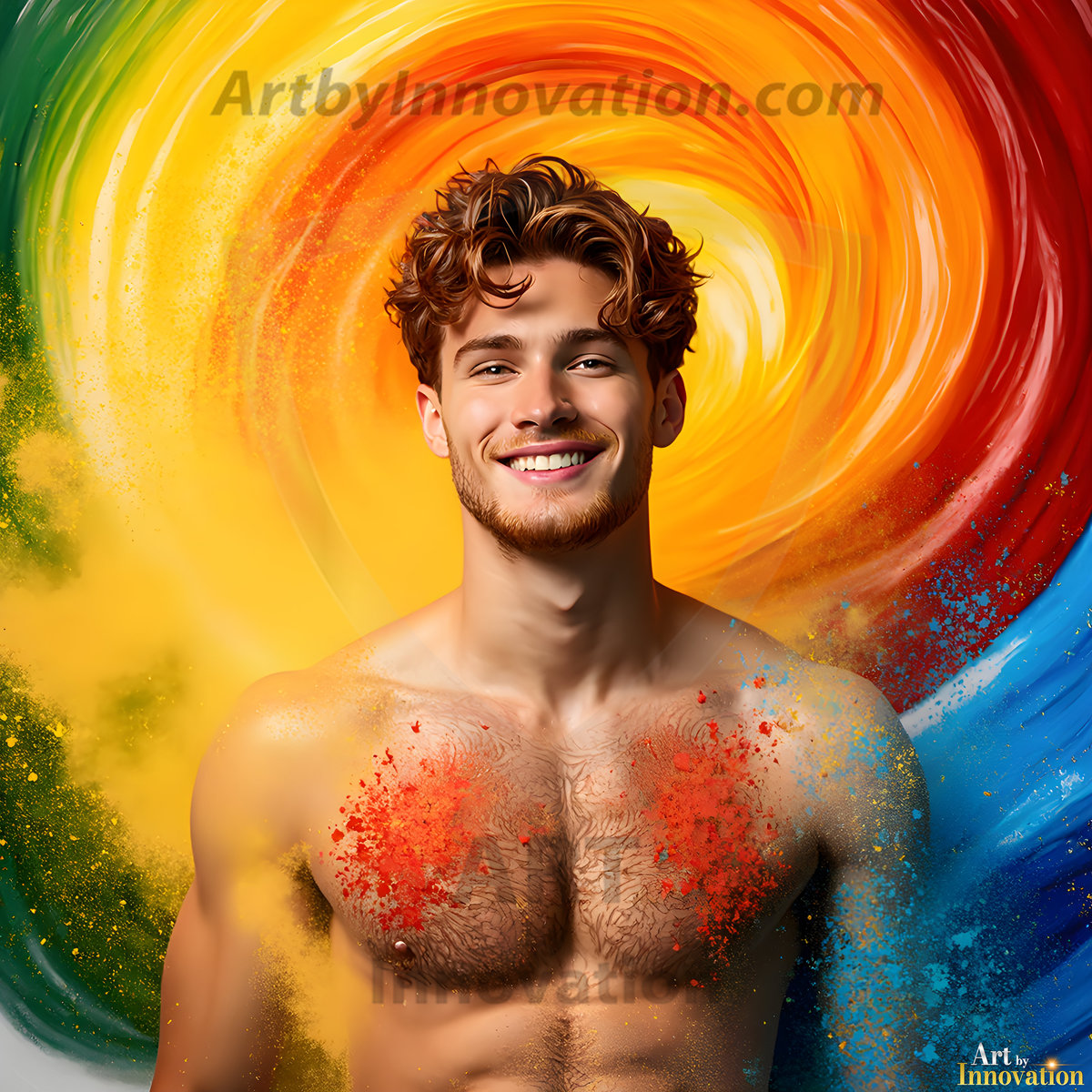
The colors of the LGBTQ+ Pride flags are designed to celebrate the diversity of human experience, visibility, and hope, with each shade representing a specific value that honors the LGBTQ+ community. Created in 1978 by artist Gilbert Baker, the rainbow flag has evolved to include more inclusive colors, showcasing how variety in identity makes individuals uniquely themselves. Meanings Behind the Colors, Red (Life): Represents the vitality and passion of LGBTQ+ people. Orange (Healing): Symbolizes the healing power within the community, often in the face of adversity. Yellow (Sunlight): Signifies the brightness and joy of being true to oneself. Green (Nature): Represents a connection to nature, the environment, and prosperity. Blue/Indigo (Serenity/Harmony): Symbolizes serenity, calm, and inner strength found in living one's truth. Violet/Purple (Spirit): Represents the spirit, strength, and resilience of the community.
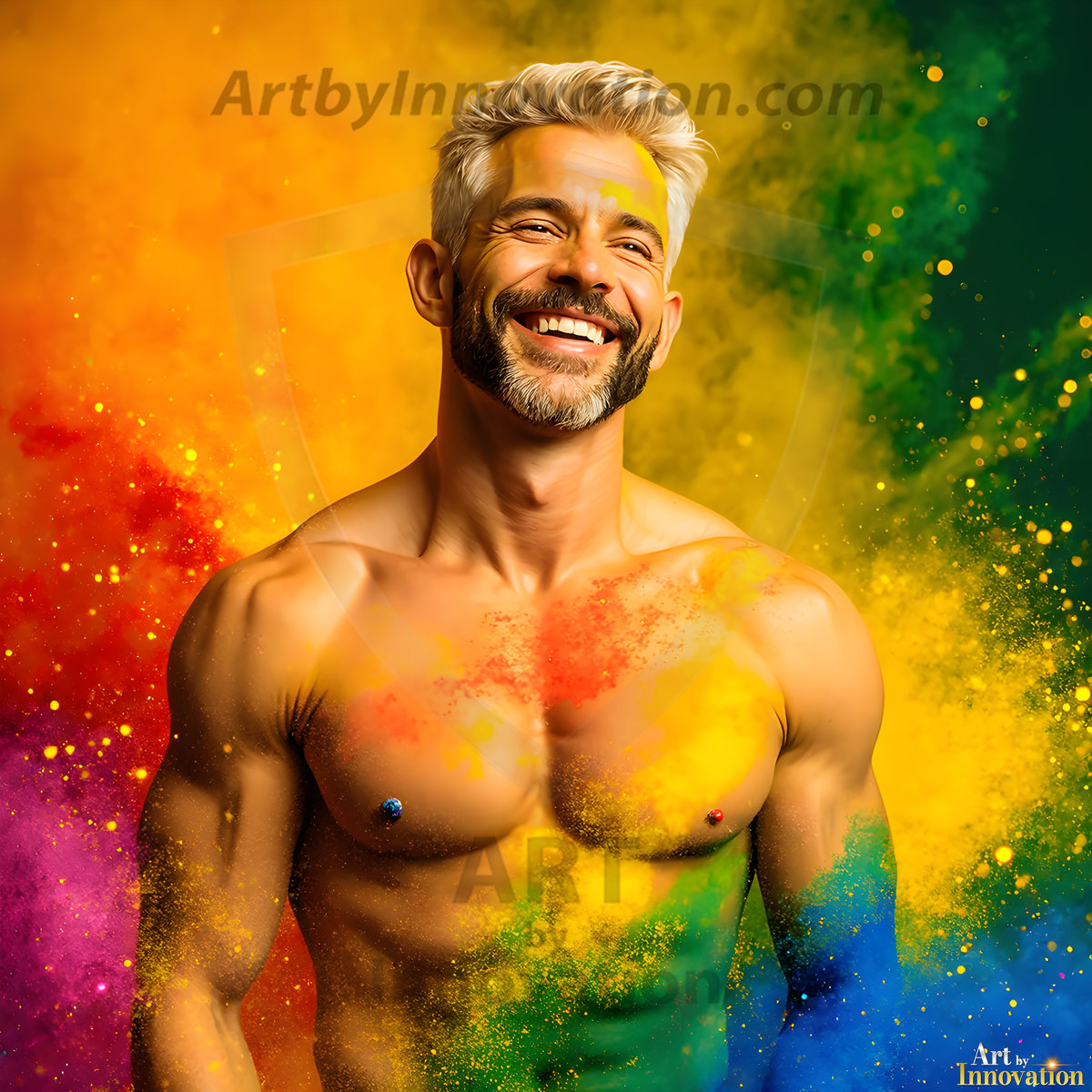
The colors of the LGBTQ+ Pride flags are designed to celebrate the diversity of human experience, visibility, and hope, with each shade representing a specific value that honors the LGBTQ+ community. Created in 1978 by artist Gilbert Baker, the rainbow flag has evolved to include more inclusive colors, showcasing how variety in identity makes individuals uniquely themselves. Meanings Behind the Colors, Red (Life): Represents the vitality and passion of LGBTQ+ people. Orange (Healing): Symbolizes the healing power within the community, often in the face of adversity. Yellow (Sunlight): Signifies the brightness and joy of being true to oneself. Green (Nature): Represents a connection to nature, the environment, and prosperity. Blue/Indigo (Serenity/Harmony): Symbolizes serenity, calm, and inner strength found in living one's truth. Violet/Purple (Spirit): Represents the spirit, strength, and resilience of the community.

The colors of the LGBTQ+ Pride flags are designed to celebrate the diversity of human experience, visibility, and hope, with each shade representing a specific value that honors the LGBTQ+ community. Created in 1978 by artist Gilbert Baker, the rainbow flag has evolved to include more inclusive colors, showcasing how variety in identity makes individuals uniquely themselves. Meanings Behind the Colors, Red (Life): Represents the vitality and passion of LGBTQ+ people. Orange (Healing): Symbolizes the healing power within the community, often in the face of adversity. Yellow (Sunlight): Signifies the brightness and joy of being true to oneself. Green (Nature): Represents a connection to nature, the environment, and prosperity. Blue/Indigo (Serenity/Harmony): Symbolizes serenity, calm, and inner strength found in living one's truth. Violet/Purple (Spirit): Represents the spirit, strength, and resilience of the community.
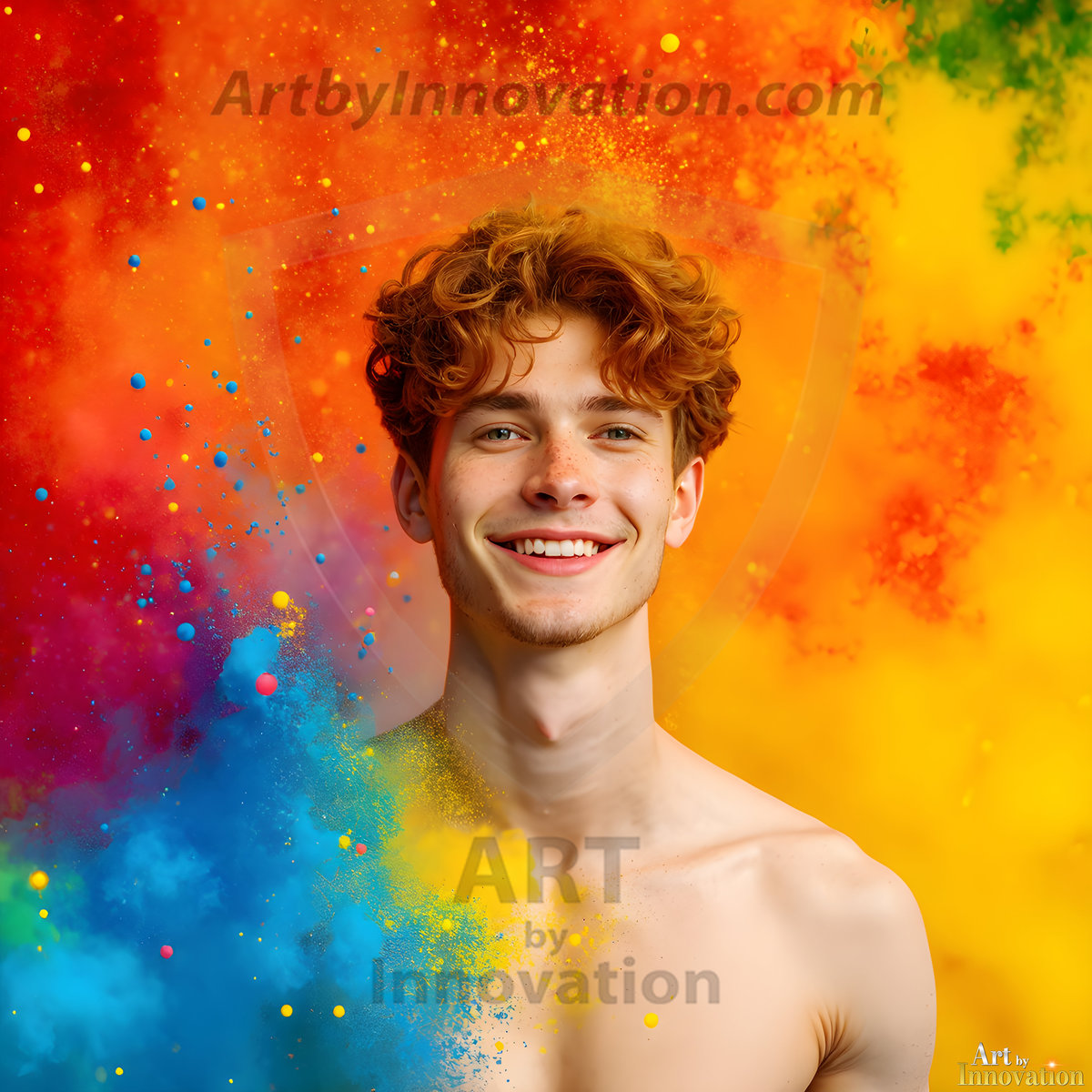
The colors of the LGBTQ+ Pride flags are designed to celebrate the diversity of human experience, visibility, and hope, with each shade representing a specific value that honors the LGBTQ+ community. Created in 1978 by artist Gilbert Baker, the rainbow flag has evolved to include more inclusive colors, showcasing how variety in identity makes individuals uniquely themselves. Meanings Behind the Colors, Red (Life): Represents the vitality and passion of LGBTQ+ people. Orange (Healing): Symbolizes the healing power within the community, often in the face of adversity. Yellow (Sunlight): Signifies the brightness and joy of being true to oneself. Green (Nature): Represents a connection to nature, the environment, and prosperity. Blue/Indigo (Serenity/Harmony): Symbolizes serenity, calm, and inner strength found in living one's truth. Violet/Purple (Spirit): Represents the spirit, strength, and resilience of the community.
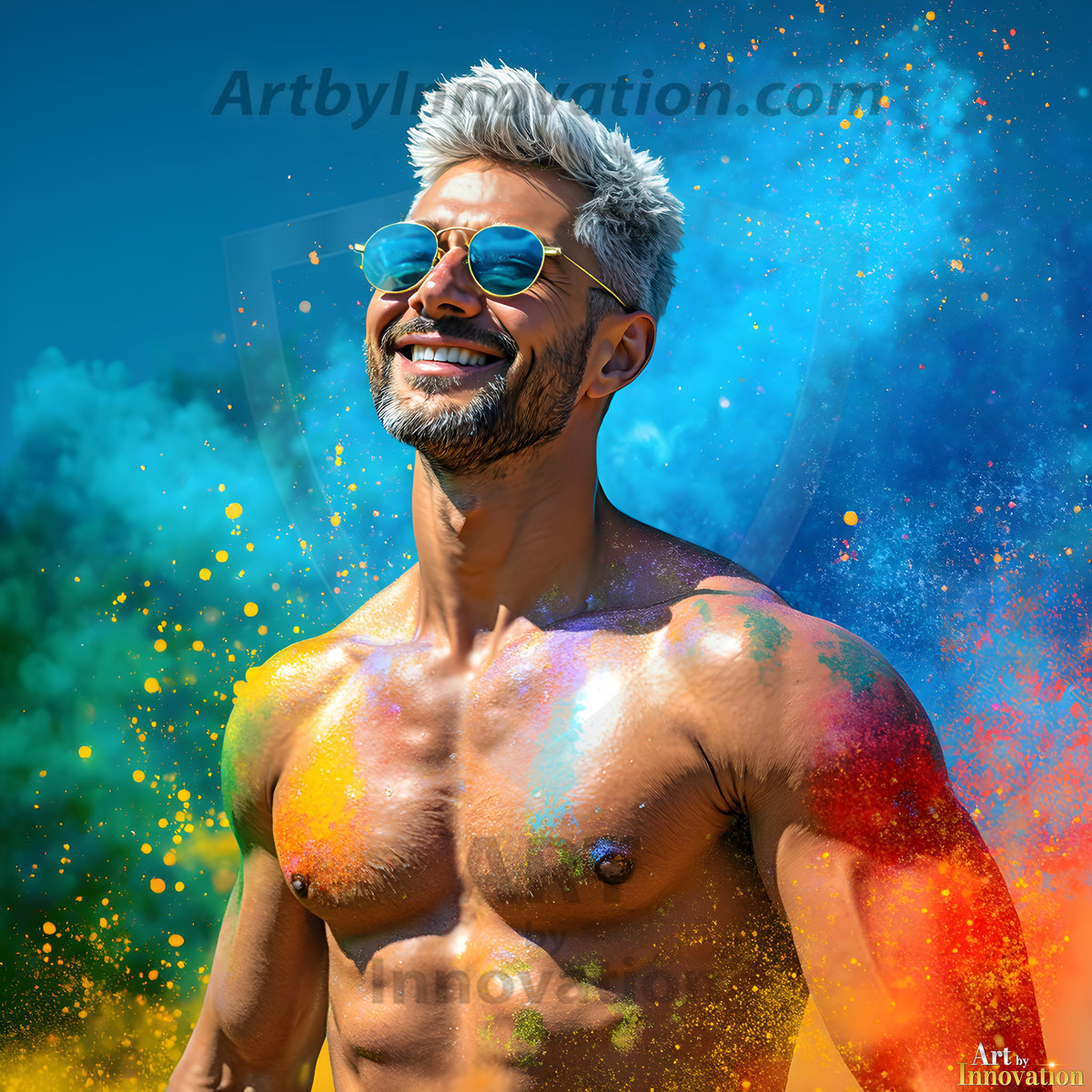
The colors of the LGBTQ+ Pride flags are designed to celebrate the diversity of human experience, visibility, and hope, with each shade representing a specific value that honors the LGBTQ+ community. Created in 1978 by artist Gilbert Baker, the rainbow flag has evolved to include more inclusive colors, showcasing how variety in identity makes individuals uniquely themselves. Meanings Behind the Colors, Red (Life): Represents the vitality and passion of LGBTQ+ people. Orange (Healing): Symbolizes the healing power within the community, often in the face of adversity. Yellow (Sunlight): Signifies the brightness and joy of being true to oneself. Green (Nature): Represents a connection to nature, the environment, and prosperity. Blue/Indigo (Serenity/Harmony): Symbolizes serenity, calm, and inner strength found in living one's truth. Violet/Purple (Spirit): Represents the spirit, strength, and resilience of the community.

The colors of the LGBTQ+ Pride flags are designed to celebrate the diversity of human experience, visibility, and hope, with each shade representing a specific value that honors the LGBTQ+ community. Created in 1978 by artist Gilbert Baker, the rainbow flag has evolved to include more inclusive colors, showcasing how variety in identity makes individuals uniquely themselves. Meanings Behind the Colors, Red (Life): Represents the vitality and passion of LGBTQ+ people. Orange (Healing): Symbolizes the healing power within the community, often in the face of adversity. Yellow (Sunlight): Signifies the brightness and joy of being true to oneself. Green (Nature): Represents a connection to nature, the environment, and prosperity. Blue/Indigo (Serenity/Harmony): Symbolizes serenity, calm, and inner strength found in living one's truth. Violet/Purple (Spirit): Represents the spirit, strength, and resilience of the community.
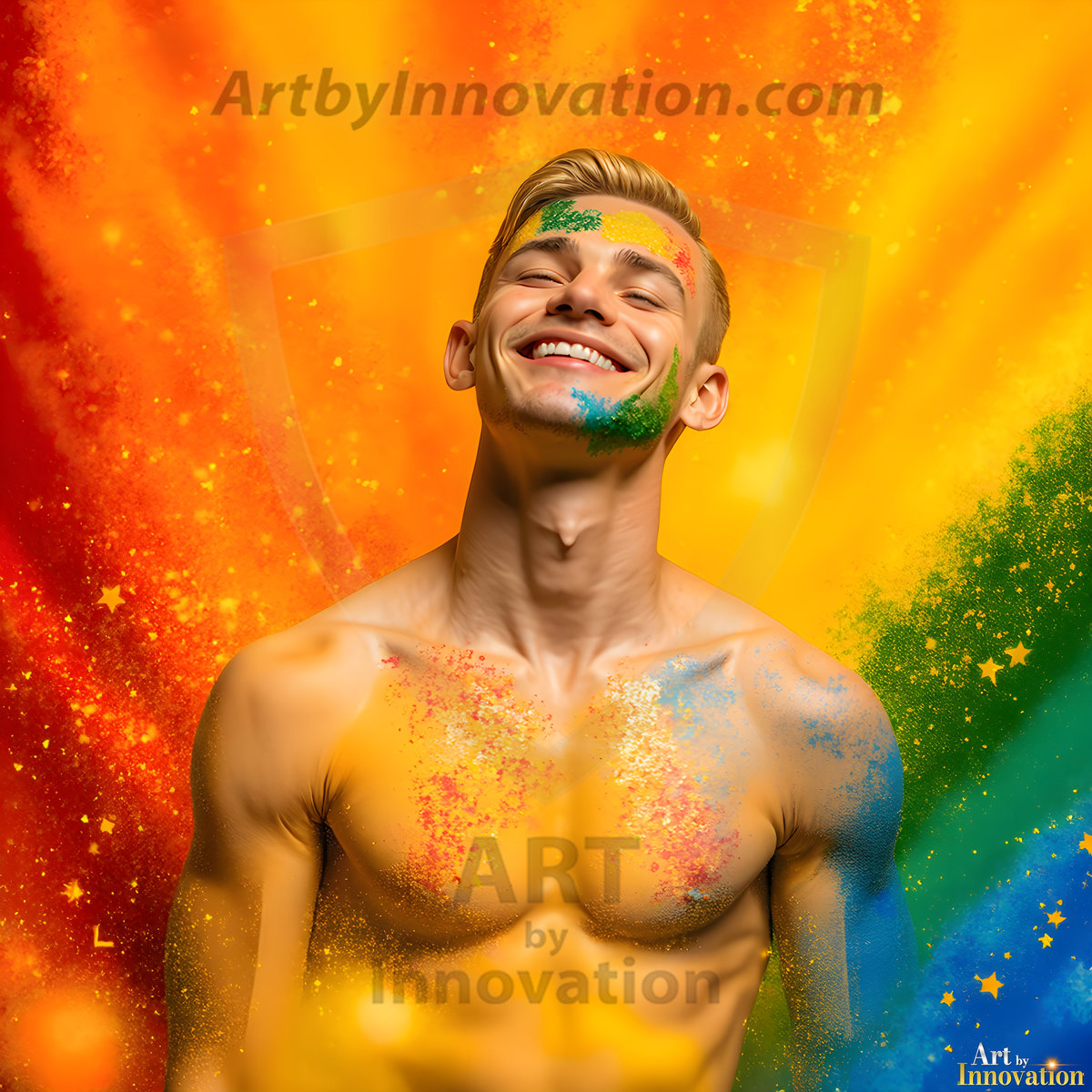
The colors of the LGBTQ+ Pride flags are designed to celebrate the diversity of human experience, visibility, and hope, with each shade representing a specific value that honors the LGBTQ+ community. Created in 1978 by artist Gilbert Baker, the rainbow flag has evolved to include more inclusive colors, showcasing how variety in identity makes individuals uniquely themselves. Meanings Behind the Colors, Red (Life): Represents the vitality and passion of LGBTQ+ people. Orange (Healing): Symbolizes the healing power within the community, often in the face of adversity. Yellow (Sunlight): Signifies the brightness and joy of being true to oneself. Green (Nature): Represents a connection to nature, the environment, and prosperity. Blue/Indigo (Serenity/Harmony): Symbolizes serenity, calm, and inner strength found in living one's truth. Violet/Purple (Spirit): Represents the spirit, strength, and resilience of the community.
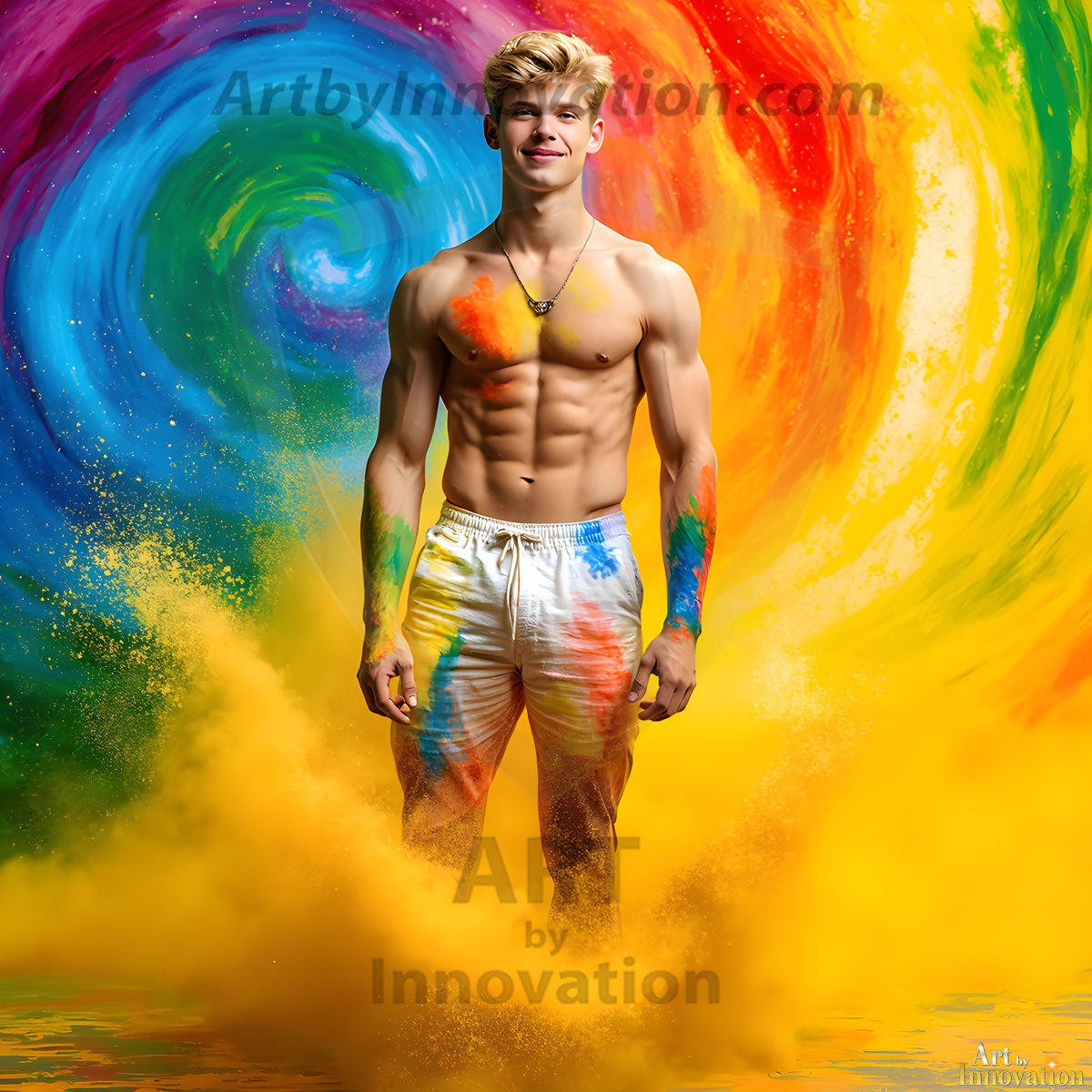
The colors of the LGBTQ+ Pride flags are designed to celebrate the diversity of human experience, visibility, and hope, with each shade representing a specific value that honors the LGBTQ+ community. Created in 1978 by artist Gilbert Baker, the rainbow flag has evolved to include more inclusive colors, showcasing how variety in identity makes individuals uniquely themselves. Meanings Behind the Colors, Red (Life): Represents the vitality and passion of LGBTQ+ people. Orange (Healing): Symbolizes the healing power within the community, often in the face of adversity. Yellow (Sunlight): Signifies the brightness and joy of being true to oneself. Green (Nature): Represents a connection to nature, the environment, and prosperity. Blue/Indigo (Serenity/Harmony): Symbolizes serenity, calm, and inner strength found in living one's truth. Violet/Purple (Spirit): Represents the spirit, strength, and resilience of the community.

The colors of the LGBTQ+ Pride flags are designed to celebrate the diversity of human experience, visibility, and hope, with each shade representing a specific value that honors the LGBTQ+ community. Created in 1978 by artist Gilbert Baker, the rainbow flag has evolved to include more inclusive colors, showcasing how variety in identity makes individuals uniquely themselves. Meanings Behind the Colors, Red (Life): Represents the vitality and passion of LGBTQ+ people. Orange (Healing): Symbolizes the healing power within the community, often in the face of adversity. Yellow (Sunlight): Signifies the brightness and joy of being true to oneself. Green (Nature): Represents a connection to nature, the environment, and prosperity. Blue/Indigo (Serenity/Harmony): Symbolizes serenity, calm, and inner strength found in living one's truth. Violet/Purple (Spirit): Represents the spirit, strength, and resilience of the community.
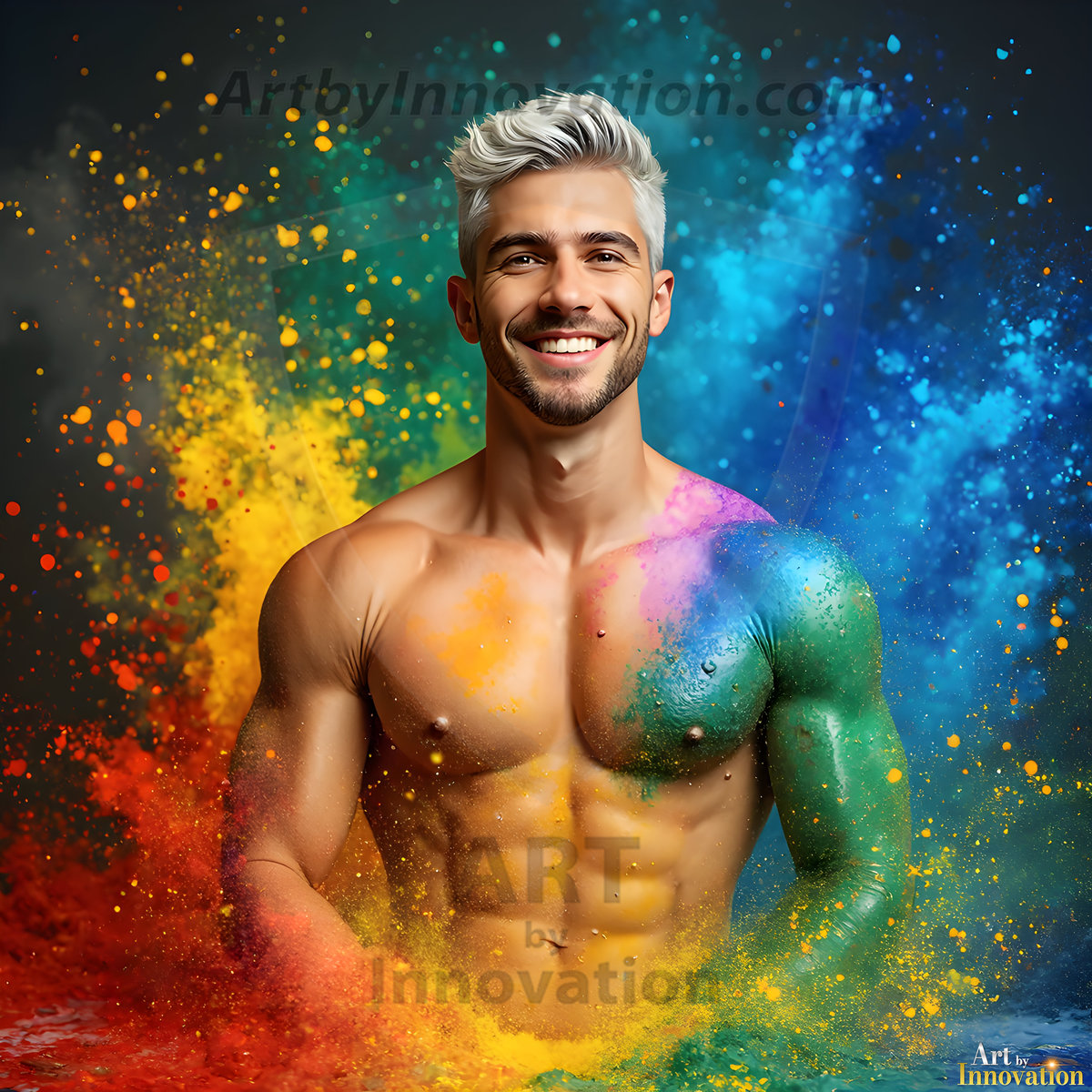
The colors of the LGBTQ+ Pride flags are designed to celebrate the diversity of human experience, visibility, and hope, with each shade representing a specific value that honors the LGBTQ+ community. Created in 1978 by artist Gilbert Baker, the rainbow flag has evolved to include more inclusive colors, showcasing how variety in identity makes individuals uniquely themselves. Meanings Behind the Colors, Red (Life): Represents the vitality and passion of LGBTQ+ people. Orange (Healing): Symbolizes the healing power within the community, often in the face of adversity. Yellow (Sunlight): Signifies the brightness and joy of being true to oneself. Green (Nature): Represents a connection to nature, the environment, and prosperity. Blue/Indigo (Serenity/Harmony): Symbolizes serenity, calm, and inner strength found in living one's truth. Violet/Purple (Spirit): Represents the spirit, strength, and resilience of the community.

The colors of the LGBTQ+ Pride flags are designed to celebrate the diversity of human experience, visibility, and hope, with each shade representing a specific value that honors the LGBTQ+ community. Created in 1978 by artist Gilbert Baker, the rainbow flag has evolved to include more inclusive colors, showcasing how variety in identity makes individuals uniquely themselves. Meanings Behind the Colors, Red (Life): Represents the vitality and passion of LGBTQ+ people. Orange (Healing): Symbolizes the healing power within the community, often in the face of adversity. Yellow (Sunlight): Signifies the brightness and joy of being true to oneself. Green (Nature): Represents a connection to nature, the environment, and prosperity. Blue/Indigo (Serenity/Harmony): Symbolizes serenity, calm, and inner strength found in living one's truth. Violet/Purple (Spirit): Represents the spirit, strength, and resilience of the community.
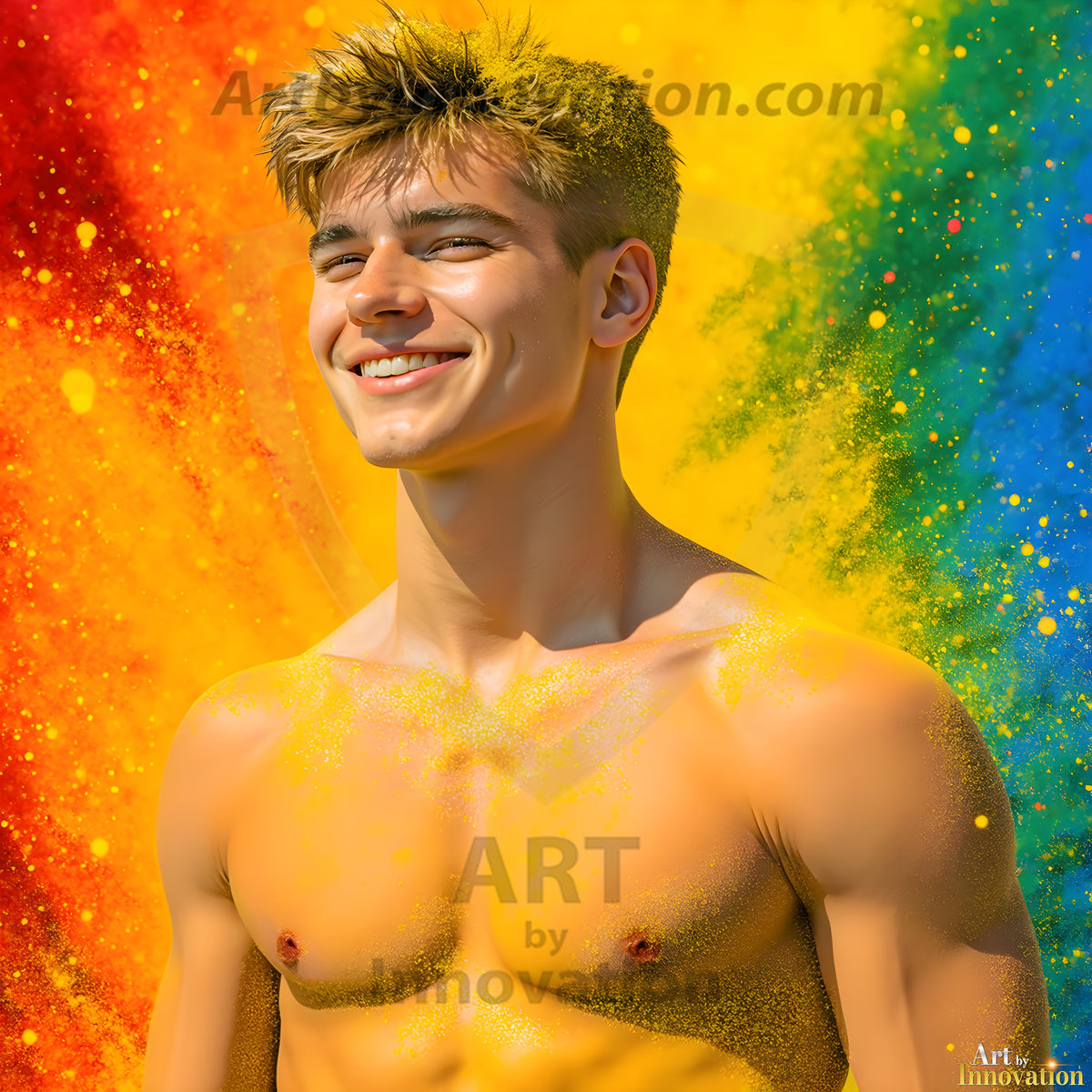
The colors of the LGBTQ+ Pride flags are designed to celebrate the diversity of human experience, visibility, and hope, with each shade representing a specific value that honors the LGBTQ+ community. Created in 1978 by artist Gilbert Baker, the rainbow flag has evolved to include more inclusive colors, showcasing how variety in identity makes individuals uniquely themselves. Meanings Behind the Colors, Red (Life): Represents the vitality and passion of LGBTQ+ people. Orange (Healing): Symbolizes the healing power within the community, often in the face of adversity. Yellow (Sunlight): Signifies the brightness and joy of being true to oneself. Green (Nature): Represents a connection to nature, the environment, and prosperity. Blue/Indigo (Serenity/Harmony): Symbolizes serenity, calm, and inner strength found in living one's truth. Violet/Purple (Spirit): Represents the spirit, strength, and resilience of the community.
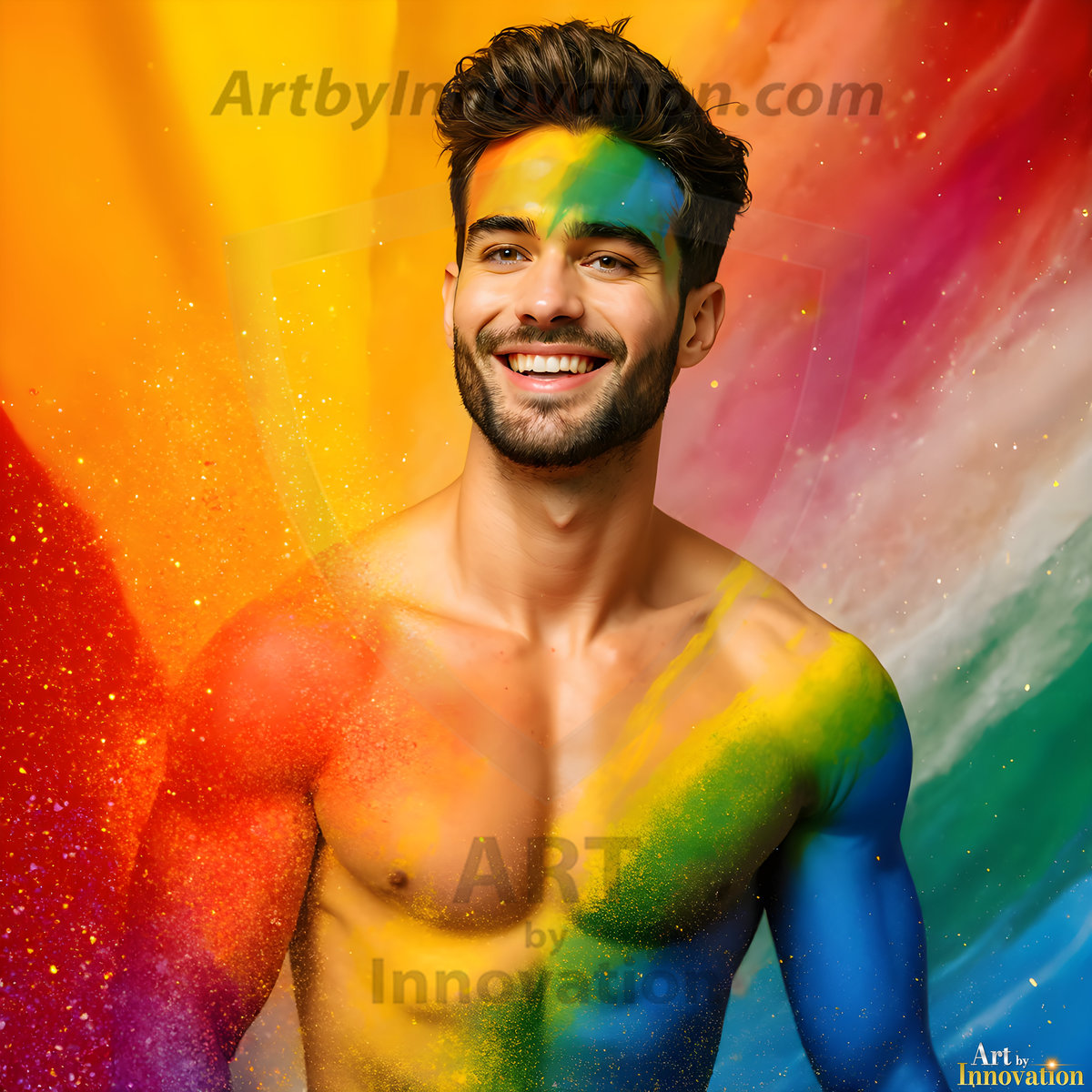
The colors of the LGBTQ+ Pride flags are designed to celebrate the diversity of human experience, visibility, and hope, with each shade representing a specific value that honors the LGBTQ+ community. Created in 1978 by artist Gilbert Baker, the rainbow flag has evolved to include more inclusive colors, showcasing how variety in identity makes individuals uniquely themselves. Meanings Behind the Colors, Red (Life): Represents the vitality and passion of LGBTQ+ people. Orange (Healing): Symbolizes the healing power within the community, often in the face of adversity. Yellow (Sunlight): Signifies the brightness and joy of being true to oneself. Green (Nature): Represents a connection to nature, the environment, and prosperity. Blue/Indigo (Serenity/Harmony): Symbolizes serenity, calm, and inner strength found in living one's truth. Violet/Purple (Spirit): Represents the spirit, strength, and resilience of the community.
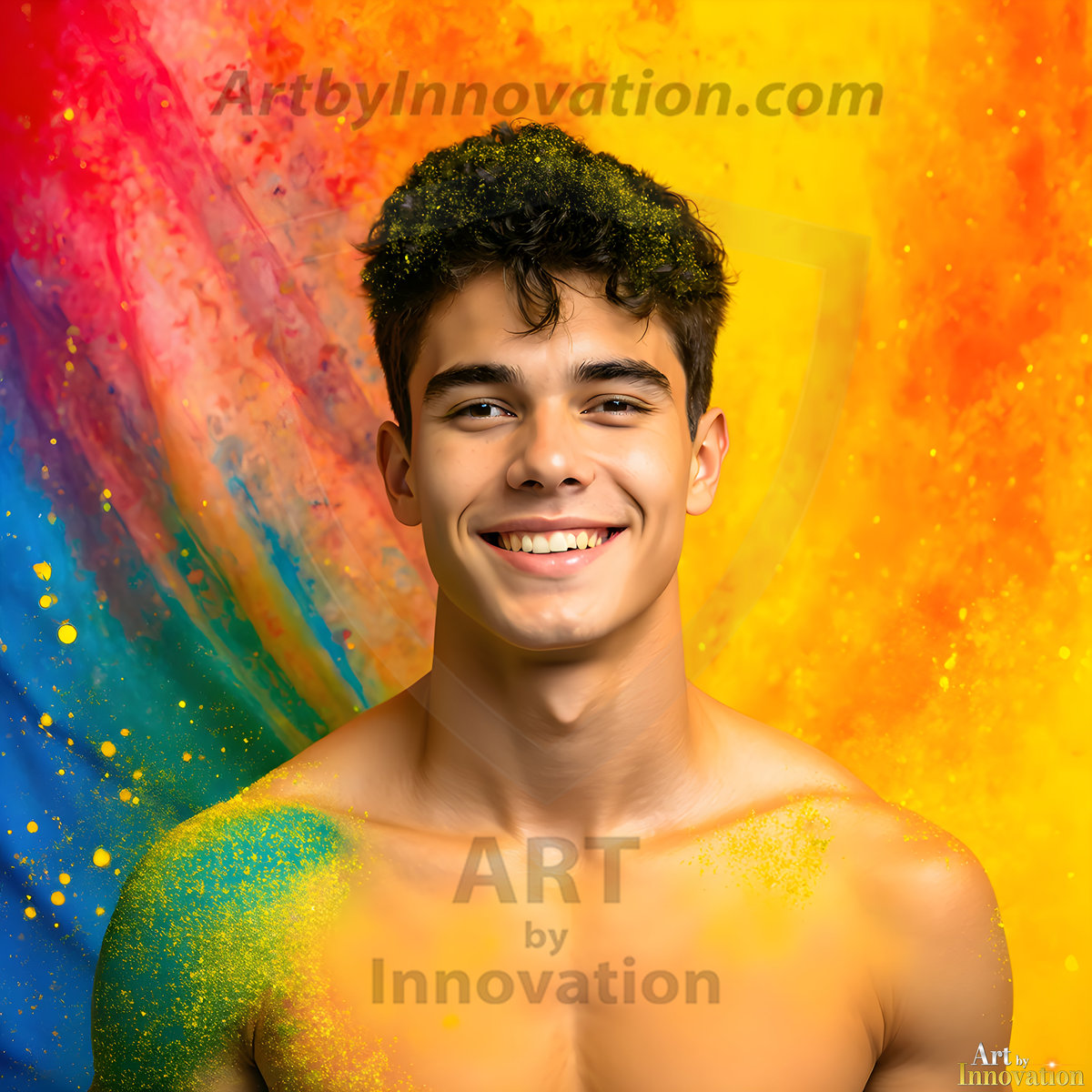
The colors of the LGBTQ+ Pride flags are designed to celebrate the diversity of human experience, visibility, and hope, with each shade representing a specific value that honors the LGBTQ+ community. Created in 1978 by artist Gilbert Baker, the rainbow flag has evolved to include more inclusive colors, showcasing how variety in identity makes individuals uniquely themselves. Meanings Behind the Colors, Red (Life): Represents the vitality and passion of LGBTQ+ people. Orange (Healing): Symbolizes the healing power within the community, often in the face of adversity. Yellow (Sunlight): Signifies the brightness and joy of being true to oneself. Green (Nature): Represents a connection to nature, the environment, and prosperity. Blue/Indigo (Serenity/Harmony): Symbolizes serenity, calm, and inner strength found in living one's truth. Violet/Purple (Spirit): Represents the spirit, strength, and resilience of the community.
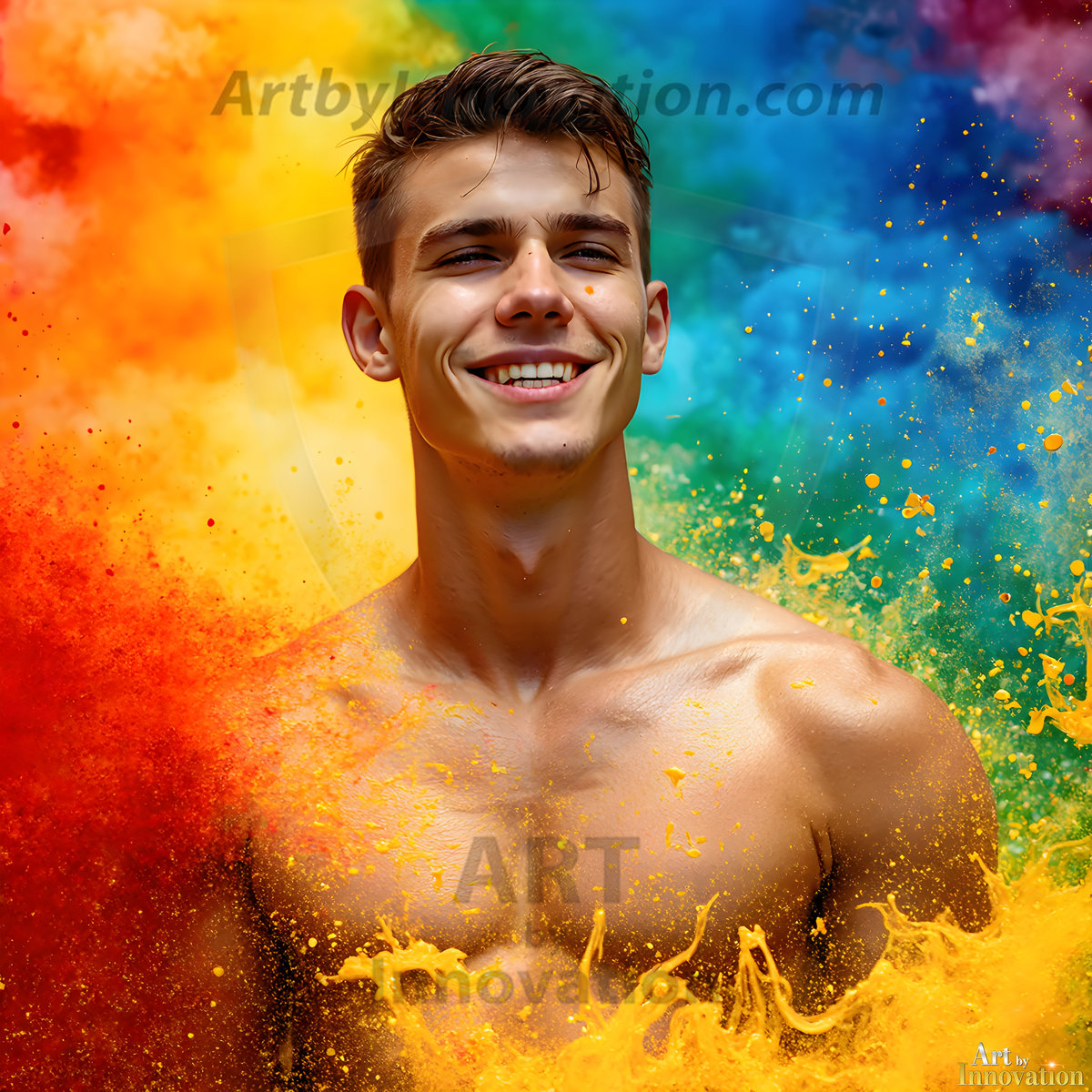
The colors of the LGBTQ+ Pride flags are designed to celebrate the diversity of human experience, visibility, and hope, with each shade representing a specific value that honors the LGBTQ+ community. Created in 1978 by artist Gilbert Baker, the rainbow flag has evolved to include more inclusive colors, showcasing how variety in identity makes individuals uniquely themselves. Meanings Behind the Colors, Red (Life): Represents the vitality and passion of LGBTQ+ people. Orange (Healing): Symbolizes the healing power within the community, often in the face of adversity. Yellow (Sunlight): Signifies the brightness and joy of being true to oneself. Green (Nature): Represents a connection to nature, the environment, and prosperity. Blue/Indigo (Serenity/Harmony): Symbolizes serenity, calm, and inner strength found in living one's truth. Violet/Purple (Spirit): Represents the spirit, strength, and resilience of the community.
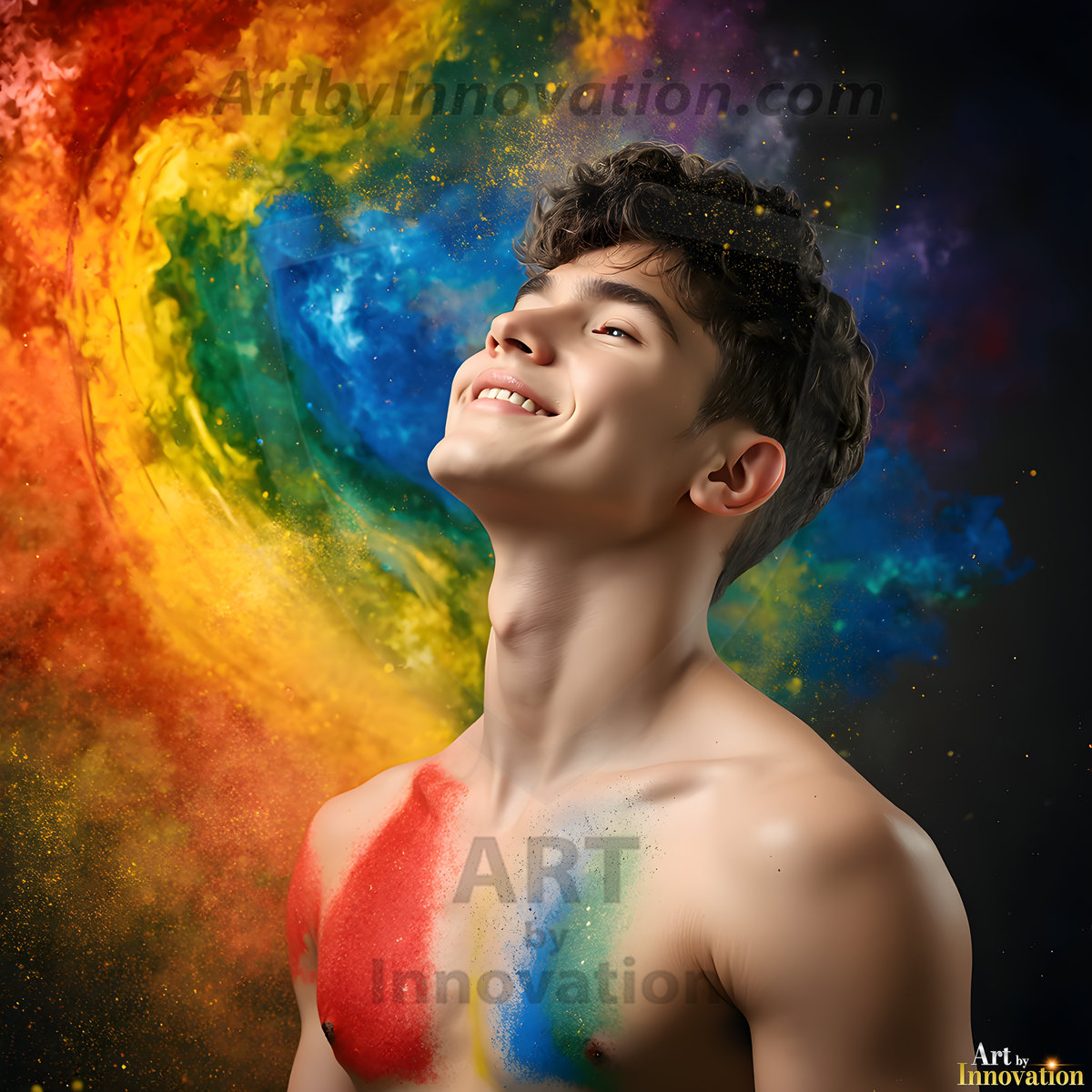
The colors of the LGBTQ+ Pride flags are designed to celebrate the diversity of human experience, visibility, and hope, with each shade representing a specific value that honors the LGBTQ+ community. Created in 1978 by artist Gilbert Baker, the rainbow flag has evolved to include more inclusive colors, showcasing how variety in identity makes individuals uniquely themselves. Meanings Behind the Colors, Red (Life): Represents the vitality and passion of LGBTQ+ people. Orange (Healing): Symbolizes the healing power within the community, often in the face of adversity. Yellow (Sunlight): Signifies the brightness and joy of being true to oneself. Green (Nature): Represents a connection to nature, the environment, and prosperity. Blue/Indigo (Serenity/Harmony): Symbolizes serenity, calm, and inner strength found in living one's truth. Violet/Purple (Spirit): Represents the spirit, strength, and resilience of the community.
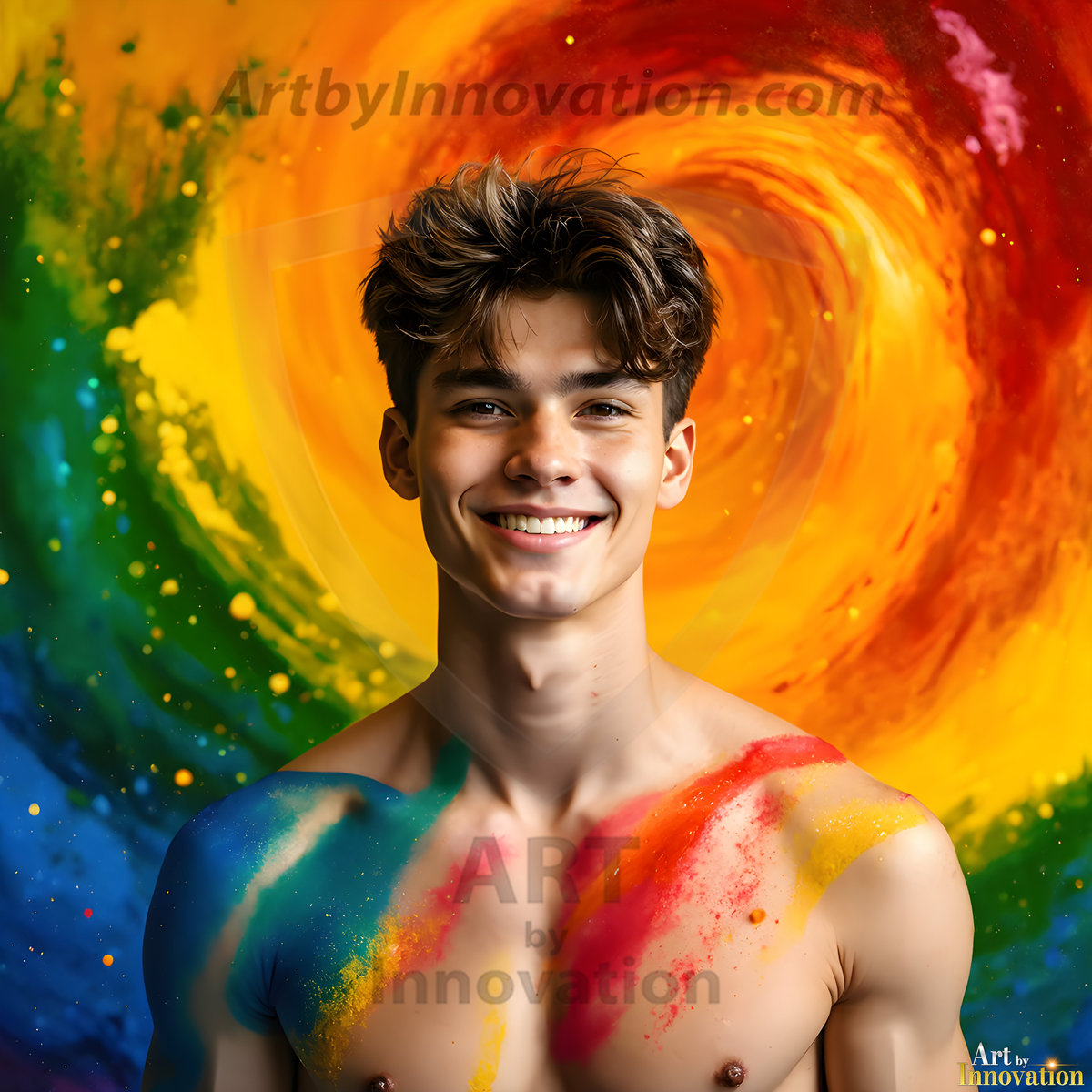
The colors of the LGBTQ+ Pride flags are designed to celebrate the diversity of human experience, visibility, and hope, with each shade representing a specific value that honors the LGBTQ+ community. Created in 1978 by artist Gilbert Baker, the rainbow flag has evolved to include more inclusive colors, showcasing how variety in identity makes individuals uniquely themselves. Meanings Behind the Colors, Red (Life): Represents the vitality and passion of LGBTQ+ people. Orange (Healing): Symbolizes the healing power within the community, often in the face of adversity. Yellow (Sunlight): Signifies the brightness and joy of being true to oneself. Green (Nature): Represents a connection to nature, the environment, and prosperity. Blue/Indigo (Serenity/Harmony): Symbolizes serenity, calm, and inner strength found in living one's truth. Violet/Purple (Spirit): Represents the spirit, strength, and resilience of the community.
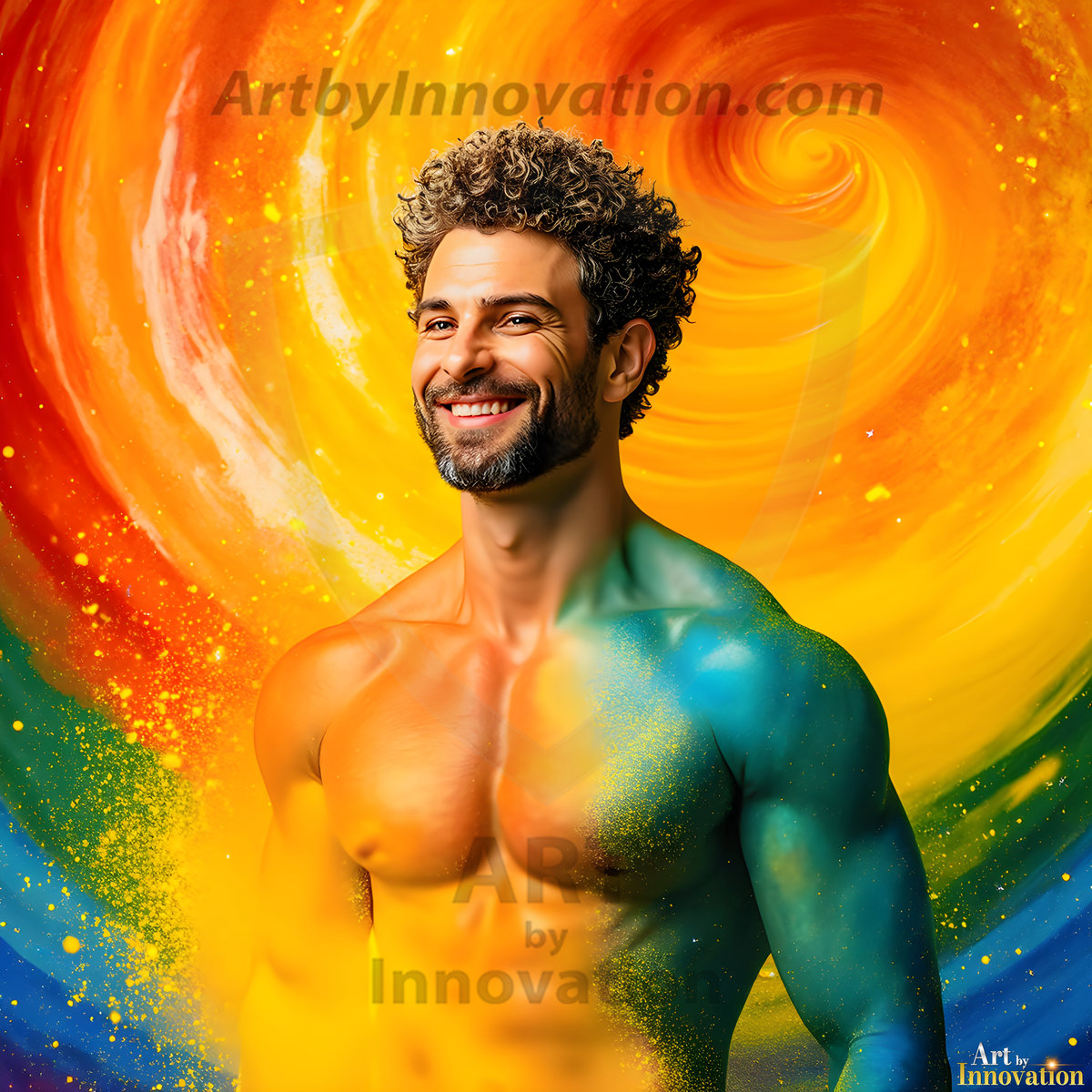
The colors of the LGBTQ+ Pride flags are designed to celebrate the diversity of human experience, visibility, and hope, with each shade representing a specific value that honors the LGBTQ+ community. Created in 1978 by artist Gilbert Baker, the rainbow flag has evolved to include more inclusive colors, showcasing how variety in identity makes individuals uniquely themselves. Meanings Behind the Colors, Red (Life): Represents the vitality and passion of LGBTQ+ people. Orange (Healing): Symbolizes the healing power within the community, often in the face of adversity. Yellow (Sunlight): Signifies the brightness and joy of being true to oneself. Green (Nature): Represents a connection to nature, the environment, and prosperity. Blue/Indigo (Serenity/Harmony): Symbolizes serenity, calm, and inner strength found in living one's truth. Violet/Purple (Spirit): Represents the spirit, strength, and resilience of the community.
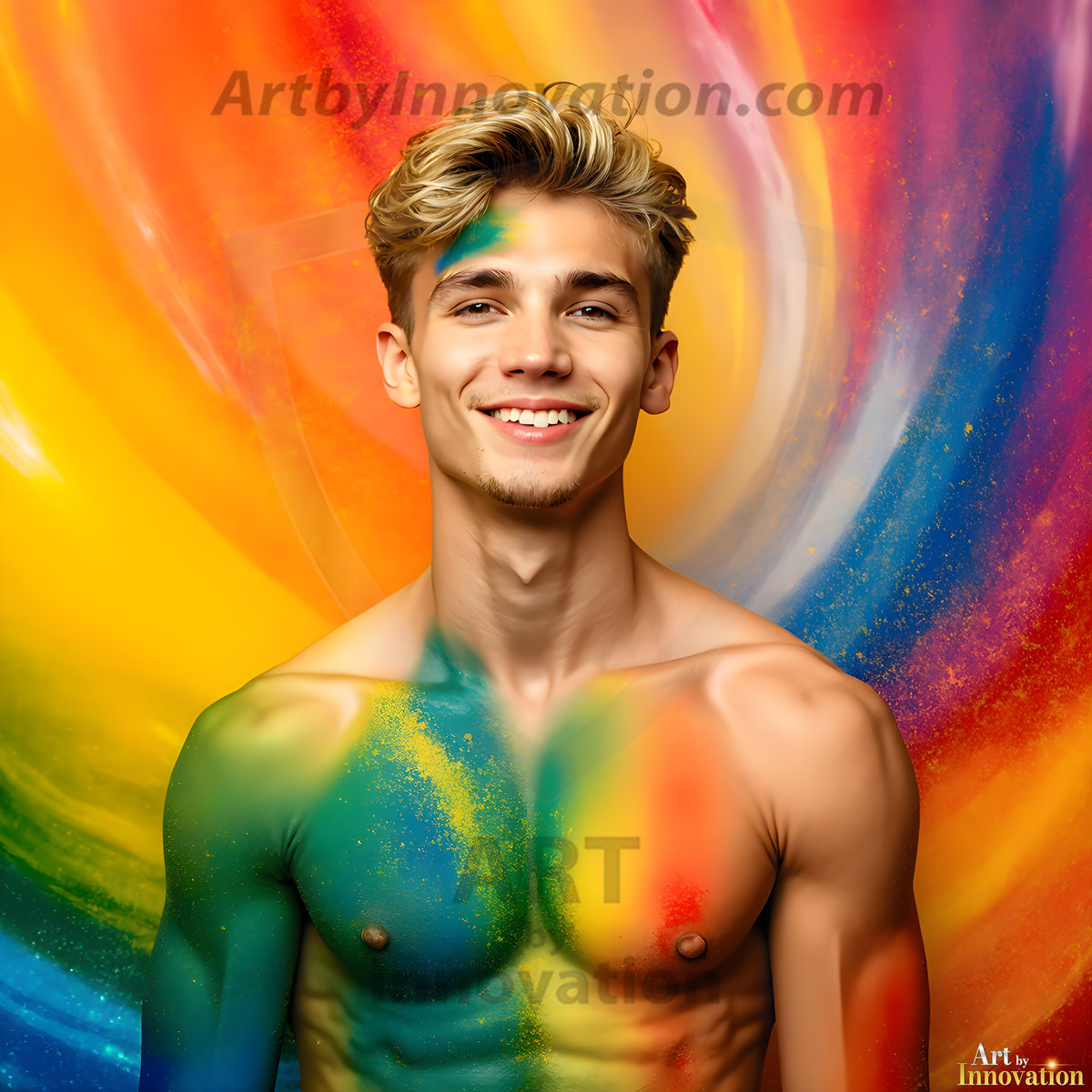
The colors of the LGBTQ+ Pride flags are designed to celebrate the diversity of human experience, visibility, and hope, with each shade representing a specific value that honors the LGBTQ+ community. Created in 1978 by artist Gilbert Baker, the rainbow flag has evolved to include more inclusive colors, showcasing how variety in identity makes individuals uniquely themselves. Meanings Behind the Colors, Red (Life): Represents the vitality and passion of LGBTQ+ people. Orange (Healing): Symbolizes the healing power within the community, often in the face of adversity. Yellow (Sunlight): Signifies the brightness and joy of being true to oneself. Green (Nature): Represents a connection to nature, the environment, and prosperity. Blue/Indigo (Serenity/Harmony): Symbolizes serenity, calm, and inner strength found in living one's truth. Violet/Purple (Spirit): Represents the spirit, strength, and resilience of the community.
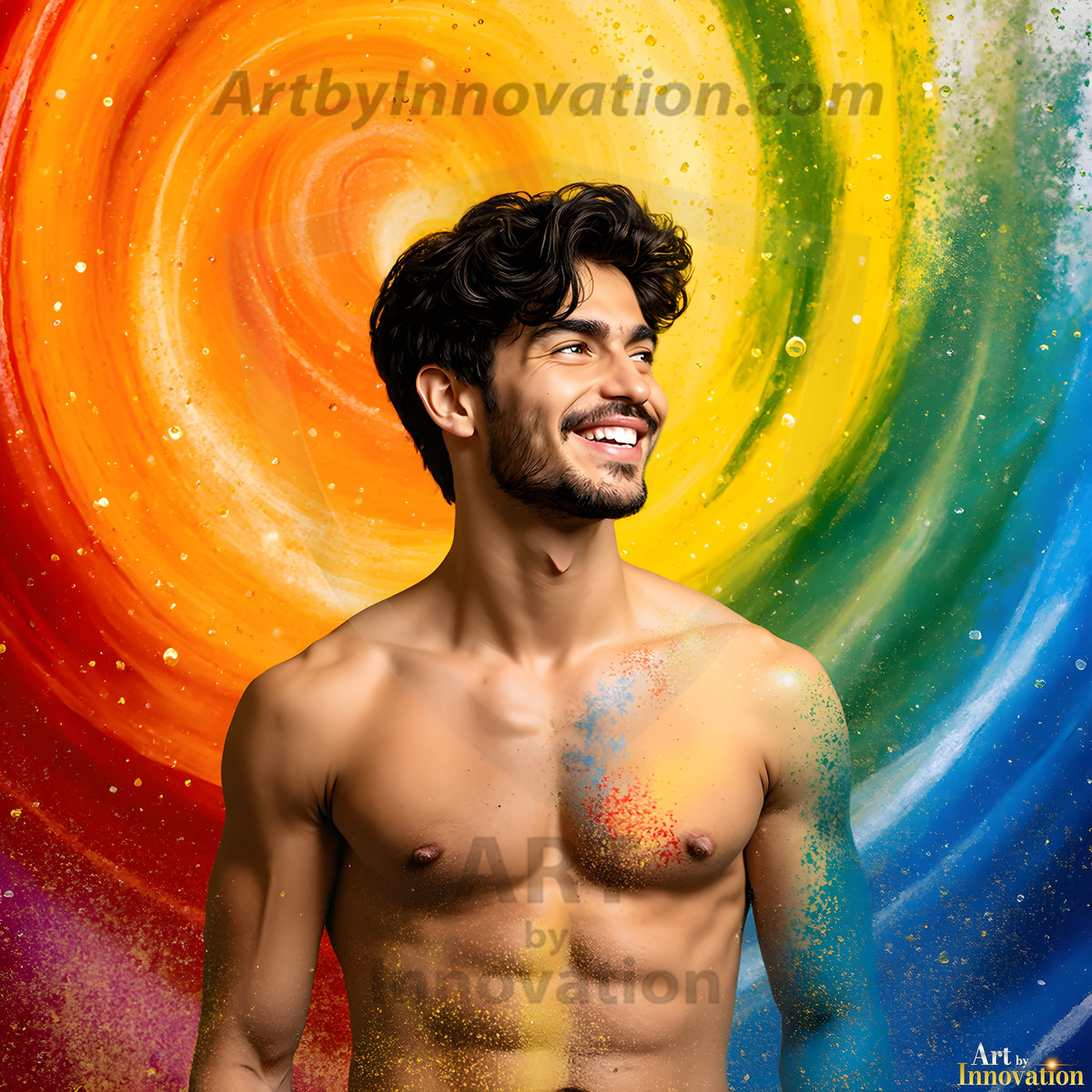
The colors of the LGBTQ+ Pride flags are designed to celebrate the diversity of human experience, visibility, and hope, with each shade representing a specific value that honors the LGBTQ+ community. Created in 1978 by artist Gilbert Baker, the rainbow flag has evolved to include more inclusive colors, showcasing how variety in identity makes individuals uniquely themselves. Meanings Behind the Colors, Red (Life): Represents the vitality and passion of LGBTQ+ people. Orange (Healing): Symbolizes the healing power within the community, often in the face of adversity. Yellow (Sunlight): Signifies the brightness and joy of being true to oneself. Green (Nature): Represents a connection to nature, the environment, and prosperity. Blue/Indigo (Serenity/Harmony): Symbolizes serenity, calm, and inner strength found in living one's truth. Violet/Purple (Spirit): Represents the spirit, strength, and resilience of the community.
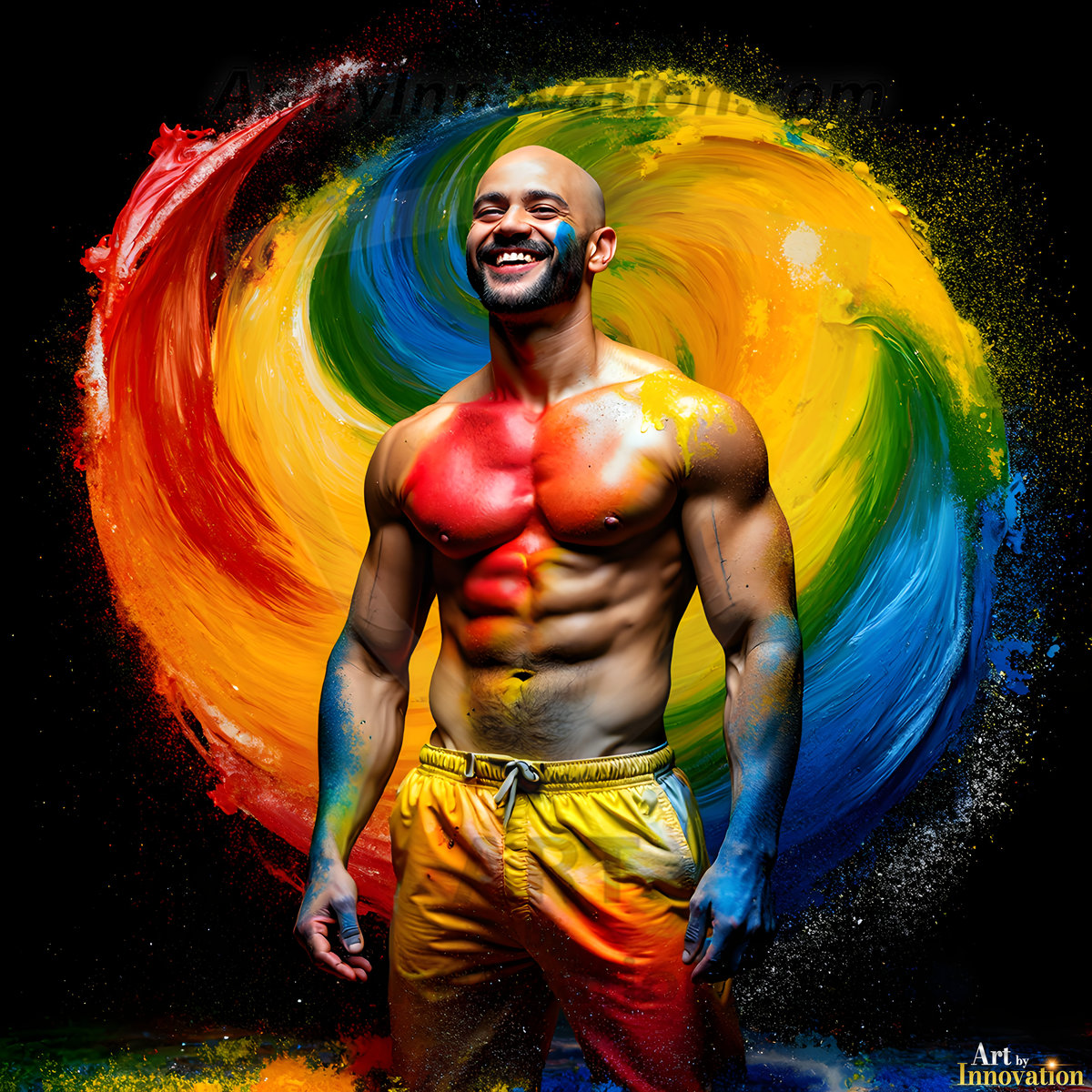
The colors of the LGBTQ+ Pride flags are designed to celebrate the diversity of human experience, visibility, and hope, with each shade representing a specific value that honors the LGBTQ+ community. Created in 1978 by artist Gilbert Baker, the rainbow flag has evolved to include more inclusive colors, showcasing how variety in identity makes individuals uniquely themselves. Meanings Behind the Colors, Red (Life): Represents the vitality and passion of LGBTQ+ people. Orange (Healing): Symbolizes the healing power within the community, often in the face of adversity. Yellow (Sunlight): Signifies the brightness and joy of being true to oneself. Green (Nature): Represents a connection to nature, the environment, and prosperity. Blue/Indigo (Serenity/Harmony): Symbolizes serenity, calm, and inner strength found in living one's truth. Violet/Purple (Spirit): Represents the spirit, strength, and resilience of the community.
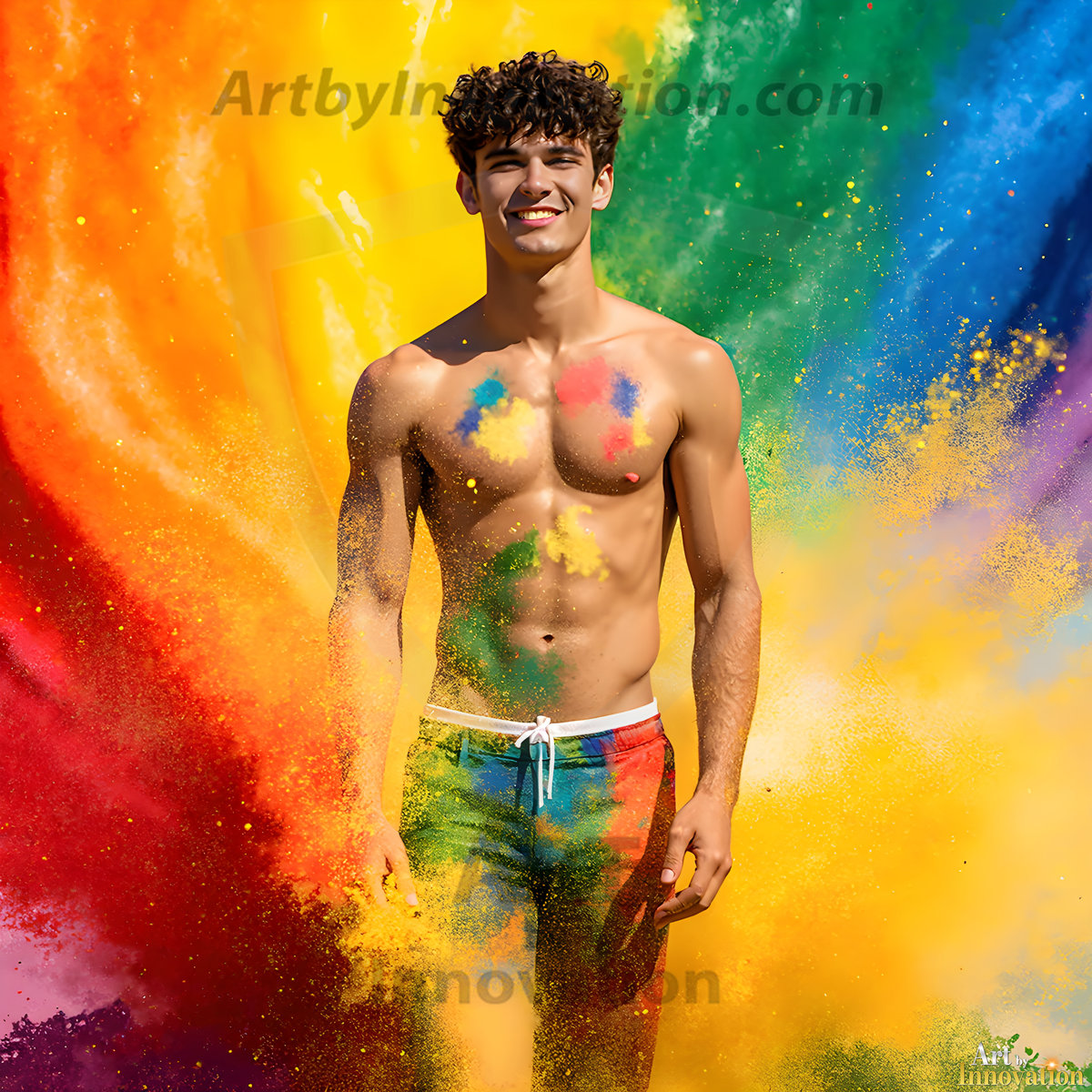
The colors of the LGBTQ+ Pride flags are designed to celebrate the diversity of human experience, visibility, and hope, with each shade representing a specific value that honors the LGBTQ+ community. Created in 1978 by artist Gilbert Baker, the rainbow flag has evolved to include more inclusive colors, showcasing how variety in identity makes individuals uniquely themselves. Meanings Behind the Colors, Red (Life): Represents the vitality and passion of LGBTQ+ people. Orange (Healing): Symbolizes the healing power within the community, often in the face of adversity. Yellow (Sunlight): Signifies the brightness and joy of being true to oneself. Green (Nature): Represents a connection to nature, the environment, and prosperity. Blue/Indigo (Serenity/Harmony): Symbolizes serenity, calm, and inner strength found in living one's truth. Violet/Purple (Spirit): Represents the spirit, strength, and resilience of the community.
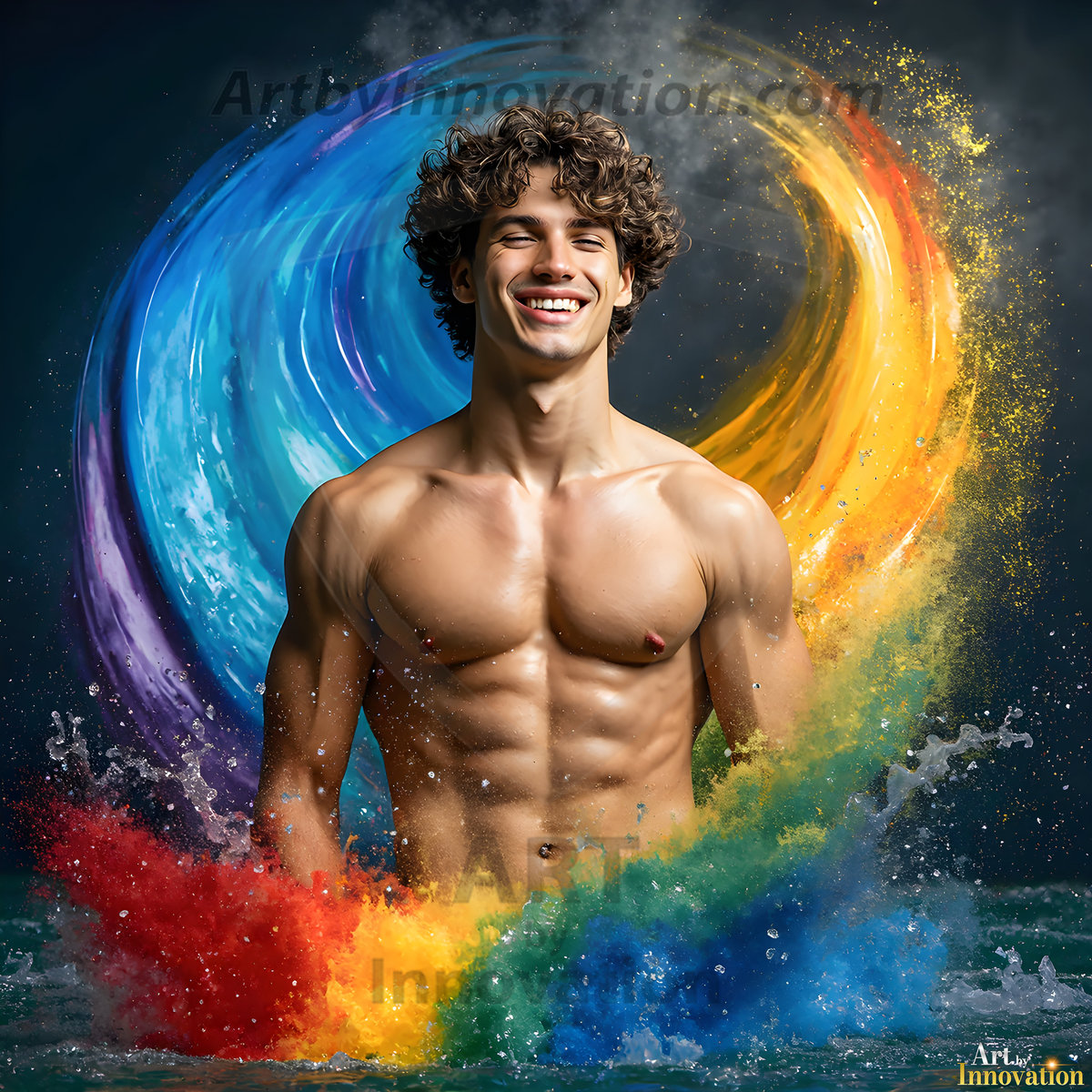
The colors of the LGBTQ+ Pride flags are designed to celebrate the diversity of human experience, visibility, and hope, with each shade representing a specific value that honors the LGBTQ+ community. Created in 1978 by artist Gilbert Baker, the rainbow flag has evolved to include more inclusive colors, showcasing how variety in identity makes individuals uniquely themselves. Meanings Behind the Colors, Red (Life): Represents the vitality and passion of LGBTQ+ people. Orange (Healing): Symbolizes the healing power within the community, often in the face of adversity. Yellow (Sunlight): Signifies the brightness and joy of being true to oneself. Green (Nature): Represents a connection to nature, the environment, and prosperity. Blue/Indigo (Serenity/Harmony): Symbolizes serenity, calm, and inner strength found in living one's truth. Violet/Purple (Spirit): Represents the spirit, strength, and resilience of the community.
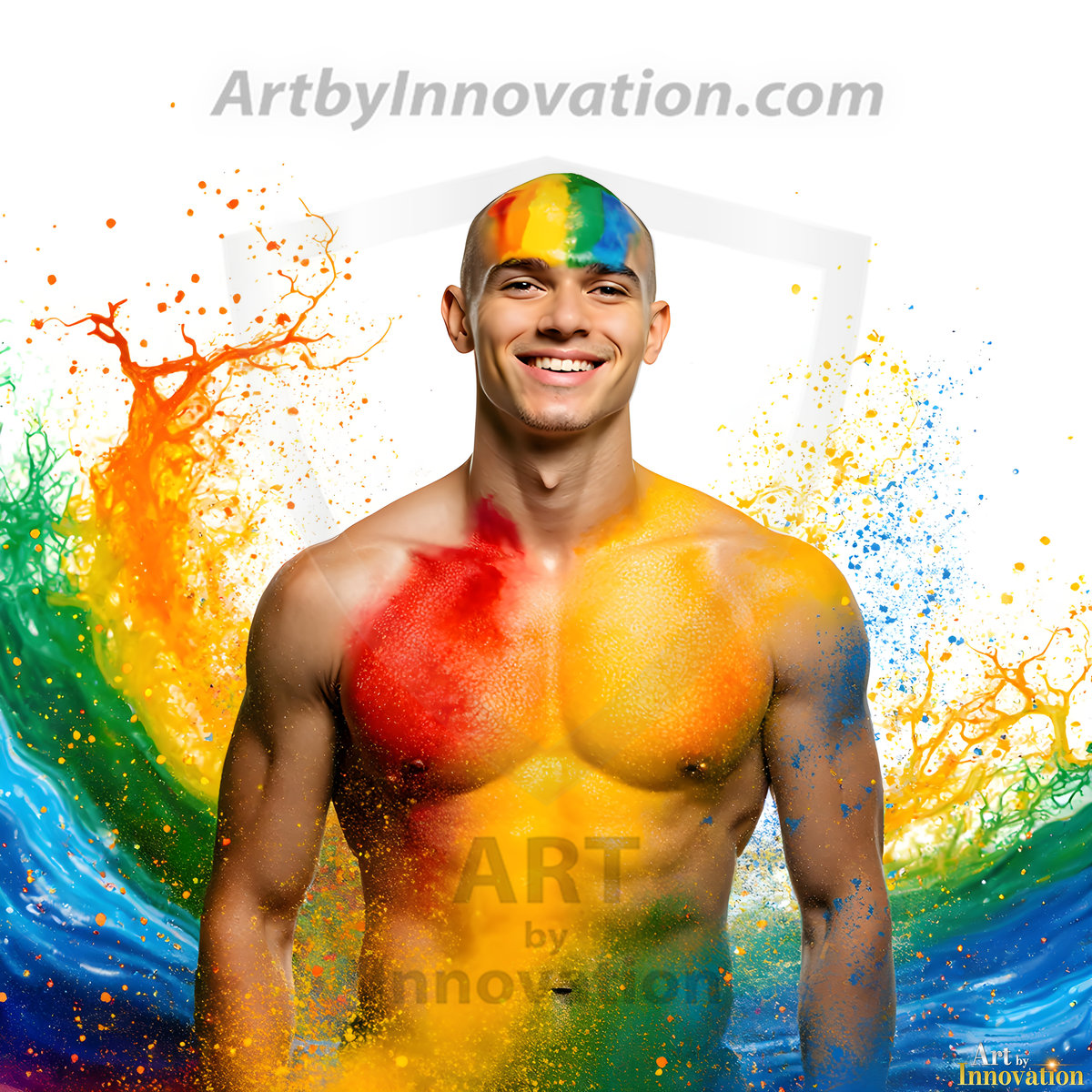
The colors of the LGBTQ+ Pride flags are designed to celebrate the diversity of human experience, visibility, and hope, with each shade representing a specific value that honors the LGBTQ+ community. Created in 1978 by artist Gilbert Baker, the rainbow flag has evolved to include more inclusive colors, showcasing how variety in identity makes individuals uniquely themselves. Meanings Behind the Colors, Red (Life): Represents the vitality and passion of LGBTQ+ people. Orange (Healing): Symbolizes the healing power within the community, often in the face of adversity. Yellow (Sunlight): Signifies the brightness and joy of being true to oneself. Green (Nature): Represents a connection to nature, the environment, and prosperity. Blue/Indigo (Serenity/Harmony): Symbolizes serenity, calm, and inner strength found in living one's truth. Violet/Purple (Spirit): Represents the spirit, strength, and resilience of the community.

The colors of the LGBTQ+ Pride flags are designed to celebrate the diversity of human experience, visibility, and hope, with each shade representing a specific value that honors the LGBTQ+ community. Created in 1978 by artist Gilbert Baker, the rainbow flag has evolved to include more inclusive colors, showcasing how variety in identity makes individuals uniquely themselves. Meanings Behind the Colors, Red (Life): Represents the vitality and passion of LGBTQ+ people. Orange (Healing): Symbolizes the healing power within the community, often in the face of adversity. Yellow (Sunlight): Signifies the brightness and joy of being true to oneself. Green (Nature): Represents a connection to nature, the environment, and prosperity. Blue/Indigo (Serenity/Harmony): Symbolizes serenity, calm, and inner strength found in living one's truth. Violet/Purple (Spirit): Represents the spirit, strength, and resilience of the community.
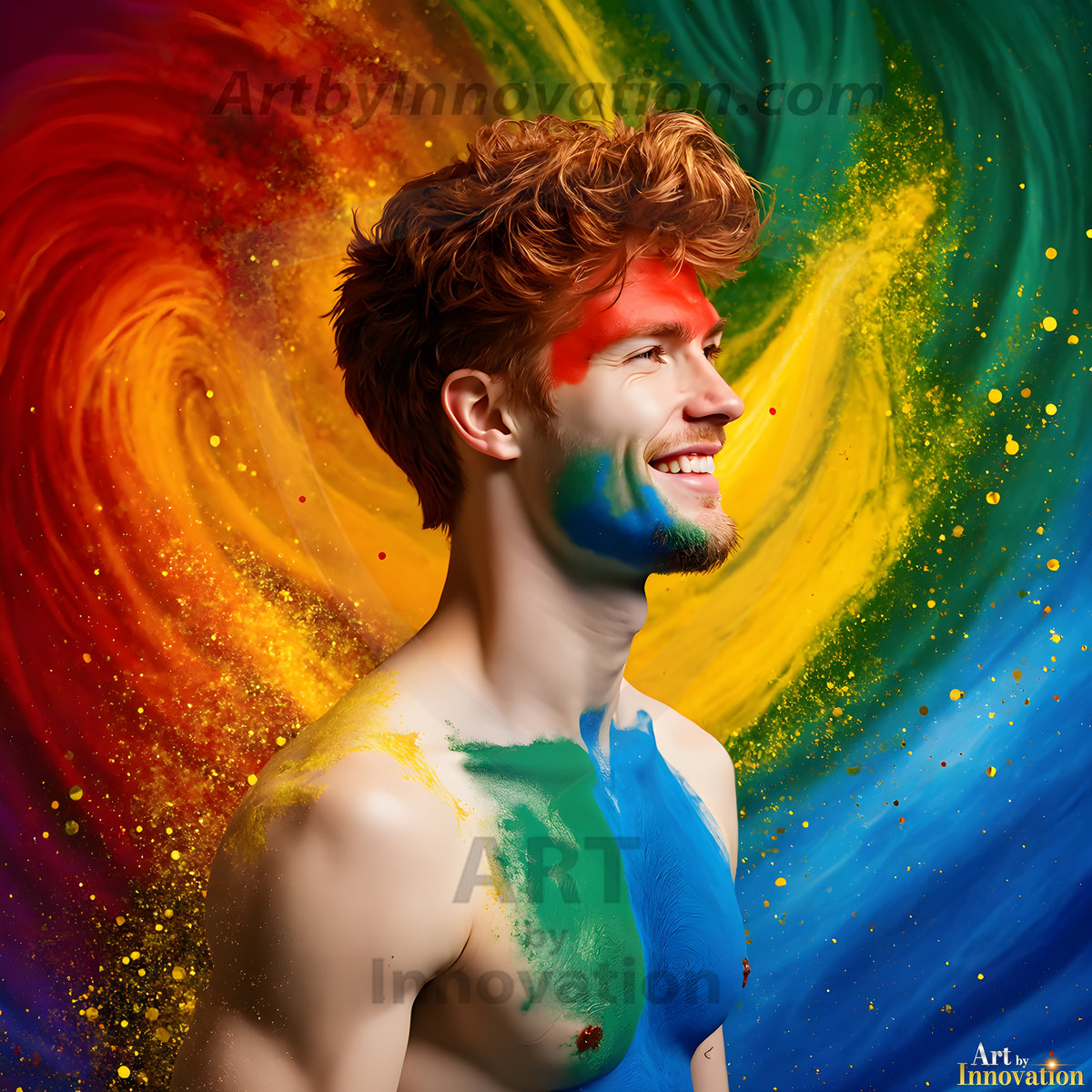
The colors of the LGBTQ+ Pride flags are designed to celebrate the diversity of human experience, visibility, and hope, with each shade representing a specific value that honors the LGBTQ+ community. Created in 1978 by artist Gilbert Baker, the rainbow flag has evolved to include more inclusive colors, showcasing how variety in identity makes individuals uniquely themselves. Meanings Behind the Colors, Red (Life): Represents the vitality and passion of LGBTQ+ people. Orange (Healing): Symbolizes the healing power within the community, often in the face of adversity. Yellow (Sunlight): Signifies the brightness and joy of being true to oneself. Green (Nature): Represents a connection to nature, the environment, and prosperity. Blue/Indigo (Serenity/Harmony): Symbolizes serenity, calm, and inner strength found in living one's truth. Violet/Purple (Spirit): Represents the spirit, strength, and resilience of the community.
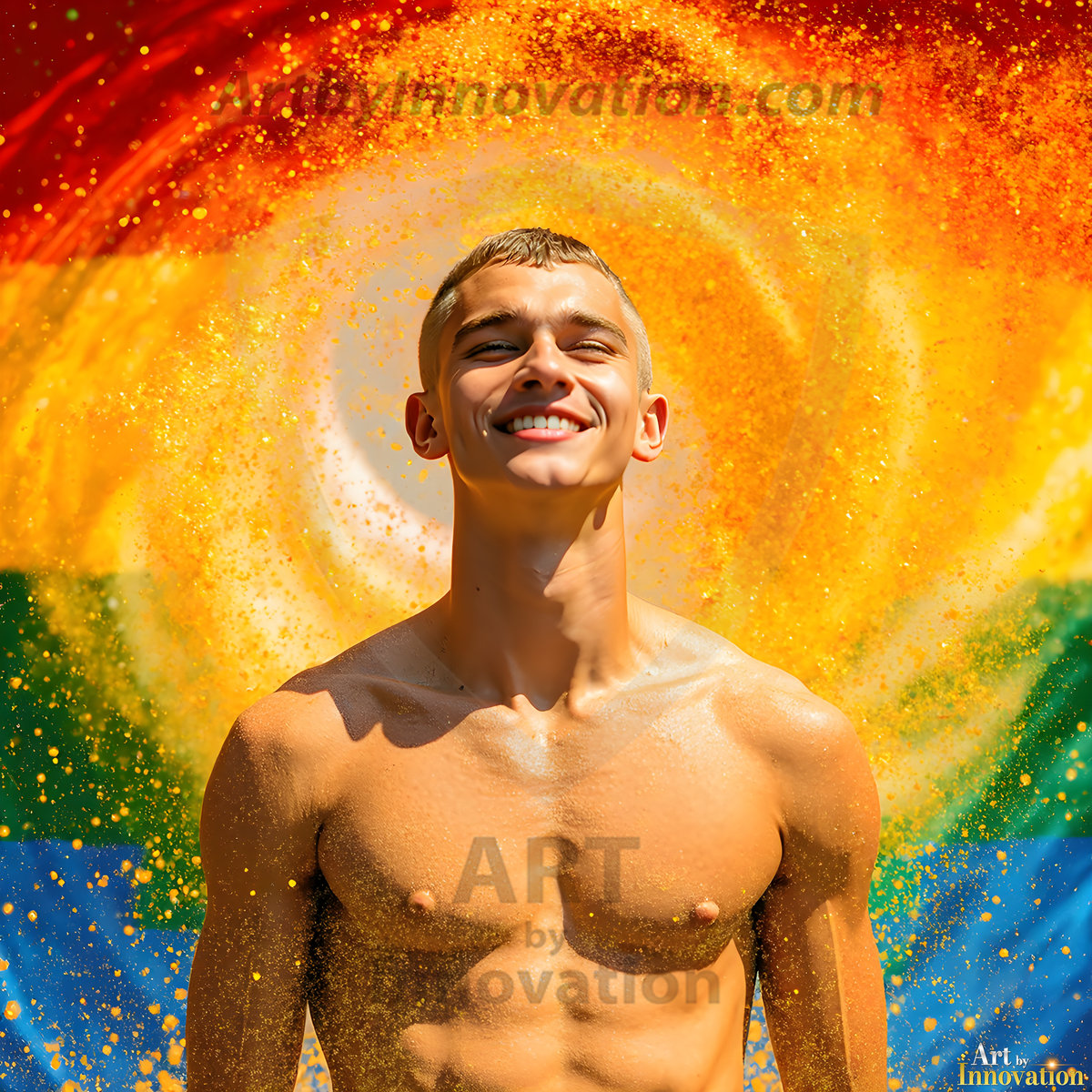
The colors of the LGBTQ+ Pride flags are designed to celebrate the diversity of human experience, visibility, and hope, with each shade representing a specific value that honors the LGBTQ+ community. Created in 1978 by artist Gilbert Baker, the rainbow flag has evolved to include more inclusive colors, showcasing how variety in identity makes individuals uniquely themselves. Meanings Behind the Colors, Red (Life): Represents the vitality and passion of LGBTQ+ people. Orange (Healing): Symbolizes the healing power within the community, often in the face of adversity. Yellow (Sunlight): Signifies the brightness and joy of being true to oneself. Green (Nature): Represents a connection to nature, the environment, and prosperity. Blue/Indigo (Serenity/Harmony): Symbolizes serenity, calm, and inner strength found in living one's truth. Violet/Purple (Spirit): Represents the spirit, strength, and resilience of the community.
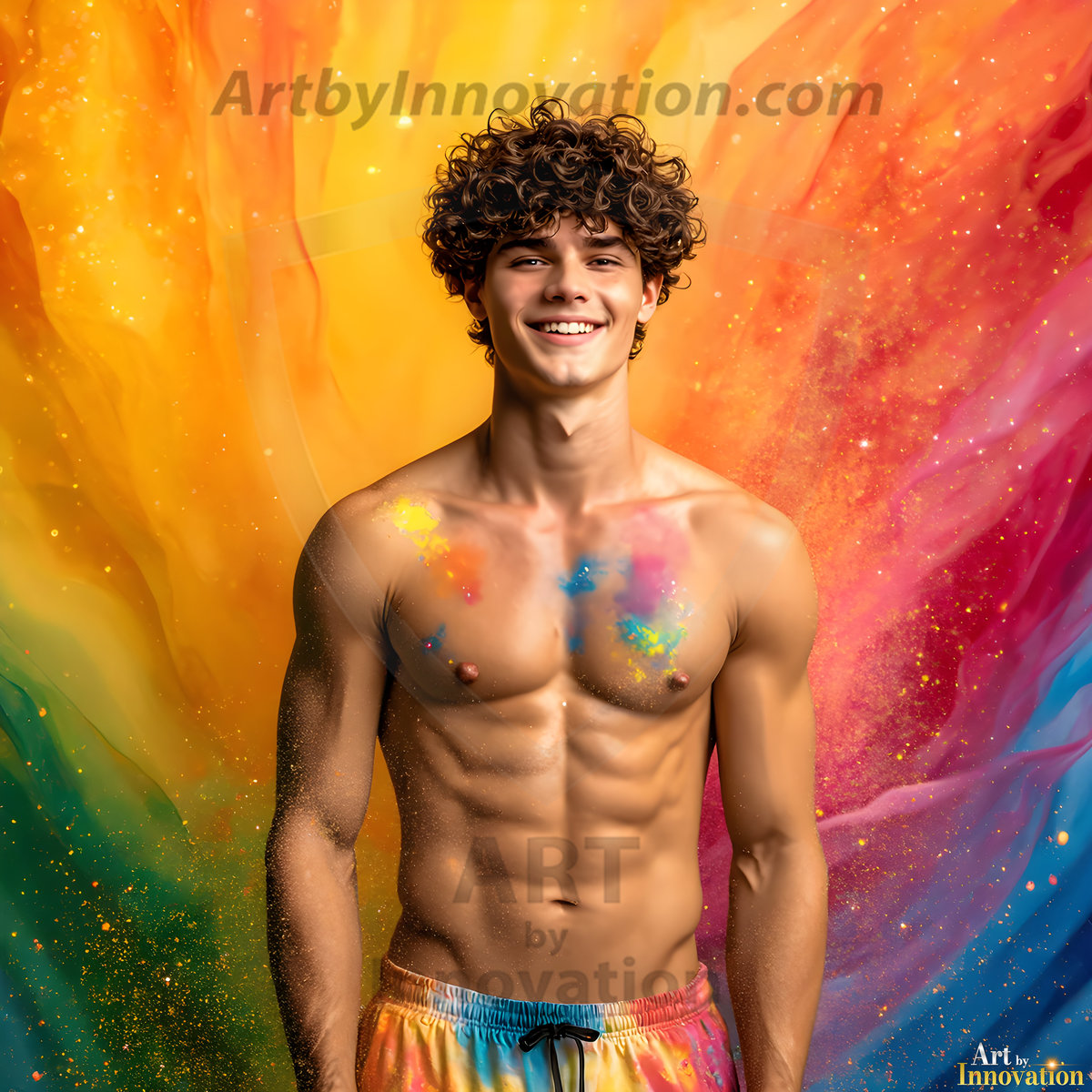
The colors of the LGBTQ+ Pride flags are designed to celebrate the diversity of human experience, visibility, and hope, with each shade representing a specific value that honors the LGBTQ+ community. Created in 1978 by artist Gilbert Baker, the rainbow flag has evolved to include more inclusive colors, showcasing how variety in identity makes individuals uniquely themselves. Meanings Behind the Colors, Red (Life): Represents the vitality and passion of LGBTQ+ people. Orange (Healing): Symbolizes the healing power within the community, often in the face of adversity. Yellow (Sunlight): Signifies the brightness and joy of being true to oneself. Green (Nature): Represents a connection to nature, the environment, and prosperity. Blue/Indigo (Serenity/Harmony): Symbolizes serenity, calm, and inner strength found in living one's truth. Violet/Purple (Spirit): Represents the spirit, strength, and resilience of the community.
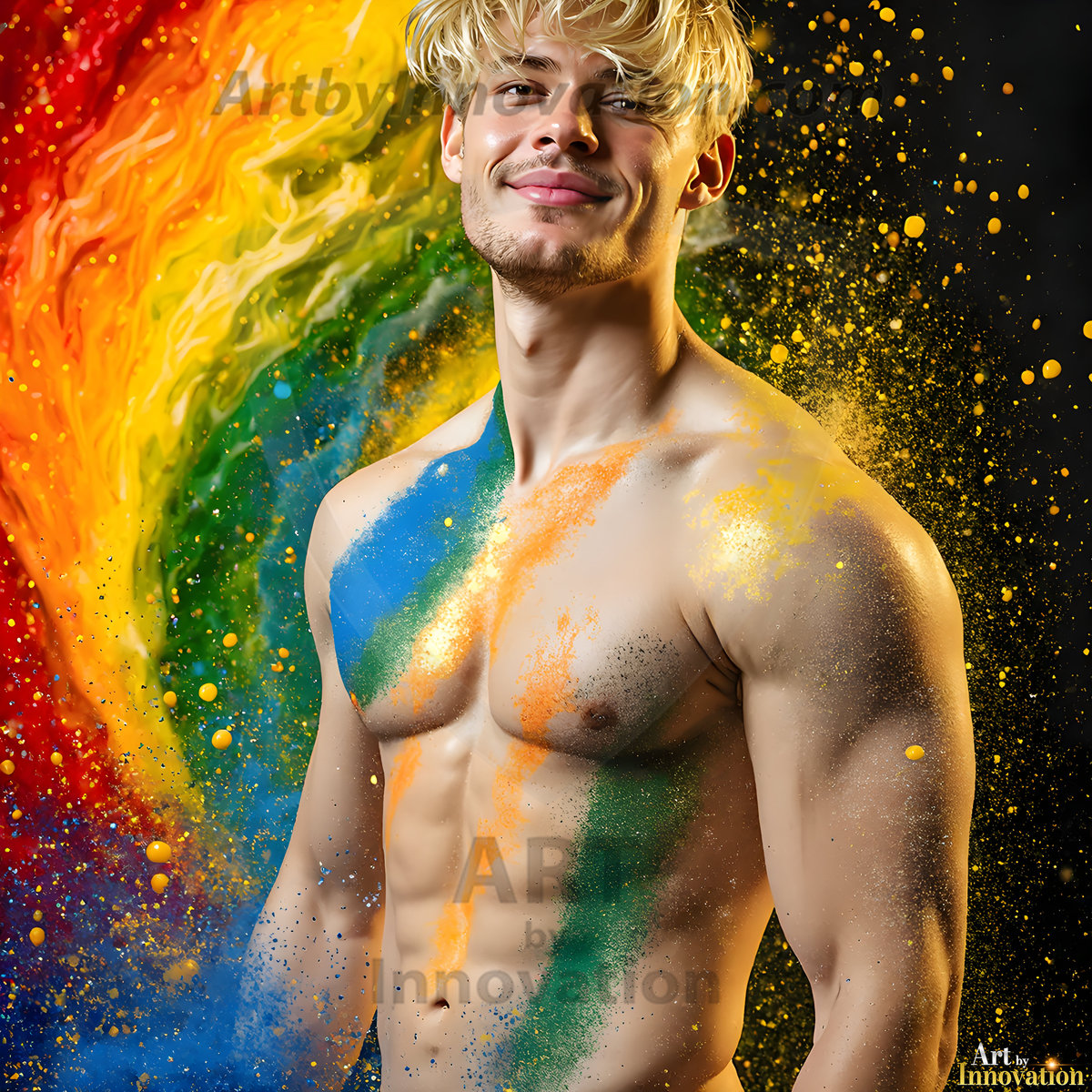
The colors of the LGBTQ+ Pride flags are designed to celebrate the diversity of human experience, visibility, and hope, with each shade representing a specific value that honors the LGBTQ+ community. Created in 1978 by artist Gilbert Baker, the rainbow flag has evolved to include more inclusive colors, showcasing how variety in identity makes individuals uniquely themselves. Meanings Behind the Colors, Red (Life): Represents the vitality and passion of LGBTQ+ people. Orange (Healing): Symbolizes the healing power within the community, often in the face of adversity. Yellow (Sunlight): Signifies the brightness and joy of being true to oneself. Green (Nature): Represents a connection to nature, the environment, and prosperity. Blue/Indigo (Serenity/Harmony): Symbolizes serenity, calm, and inner strength found in living one's truth. Violet/Purple (Spirit): Represents the spirit, strength, and resilience of the community.
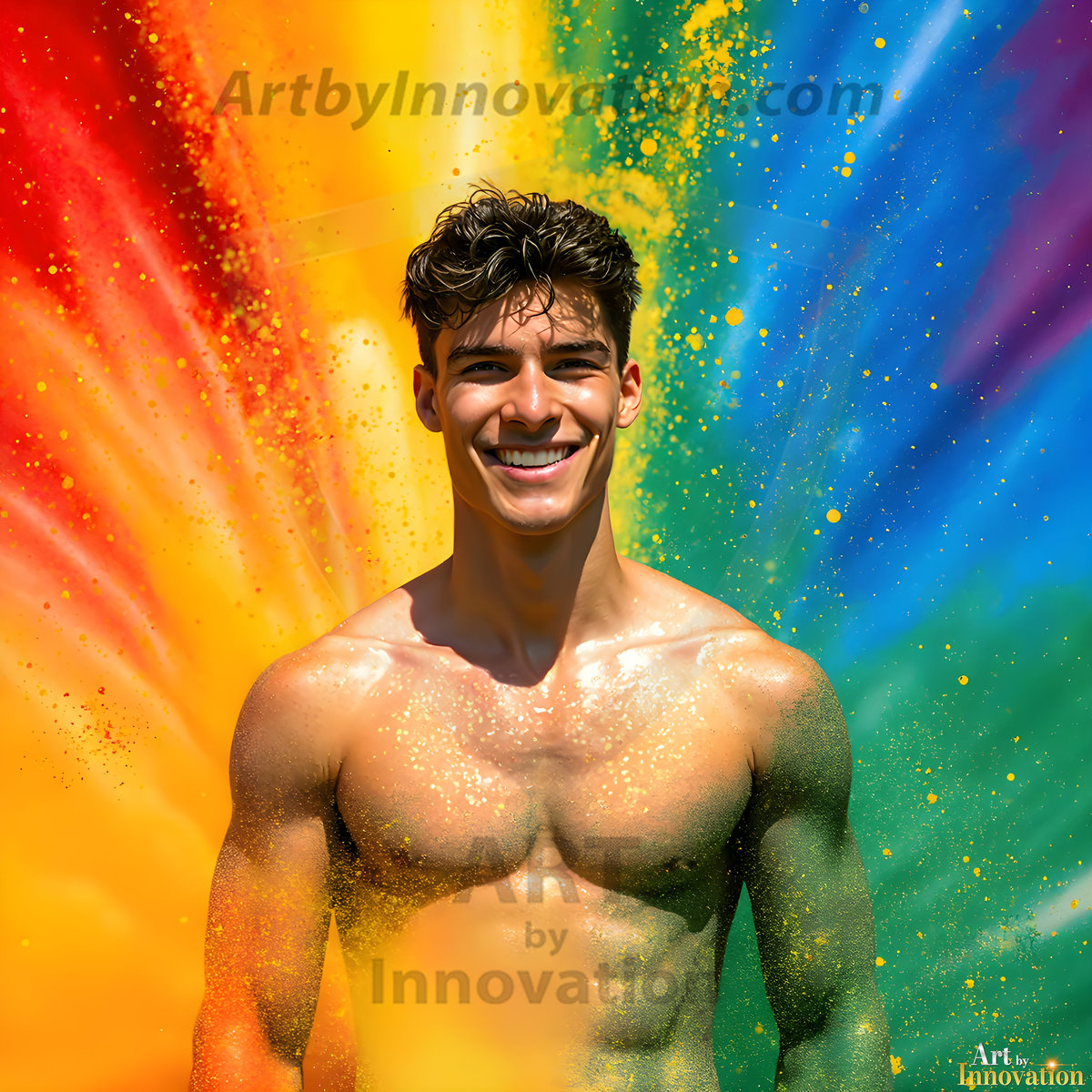
The colors of the LGBTQ+ Pride flags are designed to celebrate the diversity of human experience, visibility, and hope, with each shade representing a specific value that honors the LGBTQ+ community. Created in 1978 by artist Gilbert Baker, the rainbow flag has evolved to include more inclusive colors, showcasing how variety in identity makes individuals uniquely themselves. Meanings Behind the Colors, Red (Life): Represents the vitality and passion of LGBTQ+ people. Orange (Healing): Symbolizes the healing power within the community, often in the face of adversity. Yellow (Sunlight): Signifies the brightness and joy of being true to oneself. Green (Nature): Represents a connection to nature, the environment, and prosperity. Blue/Indigo (Serenity/Harmony): Symbolizes serenity, calm, and inner strength found in living one's truth. Violet/Purple (Spirit): Represents the spirit, strength, and resilience of the community.

The colors of the LGBTQ+ Pride flags are designed to celebrate the diversity of human experience, visibility, and hope, with each shade representing a specific value that honors the LGBTQ+ community. Created in 1978 by artist Gilbert Baker, the rainbow flag has evolved to include more inclusive colors, showcasing how variety in identity makes individuals uniquely themselves. Meanings Behind the Colors, Red (Life): Represents the vitality and passion of LGBTQ+ people. Orange (Healing): Symbolizes the healing power within the community, often in the face of adversity. Yellow (Sunlight): Signifies the brightness and joy of being true to oneself. Green (Nature): Represents a connection to nature, the environment, and prosperity. Blue/Indigo (Serenity/Harmony): Symbolizes serenity, calm, and inner strength found in living one's truth. Violet/Purple (Spirit): Represents the spirit, strength, and resilience of the community.
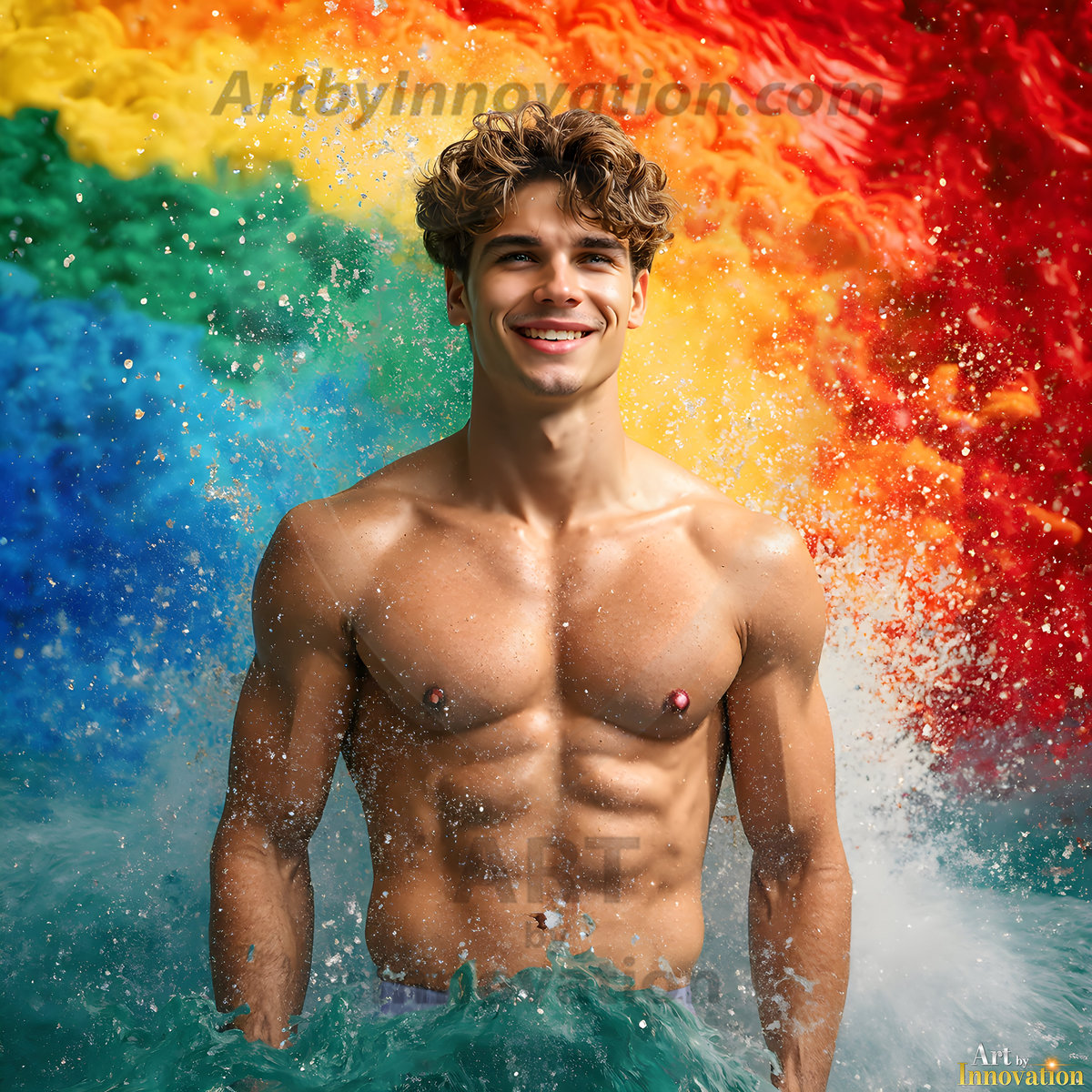
The colors of the LGBTQ+ Pride flags are designed to celebrate the diversity of human experience, visibility, and hope, with each shade representing a specific value that honors the LGBTQ+ community. Created in 1978 by artist Gilbert Baker, the rainbow flag has evolved to include more inclusive colors, showcasing how variety in identity makes individuals uniquely themselves. Meanings Behind the Colors, Red (Life): Represents the vitality and passion of LGBTQ+ people. Orange (Healing): Symbolizes the healing power within the community, often in the face of adversity. Yellow (Sunlight): Signifies the brightness and joy of being true to oneself. Green (Nature): Represents a connection to nature, the environment, and prosperity. Blue/Indigo (Serenity/Harmony): Symbolizes serenity, calm, and inner strength found in living one's truth. Violet/Purple (Spirit): Represents the spirit, strength, and resilience of the community.
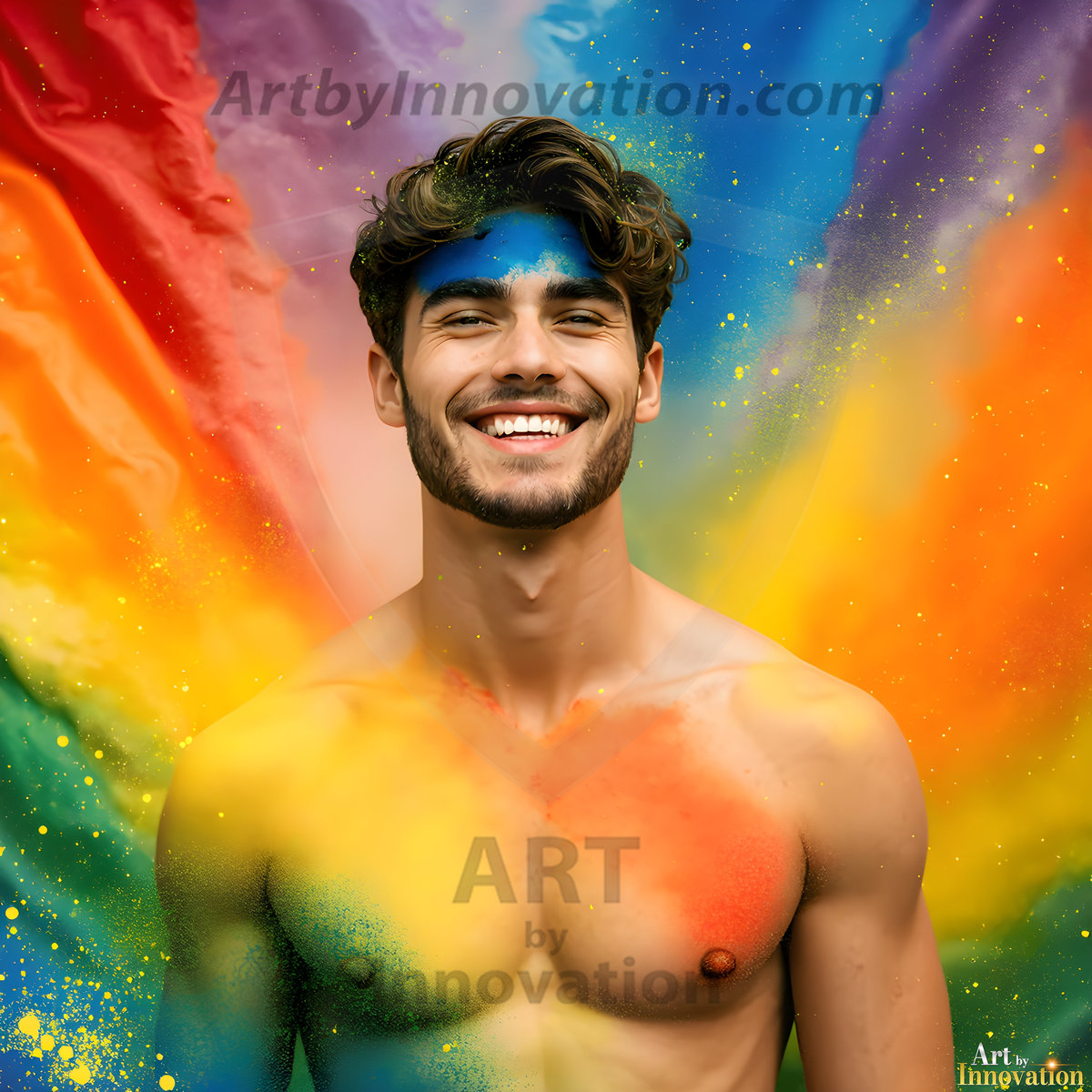
The colors of the LGBTQ+ Pride flags are designed to celebrate the diversity of human experience, visibility, and hope, with each shade representing a specific value that honors the LGBTQ+ community. Created in 1978 by artist Gilbert Baker, the rainbow flag has evolved to include more inclusive colors, showcasing how variety in identity makes individuals uniquely themselves. Meanings Behind the Colors, Red (Life): Represents the vitality and passion of LGBTQ+ people. Orange (Healing): Symbolizes the healing power within the community, often in the face of adversity. Yellow (Sunlight): Signifies the brightness and joy of being true to oneself. Green (Nature): Represents a connection to nature, the environment, and prosperity. Blue/Indigo (Serenity/Harmony): Symbolizes serenity, calm, and inner strength found in living one's truth. Violet/Purple (Spirit): Represents the spirit, strength, and resilience of the community.

The colors of the LGBTQ+ Pride flags are designed to celebrate the diversity of human experience, visibility, and hope, with each shade representing a specific value that honors the LGBTQ+ community. Created in 1978 by artist Gilbert Baker, the rainbow flag has evolved to include more inclusive colors, showcasing how variety in identity makes individuals uniquely themselves. Meanings Behind the Colors, Red (Life): Represents the vitality and passion of LGBTQ+ people. Orange (Healing): Symbolizes the healing power within the community, often in the face of adversity. Yellow (Sunlight): Signifies the brightness and joy of being true to oneself. Green (Nature): Represents a connection to nature, the environment, and prosperity. Blue/Indigo (Serenity/Harmony): Symbolizes serenity, calm, and inner strength found in living one's truth. Violet/Purple (Spirit): Represents the spirit, strength, and resilience of the community.
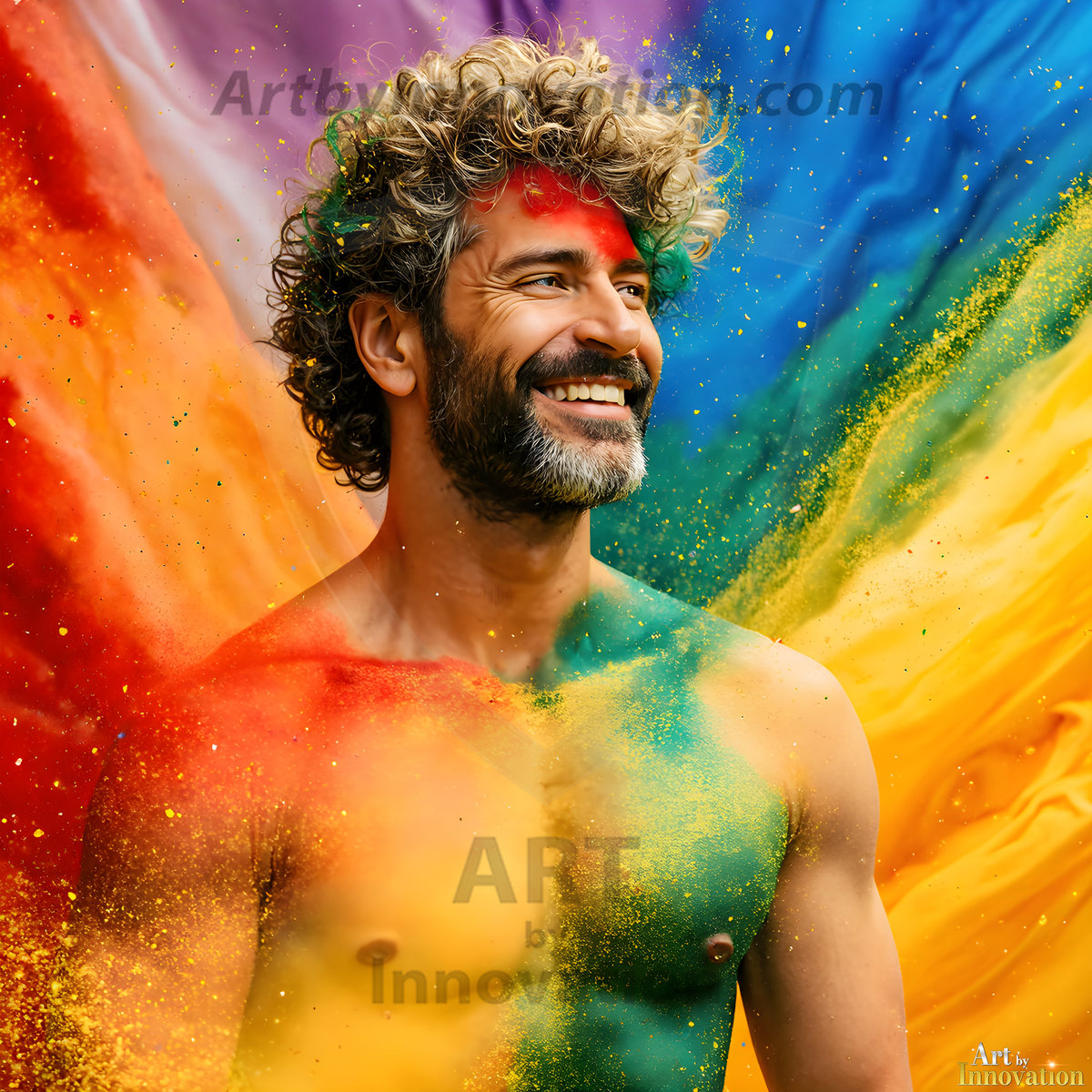
The colors of the LGBTQ+ Pride flags are designed to celebrate the diversity of human experience, visibility, and hope, with each shade representing a specific value that honors the LGBTQ+ community. Created in 1978 by artist Gilbert Baker, the rainbow flag has evolved to include more inclusive colors, showcasing how variety in identity makes individuals uniquely themselves. Meanings Behind the Colors, Red (Life): Represents the vitality and passion of LGBTQ+ people. Orange (Healing): Symbolizes the healing power within the community, often in the face of adversity. Yellow (Sunlight): Signifies the brightness and joy of being true to oneself. Green (Nature): Represents a connection to nature, the environment, and prosperity. Blue/Indigo (Serenity/Harmony): Symbolizes serenity, calm, and inner strength found in living one's truth. Violet/Purple (Spirit): Represents the spirit, strength, and resilience of the community.
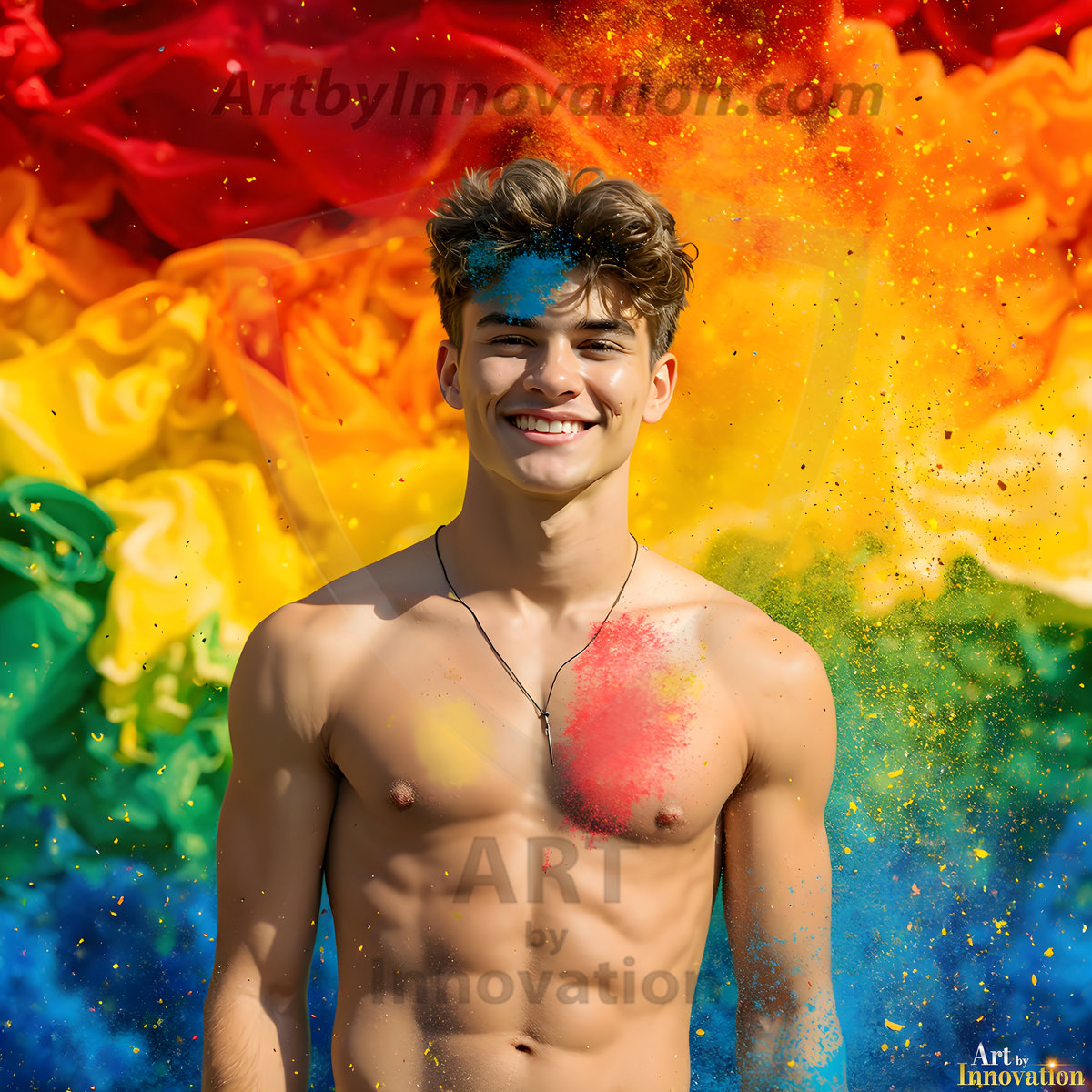
The colors of the LGBTQ+ Pride flags are designed to celebrate the diversity of human experience, visibility, and hope, with each shade representing a specific value that honors the LGBTQ+ community. Created in 1978 by artist Gilbert Baker, the rainbow flag has evolved to include more inclusive colors, showcasing how variety in identity makes individuals uniquely themselves. Meanings Behind the Colors, Red (Life): Represents the vitality and passion of LGBTQ+ people. Orange (Healing): Symbolizes the healing power within the community, often in the face of adversity. Yellow (Sunlight): Signifies the brightness and joy of being true to oneself. Green (Nature): Represents a connection to nature, the environment, and prosperity. Blue/Indigo (Serenity/Harmony): Symbolizes serenity, calm, and inner strength found in living one's truth. Violet/Purple (Spirit): Represents the spirit, strength, and resilience of the community.
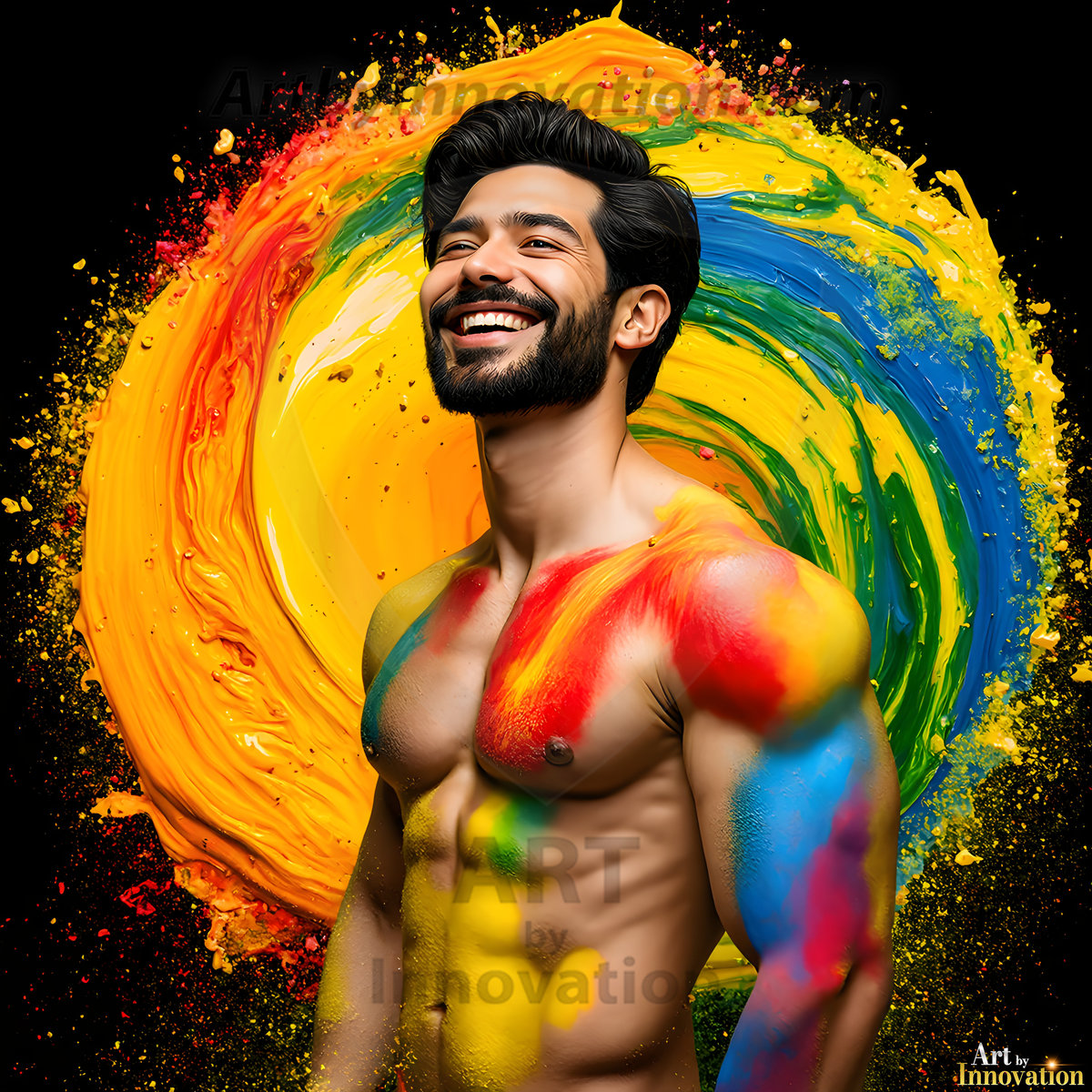
The colors of the LGBTQ+ Pride flags are designed to celebrate the diversity of human experience, visibility, and hope, with each shade representing a specific value that honors the LGBTQ+ community. Created in 1978 by artist Gilbert Baker, the rainbow flag has evolved to include more inclusive colors, showcasing how variety in identity makes individuals uniquely themselves. Meanings Behind the Colors, Red (Life): Represents the vitality and passion of LGBTQ+ people. Orange (Healing): Symbolizes the healing power within the community, often in the face of adversity. Yellow (Sunlight): Signifies the brightness and joy of being true to oneself. Green (Nature): Represents a connection to nature, the environment, and prosperity. Blue/Indigo (Serenity/Harmony): Symbolizes serenity, calm, and inner strength found in living one's truth. Violet/Purple (Spirit): Represents the spirit, strength, and resilience of the community.
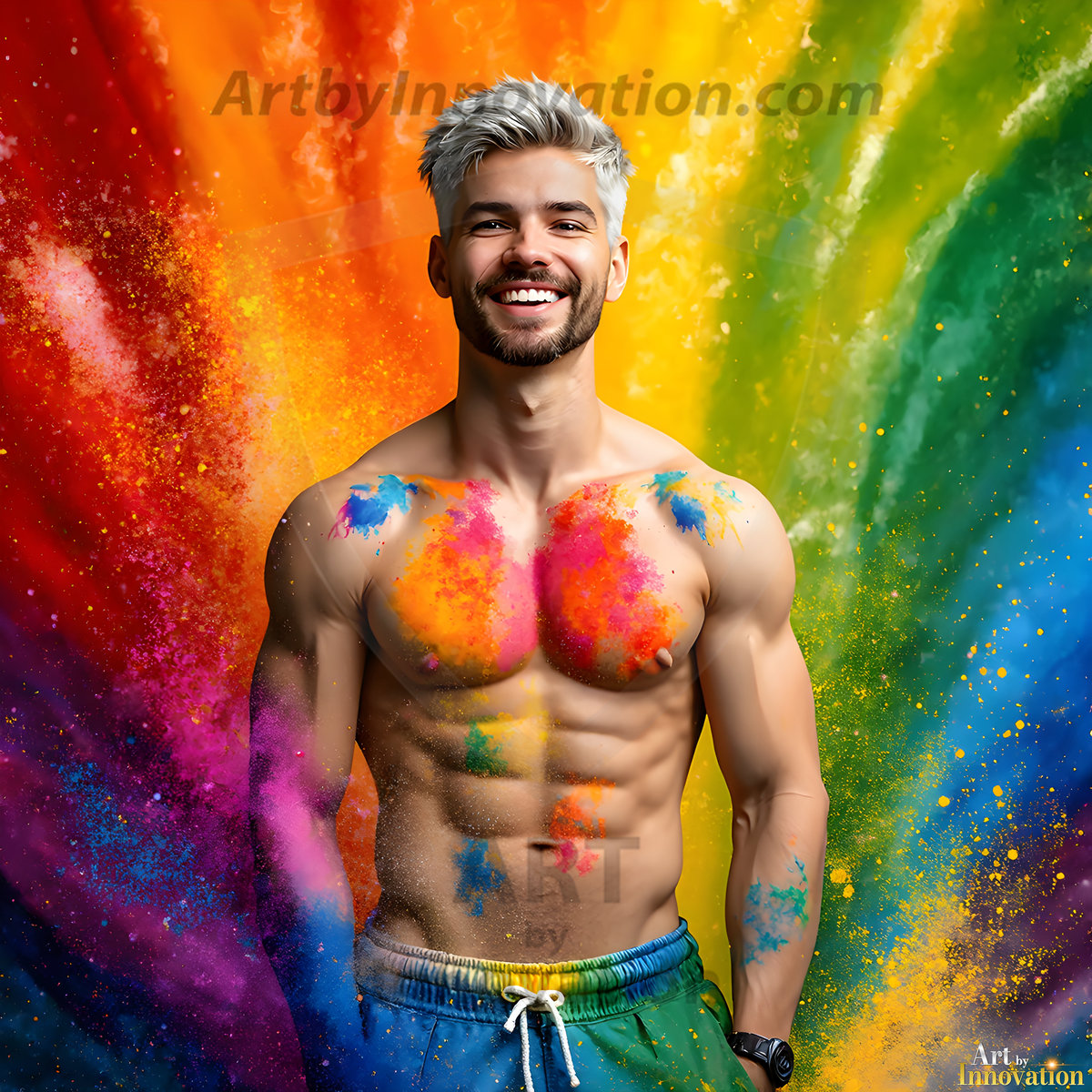
The colors of the LGBTQ+ Pride flags are designed to celebrate the diversity of human experience, visibility, and hope, with each shade representing a specific value that honors the LGBTQ+ community. Created in 1978 by artist Gilbert Baker, the rainbow flag has evolved to include more inclusive colors, showcasing how variety in identity makes individuals uniquely themselves. Meanings Behind the Colors, Red (Life): Represents the vitality and passion of LGBTQ+ people. Orange (Healing): Symbolizes the healing power within the community, often in the face of adversity. Yellow (Sunlight): Signifies the brightness and joy of being true to oneself. Green (Nature): Represents a connection to nature, the environment, and prosperity. Blue/Indigo (Serenity/Harmony): Symbolizes serenity, calm, and inner strength found in living one's truth. Violet/Purple (Spirit): Represents the spirit, strength, and resilience of the community.
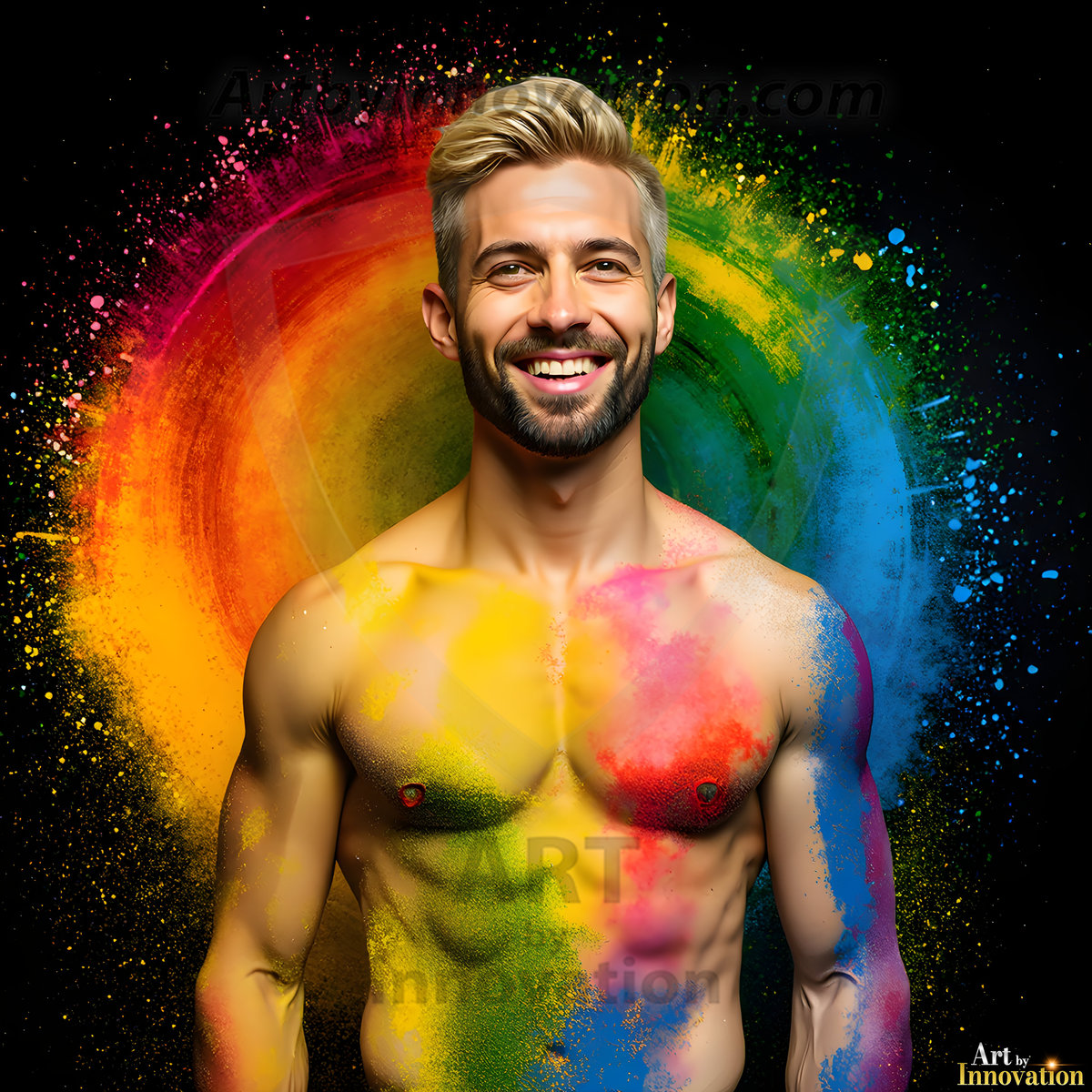
The colors of the LGBTQ+ Pride flags are designed to celebrate the diversity of human experience, visibility, and hope, with each shade representing a specific value that honors the LGBTQ+ community. Created in 1978 by artist Gilbert Baker, the rainbow flag has evolved to include more inclusive colors, showcasing how variety in identity makes individuals uniquely themselves. Meanings Behind the Colors, Red (Life): Represents the vitality and passion of LGBTQ+ people. Orange (Healing): Symbolizes the healing power within the community, often in the face of adversity. Yellow (Sunlight): Signifies the brightness and joy of being true to oneself. Green (Nature): Represents a connection to nature, the environment, and prosperity. Blue/Indigo (Serenity/Harmony): Symbolizes serenity, calm, and inner strength found in living one's truth. Violet/Purple (Spirit): Represents the spirit, strength, and resilience of the community.

The colors of the LGBTQ+ Pride flags are designed to celebrate the diversity of human experience, visibility, and hope, with each shade representing a specific value that honors the LGBTQ+ community. Created in 1978 by artist Gilbert Baker, the rainbow flag has evolved to include more inclusive colors, showcasing how variety in identity makes individuals uniquely themselves. Meanings Behind the Colors, Red (Life): Represents the vitality and passion of LGBTQ+ people. Orange (Healing): Symbolizes the healing power within the community, often in the face of adversity. Yellow (Sunlight): Signifies the brightness and joy of being true to oneself. Green (Nature): Represents a connection to nature, the environment, and prosperity. Blue/Indigo (Serenity/Harmony): Symbolizes serenity, calm, and inner strength found in living one's truth. Violet/Purple (Spirit): Represents the spirit, strength, and resilience of the community.
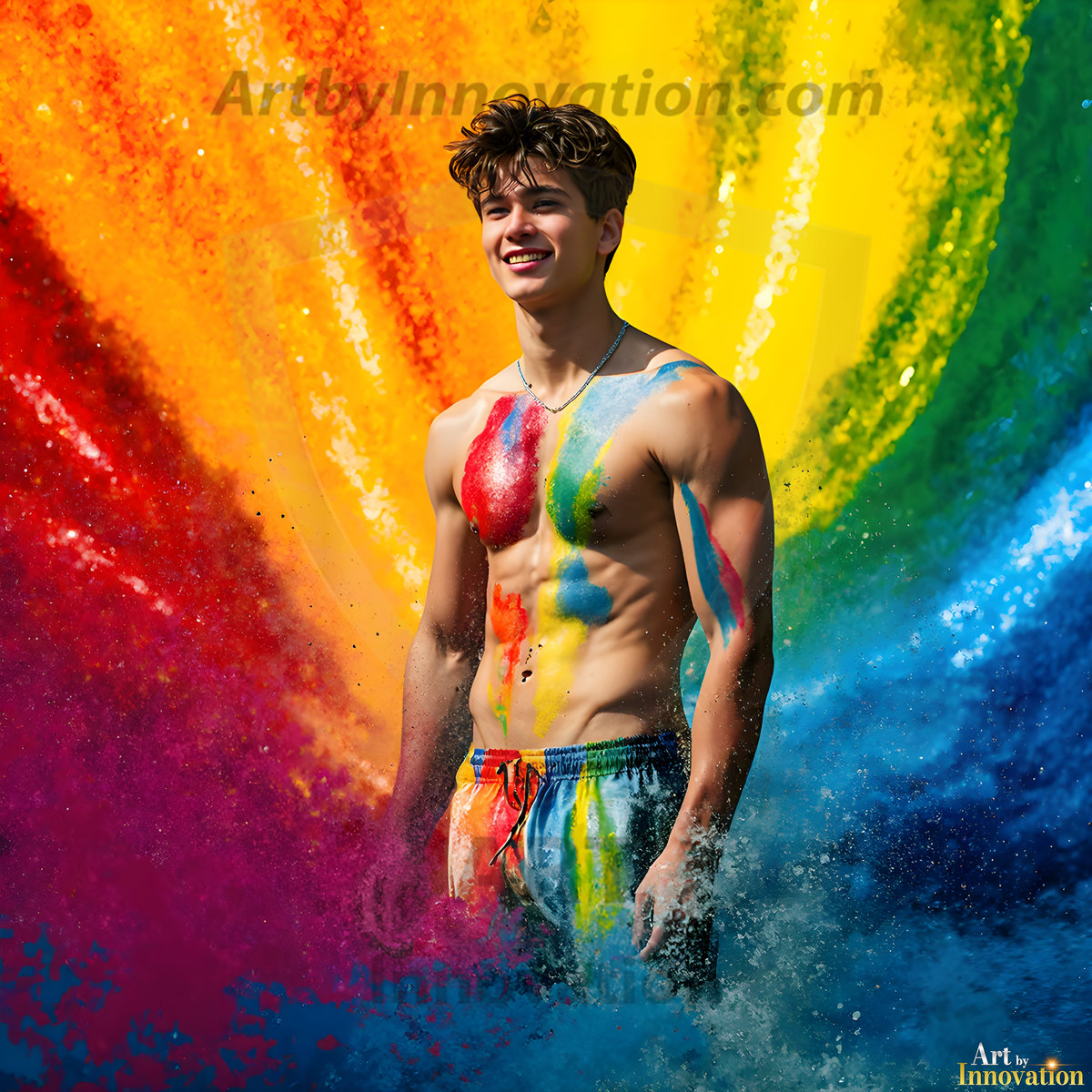
The colors of the LGBTQ+ Pride flags are designed to celebrate the diversity of human experience, visibility, and hope, with each shade representing a specific value that honors the LGBTQ+ community. Created in 1978 by artist Gilbert Baker, the rainbow flag has evolved to include more inclusive colors, showcasing how variety in identity makes individuals uniquely themselves. Meanings Behind the Colors, Red (Life): Represents the vitality and passion of LGBTQ+ people. Orange (Healing): Symbolizes the healing power within the community, often in the face of adversity. Yellow (Sunlight): Signifies the brightness and joy of being true to oneself. Green (Nature): Represents a connection to nature, the environment, and prosperity. Blue/Indigo (Serenity/Harmony): Symbolizes serenity, calm, and inner strength found in living one's truth. Violet/Purple (Spirit): Represents the spirit, strength, and resilience of the community.
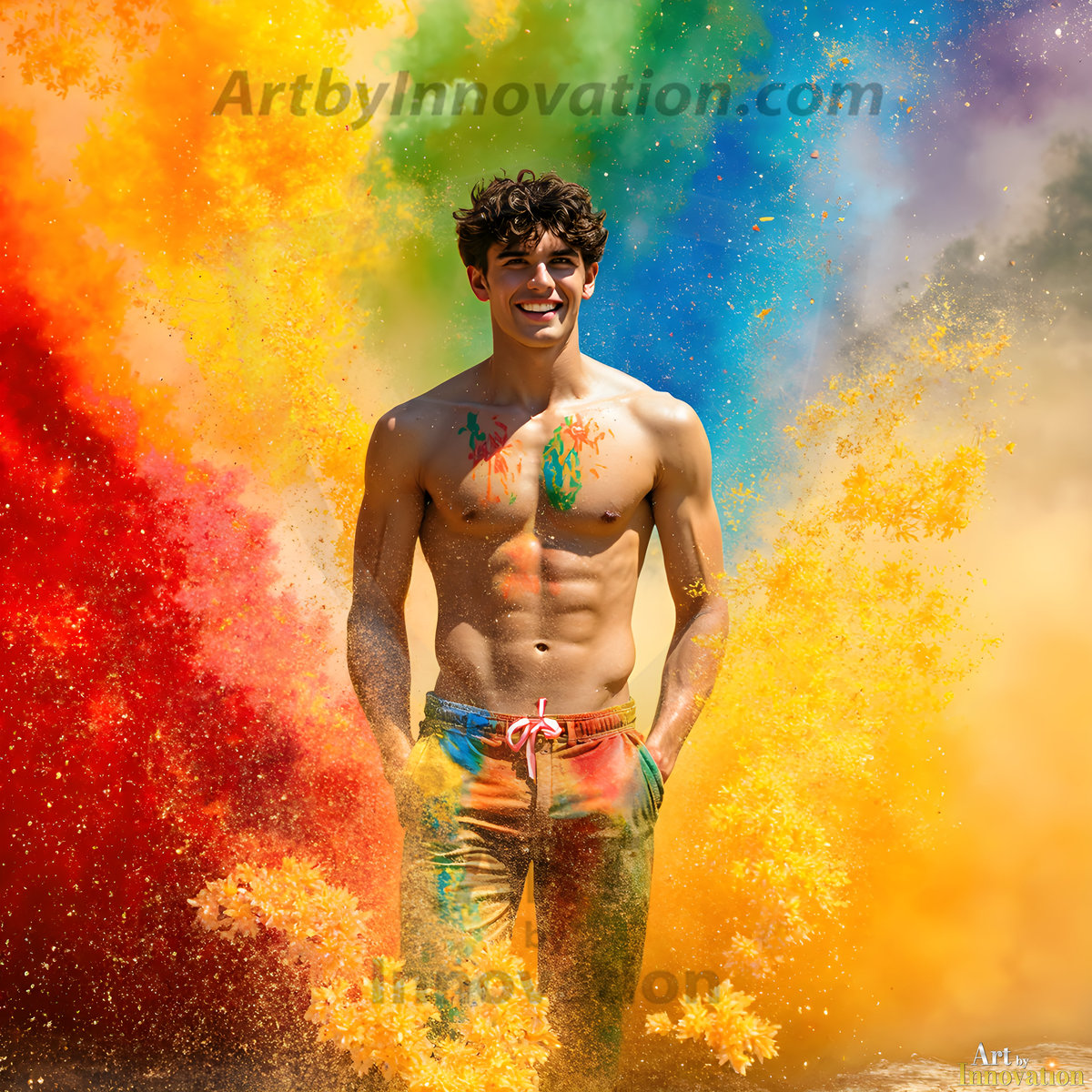
The colors of the LGBTQ+ Pride flags are designed to celebrate the diversity of human experience, visibility, and hope, with each shade representing a specific value that honors the LGBTQ+ community. Created in 1978 by artist Gilbert Baker, the rainbow flag has evolved to include more inclusive colors, showcasing how variety in identity makes individuals uniquely themselves. Meanings Behind the Colors, Red (Life): Represents the vitality and passion of LGBTQ+ people. Orange (Healing): Symbolizes the healing power within the community, often in the face of adversity. Yellow (Sunlight): Signifies the brightness and joy of being true to oneself. Green (Nature): Represents a connection to nature, the environment, and prosperity. Blue/Indigo (Serenity/Harmony): Symbolizes serenity, calm, and inner strength found in living one's truth. Violet/Purple (Spirit): Represents the spirit, strength, and resilience of the community.
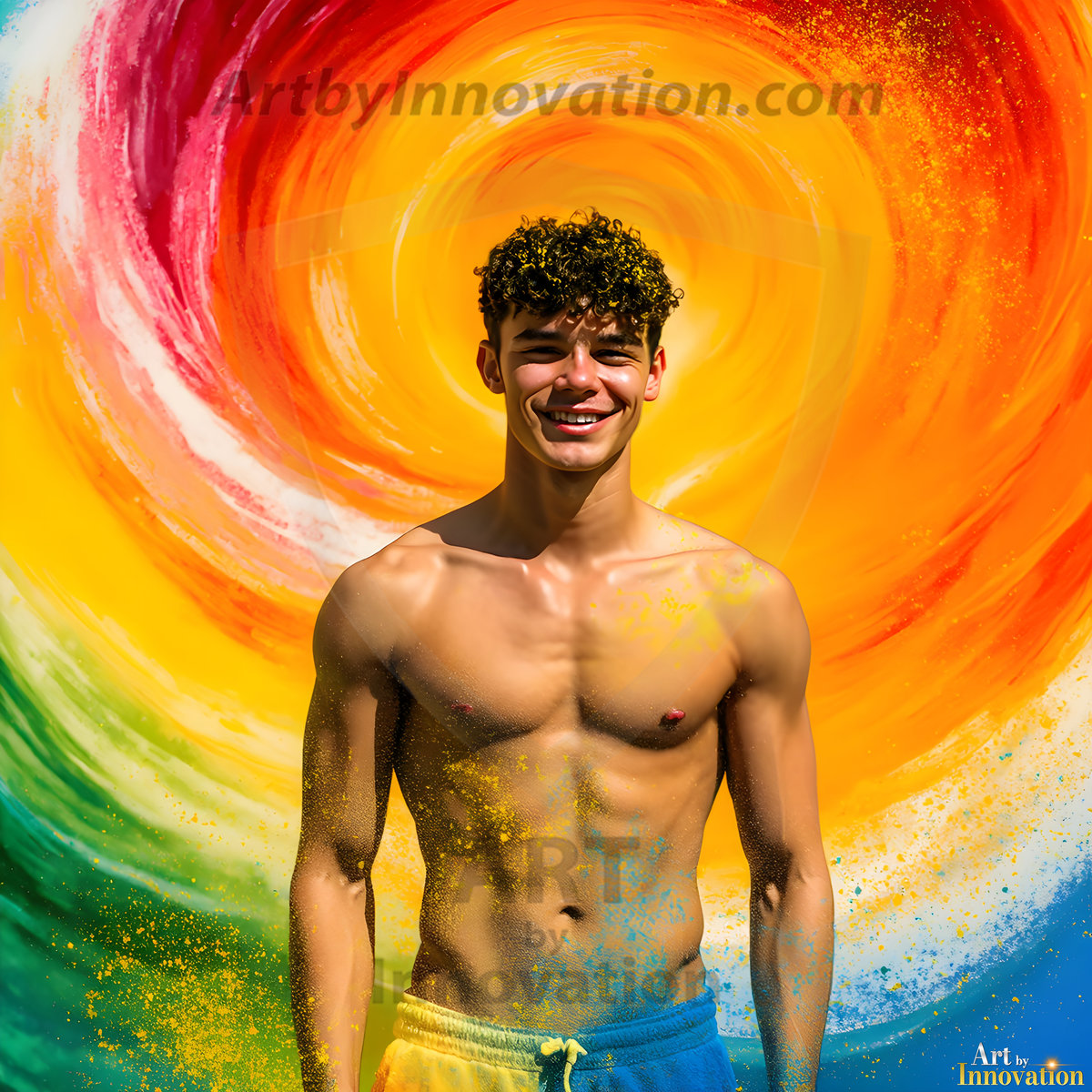
The colors of the LGBTQ+ Pride flags are designed to celebrate the diversity of human experience, visibility, and hope, with each shade representing a specific value that honors the LGBTQ+ community. Created in 1978 by artist Gilbert Baker, the rainbow flag has evolved to include more inclusive colors, showcasing how variety in identity makes individuals uniquely themselves. Meanings Behind the Colors, Red (Life): Represents the vitality and passion of LGBTQ+ people. Orange (Healing): Symbolizes the healing power within the community, often in the face of adversity. Yellow (Sunlight): Signifies the brightness and joy of being true to oneself. Green (Nature): Represents a connection to nature, the environment, and prosperity. Blue/Indigo (Serenity/Harmony): Symbolizes serenity, calm, and inner strength found in living one's truth. Violet/Purple (Spirit): Represents the spirit, strength, and resilience of the community.
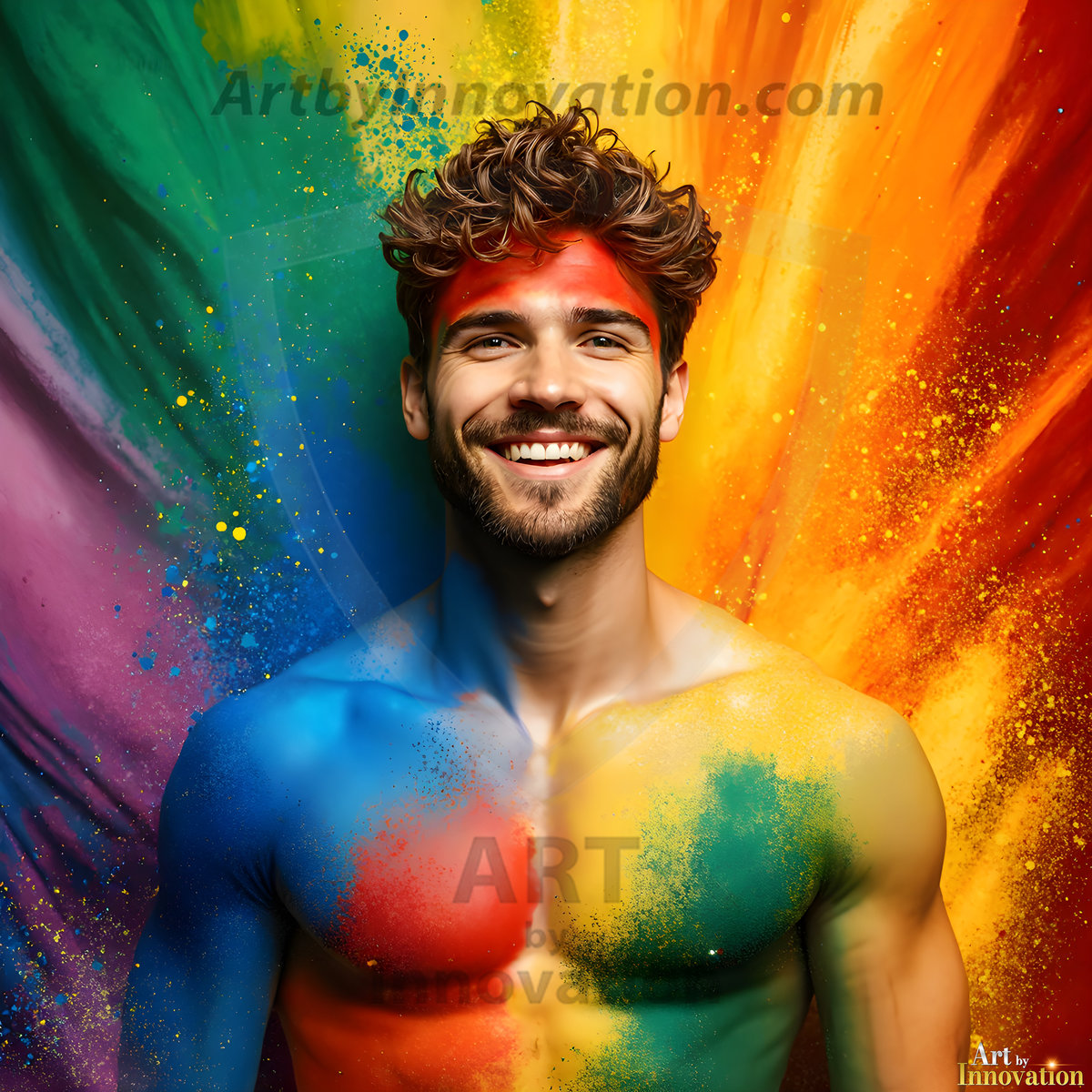
The colors of the LGBTQ+ Pride flags are designed to celebrate the diversity of human experience, visibility, and hope, with each shade representing a specific value that honors the LGBTQ+ community. Created in 1978 by artist Gilbert Baker, the rainbow flag has evolved to include more inclusive colors, showcasing how variety in identity makes individuals uniquely themselves. Meanings Behind the Colors, Red (Life): Represents the vitality and passion of LGBTQ+ people. Orange (Healing): Symbolizes the healing power within the community, often in the face of adversity. Yellow (Sunlight): Signifies the brightness and joy of being true to oneself. Green (Nature): Represents a connection to nature, the environment, and prosperity. Blue/Indigo (Serenity/Harmony): Symbolizes serenity, calm, and inner strength found in living one's truth. Violet/Purple (Spirit): Represents the spirit, strength, and resilience of the community.
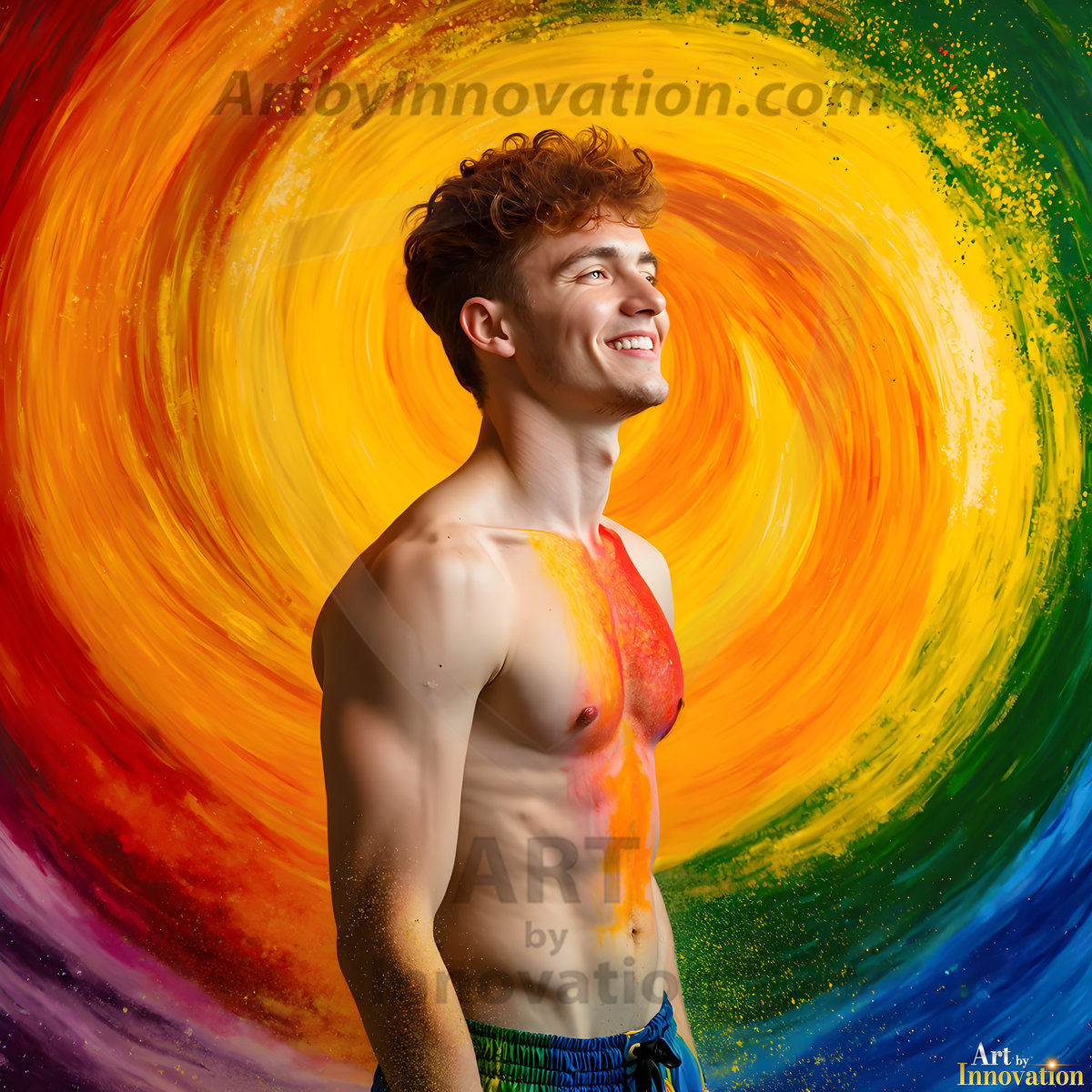
The colors of the LGBTQ+ Pride flags are designed to celebrate the diversity of human experience, visibility, and hope, with each shade representing a specific value that honors the LGBTQ+ community. Created in 1978 by artist Gilbert Baker, the rainbow flag has evolved to include more inclusive colors, showcasing how variety in identity makes individuals uniquely themselves. Meanings Behind the Colors, Red (Life): Represents the vitality and passion of LGBTQ+ people. Orange (Healing): Symbolizes the healing power within the community, often in the face of adversity. Yellow (Sunlight): Signifies the brightness and joy of being true to oneself. Green (Nature): Represents a connection to nature, the environment, and prosperity. Blue/Indigo (Serenity/Harmony): Symbolizes serenity, calm, and inner strength found in living one's truth. Violet/Purple (Spirit): Represents the spirit, strength, and resilience of the community.
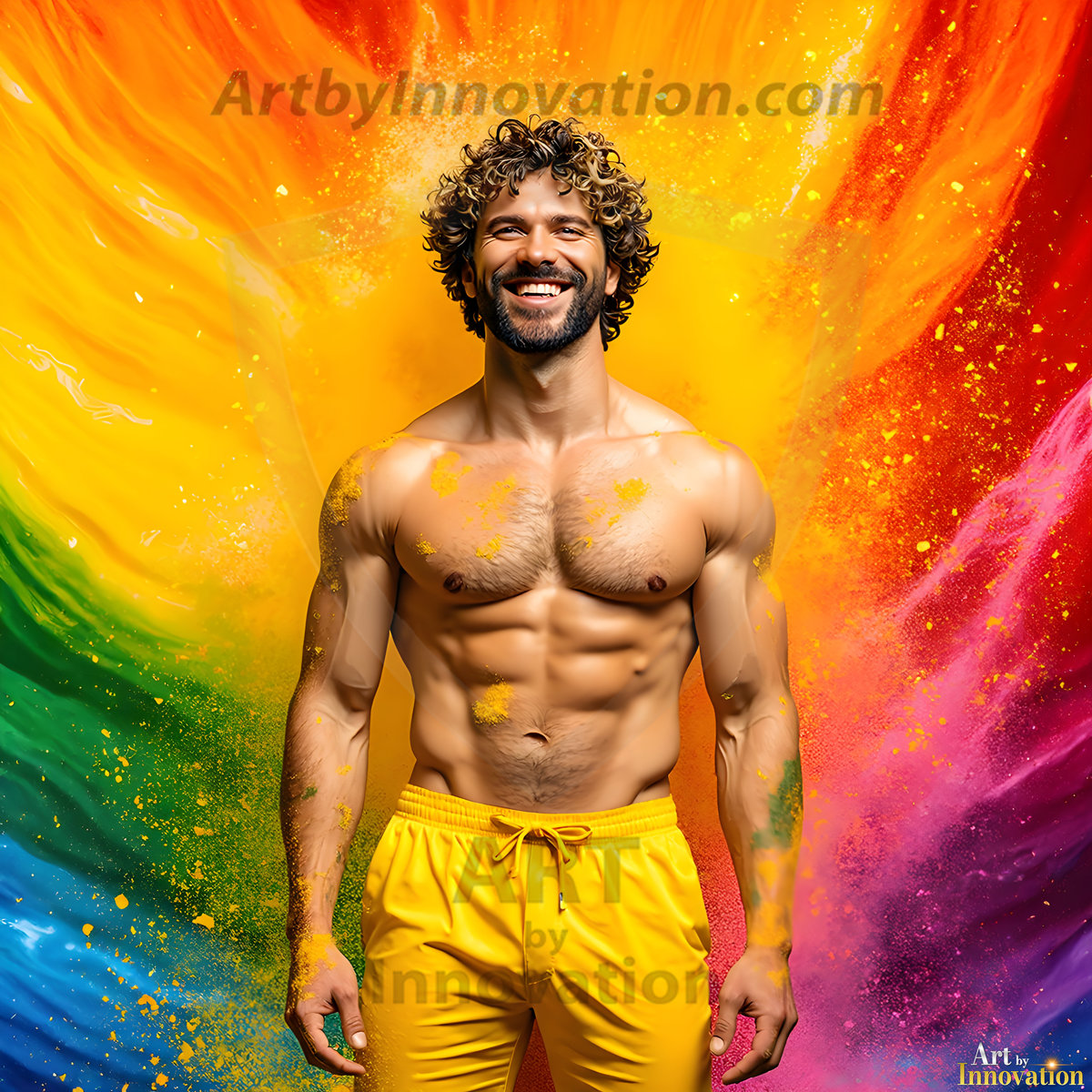
The colors of the LGBTQ+ Pride flags are designed to celebrate the diversity of human experience, visibility, and hope, with each shade representing a specific value that honors the LGBTQ+ community. Created in 1978 by artist Gilbert Baker, the rainbow flag has evolved to include more inclusive colors, showcasing how variety in identity makes individuals uniquely themselves. Meanings Behind the Colors, Red (Life): Represents the vitality and passion of LGBTQ+ people. Orange (Healing): Symbolizes the healing power within the community, often in the face of adversity. Yellow (Sunlight): Signifies the brightness and joy of being true to oneself. Green (Nature): Represents a connection to nature, the environment, and prosperity. Blue/Indigo (Serenity/Harmony): Symbolizes serenity, calm, and inner strength found in living one's truth. Violet/Purple (Spirit): Represents the spirit, strength, and resilience of the community.
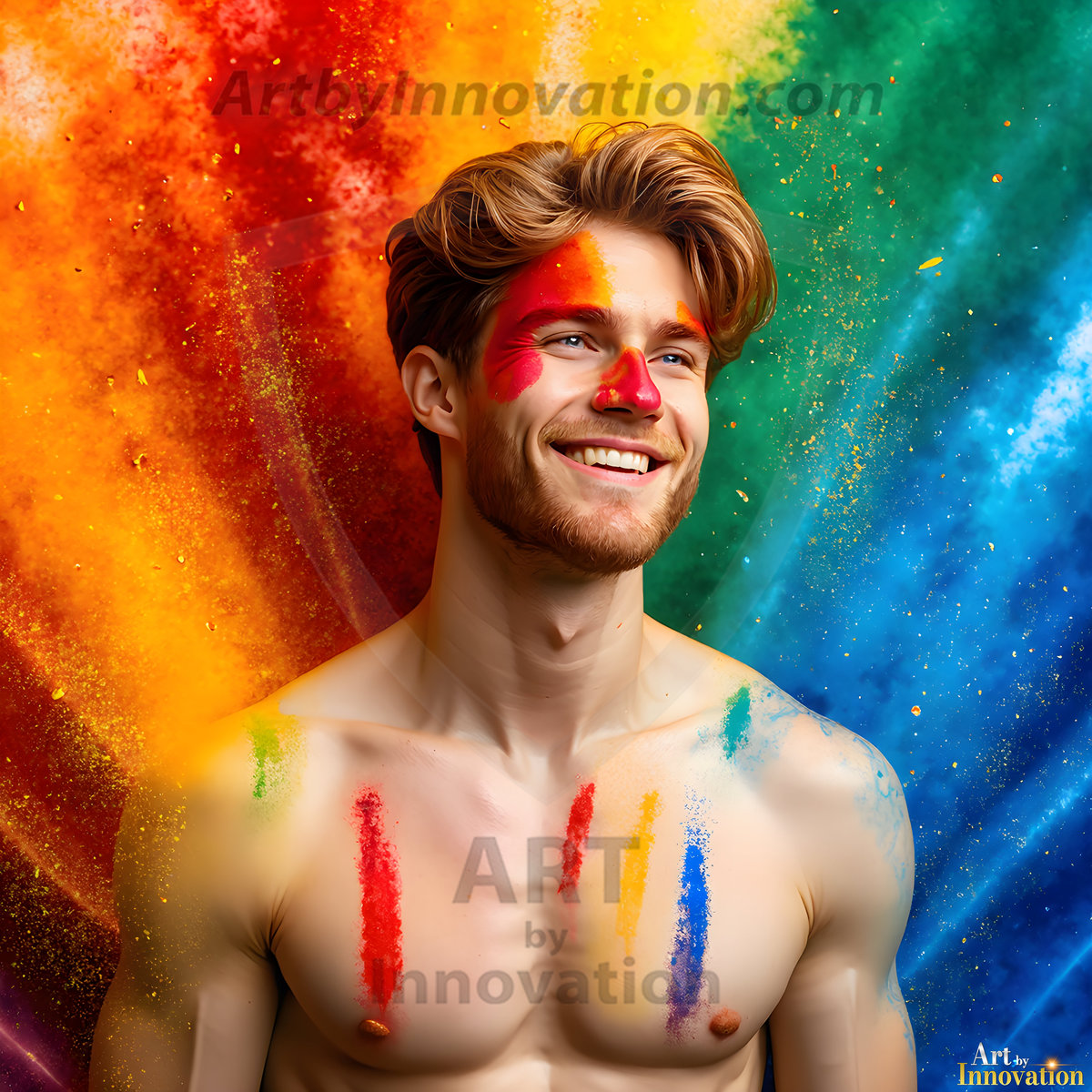
The colors of the LGBTQ+ Pride flags are designed to celebrate the diversity of human experience, visibility, and hope, with each shade representing a specific value that honors the LGBTQ+ community. Created in 1978 by artist Gilbert Baker, the rainbow flag has evolved to include more inclusive colors, showcasing how variety in identity makes individuals uniquely themselves. Meanings Behind the Colors, Red (Life): Represents the vitality and passion of LGBTQ+ people. Orange (Healing): Symbolizes the healing power within the community, often in the face of adversity. Yellow (Sunlight): Signifies the brightness and joy of being true to oneself. Green (Nature): Represents a connection to nature, the environment, and prosperity. Blue/Indigo (Serenity/Harmony): Symbolizes serenity, calm, and inner strength found in living one's truth. Violet/Purple (Spirit): Represents the spirit, strength, and resilience of the community.
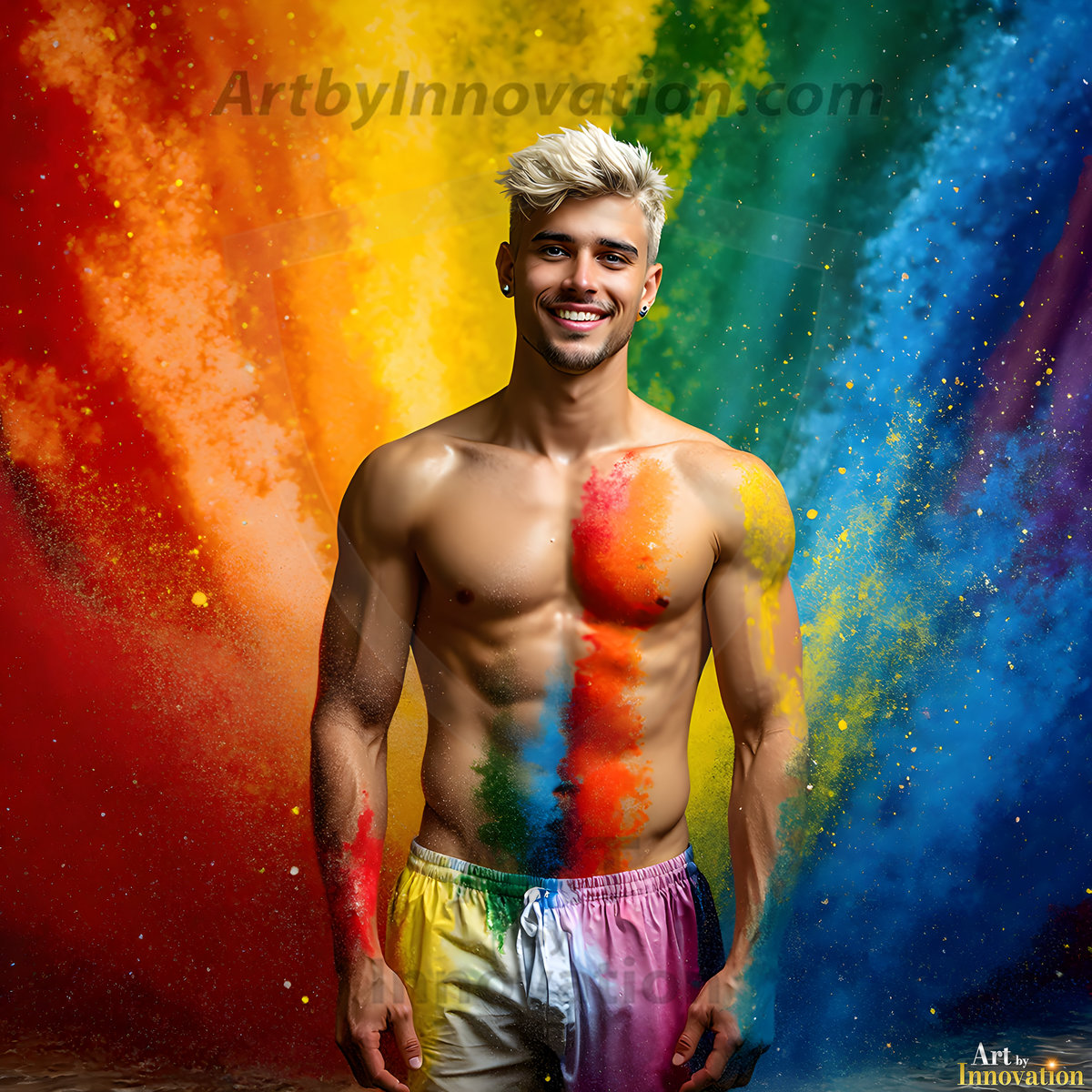
The colors of the LGBTQ+ Pride flags are designed to celebrate the diversity of human experience, visibility, and hope, with each shade representing a specific value that honors the LGBTQ+ community. Created in 1978 by artist Gilbert Baker, the rainbow flag has evolved to include more inclusive colors, showcasing how variety in identity makes individuals uniquely themselves. Meanings Behind the Colors, Red (Life): Represents the vitality and passion of LGBTQ+ people. Orange (Healing): Symbolizes the healing power within the community, often in the face of adversity. Yellow (Sunlight): Signifies the brightness and joy of being true to oneself. Green (Nature): Represents a connection to nature, the environment, and prosperity. Blue/Indigo (Serenity/Harmony): Symbolizes serenity, calm, and inner strength found in living one's truth. Violet/Purple (Spirit): Represents the spirit, strength, and resilience of the community.
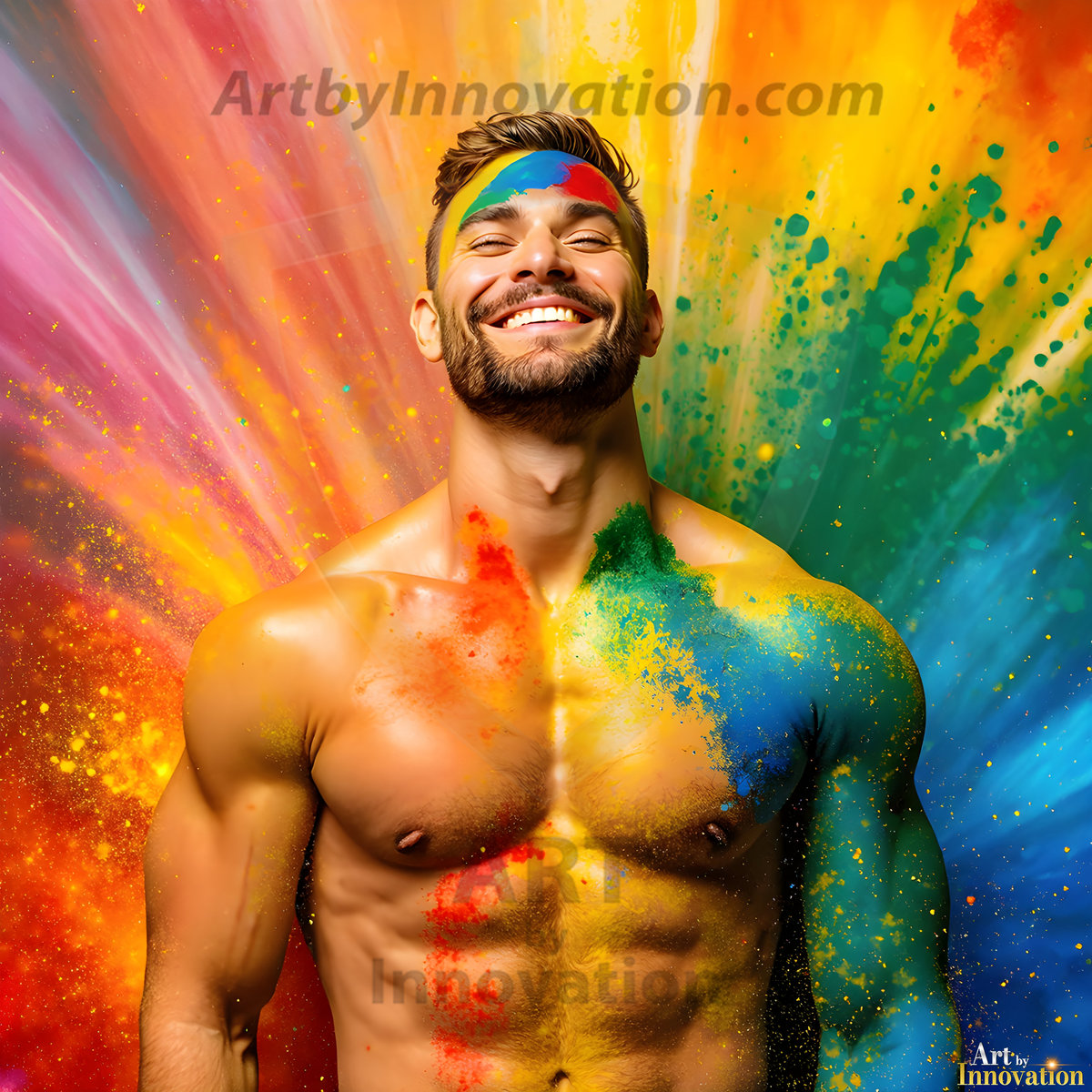
The colors of the LGBTQ+ Pride flags are designed to celebrate the diversity of human experience, visibility, and hope, with each shade representing a specific value that honors the LGBTQ+ community. Created in 1978 by artist Gilbert Baker, the rainbow flag has evolved to include more inclusive colors, showcasing how variety in identity makes individuals uniquely themselves. Meanings Behind the Colors, Red (Life): Represents the vitality and passion of LGBTQ+ people. Orange (Healing): Symbolizes the healing power within the community, often in the face of adversity. Yellow (Sunlight): Signifies the brightness and joy of being true to oneself. Green (Nature): Represents a connection to nature, the environment, and prosperity. Blue/Indigo (Serenity/Harmony): Symbolizes serenity, calm, and inner strength found in living one's truth. Violet/Purple (Spirit): Represents the spirit, strength, and resilience of the community.
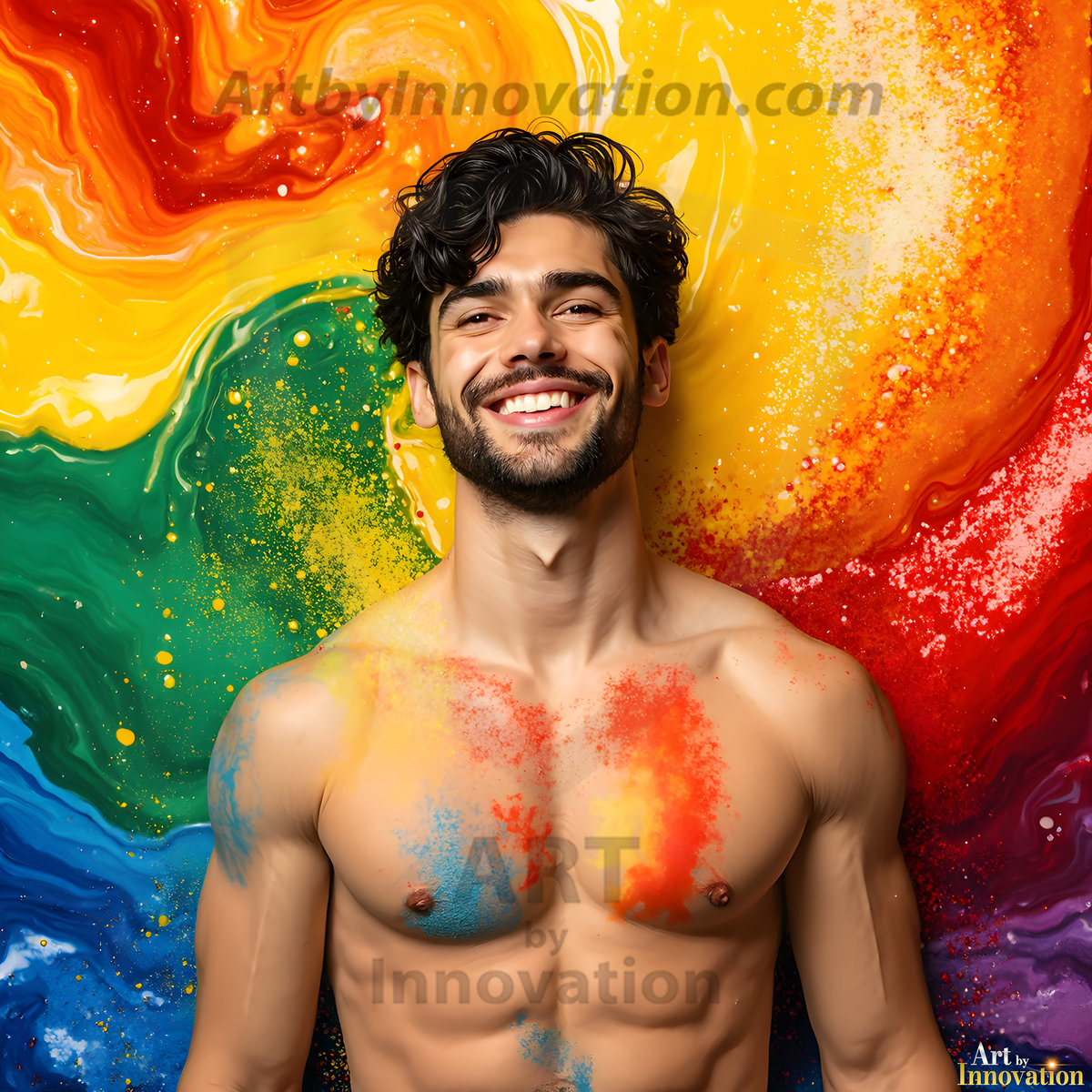
The colors of the LGBTQ+ Pride flags are designed to celebrate the diversity of human experience, visibility, and hope, with each shade representing a specific value that honors the LGBTQ+ community. Created in 1978 by artist Gilbert Baker, the rainbow flag has evolved to include more inclusive colors, showcasing how variety in identity makes individuals uniquely themselves. Meanings Behind the Colors, Red (Life): Represents the vitality and passion of LGBTQ+ people. Orange (Healing): Symbolizes the healing power within the community, often in the face of adversity. Yellow (Sunlight): Signifies the brightness and joy of being true to oneself. Green (Nature): Represents a connection to nature, the environment, and prosperity. Blue/Indigo (Serenity/Harmony): Symbolizes serenity, calm, and inner strength found in living one's truth. Violet/Purple (Spirit): Represents the spirit, strength, and resilience of the community.
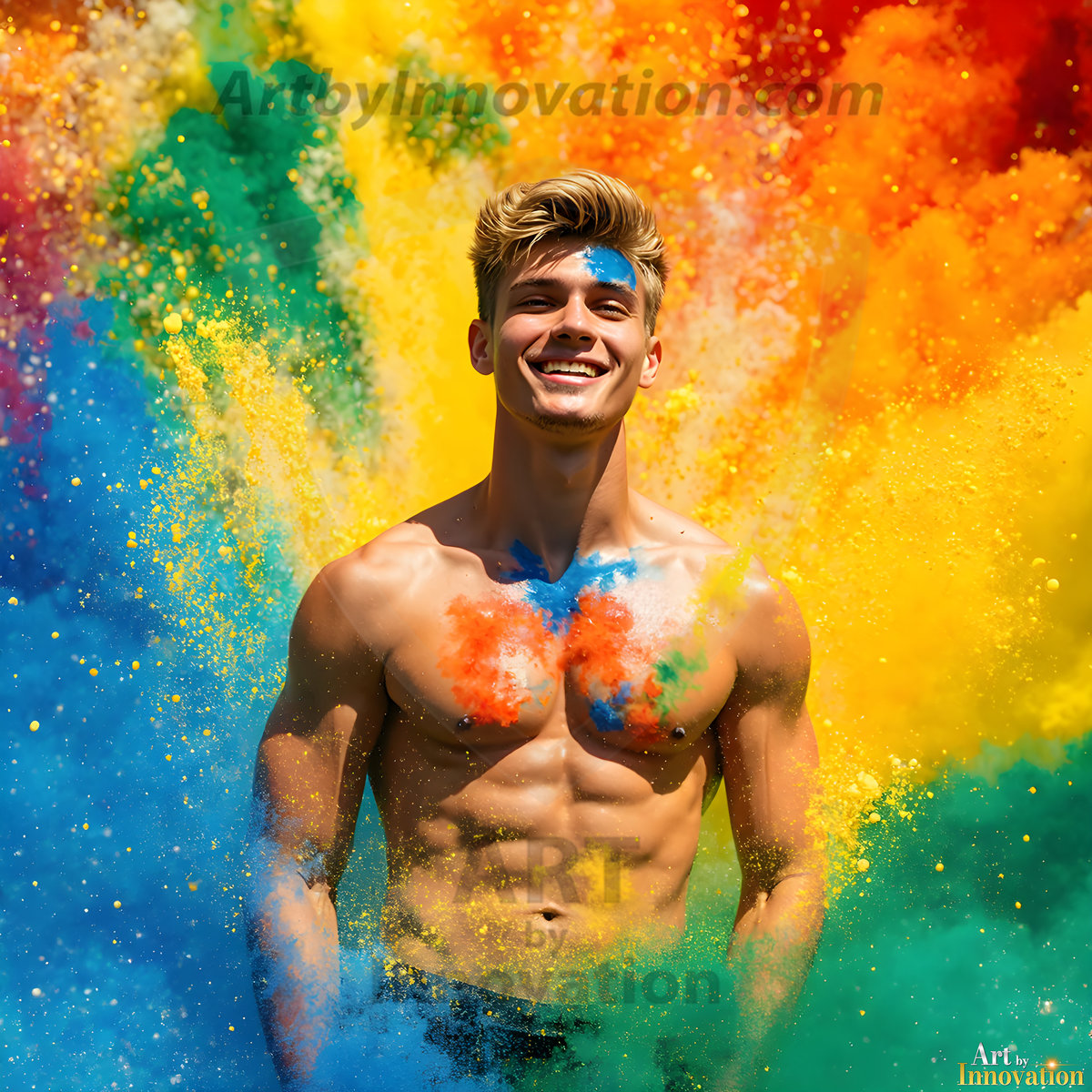
The colors of the LGBTQ+ Pride flags are designed to celebrate the diversity of human experience, visibility, and hope, with each shade representing a specific value that honors the LGBTQ+ community. Created in 1978 by artist Gilbert Baker, the rainbow flag has evolved to include more inclusive colors, showcasing how variety in identity makes individuals uniquely themselves. Meanings Behind the Colors, Red (Life): Represents the vitality and passion of LGBTQ+ people. Orange (Healing): Symbolizes the healing power within the community, often in the face of adversity. Yellow (Sunlight): Signifies the brightness and joy of being true to oneself. Green (Nature): Represents a connection to nature, the environment, and prosperity. Blue/Indigo (Serenity/Harmony): Symbolizes serenity, calm, and inner strength found in living one's truth. Violet/Purple (Spirit): Represents the spirit, strength, and resilience of the community.
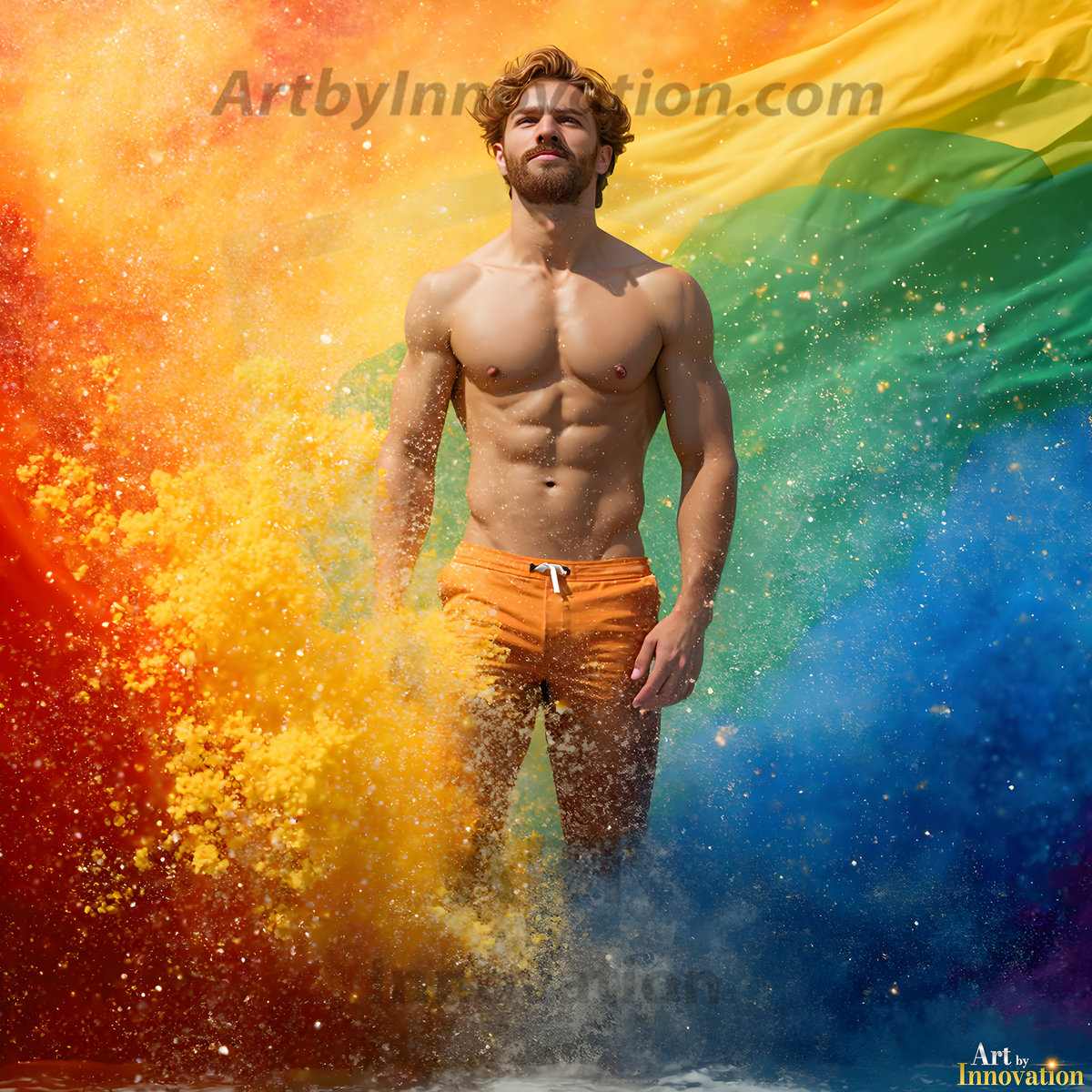
The colors of the LGBTQ+ Pride flags are designed to celebrate the diversity of human experience, visibility, and hope, with each shade representing a specific value that honors the LGBTQ+ community. Created in 1978 by artist Gilbert Baker, the rainbow flag has evolved to include more inclusive colors, showcasing how variety in identity makes individuals uniquely themselves. Meanings Behind the Colors, Red (Life): Represents the vitality and passion of LGBTQ+ people. Orange (Healing): Symbolizes the healing power within the community, often in the face of adversity. Yellow (Sunlight): Signifies the brightness and joy of being true to oneself. Green (Nature): Represents a connection to nature, the environment, and prosperity. Blue/Indigo (Serenity/Harmony): Symbolizes serenity, calm, and inner strength found in living one's truth. Violet/Purple (Spirit): Represents the spirit, strength, and resilience of the community.

The colors of the LGBTQ+ Pride flags are designed to celebrate the diversity of human experience, visibility, and hope, with each shade representing a specific value that honors the LGBTQ+ community. Created in 1978 by artist Gilbert Baker, the rainbow flag has evolved to include more inclusive colors, showcasing how variety in identity makes individuals uniquely themselves. Meanings Behind the Colors, Red (Life): Represents the vitality and passion of LGBTQ+ people. Orange (Healing): Symbolizes the healing power within the community, often in the face of adversity. Yellow (Sunlight): Signifies the brightness and joy of being true to oneself. Green (Nature): Represents a connection to nature, the environment, and prosperity. Blue/Indigo (Serenity/Harmony): Symbolizes serenity, calm, and inner strength found in living one's truth. Violet/Purple (Spirit): Represents the spirit, strength, and resilience of the community.
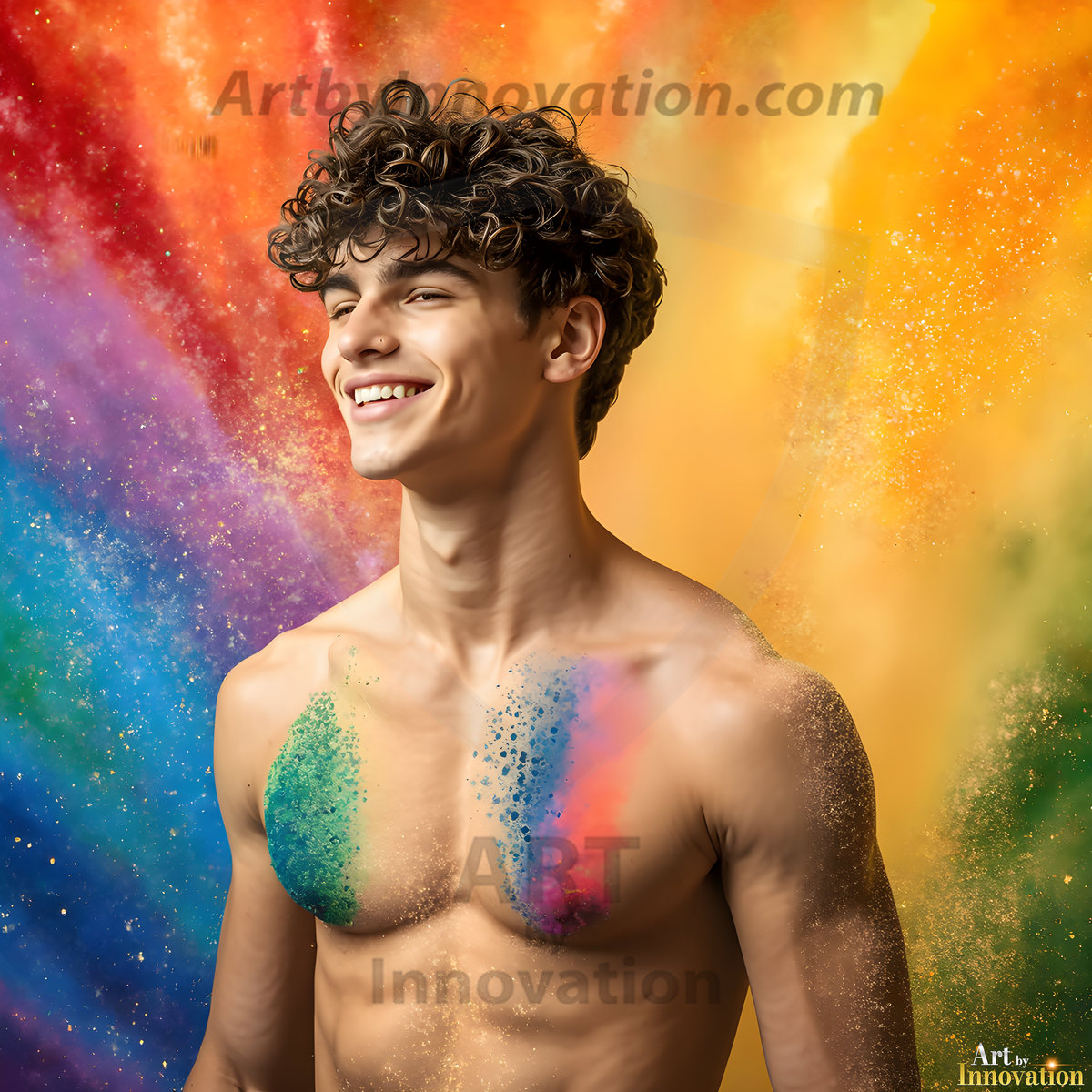
The colors of the LGBTQ+ Pride flags are designed to celebrate the diversity of human experience, visibility, and hope, with each shade representing a specific value that honors the LGBTQ+ community. Created in 1978 by artist Gilbert Baker, the rainbow flag has evolved to include more inclusive colors, showcasing how variety in identity makes individuals uniquely themselves. Meanings Behind the Colors, Red (Life): Represents the vitality and passion of LGBTQ+ people. Orange (Healing): Symbolizes the healing power within the community, often in the face of adversity. Yellow (Sunlight): Signifies the brightness and joy of being true to oneself. Green (Nature): Represents a connection to nature, the environment, and prosperity. Blue/Indigo (Serenity/Harmony): Symbolizes serenity, calm, and inner strength found in living one's truth. Violet/Purple (Spirit): Represents the spirit, strength, and resilience of the community.
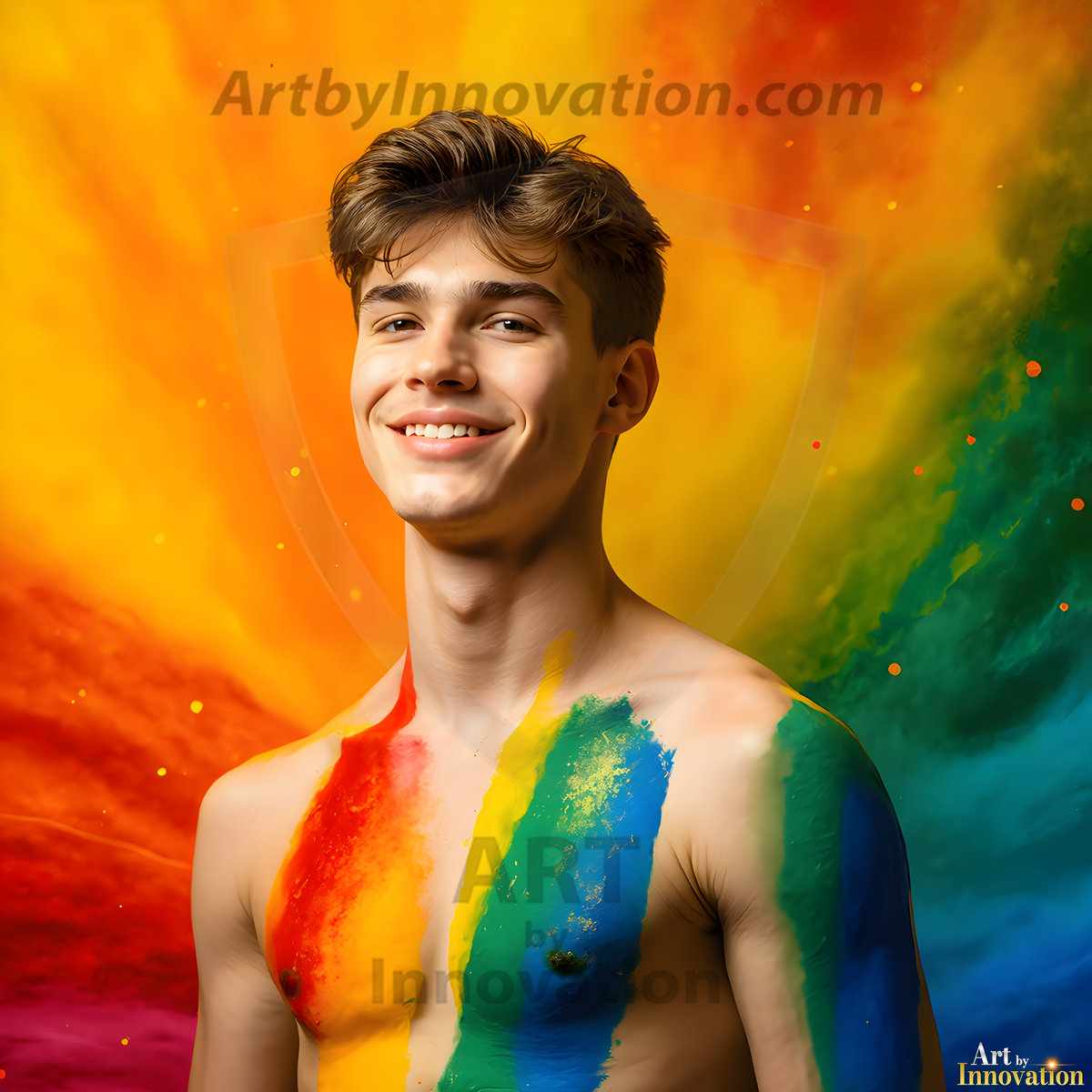
The colors of the LGBTQ+ Pride flags are designed to celebrate the diversity of human experience, visibility, and hope, with each shade representing a specific value that honors the LGBTQ+ community. Created in 1978 by artist Gilbert Baker, the rainbow flag has evolved to include more inclusive colors, showcasing how variety in identity makes individuals uniquely themselves. Meanings Behind the Colors, Red (Life): Represents the vitality and passion of LGBTQ+ people. Orange (Healing): Symbolizes the healing power within the community, often in the face of adversity. Yellow (Sunlight): Signifies the brightness and joy of being true to oneself. Green (Nature): Represents a connection to nature, the environment, and prosperity. Blue/Indigo (Serenity/Harmony): Symbolizes serenity, calm, and inner strength found in living one's truth. Violet/Purple (Spirit): Represents the spirit, strength, and resilience of the community.
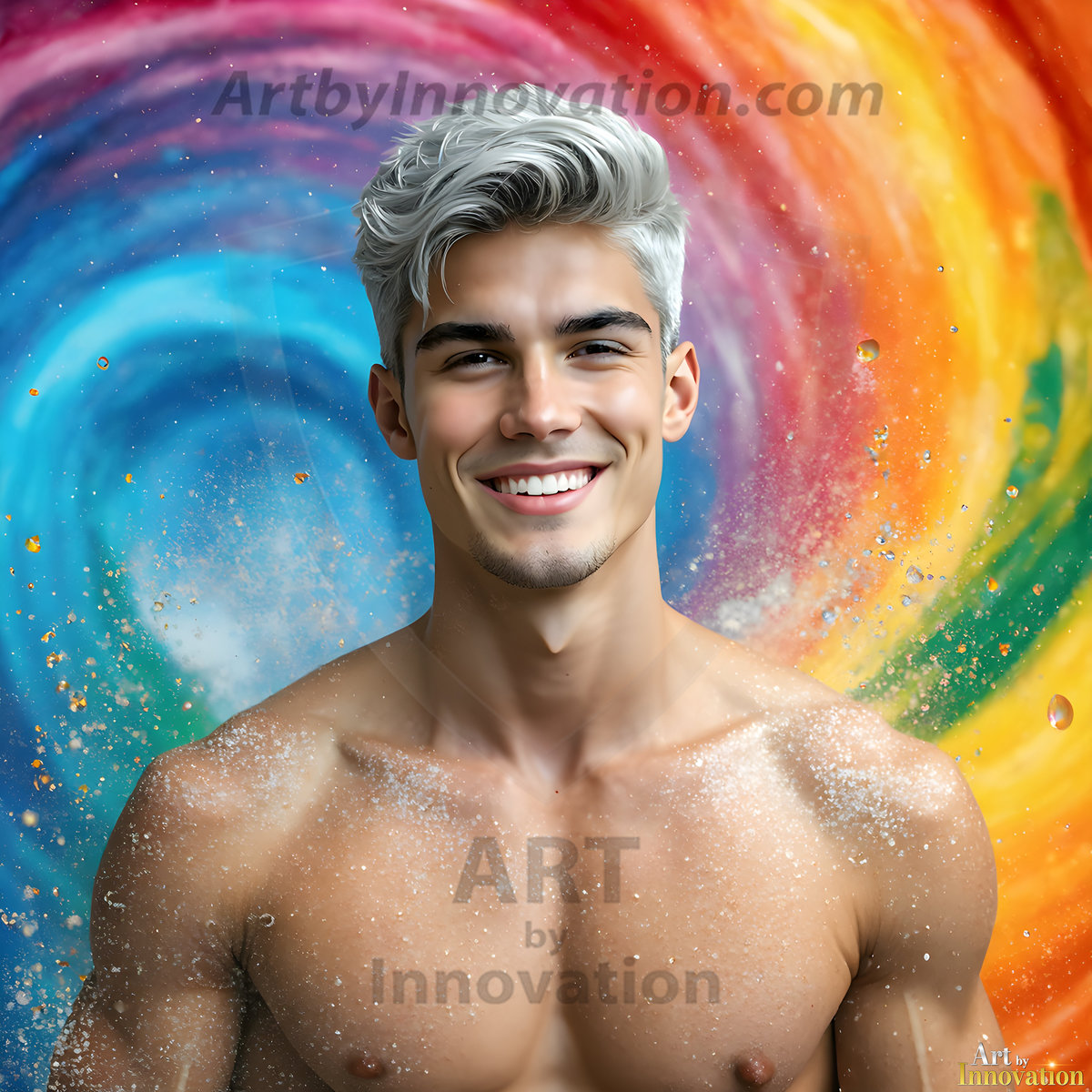
The colors of the LGBTQ+ Pride flags are designed to celebrate the diversity of human experience, visibility, and hope, with each shade representing a specific value that honors the LGBTQ+ community. Created in 1978 by artist Gilbert Baker, the rainbow flag has evolved to include more inclusive colors, showcasing how variety in identity makes individuals uniquely themselves. Meanings Behind the Colors, Red (Life): Represents the vitality and passion of LGBTQ+ people. Orange (Healing): Symbolizes the healing power within the community, often in the face of adversity. Yellow (Sunlight): Signifies the brightness and joy of being true to oneself. Green (Nature): Represents a connection to nature, the environment, and prosperity. Blue/Indigo (Serenity/Harmony): Symbolizes serenity, calm, and inner strength found in living one's truth. Violet/Purple (Spirit): Represents the spirit, strength, and resilience of the community.
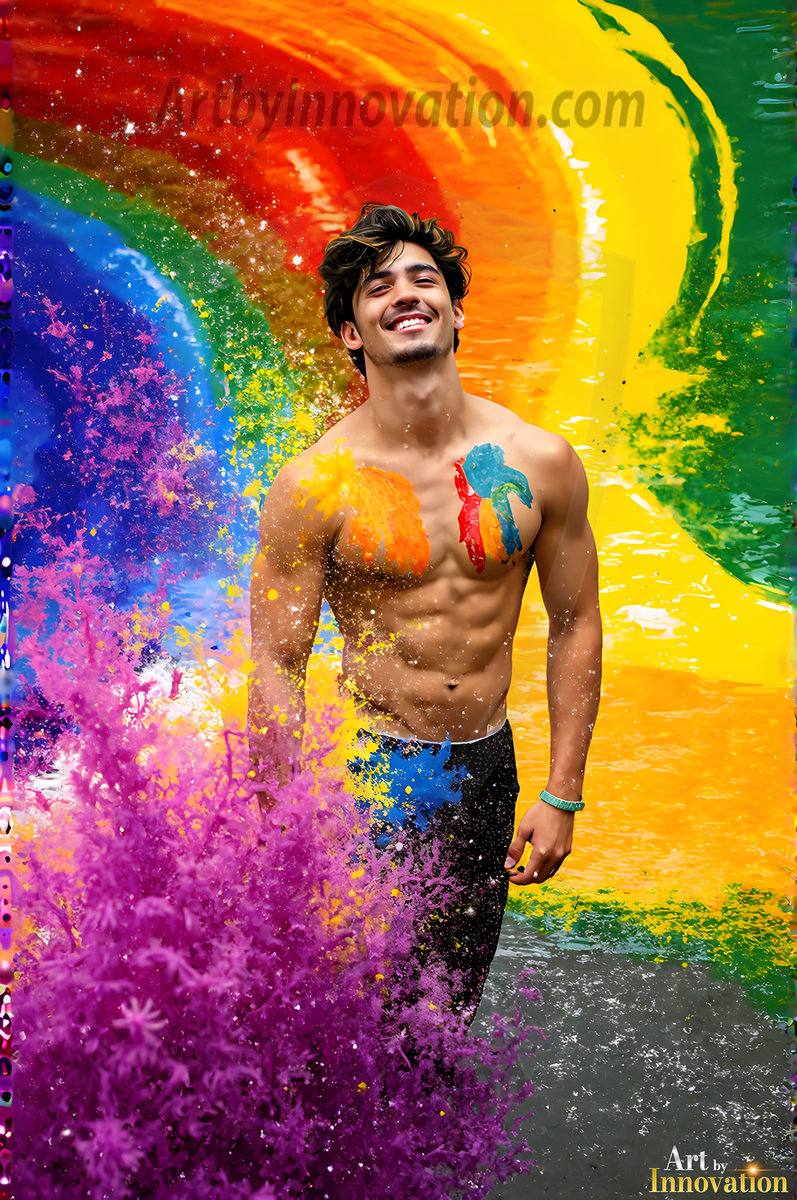
The colors of the LGBTQ+ Pride flags are designed to celebrate the diversity of human experience, visibility, and hope, with each shade representing a specific value that honors the LGBTQ+ community. Created in 1978 by artist Gilbert Baker, the rainbow flag has evolved to include more inclusive colors, showcasing how variety in identity makes individuals uniquely themselves. Meanings Behind the Colors, Red (Life): Represents the vitality and passion of LGBTQ+ people. Orange (Healing): Symbolizes the healing power within the community, often in the face of adversity. Yellow (Sunlight): Signifies the brightness and joy of being true to oneself. Green (Nature): Represents a connection to nature, the environment, and prosperity. Blue/Indigo (Serenity/Harmony): Symbolizes serenity, calm, and inner strength found in living one's truth. Violet/Purple (Spirit): Represents the spirit, strength, and resilience of the community.
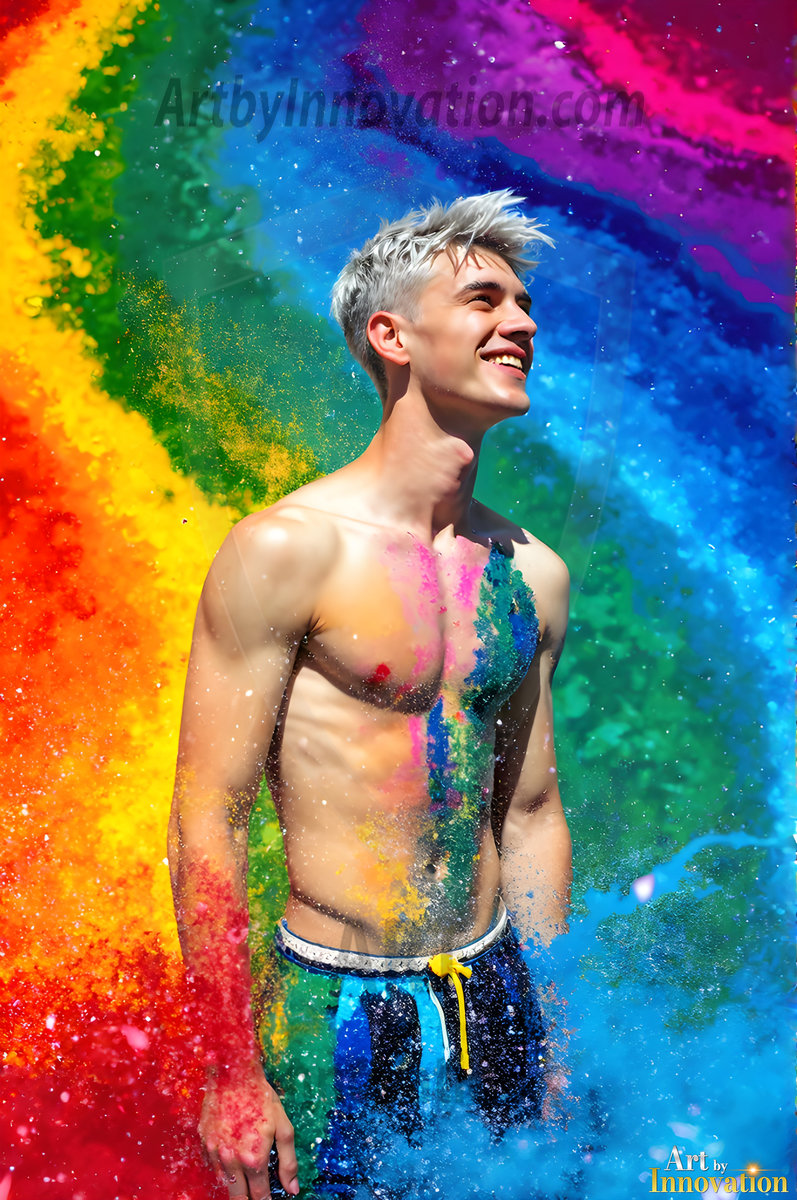
The colors of the LGBTQ+ Pride flags are designed to celebrate the diversity of human experience, visibility, and hope, with each shade representing a specific value that honors the LGBTQ+ community. Created in 1978 by artist Gilbert Baker, the rainbow flag has evolved to include more inclusive colors, showcasing how variety in identity makes individuals uniquely themselves. Meanings Behind the Colors, Red (Life): Represents the vitality and passion of LGBTQ+ people. Orange (Healing): Symbolizes the healing power within the community, often in the face of adversity. Yellow (Sunlight): Signifies the brightness and joy of being true to oneself. Green (Nature): Represents a connection to nature, the environment, and prosperity. Blue/Indigo (Serenity/Harmony): Symbolizes serenity, calm, and inner strength found in living one's truth. Violet/Purple (Spirit): Represents the spirit, strength, and resilience of the community.
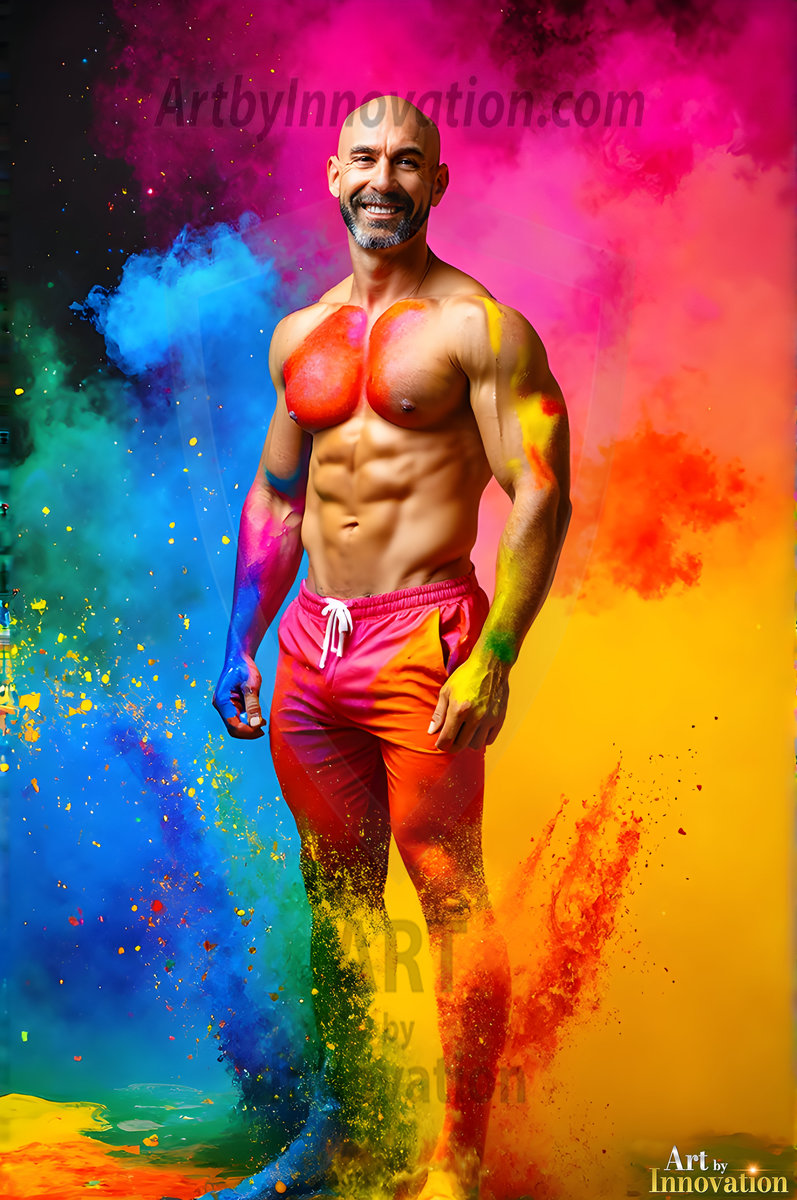
The colors of the LGBTQ+ Pride flags are designed to celebrate the diversity of human experience, visibility, and hope, with each shade representing a specific value that honors the LGBTQ+ community. Created in 1978 by artist Gilbert Baker, the rainbow flag has evolved to include more inclusive colors, showcasing how variety in identity makes individuals uniquely themselves. Meanings Behind the Colors, Red (Life): Represents the vitality and passion of LGBTQ+ people. Orange (Healing): Symbolizes the healing power within the community, often in the face of adversity. Yellow (Sunlight): Signifies the brightness and joy of being true to oneself. Green (Nature): Represents a connection to nature, the environment, and prosperity. Blue/Indigo (Serenity/Harmony): Symbolizes serenity, calm, and inner strength found in living one's truth. Violet/Purple (Spirit): Represents the spirit, strength, and resilience of the community.

The colors of the LGBTQ+ Pride flags are designed to celebrate the diversity of human experience, visibility, and hope, with each shade representing a specific value that honors the LGBTQ+ community. Created in 1978 by artist Gilbert Baker, the rainbow flag has evolved to include more inclusive colors, showcasing how variety in identity makes individuals uniquely themselves. Meanings Behind the Colors, Red (Life): Represents the vitality and passion of LGBTQ+ people. Orange (Healing): Symbolizes the healing power within the community, often in the face of adversity. Yellow (Sunlight): Signifies the brightness and joy of being true to oneself. Green (Nature): Represents a connection to nature, the environment, and prosperity. Blue/Indigo (Serenity/Harmony): Symbolizes serenity, calm, and inner strength found in living one's truth. Violet/Purple (Spirit): Represents the spirit, strength, and resilience of the community.
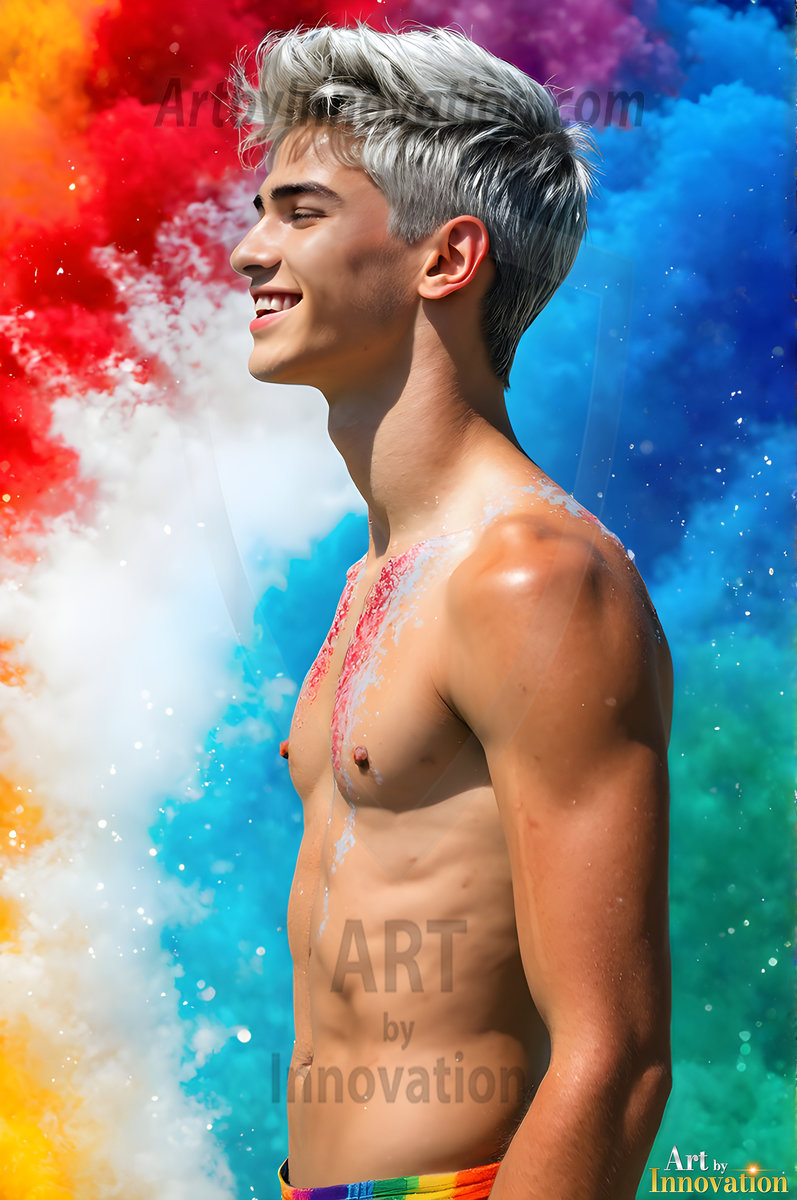
The colors of the LGBTQ+ Pride flags are designed to celebrate the diversity of human experience, visibility, and hope, with each shade representing a specific value that honors the LGBTQ+ community. Created in 1978 by artist Gilbert Baker, the rainbow flag has evolved to include more inclusive colors, showcasing how variety in identity makes individuals uniquely themselves. Meanings Behind the Colors, Red (Life): Represents the vitality and passion of LGBTQ+ people. Orange (Healing): Symbolizes the healing power within the community, often in the face of adversity. Yellow (Sunlight): Signifies the brightness and joy of being true to oneself. Green (Nature): Represents a connection to nature, the environment, and prosperity. Blue/Indigo (Serenity/Harmony): Symbolizes serenity, calm, and inner strength found in living one's truth. Violet/Purple (Spirit): Represents the spirit, strength, and resilience of the community.

The colors of the LGBTQ+ Pride flags are designed to celebrate the diversity of human experience, visibility, and hope, with each shade representing a specific value that honors the LGBTQ+ community. Created in 1978 by artist Gilbert Baker, the rainbow flag has evolved to include more inclusive colors, showcasing how variety in identity makes individuals uniquely themselves. Meanings Behind the Colors, Red (Life): Represents the vitality and passion of LGBTQ+ people. Orange (Healing): Symbolizes the healing power within the community, often in the face of adversity. Yellow (Sunlight): Signifies the brightness and joy of being true to oneself. Green (Nature): Represents a connection to nature, the environment, and prosperity. Blue/Indigo (Serenity/Harmony): Symbolizes serenity, calm, and inner strength found in living one's truth. Violet/Purple (Spirit): Represents the spirit, strength, and resilience of the community.
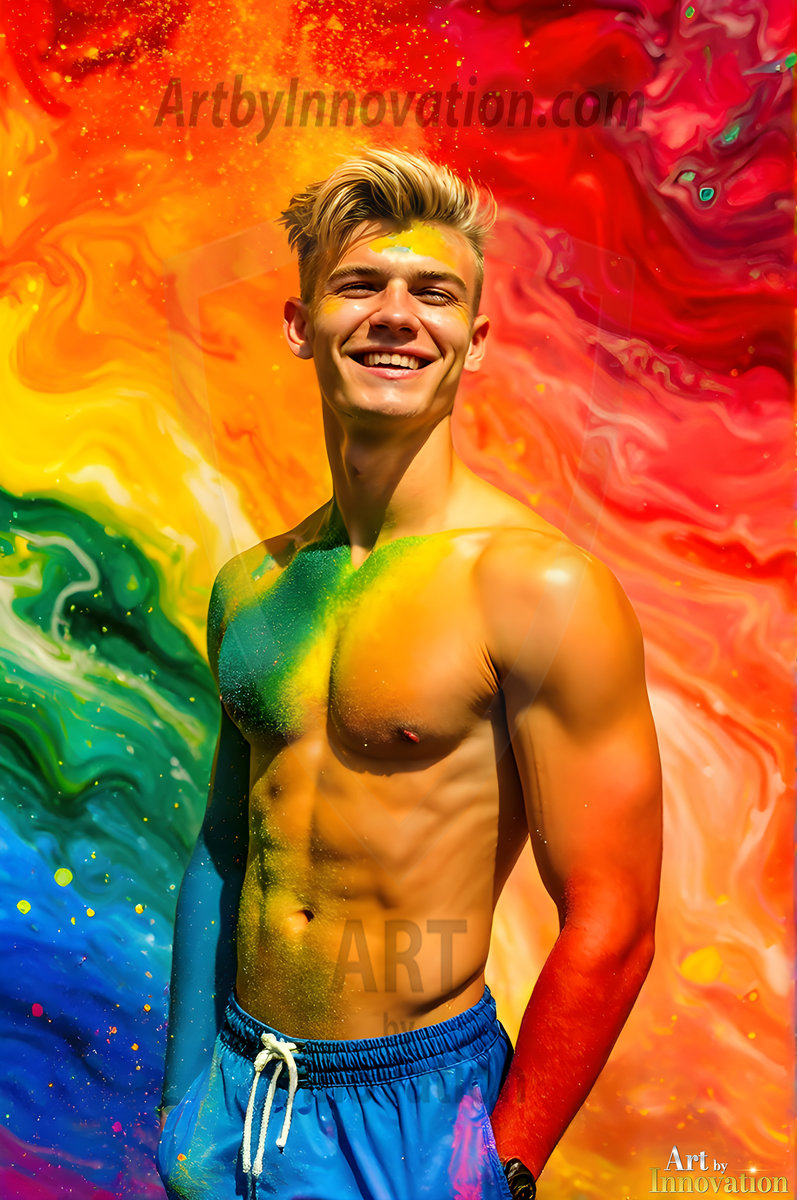
The colors of the LGBTQ+ Pride flags are designed to celebrate the diversity of human experience, visibility, and hope, with each shade representing a specific value that honors the LGBTQ+ community. Created in 1978 by artist Gilbert Baker, the rainbow flag has evolved to include more inclusive colors, showcasing how variety in identity makes individuals uniquely themselves. Meanings Behind the Colors, Red (Life): Represents the vitality and passion of LGBTQ+ people. Orange (Healing): Symbolizes the healing power within the community, often in the face of adversity. Yellow (Sunlight): Signifies the brightness and joy of being true to oneself. Green (Nature): Represents a connection to nature, the environment, and prosperity. Blue/Indigo (Serenity/Harmony): Symbolizes serenity, calm, and inner strength found in living one's truth. Violet/Purple (Spirit): Represents the spirit, strength, and resilience of the community.
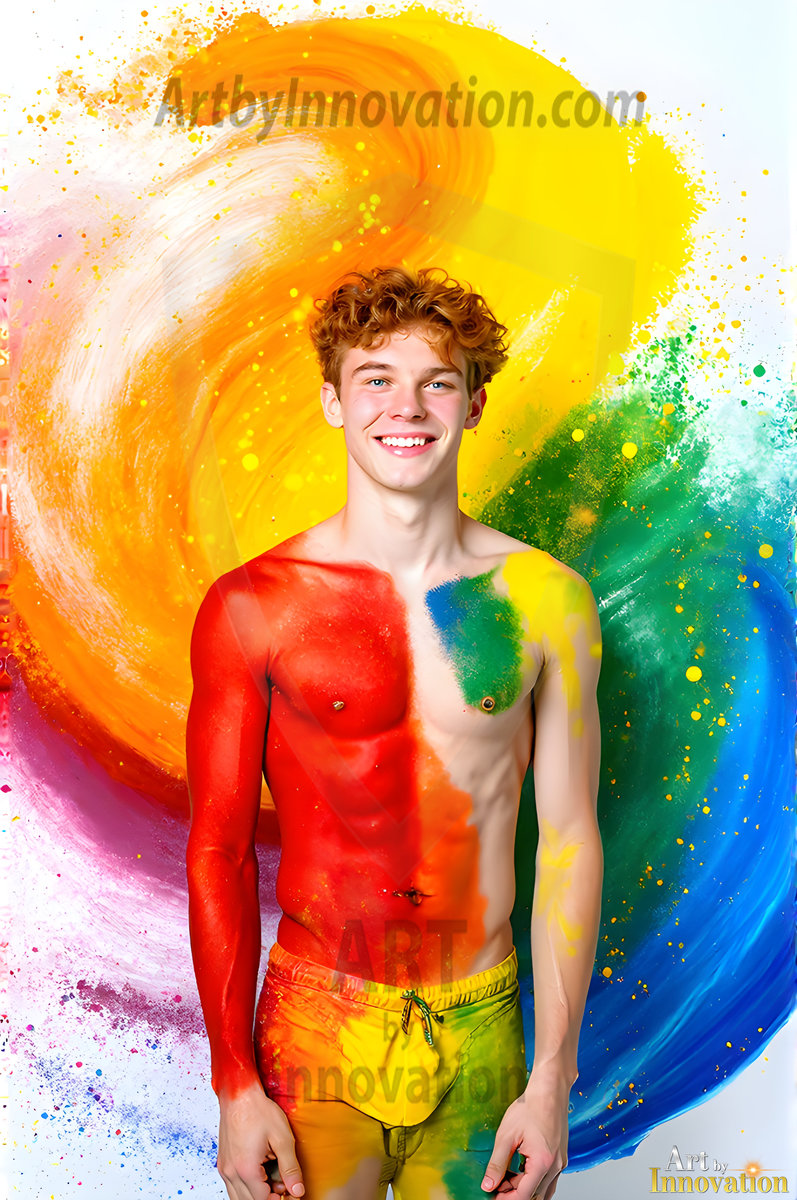
The colors of the LGBTQ+ Pride flags are designed to celebrate the diversity of human experience, visibility, and hope, with each shade representing a specific value that honors the LGBTQ+ community. Created in 1978 by artist Gilbert Baker, the rainbow flag has evolved to include more inclusive colors, showcasing how variety in identity makes individuals uniquely themselves. Meanings Behind the Colors, Red (Life): Represents the vitality and passion of LGBTQ+ people. Orange (Healing): Symbolizes the healing power within the community, often in the face of adversity. Yellow (Sunlight): Signifies the brightness and joy of being true to oneself. Green (Nature): Represents a connection to nature, the environment, and prosperity. Blue/Indigo (Serenity/Harmony): Symbolizes serenity, calm, and inner strength found in living one's truth. Violet/Purple (Spirit): Represents the spirit, strength, and resilience of the community.

The colors of the LGBTQ+ Pride flags are designed to celebrate the diversity of human experience, visibility, and hope, with each shade representing a specific value that honors the LGBTQ+ community. Created in 1978 by artist Gilbert Baker, the rainbow flag has evolved to include more inclusive colors, showcasing how variety in identity makes individuals uniquely themselves. Meanings Behind the Colors, Red (Life): Represents the vitality and passion of LGBTQ+ people. Orange (Healing): Symbolizes the healing power within the community, often in the face of adversity. Yellow (Sunlight): Signifies the brightness and joy of being true to oneself. Green (Nature): Represents a connection to nature, the environment, and prosperity. Blue/Indigo (Serenity/Harmony): Symbolizes serenity, calm, and inner strength found in living one's truth. Violet/Purple (Spirit): Represents the spirit, strength, and resilience of the community.
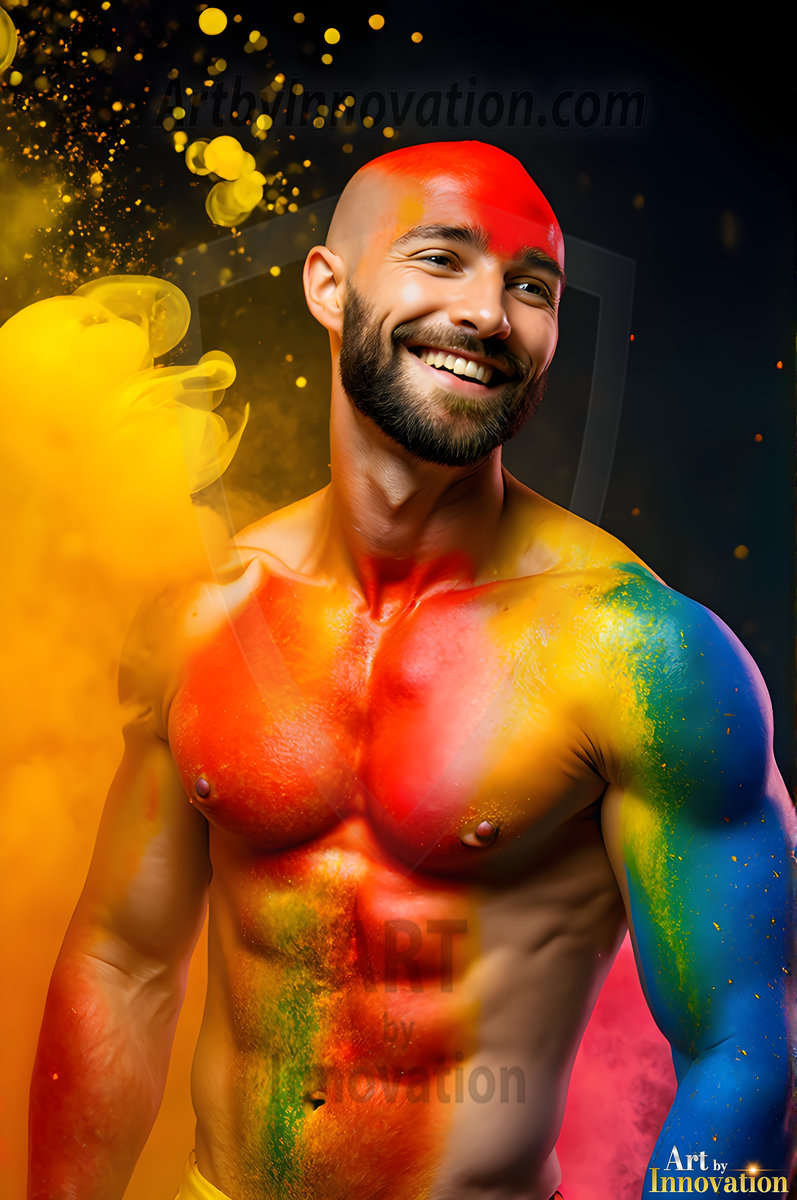
The colors of the LGBTQ+ Pride flags are designed to celebrate the diversity of human experience, visibility, and hope, with each shade representing a specific value that honors the LGBTQ+ community. Created in 1978 by artist Gilbert Baker, the rainbow flag has evolved to include more inclusive colors, showcasing how variety in identity makes individuals uniquely themselves. Meanings Behind the Colors, Red (Life): Represents the vitality and passion of LGBTQ+ people. Orange (Healing): Symbolizes the healing power within the community, often in the face of adversity. Yellow (Sunlight): Signifies the brightness and joy of being true to oneself. Green (Nature): Represents a connection to nature, the environment, and prosperity. Blue/Indigo (Serenity/Harmony): Symbolizes serenity, calm, and inner strength found in living one's truth. Violet/Purple (Spirit): Represents the spirit, strength, and resilience of the community.
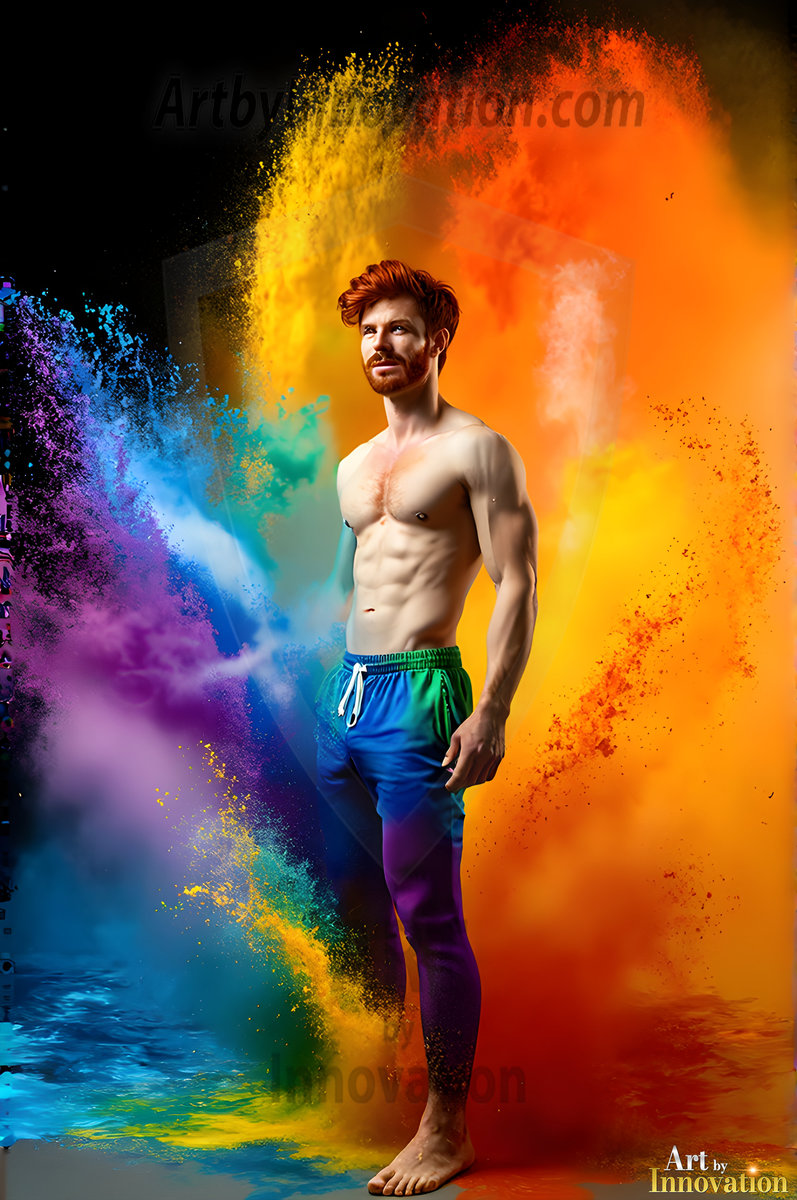
The colors of the LGBTQ+ Pride flags are designed to celebrate the diversity of human experience, visibility, and hope, with each shade representing a specific value that honors the LGBTQ+ community. Created in 1978 by artist Gilbert Baker, the rainbow flag has evolved to include more inclusive colors, showcasing how variety in identity makes individuals uniquely themselves. Meanings Behind the Colors, Red (Life): Represents the vitality and passion of LGBTQ+ people. Orange (Healing): Symbolizes the healing power within the community, often in the face of adversity. Yellow (Sunlight): Signifies the brightness and joy of being true to oneself. Green (Nature): Represents a connection to nature, the environment, and prosperity. Blue/Indigo (Serenity/Harmony): Symbolizes serenity, calm, and inner strength found in living one's truth. Violet/Purple (Spirit): Represents the spirit, strength, and resilience of the community.

The colors of the LGBTQ+ Pride flags are designed to celebrate the diversity of human experience, visibility, and hope, with each shade representing a specific value that honors the LGBTQ+ community. Created in 1978 by artist Gilbert Baker, the rainbow flag has evolved to include more inclusive colors, showcasing how variety in identity makes individuals uniquely themselves. Meanings Behind the Colors, Red (Life): Represents the vitality and passion of LGBTQ+ people. Orange (Healing): Symbolizes the healing power within the community, often in the face of adversity. Yellow (Sunlight): Signifies the brightness and joy of being true to oneself. Green (Nature): Represents a connection to nature, the environment, and prosperity. Blue/Indigo (Serenity/Harmony): Symbolizes serenity, calm, and inner strength found in living one's truth. Violet/Purple (Spirit): Represents the spirit, strength, and resilience of the community.
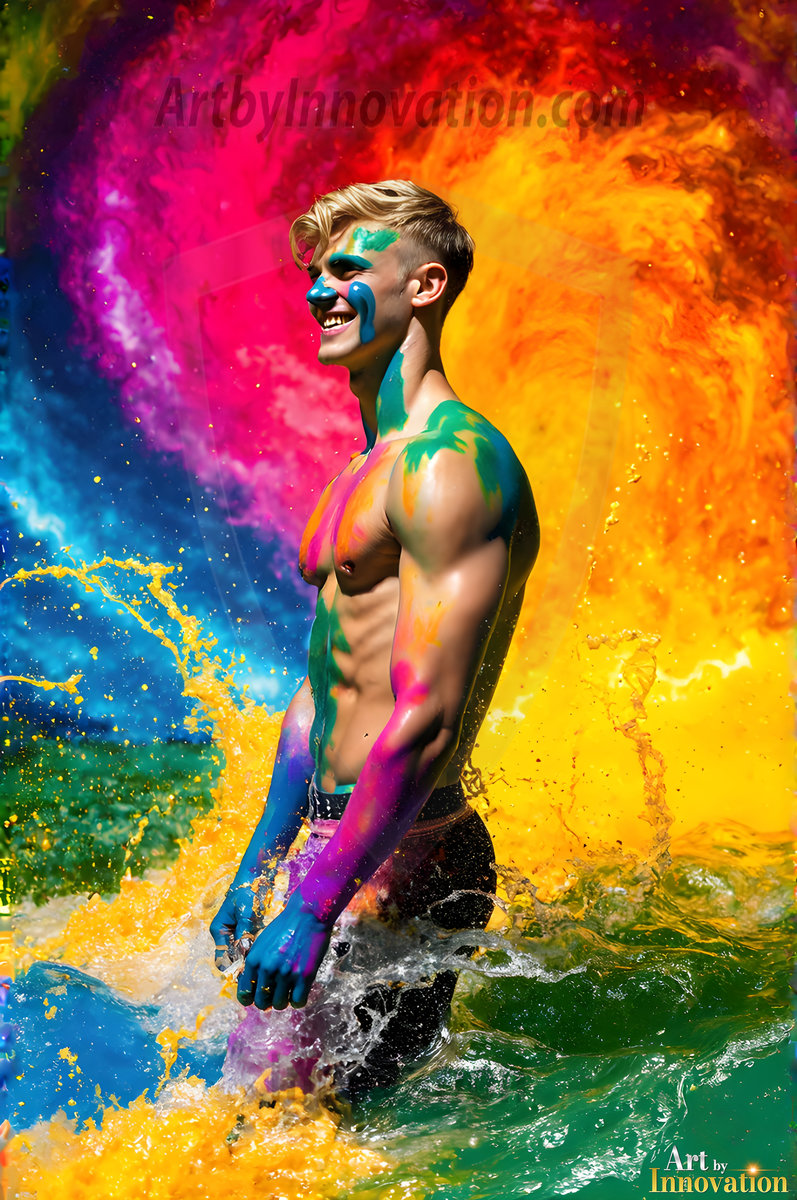
The colors of the LGBTQ+ Pride flags are designed to celebrate the diversity of human experience, visibility, and hope, with each shade representing a specific value that honors the LGBTQ+ community. Created in 1978 by artist Gilbert Baker, the rainbow flag has evolved to include more inclusive colors, showcasing how variety in identity makes individuals uniquely themselves. Meanings Behind the Colors, Red (Life): Represents the vitality and passion of LGBTQ+ people. Orange (Healing): Symbolizes the healing power within the community, often in the face of adversity. Yellow (Sunlight): Signifies the brightness and joy of being true to oneself. Green (Nature): Represents a connection to nature, the environment, and prosperity. Blue/Indigo (Serenity/Harmony): Symbolizes serenity, calm, and inner strength found in living one's truth. Violet/Purple (Spirit): Represents the spirit, strength, and resilience of the community.

The colors of the LGBTQ+ Pride flags are designed to celebrate the diversity of human experience, visibility, and hope, with each shade representing a specific value that honors the LGBTQ+ community. Created in 1978 by artist Gilbert Baker, the rainbow flag has evolved to include more inclusive colors, showcasing how variety in identity makes individuals uniquely themselves. Meanings Behind the Colors, Red (Life): Represents the vitality and passion of LGBTQ+ people. Orange (Healing): Symbolizes the healing power within the community, often in the face of adversity. Yellow (Sunlight): Signifies the brightness and joy of being true to oneself. Green (Nature): Represents a connection to nature, the environment, and prosperity. Blue/Indigo (Serenity/Harmony): Symbolizes serenity, calm, and inner strength found in living one's truth. Violet/Purple (Spirit): Represents the spirit, strength, and resilience of the community.
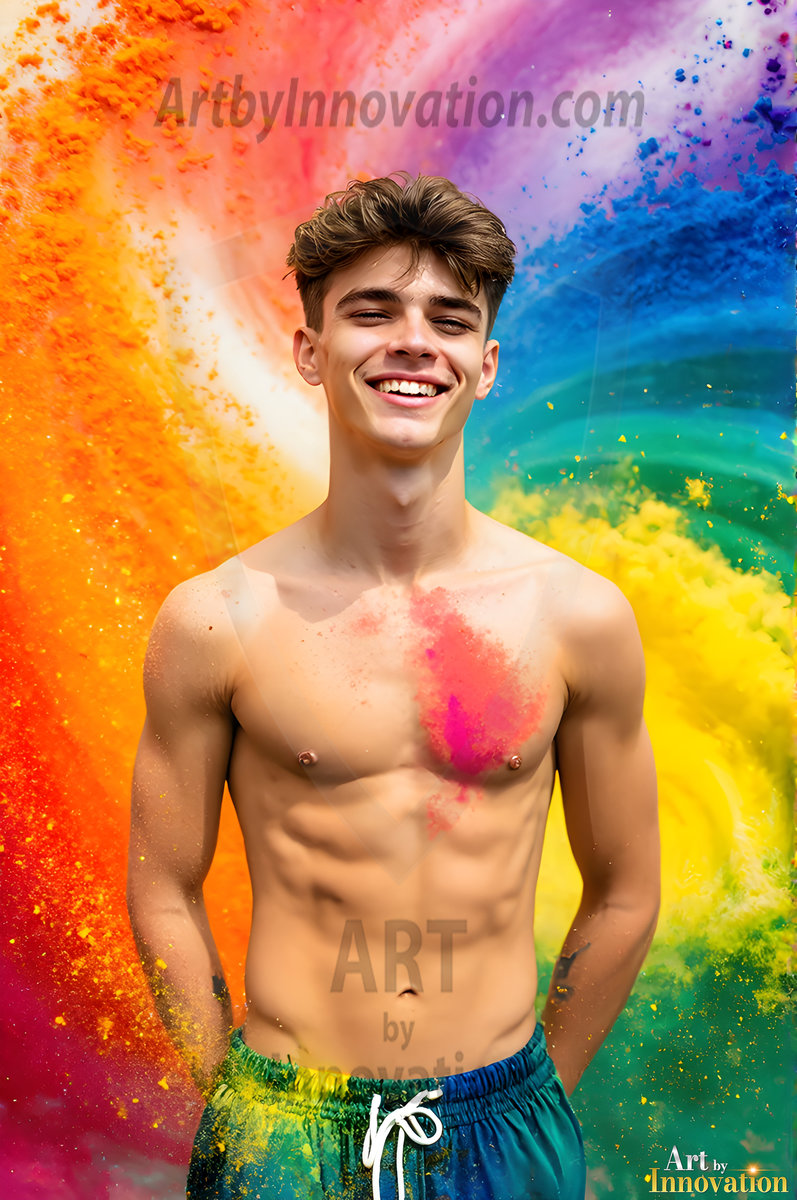
The colors of the LGBTQ+ Pride flags are designed to celebrate the diversity of human experience, visibility, and hope, with each shade representing a specific value that honors the LGBTQ+ community. Created in 1978 by artist Gilbert Baker, the rainbow flag has evolved to include more inclusive colors, showcasing how variety in identity makes individuals uniquely themselves. Meanings Behind the Colors, Red (Life): Represents the vitality and passion of LGBTQ+ people. Orange (Healing): Symbolizes the healing power within the community, often in the face of adversity. Yellow (Sunlight): Signifies the brightness and joy of being true to oneself. Green (Nature): Represents a connection to nature, the environment, and prosperity. Blue/Indigo (Serenity/Harmony): Symbolizes serenity, calm, and inner strength found in living one's truth. Violet/Purple (Spirit): Represents the spirit, strength, and resilience of the community.
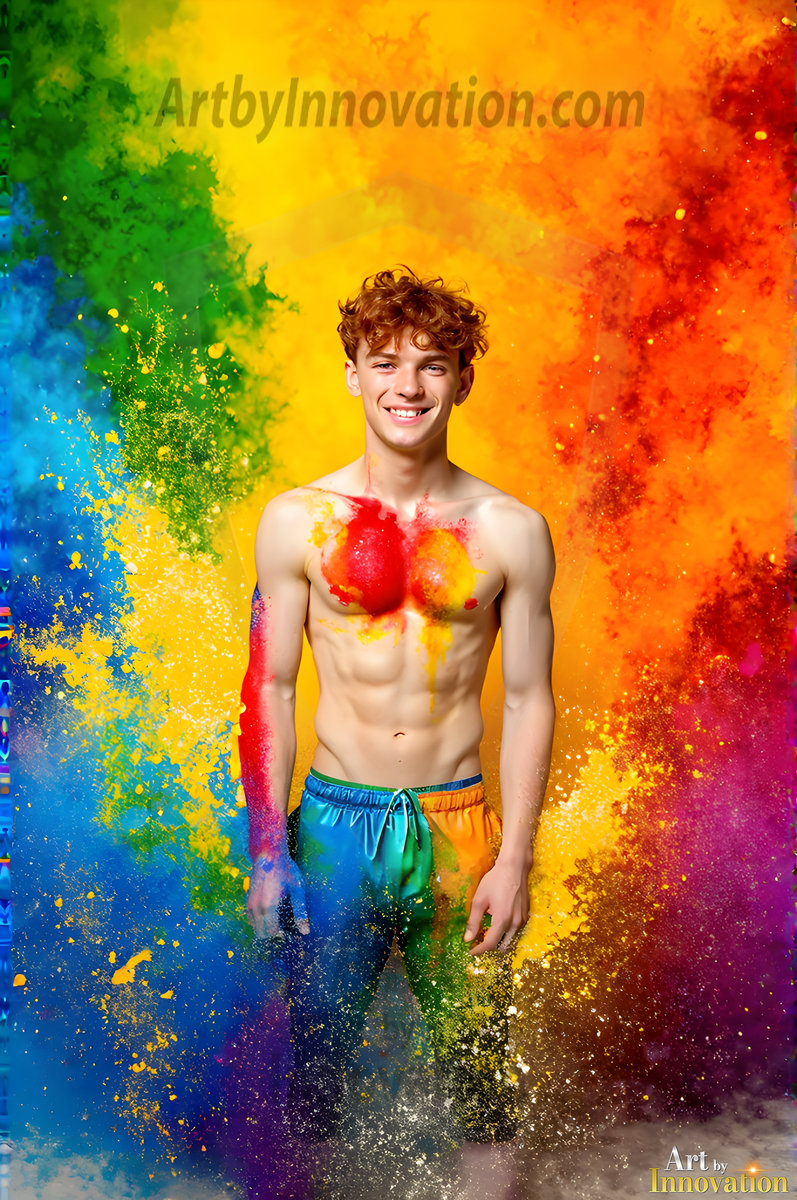
The colors of the LGBTQ+ Pride flags are designed to celebrate the diversity of human experience, visibility, and hope, with each shade representing a specific value that honors the LGBTQ+ community. Created in 1978 by artist Gilbert Baker, the rainbow flag has evolved to include more inclusive colors, showcasing how variety in identity makes individuals uniquely themselves. Meanings Behind the Colors, Red (Life): Represents the vitality and passion of LGBTQ+ people. Orange (Healing): Symbolizes the healing power within the community, often in the face of adversity. Yellow (Sunlight): Signifies the brightness and joy of being true to oneself. Green (Nature): Represents a connection to nature, the environment, and prosperity. Blue/Indigo (Serenity/Harmony): Symbolizes serenity, calm, and inner strength found in living one's truth. Violet/Purple (Spirit): Represents the spirit, strength, and resilience of the community.
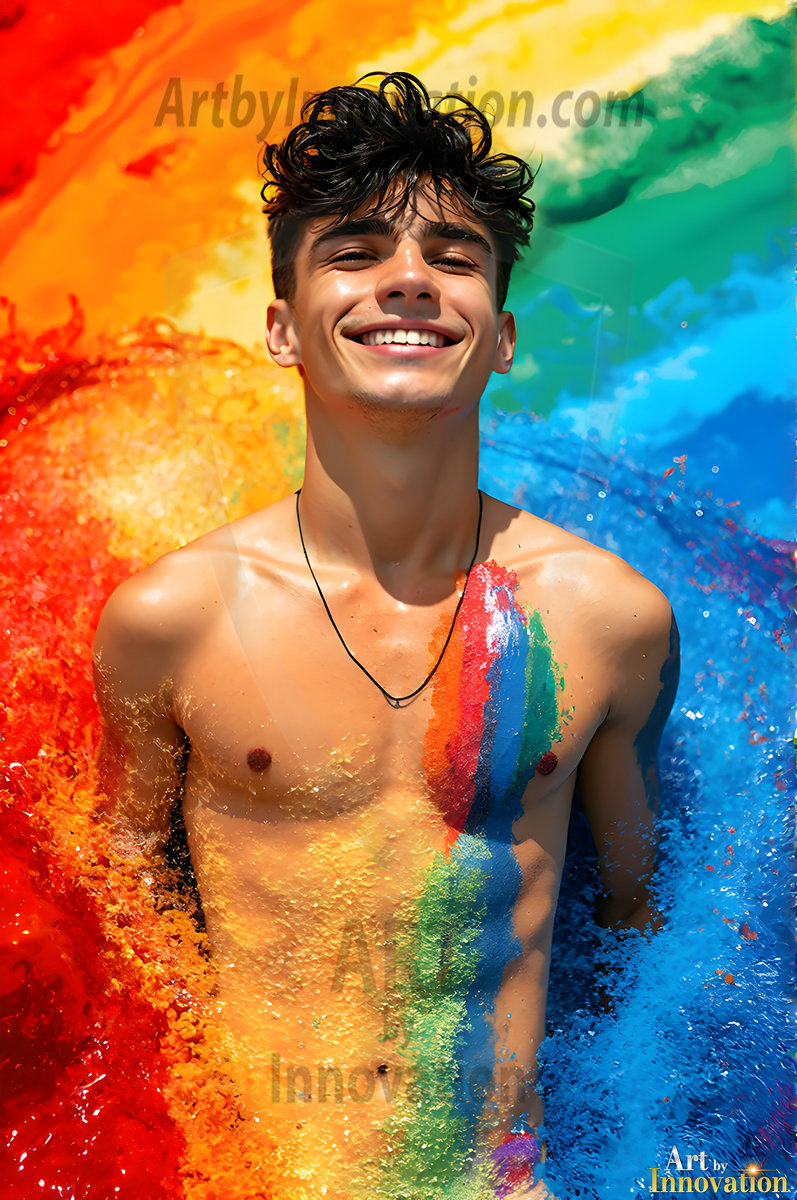
The colors of the LGBTQ+ Pride flags are designed to celebrate the diversity of human experience, visibility, and hope, with each shade representing a specific value that honors the LGBTQ+ community. Created in 1978 by artist Gilbert Baker, the rainbow flag has evolved to include more inclusive colors, showcasing how variety in identity makes individuals uniquely themselves. Meanings Behind the Colors, Red (Life): Represents the vitality and passion of LGBTQ+ people. Orange (Healing): Symbolizes the healing power within the community, often in the face of adversity. Yellow (Sunlight): Signifies the brightness and joy of being true to oneself. Green (Nature): Represents a connection to nature, the environment, and prosperity. Blue/Indigo (Serenity/Harmony): Symbolizes serenity, calm, and inner strength found in living one's truth. Violet/Purple (Spirit): Represents the spirit, strength, and resilience of the community.
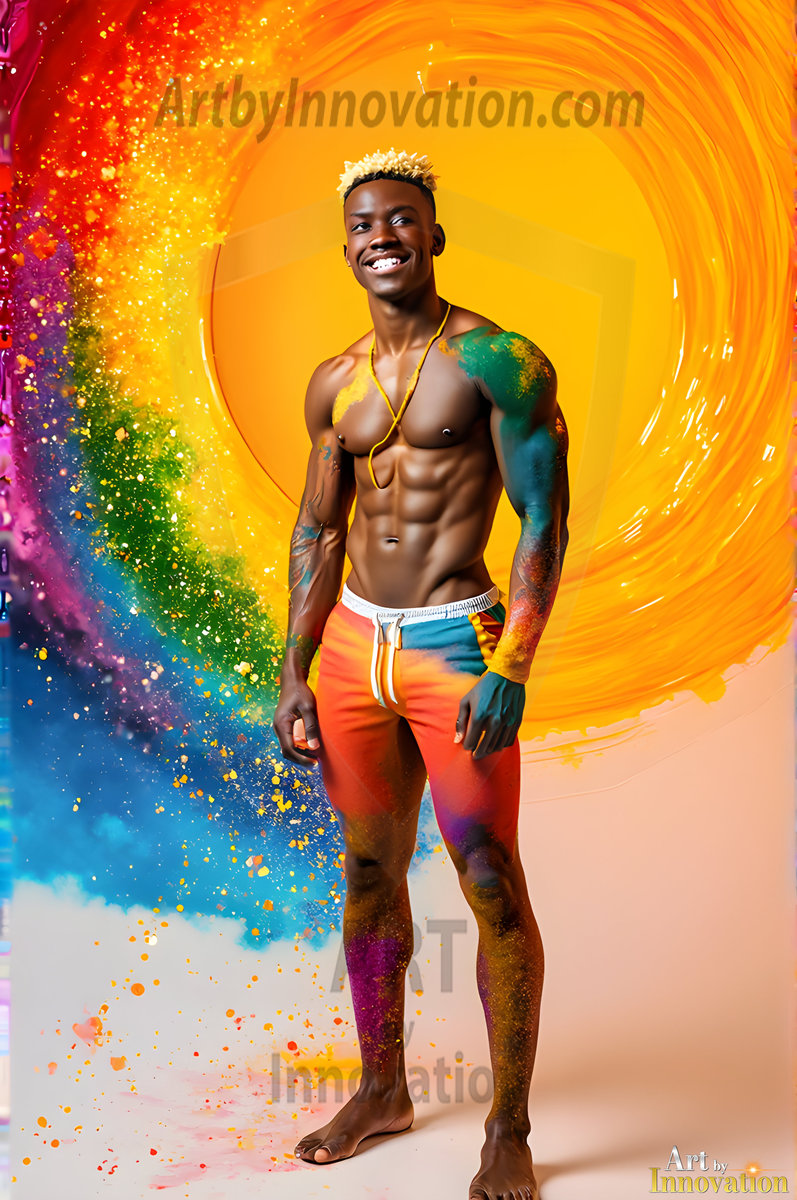
The colors of the LGBTQ+ Pride flags are designed to celebrate the diversity of human experience, visibility, and hope, with each shade representing a specific value that honors the LGBTQ+ community. Created in 1978 by artist Gilbert Baker, the rainbow flag has evolved to include more inclusive colors, showcasing how variety in identity makes individuals uniquely themselves. Meanings Behind the Colors, Red (Life): Represents the vitality and passion of LGBTQ+ people. Orange (Healing): Symbolizes the healing power within the community, often in the face of adversity. Yellow (Sunlight): Signifies the brightness and joy of being true to oneself. Green (Nature): Represents a connection to nature, the environment, and prosperity. Blue/Indigo (Serenity/Harmony): Symbolizes serenity, calm, and inner strength found in living one's truth. Violet/Purple (Spirit): Represents the spirit, strength, and resilience of the community.
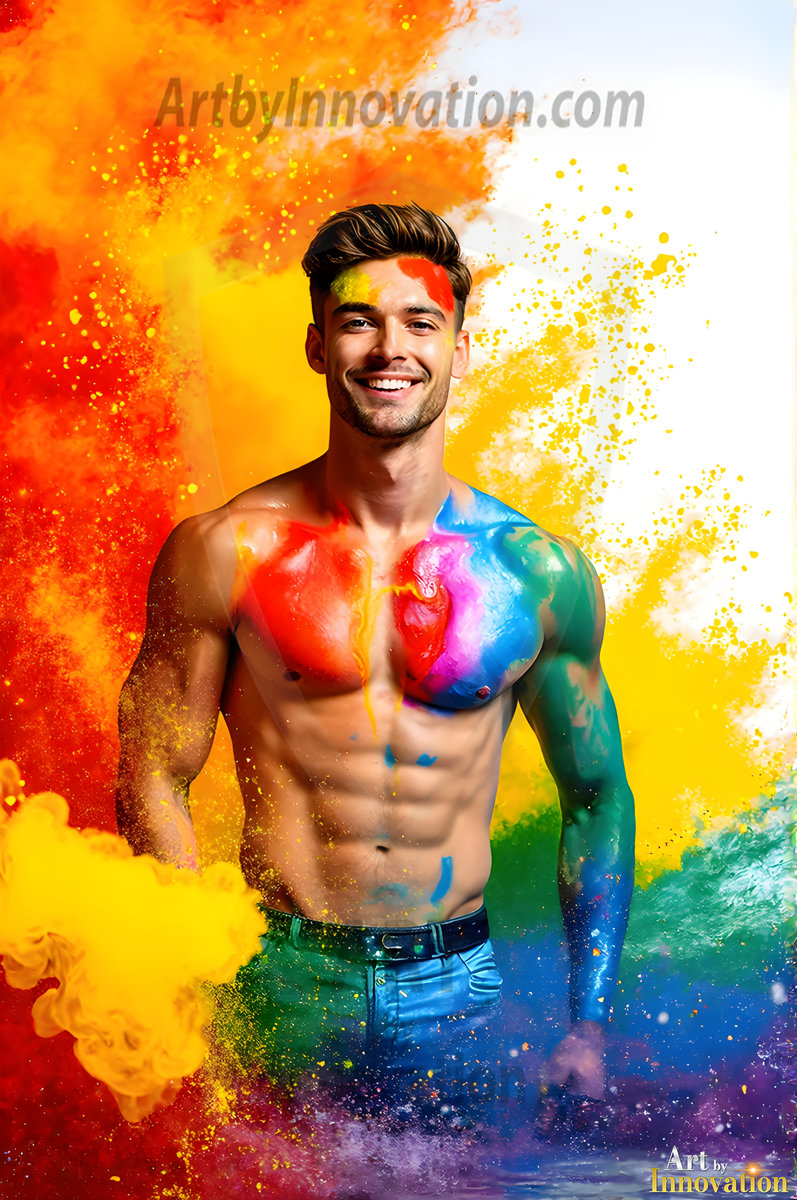
The colors of the LGBTQ+ Pride flags are designed to celebrate the diversity of human experience, visibility, and hope, with each shade representing a specific value that honors the LGBTQ+ community. Created in 1978 by artist Gilbert Baker, the rainbow flag has evolved to include more inclusive colors, showcasing how variety in identity makes individuals uniquely themselves. Meanings Behind the Colors, Red (Life): Represents the vitality and passion of LGBTQ+ people. Orange (Healing): Symbolizes the healing power within the community, often in the face of adversity. Yellow (Sunlight): Signifies the brightness and joy of being true to oneself. Green (Nature): Represents a connection to nature, the environment, and prosperity. Blue/Indigo (Serenity/Harmony): Symbolizes serenity, calm, and inner strength found in living one's truth. Violet/Purple (Spirit): Represents the spirit, strength, and resilience of the community.
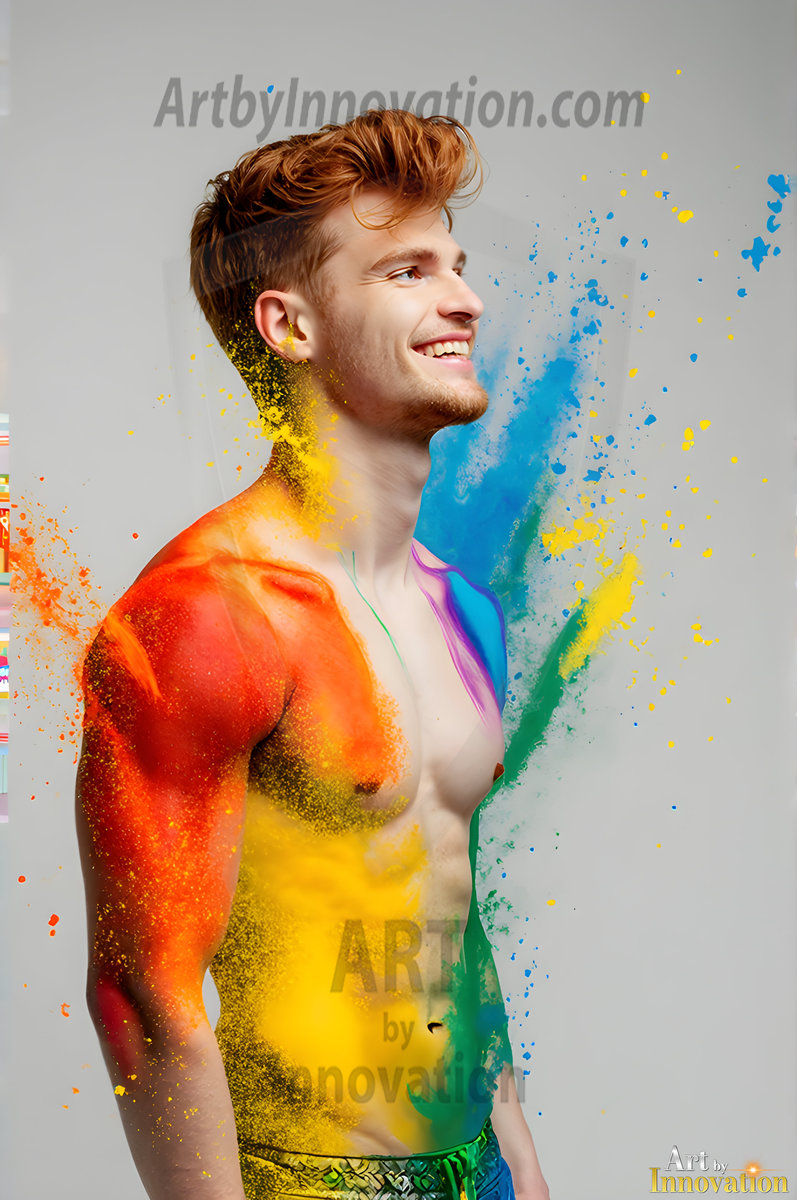
The colors of the LGBTQ+ Pride flags are designed to celebrate the diversity of human experience, visibility, and hope, with each shade representing a specific value that honors the LGBTQ+ community. Created in 1978 by artist Gilbert Baker, the rainbow flag has evolved to include more inclusive colors, showcasing how variety in identity makes individuals uniquely themselves. Meanings Behind the Colors, Red (Life): Represents the vitality and passion of LGBTQ+ people. Orange (Healing): Symbolizes the healing power within the community, often in the face of adversity. Yellow (Sunlight): Signifies the brightness and joy of being true to oneself. Green (Nature): Represents a connection to nature, the environment, and prosperity. Blue/Indigo (Serenity/Harmony): Symbolizes serenity, calm, and inner strength found in living one's truth. Violet/Purple (Spirit): Represents the spirit, strength, and resilience of the community.
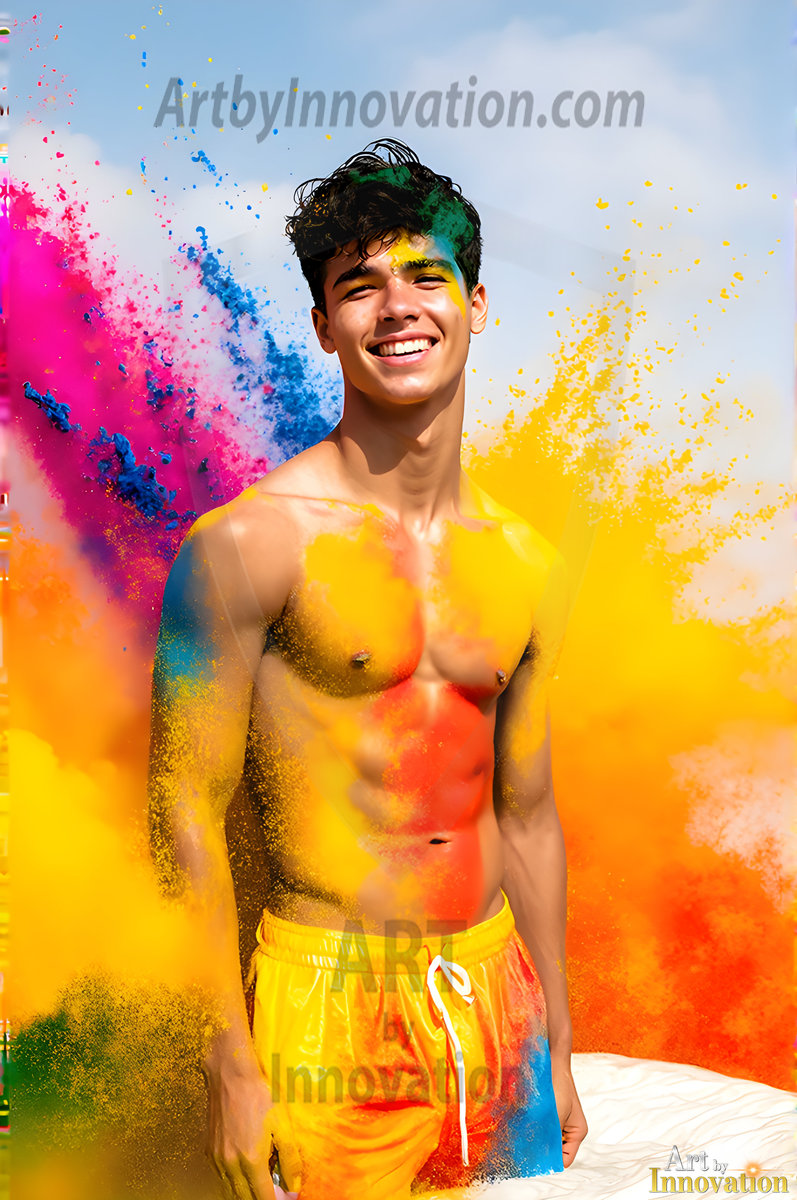
The colors of the LGBTQ+ Pride flags are designed to celebrate the diversity of human experience, visibility, and hope, with each shade representing a specific value that honors the LGBTQ+ community. Created in 1978 by artist Gilbert Baker, the rainbow flag has evolved to include more inclusive colors, showcasing how variety in identity makes individuals uniquely themselves. Meanings Behind the Colors, Red (Life): Represents the vitality and passion of LGBTQ+ people. Orange (Healing): Symbolizes the healing power within the community, often in the face of adversity. Yellow (Sunlight): Signifies the brightness and joy of being true to oneself. Green (Nature): Represents a connection to nature, the environment, and prosperity. Blue/Indigo (Serenity/Harmony): Symbolizes serenity, calm, and inner strength found in living one's truth. Violet/Purple (Spirit): Represents the spirit, strength, and resilience of the community.
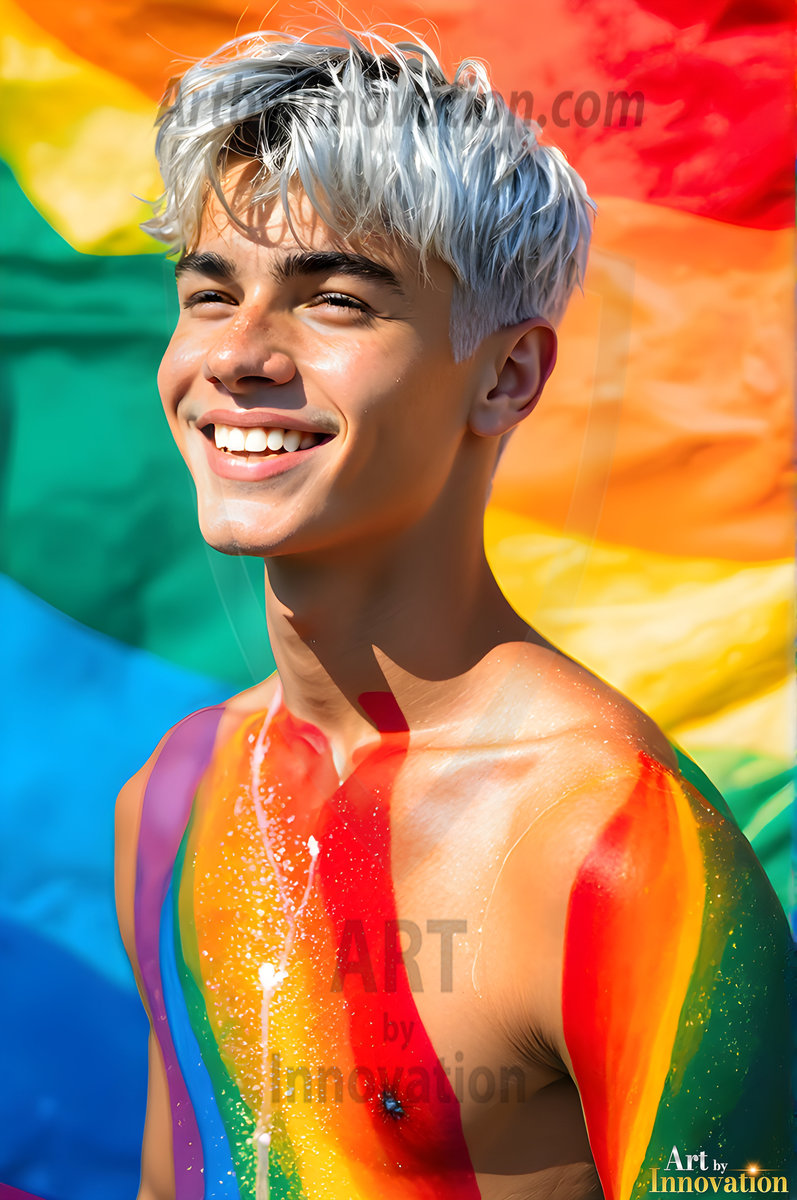
The colors of the LGBTQ+ Pride flags are designed to celebrate the diversity of human experience, visibility, and hope, with each shade representing a specific value that honors the LGBTQ+ community. Created in 1978 by artist Gilbert Baker, the rainbow flag has evolved to include more inclusive colors, showcasing how variety in identity makes individuals uniquely themselves. Meanings Behind the Colors, Red (Life): Represents the vitality and passion of LGBTQ+ people. Orange (Healing): Symbolizes the healing power within the community, often in the face of adversity. Yellow (Sunlight): Signifies the brightness and joy of being true to oneself. Green (Nature): Represents a connection to nature, the environment, and prosperity. Blue/Indigo (Serenity/Harmony): Symbolizes serenity, calm, and inner strength found in living one's truth. Violet/Purple (Spirit): Represents the spirit, strength, and resilience of the community.
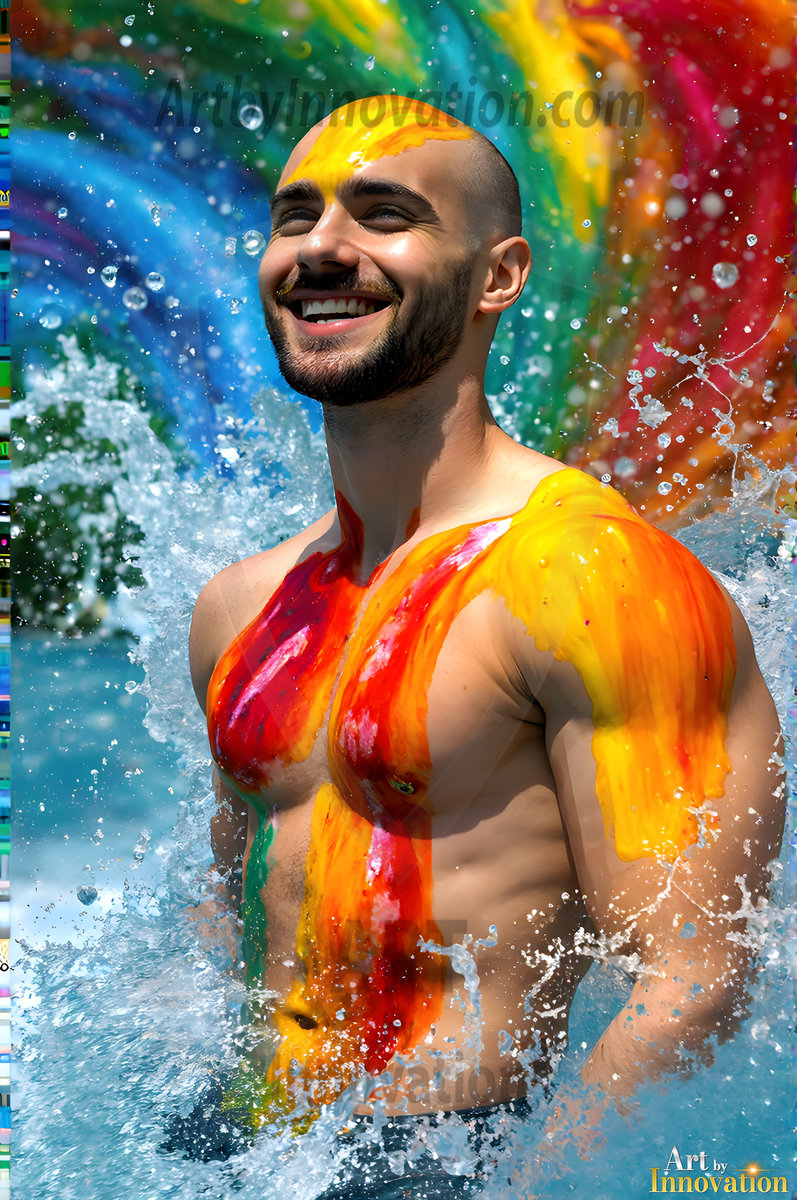
The colors of the LGBTQ+ Pride flags are designed to celebrate the diversity of human experience, visibility, and hope, with each shade representing a specific value that honors the LGBTQ+ community. Created in 1978 by artist Gilbert Baker, the rainbow flag has evolved to include more inclusive colors, showcasing how variety in identity makes individuals uniquely themselves. Meanings Behind the Colors, Red (Life): Represents the vitality and passion of LGBTQ+ people. Orange (Healing): Symbolizes the healing power within the community, often in the face of adversity. Yellow (Sunlight): Signifies the brightness and joy of being true to oneself. Green (Nature): Represents a connection to nature, the environment, and prosperity. Blue/Indigo (Serenity/Harmony): Symbolizes serenity, calm, and inner strength found in living one's truth. Violet/Purple (Spirit): Represents the spirit, strength, and resilience of the community.
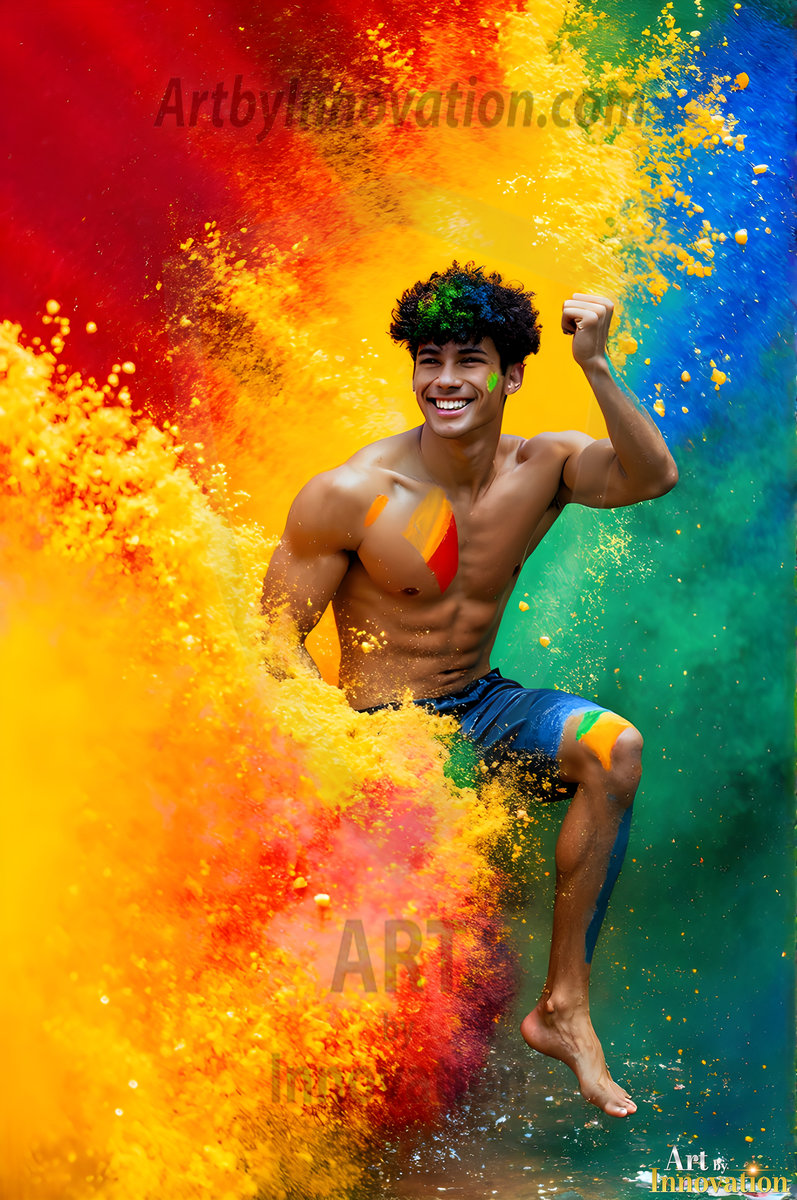
The colors of the LGBTQ+ Pride flags are designed to celebrate the diversity of human experience, visibility, and hope, with each shade representing a specific value that honors the LGBTQ+ community. Created in 1978 by artist Gilbert Baker, the rainbow flag has evolved to include more inclusive colors, showcasing how variety in identity makes individuals uniquely themselves. Meanings Behind the Colors, Red (Life): Represents the vitality and passion of LGBTQ+ people. Orange (Healing): Symbolizes the healing power within the community, often in the face of adversity. Yellow (Sunlight): Signifies the brightness and joy of being true to oneself. Green (Nature): Represents a connection to nature, the environment, and prosperity. Blue/Indigo (Serenity/Harmony): Symbolizes serenity, calm, and inner strength found in living one's truth. Violet/Purple (Spirit): Represents the spirit, strength, and resilience of the community.
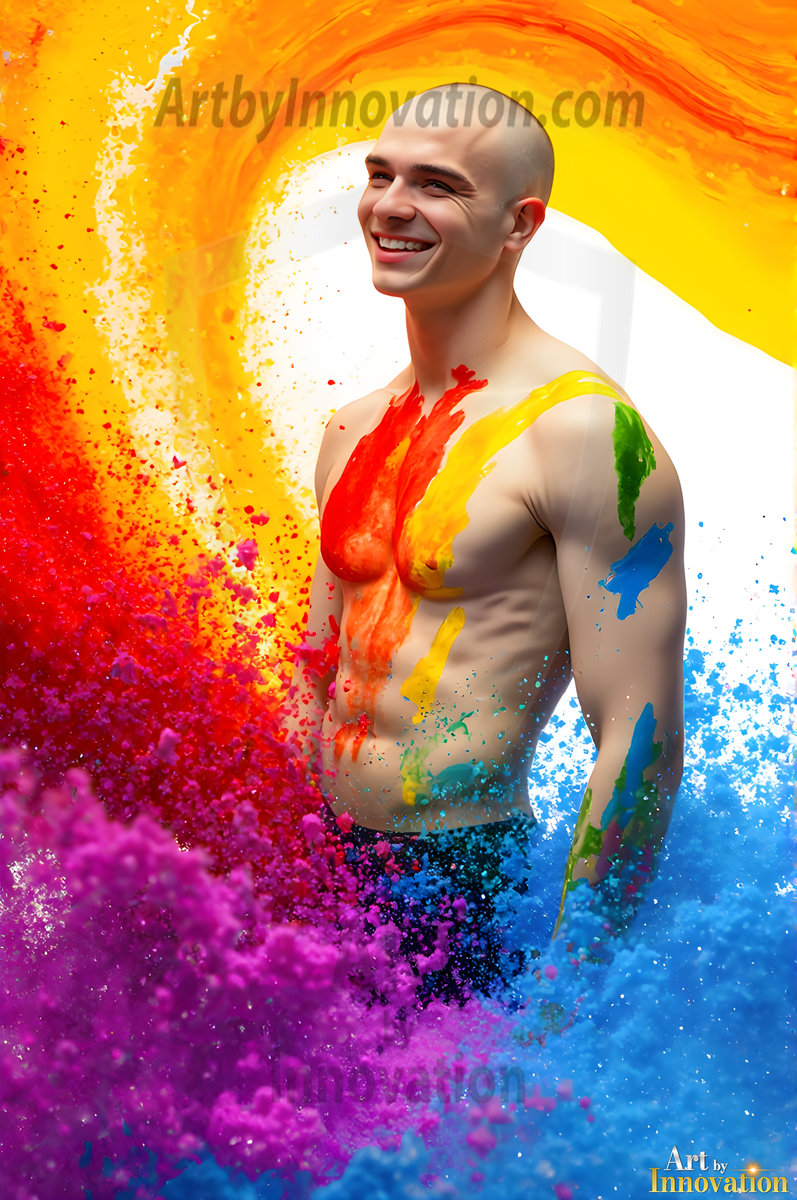
The colors of the LGBTQ+ Pride flags are designed to celebrate the diversity of human experience, visibility, and hope, with each shade representing a specific value that honors the LGBTQ+ community. Created in 1978 by artist Gilbert Baker, the rainbow flag has evolved to include more inclusive colors, showcasing how variety in identity makes individuals uniquely themselves. Meanings Behind the Colors, Red (Life): Represents the vitality and passion of LGBTQ+ people. Orange (Healing): Symbolizes the healing power within the community, often in the face of adversity. Yellow (Sunlight): Signifies the brightness and joy of being true to oneself. Green (Nature): Represents a connection to nature, the environment, and prosperity. Blue/Indigo (Serenity/Harmony): Symbolizes serenity, calm, and inner strength found in living one's truth. Violet/Purple (Spirit): Represents the spirit, strength, and resilience of the community.

The colors of the LGBTQ+ Pride flags are designed to celebrate the diversity of human experience, visibility, and hope, with each shade representing a specific value that honors the LGBTQ+ community. Created in 1978 by artist Gilbert Baker, the rainbow flag has evolved to include more inclusive colors, showcasing how variety in identity makes individuals uniquely themselves. Meanings Behind the Colors, Red (Life): Represents the vitality and passion of LGBTQ+ people. Orange (Healing): Symbolizes the healing power within the community, often in the face of adversity. Yellow (Sunlight): Signifies the brightness and joy of being true to oneself. Green (Nature): Represents a connection to nature, the environment, and prosperity. Blue/Indigo (Serenity/Harmony): Symbolizes serenity, calm, and inner strength found in living one's truth. Violet/Purple (Spirit): Represents the spirit, strength, and resilience of the community.

The colors of the LGBTQ+ Pride flags are designed to celebrate the diversity of human experience, visibility, and hope, with each shade representing a specific value that honors the LGBTQ+ community. Created in 1978 by artist Gilbert Baker, the rainbow flag has evolved to include more inclusive colors, showcasing how variety in identity makes individuals uniquely themselves. Meanings Behind the Colors, Red (Life): Represents the vitality and passion of LGBTQ+ people. Orange (Healing): Symbolizes the healing power within the community, often in the face of adversity. Yellow (Sunlight): Signifies the brightness and joy of being true to oneself. Green (Nature): Represents a connection to nature, the environment, and prosperity. Blue/Indigo (Serenity/Harmony): Symbolizes serenity, calm, and inner strength found in living one's truth. Violet/Purple (Spirit): Represents the spirit, strength, and resilience of the community.

The colors of the LGBTQ+ Pride flags are designed to celebrate the diversity of human experience, visibility, and hope, with each shade representing a specific value that honors the LGBTQ+ community. Created in 1978 by artist Gilbert Baker, the rainbow flag has evolved to include more inclusive colors, showcasing how variety in identity makes individuals uniquely themselves. Meanings Behind the Colors, Red (Life): Represents the vitality and passion of LGBTQ+ people. Orange (Healing): Symbolizes the healing power within the community, often in the face of adversity. Yellow (Sunlight): Signifies the brightness and joy of being true to oneself. Green (Nature): Represents a connection to nature, the environment, and prosperity. Blue/Indigo (Serenity/Harmony): Symbolizes serenity, calm, and inner strength found in living one's truth. Violet/Purple (Spirit): Represents the spirit, strength, and resilience of the community.
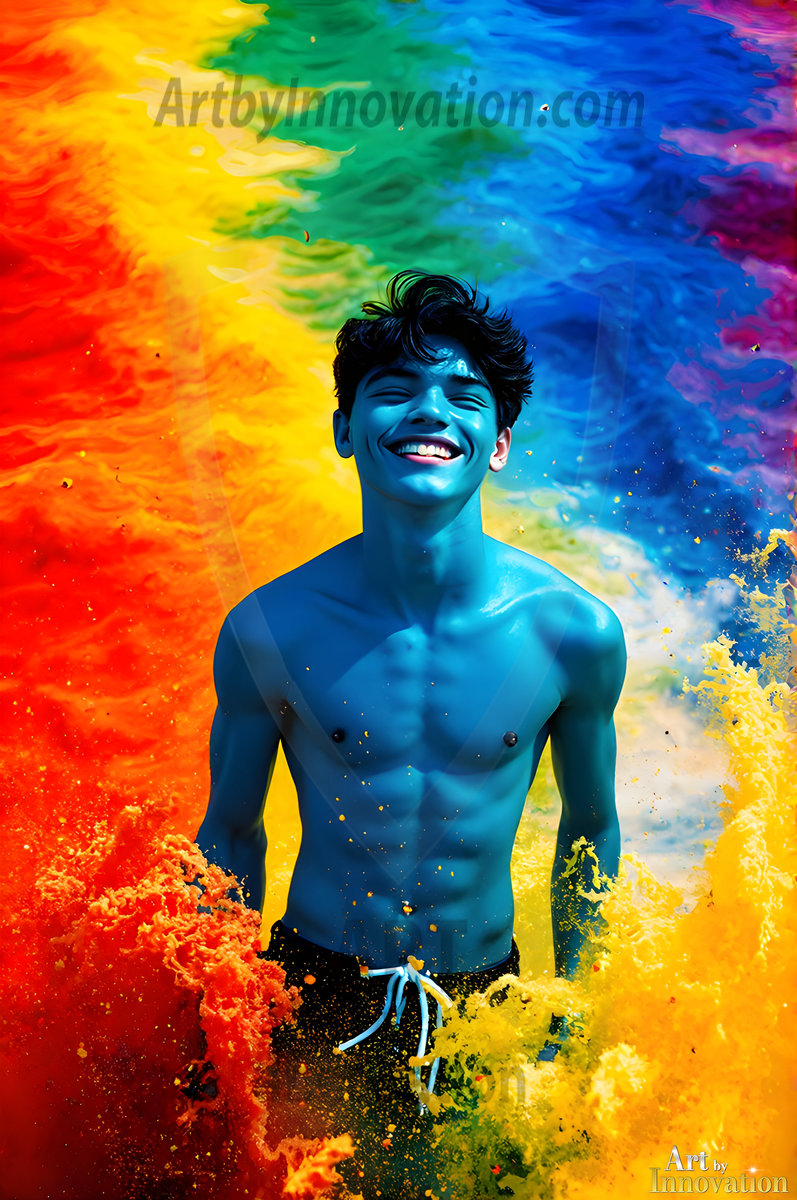
The colors of the LGBTQ+ Pride flags are designed to celebrate the diversity of human experience, visibility, and hope, with each shade representing a specific value that honors the LGBTQ+ community. Created in 1978 by artist Gilbert Baker, the rainbow flag has evolved to include more inclusive colors, showcasing how variety in identity makes individuals uniquely themselves. Meanings Behind the Colors, Red (Life): Represents the vitality and passion of LGBTQ+ people. Orange (Healing): Symbolizes the healing power within the community, often in the face of adversity. Yellow (Sunlight): Signifies the brightness and joy of being true to oneself. Green (Nature): Represents a connection to nature, the environment, and prosperity. Blue/Indigo (Serenity/Harmony): Symbolizes serenity, calm, and inner strength found in living one's truth. Violet/Purple (Spirit): Represents the spirit, strength, and resilience of the community.
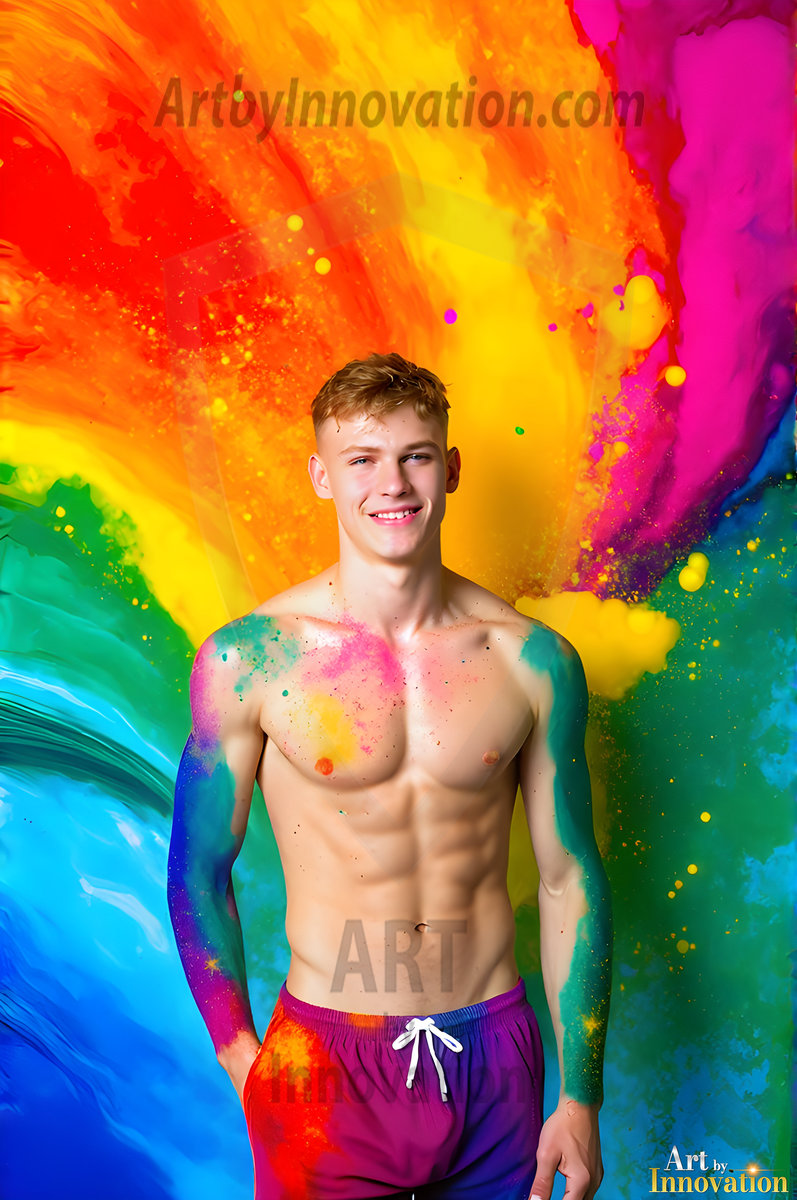
The colors of the LGBTQ+ Pride flags are designed to celebrate the diversity of human experience, visibility, and hope, with each shade representing a specific value that honors the LGBTQ+ community. Created in 1978 by artist Gilbert Baker, the rainbow flag has evolved to include more inclusive colors, showcasing how variety in identity makes individuals uniquely themselves. Meanings Behind the Colors, Red (Life): Represents the vitality and passion of LGBTQ+ people. Orange (Healing): Symbolizes the healing power within the community, often in the face of adversity. Yellow (Sunlight): Signifies the brightness and joy of being true to oneself. Green (Nature): Represents a connection to nature, the environment, and prosperity. Blue/Indigo (Serenity/Harmony): Symbolizes serenity, calm, and inner strength found in living one's truth. Violet/Purple (Spirit): Represents the spirit, strength, and resilience of the community.

The colors of the LGBTQ+ Pride flags are designed to celebrate the diversity of human experience, visibility, and hope, with each shade representing a specific value that honors the LGBTQ+ community. Created in 1978 by artist Gilbert Baker, the rainbow flag has evolved to include more inclusive colors, showcasing how variety in identity makes individuals uniquely themselves. Meanings Behind the Colors, Red (Life): Represents the vitality and passion of LGBTQ+ people. Orange (Healing): Symbolizes the healing power within the community, often in the face of adversity. Yellow (Sunlight): Signifies the brightness and joy of being true to oneself. Green (Nature): Represents a connection to nature, the environment, and prosperity. Blue/Indigo (Serenity/Harmony): Symbolizes serenity, calm, and inner strength found in living one's truth. Violet/Purple (Spirit): Represents the spirit, strength, and resilience of the community.

The colors of the LGBTQ+ Pride flags are designed to celebrate the diversity of human experience, visibility, and hope, with each shade representing a specific value that honors the LGBTQ+ community. Created in 1978 by artist Gilbert Baker, the rainbow flag has evolved to include more inclusive colors, showcasing how variety in identity makes individuals uniquely themselves. Meanings Behind the Colors, Red (Life): Represents the vitality and passion of LGBTQ+ people. Orange (Healing): Symbolizes the healing power within the community, often in the face of adversity. Yellow (Sunlight): Signifies the brightness and joy of being true to oneself. Green (Nature): Represents a connection to nature, the environment, and prosperity. Blue/Indigo (Serenity/Harmony): Symbolizes serenity, calm, and inner strength found in living one's truth. Violet/Purple (Spirit): Represents the spirit, strength, and resilience of the community.
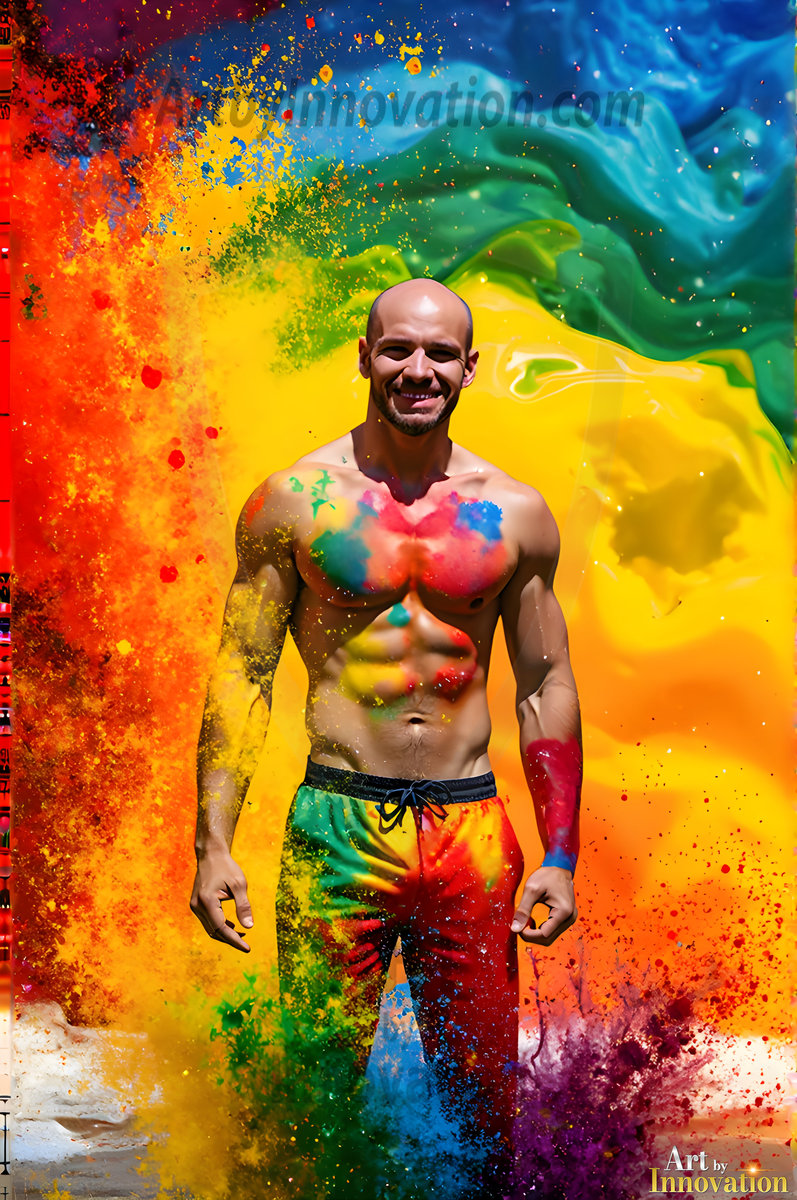
The colors of the LGBTQ+ Pride flags are designed to celebrate the diversity of human experience, visibility, and hope, with each shade representing a specific value that honors the LGBTQ+ community. Created in 1978 by artist Gilbert Baker, the rainbow flag has evolved to include more inclusive colors, showcasing how variety in identity makes individuals uniquely themselves. Meanings Behind the Colors, Red (Life): Represents the vitality and passion of LGBTQ+ people. Orange (Healing): Symbolizes the healing power within the community, often in the face of adversity. Yellow (Sunlight): Signifies the brightness and joy of being true to oneself. Green (Nature): Represents a connection to nature, the environment, and prosperity. Blue/Indigo (Serenity/Harmony): Symbolizes serenity, calm, and inner strength found in living one's truth. Violet/Purple (Spirit): Represents the spirit, strength, and resilience of the community.
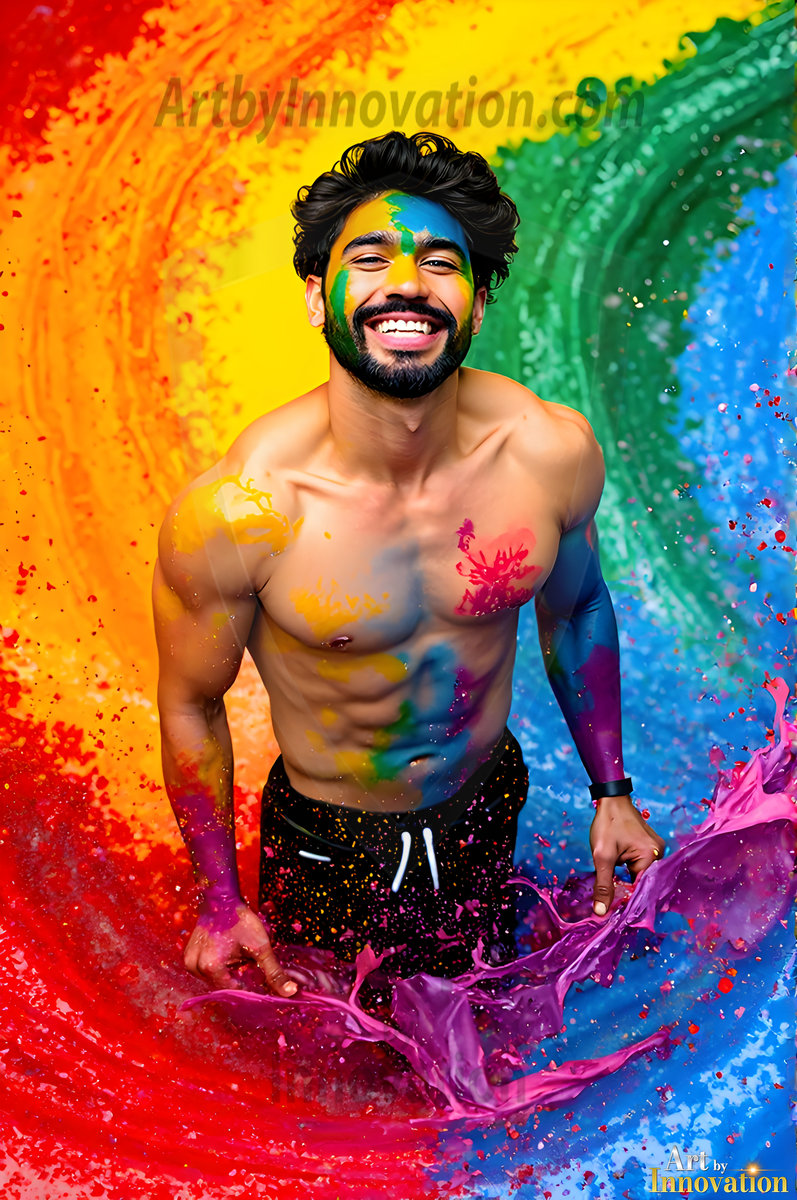
The colors of the LGBTQ+ Pride flags are designed to celebrate the diversity of human experience, visibility, and hope, with each shade representing a specific value that honors the LGBTQ+ community. Created in 1978 by artist Gilbert Baker, the rainbow flag has evolved to include more inclusive colors, showcasing how variety in identity makes individuals uniquely themselves. Meanings Behind the Colors, Red (Life): Represents the vitality and passion of LGBTQ+ people. Orange (Healing): Symbolizes the healing power within the community, often in the face of adversity. Yellow (Sunlight): Signifies the brightness and joy of being true to oneself. Green (Nature): Represents a connection to nature, the environment, and prosperity. Blue/Indigo (Serenity/Harmony): Symbolizes serenity, calm, and inner strength found in living one's truth. Violet/Purple (Spirit): Represents the spirit, strength, and resilience of the community.

The colors of the LGBTQ+ Pride flags are designed to celebrate the diversity of human experience, visibility, and hope, with each shade representing a specific value that honors the LGBTQ+ community. Created in 1978 by artist Gilbert Baker, the rainbow flag has evolved to include more inclusive colors, showcasing how variety in identity makes individuals uniquely themselves. Meanings Behind the Colors, Red (Life): Represents the vitality and passion of LGBTQ+ people. Orange (Healing): Symbolizes the healing power within the community, often in the face of adversity. Yellow (Sunlight): Signifies the brightness and joy of being true to oneself. Green (Nature): Represents a connection to nature, the environment, and prosperity. Blue/Indigo (Serenity/Harmony): Symbolizes serenity, calm, and inner strength found in living one's truth. Violet/Purple (Spirit): Represents the spirit, strength, and resilience of the community.
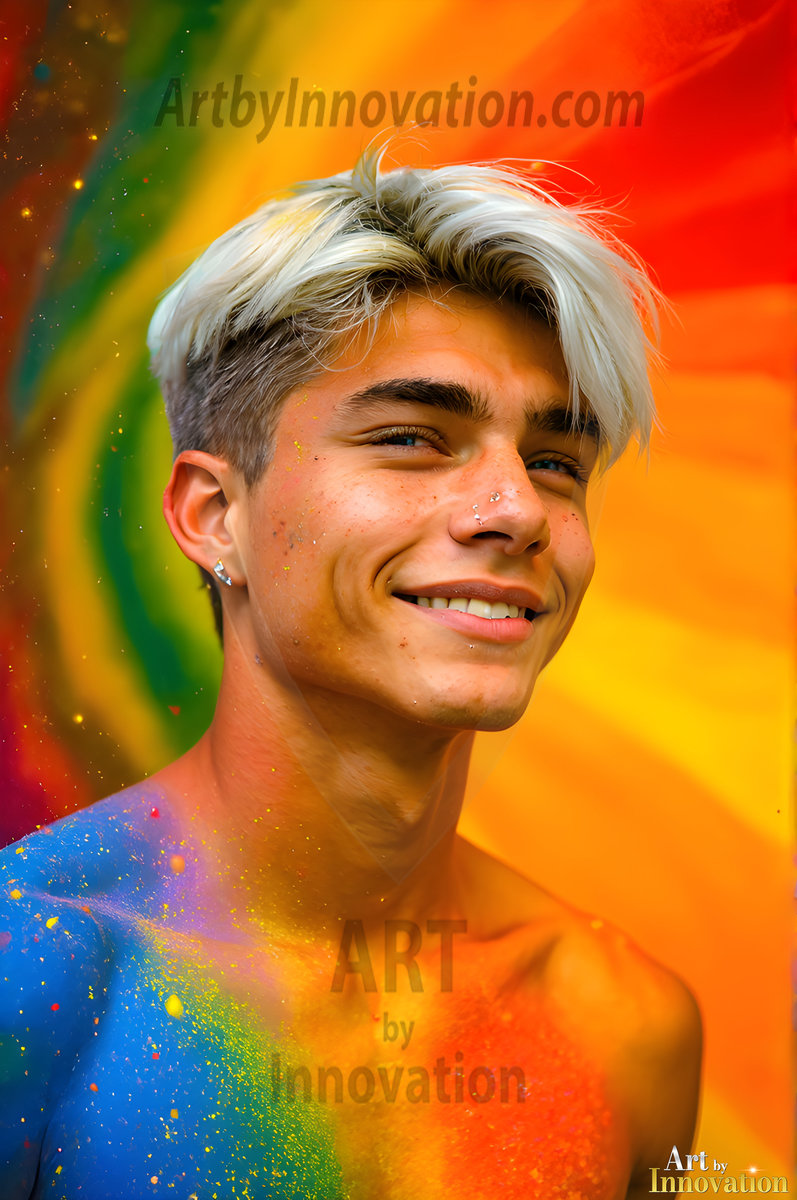
The colors of the LGBTQ+ Pride flags are designed to celebrate the diversity of human experience, visibility, and hope, with each shade representing a specific value that honors the LGBTQ+ community. Created in 1978 by artist Gilbert Baker, the rainbow flag has evolved to include more inclusive colors, showcasing how variety in identity makes individuals uniquely themselves. Meanings Behind the Colors, Red (Life): Represents the vitality and passion of LGBTQ+ people. Orange (Healing): Symbolizes the healing power within the community, often in the face of adversity. Yellow (Sunlight): Signifies the brightness and joy of being true to oneself. Green (Nature): Represents a connection to nature, the environment, and prosperity. Blue/Indigo (Serenity/Harmony): Symbolizes serenity, calm, and inner strength found in living one's truth. Violet/Purple (Spirit): Represents the spirit, strength, and resilience of the community.
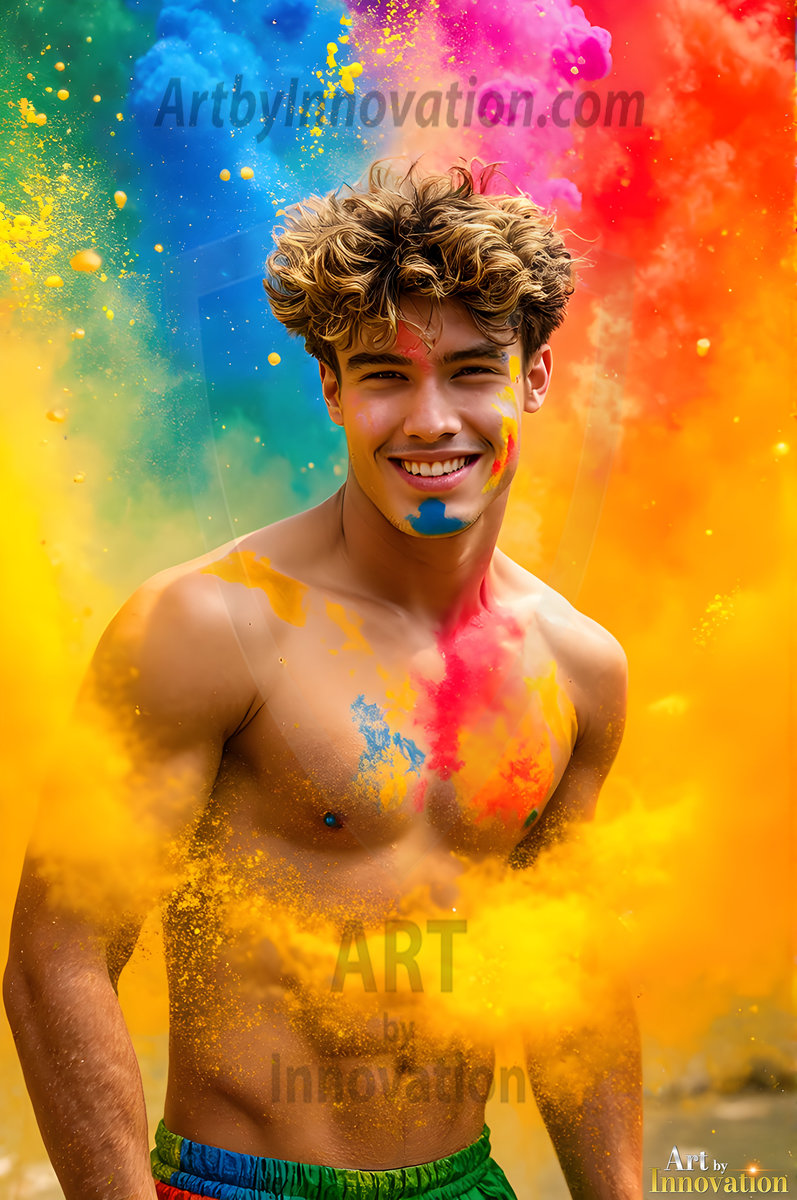
The colors of the LGBTQ+ Pride flags are designed to celebrate the diversity of human experience, visibility, and hope, with each shade representing a specific value that honors the LGBTQ+ community. Created in 1978 by artist Gilbert Baker, the rainbow flag has evolved to include more inclusive colors, showcasing how variety in identity makes individuals uniquely themselves. Meanings Behind the Colors, Red (Life): Represents the vitality and passion of LGBTQ+ people. Orange (Healing): Symbolizes the healing power within the community, often in the face of adversity. Yellow (Sunlight): Signifies the brightness and joy of being true to oneself. Green (Nature): Represents a connection to nature, the environment, and prosperity. Blue/Indigo (Serenity/Harmony): Symbolizes serenity, calm, and inner strength found in living one's truth. Violet/Purple (Spirit): Represents the spirit, strength, and resilience of the community.

The colors of the LGBTQ+ Pride flags are designed to celebrate the diversity of human experience, visibility, and hope, with each shade representing a specific value that honors the LGBTQ+ community. Created in 1978 by artist Gilbert Baker, the rainbow flag has evolved to include more inclusive colors, showcasing how variety in identity makes individuals uniquely themselves. Meanings Behind the Colors, Red (Life): Represents the vitality and passion of LGBTQ+ people. Orange (Healing): Symbolizes the healing power within the community, often in the face of adversity. Yellow (Sunlight): Signifies the brightness and joy of being true to oneself. Green (Nature): Represents a connection to nature, the environment, and prosperity. Blue/Indigo (Serenity/Harmony): Symbolizes serenity, calm, and inner strength found in living one's truth. Violet/Purple (Spirit): Represents the spirit, strength, and resilience of the community.

The colors of the LGBTQ+ Pride flags are designed to celebrate the diversity of human experience, visibility, and hope, with each shade representing a specific value that honors the LGBTQ+ community. Created in 1978 by artist Gilbert Baker, the rainbow flag has evolved to include more inclusive colors, showcasing how variety in identity makes individuals uniquely themselves. Meanings Behind the Colors, Red (Life): Represents the vitality and passion of LGBTQ+ people. Orange (Healing): Symbolizes the healing power within the community, often in the face of adversity. Yellow (Sunlight): Signifies the brightness and joy of being true to oneself. Green (Nature): Represents a connection to nature, the environment, and prosperity. Blue/Indigo (Serenity/Harmony): Symbolizes serenity, calm, and inner strength found in living one's truth. Violet/Purple (Spirit): Represents the spirit, strength, and resilience of the community.
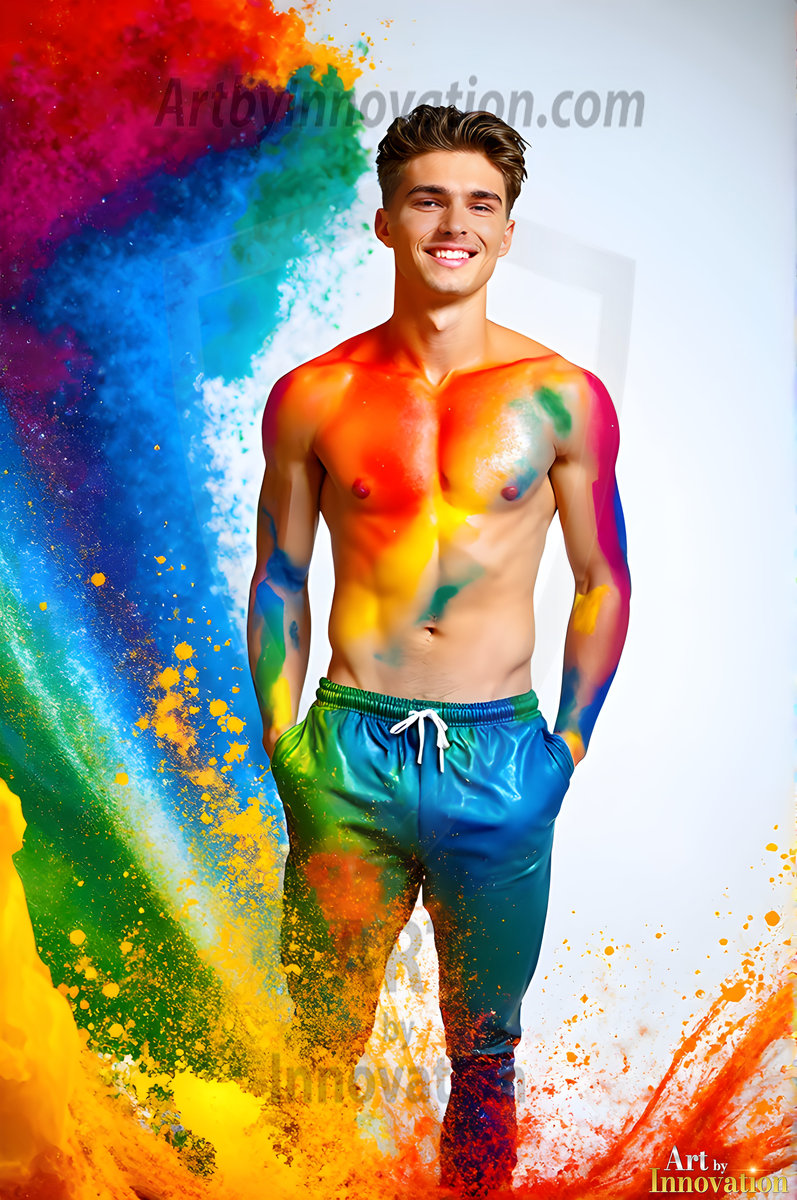
The colors of the LGBTQ+ Pride flags are designed to celebrate the diversity of human experience, visibility, and hope, with each shade representing a specific value that honors the LGBTQ+ community. Created in 1978 by artist Gilbert Baker, the rainbow flag has evolved to include more inclusive colors, showcasing how variety in identity makes individuals uniquely themselves. Meanings Behind the Colors, Red (Life): Represents the vitality and passion of LGBTQ+ people. Orange (Healing): Symbolizes the healing power within the community, often in the face of adversity. Yellow (Sunlight): Signifies the brightness and joy of being true to oneself. Green (Nature): Represents a connection to nature, the environment, and prosperity. Blue/Indigo (Serenity/Harmony): Symbolizes serenity, calm, and inner strength found in living one's truth. Violet/Purple (Spirit): Represents the spirit, strength, and resilience of the community.
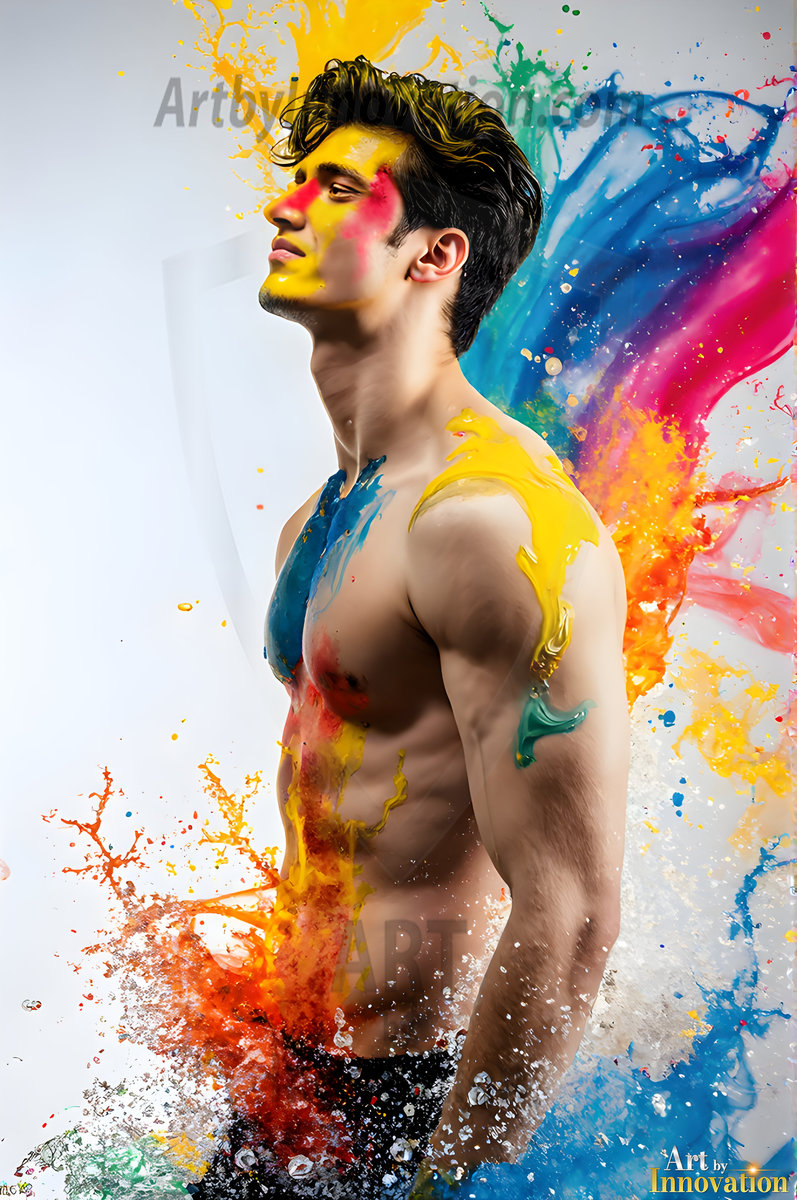
The colors of the LGBTQ+ Pride flags are designed to celebrate the diversity of human experience, visibility, and hope, with each shade representing a specific value that honors the LGBTQ+ community. Created in 1978 by artist Gilbert Baker, the rainbow flag has evolved to include more inclusive colors, showcasing how variety in identity makes individuals uniquely themselves. Meanings Behind the Colors, Red (Life): Represents the vitality and passion of LGBTQ+ people. Orange (Healing): Symbolizes the healing power within the community, often in the face of adversity. Yellow (Sunlight): Signifies the brightness and joy of being true to oneself. Green (Nature): Represents a connection to nature, the environment, and prosperity. Blue/Indigo (Serenity/Harmony): Symbolizes serenity, calm, and inner strength found in living one's truth. Violet/Purple (Spirit): Represents the spirit, strength, and resilience of the community.
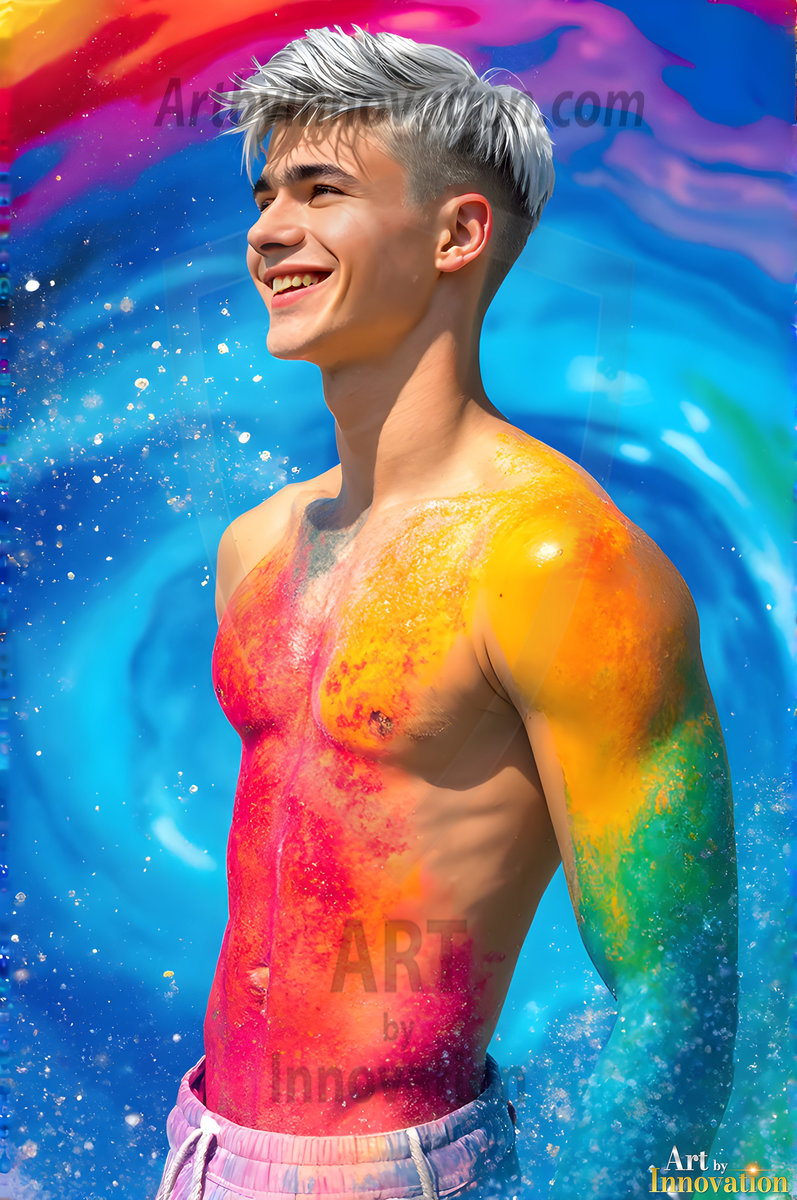
The colors of the LGBTQ+ Pride flags are designed to celebrate the diversity of human experience, visibility, and hope, with each shade representing a specific value that honors the LGBTQ+ community. Created in 1978 by artist Gilbert Baker, the rainbow flag has evolved to include more inclusive colors, showcasing how variety in identity makes individuals uniquely themselves. Meanings Behind the Colors, Red (Life): Represents the vitality and passion of LGBTQ+ people. Orange (Healing): Symbolizes the healing power within the community, often in the face of adversity. Yellow (Sunlight): Signifies the brightness and joy of being true to oneself. Green (Nature): Represents a connection to nature, the environment, and prosperity. Blue/Indigo (Serenity/Harmony): Symbolizes serenity, calm, and inner strength found in living one's truth. Violet/Purple (Spirit): Represents the spirit, strength, and resilience of the community.
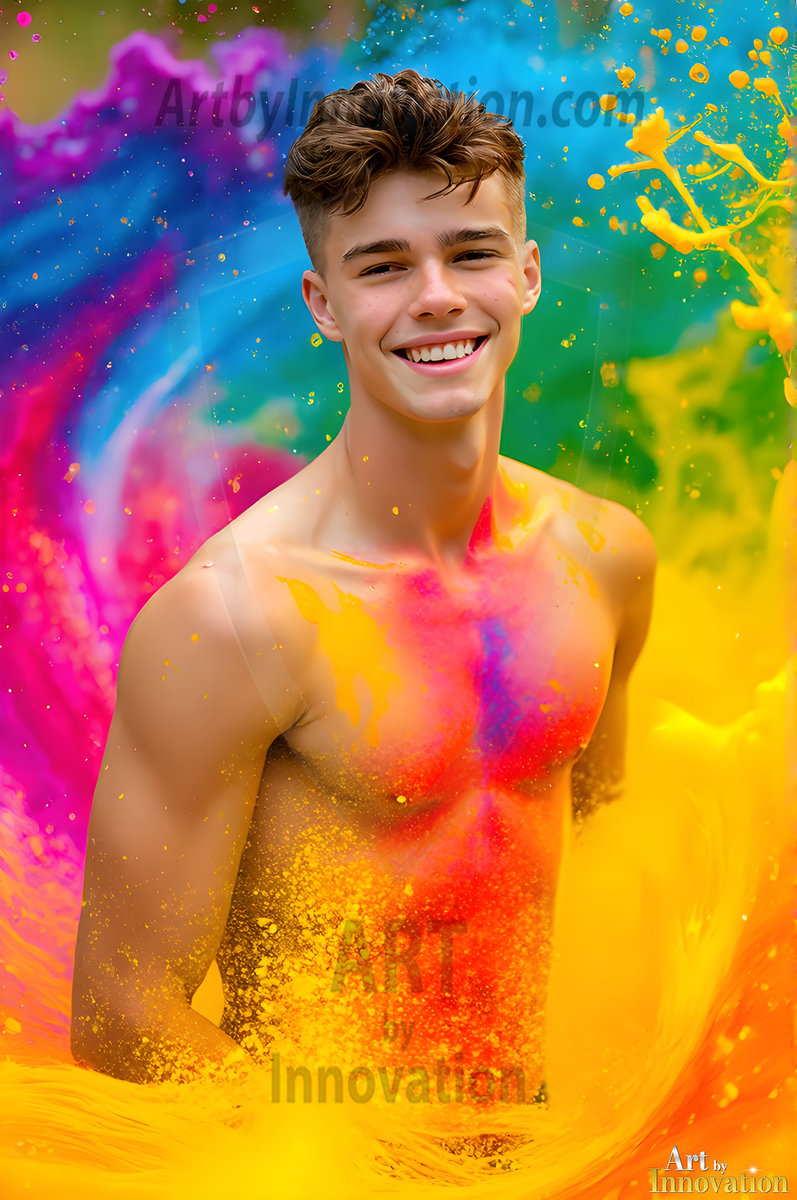
The colors of the LGBTQ+ Pride flags are designed to celebrate the diversity of human experience, visibility, and hope, with each shade representing a specific value that honors the LGBTQ+ community. Created in 1978 by artist Gilbert Baker, the rainbow flag has evolved to include more inclusive colors, showcasing how variety in identity makes individuals uniquely themselves. Meanings Behind the Colors, Red (Life): Represents the vitality and passion of LGBTQ+ people. Orange (Healing): Symbolizes the healing power within the community, often in the face of adversity. Yellow (Sunlight): Signifies the brightness and joy of being true to oneself. Green (Nature): Represents a connection to nature, the environment, and prosperity. Blue/Indigo (Serenity/Harmony): Symbolizes serenity, calm, and inner strength found in living one's truth. Violet/Purple (Spirit): Represents the spirit, strength, and resilience of the community.

The colors of the LGBTQ+ Pride flags are designed to celebrate the diversity of human experience, visibility, and hope, with each shade representing a specific value that honors the LGBTQ+ community. Created in 1978 by artist Gilbert Baker, the rainbow flag has evolved to include more inclusive colors, showcasing how variety in identity makes individuals uniquely themselves. Meanings Behind the Colors, Red (Life): Represents the vitality and passion of LGBTQ+ people. Orange (Healing): Symbolizes the healing power within the community, often in the face of adversity. Yellow (Sunlight): Signifies the brightness and joy of being true to oneself. Green (Nature): Represents a connection to nature, the environment, and prosperity. Blue/Indigo (Serenity/Harmony): Symbolizes serenity, calm, and inner strength found in living one's truth. Violet/Purple (Spirit): Represents the spirit, strength, and resilience of the community.

The colors of the LGBTQ+ Pride flags are designed to celebrate the diversity of human experience, visibility, and hope, with each shade representing a specific value that honors the LGBTQ+ community. Created in 1978 by artist Gilbert Baker, the rainbow flag has evolved to include more inclusive colors, showcasing how variety in identity makes individuals uniquely themselves. Meanings Behind the Colors, Red (Life): Represents the vitality and passion of LGBTQ+ people. Orange (Healing): Symbolizes the healing power within the community, often in the face of adversity. Yellow (Sunlight): Signifies the brightness and joy of being true to oneself. Green (Nature): Represents a connection to nature, the environment, and prosperity. Blue/Indigo (Serenity/Harmony): Symbolizes serenity, calm, and inner strength found in living one's truth. Violet/Purple (Spirit): Represents the spirit, strength, and resilience of the community.
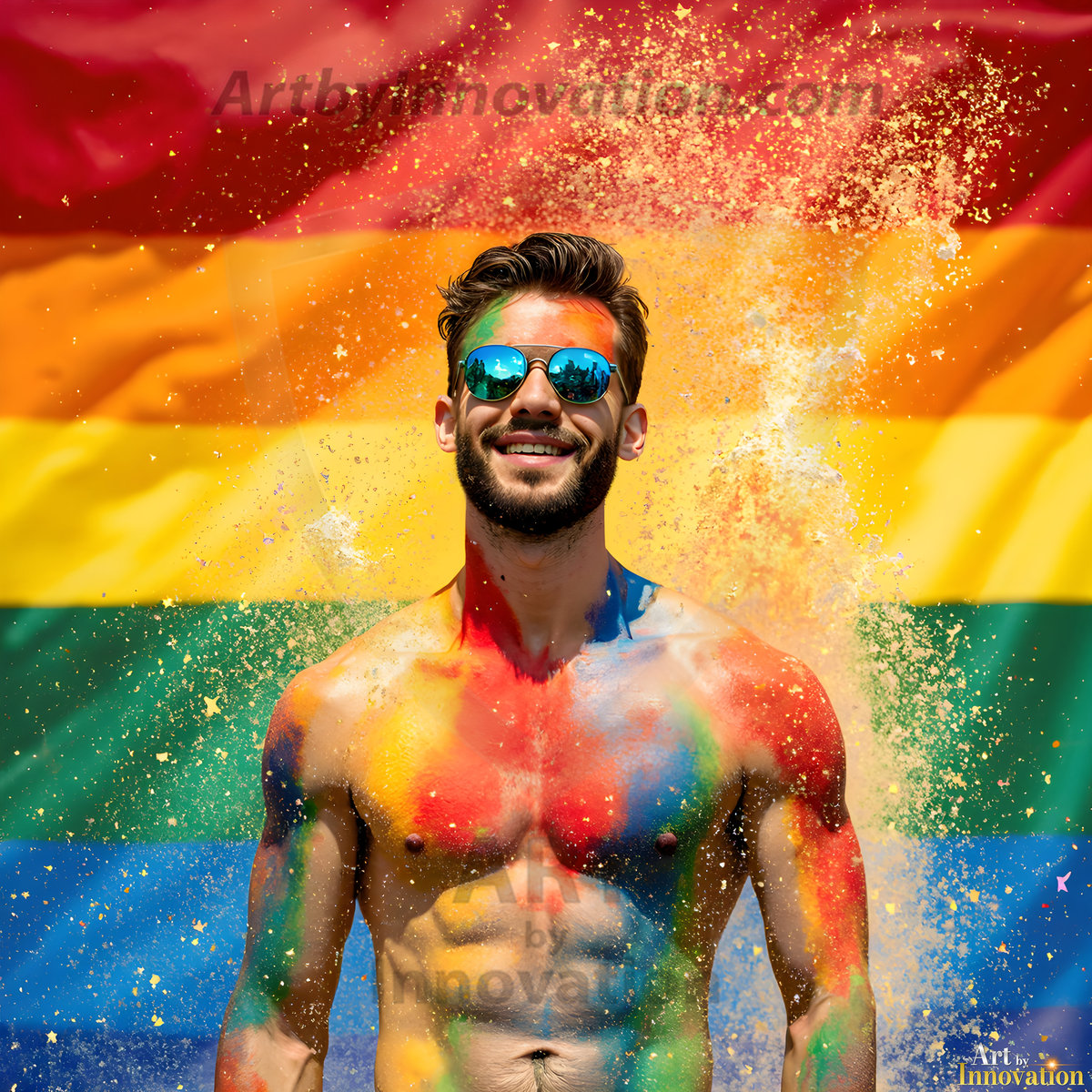
The colors of the LGBTQ+ Pride flags are designed to celebrate the diversity of human experience, visibility, and hope, with each shade representing a specific value that honors the LGBTQ+ community. Created in 1978 by artist Gilbert Baker, the rainbow flag has evolved to include more inclusive colors, showcasing how variety in identity makes individuals uniquely themselves. Meanings Behind the Colors, Red (Life): Represents the vitality and passion of LGBTQ+ people. Orange (Healing): Symbolizes the healing power within the community, often in the face of adversity. Yellow (Sunlight): Signifies the brightness and joy of being true to oneself. Green (Nature): Represents a connection to nature, the environment, and prosperity. Blue/Indigo (Serenity/Harmony): Symbolizes serenity, calm, and inner strength found in living one's truth. Violet/Purple (Spirit): Represents the spirit, strength, and resilience of the community.